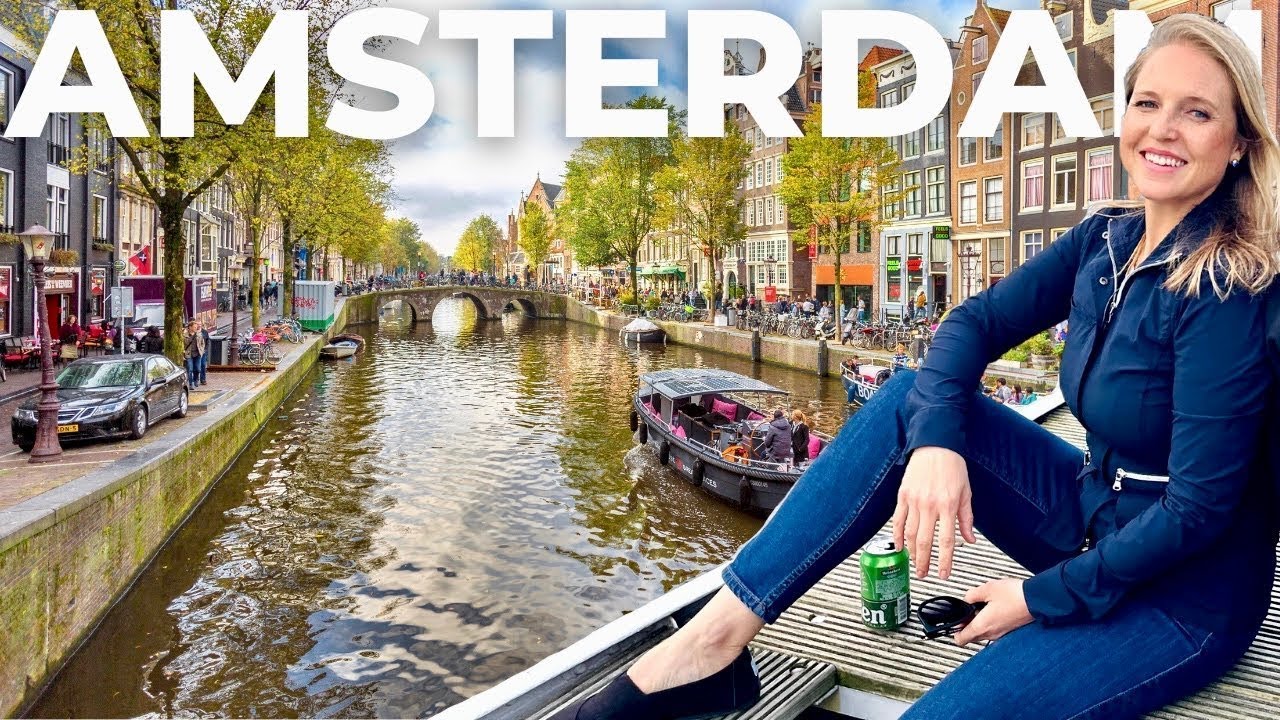
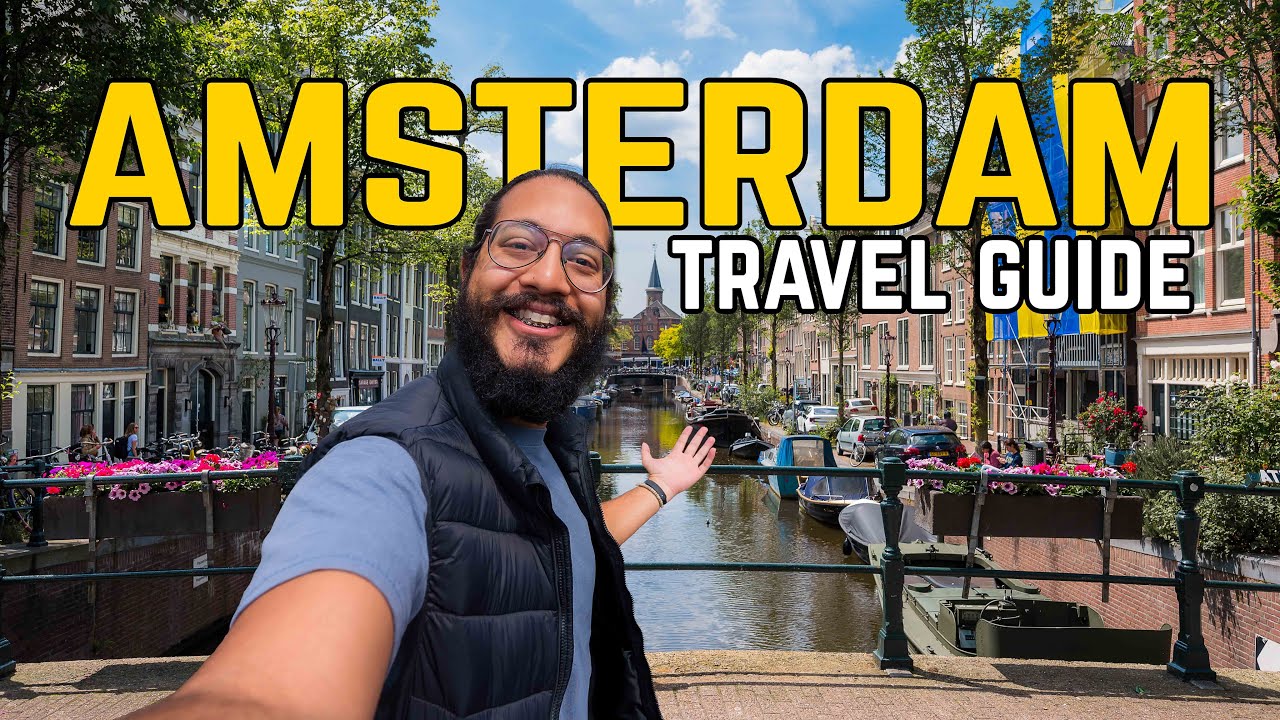
welcome to Daum square the site of a long ago dam that put the dam in Amsterdam it's the bustling center of the city and with the Royal Palace right behind me the perfect starting off point perhaps the best way to tour this city is by boat along its 60 miles of canals here it was in the Middle Ages people started coming here and they our guide is Russell short Howe author of a best-selling history of Amsterdam from its founding in the late 12th century this city's location on a river delta that often flooded posed a
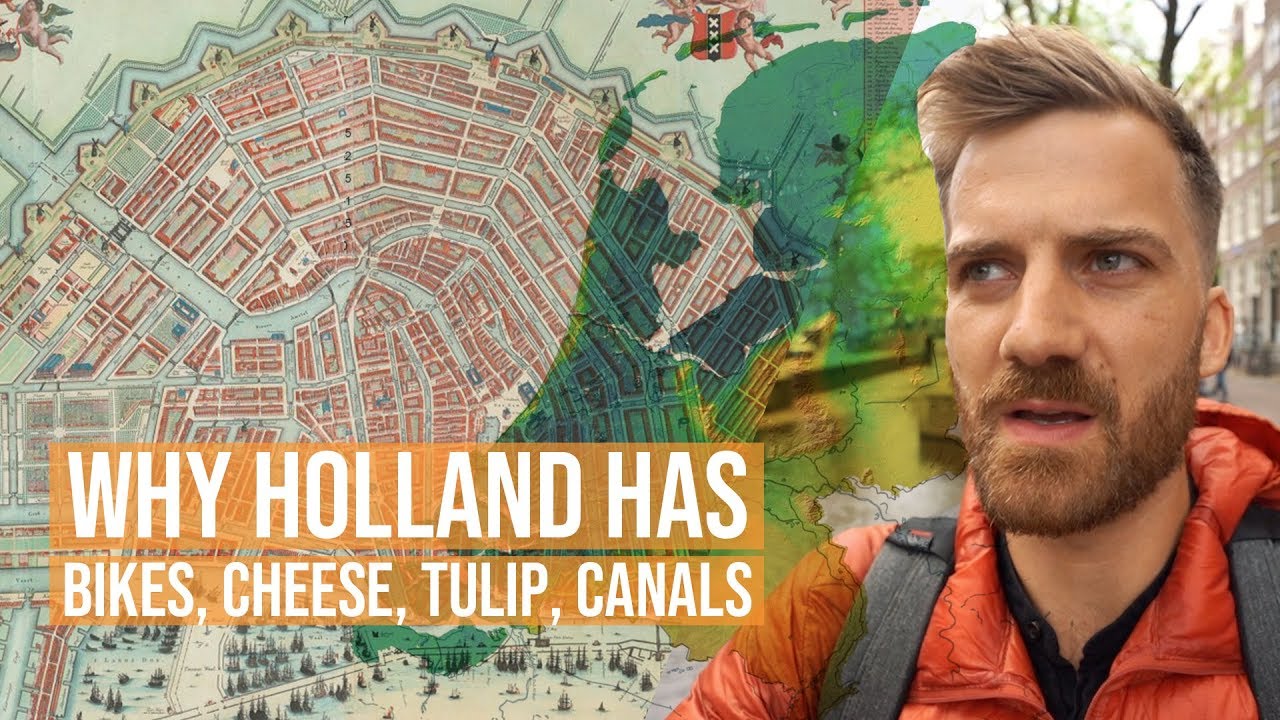
challenge for its residents and this is the the crucial point they started banding together in small groups in their communities and building dams and dikes and canals in order to control this problem of water and make it work for them their success in transforming their natural environment led to a reshaping of their entire approach to life they started to realize you know we've got something here we've got this that they did it changed their mentality and then they built on that what the people of Amsterdam built in the centuries that followed were the first businesses
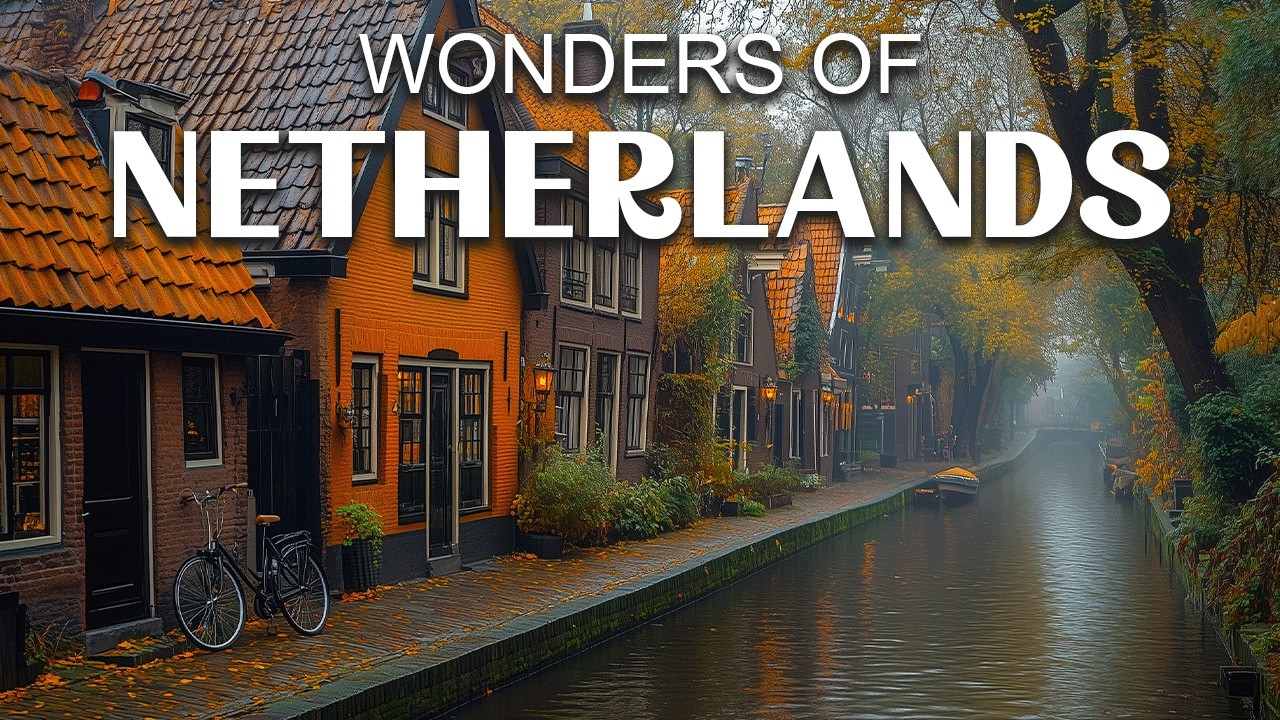
of the modern age shipping insurance the first stock exchange and international trading enterprises like the Dutch East India Company as the economy grew so did the city with eye catching details we saw at every turn this is the Heron Croc the gentleman's canal one of the great 17th century canals this is the the Golden Age city that we're in and you had the medieval city first and then the city fathers made this plan where they were going to lay out this ring of canals around it because the city was expanding so rapidly the canals were
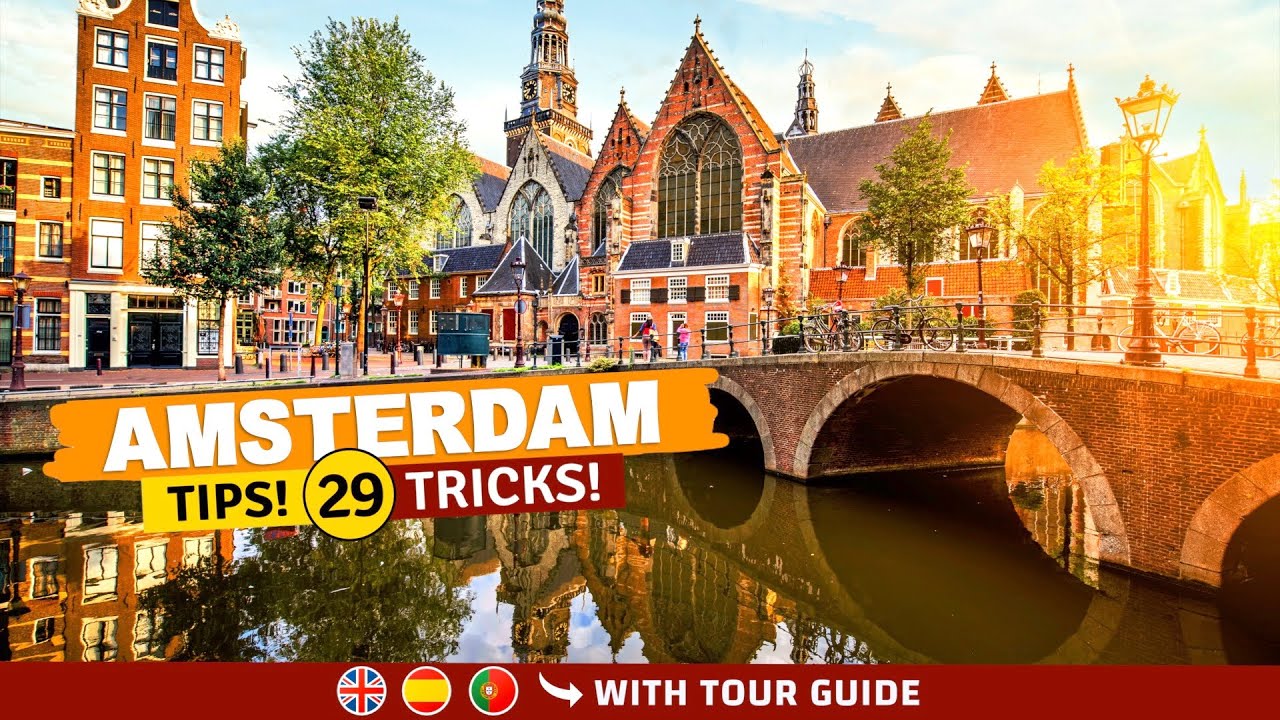
lined with the townhouses of Amsterdam's thriving merchant class each adorned with special architectural details like these stones to show the owners profession if you look over there those Gables see the the ones that's called a spout gable you see the piece of wood coming out the top with a hook on it that's a hoist beam you would bring your goods on the canal up to your door and then you would hoist them up and you would store them in your attic and it wasn't all business genius and talent also flourished in the arts during Amsterdam's
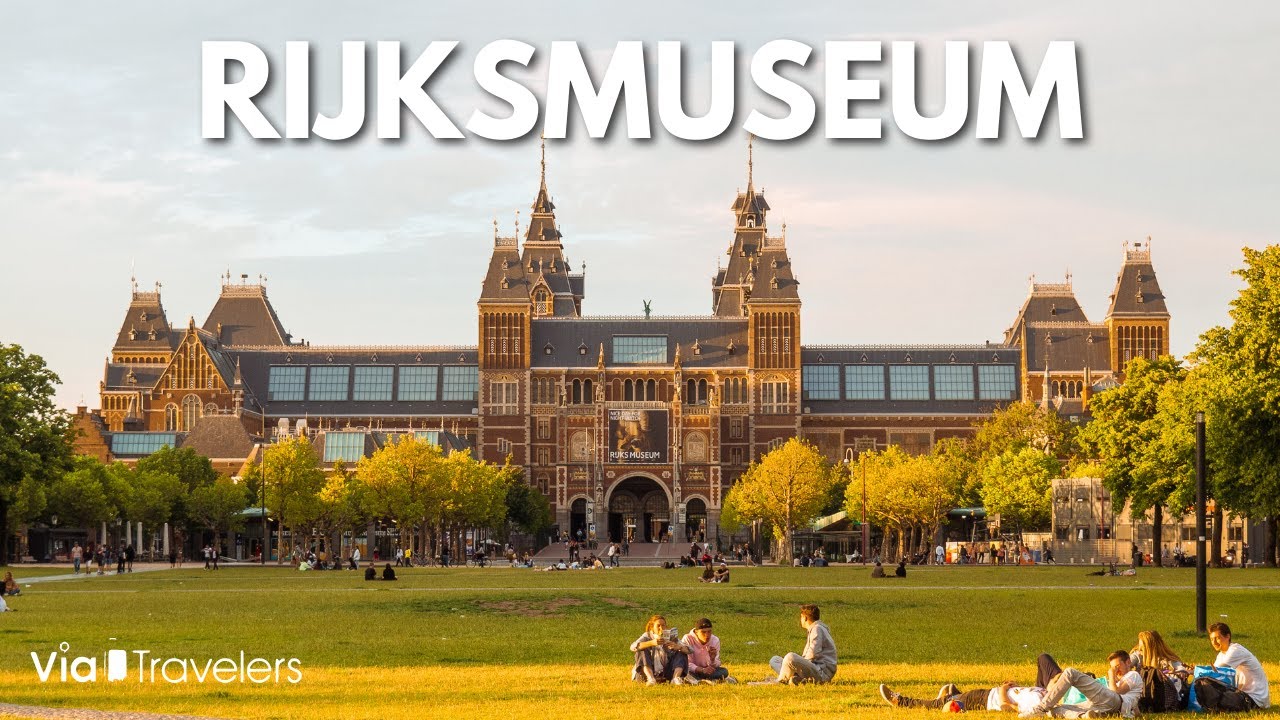
Golden Age of the 1600s where we are now the duelin hotel this is Rembrandt area you see the guys up there with her fluffy Rembrandt era hats on Rembrandt's paintings of the city's leading citizens including the famous Night Watch Phil Amsterdam's Rijksmuseum he captured all his subjects outward signs of success but also author Russell short Howe says something more he seemed able to paint who you were inside and if you look at those paintings you see that you feel that you feel these people thought about themselves for the first time the way we think about
ourselves today along with Rembrandt there was van Gogh there's an entire museum devoted to his works and one of the city's most visited sites is the Anne Frank House where young and wrote her famous diary during the two years she and her family hid from the Nazis during World War two these days it seems there's a refreshing openness about life here and what's with the young no curtains in the windows you know some people say that that is look we have nothing to hide or there's no you know we're we're ordinary we're decent ordinary people
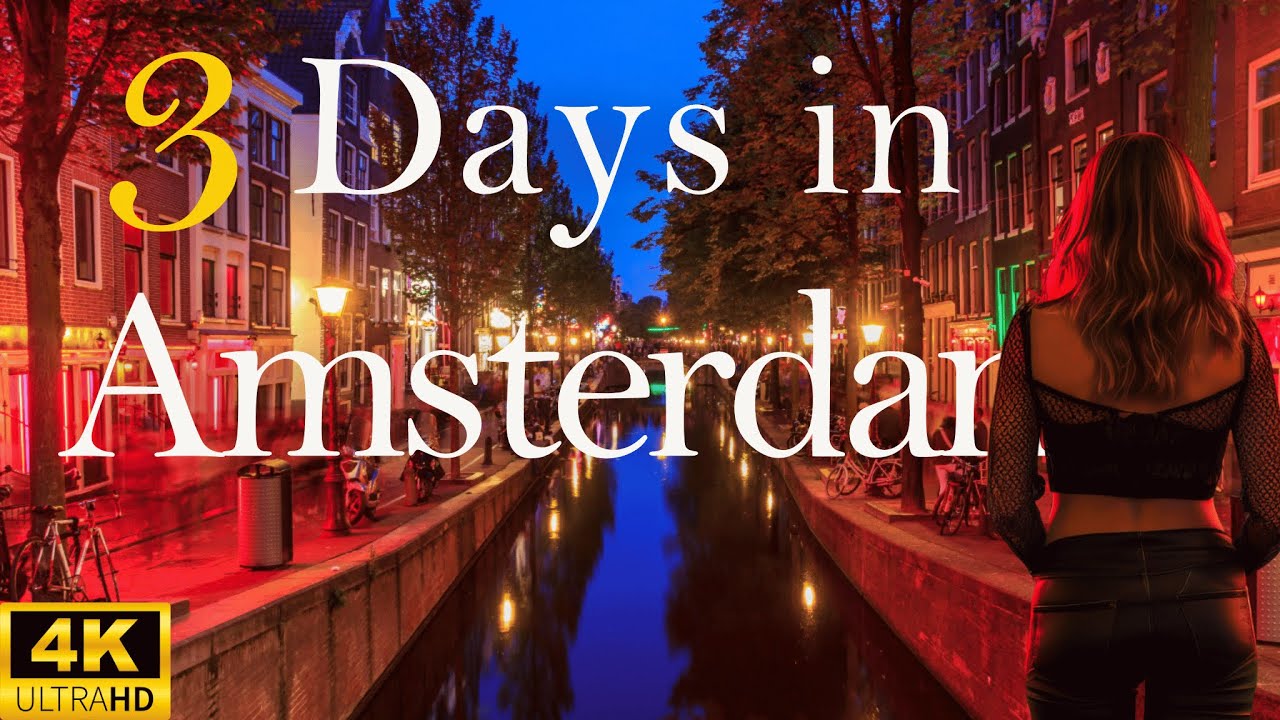
here you know nothing to see here exactly you know because another thing an American visitor notices Amsterdam's tolerant attitude toward everything from marijuana use to sex the nearly 200 coffee shops here don't just sell coffee you can also legally buy marijuana and smoke it on the spot and there's the famous red light district where prostitutes legally display their wares short oh says the city's tolerance is of long standing that is a tricky thing to try to understand and I don't know if any a foreigner any outsider can really get it but there's a Dutch word
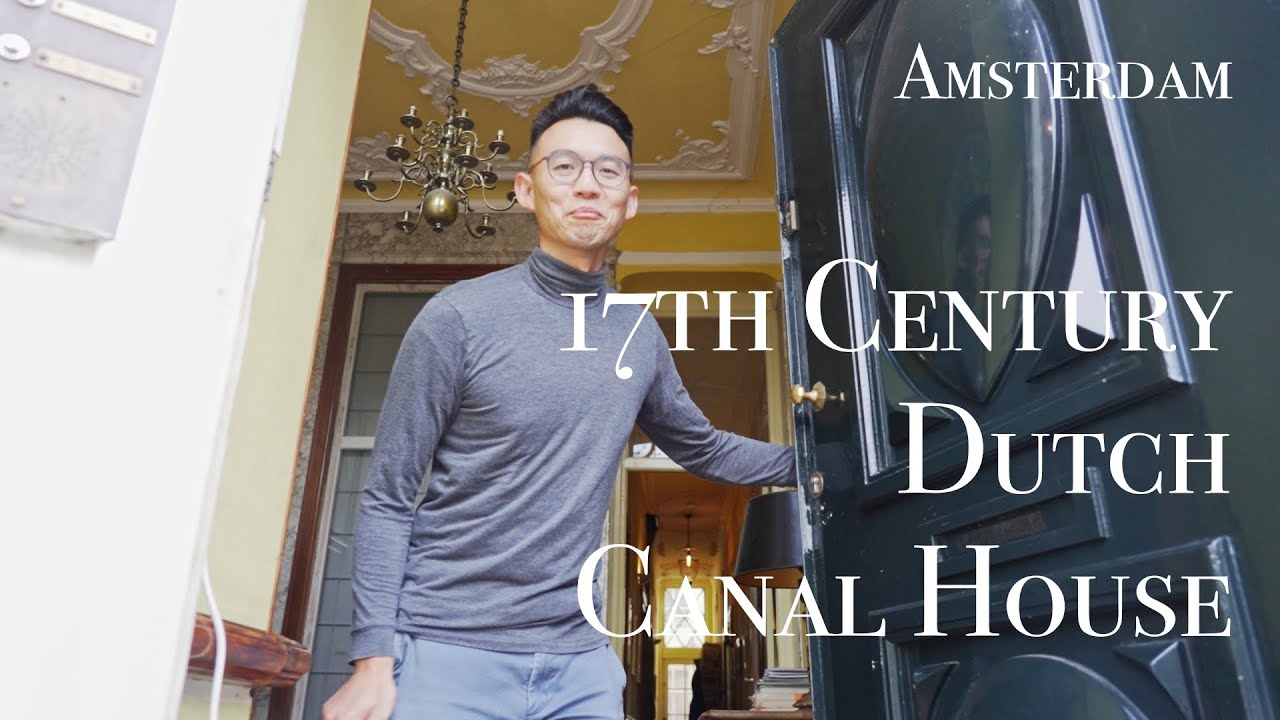
Hadouken which means this is my definition of it it means technically illegal but officially tolerated put everything we've been seeing on our cruise together and you begin to understand Amsterdam's unique draw it's the city itself it's the city of canals and of canal houses which are built for individuals it's a monument to the ordinary individual person and ordinary individual families this is in many ways the birthplace of our modern sense of ourselves as individuals this was where that started [Music]