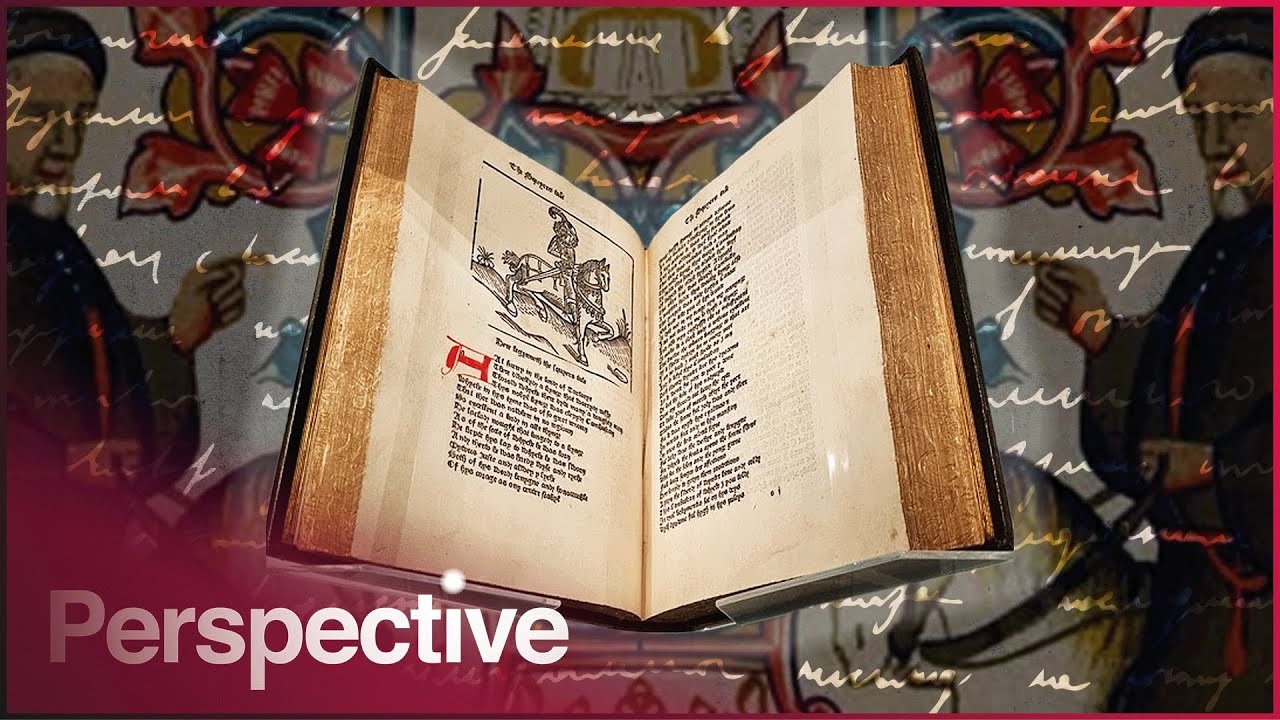
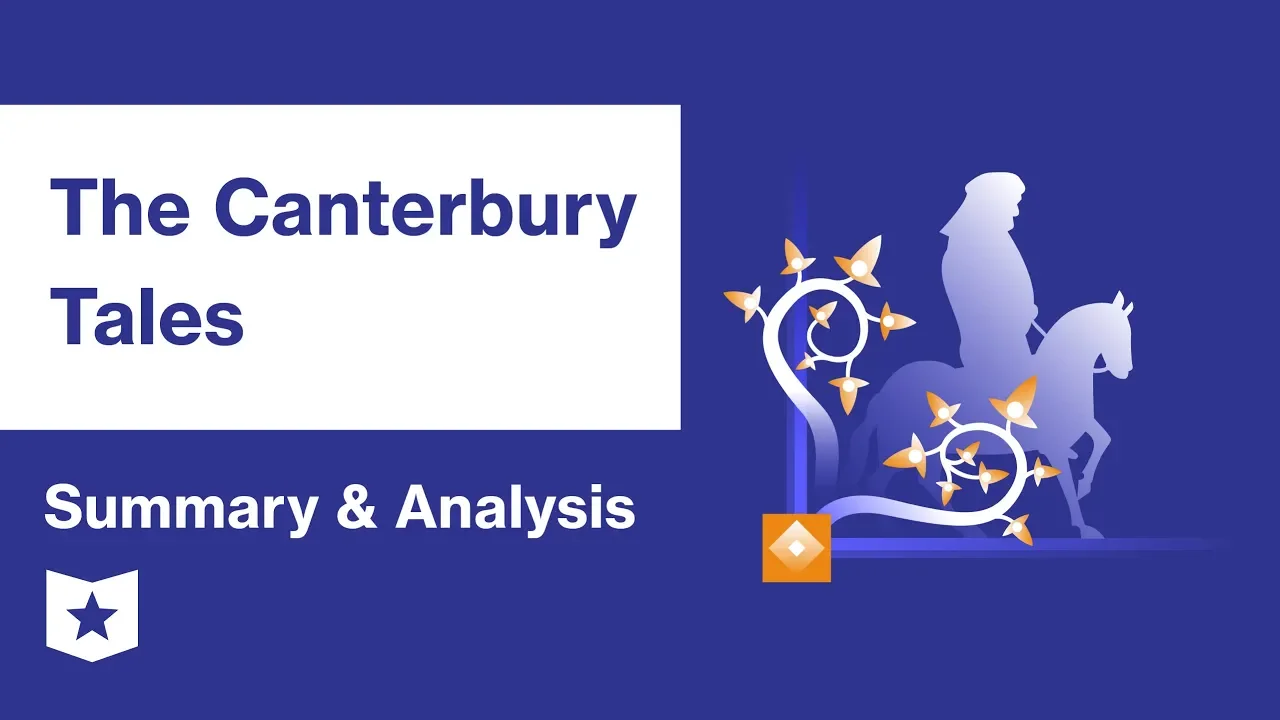
few books have withstood the test of time like Geoffrey Chaucer's wildly original trailblazing masterpiece The Canterbury Tales still widely published read and discussed over 600 years after its original publication The Canterbury Tales is not only a window into the past but a powerful funny tragic historical glimpse into life in medieval times and it stands as one of the first books written in English and it's poetic prose style made the classic work in Middle English incredibly innovative a story about storytelling the Canterbury Tales depicts life class romance social caste gender morality and so much more all
in a hilarious moving way that contextually still resonates with readers modern sensibilities to understand more about the Canterbury Tales it's important to know more about its author Geoffrey Chaucer he was born in London in the 1340s but the exact date of his birth is unknown as a teenager Chaucer worked as a royal page and later as an emissary for the King and he traveled widely throughout Europe these positions allowed him to meet people from various countries and social classes becoming fluent in several languages in the process The Canterbury Tales reflects Chaucer's unique and eclectic life
experiences and are loosely based on real experience Chaucer's choice to write The Canterbury Tales in the English language some say for the first time set a precedent that generation upon generation of authors would follow for centuries to come understanding the Canterbury Tales can't really happen without discussing the societal context in which it's many tales take place for one thing at the time of its writing women were not treated as equals to men and in fact abuse sexual or otherwise was widely accepted the Virgin Mary was the image of female perfection while Eve who tempted Adam
to eat the biddin fruit and eden brought sin into the world men held all the power and when women did have even a little of it it was because their husbands gave it to them or died leaving it to them another problematic but contextually important elements of the Canterbury Tales is anti-semitism despite the fact that medieval popes taught tolerance for Jewish people Christians at this time were quite anti-semitic in fact one tale incorporates blood libel which involved the false belief that Jews ritually murdered children to drink their blood critics have debated whether or not Chaucer
himself was anti-semitic but the inclusion of the troubling ideology shows just how prevalent it was in Chaucer's time the relationship between society and the church is key to understanding the period to the Roman Church was the sole Christian Authority in Europe and it's corruption was widespread amidst the angry calls for reform the Bible was translated from Latin to English so that Christians could commune with God directly without priests the noble class didn't like this any more than the church did causing tension among the classes change was coming however and the three traditional socialist states clergy
nobles and peasants were threatened by an emerging middle class of merchants and tradesmen perhaps most intriguing is the fact that the Canterbury Tales exists at all because there was no audience for such a major work when it was composed English was not yet widely accepted as a written language writing The Canterbury Tales in Middle English meant that Chaucer was on the cutting edge of literary innovation printing with movable type hadn't been invented yet so Chaucer probably shared some of his tales orally with fellow civil servants and scholars the writing of The Canterbury Tales coincides with
the rise of writing in English itself and the proliferation and documentation of storytelling is an essential element of the The Canterbury Tales wasn't just a famous story it was the famous story the one that set the stage for a culture of reading that continues to this day in the decades after Chaucer's death around a hundred copies of his tales were created making it a best-seller by the standards of the time as for the plot The Canterbury Tales is a story within a story and sometimes even all that is within yet another story anyway every tale
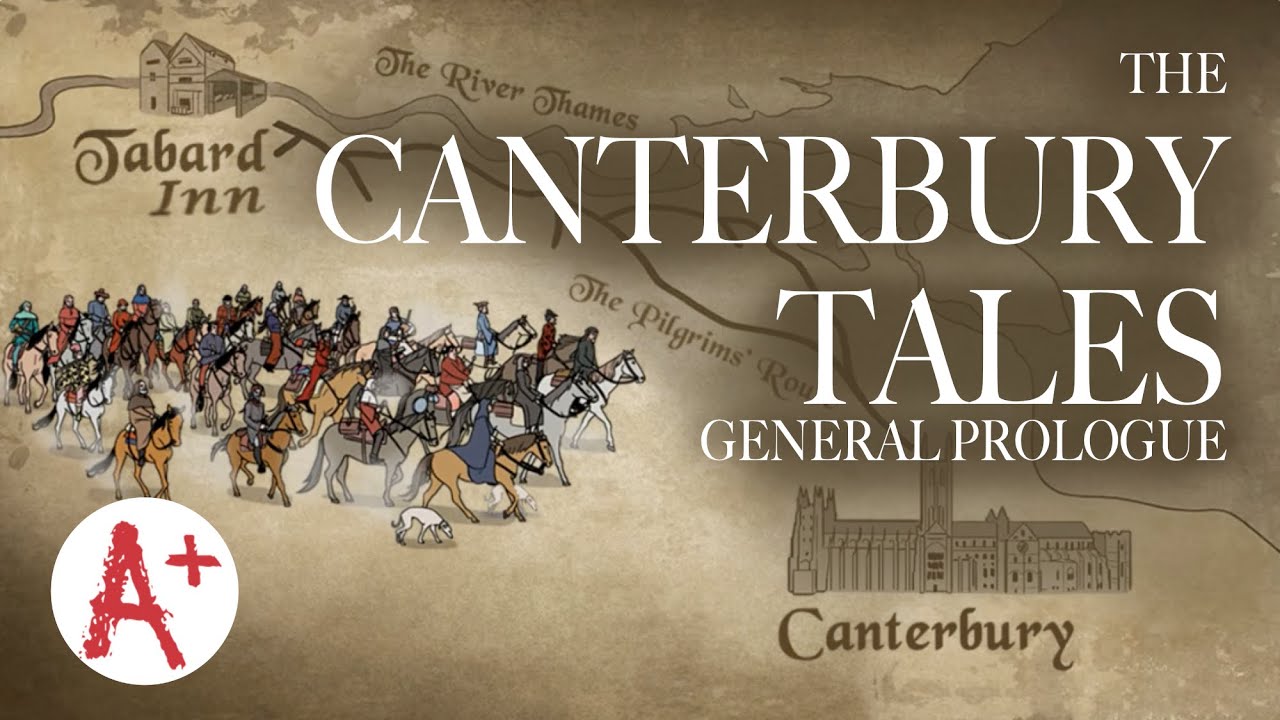
contains its own structure of introduction rising action climax falling action and resolution which is often a cautionary lesson or moral the 24 tales our book ended by a prologue and retraction in the overall story within which all other stories are told the introduction presents Chaucer Harry Bailey an innkeeper and pilgrims who meet at Bailey's Tabard Inn and route to the Canterbury Cathedral the narrator and this motley crew of representative figures of various social classes and occupations travel together and one-up each other in a friendly sometimes fierce rivalry of storytelling during the rising action the characters
ride toward Canterbury sometimes fighting sometimes drinking but taking turns telling their stories as Harry Bailey keeps the momentum going stopping when the stories get too somber or when the storytellers deviate the knight tells the first tale the Miller interrupts with the second tale and so on until stories are told by a cornucopia of characters prologues return to the assembled listeners and develop their characters through reaction and conversation what follows our stories from the wreaths the cook the man of law the shipment the prior arrests Chaucer's caricature of himself who tells his own tale of sir
topaz and melody the monk the nuns priests the physician the Wife of Bath the friar the summoner the clerk the merchant the squire the Franklin the second none the canons yeoman and the manciple the stories are tragedies and comedies they look at stories that range from mythological non-secular figures to talking animals to infidelity and trickery among regular people even to farting on fryers all speak to the values and beliefs of medieval Europe and burgeoning social classes emerging between the lines of the clergy the nobility and the peasantry the journey's climax this is a stoic parson
declare he'll give a sermon and during the following action near Canterbury the parson completes this sermon it's one that speaks to Christian values salvation and offering remedies for the sins that have played out in the various tales throughout the journey during the resolution Chaucer the author offers his retraction praying for forgiveness for the less moral moments in the storytelling journey and apologizing for any sensibilities of morality he's offended in his readers he then includes a list of his own works and a hope for salvation as a kind of final legacy all throughout the epoch that
is the Canterbury Tales seems like love sex and fellowship social class the relationship between story and storyteller and rivalry are represented through critical symbols like springtime and flowers each of which speaks to sexuality youth infertility blood which speaks to the duality of nobility and Christ's sacrifices and clothing which is character and class exposition nearly on the level of the tales themselves both the lens to medieval culture and a masterwork of poetic prose one of the first ever in English Geoffrey Chaucer's Canterbury Tales is an epic in layers where storytelling leads to more storytelling symbols uncover
themes characterization and exposition illuminate the realities of the past and religious mystique meets the documentation of all to human cultural history [Music] you