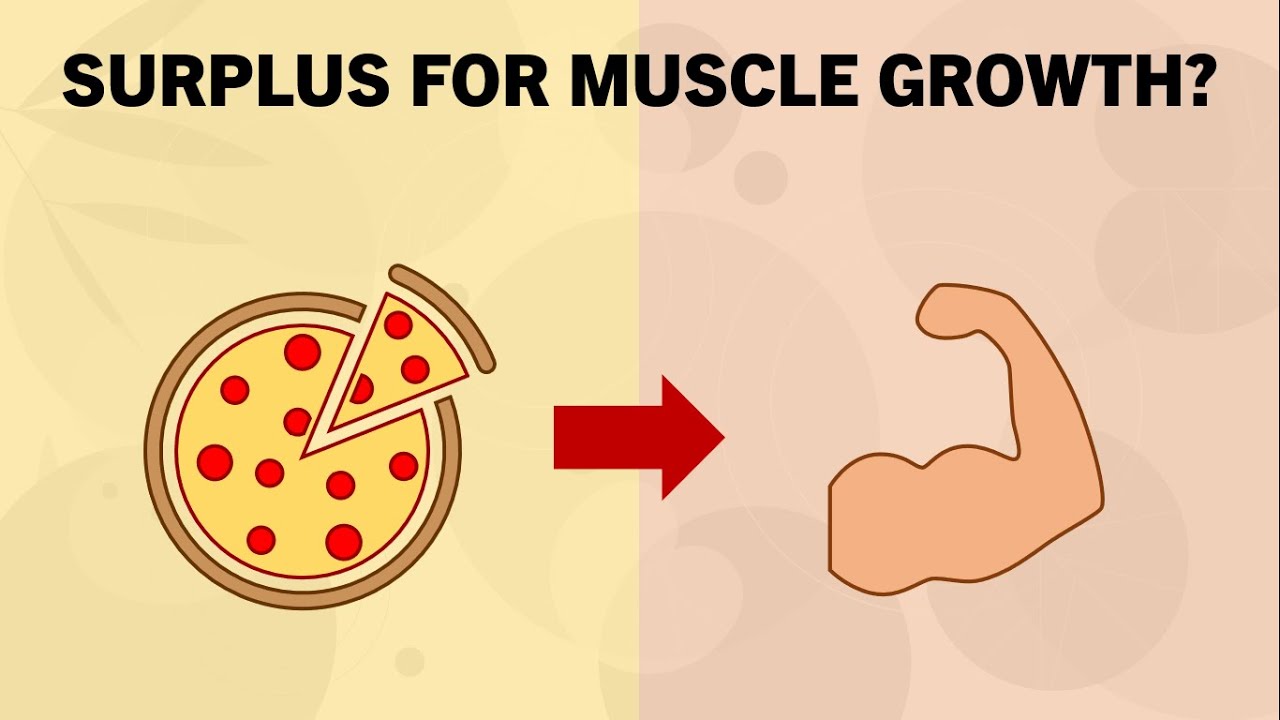
hey folks dr mike here for renaissance periodization before we get into the meat and potatoes of this video i'd like to give you a special gift a suggestion that becomes a gift steven seagal you know him as a martial artist actual a very good police officer and of course a movie star super actor but did you know that steven seagal is a prolific musician instead if you youtube steven seagal music some of it will come up on youtube and don't play it around children because actually quite perverse no joke so yeah sure watch our video like subscribe whatever other youtube stuff i have to say go watch steven seagal's music videos and please comment about what your favorite lyric was and or your favorite one of his songs uh in the comments below but we're getting ahead of ourselves go enjoy doing that come back here for muscle gain dieting made simple video number six creating a surplus so so far and all the videos before this we've sorted out food portions food types and meals we're good to go with that we're counting macros and we have a stable meal plan big deal we know pretty much how much we're eating which is any time you want to make changes to that like if you don't know where you are you have no idea where you're going and of course per the last video we know how much fluid to take in and what supplements to take and probably what supplements are not worth our time now for some people this entire process of adjusting and configuring can take months and there's not a damn thing wrong with that getting used to this kind of approach is important because just starting to do these things already makes you more muscular and if you're going to be really muscular later getting a good hang on this process is really really critically important right if you're training hard this entire time as you're slowly counting more of your macros and eating more protein and spreading onto multiple meals so on and so forth you'll just be gaining muscle this entire time in most cases especially if you're more of a beginner and because this is a made simple video maybe you are more of a beginner but if you're not there's still pretty good stuff to learn now for a lot of folks probably for the majority will take a while for some folks especially more experienced people this will only take a few weeks and after a few weeks they'll really have this really good plan and it's going to be a maintenance plan right essentially they've sort of figured out how many calories to eat and figure out what foods and all the meals etc and after a few weeks they'll be like okay like i really want to turn this into not just a good eating plan to support good training but a purposeful muscle gain plan and especially folks have had dieting experience from before like if you come to these videos and you know what macros are you've used myfitnesspal gee you know you're overqualified within a week or two you might be like okay i've got it what are we doing so on that note here's what we're doing now we're ready to purposefully gain muscle well in other words alter our diet in such a way that muscle gain is the real big central point of what's going on the most powerful weapons you have for muscle growth are in most cases hard progressive weight training that gets harder over time and a caloric increase okay because we want to get bigger we need the calories to do so okay if you are eating the calories to maintain a body weight of 170 pounds there is no way on god's green earth you're going to get to 190 pounds at some point without eating more food it's just impossible unless you somehow magically reduce your physical activity a ton then you get fat and unhealthy you just got to eat more it's absolutely the best way into certain body weights the only way okay there's dexter jackson's a perfect example he started his bodybuilding competitive career in the mid 130s so he weighed like 132 or 135 on stage when he first started i mean he was already eating well and training and you could say like hey like just gain your way to to mass bro and just eat whatever and you'll be fine don't try to eat food on purpose he would have finished his career maybe just by natural increases in appetite that a company weighed training maybe at 160 or 170 he finished his career at like 245 on stage okay i promise you dexter jackson had to go through many many episodes of eating on purpose more than he wanted right how much more though you're sure you can eat all the cookies in the world and then just gain so fast that you get fat definitely a bad idea so our best recommendation and again we can get into super detail in other videos about why and all the nuances but in this made simple video between 0. 25 and 0. 5 of your body weight per week is a really good goal it offers you enough oomph to really get you to gain some muscle but not so much oomph that you get super super fat and this is probably best done over the course of about eight to 16 weeks at a stretch okay anything less than eight weeks is like oh gee you know there's a lot of momentum that develops you probably at week eight are really starting to really put on muscle your training is going well your diet's locked in and it's kind of stupid to stop and much after 16 weeks you're probably pretty fat you maybe need a mini cut or you're so tired from training so fatigue you need a maintenance phase lower volume so on and so forth h is 16 weeks of course there are exceptions but in general not a bad place to start so 0.
25 to 0. 5 body weight per week so you know basically if you weigh 200 pounds that means you gain between half a pound a week to a pound a week right nothing crazy but something pretty notable right now how do you gain this on pure simple math which has tons of nuances tons of caveats we want to gain half a pound a week we increase whatever we're eating at maintenance by about 250 calories per day okay every day for a week and then after that week mathematically you should have the average super shotgun target of half a pound per week if you want to gain a pound it's 500 calories up from your baseline diet so you basically have two choices and sort of anything in between so if you want to gain a pound per week then you need to take your calories and add 500 to them right now there is some math involved because you may not actually weigh 200 pounds squarely making all this math super easy or 100 pounds what if you weigh like 150 or something in between well you just need a couple things and i've demonstrated all the formulas here for you you need your current body weight you need your weight gain uh per week goal in percent you just multiply the first by the second and then you multiply that result by 500 calories to get how many calories of surplus you need in order to actually gain roughly your first best guess at the weight that you want to gain so here's a very easy example you currently weigh 150 pounds you weight gain per week goal let's say 0. 5 a week you want to be nice and aggressive you multiply 150 by 0.
005 which is 0. 5 and you get point seven five pounds per week okay that's what you have to be gaining in order to get your goal and that point seven five pounds so 0. 75 times 500 is 375 daily calories is what you need to add to your plan so if you're currently eating 3000 you need 3 375 in order to have a best guess of gaining 0.
75 pounds per week which is for your body weight in this example 0. 5 percent and you can pause the slide look through it try your own numbers it's like kind of like you're back in math class and 10th grade it's like a worksheet plug it in and then see what you get and if it looks like it says i need to eat 3 600 calories you did it wrong it'll go only 36 calories you also did wrong okay but if it's something in the several hundred calorie mark you're probably on the right track now creating a surplus is cool but as many people will point out to you calorie is just actually a measurement of energy specifically it's a measurement of heat so how the hell do you add heat to your diet i mean i guess you could make things really spicy i'm not gonna follow you thought i was gonna take that joke further i'm not i'm just gonna dump that that's a garbage joke turn up the heat in your house i'm done i swear to god i'm done stand closer to the pan when you're finding your food in the kitchen i swear to god that was the last heat joke i'll ever make put on sweatshirts but that's all i'm gonna say in any case you can't actually eat calories okay calories are just a measurement of something so what do you actually eat well we have choices protein carbs fats what do you do how do you add those calories well generally speaking you want to add in as much of that as possible as you can in carbs because carbs promote really big pumps which probably make you more jacked and they're cool to have they promote a ton of energy to power really awesome workouts and they probably have a small but significant uh direct anabolic and anti-catabolic effect so if you eat a high carb diet it prevents muscle loss at times of the day or night when you may not have enough protein to support that uh or you're really stressed or so on and so forth and it also probably causes a little bit muscle gain over time nothing wrong with fats though so if you're really tired of eating a whole lot of carbs because like look if you bump up your carbs a ton of time a ton and your fats are the same the meals start to look weird like it used to be having like you put a bunch of rice in a bowl and a little bit of parmesan cheese or something a little bit olive oil that was really really awesome to eat with chicken it tastes great but now like you doubled your carbs so that meal tastes a lot drier and you're like oh this is really hard to eat you double them again and you're like i can't eat this there's way too many carbs not enough fats the food's all dry it's crap i can't go out to eat anymore because no restaurant has foods that are so high in carbs so low in fat so until it becomes inconvenient i would say push the carbs a little more but there's nothing wrong with fats and up until they get at least 2. 5 gram per pound so if you weigh 200 pounds up until you're eating 100 grams of fats per day or more it's totally fine to add fats and there's really just almost no downside right add carbs first then add fats or add both until you hit that whatever surplus of let's say in this example 375.
why not add protein at a technical level could you add protein yes protein is calories it would totally work the thing is protein is more expensive in almost every case protein is not as delicious as added carbs or fats okay when you're dieting for a contest or something or you're super hypercaloric you're like man you know what i could do just crush more chicken breasts bro if i could have more casein pudding that'd be amazing like what the fuck says that you probably want more carbs and more fats and probably in combination with all the best foods are really high carb high fat foods some of them have protein like you know cheeseburgers and some really don't like donuts okay so they might as well be more tasty they might as well be more cheap and protein is relatively filling especially sort of clean protein that has low fat so it's tough to add protein in the real world and also pointless and also here's a really big kicker if you're already taking in like a gram per pound of protein like we talked about in the earlier videos adding more protein doesn't directly cause any more anabolism yeah the calories you add will but adding protein from a gram per pound to higher to that 375 extra calories versus adding that in fats or carbs or a combination gives you roughly the same anabolism probably a little bit better with a higher carb lower fat but it offers you no special advantage above and beyond the calories so literally if you already have your protein in and you're making food and you have like mac and cheese with like chicken or something and you're like oh i need more calories you add in like a quarter of a stick of butter somebody could be like why don't you just add in more chicken and you'd be like that would be in no way beneficial and in every way problematic for my games okay unless you really feel like you need more chicken and then look i'm not gonna stop you restart to install the latest windows update you guys know what's funny i don't even have wi-fi right now windows easy bill gates don't activate my moderna virus chip i don't want to die i love my family all right so now now that bill gates is single who knows what he's capable of and oh my god fuck scotty hamstring cramp bill got me you guys please leave this in do not build bill listen i came at you all wrong fuck you guys i still have a hamstring crap oh my god i did high i did my reps of leg curls earlier today fuck holy fuck you guys i fixed the cramp just waited it out and had some fluids mr gates i'll be continuing now check this out i'm using microsoft powerpoint yay isn't that nice all right on a serious note though my hamstring cramp is 100 legit and super serious if you can't consistently get this increased surplus of food from healthy foods it's absolutely okay to get your bump your weekly average by having a bit of junk right always with protein in the meal so if you have ice cream i would recommend having a protein shake with it but a little bit of junk is totally fine as needed what is a little bit up to 25 of your diet can be junk it'd be totally fine just don't be like half or 75 or something like that right it's that easy this whole process is not that hard now that's just starting the surplus and remember that calculation you made is just your first guess at what that actually is however your body may adapt to that surplus after a week or two and or you actually guessed wrong to begin with because all this is based on a very rough guess you could have increased activity by accident or decreased it or you know thermogenic effect of food went up because your you know your metabolism is adapting so on and so forth so you might not gain at all you might lose weight even after the surplus or you might start to gain at a good clip or gain a little bit uh more slowly after a while if that's the case if you go about two weeks without gaining as much weight as you planned per week then what you can do is create an additional 250 calorie surplus i could get more mathematical and have some other kind of fraction or multiplier to your body weight if you throw in another 250 it usually is enough to really be a good start to a solution and if next week you still are behind throw in another 250.