seven things that can save your life in a heart attack alone imagine you are alone at home at work or even driving the day seems normal but suddenly a strange pain starts in your chest breathing becomes short cold sweat runs down the body and a feeling of heaviness dominates the center of the chest within seconds fear arises am I having a heart attack and now what to do how to act when every second can be the difference between life and death knowing how to recognize the signs of a heart attack and act correctly can save
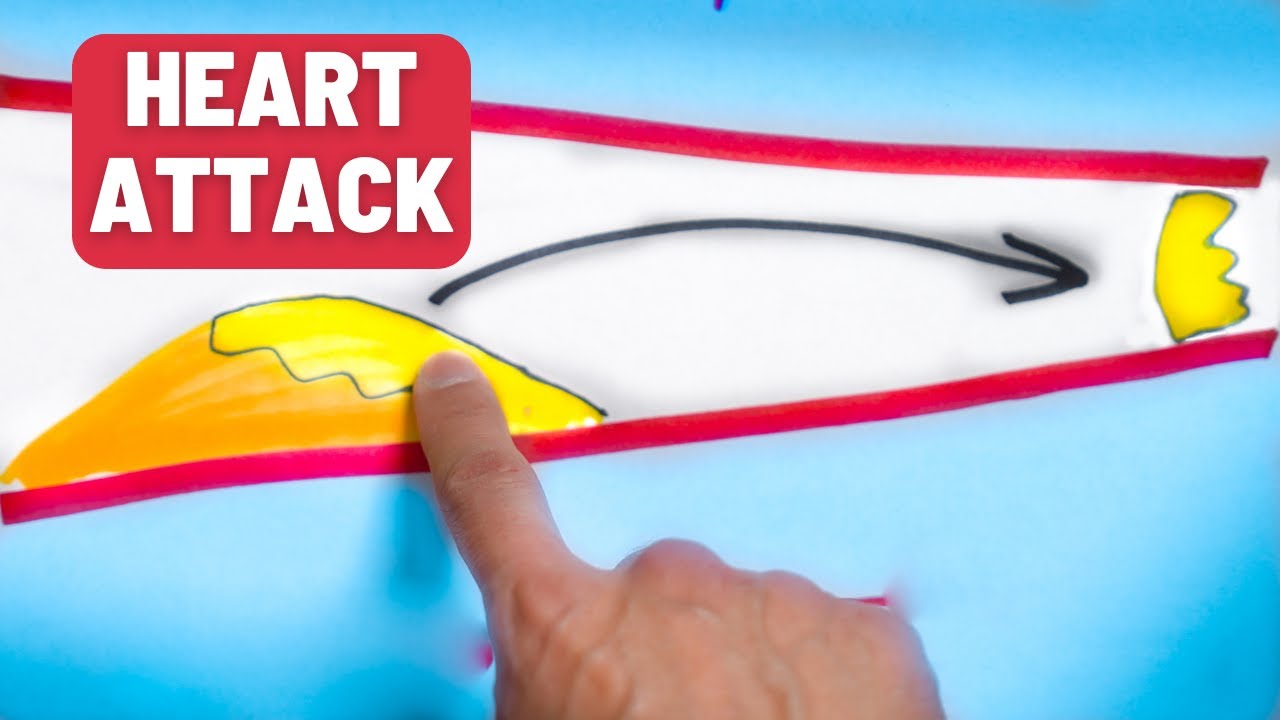
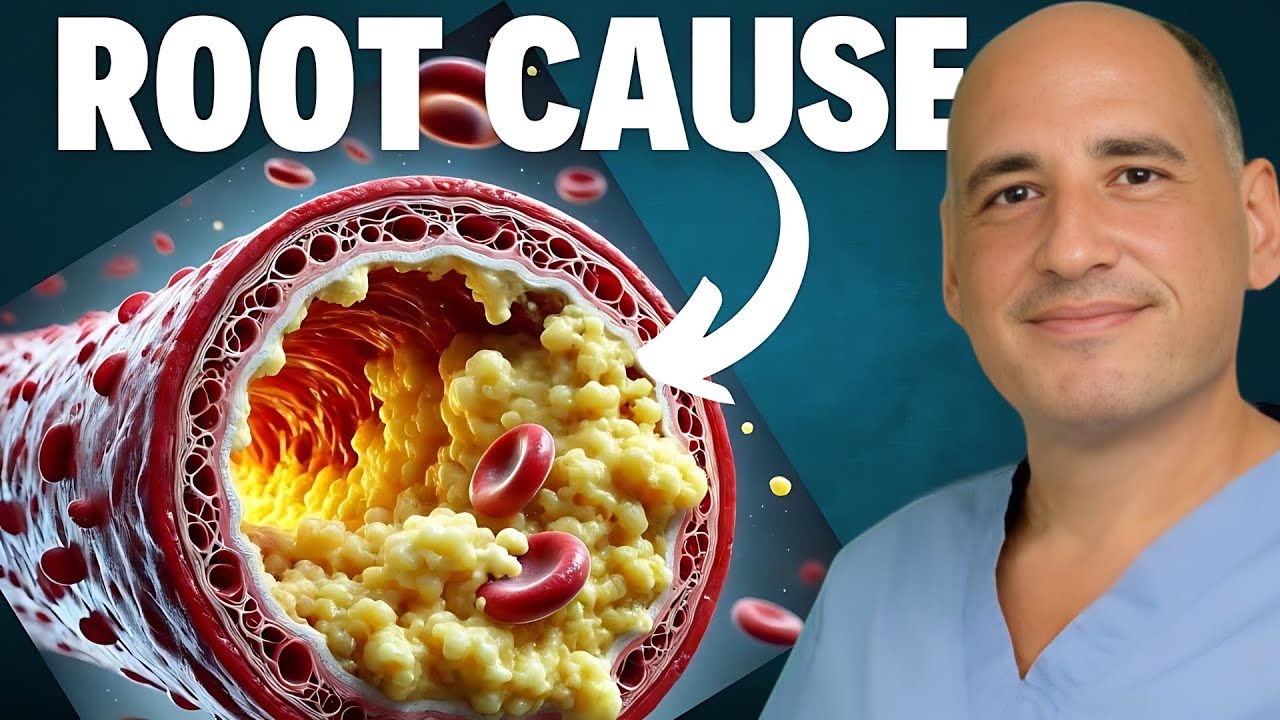
not only your life but also that of someone close to you the problem is that few people know the crucial information that can make all the difference in an emergency in this guide you will learn everything you need to know the signs what to do and the mistakes you should never make let's get started what causes a migration a heart attack or heart attack is caused by an interruption in the flow of blood to the heart this blockage occurs most of the time due to the formation of a in a coronary artery the vessels that
carry oxygen and nutrients to the heart muscle without oxygen heart cells begin to die within minutes resulting in severe damage to the organ the main reason for this blockage is atherosclerosis a process in which fatty plaques cholesterol and other substances accumulate on the walls of the arteries over time these plaques can rupture triggering the formation of clots that obstruct blood flow factors that contribute to atherosclerosis and consequently heart attack include one bad food a diet rich in saturated fats trans fats sugar and salt increases bad cholesterol LDL and favors the accumulation of plaque in the
arteries two lack of exercises a sedentary Life Style impairs circulation increases the risk of hypertension and contributes to weight gain all factors that compromise the heart three smoking cigarettes are one of the biggest causes of heart health it causes inflammation in the arteries favoring the formation of plaques and clots four diabetes and hypertension both conditions accelerate the process of atherosclerosis diabetes in particular can also mask the symptoms of a heart attack making early diagnosis difficult five stress chronic stress increases the production of hormones such as adrenaline and cortisol which strain the heart and raise blood
pressure furthermore genetic factors play an important role if you have close relatives who have already suffered a heart attack your chances of facing the same problem are greater another alarming fact even people considered healthy can suffer a heart attack this occurs due to sudden spasms in the coronary arteries which can block bloodflow or extreme stress situations which strain the heart did you know that 50% of deaths from heart attacks occur within the first hour after symptoms appear therefore knowing the warning signs is essential we will explore what these signs are in the the next topic
infarction warning signs recognizing the signs of a heart attack can save lives but many are still unaware of the symptoms Beyond chest pain the problem is that the body emits different alerts which can be confused with minor problems knowing how to identify them quickly is the key to taking action before it is too late here are the seven most common signs that indicate a possible Heart Attack One chest pain this is the most classic symptom the pain is often described as a tightness or crushing sensation in the center of the chest as if something very
heavy is pressing down on the area it can radiate to the arms jaw neck or back unlike temporary pain this pain persists for more than 5 minutes and does not improve with rest two intense sweating and pallet cold sticky sweat accompanied by paleness is one of the first warning signs it occurs due to the release of adrenaline by the body which tries to compensate for the cardiovascular emergency three short short Ness of breathe shortness of breath or a feeling of Suffocation can happen even without chest pain this is caused by the heart's difficulty pumping blood
properly which reduces the oxygen available in the body four dizziness or feeling of fainting dizziness occurs due to a sudden drop in blood pressure or a decrease in blood flow to the brain it is often accompanied by blurred vision or mental confusion five nausea and vomiting these symptoms common especially in women and diabetics are often confused with stomach problems they may arise due to irritation of the Vargus nerve which connects the heart to the digestive system six numbness or heaviness in the arm the most common thing is to feel discomfort in the left arm but
this can also occur in the right arm shoulders hands or even both arms at the same time this symptom is a result of the brain interpreting pain signals in the heart as if they were coming from the arms seven extreme anxiety or a feeling of imminent Doom this is a frequent description of patients they report intense fear as if something very bad is about to happen this sensation is a reflection of the body given the gravity of the situation attention to special groups women and diabetics may experience at typical symptoms such as just nausea extreme
tiredness or mild chest pain these signs are often underestimated leading to late diagnosis if you notice one or more of these symptoms the next step is to act quickly but what can you do to increase your chances of survival find out in the next topic the first things you must do to survive if you recognize the signs of a heart attack it is essential to act immediately every second counts and what you do in the first few minutes could be the difference between life and death here's a step-by-step guide on what to do one call
Samu immediately the first thing to do is ask for help call the emergency number and state your symptoms clearly if possible keep your phone nearby and turn on speaker phone to save power explain that you may be having a heart attack and follow the attendant instructions if you are in an area where Samu may take more than 15 minutes seek help from Neighbors family members or ask for quick Transportation such as a taxi or ride sharing app never drive alone two keep calm and save energy although it is difficult try to remain calm stress increases
the load on the heart and can worsen the condition sit or lie down in a comfortable position with your back supported and your head elevated this facilitates blood circulation and reduces the risk of falling if you lose Consciousness avoid moving around or performing unnecessary tasks the objective is to save the heart's effort until help arrives three chew aspirin if available if you have aspirin as at home and are not allergic chew two to 3 100 milligram tablets chewing is important as it speeds up the absorption of the medicine allowing it to act f fter in
the blood aspirin acts as an anti-coagulant helping to prevent the clot from getting bigger and causing further damage to the heart four avoid driving or traveling alone while it may seem tempting to get in your car and drive to the hospital doing so can be extremely dangerous during a heart attack blood pressure can drop sharply or serious arrhythmias can lead to fainting driving in these conditions not only puts your life at risk but also the lives of other people on the road f live follow the instructions of the Samu attendant the emergency responder can provide
specific guidance while you wait for help be attentive and follow all recommendations important positioning while waiting for the ambulance to arrive keep the doors unlocked to facilitate access for Rescuers if you have pets place them in a separate room to avoid distractions or complications during care what to do if you feel worse if symptoms worsen before help arrives remain still and continue breathing slow slly and controlled remember that every minute that passes without treatment increases the risk of irreversible damage to the heart acting calmly and following these steps can greatly increase your chances of survival
but just as important as knowing what to do is knowing what should not be done to avoid fatal mistakes what not to do during a migration knowing what to do during a heart attack is essential but avoiding common mistakes can also save lives there are attitudes that although they may seem harmless can worsen the situation and put your survival at risk here's what you should never do one don't ignore the symptoms underestimating warning signs such as chest pain shortness of breath or dizziness can be a fatal mistake many people attribute these symptoms to minor problems
such as tiredness or indigestion and hope they pass however every minute counts during a heart attack and delaying Medical Care significantly reduces the chances of survival two do not drive to to the hospital alone as tempting as it may be to get in the car and go to the hospital this decision can be extremely dangerous during a heart attack it is common for pressure drops or serious arrhythmias to occur which can lead to fainting if this happens while you are behind the wheel the risk of serious accidents increases dramatically three do not self-medicate with vasodilators
medications such as is oral and substrate used to dilate arteries can be dangerous if taken without medical advice they can cause a sudden drop in blood pressure worsening the situation furthermore if you have consumed erectile dysfunction medications such as Viagra the risk of fatal side effects increases four don't believe in myths like coughing to restart your heart one of the most widespread myths is that coughing vigorously can help restore blood flow or restart the Heart during a heart attack this has no scientific basis and can even make the situation worse increasing physical effort and strain
on the heart five do not make unnecessary physical efforts if you are alone avoid tasks that require effort such as walking to another room or trying to carry out activities the goal is to save energy and reduce the burden on the heart until help arrives important care during infarction desperation often leads people to make hasty decisions such as insisting on solving the problem on their own remember a heart attack is a medical emergency and requires Specialized Care avoiding these mistakes Stakes is as important as acting correctly but what if you are near someone who is
having a heart attack in the next topic we will see how to help someone else in this critical situation how to help someone with a heart attack being there when someone is having a heart attack is a huge responsibility but your actions can make all the difference between life and death knowing how to act correctly is essential to increase a person's chances of survival here are the most important steps one call Samu immediately 192 the first step is to call the emergency service explain the situation in detail describing the symptoms the person is experiencing for
example report if there is chest pain shortness of breath sweating or loss of consciousness the more information you provide the better support Samu can offer two help people keep calm a heart attack can be scary and panic only makes the situation worse talk to the person ask them to breathe slowly and deeply this helps reduce anxiety and reduces the burden on the heart three three position the person properly if the person is conscious help them sit or lie down in a comfortable position with their back supported and their head slightly elevated this position improves blood
flow and prevents Falls if she loses Consciousness four offer aspirin if available if the person is not allergic and can chew offer two 100 Mig aspirin tablets it is important that aspirin is chewed as this speeds up its absorption in the body helping to prevent the formation of clots five be prepared for CPR cardiopulmonary resuscitation if the person loses Consciousness and is not breathing it is time to act quickly place your hands in the center of the person's chest and begin chest compressions compressions should be firm and done at a rate of 100 to 120
per minute like the rhythm of the song Staying Alive by the bgs continue until help arrives what not to do when helping someone although the intention is to help some attitude can be harmful do not give the person liquids or food do not try to move it unnecessarily unless it is to put it in a more comfortable position avoid unproven methods such as trying to make her cough or patting her on the back why are your actions so important studies show that a quick response to a heart attack can double or even triple the chances
of survival early cardiac massage for example maintains blood flow until a defibrillator arrives essential to restore normal heart rhythm knowing what to do in a critical situation not only saves lives it can also make you an unexpected hero but what about when the symptoms are different as in cases of heart attack in women we will explore this in the next topic differences between mind in men and women although heart attack is a cardiovascular problem that affects both men and women symptoms can vary significantly between the two groups these differences make diagnosis more difficult in women
often delaying treatment and increasing the risk of serious complications the classic signs in men in men a heart attack usually presents the classic symptoms severe chest pain described as squeezing or crushing radiation of pain to the left arm back neck or jaw intense sweating accompanied by shortness of breath and palpitations fainting or dizziness in more serious cases these symptoms are widely recognized and often associated with heart attacks which facilitates early diagnosis in men the most common signs in women in women the symptoms can be more subtle and less evident which means that many do not
recognize that they are having a heart attack the most common signs include extreme or unexplained tiredness which may appear days before the heart attack nausea vomiting or stomach discomfort often confused with gastric problems mild pain in the chest which can be interpreted as muscle pain pain in the neck jaw shoulders or upper back instead of the classic chest pain feeling of shortness of breath even at rest why do women show different symptoms these differences occur because women are more likely to suffer non-obstructive heart attacks that is those caused by spasms in the coronary arteries or
the formation of small clots and not necessarily by the complete blockage of a larger artery furthermore hormonal factors also play an important role before menopause higher estrogen levels in women offer some protection against cardiovascular disease however after menopause the risk of heart attack increases significantly the challenges of diagnosis in women unfortunately at typical symptoms often lead women to delay seeking medical help believing it is something less serious this is a serious problem as delay in care reduces the chances of survival and increases damage to the heart the importance of knowing the signs both men and
women should be aware of warning signs and seek help immediately if they notice something wrong in the case of women it is essential to emphasize that symptoms such as extreme tiredness or unusual discomfort can be as serious as chest pain recognizing these differences saves lives and to further reduce the risk of heart attack there are preventative measures that we can all adopt we will explore them in the next topic exercises and daily habits that strengthen the heart preventing a heart attack is much more effective than treating the consequences adopting a healthy lifestyle not only strengthens
your heart but also significantly reduces your risk of cardiovascular disease here are the most important habits to keep your heart in top shape one practice physical exercises regularly physical activity is one of the most effective ways to strengthen the heart and improve blood circulation aerobic exercise such as walking running cycling or swimming helps reduce blood pressure control cholesterol and improve the overall health of the cardiovascular system the ideal is to perform at least 150 minutes of moderate physical activity per week such as brisk walking or 75 minutes of intense activity such as running even small
changes like taking the stairs instead of the elevator or walking to work can make a big difference two adopt a balanced diet what you eat has a direct impact on your heart health prioritize foods rich in fiber such as fruits vegetables and whole grains and consume healthy fats present in olive oil avocado and fish rich in omega-3 such as salmon and sardines reduce consumption of saturated and trans fats which increase bad cholesterol LDL salt which can raise blood pressure added sugars which contribute to obesity and diabetes including functional foods such as nuts chestnuts and chia
seeds is also a great way to protect your heart three maintain a healthy weight excess weight puts a strain on the heart and increases the risk of high blood pressure diabetes and high cholesterol working to achieve a healthy weight by combining diet and exercise is one of the most important steps to heart health four avoid cigarettes and excessive alcohol smoking is one of the biggest villains for the heart causing damage to the arteries and increasing the risk of clots excessive alcohol consumption can raise blood pressure and cause arrhythmias if you smoke seek help to quit
and regarding alcohol limit consumption to a maximum of one drink per day for women and two for men five manage stress and prioritize sleep chronic stress elevates adrenaline and cortisol levels which put a strain on the heart practices such as meditation yoga breathing exercises or relaxing Hobbies can help reduce stress furthermore quality sleep is essential for heart health sleeping less than 6 hours a night increases your risk of high blood pressure and other cardiovascular problems small changes big results it's not necessary to change Everything at Once small adjustments to your routine such as including a
30-minute walk or swapping processed foods for natural options already bring significant benefits these habits when maintained over the long term not only prevent heart attacks but also improve your overall quality of life but even with prevention time is crucial during a heart attack in the next topic we'll look at why acting quickly can save your life why time is crucial during a Mira when it comes to a heart attack time is literally life with every minute that passes the heart suffers irreversible damage and the chances of survival decrease understanding the importance of time in this
context can motivate you to act quickly in the face of a heart attack whether for yourself or someone else what happens during a migration a heart attack occurs when a coronary artery is blocked preventing blood from reaching the heart muscle without oxygen heart cells begin to die this process begins in a matter of minutes and worsens over time the longer the muscle is without oxygen the larger the damaged area will be compromising the heart's function in severe cases this can lead to death or complications such as heart failure and fatal arrhythmias the golden hour doctors
call the first 60 minutes after the onset of symptoms the golden hour this is when rapid treatment has the greatest impact both in saving lives and reducing damage to the heart for example procedures such as thrombolysis use of medications to dissolve the clot or angioplastic unblocking the artery with a balloon and placing a stent are more effective when performed quickly the numbers don't lie studies show that approximately 50% of deaths from heart attacks occur within the first hour after the onset of symptoms this statistic reflects the severity of the situation and the need to act
immediately furthermore for every 30 minutes of delay in treatment the risk of serious complications such as heart failure increases considerably why not wait many people hesitate to seek help thinking that the pain will go away or that it is not serious this delay can be fatal when it comes to a heart attack the recommendation is clear don't wait to see if the symptoms disappear Call Samu immediately how does time influence treatment if treatment begins quickly the chances of survival increase dramatically additionally an early start of care reduces the risk of future complications such as permanent
damage to the heart in the first 30 minutes d damage to the heart is less and treatment success is higher between 1 and 2 hours the damage begins to expand but there is still time to avoid the worst after 6 hours most of the cells in the affected area are already dead and the complications are much more serious the importance of act immediately recognizing the signs of a heart attack and seeking immediate medical help is the best way to protect your life and minimize damage as the medical saying goes time is muscle and every minute
counts to preserve heart function but it's not enough to act quickly it is necessary to know what tests and Care will be carried out to identify heart problems and prevent future complications we will explore this in the next topic what tests should I take to identify heart problems preventing a heart attack starts with early diagnosis of heart problems often the heart gives signs that something is not right before an emergency occurs having regular checkups helps identify risk factors such as high blood pressure high cholesterol or blockage in the arteries and take preventive measures here are
the main exams you should consider one electrocardiogram ECG the electrocardiogram is a quick and painless test that records the electrical activity of the heart it is essential for identifying changes in heart rhythm signs of a heart attack or other conditions that affect the functioning of the heart an ECG can detect problems even if you are not experiencing symptoms at the time of the exam making it a valuable tool for early diagnosis two stress test also known as an exercise test this test evaluates how the heart responds to physical effort it is performed while you walk
or run on a treadmill with continuous monitoring of heart rate blood pressure and electrical signals from the heart stress testing is especially useful for detecting blockages in the coronary arteries that may not be noticeable at rest three echocardiogram echocardiography uses ultrasound to create images of the Heart In Motion it allow ows you to evaluate the structure and functioning of the heart muscle valves and blood flow this exam is essential to identify conditions such as heart failure valve problems or areas of the heart that are not pumping blood properly four blood tests blood tests can provide
crucial information about heart health key markers include total cholesterol and fractions LDL and HDL high levels of LDL bad cholesterol and low levels of HDL good cholesterol increase the risk of heart attack triglycerides high levels are associated with cardiovascular problems troponin this protein is released into the blood when there is damage to the heart muscle being an important marker for diagnosing heart attack five coronary artery tomography this exam is performed to assess the presence of fatty plaques and calcifications in the arteries it provides detailed images of the cardiovascular system helping to detect obstructions that could
lead to a heart attack back six halter monitoring a halter is a device that records the heart's electrical activity for 24 hours or more while you carry out your daily activities it is indicated to investigate arrhythmias or other problems that do not appear on a conventional ECG exam who should take these exams if you are over 40 years old or have risk factors such as hypertension diabetes high cholesterol a family history of heart disease a sedentary lifestyle or obesity it is essent to have regular checkups with a cardiologist even those who lead a healthy lifestyle
should consider these tests especially if there are symptoms such as palpitations chest pain or frequent shortness of breath the importance of medical support early diagnosis can prevent serious complications and save lives additionally your doctor May recommend Lifestyle Changes medications or specific treatments based on test results taking care of your heart is an ongoing commitment and for those who have already identif ified risks taking steps to reduce the risk of a heart attack is the essential Next Step let's talk about this in the next topic how to reduce the risk of a migration reducing the risk
of a heart attack requires an integrated approach which combines Lifestyle Changes control of medical conditions and regular followup with Healthcare professionals the good news is that most heart attacks can be prevented with simple but consistent measures here are the most important steps to protect your heart one maintain maintain a healthy diet the foundation of a healthy heart is Diet prioritize foods rich in fiber such as fruits vegetables and whole grains include good fats such as those found in olive oil avocado nuts and fish rich in omega-3 such as salmon and sardines avoid ultra-processed foods rich
in sugar salt and saturated or trans fats which increase bad cholesterol LDL and contribute to the formation of plaque in the arteries a balanced diet also helps control weight one of the iCal factors in preventing cardiovascular diseases two exercise regularly physical activity is essential to keep your heart strong and healthy aerobic exercises such as walking running swimming or cycling improve blood circulation help control blood pressure and reduce bad cholesterol it is recommended to perform at least 150 minutes of moderate activity per week or 30 minutes per day five times a week even small changes like
taking the stairs instead of using the elevator to make a difference three avoid smoking and excessive alcohol smoking is one of the biggest causes of heart health as it damages arteries promotes the accumulation of fatty plaques and increases the risk of clots quitting smoking can reduce the risk of heart attack by up to 50% in just one year excessive alcohol consumption should also be avoided as it increases blood pressure and can cause arrhythmias keep consumption moderate up to one dose per day for women and two for men four manage stress chronic stress is one of
the heart's biggest enemies it stimulates the release of hormones such as adrenaline and cortisol which overload the cardiovascular system include practices that help reduce stress in your routine such as meditation yoga breathing exercises or relaxing Hobbies sleeping well is also essential sleep deprivation increases the risk of high blood pressure and heart disease five monitor your health regularly control risk factors such as as hypertension diabetes and high cholesterol with medical supervision having regular checkups helps identify and treat problems before they develop into something more serious taking prescribed medications correctly and following your doctor's instructions are essential
steps for those who already have a history of cardiovascular diseases or are in Risk groups the impact of long-term changes implementing these changes in your routine not only reduces the risk of heart attack but also improves your overall quality of life you will have more energy energy and less worries about unexpected emergencies remember prevention is always better than cure small steps can have a big impact on the future and by taking care of your heart you also Inspire others to do the same finally for all of this to be possible it is important to stay
motivated and committed in the next topic we will finish with an inspiring message for you to take with you you are the main career of your heart taking care care of your heart is more than a health issue it is an act of self-love and responsibility towards those around you the heart is the engine that drives your life and protecting it means ensuring that you are present to experience moments that really matter every step you take whether it's including more healthy foods in your diet exercising or giving up bad habits is a step towards a
longer Fuller life and it's not about perfection it's about consistency small changes when added together bring big results the knowledge you gained today is is not just for you it's also about helping those you love recognizing the signs of a heart attack acting quickly and avoiding mistakes can save lives maybe yours maybe someone close to you now reflect what can you do today to protect your health maybe it's that walk you've always put off or the decision to schedule a checkup it doesn't matter the size of the step but the commitment to taking care of
your heart daily remember a healthy heart is not just one that beats strong but that is protected by conscious choices share this knowledge spread the importance of taking care of cardiovascular health and Inspire other people to adopt habits that transform their lives the power to change is in your hands take care live longer live better