Have you ever wondered what Hell is really like? The concept of Hell, detailed in the Bible, has been a subject of intrigue, debate, and contemplation for countless generations. At its core, Hell is often understood as a place or state of punishment after death.
What does Hell look like? What does the Bible say about what Hell is like? Welcome, dear friends.
Today, we will dive deep into a reflection on life after death, exploring the teachings of the Bible and unraveling mysteries that have intrigued humanity throughout the ages. What does it really reveal to us about the beyond? If you are interested in this content, I ask for your support with your subscription so you don't miss any of our upcoming videos.
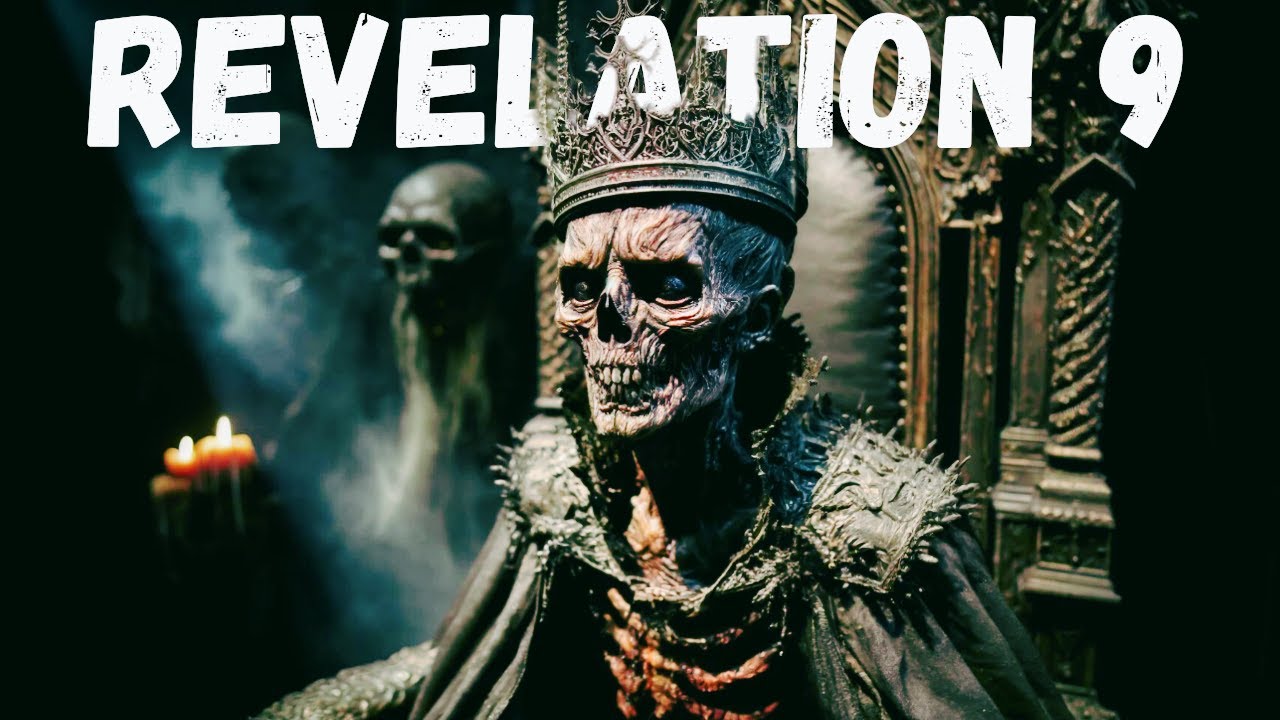
Hell is burning, fire, and suffering. The Bible frequently mentions that Hell is fiery. Revelation 20:10 says, "And the one who had deceived them was thrown into the lake of fire and sulfur, where the beast, or Antichrist, and the false prophet also are; and they will be tormented day and night for the centuries of the centuries.
" Is eternal punishment really what awaits the lost? The answer is yes. The words used leave little room for doubt; Greek could not have expressed it more forcefully by mentioning both "day" and "night" in the phrase "for the centuries of the centuries," which literally means "until the centuries of the centuries.
" Jesus was quoted saying that the fire never goes out (Mark 9:43). "If your hand causes you to stumble into sin, cut it off. " It means to withdraw from the source of temptation.
"It is better to enter life lame than to have two hands and enter into Hell, into the unquenchable fire. " Did you know that the word "Hell" comes from the ancient Greek translation of the Hebrew term for the Valley of Hinnom? This was a place outside the walls of Jerusalem that was contaminated with the worship of Molech and human sacrifices, leading to its use as a landfill where trash was burned.
The burning fire and the worms that infested it made it a vivid and striking representation of the fate of the condemned. This place is also called the Lake of Fire in Revelation 20:13–15, where death and Hades, the realm of the dead, are thrown into the Lake of Fire. This is the second death—the Lake of Fire—eternal separation from God.
And if someone's name is not found written in the Book of Life, they will be thrown into the Lake of Fire. Jesus's message was clear: knowing how terrible Hell is, any sacrifice is worth it to avoid it. Therefore, we cannot think of the Kingdom of God only in the context of reward; we must also think in terms of sacrifice.
Darkness and despair: Hell is also described as a place of complete darkness. In Matthew 8:12, it is said that some will be thrown outside into the darkness, where there will be weeping and gnashing of teeth. Imagine being in a place so dark that you can see nothing, and all you can hear are the sounds of sadness and despair.
The use of definite articles with "weeping" and "gnashing" emphasizes the terrifying nature of the scene. You would clench your teeth at this moment only if you were suffering unbearable pain. In Hell, there is a perpetual gnashing of teeth; that is certain.
Jesus did not shy away from talking about Hell; in fact, he did so more frequently than anyone else in the Bible. There are certain ministries that never mention Hell or anything related in their sermons. They will be separated from God and any other source of genuine comfort, and will be thrown into darkness.
It is the darkness that results from being excluded from Heaven, the land of light—without hope. It is the darkness that results from being excluded from Heaven, the land of light. Those who are outside are in the regions of darkness.
But that is not the worst. There will be weeping and gnashing of teeth. The misery of the condemned is described as a great affliction: tears shed without purpose and anguish of the spirit, praying eternally.
This describes the suffering that the condemned will experience as a result of the wrath of God. Those who are condemned for their sins will gnash their teeth, looking enviously at the happiness of others and reflecting with fear on the past prospect that is now passed. Loneliness: loneliness is one of the deepest sufferings.
The feeling of total isolation—of being completely separated from the love and mercy of God—could be one of the most striking characteristics of Hell. In 2 Thessalonians 1, it is said that these people will pay the penalty and suffer the punishment of eternal destruction, being expelled from the presence of the Lord and from the glory of His power. It is impossible for there to be a God who does not punish sin.
The idea that a God who is love cannot punish sin ignores the fact that God is also holy and must act according to what is just and equitable in the world. The punishment mentioned here is defined as eternal destruction, using the word "aionos," which is used seven times in the New Testament and never refers to annihilation. The term refers to the loss of well-being or the destruction of life's purpose.
In Luke 5:37, the wineskins to which Jesus refers were destroyed, meaning they were no longer useful. They still existed but could not be used again. However, the presence of fire is not the only thing that characterizes Hell.
While the Lord was with them in the fire, the three Hebrew youths in Daniel 3 experienced no discomfort whatsoever. True to its name, Hell is a place where humans, separated from God and everything good and blessed in His presence, find themselves. The concept of Hell, as described.
. . In the Bible, it is summed up in the phrase: "From the presence of the Lord, there is nothing more that needs to be said about its horrors," except for the fact that God and every aspect of His character will be absent from Hell, except for one: His relentless and holy justice.
It is not wrong for God to take vengeance; we understand this when we comprehend what the word "vengeance" means. In ancient Greek, the word translated as vengeance has no connotation of being vindictive. It is a compound term that comes from the same root as the word translated as justice and conveys the idea of a firm administration of justice that does not waver.
When we see the term "eternal destruction," we should not abandon the thought that the torment is eternal. Just as the blessings of Heaven are eternal, so is the penalty of Hell. Is Hell literal or symbolic?
Now, some people think that these descriptions might be symbolic, as metaphors to help us understand how bad it is. Whether a literal fire or symbolic darkness, the main point is that Hell is a terrible place. In the Old Testament, the Hebrew word often translated as Hell is "Sheol," which refers to the realm of the dead.
It is a place of darkness where the wicked go after death. What is the origin of Hell? Many have wondered why God created Hell.
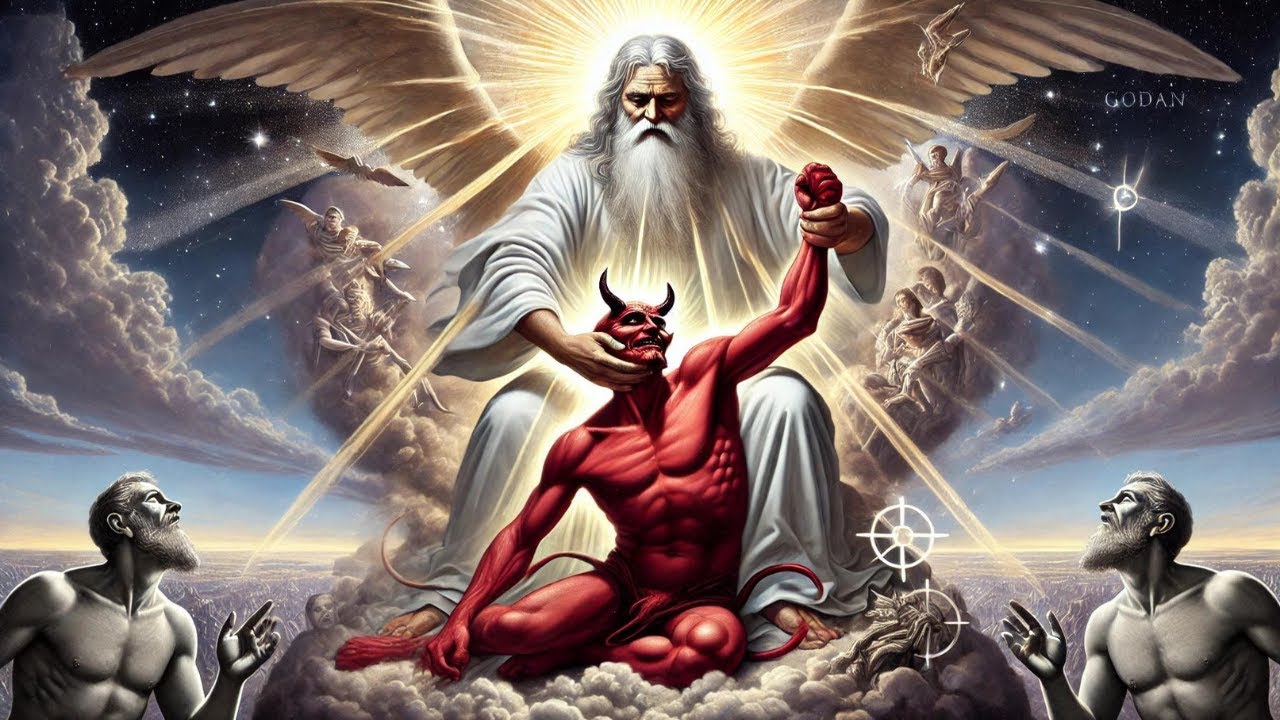
Jesus explained the truth about the creation of Hell; the creation of Hell is closely linked to the fallen angels. Hell is a place of suffering initially prepared by God for the devil and his angels. According to Jesus, Hell was originally intended for the devil and his angels; however, human beings end up there because they have chosen to align themselves with the devil and his angels.
The eternal fire was prepared for the devil and his angels. In other words, Hell was never intended to be inhabited by a single person, although some people end up there in the end. Satan and the other fallen angels were intended to be the only ones who suffer within the bounds of Hell.
Hell was created as a final punishment for the leaders of the Great Rebellion. The Lord allows others in the nations that He judges to also go there due to choice, free will, and the responsibility given by God to man to choose his eternal destiny, be it Heaven or Hell. It has been established that fallen angels are a reality, despite the idea of falling from grace being a challenge for some people to understand.
Even if we wanted to believe that angels are incapable of falling, the story of the Bible shows us otherwise. Yes, Hell was created by God; everything that was and will be is created by God, including Hell. Because by Him, all things were created, both in the heavens and on Earth, visible and invisible, whether thrones, dominions, rulers, or authorities: all things were created by Him and for Him (Colossians 1:16).
John 1:3 says that all things were made and came into existence through Him, and without Him, nothing that was made was made. Hell, or the Lake of Fire, will also be the destiny of those who reject Christ. The good news is that people can avoid Hell.
God, in His infinite mercy and love, has provided a way of salvation for all who trust in the Son of God, Jesus Christ. Would a loving God send a person to Hell? Jesus's answer, according to the teachings of the Bible, is clearly yes.
It is not that man desires it, but that man condemns himself to eternal Hell due to his blindness, stubbornness, egocentrism, and love for sinful pleasure by refusing God's way of salvation with the hope of eternal life with Him. There will be a day when justice is done. Every human being has at least two appointments in the foreseeable future, none of which can be recorded in a diary or noted on a calendar.
The first date is unique for each person, while the second is similar for everyone. All of us have disobeyed God in some way, and that sin deserves the maximum penalty, which is death. Since all our sin is ultimately against God, and since God is an infinite and eternal being, the punishment for sin—which is death—must also be infinite and eternal.
Hell is this infinite and eternal death that we have earned due to our sin. Jesus Himself indicates that the punishment in Hell is as eternal as life in Heaven. The wicked are eternally subject to the fury and wrath of God.
Those who are in Hell will know that their punishment is just and that only they are to blame. Does Hell exist? When discussing topics as profound as life after death, the Bible becomes a primary source for many seeking answers.
One of these questions is whether Hell exists. We will explore what the Bible has to say about it. Many people believe in Heaven, but fewer believe in Hell; however, the Bible says that both are real.
All of us have done bad things called sins (Romans 3:23). The Bible says that the just consequence of our sins is death (Romans 6:23). Since our mistakes are against God and He is eternal, our punishment must also be eternal.
This eternal punishment is what the Bible calls Hell. The Bible describes Hell in various ways: a place with eternal fire (Matthew 25:41), a fire that never goes out (Mark 9:44-48), a place of eternal destruction (2 Thessalonians 1), a place where there is constant suffering and the smoke of torment rises forever (Revelation 14:10-11), a lake of burning sulfur where there is endless torment (Revelation 20:10-15). Where is Hell?
The Bible does not provide explicit geographical coordinates for Hell, although it describes it as a real place. Torment: its exact location remains undisclosed. It could exist within our physical universe or perhaps in a completely different realm or dimension.
The most important thing is that the Bible emphasizes the importance of leading a righteous life to avoid this place of torment. Instead of specifying its location, warnings of hell, the Bible paints various images of hell, describing it with images that convey its gravity and fear. According to the Bible, hell undoubtedly exists; it is described as a real place, and its main purpose is to serve as a realm of judgment.
The apostles also warned about hell. Paul, in his letters, speaks of the wrath to come and the need for salvation through Jesus to escape such a fate. In simple terms, according to the Bible, hell is real; it is a place of punishment and separation from God, described with images that emphasize its horror.
In the lessons of biblical history, it is always important to remember that the Bible encourages us to seek God's love and mercy, and through faith in Christ, we can avoid the torments of hell. In summary, the Bible says that hell is real, but there is hope through Jesus to avoid this fate and have eternal life instead. Hell serves as a testament to the severity of straying from the divine order and serves as a backdrop for the broader narrative of redemption and salvation.
In biblical history, the story of hell serves as a cautionary tale of pride and rebellion, but also as one of redemption and hope, since although hell is a reality, so is the possibility of salvation. Death, the inevitable consequence of life, has been a subject of contemplation, fear, and hope throughout human history. Different cultures and religions have diverse beliefs about what happens after someone breathes their last breath.
The Holy Bible offers insights into life after death, illuminating the destiny of believers and non-believers alike. Is there life after death? The question of what happens after death is one of humanity's deepest inquiries.
The Book of Job raises this question, asking if a man dies, will he live again (Job 14:14)? Jesus Christ, through his teachings and resurrection, provides answers about the existence of life beyond death. Jesus confirms the existence of life beyond death, challenging the Sadducees who denied life after death, citing the scriptures: "I am the God of Abraham, the God of Isaac, and the God of Jacob," emphasizing that God is a God of the living, not of the dead (Mark 12:26-27).
Additionally, Jesus offered comfort to his followers by speaking to them of life after death in heaven: "Let not your heart be troubled; you believe in God, believe also in me. In my Father's house are many mansions; if it were not so, I would have told you. I go to prepare a place for you" (John 14:1-2).
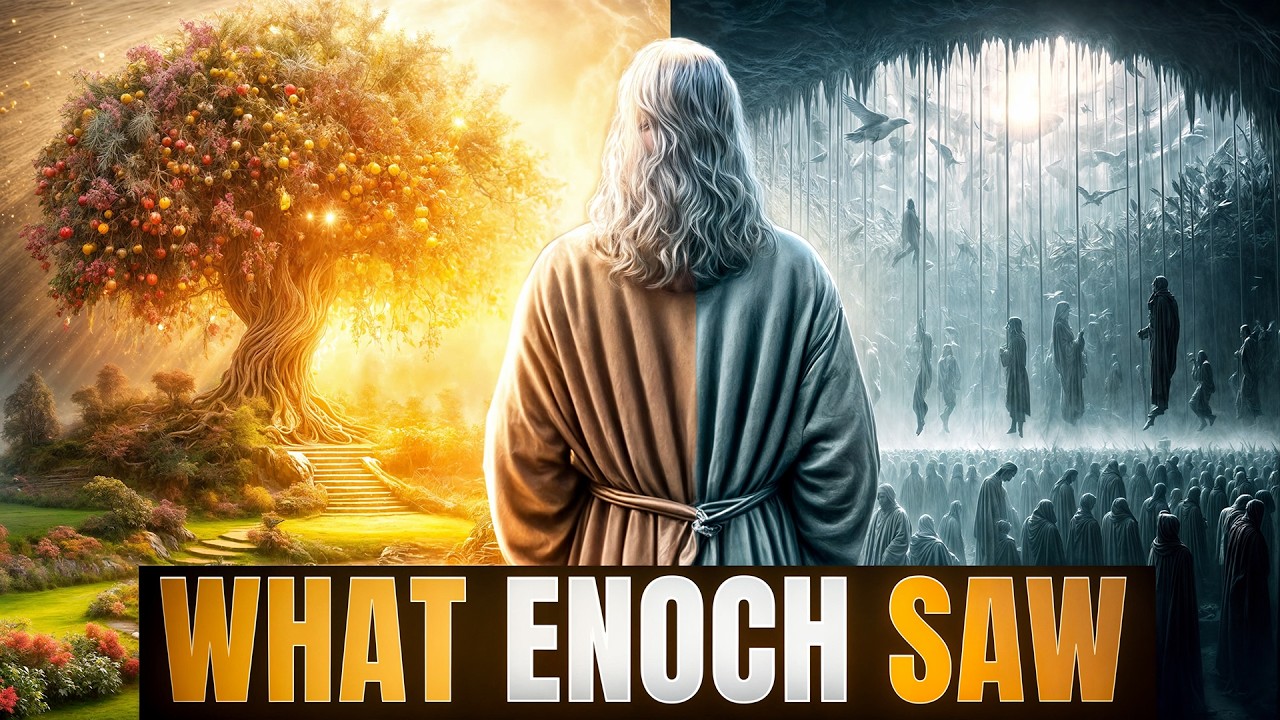
This speaks of the promise of an eternal dwelling with him after death. According to Jesus, there are two possible destinies for souls: one of comfort and the other of torment. In the story of the rich man and Lazarus, the rich man finds himself in torment after death while Lazarus is comforted (Luke 16:22-23).
There is no intermediate state like purgatory; souls pass directly to their eternal destinies. Jesus further discusses these divergent paths in Matthew 25:46 and John 5:25-29. The path to a positive life after death is determined by faith in Jesus Christ (John 3:15 and John 3:36).
Jesus affirms that belief in him guarantees eternal life; those who believe will not perish but will have eternal life, while those who do not believe are condemned. For those who accept Jesus, life after death promises eternal joy. However, for those who reject him, Jesus paints a grim picture, referring to a place of darkness where there will be weeping and gnashing of teeth.
He urges everyone to make the wise choice, highlighting the narrow path that leads to life as opposed to the broad way that leads to destruction (Matthew 7:13-14). Someone conquered death and made a way for others to follow: Jesus, through his resurrection, answered both questions affirmatively. As believers, we can find comfort in the words of the Apostle Paul who celebrates victory over death: "Where, O death, is your victory?
Where, O death, is your sting? " (1 Corinthians 15:55). Life after death is not comforting for those who do not accept Jesus as their savior.
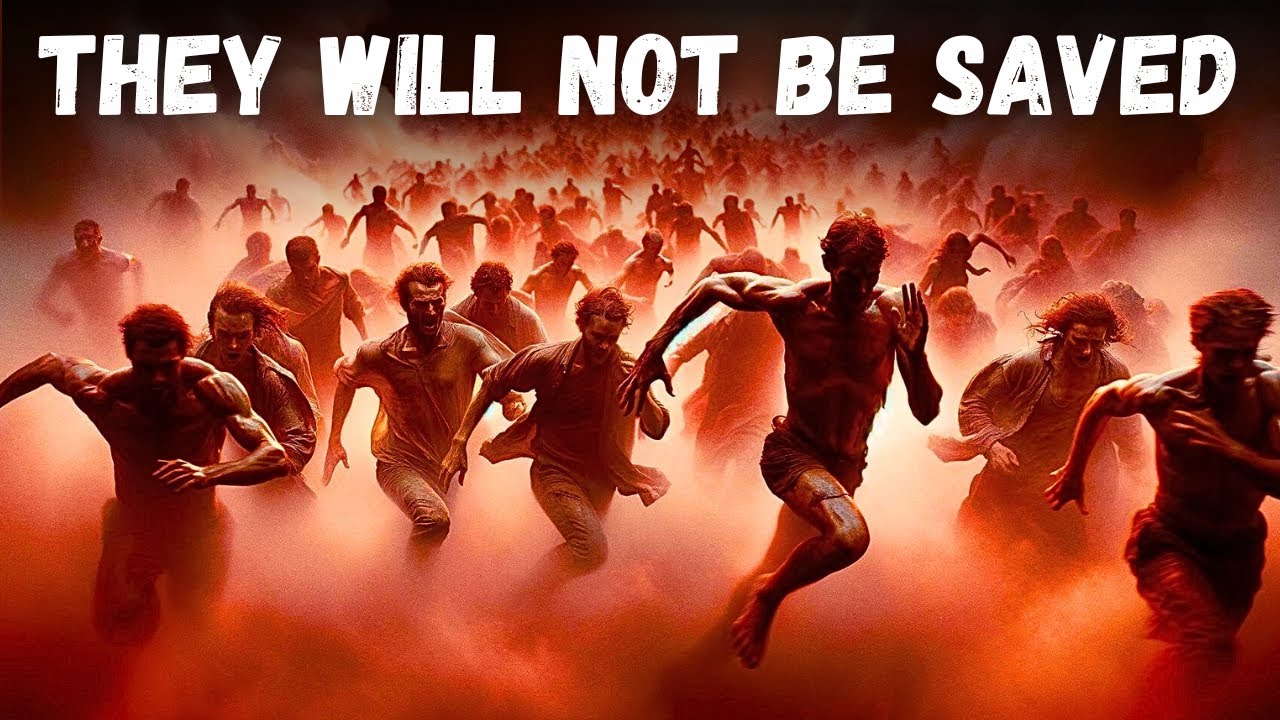
After judgment, those not enrolled in the Book of Life will experience the second death and be condemned eternally to the lake of fire (Revelation 20:14-15). What can we do? The idea of hell may sound terrifying, but the good news is that we can avoid it by believing in Jesus and his sacrifice for us.
We can be saved from such a fate. As the saying goes, "Now is the day of salvation," which means we should not wait. It is essential to believe and trust in Jesus now to be with him forever in heaven instead of facing eternal punishment in hell.
The main message of the Bible is not the fear of hell, but the love, grace, and salvation offered through Jesus Christ. He offers hope and a path to reconcile with God, ensuring eternal life in his presence. As prophesied in the Book of Revelation, there will come a time of judgment.
Satan, the deceiver and accuser, will finally meet his end after a series of cataclysmic events in the lake of fire, where he will be tormented day and night forever. After Satan's final judgment, there will be a great judgment of the white throne where each individual will be judged according to their works and their acceptance or rejection of Christ's salvation. Those whose names are not in the Book of Life will also be cast into the lake of fire, in eternal separation from God's presence.
However, for those. . .
Who have accepted Christ's sacrifice and the gift of salvation, they will experience eternal life in the new heavens and the new earth, where pain, grief, and death will exist no more. Then I saw a new heaven and a new earth, for the first heaven and the first earth had passed away, and the sea was no more (Revelation 21:1). In conclusion, the teachings of the Bible about life after death highlight the importance of faith in Jesus Christ.
The choice is clear: eternal life with Christ or eternal separation in torment. The Bible urges every soul to embrace the salvation offered through Jesus, guaranteeing a hopeful and glorious future. Prayer: Dear Heavenly Father, we gather here today seeking understanding and clarity about the truths of your word.
The Bible tells us that both heaven and hell are real; it can be overwhelming to think about. Help us, Lord, to understand the gravity of our choices and the consequences they entail. Remind us of your love and the sacrifice that Jesus made to offer us a way out of eternal punishment.
Grant us the wisdom to grasp these truths and the heart to turn to you. We pray for those who may be frightened or filled with doubts; may they feel comforted, feel your presence, and know that through faith in Jesus, they have hope and a future with you. Thank you, God, for giving us your word as a guide and for always being there to listen to us when we cry out.
Help us to live lives that reflect your love and grace so that others may come to know and understand the hope we have in you. In Jesus' name we pray, amen. Now, I have a question for you: If you could ask a spiritual or divine figure directly about the afterlife, what would that question be and why?
I invite you to share your valuable response in the comments. If this content was valuable to you, I ask for your support with your subscription so you don't miss any of our upcoming videos. Together, we can enlighten more minds and expand our understanding.
Thank you for being here. Until next time, may the light illuminate your path!