[Music] imagine bringing in an animal to solve a problem only to see it create an even bigger one in the late 1970s Japan had a serious issue venomous snake bites were a big danger especially in rural areas hoping to fix this they introduced Mongo's thinking they would control the snake population and save lives but over the next 25 years something unexpected happened instead of solving the problem Japan found itself facing an even bigger environmental mess this is the surprising story of how one decision led to a new problem and the hard work it took to
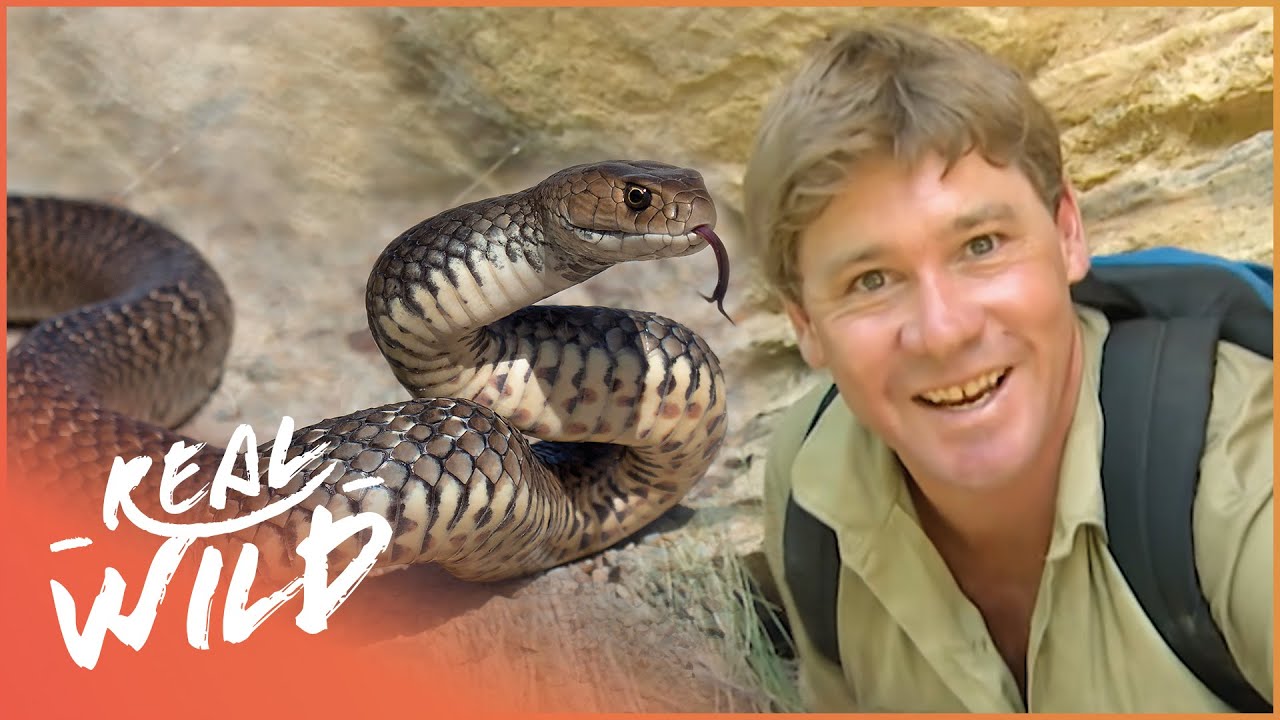
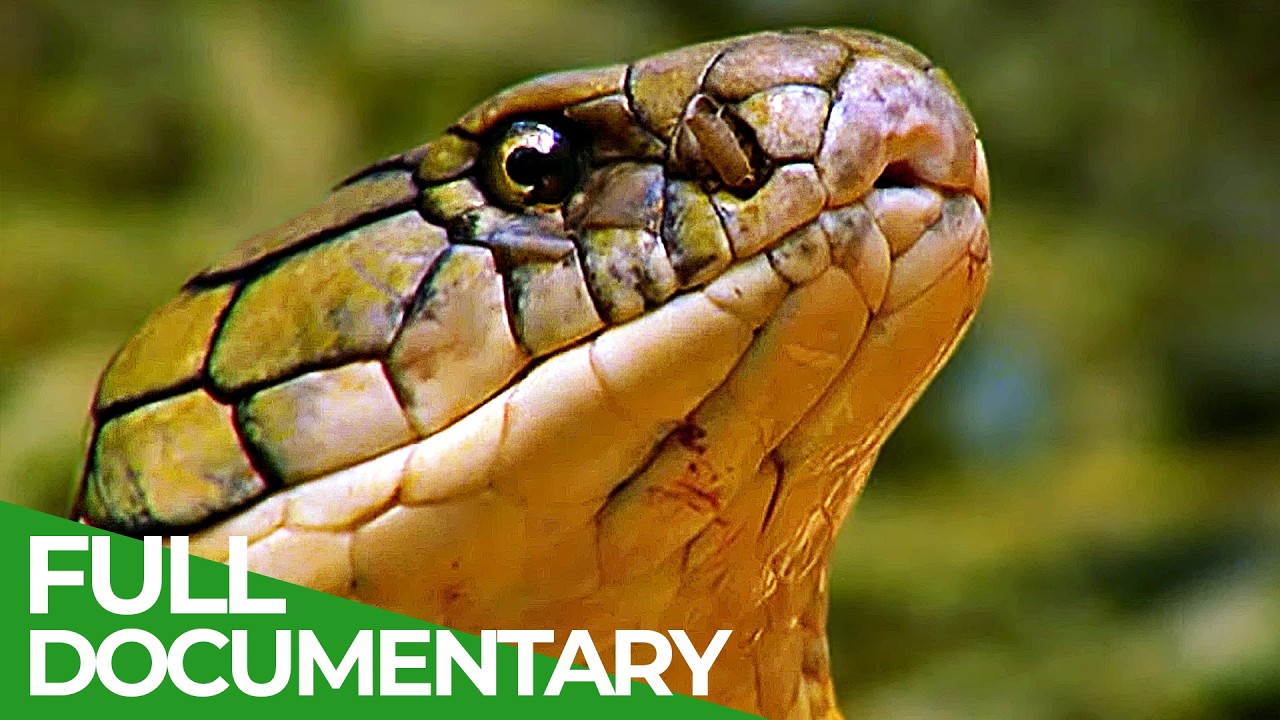
set things right let's explore why Japan's introduction of snake Killers shocked everyone this is a habo which is a large Japanese pit viper for a long time venomous Habu snake bites were a serious problem in some regions of Japan these snakes greatly affected people's lives in 1980 alone around 400 people were bitten and unfortunately some didn't survive while Japan has many venomous snakes the most dangerous are the larger species like the Habu and their relatives the Eastern pit vipers these snakes belong to the same family as rattlesnakes and puff adders and their distant cousins include
coral snakes and cobras so you can imagine the challenge the Japanese faced and it happened quite frequently with such dangerous snakes living nearby people were constantly at risk of being bitten making these venomous snakes a serious concern for many years before we move further recently an image has gone viral showing nearly a hundred rats climbing a mountain this site is is quite concerning yet the exact location remains unconfirmed I'd love to hear your thoughts on this phenomenon please share your comments below the bites from Habu snakes were very serious because for a long time there
was no antidote even after one was developed it was hard to access the antidote came in liquid form which meant it couldn't be stored in rural areas that lacked electricity or proper storage facilities unfortunately most snake bites happened in those rural areas setting up power lines took a long time and cost a lot of money and creating a new antidote seemed just as challenging if it was even possible this made it even more difficult for people to get the help they needed after a snake bite Japan eventually came up with what seemed like a brilliant
idea bring in an animal that eats snakes and is immune to their venom of course like many plans things didn't go quite as expected but don't worry they've got it all under control now so grab a cup of coffee and here's a little reminder to hit that like button before we dive into this story you have probably guessed which animal we are talking about the Mongo's in 1979 around 30 small Indian mongooses were brought to amami osima Island to help with local problems they were not only meant to control the Habu snake population but also
to reduce the number of rats as an added benefit mongus naturally live in countries like India Bangladesh Bhutan Nepal and Pakistan so Japan's Wildlife was not prepared for these unexpected new comers their arrival changed the balance of the local ecosystem in ways that no one had anticipated by 1993 the Mongoose population on amami osima island had grown significantly and the ministry of the environment became worried it's easy to see why officials were concerned as the numers skyrocketed to about 10,000 by the year 2000 did the Habu snake population decrease technically yes but not because of
the Mongo's despite the initial hopes for their success these mongus showed little interest in hunting the venomous Habu snakes instead they focused on easier prey which meant that the original problem of snake bites remained a challenge for the local community at first Mongo's looked like the perfect solution for dealing with snakes they're known for being fast and agile making them great hunters especially against cobras which are related to the Habu another Advantage is that Mongo's have special receptors that help them resist Cobra Venom meaning they can survive bites that would be deadly for most other
animals plus Evolution has given them quick reflexes and sharp teeth making them effective at delivering fatal bites to snakes in theory Mongo's seemed like the best choice for controlling the snake population and keeping the area safe from snake bites but there was a problem Mongo's are active during the day while the Habu snakes are nocturnal meaning they don't often cross paths even when they did meet m gooses still weren't very effective at hunting snakes snakes can be tricky to catch and going after them requires a lot of effort why bother when there's plenty of easier
food around like mice and rabbits it's like choosing between a difficult gourmet meal and fast food except the gourmet meal can fight back so despite their skills as snake Hunters mongus turned out to be completely useless for the job they were brought in to do meanwhile monges were very successful at breeding by the year 2000 the ja Japanese government started a program to reduce their population since then about 32,000 Mongo's have been captured the last recorded capture happened in April 2018 and there have been no new cases reported since then this led experts to declare
that the Mongoose population on amami ooshima had been completely eradicated the ministry of the environment announced this success with excitement even though the mongus probably wouldn't share in that Joy but how did Japan manage to get rid of the invasive Mongo's the journey wasn't easy at first traps were set up along the roads but they didn't work well because they rarely attracted the Mongo's it soon became clear that a more thorough strategy was needed eventually they began using specially designed traps toxic bait and attractants substances that lure animals with their smell they also used different
monitoring techniques including search dogs this multifaceted approach proved to be effective and made a big difference in controlling the Mongoose population on a graph showing the Mongoose population the line illustrates the decline in numbers while the bars indicate the increasing number of traps set these new traps were specially designed for Mongo's ensuring that other animals wouldn't get caught local civilians also played a crucial role in this effort since 2005 teams of mongoose Hunters made up of locals and volunteers have been roaming the forests and mountains dedicating countless hours to trapping mongus their hard work has
significantly contributed to the success of the eradication program some people might wonder why all this effort was needed couldn't they have just left the Mongo's alone sure they weren't native to the island but was it really necessary to go to such lengths to get rid of them the answer is yes instead of helping control the snake population as hoped the Mongo's began praying on the Island's native species including the amami rabbit and other local animals amami osima is a subtropical Island and a UNESCO world heritage site which means it is home to many rare and
vulnerable species the mongus specifically targeted the amami rabbit which is now endangered this made removing the Mongo's not just necessary but crucial for preserving the Island's unique ecosystem these amami rabbits are often called living fossils because they are the last survivors of an ancient species of Asian rabbits long ago these rabbits roam the main land but now they exist only on two small Islands sadly the Mongo's have drastically reduced their chances of survival mongus have also severely impacted the populations of Ruku rats which are now at risk of Extinction in total about 15 native species
have been harmed by the introduction of mongus which were originally brought in with good intentions the farming sector also faced challenges because of the monges these animals easily prayed on Farm birds ate fruits from Fields And even spread diseases to livestock that they didn't consume in just 20 years the habitat for small animals shrank by 40% it became clear that introducing mongus to the small Japanese Islands was extremely harmful islands are unique ecosystems home to species that aren't used to dealing with predators and don't know how to defend themselves the arrival of a new Predator
would cause problems anywhere but islands are particularly vulnerable if that predator is a mongoose which is known for eating almost anything it can catch the damage becomes even worse the situation on amam oima highlighted the importance of careful consideration before introducing new species to fragile Island ecosystems it took nearly 25 years to eliminate the Mongo's and almost 50 years to complete the entire project while getting rid of so many Mongo's might seem cruel Japan made the right decision to protect local species invasive species can cause serious harm if they are allowed to spread unchecked if
you don't control them early it becomes much harder to remove them later sometimes even impossible Japan's success in eradicating Mongo's on amam oima is impressive especially since it's one of only nine cases in the world where Mongo's have been completely removed it's also the only instance where this has been achieved on such a large island this experience shows the importance of acting quickly when dealing with invasive species to protect native wildlife and maintain the health of unique ecosystems like those found on amami osima to give you some context Habu snake bites have become much less
of a problem by 2020 the number of bites dropped to around 60 each year however this Improvement wasn't because of the mongus instead people started taking more preventative measures and antidotes became easier to access which helped prevent fatalities since 1992 there hasn't been a single reported death from a Habu bite a graph shows this progress clearly with black bars representing the cases where antidotes were given the overall situation has drastically improved showing how important it is to have proper Medical Care and education available while the Mongo's were not the solution the efforts made by the
community have certainly made a positive impact in reducing snake bites and keeping people safe from harm however the battle against invasive species isn't finished yet Mong goes still exist on other islands and the lessons learned from amam Oshima are being applied in other parts of Japan for example a team of Specialists is set to head to Northern okanawa where Mongo's have also been spotted there's a real chance that Mongo's from okanawa could invade amami osima again forcing Japan to restart its efforts Mongo's were introduced to okanawa during the Magi era about 70 years before they
were brought to amami Oshima 17 Mongo's were released at that time and the conditions in okanawa are more suitable for them with a warmer climate and a habitat similar to their natural range because of this the birth and survival rates of Mongo's are higher in okanawa making the situation more challenging for conservation efforts in Japan for now the Mongoose population in Northern okanawa is being controlled but in the central and southern Parts they continue to thrive fences have been set up in okanawa to prevent Mongo's from spreading and they seem seem to be effective the
fences aren't very tall but they have an l-shape at the bottom to stop mongus from digging under them and mongus typically don't climb over them however similar to amami osima the survival of three endemic bird species on okanawa now depends on controlling the Mongoose population if the story of bringing Mongo's to control pests sounds familiar you're right Japan isn't the first country to try something called biological control there's even a whole field of science dedicated to this method which involves using one species to control another typically when people attempt biological control they start by researching
The Pest and its natural predator then they do even more research to see if introducing the Predator could harm other species in the area only after all these thorough studies do they usually release the Predator to do its job people have been practicing biological control for a long time and often with success a famous example is Farmers using predatory insects to protect their fruit trees and Gardens while this method can be effective it's important to approach it carefully to avoid unintended consequences as seen in the case of the Mongo's in Japan what about the Mongoose
the small Asian Mongoose has been introduced to places like Cuba Croatia Jamaica Haiti Puerto Rico the Lesser Antilles Biz Honduras Panama and several other countries in many cases the introductions worked out well however Hawaii decided to give it a try in the 1800s at that time Hawaii's most valuable crop was sugar cane and the plan was to use Mongo's to help control the rat population that was damaging the sugar cane fields from the mid 1800s to the mid 1900s Hawaiian sugar plantations faced a big problem with rats that love to chew on sweet sugar cane
stalks the rats caused a lot of damage and plantation owners were desperate for a solution in 187 2 these planners found an article about how Caribbean sugar producers used mongooses to control their rat problem the idea seemed simple bring mongooses from India to eat the rats and everything would be fixed so in the 1880s Hawaiian Planters imported 72 mongus from Jamaica to the Big Island their offspring were later sent to plantations on other Islands including Maui mikai and aahu hoping to solve the rat issue once and for all even back then some people on the
big Island were skeptical about the Mongoose plan they thought more research was needed to see how the animals did in the Caribbean before bringing them to Hawaii unfortunately no one listened to these Skeptics and soon the plan's major flaw became clear rats are nocturnal meaning they are active only at night while Mongo's are active during the day this meant they rarely crossed paths instead of solving the rat problem the Mongo's began to prey on native Hawaiian species especially birds and turtles the eggs of these animals were easy targets and the situation started to worsen what
was supposed to help ended up creating new challenges for Hawaii's unique Wildlife the situation worsened as native species were wiped out the government eventually put up barriers to keep Mongo's out of nature reserves but it seemed Hawaii had missed the chance to act today controlling the Mongoose population has become very difficult almost impossible the mongus are responsible for the extinction of it at least eight native bird species in Hawaii many of which were on the federal endangered species list this has created a serious problem for the Island's unique Wildlife as these animals are now gone
forever due to the introduction of Mongo's interestingly the Hawaiian government doesn't call the Mongo's introduction biological control because the animals didn't go through an environmental impact assessment before being brought in and Hawaii wasn't the only place to face issues after introducing mongus in 1872 a British colonist brought Mongo's to his sugar Plantation in Jamaica to handle the rat problem but instead of eating the rats the Mongo's spread across the island causing local bird and reptile populations to drop with fewer animals to eat insects and other small creatures a tick outbreak followed making things even worse
the colonist complained to British authorities but they dismissed his worries claiming that nature would balance itself out spoiler alert it didn't the introduction of Mongo's caused serious harm to Jamaica's unique ecosystems Hawaii's experience like Jamaica serves as a lesson in how introducing non-native species without proper research can have disastrous consequences for local ecosystems out of lizards on four small islands in the Caribbean Sea St croa ground lizards Scurry through fallen leaves fighting and foraging to survive sadly these lizards were completely wiped out on the island they were named after St CA because of two major
threats the introduction of hungry Mongo's and land Redevelopment on two neighboring Coastal Islands only about 400 lizards remained the lucky ones that escaped being eaten luckily people raised the alarm in time conservation efforts began and the lizards were moved to safer areas thanks to these efforts their population has now grown to nearly 3,000 individuals scientists are working hard not just to prevent their Extinction but also to return these resilient lizards to their namesake Island giving them a chance to reclaim their original home this work is essential for preserving the unique wildlife of the Caribbean and
ensuring the survival of these special lizards a 4,000-year-old idea in a recent study of 4,000-year-old tombs in Egypt researchers found a fascinating drawing showing a person leading an animal that looks like a mongoose on a leash this is the only image of its kind discovered in Egyptian art and it clearly shows both a collar and a leash although mongus have never been fully domesticated through controlled breeding some cultures have kept them as pets the main reason for this is to help control pests like snakes rats and mice which can cause problems in homes and Farms
this ancient drawing offers a glimpse into how Mongo's were valued long ago interestingly scientists think the Mongoose shown in the Tomb may have been used to scare off Birds making hunting easier there's even some debate about a second leash in the drawing some people believe it's attached to a dog While others think it could be a hornless goat this drawing adds to our understanding of how ancient Egyptians might have interacted with animals in their daily lives speaking of Mongo's taking on surprising roles in Sri Lanka where dogs are usually used to sniff out illegal substances
a new idea emerged using Mongo's instead locals have relied on Mongo's for generations to chase away cobras from their Farms so why not train them to detect illegal items a grant of $50,000 was awarded for a pilot project and a specialist was hired the National Zoo even offered its grounds for training creating a unique opportunity to see if Mongo's could adapt to this new task the plan was to release a few Mongo's into a cargo container filled with car parts if they detected anything illegal they would come out with bristling Tales Believe It or Not
Mongo's can be trained and they pass the test with flying colors unfortunately due to changes in leadership and political issues the project was forgotten it's a real shame because it would have been incredible to see Mongo's working as Customs officers just imagine them in action sniffing out Contraband I would even watch a sequel to zootopia featuring Mongo's as the new animal heroes in the end the battle against invasive species is tough but Japan's story proves it can be one let's take these lessons forward to protect Nature's Balance thank thanks for watching and be sure to
like And subscribe for more amazing videos