- Children express and experience love in different ways. It's common to have different love languages within a family and it can be tricky to navigate. Storybooks and television tell our children that love is a mushy, wonderful thing.
That it's all butterflies and romance and rainbows. And as adults, we know that loving others whether a spouse, a family member, a friend or even your neighbor is more often an exercise in self-sacrifice and putting others first. The butterflies are optional.
What is true for romantic love is also true for the love we have for our children. Dr Gary Chapman says, "Knowing your child's love language can make all the difference in your relationship. " And I'll explain how to do that next.
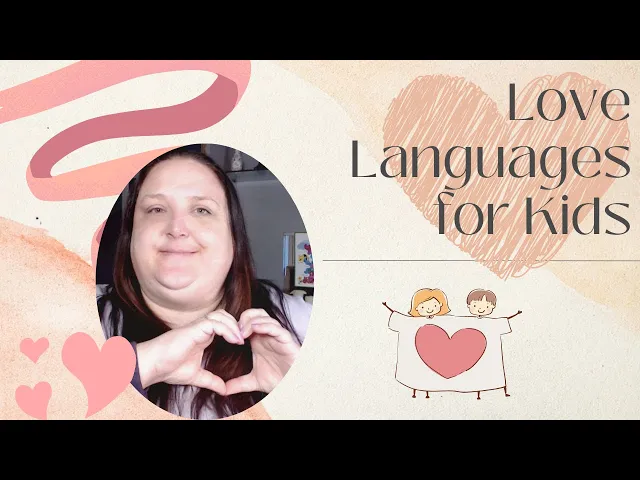
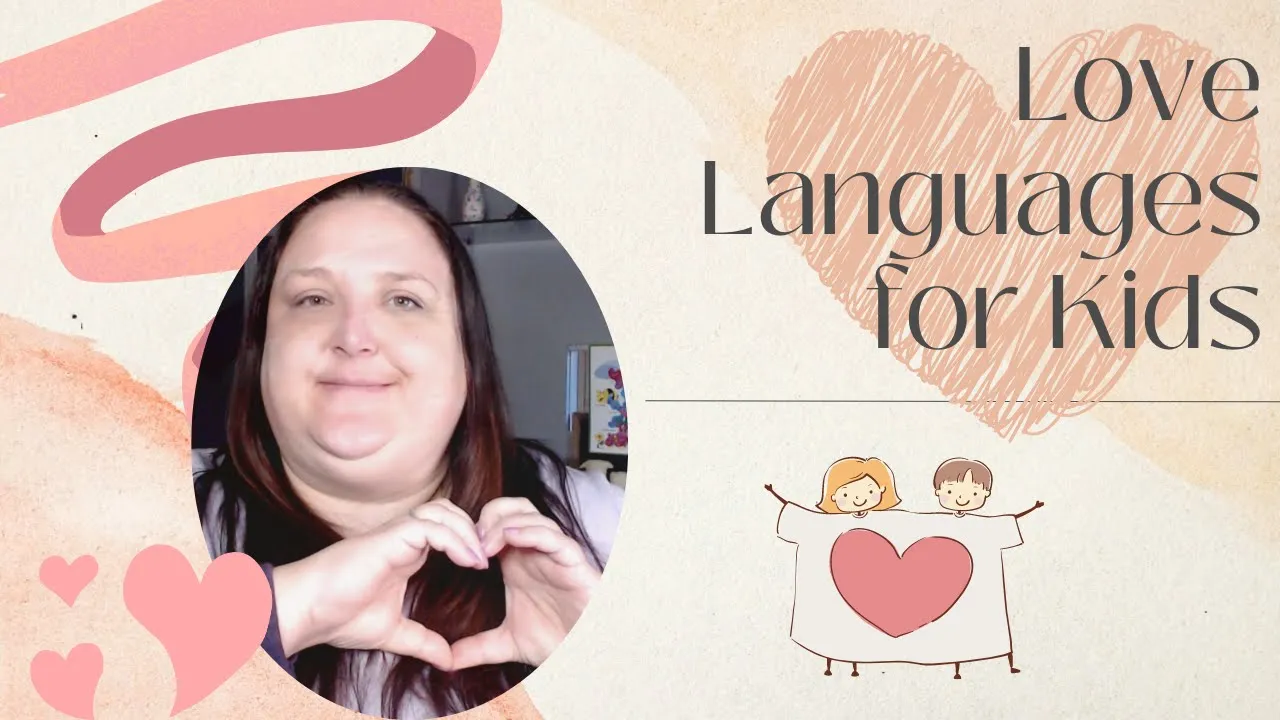
(upbeat music) Hi, I'm Kim Feeney with Butterfly Beginnings Counseling and welcome to my channel. I have over a decade of experience helping children and families to lead healthier emotional lives. And I'd love to do that for your family as well.
So go ahead, subscribe and hit the bell for weekly notifications on the latest content. Love languages. Dr Gary Chapman and Dr Ross Campbell introduced the concept of love language in the book, "5 Love Languages".
And later, in the "5 Love Languages for Children. " They said that some people love through physical touch, others through words of affirmation, acts of service, gifts and quality time. Drp me a comment and let me know what you think your love language might be, as well as that of your child's.
Let's look at physical touch first. Though a hug might say I love you to all kids, for ones who adore physical touch, it just shouts, "I love you! " If children are constantly in your space touching you or playing with your hair, that's a signal that they need to be touched more.
Some ways to express love via physical touch would include just sitting close next to a child. For smaller kids, giving them lots of hugs and kisses, or being just having them seated on your lap. Older kids, a pat on the back, holding hands, high five or just an arm around their shoulder or occasionally just yelling, "Group hug!
" for the whole family to get in on some touch. Playing games like Twister or for little kids something more like, "This Little Piggy Went to Market" and "Patty Cake". Creating a spa night doing mani-pedis and shoulder massages.
Making up your own cool handshakes between the two of you. Gently squeezing hands just to say, "Hey, I love you. " Or one of my personal favorites, snuggling close on the couch or in bed at night and reading a book together.
Next, we'll look at my personal love language which is gifts. Children who feel love when they receive things aren't just pandering for more stuff. Someone whose primary love language is gifts tends to care about how a present is wrapped, they remember who gave it to them and they remember those things for months or years after the gift has been given.
Another tip. If your kid has trouble throwing away things they've been given, even if they haven't looked at them in ages, it could mean that gifts is their love language. Some ideas for tangible expression of things is gifts of love.
Small, inexpensive tokens, thoughtful gifts or either homemade presents. Those mean a lot to your child during ordinary days and even on special occasions. Choose gifts that fit the unique interests of your child.
Have them make a collection of special gifts using unique gift boxes and wrapping. Make a collection of all the paper of their favorite colors that can be used for even the smallest little gifts. Gift your child a special song that is just shared between the two of you or a song that reminds you of them.
You can keep a chart and give them stickers to create a rewards for their special achievements. Create a photo album to give to them or a book about special moments that you've shared together. Buy a new shirt that captures just their perfect personality.
Make them a special treat or buy them things to help make their favorite meal. Gather handpicked flowers or anything from nature that your child might find special. You can frame a special photograph of the child doing something they love or gift a book that you and your child can read together.
Consider ordering our book, "Emily's Emotional Empathy" using the link below in the description. This is a sweet story about friendship and feelings. For kids who listen intently and speak sweetly, your loving words may matter the most.
If your child beams whenever you praise them or offers you lots of sweet feedback, they probably relish words of affirmation. They feel special when you tell them you appreciate them. Use words of encouragement often.
Make sure you say, "I love you" multiple times a day. Say, I love to watch you and insert play, draw, sing, help. Affirm both their efforts and their achievements.
Create a name of affection for your child that is only used between the two of you. When your child does make a mistake, acknowledge their good effort, intentions and determination. Paint rocks with encouraging sayings on them or one that I particularly like, write little love notes and leave them around the house or in their lunchbox.
Acts of service is the most peculiar sounding love language but kids who speak it appreciate thoughtful gestures like, buying flavored seltzer and making a mocktail complete with a mini umbrella and a pineapple slice. They may beg you to tie their shoes for them, fix a broken toy or fluff up their pillow. As a result, parents of these kids often end up feeling like servants.
Acts of service for children can include, for younger children, instead of telling them to go to bed, carry them up to their room and tuck them in gently. Make them a special treat or their favorite meal. Make them a drink and bring it to them.
When you're running late for an appointment, helping your child quickly finish what they're doing so you can both be ready faster rather than just telling them to hurry, hurry, hurry. Make a list of your child's favorite things to do with you and just do one of those things periodically, randomly when they least expect it. Do a chore for them that would normally be their chore.
Brush their hair. Organize their closet or their drawers. Check out some library books you know they would like.
Sit down next to them and do their homework with them and doing a surprise room makeover for your child. And finally, we've come to quality time. These children feel most valued when you choose to spend time with them.
A child who often says, "Watch this! " or "Play with me! " is begging you for quality time.
You can allocate a special time for just you and your child, just to be there, listen to their stories and their feelings. Bring your child along with you when you're running errands. Take a night and just look up at the stars together.
Drw or journal together. Allow them to help you clean the house. Taking walks together and having conversation.
I like to call it twalks just to make it a little bit of fun. Completely stop what you're doing and make eye contact with your child. This is especially important when they're telling you a story.
Find silly things to laugh about together and do fun activities like play board games together. A child's love language can be identified through observing how they express affection to you and to other loved ones. Oftentimes, how they express their love to you is how they want to be loved also.
Another way you can find out your child's love language is to take the quiz with the link below in the description. Don't forget to order your copy of "Emily's Emotional Empathy" also in the link below in the description. If you found this video helpful, subscribe, give it a thumbs up and share with a friend.
Thank you for watching and wherever you are in your day, hug your child and make it a great one.