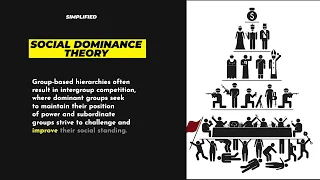
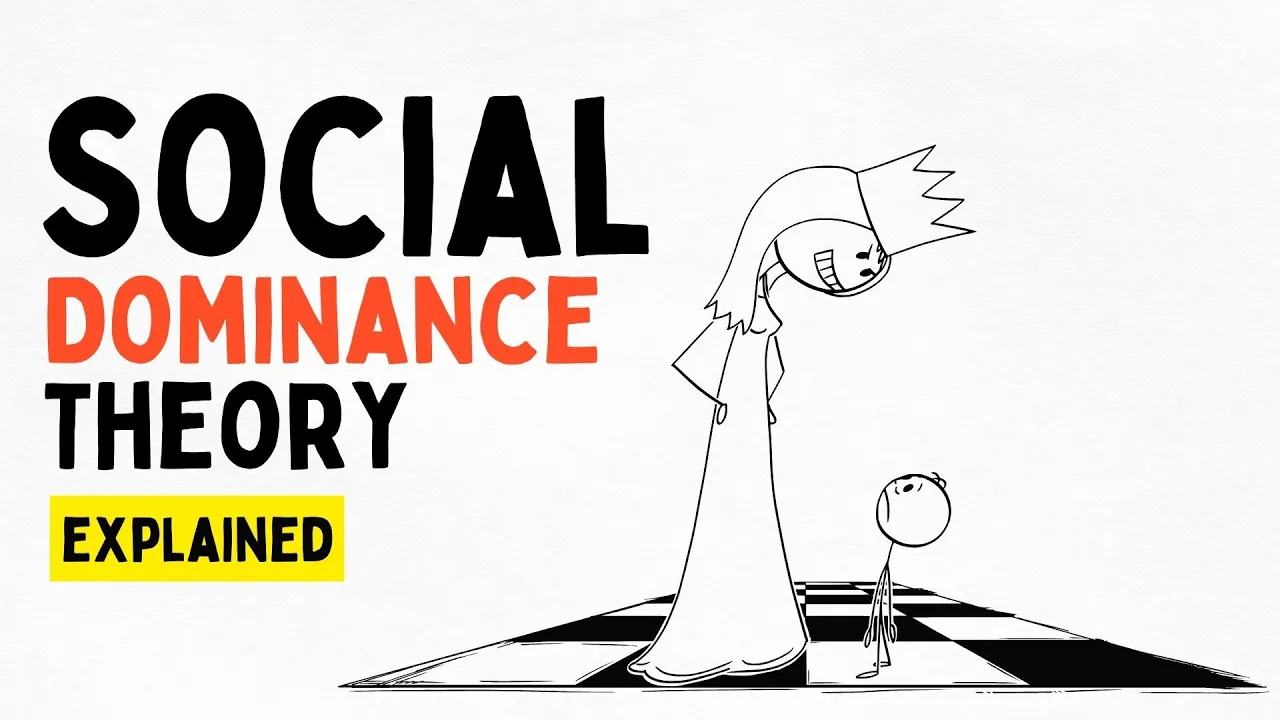
have you ever wondered why certain groups in society seem to hold more power and privilege than others this question lies at the heart of social dominance theory sdt developed by Jim sidanius and Felicia pra sdt offers insights into how social hierarchies are structured maintained and Justified within societies it posits that societies organize themselves into hierarchies based on group memberships where dominant groups enjoy higher status power and access to resources compared to subordinate groups these hierarchies are deeply embedded in social structures institutions and cultural norms influencing various aspects of Life Central to sdt is the concept
of social dominance orientation sdo which refers to an individual's preference for hierarchy and inequality among social groups individuals with high sdo tend to endorse beliefs and behaviors that justify and perpetu group-based hierarchies this orientation can manifest in attitudes and actions that reinforce inequalities such as Prejudice discrimination and support for policies that maintain existing social structures sdt helps explain why inequalities based on race ethnicity gender and other group identities persist despite efforts toward equality dominant groups often exhibit prejudice and discrimination towards subordinate groups to m maintain their position of privilege within the hierarchy this can result
in unequal access to Opportunities resources and social rewards perpetuating cycles of disadvantage for marginalized groups historically sdt has been used to analyze injustices such as colonialism and slavery where dominant groups systematically oppressed and exploited subordinate groups for economic gain and control in contemporary Society it continues to inform our understanding of persistent inequalities and social conflicts rooted in group-based hierarchies by examining the dynamics of dominance and subordination sdt provides a critical lens for addressing systemic barriers to equality and promoting social justice initiatives critically sdt has faced scrutiny for potentially oversimplifying complex social dynamics and overlooking individual
agency and resistance to oppression Scholars continue to explore ways to integrate sdt with other theories and perspectives to provide a more nuanced understanding of social hierarchy and change this ongoing research aims to enhance our ability to confront and mitigate the effects of social dominance fostering more inclusive and Equitable societies