Have you always wanted to know how ANEEL's transmission auction works? Then come with me and I'll show you now! [Vignette from the series How Does It Work?
] Guys, this episode is great! We went to an auction to show you everything first hand! So enjoy it below, subscribe to ANEEL's channel and activate the bell to find out in detail how the Brazilian electricity sector works.
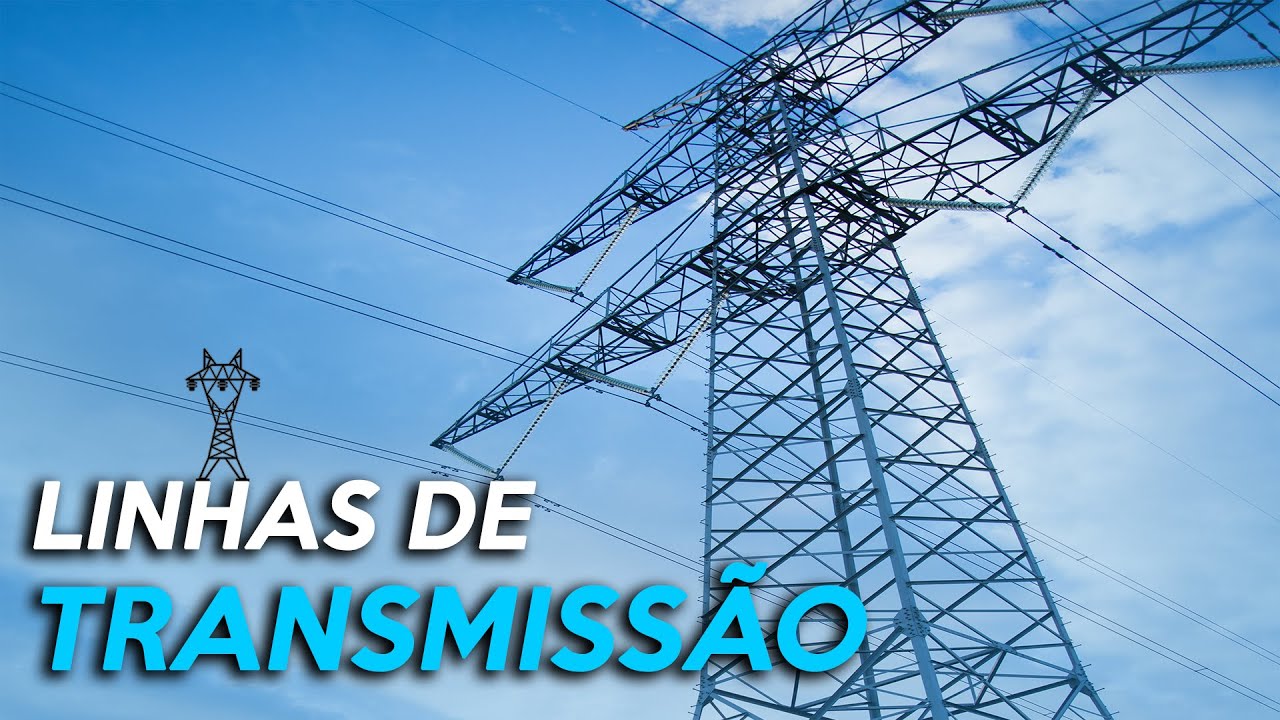
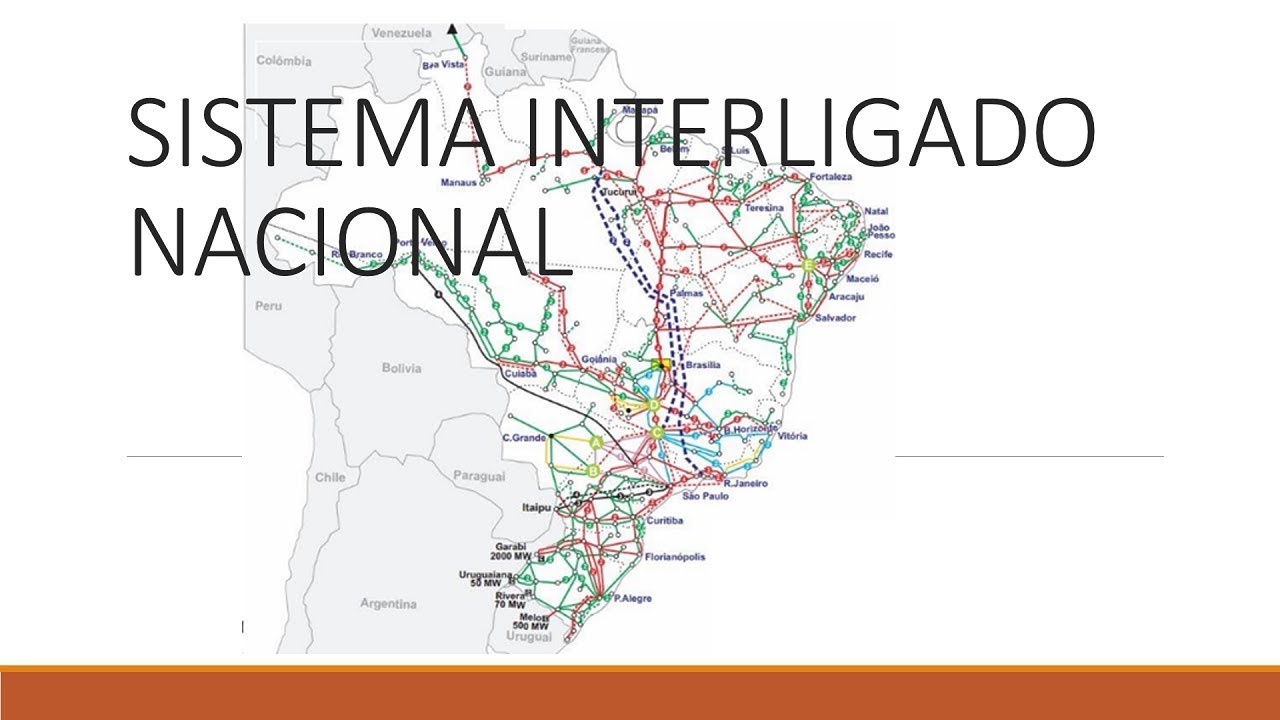
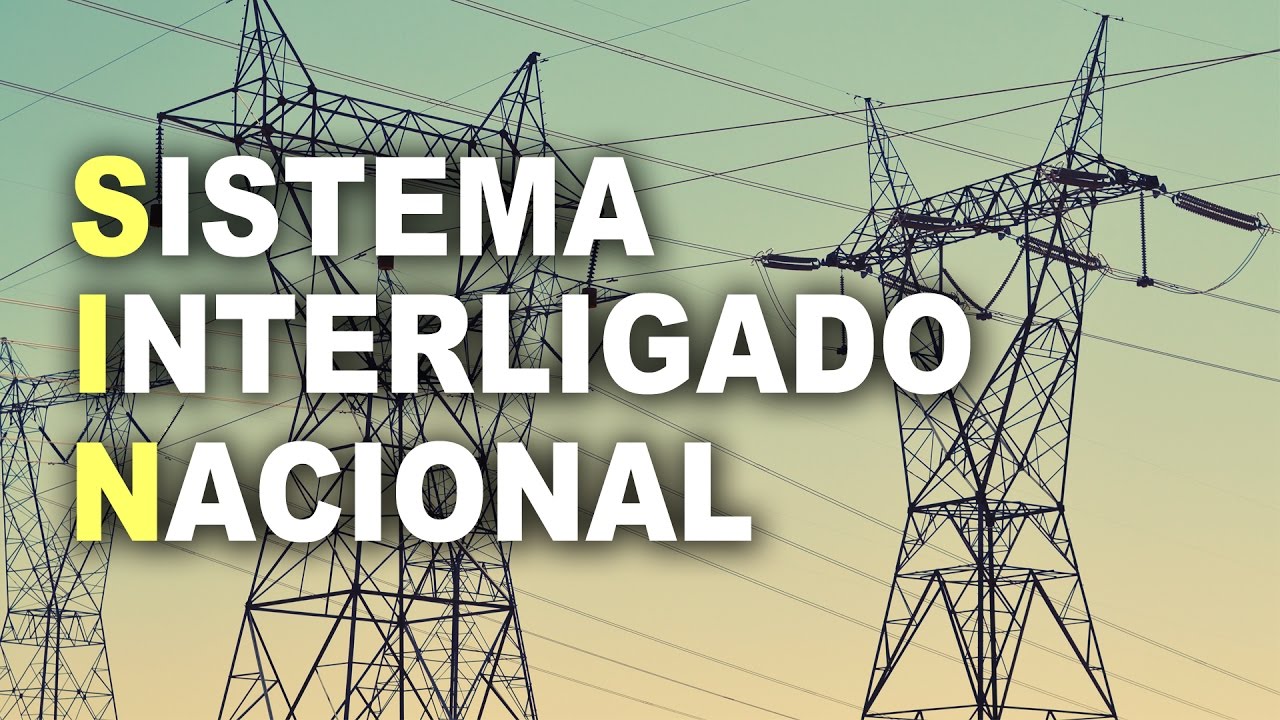
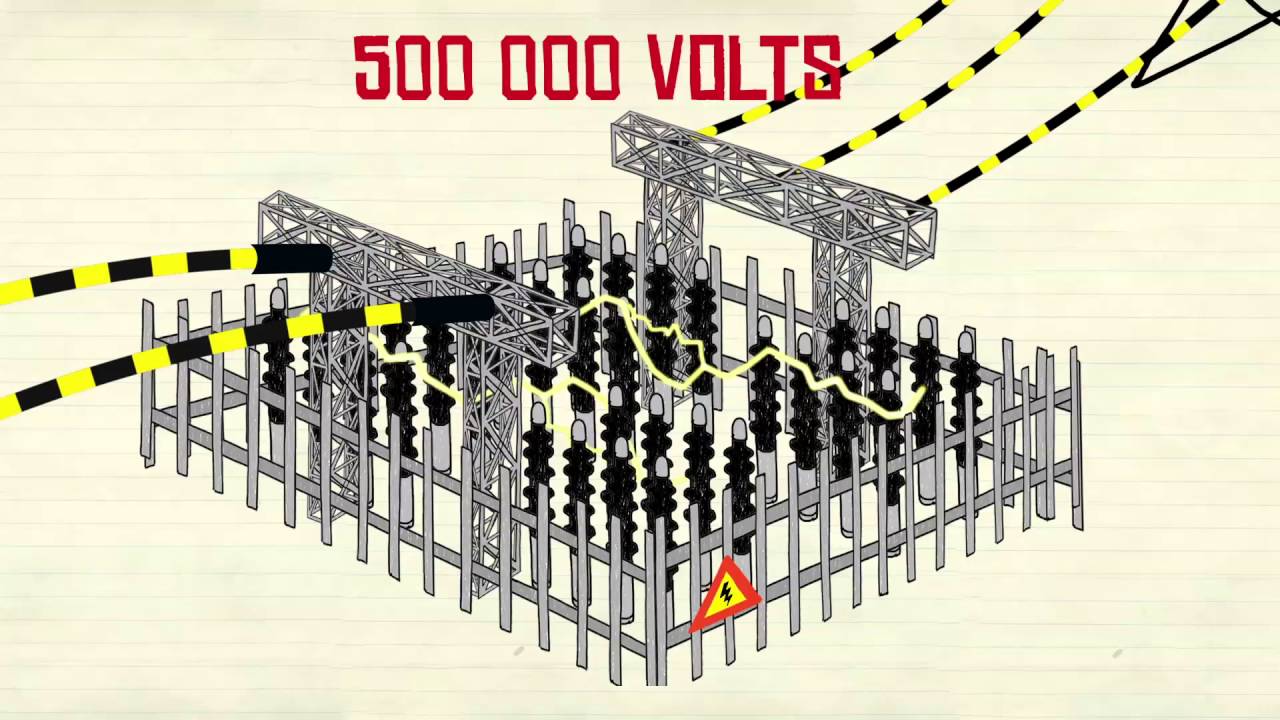
So let's get on with it! If you've ever traveled by car or bus, You may have noticed those large towers that appear from time to time. They are the ones that support the transmission lines that carry power to the four corners of Brazil, at very high voltage, the energy generated by hydroelectric, solar, wind and thermoelectric plants, among others.
Energy can thus travel thousands of kilometers from where it is produced until it reaches your city. Today Brazil is practically all connected by these transmission lines, which make up the National Interconnected System, also known as the SIN. This system grows over the years to meet industrial demand for electricity, trade and consumers.
So that this network of lines, towers and substations keeps up with the population's needs, The National Electricity Agency holds regular transmission auctions. And how does an auction start? The federal government, in the form of the Ministry of Mines and Energy, is in charge of planning the system.
In other words, it determines where the system should be expanded to and what developments are needed, based on forecasts and plans drawn up by the Energy Research Company (EPE), and by the National System Operator, the ONS. After the ministry establishes the guidelines for the auction, it delegates to ANEEL the task of contracting the construction and operation of these new transmission lines and substations. The auction promoted by ANEEL is nothing more than a public tender, in which the participant who offers the lowest price to carry out the work wins and then guarantee the operation of the enterprises.
In this environment, public and private sector companies compete for the construction and operation of new transmission systems. In the auction, each set of projects is separated into lots. Plots are divided taking into account the geographical and technical characteristics of the planned works and the total investment amount, to make the auction more attractive to the market.
ANEEL defines the number of lots to be tendered and also the estimated investment, the route to be served by the transmission lines and the expected delivery time. Based on these parameters a maximum amount to be paid annually to the winner of the auction is determined, RAP: Annual Permitted Revenue. This revenue to be paid to the transmission company is the return on investment spread over the concession period.
The amount is apportioned in the electricity tariff of all consumers connected to the Basic Grid. Potential investors, as well as society as a whole, are invited to contribute suggestions for the auction notice during a public consultation process. With the start of the consultation, investors are given time to visit the facilities which will be put out to tender.
After the consultation, the draft auction notice will be examined by the Federal Court of Auditors and then approved by the Board of Directors of the ANEEL, which publishes a definitive Notice, presenting the requirements for taking part in the competition. After this stage, those interested can register and provide guarantees for participation in the Public Auction Session. The transmission auction is a contest for the lowest price, in other words, The person who offers the lowest amount of Allowed Annual Revenue to be received wins a lot.
For each lot offered, competitors (companies or consortia) present an amount of Annual Permitted Revenue (RAP) for which they agree to build and operate the project. The difference between the value of the RAP initially proposed by ANEEL for a lot and the final amount obtained in the auction is called the discount. The more the discount, the less the energy consumer pays.
Our average discount in recent auctions has been around 50%. So, from the amount that was expected to go to the consumer's tariff, calculated as a ceiling price, on average over the last few auctions, this has fallen to half the value due to the competition that is generated in the model, in the business model for this type of auction. So, competition, the efficiency of the agents, all this gain in scale, is transferred directly to the consumer's tariff, in the consumer's account at home.
[Soundtrack] And the day of the auction has arrived! Come and find out step by step! During the auction, the first bidding phase is by means of sealed envelopes, so that competitors don't know in advance how much the others are offering for the lot.
It's really suspenseful! If a competitor withdraws from the competition lot, you also need to hand in the envelope and put a notice inside it that you don't intend to run. The auctioneer receives the envelopes, analyzes the values offered and everyone finds out together which bid is the lowest.
If one of them is more than 5% higher than the other, it will be the winner. In the event of a tie or bids with a difference of 5% or less between them, the auctioneer opens the bidding phase on speakerphone. At this point, the two or more bidders who have offered the lowest prices, within the 5% margin, are invited to make new pitches into the microphone, until only one remains in the competition and wins the lot.
At the end of the auction, the winners take part in the gavel-striking ceremony. It's time to celebrate. Meanwhile, the representatives of ANEEL, the Ministry of Mines and Energy, EPE and ONS participate in a press conference to comment on the results of the auction.
Transparent auctions, predictable auctions and increasingly competitive, we are ensuring the country's growth, safe, reliable supply and that we can allow our country to grow with equality and development, generating jobs and income. End of party here at B3! But do you think the auction is over?
Not at all. The auction continues with the evaluation phase of the documentation submitted by the winners of each lot. ANEEL's technical team is currently carrying out a thorough analysis to make sure that the companies and consortia that offered the lowest bids will be able to build and maintain the projects auctioned.
If one of the winners is not approved at this stage, ANEEL will check with the bidders who offered the lowest values for the lot whether they are still interested in the deal and whether they maintain or reduce the offer made in the bidding phase. The lowest bidder will also have their documentation analyzed in detail. All right with the paperwork?
Then came the time to sign the concession contracts. Now, the winners of each lot receive the concession to build, operate and maintain the new transmission lines and substations granted, for a period of 30 years. These documents lay down clear rules regarding tariffs, regularity, continuity and security, the timeliness and quality of services and customer care.
The transmission concessionaire receives the Annual Permitted Revenue (RAP), only after the work is finished. From then on, she will receive the amount she bid at the auction every year, during the term of the concession contract. The RAP is indexed to the Broad National Consumer Price Index (IPCA), as soon as the concession contract is signed.
But important! The contract establishes a portion to be taken from the transmission company's revenue if it does not adequately provide the public transmission service. Compliance with construction deadlines is monitored by ANEEL, as well as the operation of the developments after opening.
We are talking about the activity of supervising energy transmission services. But to find out how it works. .
. that's a topic for a future episode. See you there!