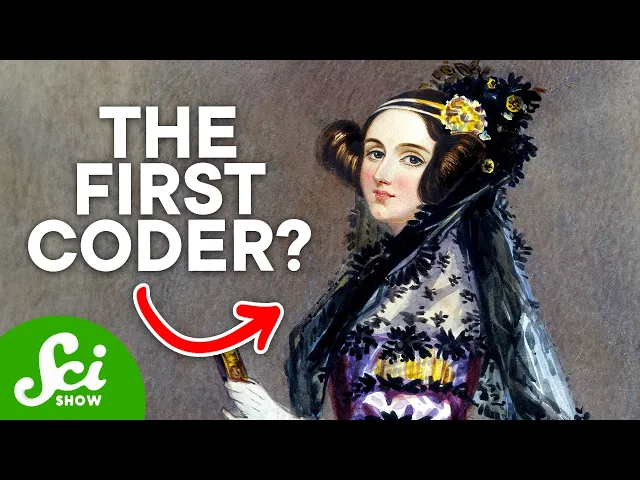
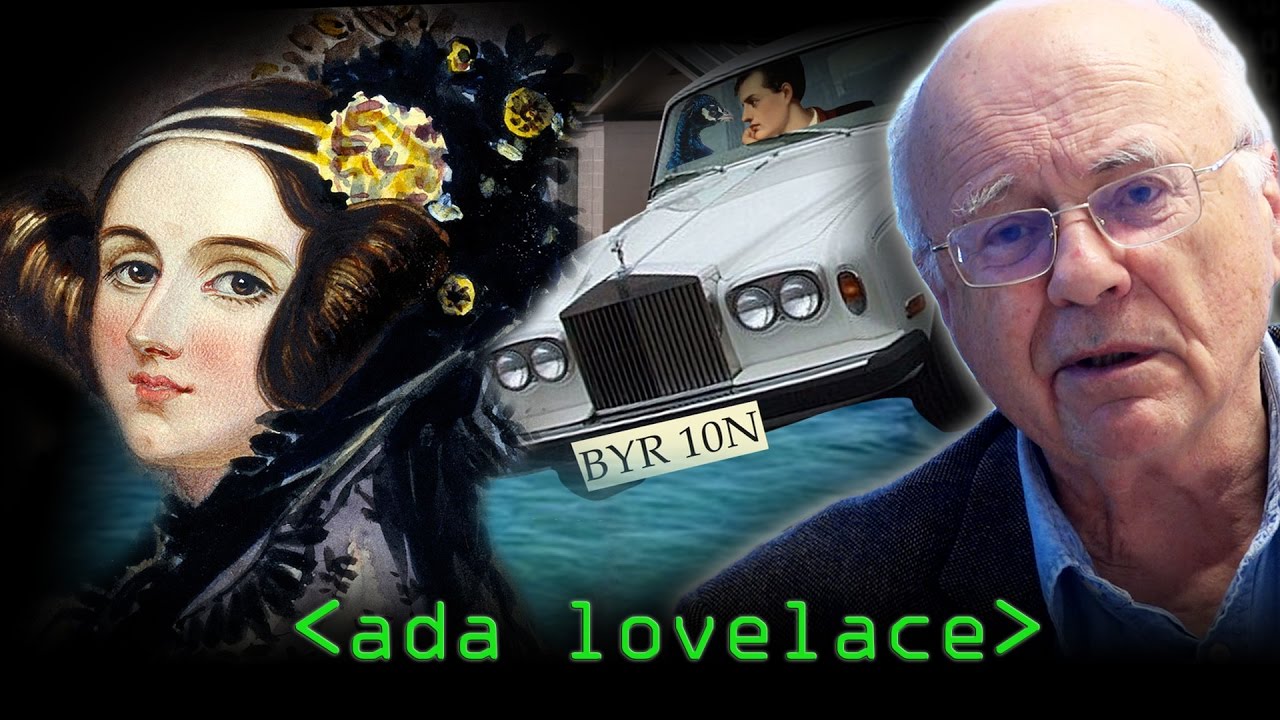
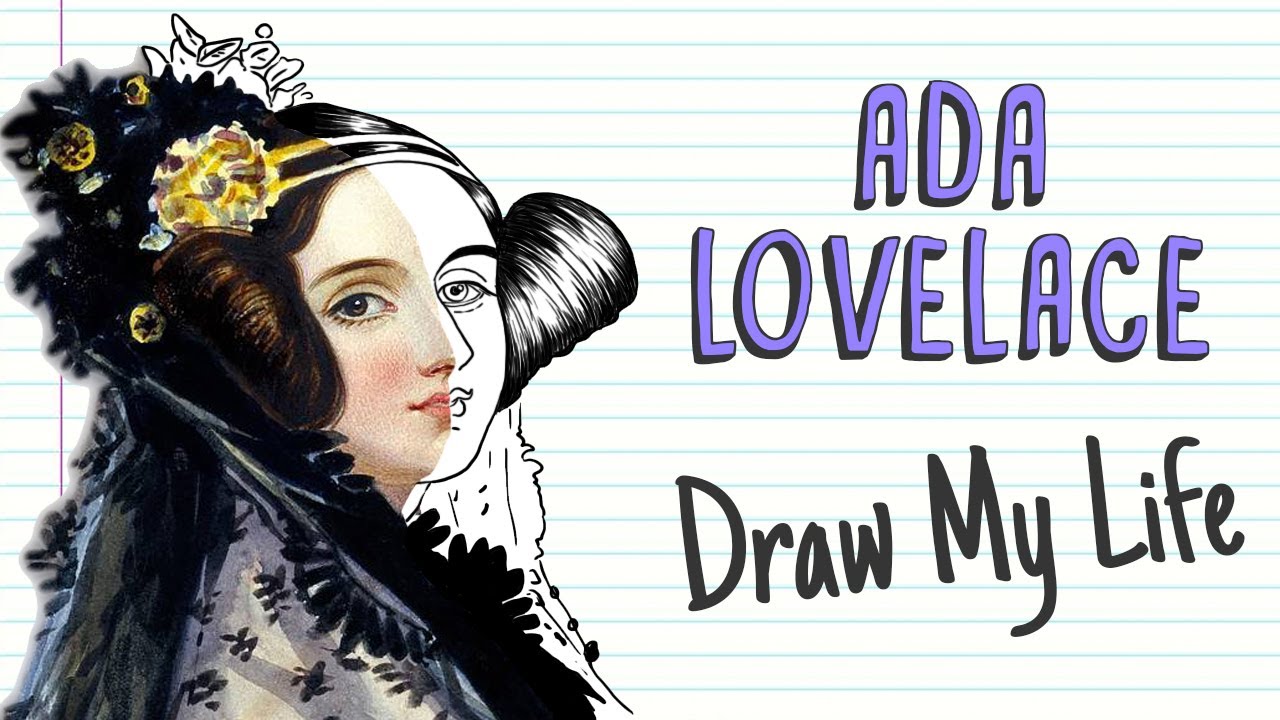
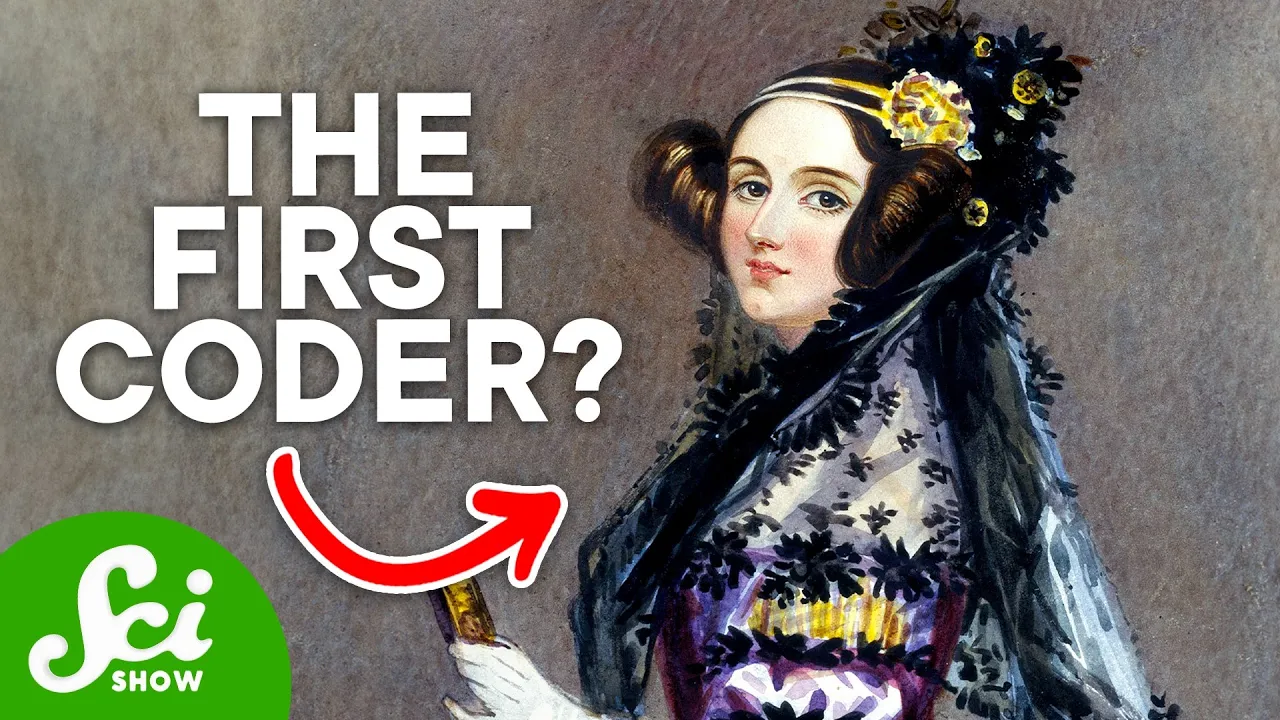
Her father was one of Britain’s greatest poets, but her mother, hoping to steer her away from those “dangerous poetic tendencies” made sure she received tutoring in math and music, and it worked. Today, Ada Lovelace is considered by many to be the first author of a computer program -- despite living a century before the invention of the modern computer. As long ago as the 1840s, Lovelace envisioned machines that could manipulate symbols instead of just numbers.
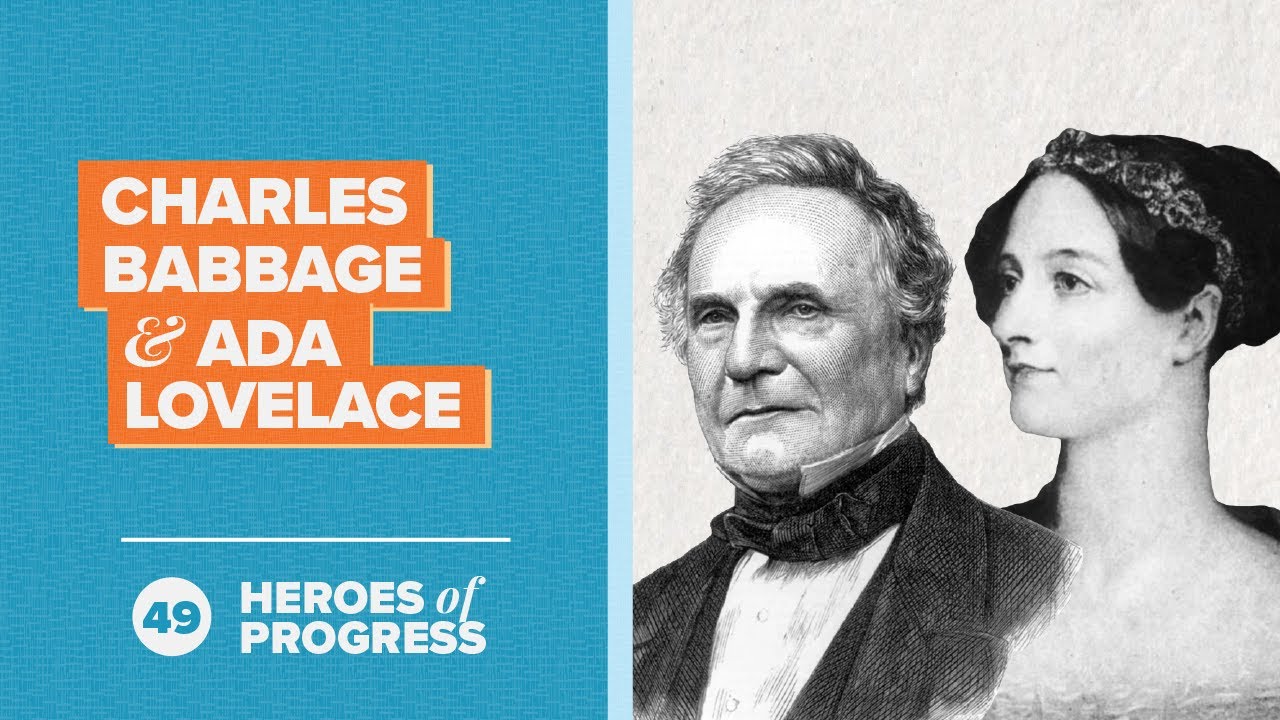
And while there are some who debate her title as “world’s first programmer,” there’s no denying her influence as a gifted mathematician who was also WAY, WAY, WAY, WAY, WAY ahead of her time. Her father was the poet Lord Byron, and while he wasn’t around for much of his daughter’s life, he too encouraged her to pursue a career in science. In 1833, young Ada was introduced to Charles Babbage, a mathematics professor at Cambridge University who today is commonly recognized as the “father of the computer.
” Ada was 17. Babbage was 42. But they were intellectual peers.
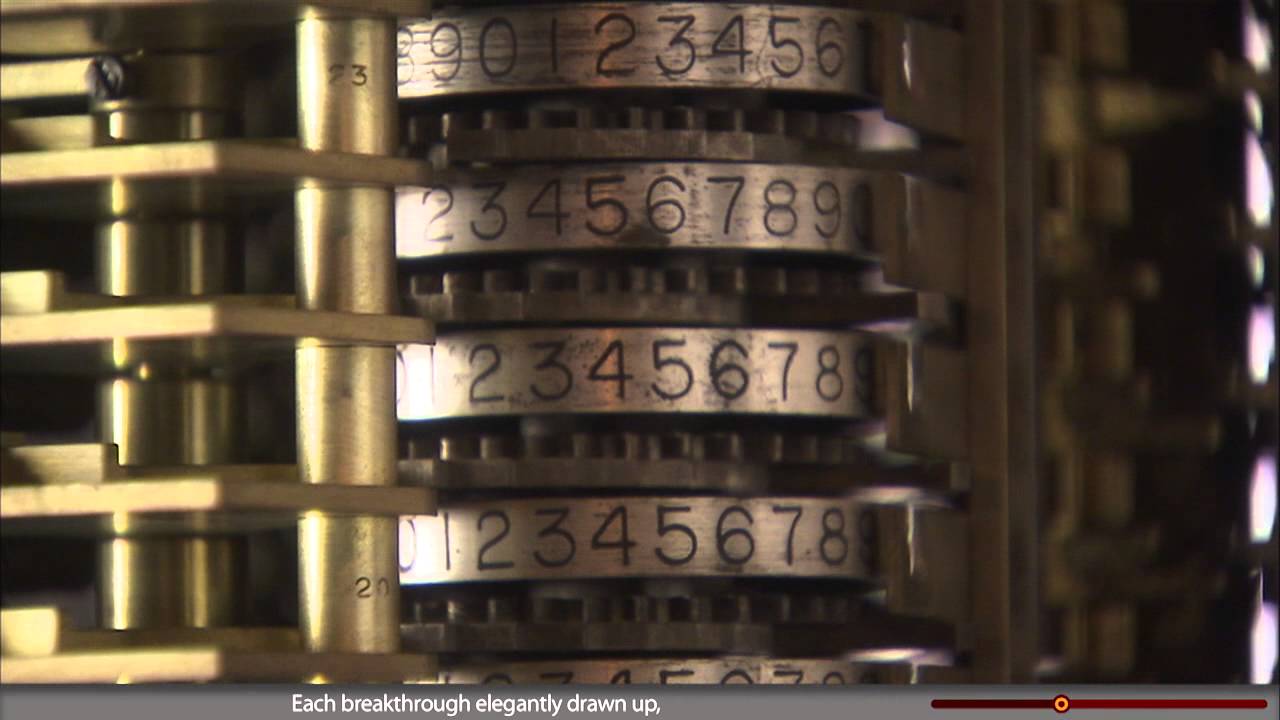
Ada soon met and married William King, the count of Lovelace, and took on all the stuff that went with being a noblewoman, wife and mother. But she continued to correspond with Babbage for the next two decades. Babbage’s most notable invention was the Analytical Engine, a brass and iron steam-powered machine he first envisioned in 1837.
It included a central processing unit, called the mill, and expandable memory, which he called the store. Controlled by punched cards, which could be used to input data, the engine could be programmed to carry out different mathematical operations. In 1843, Babbage asked Ada Lovelace to translate a description of his engine written by an Italian mathematician.
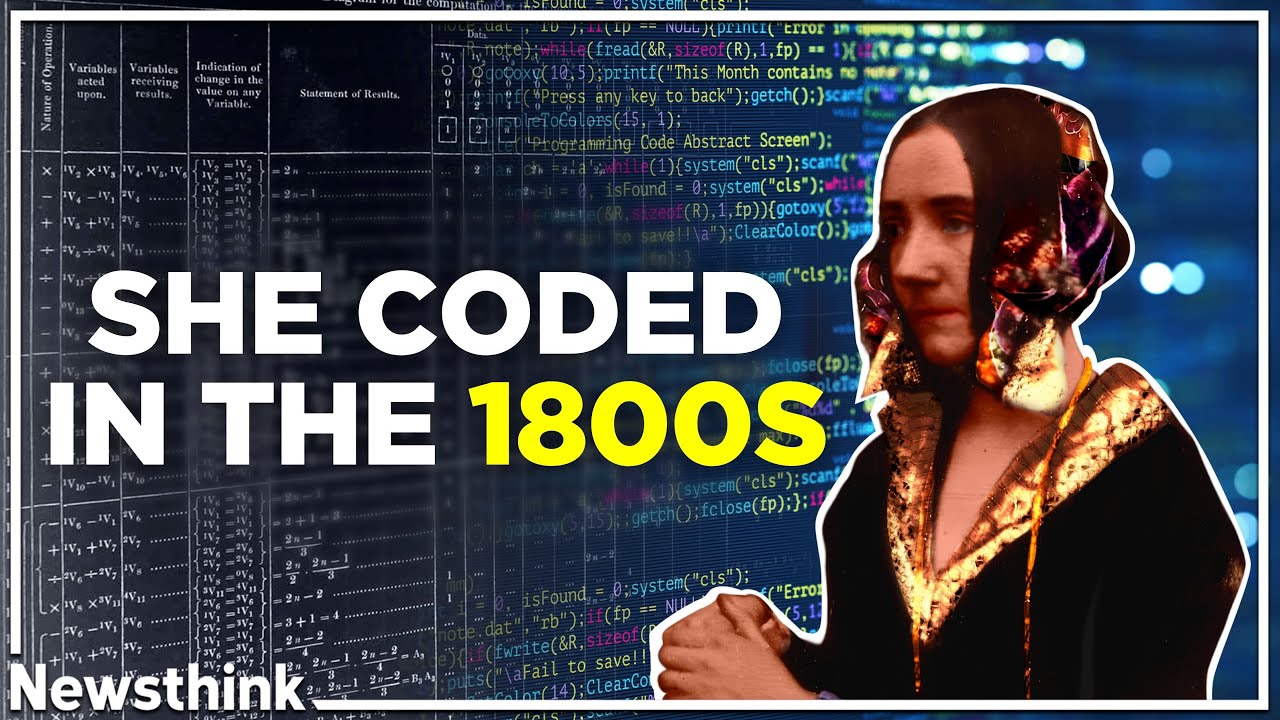
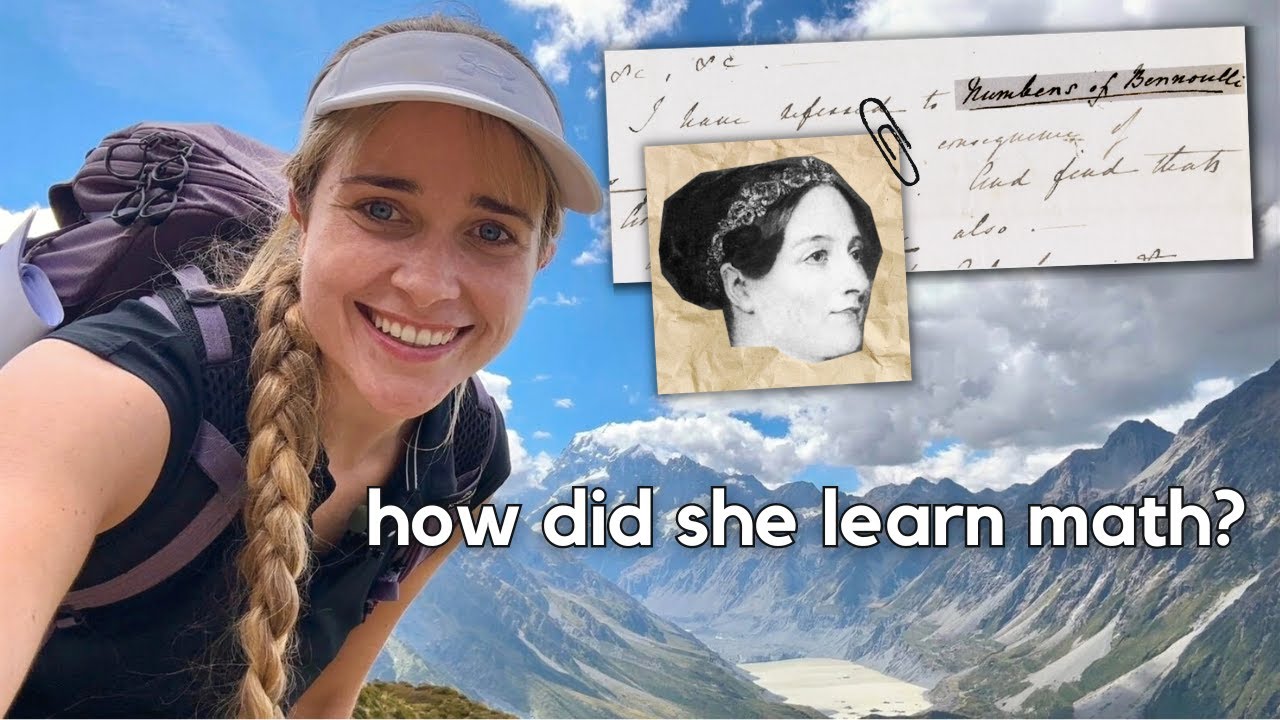
Over the next 9 months, Lovelace did just that, but also appended her own set of notes, which ended up being three times longer than the actual translation. They included some of Babbage’s own calculations -- at least some of which she found errors in and corrected. But to demonstrate the machine’s possible applications, she also described how it could be used to calculate an arcane, brain-teasing sequence of figures known as Bernoulli numbers.
She proved it by diagramming the computations that the Analytical Engine would make, which believe it or not, looked like this. Essentially, she had written a computer algorithm. She also speculated that the device might be useful beyond numbers, and could be used to manipulate anything within a fixed set of rules.
She said it could be used for both practical and scientific purposes, and it might one day compose elaborate pieces of music of any “complexity or extent” -- basically, all the stuff that we use computers for today. While the Analytical Engine was never built, Lovelace’s translation was published and well-received, earning her fans in Britain’s scientific community, like pioneering electrochemist Michael Faraday. In 1852 at age 36, Lovelace died of cancer.
It wasn’t until 101 years later that her work was republished -- just as people were starting to actually build the computers that she envisioned -- and it became how prescient she was. Lovelace liked to call herself “an analyst and metaphysician. ” Babbage called her the “Enchantress of Numbers.
” Thank you for watching this episode of SciShow: Great Minds. If you have any questions or comments or suggestions for other Great Minds, you can let us know on facebook or twitter or down in the comments below, and if you want to keep getting smarter with us here at SciShow, you can go to youtube. com/scishow and subscribe.