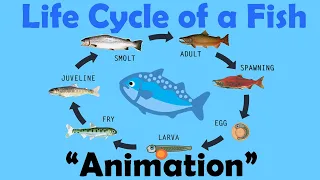
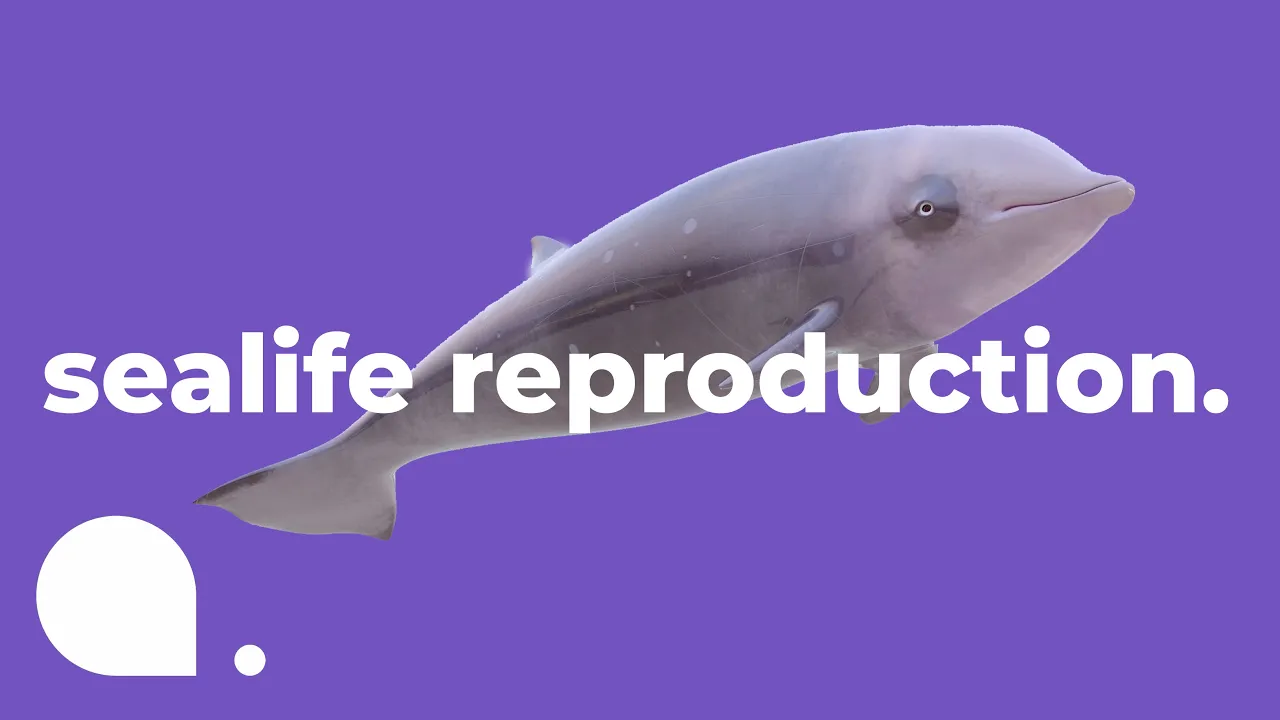
reproduction means two individuals who mate create some offspring and raise them right not always in the ocean different environments and adaptations have led to some strange reproduction strategies most strategies require a mate for successful reproduction but finding a mate in the vast ocean can be difficult some fish like many bird species have turned to migration for help tuna travel thousands of kilometers each summer to their spawning grounds there males and females release millions of sperm and eggs achieving external fertilization the fertilized eggs soon develop into tiny tuna with their parents gone most are eaten but
those that grow up are among the fastest and strongest ocean hunters other species use the shelter of land to boost their luck salmons spend years at sea one autumn they follow their noses back to the same stream where they were born females build nests of rock and deposit thousands of eggs after fertilization both parents die exhausted their bodies nourished their children who swim to the ocean they lived for years before migrating back home to mate eels do this backwards each spring adults gather to spawn in the sheltered sargasso sea baby eels drift with currents to
the north atlantic there they find their parents rivers which they've never seen before as adults they return to their birthplace to mate scientists currently think that eels use the stars to navigate fish that use internal fertilization don't need as many sperm or eggs after mating female rays lay a few egg pouches their young develop in safety for a few months then hatch their relatives great white sharks take this even further egg pouches stay inside the mother and hatch inside her the first baby to hatch eats its siblings until it emerges in a live birth strong
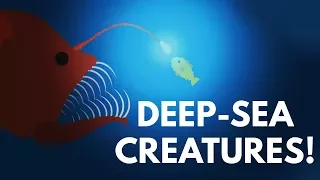
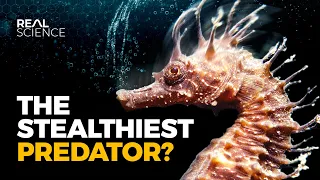
and nourished in shallower seas seahorses form long-lasting partnerships females lay unfertilized eggs in pouches on the male's stomach where he fertilizes them feeds them and protects them until they're born but some fish are even stranger deep sea angler fish mate for life but in a unique way the male permanently fuses to the female's body and connects to her blood system he no longer needs to eat or breathe and gradually shrinks into a fully absorbed lump in return he provides a constant supply of sperm letting females get pregnant at will with nearly 30 000 species on
earth fish have found an astounding variety of ways to reproduce when presented with challenges the happy accidents of evolution have found some incredible solutions you