Cats are intelligent animals which behave in ways we may find strange. However, there are logical explanations behind their unusual behaviors. In this video, we will talk about nine strange things cats do and explain the meanings behind them.
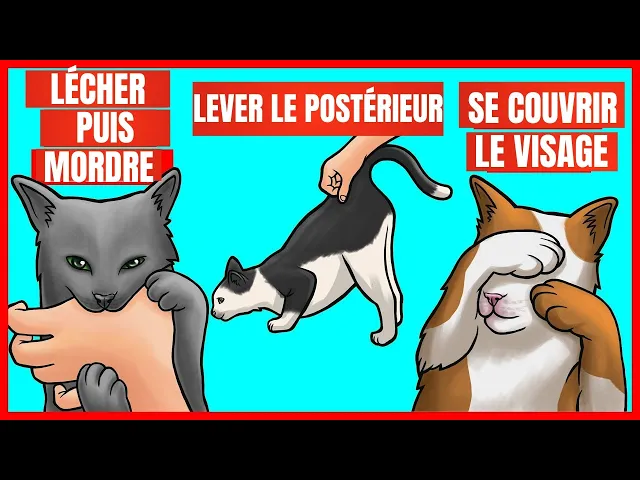
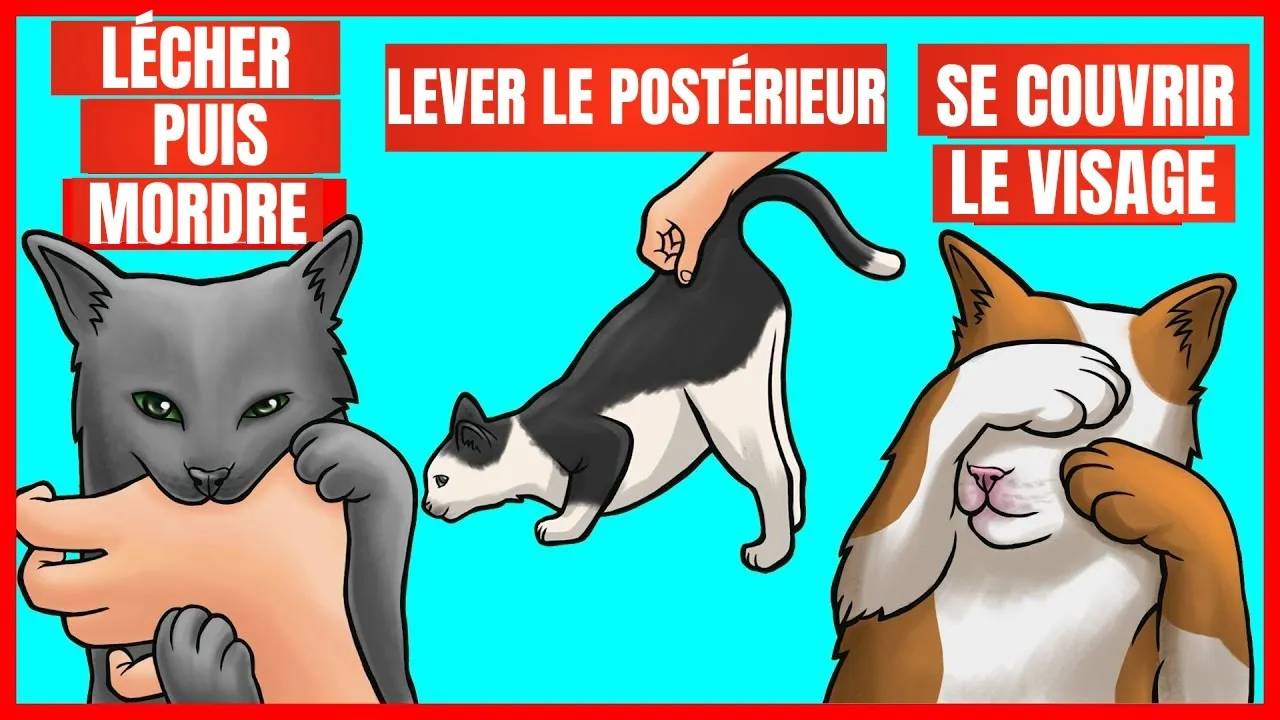
Why do cats raise their butt when you pet them? Stroke a cat at the base of their tail and they are likely to stick their butt up in the air. The base of a cat's tail is in erogenous zone with lots of nerve endings.
So many cats enjoy being pet or scratched by a trusted person in this region. But remember, although a few gentle strokes might be soothing at first, excessive tail petting could be overstimulating or even painful. Interestingly enough, cats also adopt this posture when they are in heat or ready to mate.
Female cats that are in heat often become more affectionate and drop into this position every time you pet them. In addition, cats present their rears as a friendly greeting or as a way to exchange sense. Another cat would sniff the sense coming from their anal glands to gain information about them.
You have likely seen cats sniffing each other's butts as a greeting when they are friendly with each other. So when your feline friend raises their butt, they are trying to communicate trust and friendliness. Why do cats cover their faces when they sleep?
More often than not, cats cover their faces while they sleep to keep their noses and bodies warmer. Cats prefer higher temperatures than humans do. By covering their faces with their paws or curling up tightly into a ball, your feline friend can reduce the amount of heat that is lost as they sleep.
Cats also cover their eyes as a way to block out the light. Cats are crepuscular creatures, which means they're most active during dusk and dawn and spend most of their days sleeping. This means they often have to sleep when it's light outside and they use their paws to block out the light.
Remember, your cat covering its face when it sleeps could also be completely accidental. Cats fall asleep in weird positions easily. Your pet may groom himself and start to zone out with its paws over its eyes.
Why do some cats over vocalize? If you have got a cat that over vocalizes, there are several reasons for it. The most common cause of excessive vocalization is attention seeking.
Many cats learn to meow, to signal their wish to go outside, be fed, initiate play, or even get you to talk to them. Cats that are experiencing stress also become more vocal. A new pet or baby, a house move or big changes to the home, an illness or the loss of a loved one can turn your cat into a talker.
If your cat isn't sped or neutered, then you're going to hear a lot more noise. Females yowl When in heat and males yowl when they smell a female in heat, getting your pet sped or neutered will prevent this. Other reasons for a cat's over vocalization are boredom, loneliness, and separation anxiety.
Finally, remember that Oriental Breeds, especially siamese cats are known to be great talkers. Why does your cat lick you and then bites you? If your cat licks then bites you out of the blue, then you might be in the presence of a love bite.
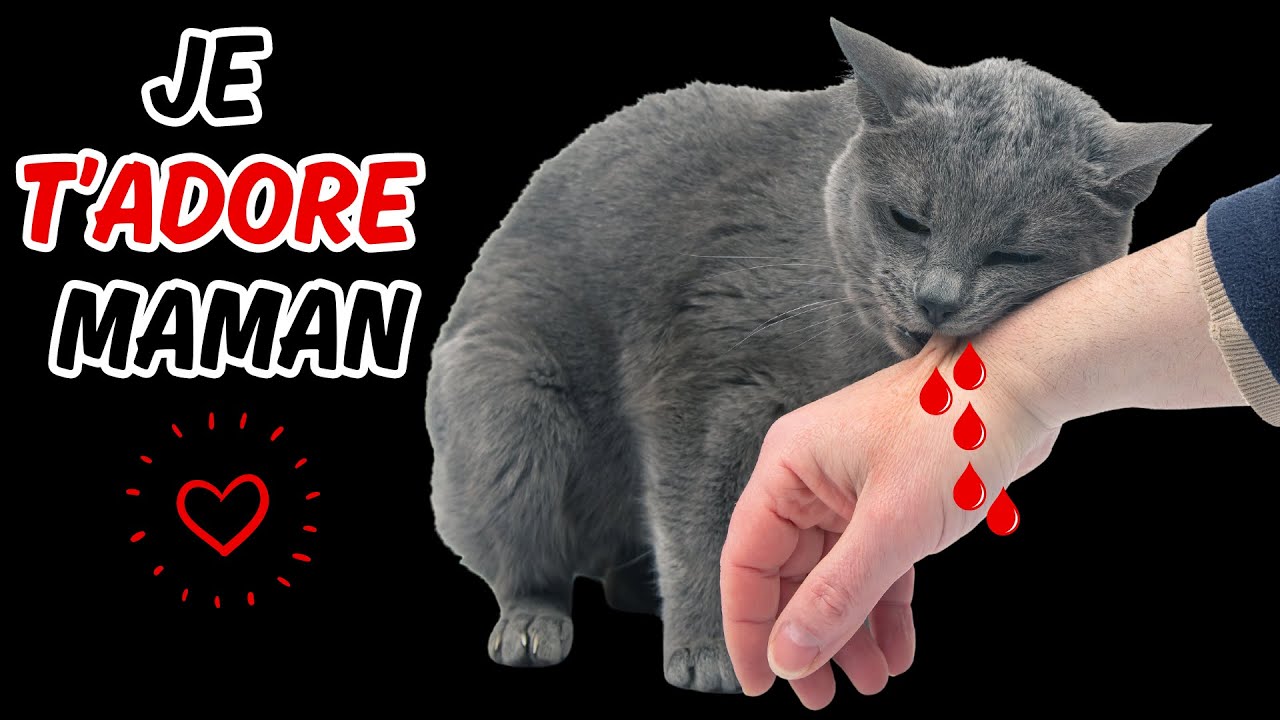
Cats often bite to show affection, but only with gentle and more controlled nibbles. Some cats bite you as part of their grooming behavior. When felines clean each other, they lick and nibble to ensure thorough hygiene, meaning it is completely normal for our cats to bite us a little when grooming us.
But remember, if you are actively petting your cat and they give your finger a lick or two and then a nice chomp, it might be that they have had enough of your pets and are overstimulated. Overstimulation happens when you touch your cat in areas they don't like or when you pet them for extended periods of time. After some time, something that they might have found enjoyable, turns frustrating, and results in a little bite.
This is your cat's warning signal to stop petting them. Another reason why cats lick then bite is they simply want to play. As mysterious and cool as they seem, cats can still be playful and silly.
If their ears are pointed forward, the tail is up and the pupils are slightly dilated, then your cat is happy and ready for play time. Of course, a cat's bite can also indicate aggression, but rest assured that you'll know when your cat bites you out of aggression versus when it gives you a love nibble, as aggressive biting is often accompanied by hissing or a rigid bristled body language. Why cats keep changing their sleeping spots?
A study published in applied animal behavior science surveyed 1,177 cats and founded on average cats had five preferred sleeping places. It is a survival instinct for cats to regularly change their sleeping location. Cats in the wild frequently move their nests and colonies to avoid detection from predators.
Cats also sleep in different locations to enjoy privacy, regulate their body temperature and to avoid stressful experiences. Many cats prefer sleeping far enough from litter and food to avoid strong or direct smells. Marking their territory is another reason why cats shift frequently from place to place.
Cats mark the locations where they live in many ways. They usually do it by scratching or marking an area or object with their scent to cement their claim. Cats will sleep for a prolonged period of time in one space to make sure the place smells like them.
This makes their environment more comfortable. Why cats take your spot? Cats often steal your seat because they enjoy the scent and warmth you leave behind.
Cats love warm temperatures and want to absorb your body heat. Domestic cats also enjoy being close to their owner's scent because it makes them feel safe and comfortable. Some territorial cats will jump into the seat to deposit their scent, making the area smell more familiar to them.
It's their way of claiming the area as their own and worn off other animals. Keep in mind that cats tend to spend a significant amount of time in one place to make sure the place smells like them. Of course cats also steal your spot when they want your attention and hope to snuggle with you when you return to your seat.
Why cats knead? Kneading is when a cat pushes their front paws against a surface. Cats begin kneading just after birth.
They perform this instinctive behavior on their mother's nipples to stimulate colostrum and milk production. Although cats originally knead for milk, they continue performing this action past their nursing age. More often than not, cats knead when they are feeling happy and safe.
You may also notice they pur and have their eyes half closed, which are often other signs of feeling safe and content. If your cat kneads on you, it's a sign of love and affection. Your cat is in good emotional wellbeing and feels comfortable around you.
Another reason why cats knead on random surfaces is to mark their territory. Cats have scent glands on their paws by scratching or kneading they deposit their scent on an area, letting other animals know they were there and claiming the area as their own. Dilated eyes.
Cats pupils fluctuate in size and shape based on light and emotion. By dilating their pupils cats allow even tiny amounts of light into their eyes so they can see better in the dark. During the day cats can track their pupils depending on how bright it is.
Interestingly enough, pupil size can also be an indication of your pet's mood. If the ambient light is normal, but your cat's pupils are dilated, it can imply that your cat is not relaxed or is stimulated. Your cat could be stressed, anxious, excited, or in fear.
Cats also often have dilated pupils during their heat cycle. In situations that produce enjoyment, like when they've just eaten their favorite food, a cat's pupils may dilate as a reflex. It's important to remember that some health conditions present dilated pupils as a symptom.
If there is enough ambient light and no stimuli or stressors, but your cat's eyes are persistently dilated, then it is time to visit a vet. Why Your cat sleep with you? Cats sleep with you for several reasons.
Cats like warmer temperatures than humans do, so when the ambient temperature is a little cool, your cat is going to look for a nice warm area to maintain their temperature, and your body is a good source of heat. Another reason your cat sleeps with you is because she wants to feel safe. In the wild laying down or sleeping makes animals more vulnerable to predators.
Sleeping on top of a trusted human gives a cat a sense of security, as well as comfort and warmth to sleep peacefully. Cats also sleep on you to show you affection and love. While cats can be very independent, they do miss you when you are gone from home for a long period of time and will want to cuddle with you when you get back.