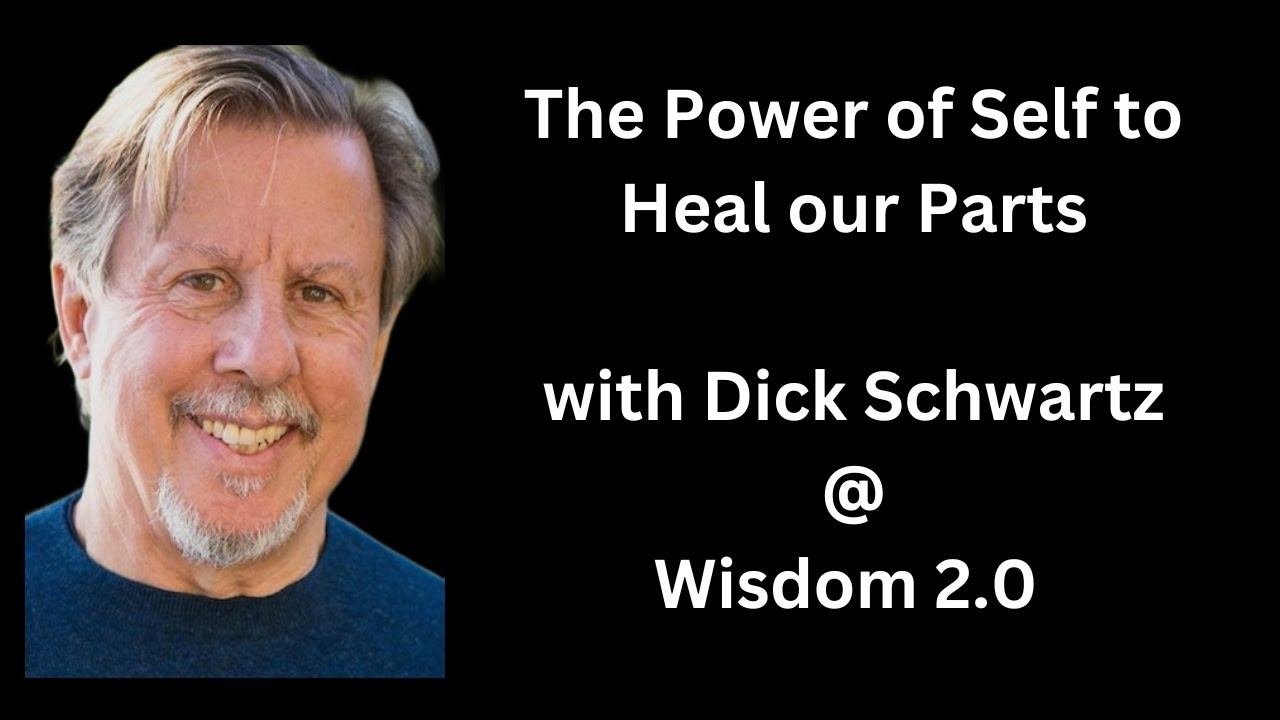
When a person experiences trauma, they can sometimes become fragile and protective. That's because trauma often affects a person’s most sensitive, vulnerable parts. But Dr Richard Schwartz has developed an evidence-based approach for working with these parts.
I think you'll find it useful in helping to build your clients’ resilience. As you know, I believe we all have these parts of us, what I call parts, or subpersonalities. And then we also have this essence that I call the self that knows how to heal, that when accessed and lies just beneath the surface of these parts, when accessed, knows how to heal the parts when they get hurt.
It can't be damaged. So, for me, the lack of resilience occurs when people get traumatized and some parts — their most sensitive, vulnerable parts are the ones that get hurt the most and — now carry all the pain of the trauma and the shame of it and the terror of it. And because we don't want to be around that anymore, our other parts of us tend to lock it up inside, and what I call exile all those.
. . what we're thinking are just feelings and thoughts and emotions and memories.
But, in fact, we end up exiling the parts of us that were hurt the most, which tend to be these vulnerable parts that, before they were hurt, are full of wonderful qualities, like playfulness and creativity and buoyancy and joy and so on. When people do that, when they have lots of these exiles, they become very brittle and protective. They have a lot of other parts that have to keep them locked up and keep the world from triggering them again.
And so that's sort of the opposite of resilience, although there's a lot of honoring of people who can just get hurt badly, in our culture, and then brush it off and get back up and just keep going, move on. But for me, that's a very brittle kind of resilience. And people who take that approach, which is most people in our culture — this is a very, you know, the American spirit of rugged individualists.
You can take it, and then you just keep on going. You leave in the dust all the pain of it. People can be resilient in the sense that they can survive, and sometimes people can thrive, but you can see how protective they are.
They have to be very careful to not get triggered again. So, real resilience, for me, is when you get hurt that way, you actually go to these parts that were hurt so badly and you listen to them and you embrace them and you help them unload what I'm going to call the burdens they accumulated from the trauma, which translates into extreme beliefs and emotions that came in to you from that experience. That can actually be let go of if, instead of exiling all that, you actually move toward it with compassion and sort of hold those parts and get them out of where they might be frozen in the trauma.
And then trauma isn't traumatized. So, my take is that trauma is only traumatizing in the effect it has on these inner systems. And so, if you can access this place I'm calling self and come to all of these parts with that kind of loving compassion, then that's what I call real resilience.
As Richard explained, “rugged individualism” may help a person survive trauma, but that kind of protective stance can get in the way of deep healing. Now I’d like to hear from you. What are some ways you’ve helped clients work with the parts of themselves that have been hurt by trauma?
Please leave your thoughts in the comment box right below. And thanks for watching.