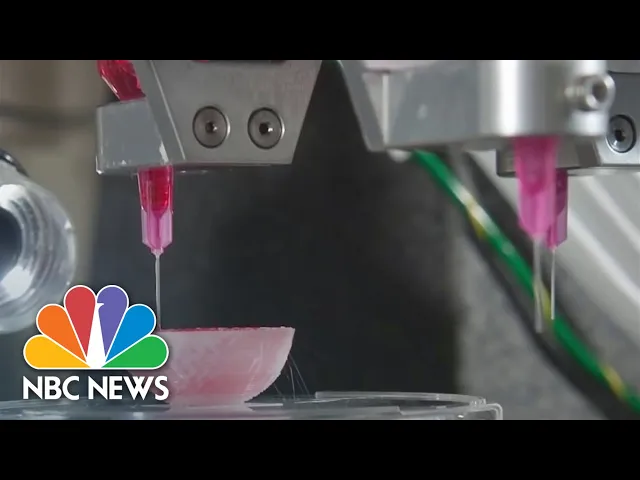
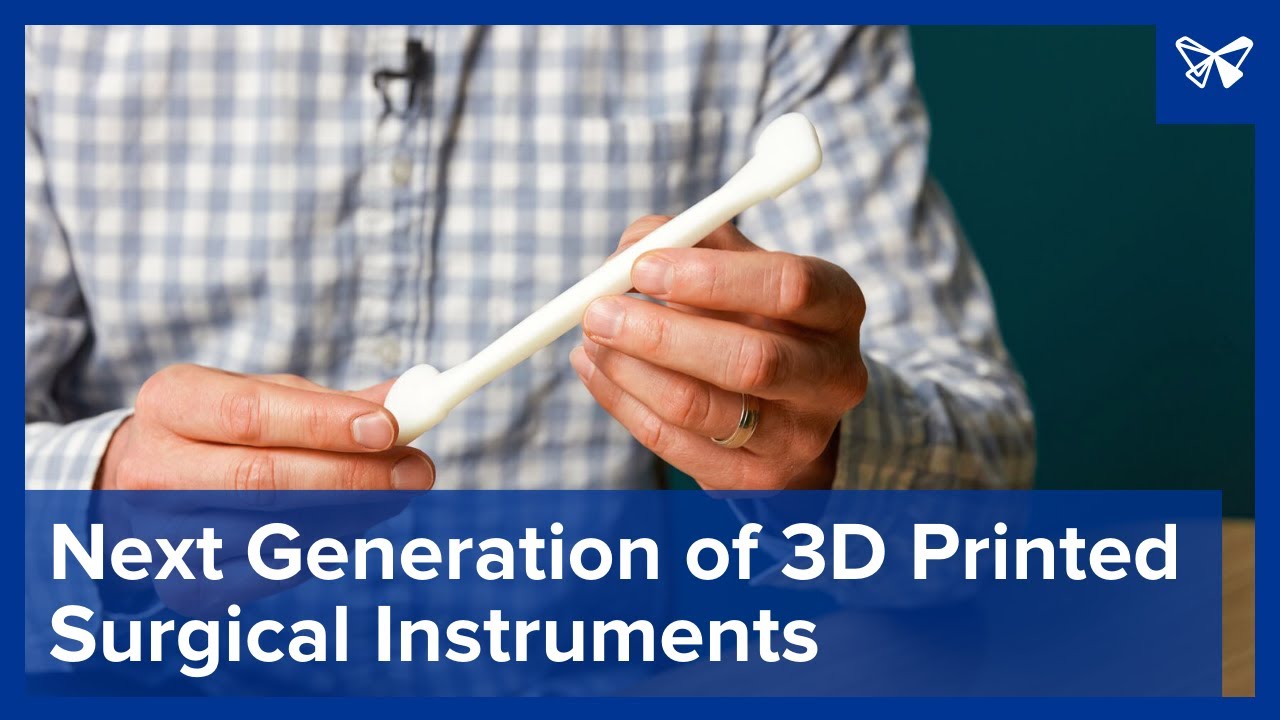
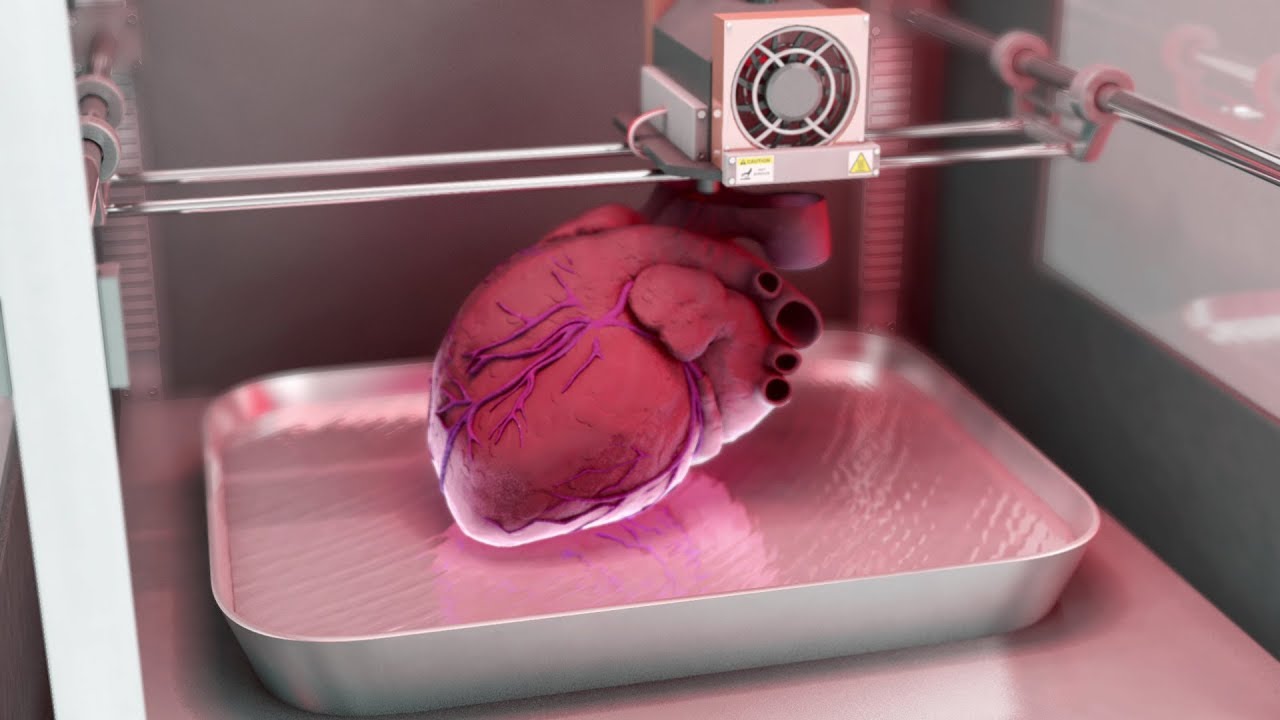
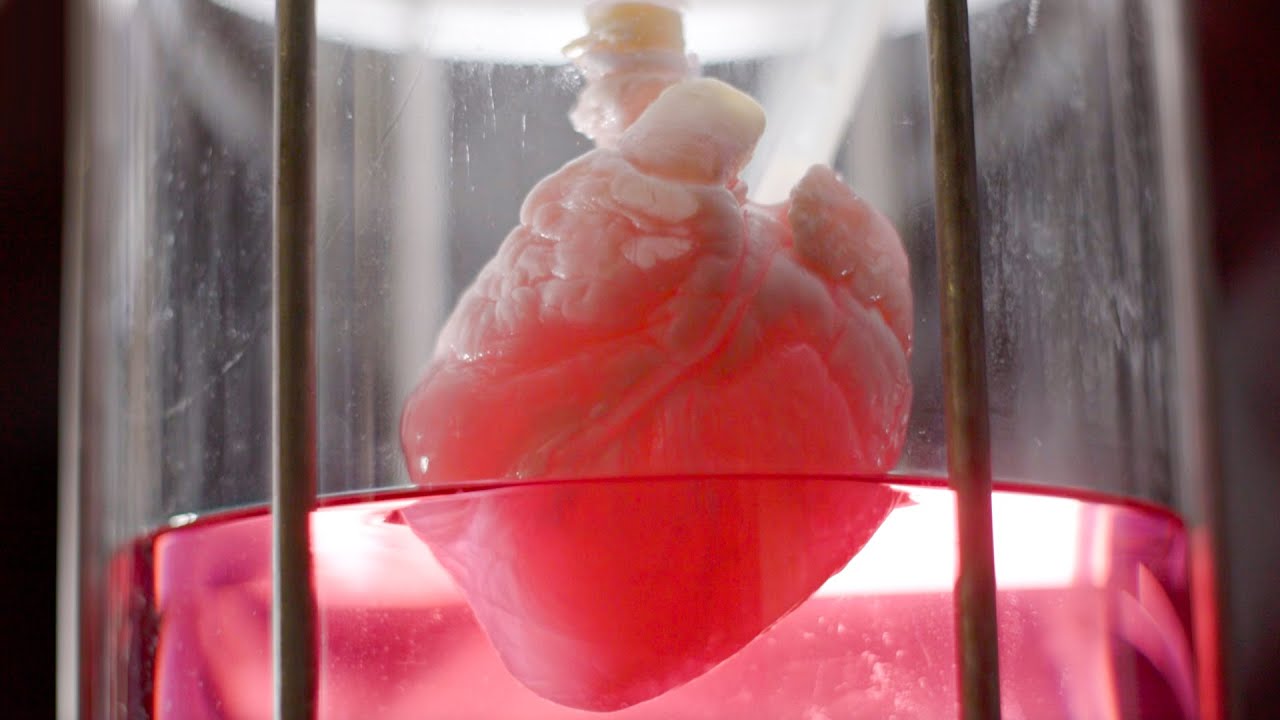
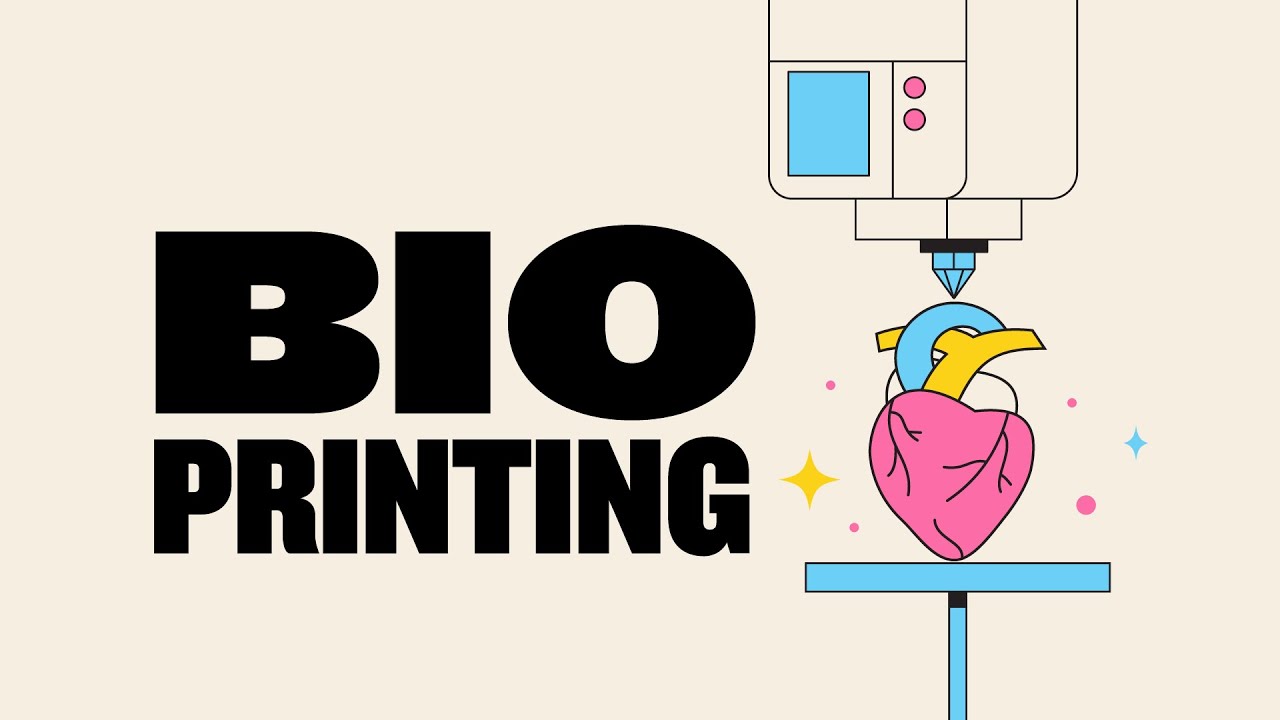
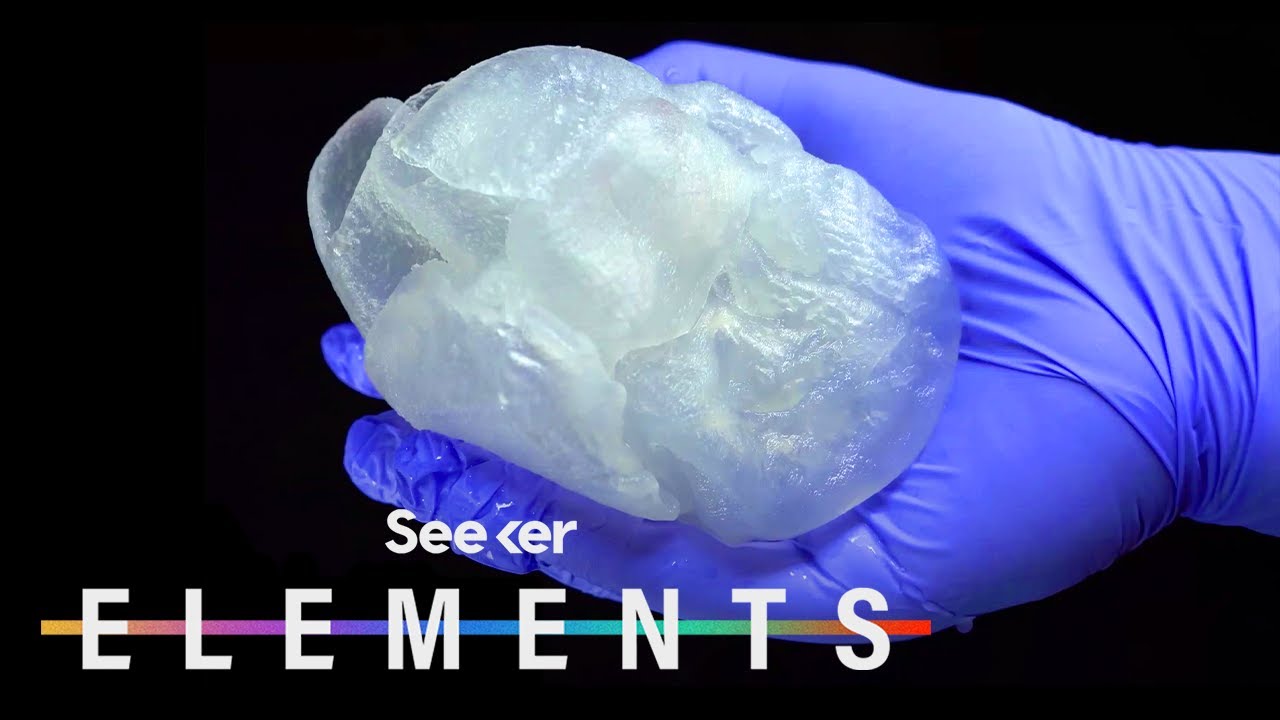
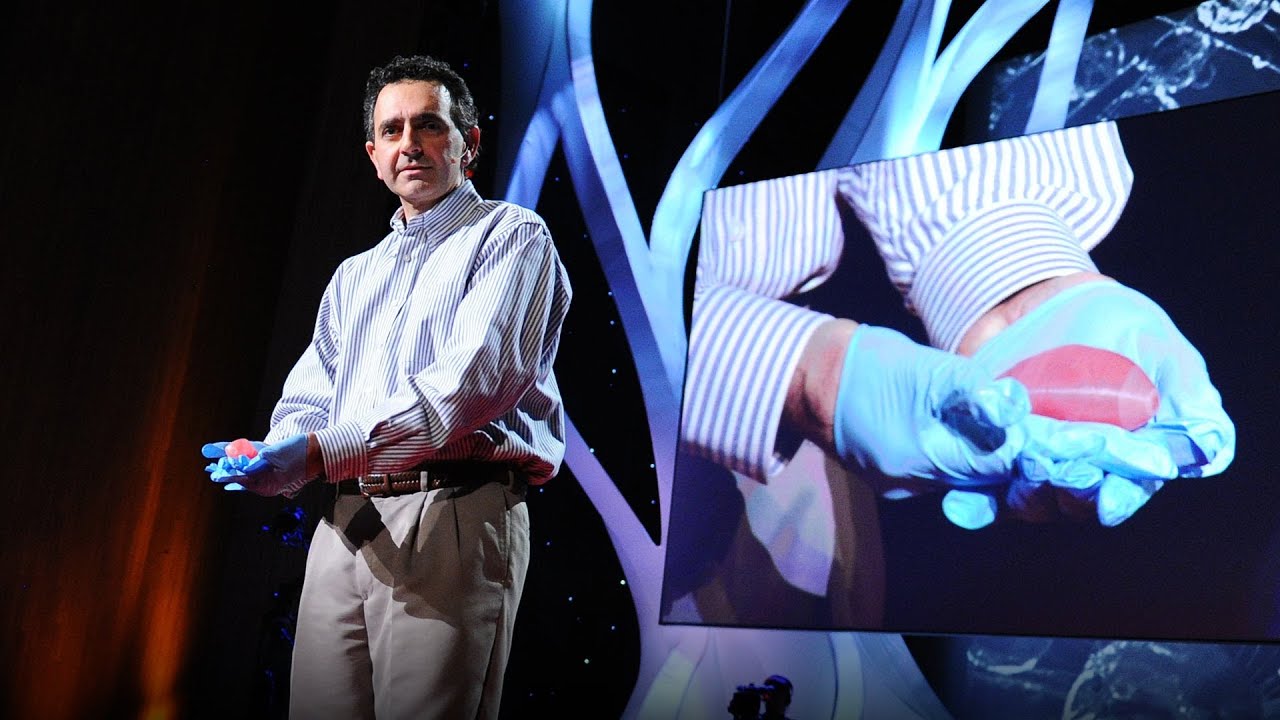
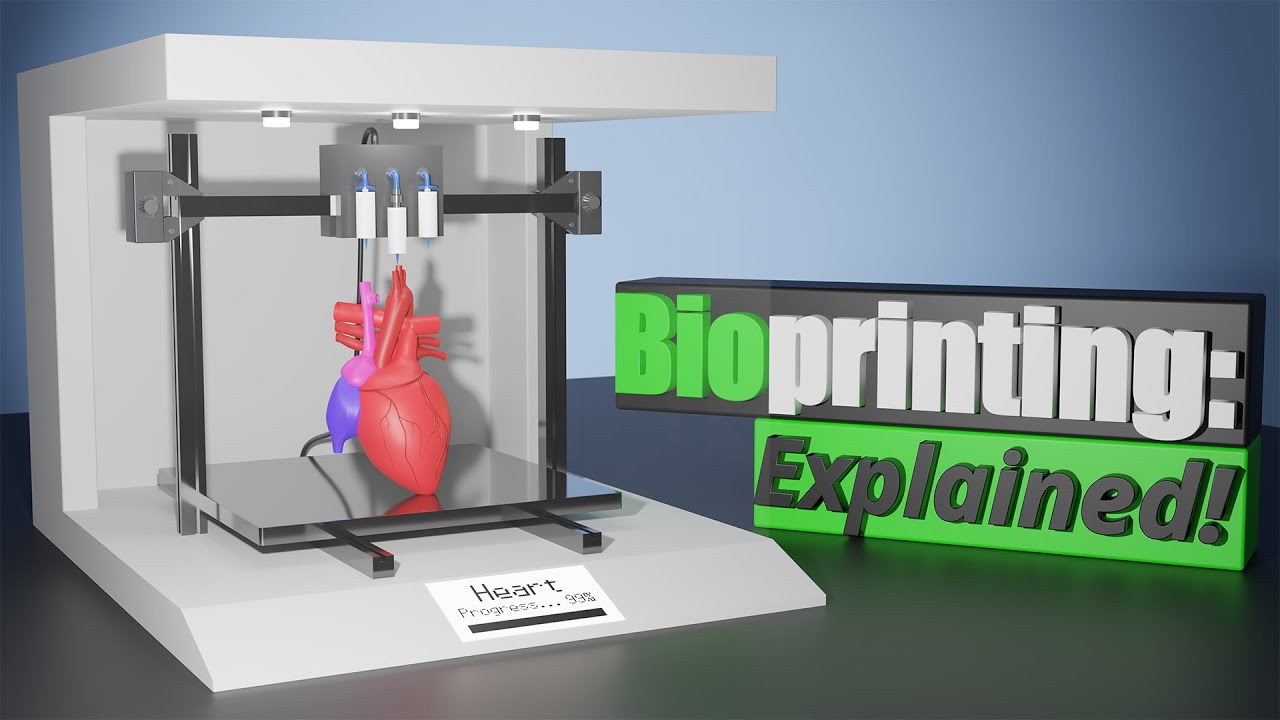
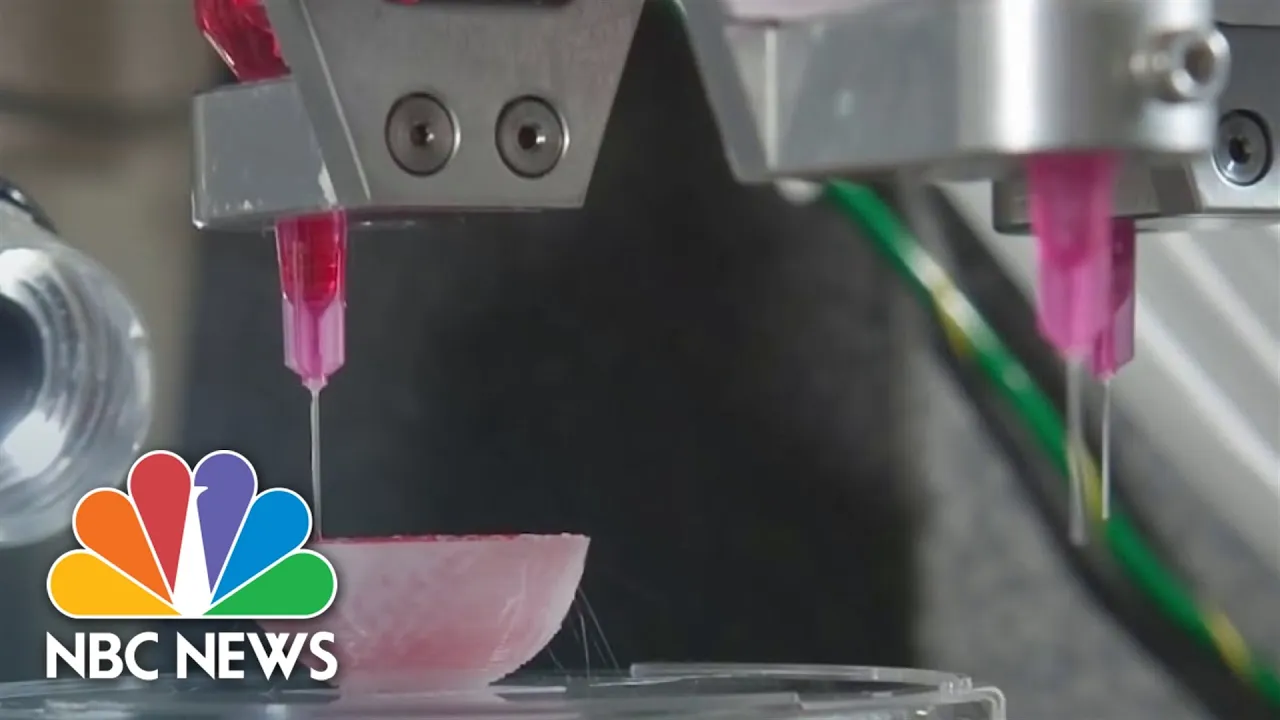
and when it comes to printing human body parts the future is already here just in the last few months we have seen some pretty incredible results one woman received a 3D printed ear implant made from her own cells as part of a a clinical trial doctors in France were able to grow a new nose for a cancer patient using 3D printed cartilage and get this researchers at MIT can now print 3D replicas of the human heart team has developed a robotic system to control soft 3D printed replicas of a patient's heart that can be actuated
to mimic the patient's blood pumping ability the procedure involves First inverting Medical images of a patient's heart into a three-dimensional computer model which the researchers can then 3D print using a soft polymer based ink the result is a soft flexible shell in the exact shape of the patient's own heart [Music] uh wild right anytime I see something like that I call NBC News medical fellow Dr Akshay sayal he joins us now doctor why does this matter what implications does this have on the future of organ transplants yeah good evening Gary the simple way to put
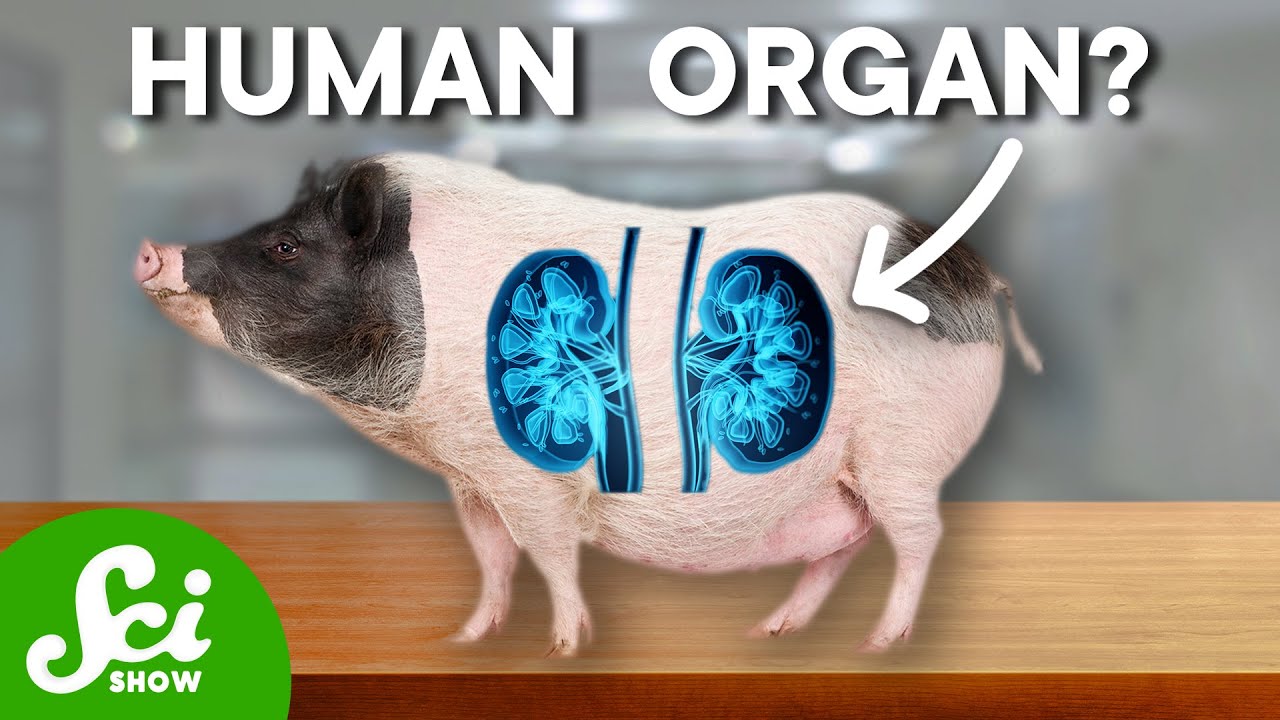
it is we do not have enough organs out there for all the people who need organ transplants every year there's about a hundred thousand people on the organ transplant list and about 17 people die every day waiting for an organ transplant so that's why you're seeing a lot of excitement about this we really need a way to solve that shortage of organ transplants you know for patients who have kidney disease and heart disease and liver disease you and I spoke a few weeks ago about a patient who needed a heart transplant who almost didn't get
one so that's really why you're seeing the excitement about this growing an organ in a lab as opposed to waiting for an organ to become available and how does this actually work explain the process from design and printing we saw a little bit of the printing there to physically making a 3D organ part for the the human body yeah it's it's pretty complicated but I'll try to break it down here and basically what you do is you take a piece of tissue sample a little piece of sample of an organ that you want um say
you're in need of a kidney transplant you can take a piece of that about the size of a postcard and you mix that with a bunch of fancy chemicals and then you put that into a literally a 3D printer um so if you think about a colored printer that uses ink to to you know combine a bunch of colors together to get the final product you're taking a bunch of cells and you're kind of mixing them together and combining them together and then the 3D printer kind of layers them on top of each other until
you literally get a 3D printed organ but it got I think the most important Point here to drive home because this is coming from a patient's sample you don't have to take those immunosuppressive medications those those medications that prevent organ transplant rejection that can actually weaken your immune system and make you more likely to get sick from things like covid I was expecting like an hour long answer and I was ready for it I was getting ready to sit down and listen to all of it I don't know how you just sum that up in
like uh two minutes I want to know though how is this even regulated this seems like a very Brave New World and how far off are we from seeing this become a huge thing that doctors and hospitals are are using on a daily basis yeah so the experts really at Wake Forest who are leading the charge of this you know they think about 10 years out is where we are right now um and if you look if you guess you know the most the the Oregon we're most in need of a transplant for right now
it's actually kidney disease um I think it's about 90 of patients who are in need of an organ transplant are waiting for a new kidney um like you see on the screen here about 100 000 people waiting for an organ transplant But to answer your question we don't really know how it's going to be relegate how it's going to be regulated I think the really the important thing to drive home is we need to figure out ahead of time how we're going to get this to people who need it most because when you go back
to the kidney the people who need it most over 50 percent of those waiting for a kidney are minority populations you want to make sure they are included in in talks to get access to this as well and I just want to wrap your Gotti I Know I said this is 10 years out for all those out there watching it's not too late to be an organ donor if you can go to www.oregondonor.gov sign up today if you haven't already every time I talk to you you blow my mind thanks so much anytime thanks for
watching our YouTube channel follow today's top stories and breaking news by downloading the NBC News app