Hello everyone and welcome back to an all new episode of the financial confessions it's me your host Chelsea Fagan founder and CEO of the financial diet and woman who loves to talk about money and one of the things that we talk about often on this channel when it comes to talking about money and career is the division of labor at home most of the people watching this Channel and this Show and listening to this podcast are women I'm a woman and it has sort of shaken out over the past 30 to 50 years that women
have entered the workforce in pretty unprecedented numbers and there's a lot of great things about that we obviously talk about you know Financial Independence and Liberation which is very difficult to do if you don't have any of your own money or in the case of our mothers and grandmothers Generations weren't even able to do things like have A credit card in your name so there's obviously a lot of advantages to entering the workforce in that way but unfortunately during that same time there wasn't some massive wave of men in these generally heterosexual Partnerships taking up
an equivalent amount of domestic labor and amongst other things it's put women in the very precarious position in the workplace especially if they're mothers of sort of not being able to succeed fully on Either front because they're expected to work the way let's say a man might work but also take care of their home life and in many cases their children at essentially a full-time rate we still in general when we look at the data view women as generally being the primary caregiver even when they work full-time even when they're The Breadwinner and while a
woman leaving early for example to go take care of her kid or take them to a soccer practice or go to their play Is perhaps regarded as skimping out on work a little bit or not taking the job seriously on the flip side a woman who's going to stay late at her desk and not necessarily attend to those things is going to be seen as a bad mother we've talked a lot on the channel about how for example the more children a man has in his career the more he'll see Financial benefits he'll get raises
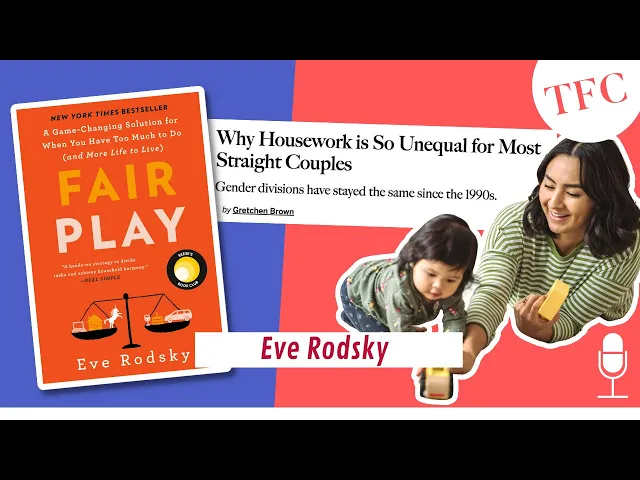
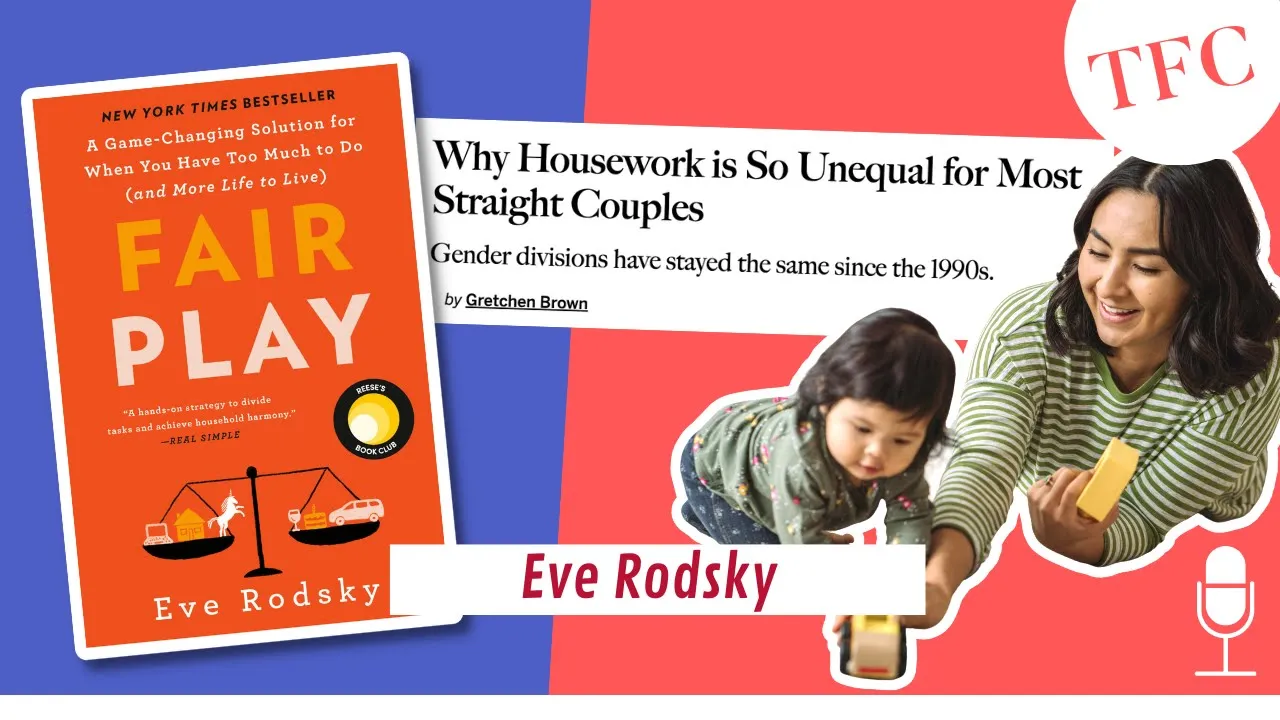
he'll get promotions he's taken more seriously women see the opposite effect And it increases in that same proportion to as many children as they have we've by no means conquered it but we are very much in the latter ends of the revolution of women joining the workforce and it is high time that we start having a similar Revolution when it comes to domestic labor and domestic tasks so that is why I am very very excited to have my guest on today she is an attorney an activist New York Times best-selling author of fair play which
Was also made into a documentary which is so cool and she's sitting right here with me Eve rodsky oh my God yes could I just clap for your amazing intro thanks uh we can we can wrap up and go home now that's it that's all there was to learn that's it that's what that's a lot of the unlearning is what you just said Chelsea so thank you for that beautiful introduction and thanks to newly for supporting the financial confessions go to newly.com and enter code tfd20 for 20 Off your first month of clothing rental n-u-u-l-y.com
and use code tfd20 and thanks to chime the most downloaded banking app for supporting the financial confessions with payday up to two days early and fee free overdrafts up to 200 they offer Financial Peace of Mind see for yourself why chime is so loved at chime.com TFC thank you well so obviously I teed it up a little bit but could you tell us a little bit about who you are and the book that you wrote yes I wrote a book called fair play and uh I just want to preface this by saying that I didn't
start out uh when I was in my third third grade what do you want to be when you grow up board Chelsea right it didn't say gender division of labor expert uh definitely didn't say that I think it said like astronaut um but and it definitely wasn't what I was thinking about I'm resolutely Gen X it was definitely not what I was thinking about when I went to law school where I was Told that I could Escape my working class Background by putting my head down and I was going to be competing on the same
terms as men and women or uh winning we are graduating from college more we're going to get these Prime amazing opportunities we're going to smash glass ceilings along the way um and really I'll say you know cut to 13 years later and really the only thing I could tell you I was smashing were the peas peas for my toddler Zach while Breastfeeding a Baby Ben and losing all those benefits because of the assumptions you just talked about well I think you know you're obviously describing what you know I shared in the intro and I think
for a lot of people the first sort of contextual unlearning so to speak when it comes to this dichotomy we see Between Women sort of being empowered in the workplace and in many cases disempowered at home is this idea that you know although yes For women to be able to break those glass ceilings and to be in control of their own money that was a huge feminist victory in a lot of ways and was very empowering in a lot of ways but it's easy to forget that it's also a really great way to devalue labor
which is exactly what we've seen happen you know you effectively have twice the people in the labor force that were you know 50 60 years ago and one of the things that we've seen is that you know although Again there were many downsides back in you know our parents and grandparents generation it was very realistic for one parent to be able to support a middle-class household even with you know without a college education in manual labor jobs Etc now it is effectively we've gone from it being an empowering thing for women to be able to
choose to enter the workforce to in many cases a complete obligation because of these depressed wages of course well we Um we know the the dominant configuration for households our two or families so women have had to be in the workplace and in fact uh they have been since the the 1940s and earlier and really we even had a whole Child Care revolution in the 1940s to pay for that child care when women had to take and step up and take men's jobs when they went to war what happened was in the 50s when and
at the end of the war in the mid 40s when these men had to come back It was well what are we going to do with all these women that are here or you know we need to push them out so that men can take over their patriarchal structure that they're used to having and take their jobs back so we really for two decades we really had this big push to push women back into the home and so that was sort of the classic Leave It to Beaver time in this country where we saw the
cultural expectation of a perfect Housewife you can see it in Mad Men but then what happened in the end of the 60s where women started to enter male professions again and so there was a revolution like you said women became primary secondary earners uh in droves in really interesting ways but there as you said there was no child care no no other Revolution to change the imbalance of what women were still doing from the 50s and 60s so now we see women are still holding two-thirds or more of what It takes to run a home
and family and they are relied upon to either be a co-bread winner or in many cases like my mother who was a single parent she was holding all the tasks or I call them in Fair Play they're the cards it's a metaphor there's a hundred cards that represent all the unpaid labor that happen in a home and you don't have to play all those cards but that's the metaphor my mother was holding all those cards and trying to work full time and We now know when to do that because now we have the fair play
movement started as a book it's a movement now we have 10 years of studying women uh in all different family configurations and lgbtqia couples but really women married to men when they are holding two-thirds or more of what it takes to run a home and family and they work for pay they're getting physically sick Chelsea so this is not just about who left the sponge in the sink this is about the stakes are Really high we see hair loss Hashimoto's thyroid dysfunction cancer diagnosis diagnoses SSRI use and then when women are self-medicating we see two
or more glasses of wine a night we see Edibles on the weekend so there's a real burnout crisis happening that I think people are talking about in the workplace but aren't really still connecting back to I think the Last Frontier of equity which is which is our homes you know so you talk about sort of the negative impacts That we're seeing in the home which you know we've talked about quite a lot on the channel and is something that I think in general most women kind of internally understand to be true I mean you mentioned
like the two glasses of wine a night thing I mean the sort of wine mom culture and the normalization of what is effectively in many cases self-medicating for much more external problems has almost kind of been Reframed as aspirational or taken as an inevitability like that's just sort of what you do or that's what's expected and what's you know what's personally been shocking to me as you know so I was um a nanny for a very very long time and now I'm in the age bracket I don't have children children don't plan to but I'm
in the age bracket now where many many people around me have or are having children um and I I think I had always sort of Naively believed that because I you know I feel like my the women around me are you know they're feminists they're liberated they you know the men that they're married to when they're in heterosexual relationships like they're with it whatever systematically I've seen almost without exception the completely imbalanced division of labor just become a complete Norm it's it's almost like it's not even questioned that the woman Will take on more of
the work that she'll leave earlier that she'll you know that she will in many cases drop down at work stop working Etc um and this in no way sort of even calls into the question like if you were to ask you know the men in these relationships do you consider yourself an equal partner do you consider yourself a feminist Etc I'm sure they'd probably say yes to those things and think that they were true Um so when we look at how kind of inevitable it's seen as being even in spite of these consequences you're talking
about um what are some of the ways that especially in the context of the couples themselves you talk about reframing this well I love that you just said that you know there's this inevitability because I like to say it's inevitable right yeah okay it's inevitable Um this this system obviously is in place because it benefits uh certain like you said certain power structures right as my friend Jessica larko says she's a sociologist she says you know other countries have chosen to have social safety nets like Federal paid leave and child care but in America we've
chosen to have women and and so it's really um I think what's been really the hardest thing for me Chelsea and I I That's why I you know I love that our audience is overlap because we do speak to women is that we women often become complicit in their own oppression and these issues so I'll just break down sort of what I'm trying to reframe for women I'll start with a story one of the stories that started to wake me up to this inequity in my own home it was a text my husband sent me
he sent me a text that Said I'm surprised you didn't get blueberries and and it was a really tough time in my life around a lot of stories or that I tell in the book about Seth and me at that time in our life where this was now 12 years ago sort of my blueberries breakdown anniversary so yay we can celebrate that together but I had a baby at home uh that's when I was smashing those peas For that toddler Zach and I was breastfeeding this young baby and what was happening around me were a
couple things one was that my workplace was abandoning me because as you so beautifully said in the beginning of this podcast mother the motherhood penalty the assumption that a woman will become a mother so this is why it matters to you Chelsea as well because even the assumption that you're going to be a Mother will start to decrease your pay right you'll start getting the non-prime assignments it's called the motherhood penalty so there's actually uh the wage Gap is and this was shocking to me is not really a gap of women and men it's a
gap against mothers or people who are perceived that could or will be caretakers or mothers and we lose five to ten percent of our wages for every child that's brought into the world as well as men gain six percent like you Said of wages when they bring children to the world so that was sort of happening to me on maternity leave for my second son and I was still at a big Bank uh they they told me that they wanted to make my life easier and so they were going to give my direct reports away
to my male colleague uh and that's actually was on my performance review as like the only thing I wanted to do which was learn to manage other people so that was really Painful and so I was being abandoned by my workplace at the same time I was being abandoned by my partner in in these um these assumptions as one woman who's now a big fair play Advocate said to me what you've taught me Eve is that I don't have a magical vagina that Whispers to me in the middle of the night and tells me what
my husband's mother wants for Christmas right so that assumption right when you can trade that for structured Decision making that's really the the fair play movement but in the beginning 12 years ago or no it was in 2011 2012 so 10 years ago I was really suffering under these assumptions of my husband thinking because he made more money than me I would do more unpaid labor and then those imbalances start to grow and then all of a sudden you're stuck being the fulfiller of someone smoothie needs and it's nothing you ever thought your life was
going to be and then you wake up one Day and you say is this it and then you start drinking Mommy juice and you're like sort of unravels so for those of you who don't have children maybe you know like Chelsea you're not going to want them after this but I will say that the hardest thing as I was being abandoned by my workplace and my spouse was um everybody around me that was smart and and and and strong did not have a handle on this issue and that was Scaring me so I remember this
one day we were on a breast cancer March close to here in downtown L.A same time frame and as I was having the blueberries breakdown and looking around you know to who was doing it better I was noticing this on this March it was a very interesting day because there were women like you there were these very empowered women not everybody was married to men but there were a lot of uh there were 10 of us uh the majority of us were married To men had kids uh oscar-winning producer there was a head of stroke
and Trauma with us these really powerful women that were talking to today and what I noticed that day was we had this great morning from 9 to 12. and then we were supposed to go eat dim sum right next to the March we were honoring our friend who had been uh diagnosed and cured and we were all in pink outfits and glitter and this beautiful day and then literally 12 Happens 12 noon happens and it's like the reverse of Cinderella we literally turn into pumpkins because we start getting inundated and I'm watching all these women
around me like why are we all on our phones and I'm looking over their shoulders and they're getting texts like where did you put Hudson soccer back if you want me to take him to the soccer you know practice you need to you know have packed me the bag um where what's the address of the Birthday party I'll meet you there do you want me to bring did you want is there gift wrap did you want me to bring a gift um my favorite was my friend Kate's husband and he texted her uh do the
kids need to eat lunch let them starve and so what was the hardest part though about that day wasn't like what the hell is happening like screw this it was every single one of those women every one of them looked At me and said it was awesome that you made us that lunch reservation but we left our partners with too much to do and Chelsea they left me they left me to bring a perfectly wrapped gift to a birthday party they left me to find Hudson's soccer bag to feed their kids lunch and I was
feeling so sad that day you know really like overwhelmed and sad and so I said you know what I have my First Act of resistance I I want to count up how many phone calls and texts we received and they let me do that so before everyone left we sort of pulled our texts and phone calls we had 30 30 we had 30 texts sorry 30 texts and I'm forgetting exactly now something like 25 phone calls over 10 women in 30 minutes and it was the amount of overwhelm that we received that day was just
the beginning of unleashing Again sort of this movement to say like we don't have to live like this anymore having it all does not mean doing it all and unless we start to invite men into their full power in the home we will never Beyond parody to be rich we will never have the ability to make the type of money that men make in this country we will never be in c-suites we will never have the type of ownership because at the end of the day we are being saddled With hours and hours and years
and years of unpaid labor and that's just not okay well first of all that's uh what a nightmare story that is that is I mean I know that I remember 30 phone calls and 46 texts well that's for 10 women over 30 minutes it's really just so disturbing to me how normalized that is because when you hear it and I'm sure even these same women if they were looking at that situation objectively would be like this is Pathetic like how old are these men you know and even amongst the again like sort of superficially you
know what's the word couples that are superficially at parody or what have you like you'll still get the dynamic of like the man getting enormous amounts of praise for doing the absolute minimum that should be expected of any person but you know when I had mentioned I was a a nanny for a long time and I pretty much exclusively worked for very high earning Couples who were both very career oriented um and that was definitely one of the earliest things that I was like like I mean to be fair some of them okay this is
a crazy fact but almost every single couple I nandied for I think maybe 100 are divorced oh wow which is like not terribly shocking when you kind of saw what was going on in a lot of those households but like a first of all it was exactly what you're describing to A t in the sense of you know almost universally every woman was coming home at 6 30 to be able to be there for the kids evening routines man strolling in at eight easily sometimes later all of that was just completely normalized but in most
of the households where I was um I was full-time sometimes I was living I was often one of multiple um when it comes to child care um and it really did leave me with a I mean and I am in no place to answer this Myself but I would be curious as to your answer do you think it's possible to be good present parents when both parents are extremely career oriented well it's a great question um yes if if you can answer this one question if I could ask the men in those relationships whether or
not they know the name of their child's dentist that's insane how do you not know the name of your child's doctors yes exactly right so um I'll ask you out there or You know does your partner know the name of your child's dentist uh and by the way I I always say that to lots of you know men in big conferences and I always get like a whole slew of men for telling me why they don't know that or or telling me Dr gold Barb and looking up the name I'm like you know what dude
I don't care about the dentist it's a it's a metaphor just share the load share the load so yes I do and uh there's one couple that I love that actually I Don't I didn't this wasn't in the book but this just happened recently they and this is this sort of gets at the Crux of what fair play is about and I think it's a good story because it there the secret formula if you're going to be both career oriented and um I do think that's possible and I do think women can be in their
full power but it really takes a secret formula of boundaries systems and communication you need all three of Those things fair play starts with the system because that's the easiest because it uses a lot of workplace techniques right like it's just basically an ownership mindset saying like you know Chelsea if I work for you I'm not walking into your office and saying you know hey Chelsea what should I be doing today I'm just going to wait here to tell me what to do right like a sim yes no free will yeah that's exactly so we
know that context not control is The way to a healthy organization so fair play is all about that it's giving the full context and we can talk more about that but the story that I think is really interesting is this too I'll call them Richard and Amy because that's another friend's couple and I don't have the permission to use their this couple's real name but they're both queer oriented and they started to enter fair play now that they Have to sort of do more hybrid work to get back in the workplace and as I was
telling you before there's these hundred cards some of them are more straightforward like dishes groceries and by the way with a partner there's 60 cards that apply to couples without kids so I always say this fam if you have a roommate you should do Fair Play Because who wouldn't want structured decision making instead of those magical vagina assumptions right So this couple tells me that they and they're they're working on Fair Play and one of the core tenants is ownership so Richard decides to take over the magical beings card because he really liked Santa and
his family uh Elf on the Shelf is something that he wanted to do with for his kids and he also took over the tooth fairy so they tell me that the first time after they sort of looked at the cars and decided what they were going to own That it was their daughter's second tooth that the Tooth Fairy didn't show up the Tooth Fairy didn't show up right so what I liked about the story though was what Amy told me the dynamic was before fair play and what was after because again this is the two
earner household you're talking about so the before fair play Dynamic again was Amy's holding most of the tasks for the family super overwhelmed and she Would have said to Richard if he had forgotten the tooth fairy that their child's life was over that he'd ruined their dreams that she would never let him take over any other task which would then let her end up being more burned out because it's that toxic message of well in the time it takes me to tell him her they what to do I should do it myself so she would
have taken that on she would have used these words to him uh All or Nothing sort of communication style and he told me and he was very open about this he would have blamed Amy for not reminding him to put the dollar under the pillow that was their dynamic so now post fair play their Dynamic was that he had already the structured decision making of owning magical beings in advance he knew that he messed up and that he forgot to put the money under the pillow for the Tooth Fairy so he tells me that Amy
backed off And said part of this new ownership system is that you carry through your mistake I will leave you alone to work everything out with our daughter so he tells me he emails Tooth Fairy gmail.com and he gets it creepily he gets a response like there's somebody who answers that email thank you Tooth Fairy gmail.com whoever you are she writes back that because of the supply chain issues teeth it's hard to get teeth Delivered on time he prints his out for his daughter he reads it to her and says you know if the Tooth
Fairy is late she brings double the money and now he's never forgotten you know a tooth fairy since then but what I love about that story is that it's so small it's a very small story there's a lot of others in Fair Play they're much bigger changes than that but that couple I know is is going to be able to if they continue like that in that practice will Will stay as a 200 couple and be able to do it yeah I mean listen none of the men I nanny for were doing like that I
can tell you that right now um I am so excited to be teaming up with newly once again for this episode of the financial confessions the holiday season is unofficially here and you know that I love an excuse to dress up I'm looking forward to things like the tfd holiday party our upcoming live podcast event Here in NYC and plenty of themed dinners happening over the next two months having my monthly clothing rental subscription with newly will make all of my outfit prep so much easier we've teamed up with newly just go to n-uuly.com that's
newlywith2us and enter the code tft20 at sign up to get 20 off your first month with your newly subscription you can get your choice of any six Styles you want to rent each month you choose whatever you want and They have styles for everything that you may have going on get access to thousands of styles from more than 300 Brands everything from party dresses to premium Denim and one-of-a-kind vintage pieces they are size inclusive with everything from petite to Plus Sizes up to 5x and maternity I've personally been using newly for several months already and
I have been so happy with my experience I've actually already bought items with my own Cold Hard Cash because I really enjoy them and I plan on keeping my newly subscription after this campaign ends I just have been so pleased as you can see for those watching the video in this picture I really just love the outfits and it's so fun getting to shop every month and I have to say as someone who does have a tendency to just love you know getting nice things knowing that I have my six items coming up every month
that I get to pick out and rent actually removes The desire to otherwise frivolously shop for things because I already get the really fun part of that experience with my pre-existing rental so it's awesome plus this holiday season you can gift one two or three months of newly through the gifting platform goodie renting through newly means getting to try out way more clothing for a lot less and renting helps curb that must buy something new feeling you get when there are big events on the calendar while Still giving you new things to wear newly is
already a great value at 88 a month for any six Styles but right now you can get 20 off your first month of newly when you sign up with the code tfd20 that's n-u-u-l-y.com newlywith2us and use code tfd20 newly subscription code rental change your clothes have you ever thought about how much simpler life would be if you didn't have to worry about money money can't technically buy you happiness but a life where you can Feel good about your financial decisions will definitely make you happier and feel more at ease that's where our friends at chime
come in they're the most loved banking app and we're the most downloaded banking app in the US last year like us they believe basic banking services should be helpful easy and free chime offers their customers Financial Peace of Mind and as you can tell from our podcast Financial Peace of Mind is invaluable and how do they do This they offer payday up to two days early and fee free overdrafts up to 200 all of this with no annual fees large security deposits or credit checks in order to apply see for yourself why chime is so
loved at chime.com TFC that's chime.com TFC chime is a financial technology company not a bank banking services and debit card provided by the Bank Corp or stride Bank n a members FDIC Early Access to direct deposit funds depends on payer spot me Eligibility requirements and overdraft limits apply seechime.com spot me chime was the 2021 number one most downloaded banking app in the US according to apptopia visit chime.com TFC you know listening to these stories and definitely seeing the stuff I saw and again they're basically all divorced now so it did play out in that way
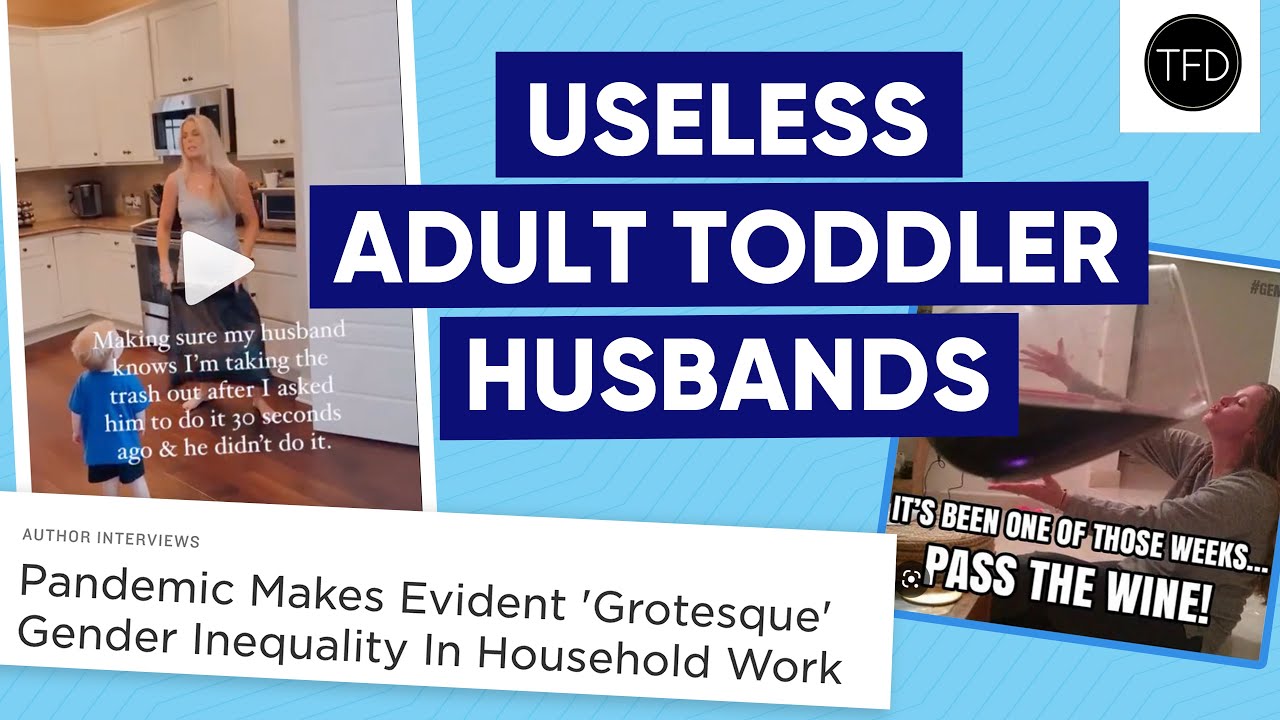
but like listening to these stories again as an outside party it's hard not to feel like how are these women not eaten alive with Resentment 24 7. like I'm eating alive with resentment on their behalf I like how do you think it's more that they are and they just deal with it or that it's so banal and so expected that they don't even think they're entitled to be like what is wrong with you you adult toddler such a great question thank you I never get to really dig this deep and I will I think it's
really important to talk about that um the dynamic that allows for that for What you know what you just asked about was really the hardest thing for me with fair play because the book had to become more than the system so in the workplace I could hand you a system of boundary systems and communication teach you an ownership mindset and that would be easy but the hard part about writing fair play was that it almost required a trigger warning because the first half of the Book is really hard for a lot of women to to
hear and that is that it's not your fault that we're in these Dynamics and that's the problem a lot of sort of these more feminist quote-unquote households like you said about the men who would say that they were equal Partners there's also a lot of Shame involved because women don't realize it's not their fault so then they can't admit or say anything to other people that their partner is Not a full partner so then we're all sort of suffering in silos so I had to break open by sharing my life you know with Seth and
Seth's like what the hell are you writing a book about me I'm like yeah I am um and that was the hardest part but I will say that the hardest unlearning for me and this is the trigger part Warning part of the conversation is that this is so deep Chelsea it's so deep because the Kaiser Soze moment for me Was that this is nothing to do with the tooth fairy or the blueberries this has to do with how we value women's time so when I realized that we've been conditioned since birth in our society to
view our time as if it's infinite like sand and to protect men's time as if it's finite like diamonds that's when sort of everything came into place and what I mean by that is if you don't believe me that women's time is considered you know less Valuable not valuable you just have to listen to societal messages that tell you that breastfeeding is free it is an 1800 hour a year job you have to notice something you've talked about this occupational segregation right women's women's professions on average are not paid the same as male men profession
so if women enter male professions salaries automatically come Down if you're a woman of color and you enter those positions salaries automatically come down so we've been taught literally since birth that our time is not as valuable as men's time and we're supposed to guard it and if you still don't believe me you just have to call 50 schools like I did for fair play over the course of 2012 to 2015 and ask those schools why do you call women first and it was always it was never their first on the list of the contacts
Now it was more like well men don't pick up you know we don't bother men and so we have a whole culture guarding guarding men's time and so once you realize that that seeps into our Collective psyche so and and I was guilty of this and that's what I write about in the book where there's four things that it starts to make us say to ourselves that make it like you said okay so we're not living in seething resentment But ultimately we end up in That seething resentment and that's where all that sort of the
resento meter 10 happens in a lot of the divorce 80 of divorces in this country are initiated by women we can't [ __ ] take it anymore but up until then the way we stay in the complicit in our own oppression is that we see one of four things to ourselves we say either one my husband makes more money than this is Again the heteronormative but this actually happens in lgbtqia couples too my partner makes more money than me and so I should do all the unpaid labor but as you know because this is your
world the problem with that is that if you start taking on more unpaid labor because your partner makes more money than you because of the already inherent wage gap between women and men then you will never get to parody because that's always going to be the case right right So that's not the answer to do more unpaid labor the answer is to fight for equal pay for equal work so you can't get into the time is money thing right so if you say that or if you say my job is more flexible that's why I'm
the one doing the unpaid labor we now know women who are doctors and they're married to lawyers say that their job's more flexible and if you switch it that women are lawyers married to doctors guess what their job they say their job is More flexible right the other three things that we say which is again your long answer to your question we often say to ourselves we're better multitaskers that somehow women are wired differently to notice things that's a complete fallacy there's no gender difference in our brains and how we multitask not at all and
if you don't believe me um you can just look at my book I talk about like four or five six different Ways we we debunked that including the Neuroscience uh there is no gender difference in how our brain works and the third and fourth one that I think are really hard the third one is we talked about before and the time it takes me to tell him are they what to do I should just end up doing it myself we think we're saving time in the short term but that's eats up all our time in
the long term the hardest one though was the woman who Said to me yes we're both colorectal surgeons and my partner is better at focusing on one task at a time and I can find the time we can't find time right we're not Albert Einstein we can't put the space-time Continuum I wish we could but there's very very different expectations in this culture of how women are supposed to spend our time and God forbid Chelsea we try to be anything other than a parent a partner or and or A professional then Society literally takes its
hammer and and beats us down with it and so that is why I believe that we're not always walking around and seething resentment I think society's done a great job uh conditioning us to value our time uh less than men's and to little give the permission to be unavailable from their roles to men because we think their time is is more valuable no it is but I mean listen I I think That's all obviously it's true and valid and I think what's so striking about it is you know so I mentioned that basically everyone I
worked for is divorced and um some of them I'm still quite close with one of whom you know on a very friendly basis or very similar in age and she um well not that similar but you know not that it wasn't usually when you're a nanny there's an extreme separation between yourself and the family and in This case there really wasn't but she had mentioned to me that she feels like she has so much more time and such an easier time as a mother of three children post divorce because she's like now there's like certain
days a week and month where they are actually not my problem and I actually don't have to manage it and there's a very clear division of like when it's my time it's my time when it's his time it's his time As opposed to essentially the the extreme burden of having to pretend that this is a shared responsibility all the time when it is absolutely not um and I think you know for mental health even for their interactions as a couple I think they're so much better off now um and so my question is you know
seeing that that is for some a solution um if you have a again in a heterosexual marriage if you have a husband who is Not willing to do this or who just isn't able to do it if you try do you think that that is a cue for that couple to separate 100 yeah so yeah 100 I think for me um I had this I have a Post-It wall of all like the ideas that I want to incorporate into my you know next book or uh and and one of the first Post-its I ever put
up as I start to think about fair play as a book because it was a system that Seth and I were using and Couples around us were using from 2012 to 2016 and then sort of once Trump got elected I decided I really wanted to do something in activism and I was saying wow this unpaid labor thing is really changing my marriage with my partner he doesn't assume I'm the blueberries buyer anymore and that's how sort of I started to think about putting into a book but one of the first mission statements I had for
fair play as a book it had a big Post-it that said divorce or married People because the the relief that women were getting and of course that's a privileged narrative it might there was not uh relief from my mother because my father my father's custody Arrangement was like a Wednesday uh there was a Kentucky Fried Chicken on 14th Street and Second Avenue uh I grew up on Avenue C and 14th Street in Lower East Side and so that was our her custody Arrangement was that he would Sometimes come on Wednesdays to take us to Kentucky
Fried Chicken and most of the times he would disappoint us so she said she was dealing with the emotional labor of us waiting by the door and our father not coming so in those situations right divorce is is not an answer but I do think that uh what I've seen for people who are willing to have a CO a CO partner or someone who's willing to share custody there's a lot of learnings from those couples and what I want to Tell you the most important learning I found was that that's when I found fair play
as a love letter to men because what I realized that those men were telling me a lot of my early interviews were couples that were divorced or men who were in second marriages but they were doing a lot more on paid labor no second marriage and so what I was hearing from the men was not I never wanted to help my partner Um it was more of a I really really truly didn't uh know my role in my home and because we never talked about it that's back to that we talked the secret formula right
we were talking systems we're talking boundaries around our time as diamonds this we're now coming into communication when you don't ever talk about these issues assumptions leak in and then two things happen women were saying to me that the thing they hated most about home life was the overwhelm The the complete overwhelm the the inability to shut off the fact that they had no time Choice over how they used their day that their time was predetermined for them as parents Partners professionals uh but men were saying that they really honestly truly felt that they couldn't
get anything right and so it really was a blow to their ego and it kept them away and so what was really interesting about divorce was that men are entering care And they're entering care in the ownership mindset which is really what fair play is about practicing having to own something right I mean there are couples I will say out there where I'm seeing the women still ordering like Postmates for lunch to their you know co-parents house and that that is horrific but but when I see it do well when I see it happen well
they're finally men are entering Karen saying now I understand The full ownership mindset of what it looks like to not only buy the mustard but to notice that my second son Johnny likes yellow mustard with his protein otherwise he won't eat his dinner uh monitor the mustard in my house to make sure we have enough when it's running low get the stakeholder buy-in from my family for what they need on the grocery list that's the planning and then go to the store and what those men Were telling me is this is the first time I'm
bringing home yellow mustard and not bringing home the spicy Dijon or it's getting yelled at every time because I'm bringing home the wrong type of mustard so when you have the ownership mindset of holding that conception planning execution together then it changes your life but oftentimes men are not having that life-changing experience until they're in a divorce setting Yeah I mean well listen again the seething resentment I just all of these men send them off to a penal colony honestly they'll learn the ownership tasks on breaking some rocks how about that by the way I
wanted to say so the men who were the early adopters in 2012 a fair play were coaches who who say to me knowing your role is like the whole reason why I coach because you're not gonna put your point guard in for your Center unless you're like LeBron James Or something and Military spouses I was very impressed because again the systems idea of ownership was something that came more naturally to them that doesn't that actually doesn't surprise me but it is good to see good for you guys uh late to the game but happy to
see it but you know it's interesting because there's obviously I think if you're already in this situation as so many women are your only option is to try and improve it right which is exactly what you do but I Think for a lot of women you know my husband and I there are so many reasons we don't want to be parents but I think a big part of it is that the only way I could ever see myself being a parent is if I'm like a Don Draper and I'm rolling in at like 9 00
p.m and my stay-at-home spouse has just been like doing 100 of everything and I just like get to Breeze in and kiss the kids and be the hero maybe get them a toy every once in a while Um and my husband feels the same way so it's like okay clearly neither of us is going to ever be comfortable even remotely stepping into that role but I have a lot of I do have a fair amount of women in my life who have not passed through to that other side where they're already now in this situation
which seems again not Universal but it seems very very very common and ingrained even now and they're kind of dilemma and I think they're women who maybe are more On the fence not about whether even they necessarily want children but if they can have them in the sense of what I don't feel comfortable with is assuming that Primary Care responsibility my husband or partner says that he will be a 50 50 or that he'll be the primary caregiver but when you have so many societal forces and messages bearing down on the couple it seems so
unlikely or difficult at minimum for that to really stay through and obviously once You make the decision to have that child there's no going back right and so before you have kids and maybe even before you get married short of I mean you can't really sign a binding contract for this stuff but what are the kinds of conversations you recommend before making that decision to at least do everything you can to avoid the possibility of ending up like that and I will say fair play has been really really powerful for couples without Before and without
children and because we do know that men do 5 to 15 hours a week less when kids come along right that they're that's huge yeah yeah less less and you're thinking they're going to be doing more to step up up and it doesn't happen that way at all like you said for all those reasons that you just described so the beauty of uh what again a fair play type system does for you is that it is really about as we said earlier trading those magical vagina Assumptions or again it doesn't have to be a magical
vagina it could be a magical penis assumption if you're in a gay relationship and somebody makes more money it's trading all those assumptions for actual structured decision making and you can practice before kids and the beauty is that that practice does carry through oh good and so you practice on the 60 cards you practice on the 60 cards before you add another 40 and what you're Practicing again is really understanding and and and dividing up what I call the daily grinds so there are cards in the fair play system that men traditionally do because they
can do it at their own time like pay bills be the money manager which is a very problematic for many reasons which is why we're here we don't want any men holding that card if you're married to women we want women to know a lot of what's going on with their finances but when men can start working And and starting to practice the daily grinds which means they're doing things not at their own timetable so a meal a dinner has to get on the table at dinner time not like on Saturday morning when you can
pay their bills so it's really like meals is a really good one to practice with cleaning cleaning is a great one to practice with laundry is a great one to practice with and what you're basically do even garbage so Seth and I we started with Garbage when we were changing the Dynamics in our household and what was really interesting about garbage which is a traditionally male male task was that it was all of a sudden Seth said okay if you want me to see PE garbage that became that's the acronym of fair play conception planning
and execution then I understand now that I have to put a liner back in the bag and I also have to get the little garbages all around The house like the mini ones that sit in like the bathroom and dump them into the big garbage and actually take all of that out and then put our bins on the street on the right trash day and bring them back up so there's actually a lot more involved in garbage than he was anticipating he was just sort of taking the garbage out and throwing it in the bin
and then I'm dealing with aftermath of putting the liner back in and moving the garbage bins out so when he decided To take that on it still was really hard for me to let go even on that one task because I just had lost accountability and Trust in our relationship because he was bringing home spicy Dijon every time right and I'd asked for a yellow mustard for years and I didn't want to trust him with my living will and it was sort of getting out of control so when you lose accountability and Trust that's really
what you have to Rebuild and that's what we're talking about here we're talking about keeping accountability and Trust before kids maintaining it and actually keeping it through the transition in your life to either if God forbid someone gets sick or has a kid that was what I call the wild cards so for Seth and I would with the Breakthrough of fair play became was that the ownership mindset wasn't enough it's enough in the workplace because you can hire me and I will say The Assumption because you're paying me is I'm not going to say to
Chelsea hey what should I be doing today I'll wait here until you tell me what to do but in the home that's so much of our dynamic so I realized the real breakthrough for me was adding into the system something what we call now the minimum standard of care which is what comes from the law it means it's how we adjudicate whether someone did something wrong like if you have a McDonald's coffee cup on your lap Was it McDonald's fault that you spilled that coffee on your lap is it's asking what a reasonable person would
do so when you start to add that conversation in then the conversation about garbage becomes much more serious it's not just okay you get the bags you take it out it became Seth and I really sitting down and investing in communication which again is hard right Chelsea people don't want to invest in communication they don't think Of it as a practice they think of exercise as a practice and meditation but not communication so Seth and I started checking in every day and I said to him okay so here's my deal with garbage I had to
really think about it I journaled over garbage um and I grew up in a single parent household as I said to you earlier it was this apartment on the Lower East Side my mother worked late nights she Was a try to get her tenure she was a professor of social work they gave her the night classes they always gave the shitty classes to women back then and still now and so she was not home she asked me to put my disabled brother to bed as I started to get older I had to go into the
kitchen close my eyes the way you deal with cockroaches in New York is you switch on your lights you let them scatter first and then you can like do your thing so that's what I did And so what I said to Seth is when I see like a banana peel out of the garbage or not handled that's who I am again like I'm a latchkey kid dealing with a disabled brother and I don't want to go back like I'm done with that part of my life and then by being able to be vulnerable over garbage
then Seth was able to say to me well you know I slept on pizza boxes in my fraternities so I think I actually like garbage and I I had a Housekeeper growing up so either it's going to be I take it over because I care more which would be terrible because that's what all women are doing that's how we got into this resento meter in the first place or Seth can say to me the minimum standard of care because I care about it because you care about it is that garbage will go out once a
day um it's not gonna go out every hour like especially on weekends when you wanted to it'll go out once a Day and that was it garbage started going out and that Dynamic of those types of communication practices is really the most important thing I'd say get into the habit of having an emotion is high emotion is low cognition is high conversation every single day make it like exercise you know where it becomes a practice that is the way to domestic parity recognizing we still need paid leave and we still need Universal child care and
all the things America hasn't given us so far yes I mean that is like the framing of this conversation we go into it all the time here um but okay so you have a lot of obviously really thoughtful sound advice for people who are in these situations who may you know be entering these situations now for people outside of it so you obviously talked about speaking very candidly with your girlfriends now Listen no overworked overspent working mom wants to hear a child free woman on a four-day work week with a dual income household be like
it looks like you're really struggling over there being taken advantage of here so I'm really not the person to Shepherd that conversation but in general if you are someone who sees a loved woman in your life who is in this dynamic or a person of any gender who's in this Dynamic um how do you recommend you Broach that Conversation and I really appreciate you say that because so many people don't broach the conversation and they sort of allow people to you know to flounder um and it's just it's not the right thing to do it
it really requires courage to sit someone down and to talk to them about this last frontier of equity setting so personal in their life and so what I would say is an outsider observing this you don't have to do it You know what we've created with fair play were lots of entry points to this conversation we have a fair play documentary we have um a podcast we have a newsletter what we're trying to do is we're trying to make this a movement so that no person out there in this Dynamic feels that they're alert alone
and so I think that's the number one thing is to remember that we're just sitting with the unlearning Sit with the unlearning with somebody you know instead of you know shaming them like how did you get into this Dynamic it's really more that I see you're struggling and I listen to this you know woman who has been studying this for 10 years and the thing that I'm most concerned about is her research that showed within 10 years of the dynamic that you're in you're you that 100 it wasn't 99 it was 100 in our study
we're physically ill Um or or self-medicating for stress-related illness so that's I think a really good way to to Broach it by saying you know I'm the tarot card or magic eight ball reader here and someone's telling me that they have the data to show that within a decade you're more likely to be physically ill and I don't want that to happen to you you know obviously the being physically ill and self-medicating I think is an example that you know most people can Identify as having seen in their own life maybe having experienced in their
own life but I think a lot of women especially when they're more psychosomatic illnesses are really taught to either discount them or normalize them um and I think as you mentioned like for example I know that obviously you'd be very familiar that we've seen in a massive uptick in the amount of um psycho uh psychoactive drugs being taken By women ssris you know benzodiazepines Etc um and there's a lot of I think there's sort of a dueling um what's the word I'm looking for there's I think there's a lot of conflicting thinking about it even
you know an individual woman might be of two minds about it where on the one hand we want to take these things seriously and say you know this is a medical issue That needs to be treated on the other hand I do think it's probably worth acknowledging that one in four I think is the stat of women in a certain age bracket in this country being on some kind of psychiatric drug is probably not a great sign and probably not sort of the universal sustainable solution is just medicating more and more people um so how
do you recommend women balance sort of taking these things seriously But not accepting them as just a norm of Life yes that's a great question and actually I feel like I wrote a whole second book about it this second book I wrote find your unicorn space was sort of the horror Chelsea of realizing that when women were getting time back they were reporting to me in the past 10 years that they didn't know what to do with it and I was sort of really yes go to a movie so or or back to the financial
Diet coming back to your core message that they were using it on um things I didn't want them to use their money on right like crystals and you know expensive bubble baths and fillers and plastic surgeons and you know sort of chasing something and so really what I will say that the balance I think the delicate balance here is what you're saying in terms of validating these concerns not just saying oh it's in your head it's really not we know now that This unpaid labor Dynamic does take a physical toll on on your health um
and and that's what we're that's what we've been talking about for this hour but I do want to introduce these concepts of understanding that really this idea back to the boundaries that you know and burn out that I think we we've really unfortunately taken burnout to to the wrong to the financial diet side of things which is people think they can spend their way out of Burnout from all these very expensive cleanses or whatever you know meditation Retreats but really I wish I could tell you you know a Meditation Retreat a one-off Meditation Retreat was
the antidote to burnout or that a walk around the block or you know a drink with a friend is the antidote to these things but really the only antidote that I can really present consistently is that the antidote to burnout is the the is Being interested in your own life that's it it's and it's not just like I said the one-off interest of like oh that was a fun fact story night it's actually the consistent in being consistently interested in your own life and that's a really hard and what I mean by that there's been
a lot of push towards happiness books and gratitude your gratitude journaling yourself to death and and I don't believe in that not that I'm a Jew I believe in Gratitude our whole religion is based on it but what what we were seeing as I start to research this second question of like what women should be doing with their time if they free up at that time it was that so much of what we were occupying our time with and I'm getting a little let's go I feel like you're asking me these deep questions so I'm
going to go a little nerdy here so just stay with me for a second so women were uh occupying their time With things that are classified in the literature as hedonic well-being so that's happiness without that does not characterize as happiness with meaning so that's like binge watching Netflix or like we said sort of psychotropic drugs um or you know like what I did during the pandemic like emotionally eating my whole weight through the pandemic through like 18 different banana bread Recipes so the hedonic well-being is happiness without meaning women also report a lot of
meaning without happiness that's caregiving and we know that people would rather be in a root canal chair than take care of their own kids and by people I mean me as well like I would much rather be asleep in a root canal chair than take care of my kids uh let's just be honest about it it's [ __ ] hard work so there's a lot of opportunities in Women's lives for happiness without meaning or meaning without happiness the intersection of when happiness meets meaning is where you get a lot of psychological well-being and that's what
I call unicorn space these active Pursuits that make you you this a podcast is a unicorn space for example because it has the three things that are in a unicorn space which are curiosity so you being curious and your you know Wonderful questions have led you to have a very loyal audience you have connection with others right you're actually sharing yourself with the world and then you complete something that's the hard part for a lot of women so even if you hated that episode or how you looked or how you sounded you actually upload it
you take the time to edit it and get it out in the world curiosity connection completion are hard to do and that's what that's why I call it a Unicorn space because it's like mythical and magical it's amazing but it's like a unicorn doesn't exist for women so really the the antidote to burn out all these things we're talking about is to validate that in midlife with many women lose the the permission to be interested in their own lives and that is really what that's the harder it's a harder sell than telling you I can
I can make you feel better by uh you know selling you a thousand dollar Crystal Damn well very well put I feel like I learned so much from this conversation I'm sure all of them did as well obviously we've said it quite a bit but what's the name of that book again the book is fair play uh you can find and again if you don't have the resources to purchase a book we have a lot of free resources on the website fairplaylife.com too also go to a library plugging the library on this show yes um
It's so underrated as a as a resource so thank you so much Eve for being here and thank you guys all for tuning in and we will see you next Monday on an all new episode of the financial confessions bye everyone [Music] thank you [Music]