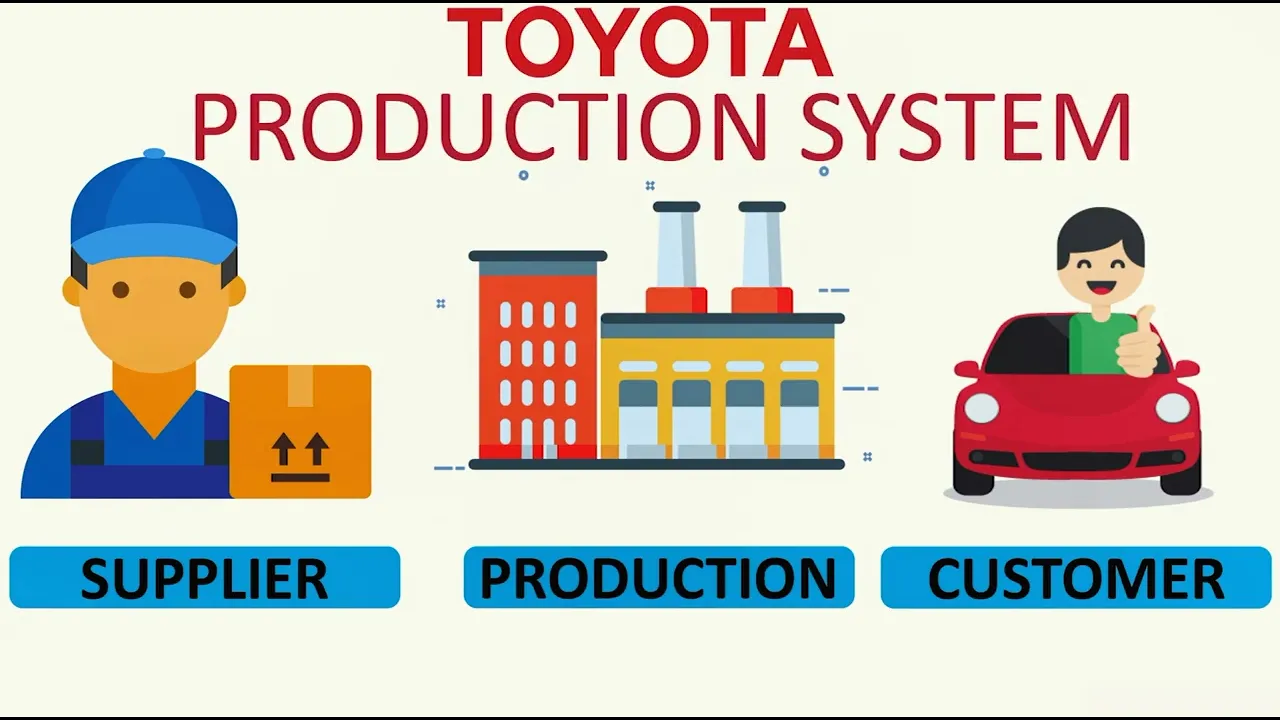
Suppose you are working as an inventory manager in a car manufacturing business. And the parts needed for the vehicles are supplied to the warehouse every month at a fixed quantity. And after some times, you noticed that the cars needed to produce varies each month.
So you ask the suppliers to modify the quantity of stocks they will give based on your forecast. However, the actual monthly parts consumption always differs from the forecasted demand because of some unforeseeable events. Because of this there are some months when your supply is higher than demand.
And there are also some months that the supply is lower than what is needed in the production. The surplus in the supplies creates a problem in the warehouse because you need to tally and check it every month. Making your team to spend entire days doing inventory for unused parts.
Now imagine having 10 models of cars your company is producing. And on the economical side, the money spent on unused parts create a problem in the financial status of the company because it takes time to convert it into profit. That is why beginning from 1948, Toyota Motors, headed by Taiichi Ono and Eiji Toyoda developed a system in managing inventory.
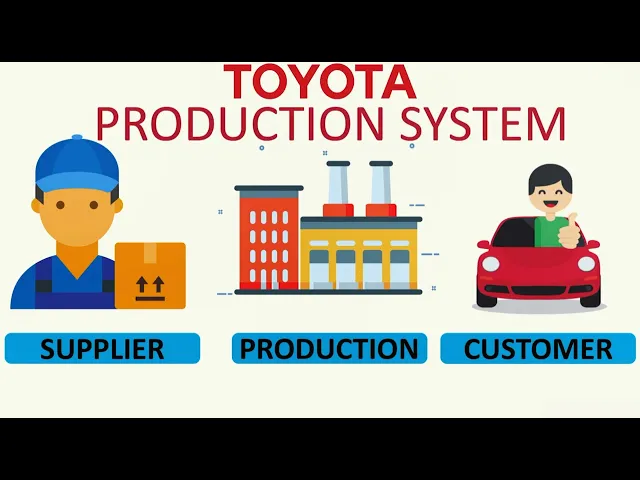
Interlinking the production, suppliers, and the customers. This inventory management became the foundation of the now widely known Toyota Production System. And is also an important pillar for the development of lean manufacturing.
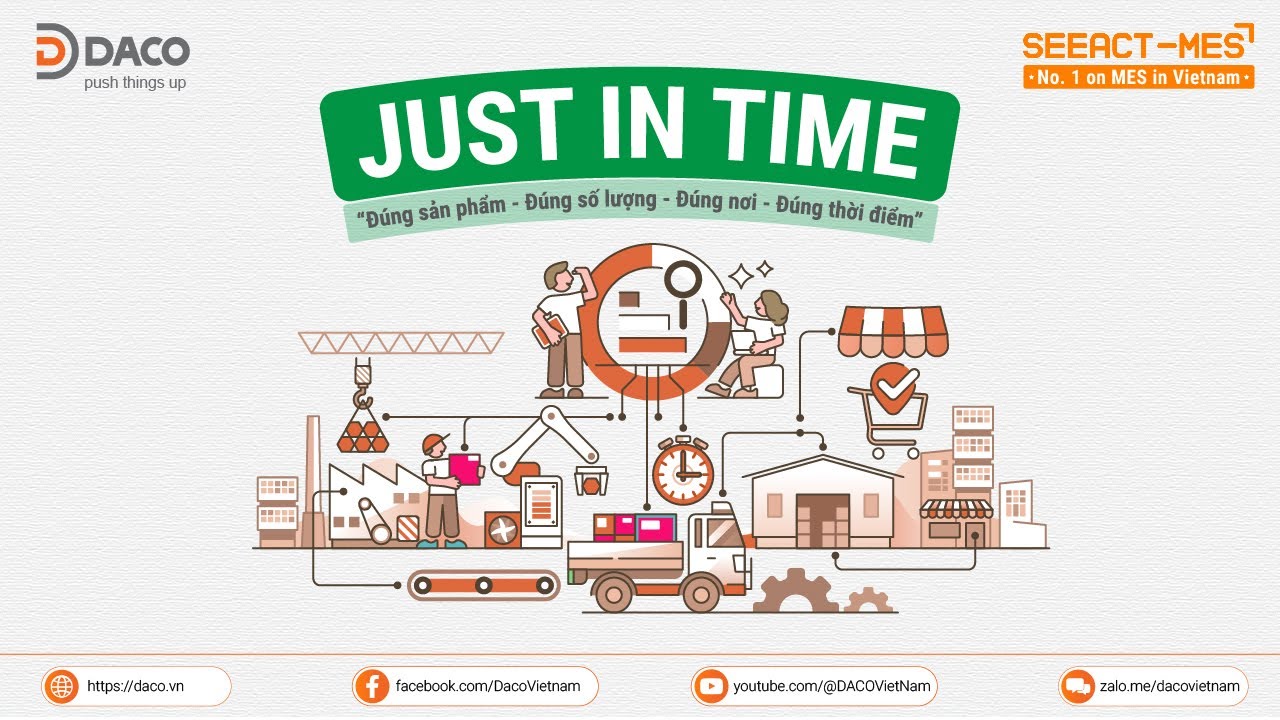
This new system of inventory management is called the Just-In-Time or JIT. It is very different to the system used by other car manufacturing businesses of that time. Ford for example, has a huge inventory sitting in their warehouse.
Which can only be done if you have a huge capital at hand. Toyota on the other hand, is tramped by the second world war after their defeat from the allies. This lack of resources has lead Taichi Ohno to develop JIT.
It is said that he got the inspiration when he visited a store in Michigan called Piggly Wiggly and he was struck by the self-service store. Customers purchase the goods (1) they need only at (2) the quantity they want and (3) when they want it. And the stock will only replenish when the material has been used.
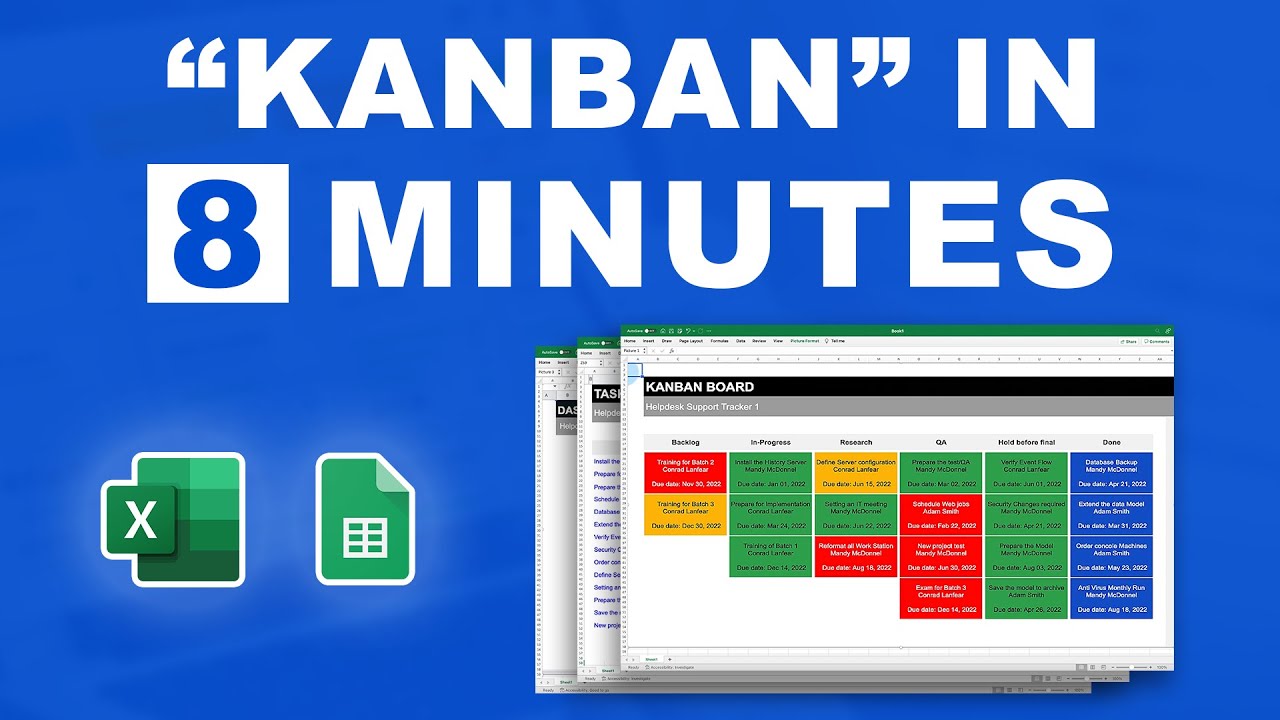
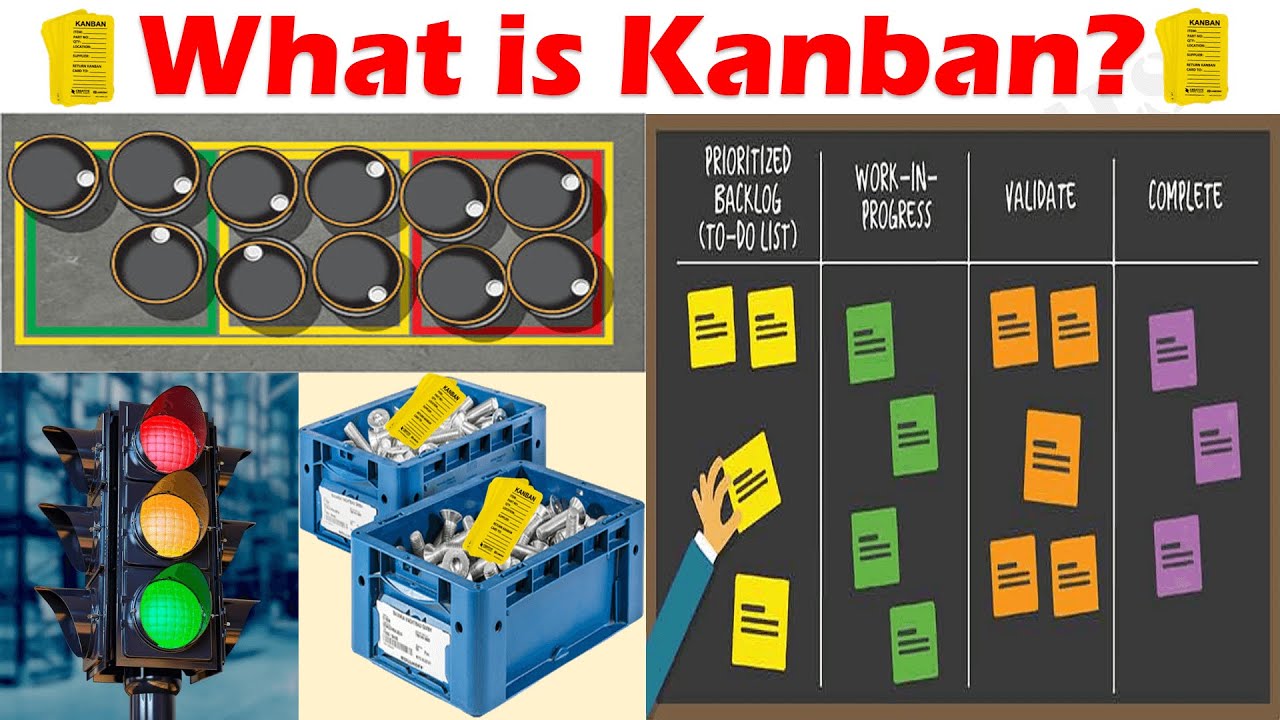
In this system there is always a fixed quantity of parts in the inventory. Allowing Toyota to operate at a lower budget, JIT also resulted to a sign-based scheduling method called Kanban. It shows goods-in, goods-in-production, and goods-out.
It is said to be the forefather of barcodes.




![[Toyota Production System] Just-in-Time: Collaboration with Parts Suppliers for Timely Production](https://img.youtube.com/vi/1KXoCgAsVTg/maxresdefault.jpg)
![[Toyota Production System] Just-in-Time: The Pull System](https://img.youtube.com/vi/HIEufX83EEY/maxresdefault.jpg)