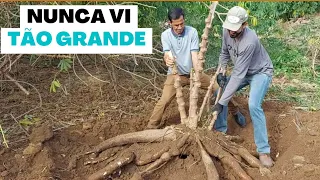
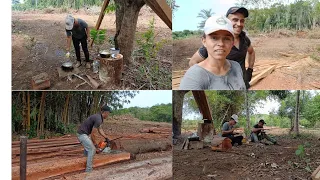
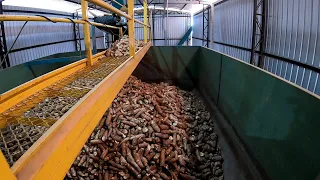
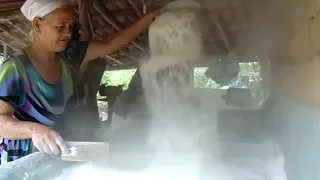
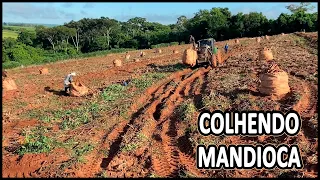
Stir with flour, make some flour here and it's there on the tractor where we have the row that worked, full of cassava. We are discarding, showing you how to discard cassava today. How do you dispose of cassava correctly, see?
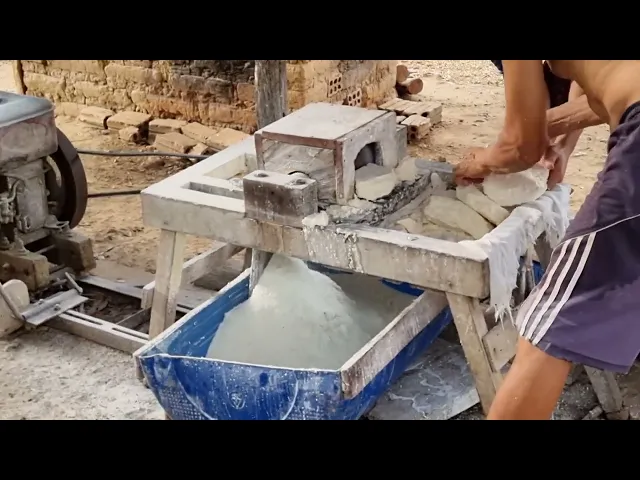
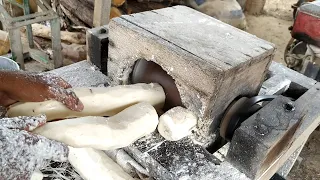
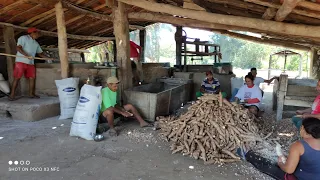
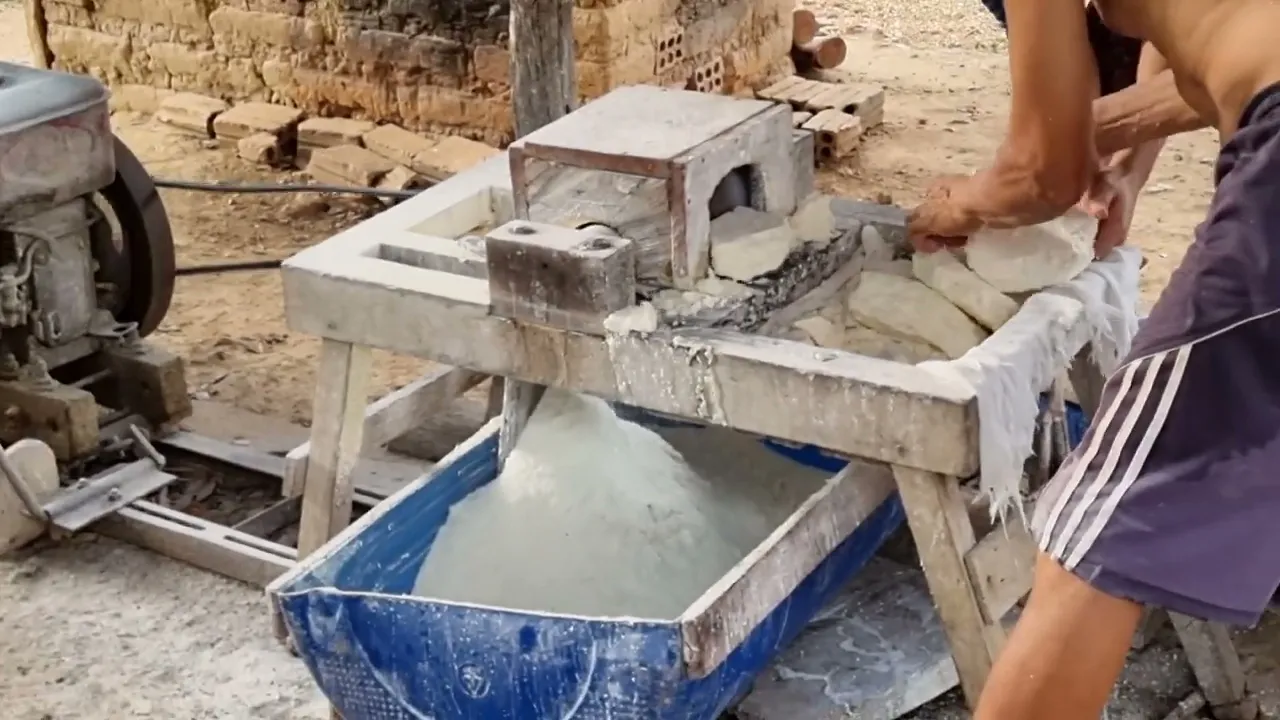
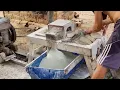
We will be preparing the flour, we will be grating it. Then the flour is toasted, this is the bolinete, look, where do we make the Serra da cassava, right? Grate it here, then take out some of the tapioca, yes, and then it goes to the press.
Here is the engine, the Yamar engine, the engine that has a story to tell, hey, there's a video on the channel too of me talking about it. The engine has seen itself a lot here, it's already moving forward and is holding its own. This water tank here is to cool it, right, which is the engine, hot head, it needs water to cool the engine.
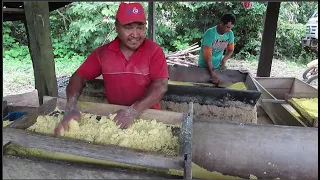
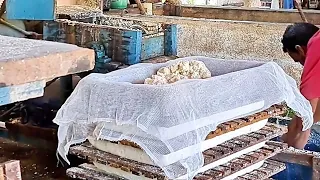
And here is where we press the cassava mass, we place the hydraulic jack here, the mass goes inside, inside the bag, then presses it, right, to remove the water, then sifts it and comes here to the oven. It is an oven made of zinc, placed on wood. And we're here because we've saved the reminders, we're going to make those fires there so we can roast the cassava.
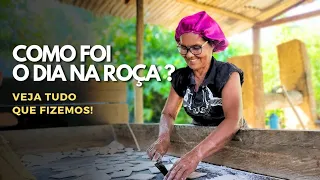
We're going to spend the whole day here making flour. We are also in Mango season, show you how the Mango tree is here, sword, oh so much Mango, sword on the ground that has already fallen, oh so much Mango already Very tasty Mango, right? Soft sleeve, with little lint and the foot is well loaded there.
There are 2 feet here, they are all big, giant feet, all loaded with Manga, swords. Now, I'll show you, then when we have more to do here with cassava, I'll show you, follow the channel, if you haven't been subscribed to our channel, subscribe, leave a thumbs up, share the video to help with our publicity. Are you guys?
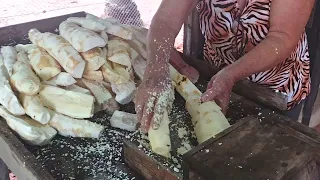
We are here peeling the cassava, I'm going to show you how we peel the cassava here in the countryside so we can make our flour. Here, one person peels the tip and the other goes and finishes peeling it so that we don't get too much cassava dirty, to make it easier for us to wash the cassava so that there isn't so much soil left on the cassava. And this is Rafa, we peel off this skin unlike other tafics, just to boot we peel off this thicker skin from the cassava.
Here, you have to be careful not to stick the knife in and rip out the cassava dough. And the train , which has to be fast, cannot take away Earth up here. It's not about cleaning the cassava quickly here, because you can't waste time because you still have to wash the cassava.
Then you have to grate it, remove some of the tapioca and take it to the presses, right? Then peel a piece here, half, and move on to the next person to peel the rest to make the cassava less dirty. And now take another one here at the tip, look, if you keep stopping to remove the Earth and stay on top of yours, it won't work here .
I think it will fall. A little bit of Raíssa here, it's good to get rid of it because it doesn't end up like cassava, do you want the root stalk that sometimes remains? It's a good idea to remove it so that the cassava stalk doesn't remain .
In a little while we'll show you more about the other processes, when we're brewing, I'll be taking it for you when he's ready to take out the tapioca, also when it's ready to go and when the cassava is toasted until it comes out and the flour is ready to go. us, beauty? Came back using it here to work the bulletin board.
So we can finish the cassava, grate the cassava and then remove the tapioca and take it to the press. Here we let him go running and loosen it up, so it doesn't get heavy, you want the crank and hold on to it. The process here has to be careful, as it is very dangerous, so you have to pay special attention.
Dad who ordered the filming? None. Do you know what the other person is saying, guys?
Finishing grating the cassava. It's from the first Serra that we made after the start of the video , it's already here in the press, look, here's the jack to press the dough there to dry it, to remove water from the dough so we can access it later. And for the oven to toast, we've already grated it all here, we had it peeled there, we peeled it there, we go there and it's already grated and there we're just removing the excess water, that water there that will become the tapioca, right?
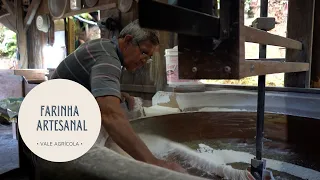
You're going to put it to decant to make the tapioca which is to make the beiju Tapioca also makes the beiju of the dough and this one is the motorzão, hence the bad one that touches the catitu we call catitu. It's the grater called a catitu, run by this big motor, hence the machine, it works so much that the water is already warm here, the water is very lukewarm and it's not hot, right? Cold water enters from below and the hot water returns to the drum.
Where's the press? Hey here, the dough is in bags, right? Bags like those of onions, then you make the layers, there must be a series of layers, then press them, in a little while we'll be taking them out, okay?
Thinking about the dough and grating it then I'll light the fire here, light the fire, Put the oven on to heat up and start roasting the flour. Now guys, we're going to pass the dough here again on the cattubo so we can spread it out and sit down and play it there. We're here to cook the dough, call Glória Glória the flour Glória Glória, we cook the dough so that the flour makes it more delicious.
In 1 hour 2 there will be dry flour already in the oven. More dough will come here than on top. It will only be the first one that takes it, put it in the oven and dry it , then access it, add more dough and then it is toasted until the flour dries.
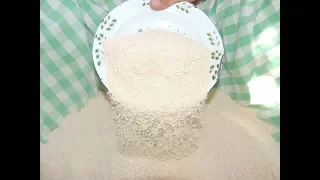
Hey guys, we're taking out the batch here, you already have to grind the flour to burn it in the oven, but it's dry. It's already night and there's still a press there for tomorrow. We finish here, guys, the first toast was made with half a quarter of flour and to end the night we are chewing the meat here for dinner.
Then tomorrow there's another roast. The video ends here. If you are not written on our channel, subscribe to your comments, your notifications and share the videos to help promote our channel.