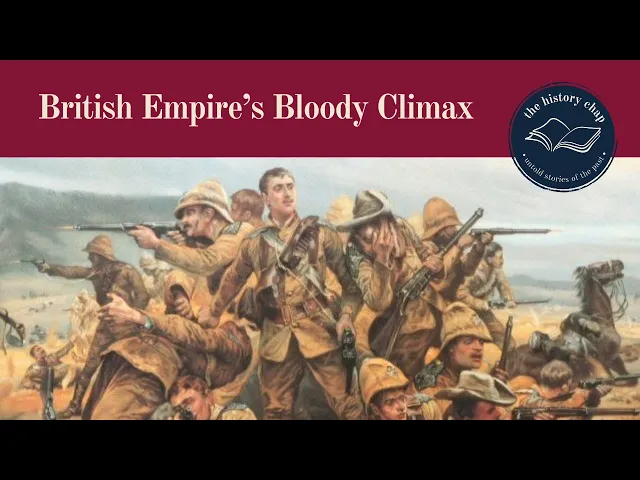
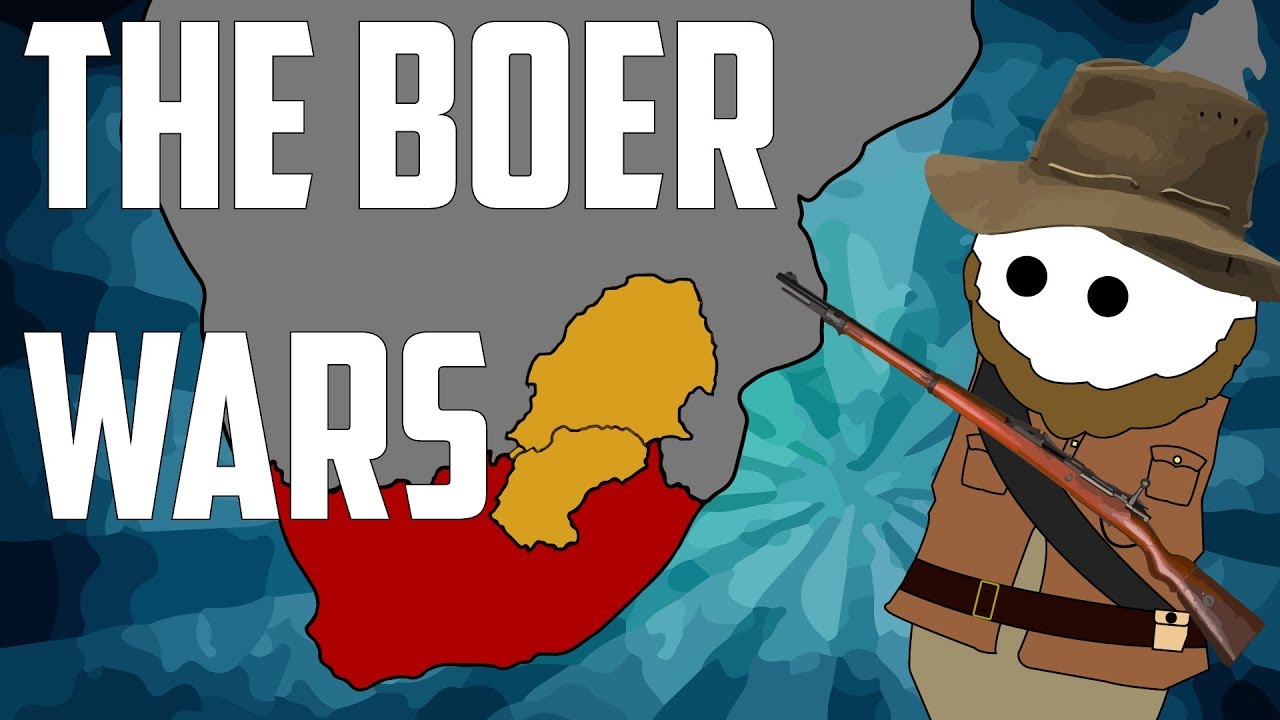
the boer war more often referred to as the second anglo-ball war was fought in south africa from 1899 to 1902 between the british empire and the boer republics of the orange free state and the south african republic transvaal 450 000 british troops versus 50 000 irregular boar fighters on paper it was no match but the boers proved more than a match and this war was to be the bloody and controversial climax to the growth of the british empire during queen victoria's long reign the british were to lose over 20 000 troops and were only able
to bring the boards to the negotiating table after implementing a series of controversial tactics including the internment of poor civilians in camps where over 26 000 of them died in the british parliament these camps were referred to by a new name concentration camps this is a summary of the boer war and quite frankly the anglo-ball war needs far more than just this little video to do it justice the battles alone need their own series of videos as do the stories of some of the larger than life personalities present in south africa at the time at
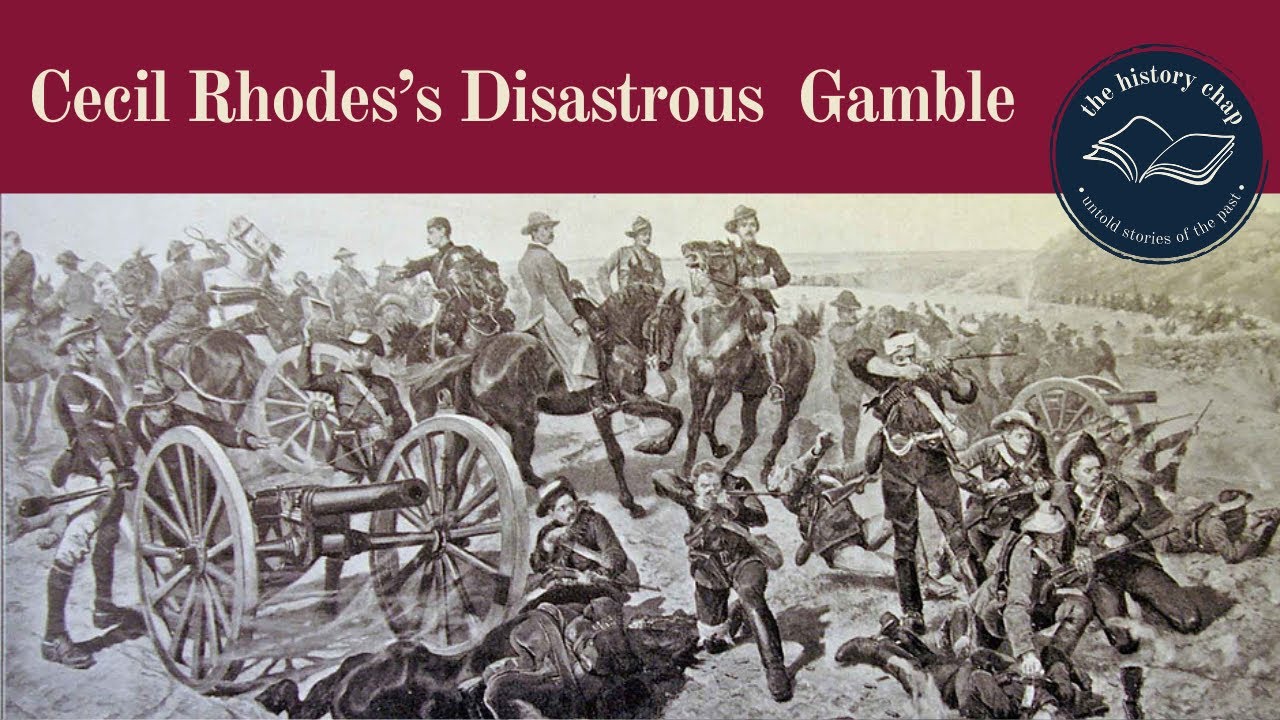
two future south african prime ministers louis botha and jan smutz the british future prime minister winston churchill who was captured and escaped from the boers sherlock holmes creator arthur conan doyle the founder of the boy scouts robert baden-powell and mahatma gandhi all there during the boer war the incredible guerrilla warfare campaign led by board generals like christian devette and coustela ray needs its own story the road to war is an intriguing story centered around british imperialist and mining magnate cecil rhodes and his attempt to actually overthrow the boer state using his own private army the
british scorched earth policy of general kitchener the concentration camps and the work of britons like emily hobhouse to expose the truth also deserve a story and finally as this story was the first time that canada australia new zealand had sent their sons to fight far from their shores i think there are some stories there too those stories are to follow in the future this video however is a summary that both explains the overall events in the war and will put future event videos into context i hope you enjoy it south africa in 1899 was divided
between the the british colonies of the cape and natal and the boer republics of orange free state and transwall also called the south african republic the closing years of queen victoria's reign at the end of the 19th century saw britain wanting to consolidate south africa into one british ruled country for a variety of reasons which we can't go into today the boers descendants of dutch and french huguenot and german settlers had no desire to be dominated by britain relations between the british empire and the two independent boer republics had long been acrimonious back in the
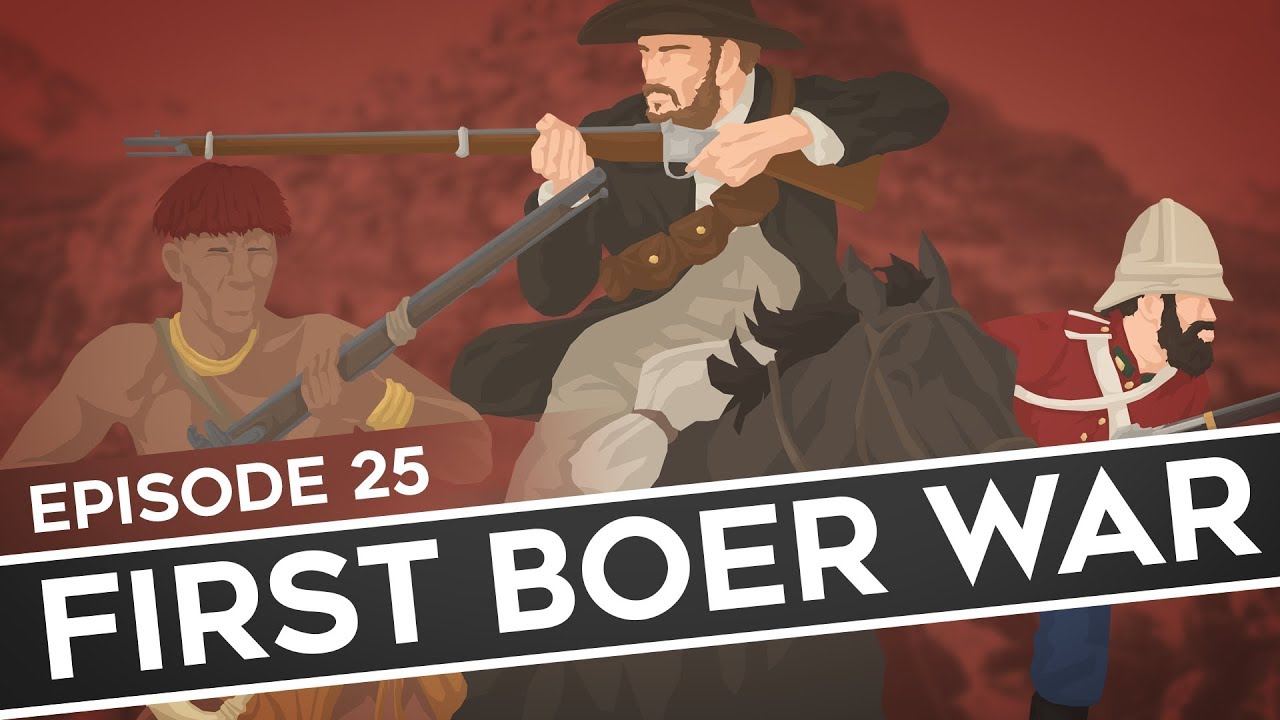
1830s matters came to a head when the british abolished slavery in their in the british empire including the cape and the boers who were living in the cape simply loaded up their wagons and trekked into the african interior carving out their own two independent republics the british have briefly occupied the two war republics in the late 1870s only for the boers to defeat them in a war of independence often called the first world war and since those days a massive goldfield had been discovered at the vit varta strand in the transvaal suddenly fortune hunters were
flocking to the gold city of johannesburg the majority of whom were british as they settled and paid local taxes they demanded to have a say in the running of the country and this alarmed the president of the south african republic paul kruger now in his 70s kruger had actually taken part in that great trek in the 1830s he was a deeply religious and conservative and proud afrikaner he realized that giving the vote to these wheatlanders or the outsiders could lead to the boers losing control of their own country and an elected wheatlander government was likely
to align if indeed not seek to join the british empire which of course was certainly what the british imperialists wanted especially with all those gold reserves in the country kruger refused to give them the franchise much to the irritation of imperialist and mining magnate cecil rhodes who attempted to overthrow kruger in a botched rising in 1896 called the jameson raid the jameson raid merely made kruger even more hawkish in his approach to the wheatlanders in general and the british empire in particular by 1899 with attempts at conciliation failing at the bloomfontaine conference both sides began
to save a rattle the british high commissioner in south africa imperialist lord milner told london that the boers were he feared the boars were likely to launch a preemptive attack into british colonies of the natal and cape and to encourage local africana populations in those colonies to rise in support in short miller cried britain could be kicked out of south africa the british government announced that they would send ten thousand troops to the cape and natal in the transworld capital of pretoria kruger interpreted this as an attempt by the british to invade his country and
the neighboring orange free state in october 1899 he sent an ultimatum to the british demanding they withdrew british troops from his borders and turn back those reinforcements that were on their way in london those in government still seeking a compromise were dismayed by kruger's ultimatum however imperialist hawks cheaply colonial secretary joseph chamberlain were overjoyed they could now have a war and defeat the boers whilst acting as victims of bull regression but the overall feeling in london was more of quite frankly of amusement just how were a group of farmers going to take on the might
of queen victoria's empire the biggest empire the world had ever seen quite frankly the boer ultimatum was a joke as events were to prove the boers were no joke and the laugh for the rest of the world would be on british on the british empire the ultimatum expired on the 11th of october 1899 and in the early hours of the following morning more troops crossed the borders into the british colonies younger hawkish bore commanders like louis botha and jan smuts advocated heading straight towards durban in natal to prevent british troops at landing and also into
the cape to raise their fellow afrikaners into a mass war of independence their ambitious plans were ignored by the senior boer leadership in natal the 68 year old general pete juber victor over the british in the previous war preferred to surround the british forces at ladysmith and settle into a lengthy siege over in the cape colony board general pete cronier adopted a similar tactic leading laying siege to the towns of mafiking and the diamond producing town of kimberley in response to the invasion the british sent a whole army corps 50 000 strong from britain under
the command of veteran general sir revis buller british confidence and optimism was massively high this was the biggest army to ever leave britain shores since the crimean war a cartoon in the magazine punch captured the mood of the british public two street urchins are shown with one saying the boars will cop it now father's gone to south africa and he's taking his strap the ball farmers have had their fun and now was the time for the british empire to teach them a lesson but within a matter of weeks it was the boers who'd be teaching
the british a bloody lesson the boers might not march as neatly as the soldiers of the queen but they knew africa unlike their british adversaries organized into mounted units called commandos the boers had the flexibility and speed that enabled them to outmaneuver the lumbering british infantry time and time again their frontier lifestyle had developed the boers into crack shots and unlike the native armies that the british normally fought the boers were armed with the latest european weapons the german mauser rifle whilst not in the abundance of the british forces landing in south africa the boers
were also armed with the latest crooks artillery again a complete difference to the native armies the british were used to fighting in their empire and finally the boers during these war years were to be led by a series of gifted generals in particular louis botha cous de la ray jansmutz and christian devette all in all this was an african enemy unlike any the british had fought during queen victoria's long reign bulla's initial plan to use his whole army in one push from the cape colony towards the boer capitals of bloomfontaine and pretoria had to be
revised due to events unfolding on the ground in the besieged town of kimberley cecil rhodes the imperialist who practically owned the town was undermining the military commander by sending frantic messages as to the peril of the town and suggesting that he would have to surrender it to the boers to lose the world's main diamond producing town and to have one of the british empire's leading advocates cecil rhodes captured by the buzz presented bulla with a political as well as military imperative meanwhile over in the tile colony general white was holed up with 12 000 troops
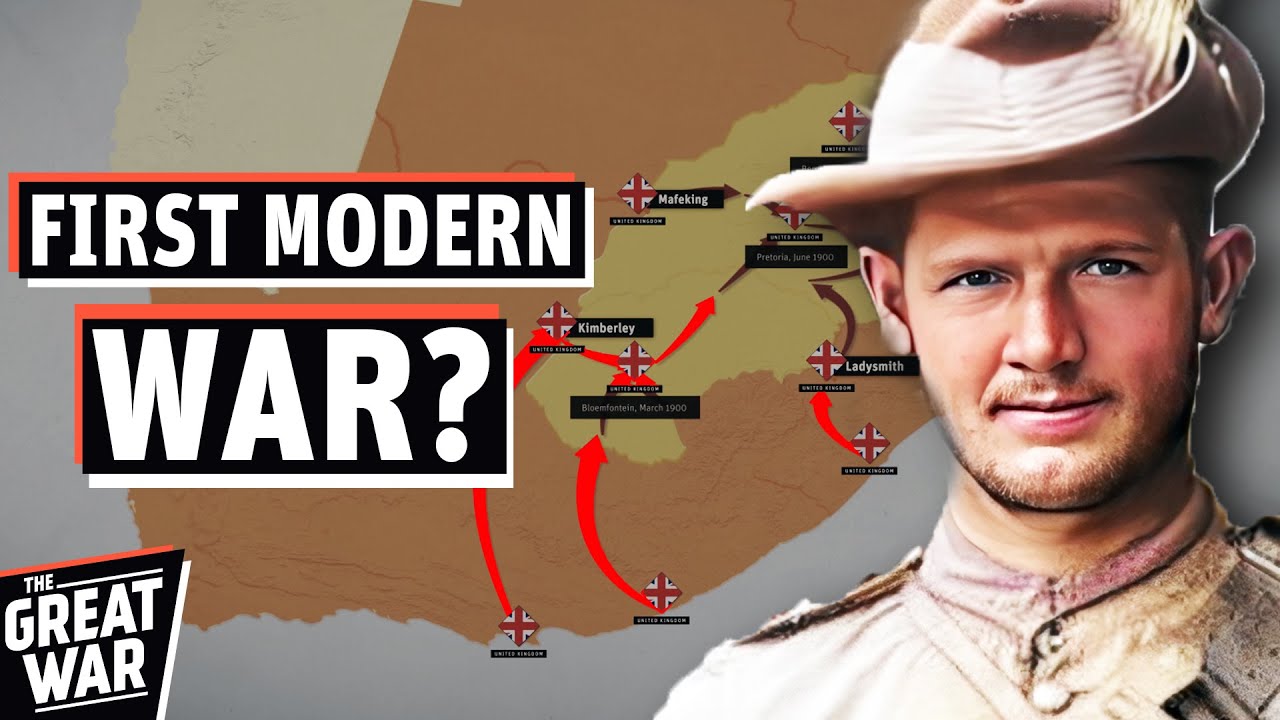
stuck in lady smith as queen victoria mooted the surrender of this force to a ragged bore army was too awful to contemplate bulla divided his forces he himself would go to natal and rescue the troops trapped in ladysmith lieutenant general lord methuen would lead a column to relieve kimberley whilst general gattica a fresh from the british victory at omdaman in sudan would prevent the buurs driving into the cape midlands and instigating a local africana rising within the space of five days in mid-december the boers were to inflict three stunning defeats on the proud british empire
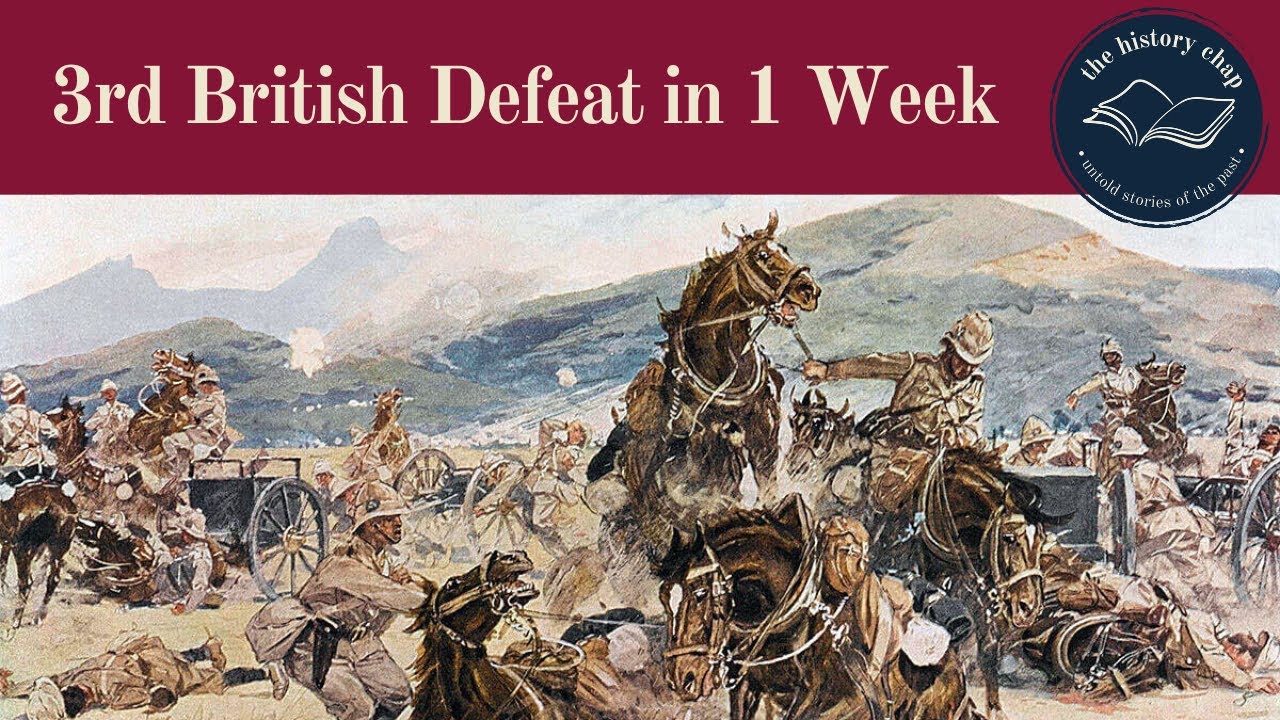
the army advancing to relieve kimberly lost 900 men killed wounded and captured at the battle of magus fontaine at stormberg general gattica got hopelessly lost in a nighttime advance on the boers holding the railway junction and instead of surprising the boers they were themselves surprised and 600 british troops were captured finally bulla's own advance in natal was brought to a shuddering halt as he was defeated by general louis botha at the battle of calenzo in five days the british had lost over two and a half thousand men the stunned british press dubbed it black weak
back in london there was a clamor for change and buller was relieved of overall command to be replaced by the darling of the indian army lord roberts known to his men as bobs bob's arrived in south africa wearing a black armband his only son had been killed at the battle of kalenso with him was a new chief of staff general herbert kitchener who only the previous year had ruthlessly crushed the sudanese at the battle of omdam humiliated by the boers ridiculed by the foreign press and governments just two years after queen victoria's diamond jubilee this
was now turning into a war the british government had to win and fast thousands more troops were sent to south africa including 100 000 colonial troops from australia canada and new zealand in britain a new sort of army unit the imperial yeomanry was recruited from men from the hunting and riding communities of each county and they would provide a mobile counter to the boers eventually nearly 450 000 british troops would serve in south africa the largest british army ever sent abroad before world war one to counter just 45 000 burs before roberts could swing into
action bulla had another crack at breaking through to lady smith in january 1900 the ensuing battle of spin cop resulted in yet another boer victory with a loss of 350 british british dead and over a thousand wounded as an aside during the battle an indian ambulance corps played an active role in rescuing and caring british wounded british soldiers amongst their number was a young lawyer mahandas gandhi over in the cape colony robert's army of 35 000 men finally moved forward a cavalry division under major general john french outflanked the boers and entered kimberley on the
15th of february only to find the situation was nowhere near as dire as rhodes had been claiming later that month the british gained their first significant military success forcing the surrender of general cronier and over four thousand of his troops at the battle of padburg just over two weeks later roberts entered the capital of the orange free state bloomfontaine and raised a silk union flag that his wife had made for him more good news for the british followed with bulla finally relieving lady smith and then advancing towards transwell roberts now pause for several weeks in
bloomfontaine during which time polluted water spread disease through his army in this war more british soldiers were to die from disease than from boar bullets on the 17th of may mafa king was finally relieved after a siege of 215 days the longest siege of the war the british public had followed the reports from the garrison commander robert baden-powell with an insatiable hunger that had turned this quiet if somewhat of a showman officer into a national hero unlike the shrill calls from rhodes in kimberley baden powell's reports had an air of indifference and supreme confidence that
the victorian public expected from their military leaders the public back in britain loved him the relief of mafiking gave rise to huge street celebrations which rivaled those that we saw at the end of both world wars baden-powell was to go on to form the boy scouts by the end of may roberts had advanced almost unopposed into johannesburg and a week later was once again unfurling his wife's silk flag in the capital of the transwell pretoria president kruger fled to the neighboring uh portuguese territory of mozambique and then boarded a ship to the netherlands he was
never to return to his homeland with the war seemingly over roberts returned to britain to a hero's welcome on the back of this imperial victory the conservative government under lord salisbury called a general election dubbed the kharki election which they won with a large majority back in south africa kitchener had been left to mop up the remaining boar commandos and sort out the peace but there was to be no peace the boer army of over 25 000 was still in the field and showed no signs of giving up the fight they simply adopted a new
tactic guerrilla warfare the idea of guerrilla warfare was not actually new the term itself had been coined in spain during the napoleonic wars but never before was it to be waged on such a scale or with such ferocity that the bulls unleashed against the british in south africa before the year was out the boers were confident and organized enough to attack a british force of 1200 under general clements and in the shooting in the ensuing battle the british came within a whisker of yet another disaster commandos under judge herzog and the irrepressible christian devette had
passed the occupy bypass the occupying british army crossed the orange river into the cape colony hoping to ferment a rebellion if the british back in 1899 have been unprepared to fight well at a well-armed army they were now equally unprepared for this mobile hit-and-run style of warfare against an enemy who knew the land better than they did both the famously didn't bother using maps and could gain supplies and intelligence from their families and supporters not just in the old republics but in the cape too kitchener decided to conduct a scorched earth policy to defeat these
determined and unyielding buzz the areas of boar activity were divided into massive squares crisscrossed with barbed wire and lined with 8 000 garrisoned block houses mounted troops would then sweep a square rather like a game hunt driving the boers ahead of them either into the barbed wire or into waiting british troops tactically the sweeps were a modest success netting about a thousand boer prisoners a month but with 25 000 boors at large kitchener's policy could take months if not years to succeed and despite their general election victory lord salisbury's government in england did not have
the luxury of that time let alone the cost to fund a never-ending guerrilla war income tax had already had to be raised and the jingoism of those crowds who had cheered the relief of mafia king just a few months before was already starting to wear thin kitchener decided to turn the screws the boar commandos relied on sympathizing farms for their supplies the victor of omdaman decided to to deny them those supplies the british systematically destroyed boar farms burning the houses burning the crops killing the livestock leaving the commandos families the elderly the women the children
homeless on the african felt it was now that the most controversial decision of all was taken the homeless boys civilians were interned in refugee [ __ ] prison camps and that concentration of poor civilians in those camps gave them a sinister new name concentration camps russians were meager and medical facilities sparse to say the least the military administration of these camps were indifferent to the plight of the boer civilians and as the numbers of internees swelled the sanitary systems in those camps were swiftly overwhelmed typhoid dysentery and measles especially amongst children broke out the humanitarian
disaster was brought to international attention by british quaker and anti-war protester emily holphouse the rumors coming out of the camps inspired her to travel to south africa to see them firsthand and what she witnessed was worse than anything she could have prepared herself for by october 1901 the camps housed 111 000 boer civilians and that month alone 3 100 of them died which was an annualized death rate of 34 for the record actually there were also a reported 44 000 blacks in the concentration camps and their death rates that october were about 700. the british
parliament was scandalized and the government embarrassed on the international stage running of the camps was removed from kitchener and handed over to civil servants reporting into lord milner in cape town by the end of the war milner had reduced the annualized death rate from 34 to 2 which was actually less than the death rate that was prevailing in glasgow at that time but the damage had been done what moral authority britain had in this war and in the eyes of certainly the french and german press there never was very much was lost public support in
britain and elsewhere in the empire started to ebb away particularly in australia where this callous treatment of civilians was compounded by the execution of two officers peter hancock and harry breaker morant for killing boar prisoners in cold blood but without any reference to the australian government the government's now ordered kitchener to stop sending families to the camps although not to desist in the scorched earth policy so somewhat bizarrely the decision not to in turn bore civilians anymore probably had a greater effect on bringing the buzz to the negotiating table than the anger at seeing their
families dying in such huge numbers in the concentration camp the result of this new supposedly humanitarian policy was that once the homes have been destroyed kitchener left the civilians in the african bush to fend for themselves many found sanctuary with the boer commandos but militarily this actually hampered the commandos speed and flexibility and indeed brought their families into the danger of being killed in skirmishes with the british furthermore many of those hardened boar commandos were appalled that their undefended families could be exposed to attack by local african tribes and this fear actually became real when
in april april 1902 a zulu imp army had wiped out a burkamando near the border between the transvaal and british controlled zulu land the boers still defiant was starting to run out of options the arsenal of modern weapons and ammunition that had that they started the war with have been used up and they now relied on captured british arms slowly that scorched earth policy of kitchener was depriving them of food intelligence and safe havens many fighters were actually having to use sacking from bags to dress in kitchener sweeps were still netting prisoners not a lot
but it was having a drip drip effect however if the british and their politicians were divided on continuing the war so were the burs the boer community itself now started to divide between those who wanted to keep fighting called bitter enders and those willing to accept some sort of compromise hands uppers by 1902 kitchener had recruited 5 000 of those hands uppers into his army boys who knew how the buzz fought kitchener invited the boar leaders to meet him to discuss peace terms on the 31st of may 1902 the treaty of renegade brought the conflict
to a close christian devette was in tears as he advised his men to surrender unlike the relief of mafiking just two years before the celebrations in britain were muted at the outset of this war paul kruger had promised that if the british wanted his country the price they would pay would stagger humanity and so it proved the british had lost just under 8 000 men killed in action nearly three times as many as were killed in action in the crimean war and a further 14 000 dead from disease the war had cost the british taxpayer
222 million pounds in those days money which included the loss of 350 000 horses and 50 000 mules that have perished in the conflict it had taken an army of 450 000 four times the size of the british army sent to the crimea to suppress a boer army of about 50 000 men the boers themselves had lost 6 000 of their number killed in action but it was the human cost of those concentration camps that they would remember 26 000 of their women and children died and whilst this was seen by both sides as a
white man's war the black african population had been caught up in it too over 20 000 died in concentration camps alone the british terms at the peace treaty were generous unlike the defeated french following the franco-prussian war and the germans after world war one the boers were not forced to pay any form of reparations actually they were given compensation by the british government to rebuild their farms they're also allowed to retain dutch in their schools and they were promised self-government and crucially the british agreed that the black population would not receive the franchise in the
trans-wild and orange-free state until after the buurs had received their self-government in other words it would be down to the boers to decide when the blacks received a franchise which meant never within five years both former boer republics had achieved self-government and in 1910 they joined the cape and natal colonies to form the dominion of south africa the first prime minister of this new country was the former board general louis botha and he was succeeded by another former commando leader jan smutz the boers would never forget the concentration camps and what happened to their families
as david lloyd george had rightly declared in the british house of commons a barrier of dead children's bodies will rise up between the british and boer races in south africa that resentment would foster the rise of the national party and when they came to power in 1948 leaving the british commonwealth and the establishment of apartheid britain had won the war war but ultimately they lost the peace and the events of the past continue to influence the world we live in today thanks for watching i hope you enjoyed this story and i hope to see you
very soon so [Music] you