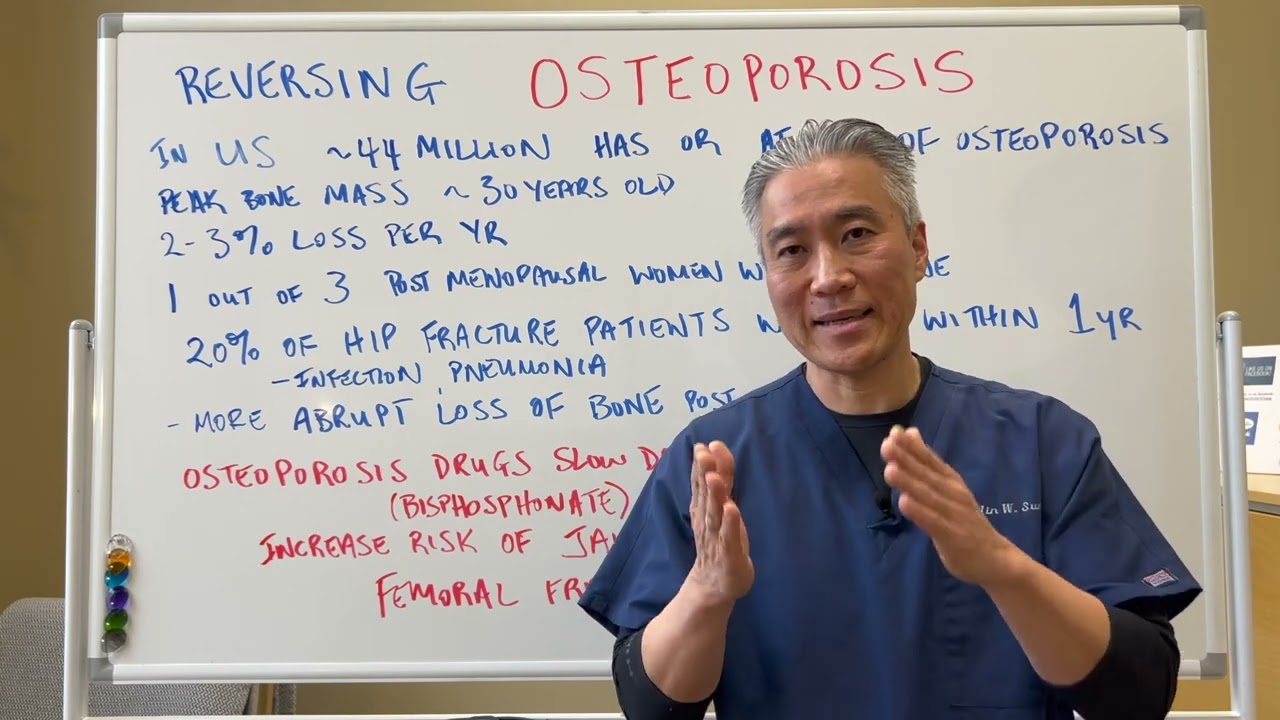
bones are deteriorating too young God never meant bones to deteriorate as young as they are deteriorating today hey everyone welcome back today we are diving into something super important osteoporosis it is a condition that creeps up on you and before you know it your bones are as fragile as glass but don't worry we have got you covered with some shocking truths about osteoporosis straight from Dr Barbara O'Neal's teachings trust me you will want to stick around for this one let's start by talking about what osteoporosis really is osteoporosis is when bones become brittle and fragile
making them more prone to fractures it happens when the body loses too much bone makes too little bone or both this process is usually slow and Silent which is why it is often called a silent disease but just because it is silent does not mean it is harmless by the time many people find out they have it they may have already suffered from a bone fracture so why does this happen Dr Barbara O'Neal explains that there are several key factors at play many of which are related to our modern lifestyle first up we need to
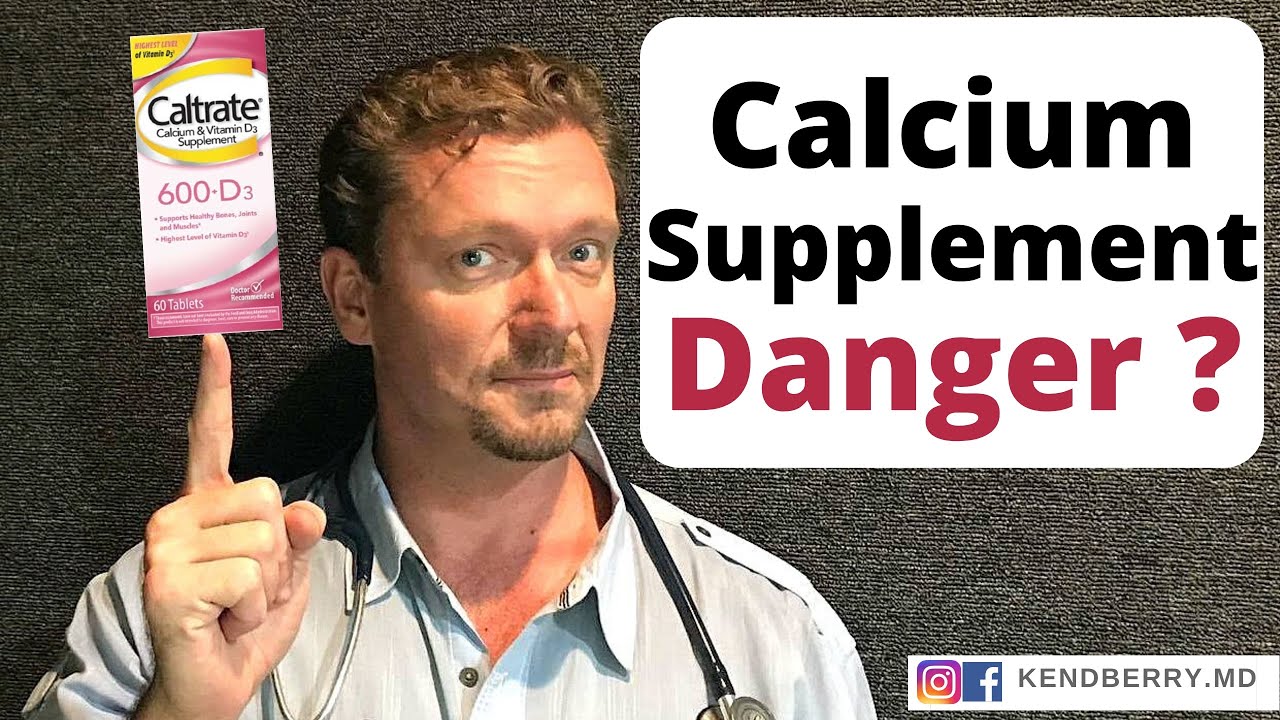
talk about calcium don't take calcium supplements whatever you do have you noticed in aged care all the old people are on calcium supplements and they've all got osteoporosis now do the math for years we we have been told that calcium is the key to strong bones and while that is partly true Dr O'Neal points out that calcium alone is not enough in fact taking calcium supplements in isolation can be ineffective or even harmful according to Dr O'Neal in aged care all the old people are on calcium supplements and they have all got osteoporosis this clearly
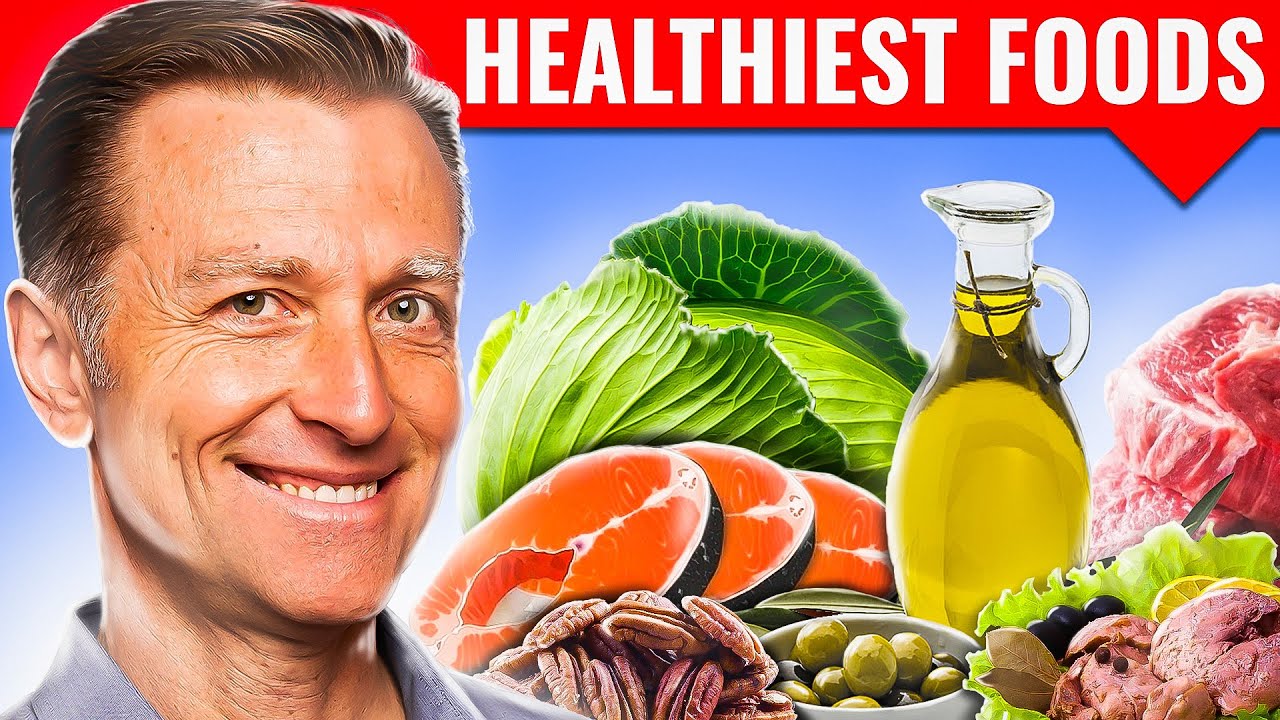
shows that just loading up on calcium does not solve the problem she is a big advocate of sourcing calcium from real Whole Foods so it's better to take calcium the way God meant us to take calcium is in balance with all the other minerals which you will find in your vegetables especially your dark green leafy vegetables leafy greens like kale and spinach nuts and seeds like almonds and sesame and even small fish with bones like sardines are all fantastic sources of calcium but what makes these Foods so special is not just the calcium They are
packed with a host of other nutrients that help your body actually use the calcium effectively Dr O'Neal often explains it this way when you eat a food that is naturally rich in calcium you are not just getting calcium you are getting a whole team of nutrients that work together to make sure that calcium ends up in your bones where it belongs these foods provide magnesium vitamin K and other minerals that play crucial roles in bone health it is like getting a tool kit instead of just one tool with the right tools you can actually build
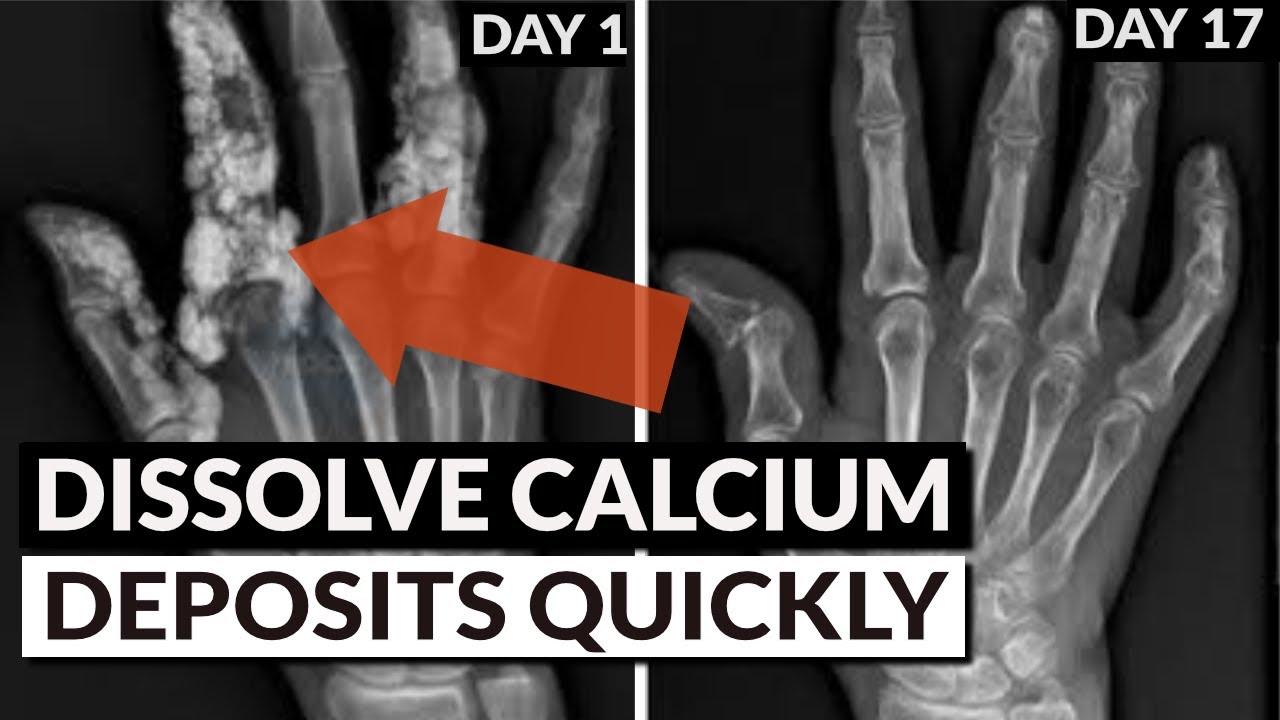
something strong and Lasting one of one of the most important partners for calcium is magnesium the balance between calcium and magnesium is crucial if you are loading up on calcium without enough magnesium you could be inviting problems like calcification in your arteries this is where calcium builds up making arteries stiff and narrow which can increase the risk of heart disease magnesium helps prevent this by ensuring calcium is used properly in the body foods rich in magnesium include dark leafy greens nuts seeds and whole grains for those who need an extra boost magnesium baths or foot
soaks are a great way to absorb this vital mineral through the skin today people are taking things that are leeching minerals so we need to stop the mineral leeches and that is refined sugar one writer stated that Sugar leaves the body better dress than when it went in I'm referring to the pure crystallized acid extracted from the sugar cane plant did you know that what you eat can actually pull minerals out of your bones when you eat a lot of acid forming foods like those tempting processed snacks sugary treats and even loads of meat your
body has to work extra hard to balance its pH levels and how does it do that by borrowing minerals like calcium from your bones over time if your body keeps doing this it can weaken your bones making them more fragile and increasing your risk of osteoporosis cutting back on these acid forming Foods is a big deal if you want to keep your bones strong this animal protein is very dirty burning fuel only 58% is burnt as fuel so what that does is that leaves a 42% waste and that waste is a high acid waste Dr
O'Neil also points out something that might surprise you animal proteins especially Dairy actually create a AIC waste in your body to deal with this your body needs to neutralize the acid and guess what it uses to do that calcium the very calcium that is supposed to be strengthening your bones ends up getting used up to balance out the acid instead this might even explain why countries where people eat a lot of dairy also see higher rates of osteoporosis it seems like all that Dairy is not really helping with bone health as much as we thought
because it is being spent on dealing with acid rather than supporting the bones now this does not mean you have to swear off meat and dairy forever but cutting back on these acid forming Foods is definitely a smart move if you want to keep those bones strong so what should you be eating instead Dr O'Neal's answer is pretty straightforward focus on alkaline forming foods like fruits and vegetables these foods keep your body's ph balanced without draining your bones of their Precious Minerals take leafy greens like kale and spinach for example these are absolute powerhouses when
it comes to bone health not only are they alkaline forming but they are also loaded with calcium and magnesium which are crucial for keeping your bones in top shape adding nuts seeds and beans to your diet is also a great idea because they provide plant-based proteins that don't create the same acidic effect as animal proteins and here is a super simple tip from Dr O'Neal stay hydrated I to 10 glasses of water in the 24-hour period Ure es that your bones are getting everything they need drinking plenty of water helps flush out acids and toxins
from your body so your bones don't have to sacrifice their minerals to keep things balanced plus staying hydrated is just good for your overall health so it is a win all around when you exercise you're not only strengthen your muscles you're strengthening your bones the blood supply increases to the bones you remember it Leviticus 1711 states that the life of the flesh one one of the best ways to keep your bones strong is through exercise it is not just about lifting weights or running though those are great it is also about doing activities that really
make your bones work like walking jogging or even dancing when you do these weightbearing exercises you are putting healthy stress on your bones which encourages them to stay strong and rebuild themselves the most powerful exercise is the exercise that defies gravity that's you rebounding will you trample Lane so stop rebounding every day every time you leap up you're butter Dr Barbara O'Neal is a big fan of something called rebounding now that might sound like some fancy Fitness Trend but it is actually just a fun way of saying jumping on a trampoline yep bouncing around on
a trampoline can do wonders for your bones when you jump it creates a gravitational force that helps to boost your bone density and strength here is a cool tidbit NASA found out that astronauts who lose bone mass while they are floating around in space can actually counteract that bone loss by doing rebounding exercises if it is good enough for astronauts it is definitely worth adding to your routine and we can't forget about resistance training whether you are lifting dumbbells or just using your own body weight with exercises like push-ups or squats resistance training is crucial
for keeping your bones dense and healthy the more you challenge your muscles the more your bones benefit too it is like giving your bones their own little workout so they stay strong and ready for anything here is a simple piece of advice from do O'Neal that is easy to remember movement is life if you are not moving you are losing in other words staying active is absolutely key to bone health it is not just about what you eat though that is super important too it is about making sure your body gets the exercise it needs
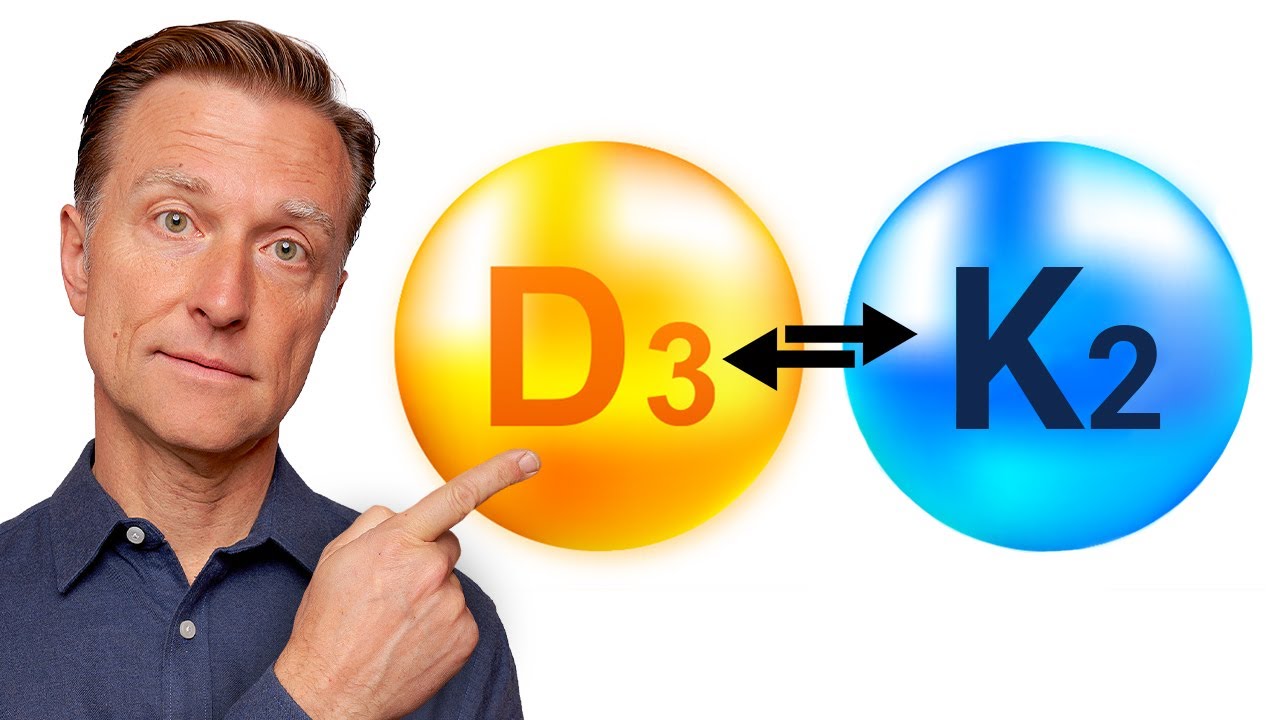
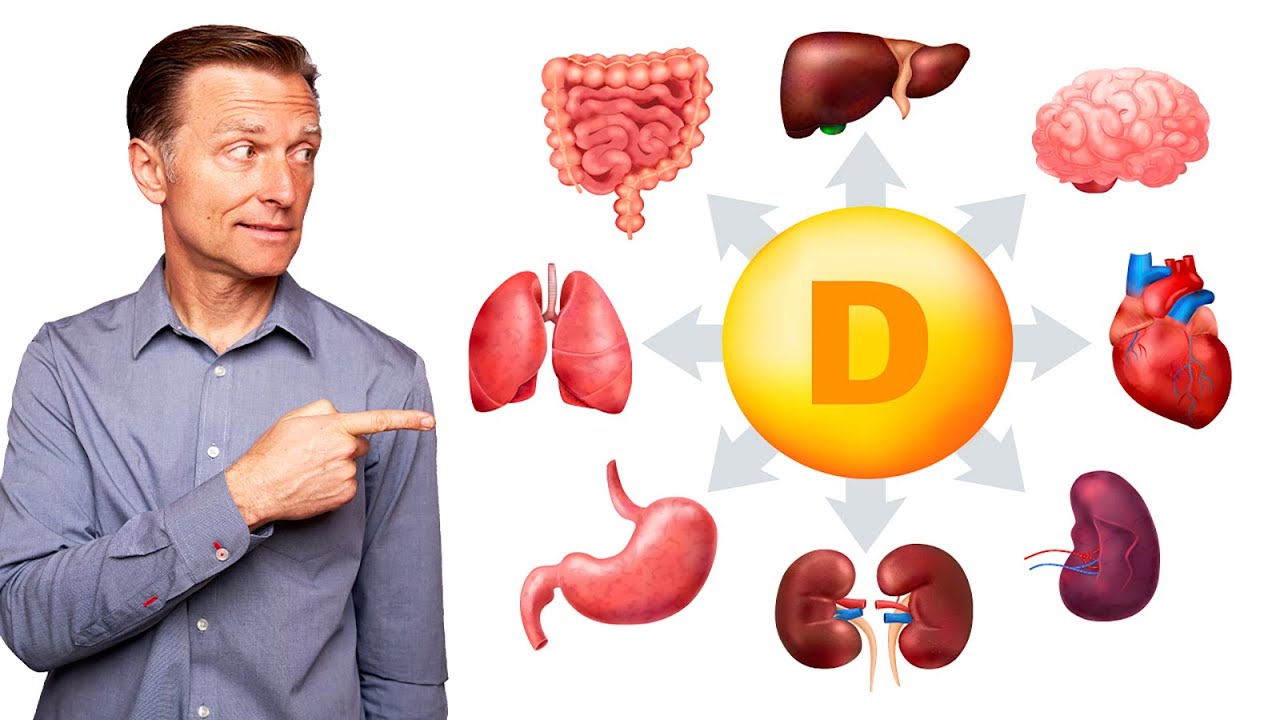
to keep your bones in top shape Dr O'Neal also highlights the importance of mixing things up in your exercise routine don't just stick to one type of exercise try to combine different activities like cardio strength training and flexibility exercises this well-rounded approach not only helps with your overall Wellness but also ensures that your bones stay strong from every angle calcium cannot get into the body by itself it needs vitamin D so vitamin D is also important for strong healthy bone now let's dive into the world of vitamins especially the ones that play a huge role
in keeping your bone strong most of us know that vitamin D is super important for bone health because it helps your body absorb calcium but there is another vitamin that often flies under the radar even though it is just as crucial vitamin K2 Dr Barbara O'Neal really emphasizes that without enough vitamin K2 all the calcium and vitamin D you are getting might not be doing as much for your bones as you would hope in fact if you are low on K2 there is a risk that calcium could start building up in your arteries instead of
strengthening your bones and that is definitely not what you want so where exactly do you get this all important vitamin K2 it is not as widely found in Foods as some other vitamins but you can still get it from certain sources especially fermented foods for instance sauerkraut which is fermented cabbage is a great source of K2 another excellent source is natto a traditional Japanese dish made from fermented soybeans natto might be an acquired taste because of its strong flavor and sticky texture but it is incredibly rich in vitamin K2 some cheeses particularly aged varieties also
contain decent amounts of K2 so including them in your diet can boost your intake to really understand how vital vitamin K2 is it helps to think of your bone health as a team effort calcium is the basic building block that gives your bones strength vitamin D is like the facilitator making sure that your body can absorb and use that calcium but vitamin K2 is the director guiding the calcium to where it needs to go namely into your bones and teeth rather than letting it wander off into your arteries or other soft tissues when these three
nutrients calcium vitamin d and vitamin K2 are in sync they create a powerful combination that supports bone density and overall bone health so the next time you are thinking about bone health do not forget to give some love to vitamin K2 it is the missing piece that ties everything together what's also important and this one might surprise you is balanced hormones there are many people today with an imbalance in their hormones hormonal balance is another big piece of the osteoporosis puzzle Dr O'Neal talks about how hormonal imbalances particularly a deficiency in estrogen can have a
significant impact on bone density estrogen maintains the balance between the breakdown down of old bone and the formation of new bone ensuring that your bone stay strong and healthy Over time however during menopause when estrogen levels naturally start to drop this protective effect begins to fade and Bones can weaken pretty quickly this is why it is so important for women especially as they get older to pay close attention to their estrogen levels estrogen goes High it displaces progesterone and causes progesterone to come down low and progesterone is the hormone that boosts bone building cells those
bone building cells are called Osteo blast cells Osteo bone blast is new so it's the osteoblast cells that are building new bone but here is the thing estrogen is not the only hormone that matters when it comes to bone health progesterone is another key player in this process progesterone Works alongside estrogen to maintain strong and healthy bones it regulates bone remodeling which is the on going process where old bone is replaced by new bone the tricky part though is keeping these two hormones in Balance if there is too much estrogen and not enough progesterone or
if both are out of whack it can lead to problems with bone density in fact an imbalance between these hormones is one of the factors that can contribute to the development of osteoporosis Dr O'Neal really emphasizes the importance of maintaining a proper balance between estrogen and progesterone to avoid bone issues down the line she points out that many people think of hormone changes as something that just happens with age something you have to accept but she suggests that instead of just letting this happen we can actually make some simple changes to our diet and lifestyle
that can keep those estrogen and progesterone levels steady this proactive approach can make a big difference in maintaining bone health as we age one of the things she often recommends is wild yam cream as a natural way to boost progesterone levels the Anis wild yam cream contains a plant chemical called dionin and when the dionin in that cream is applied to your skin the fat cells take it up and it stimulates this pathway that your body uses to make progesterone wild yam contains a compound called diosgenin which can be converted into progesterone in the body
but it is not just about using cream or taking supplements Dr O'Neal is a big believer in the power of diet and lifestyle choices when it comes to hormone balance she suggests that eating a healthy balanced diet is crucial for keeping your hormones in check this means incorporating plenty of plant-based foods that support Hormone Health like fruits vegetables whole grains nuts and seeds these foods are rich in vitamins minerals and phytoestrogens which are plant compounds that can help balance hormones naturally here is something that might really surprise you sunlight is actually super important for keeping
your bones healthy in today's world we are often bombarded with messages about avoiding the sun to protect our skin from damage and reduce the risk of skin cancer while it is true that we need to be mindful of sun exposure Barbara O'Neal makes an important point that getting some sun in a safe moderate way is crucial for your overall health especially for your bones we need the UVB rate to get our vitamin D so be wise with the sun if you've got dark skin you need a lot more sun very dark skin needs 10 times
the exposure to Sun that I need so why is sunlight so important it all comes down to vitamin D A nutrient that plays an absolutely vital role in bone health when your skin is exposed to sunlight specifically UVB Ray your body starts to produce vitamin D without enough vitamin D even if you are eating plenty of calcium-rich Foods or taking supplements your body won't be able to use that calcium effectively it is like having all the ingredients for a delicious meal but missing the one crucial component that brings everything together vitamin D is that missing
ingredient for your bones Barbara O'Neal emphasizes that spending a little time outside every day can do wonders for boosting your vitamin D levels which in turn supports your bone health but here is the thing this does not mean you need to spend hours baking in the Sun in fact too much sun exposure can be harmful to your skin instead Barbara suggests that just 10 to 15 minutes of sun exposure on your arms and legs each day can make a big difference the best time to catch some rays is usually in the morning or late afternoon
when the sun is not too harsh this way you get the benefits of sunlight without risking sunburn or other skin damage it is important to get your sun exposure without sunscreen for those 10 to 15 minutes Barbara also mentions that the amount of Sun you need can vary depending on where you live and your skin type for example if you live closer to the Equator you will likely need less sun exposure to produce adequate vitamin D because the sun's rays are stronger but if you are up in a place where Winter seems to last forever
and the Sun is more of a rare guest things get trickier in those areas you might need to lean more on your diet or supplements to keep your vitamin D levels up and here is something else to consider your skin type plays a big role too people with darker skin have more melanin which is great for protection but also means they need a bit more Sun to produce the same amount of vitamin D as someone with lighter skin so if you have darker skin and live far from the equator you might need to spend more
time soaking up those Rays or think about other sources of vitamin D so osteoporosis does not have to be your future with the right knowledge and a few changes in your daily routine you can take control of your bone health if you found this information helpful why not share share it with someone you care about let's all take steps toward healthier stronger bones together after all strong bones are the foundation of a strong active and vibrant life by taking a holistic approach to bone health you are setting yourself up for a future where you can
keep doing all the things you love without being held back by weak or fragile bones remember it is never too early or too late to start taking care of your bones so why not start today start by incorporating more nutritious Whole Foods into your diet keep your body moving get regular exercise and spend some time in the sun these simple changes can make a world of difference for your bone health