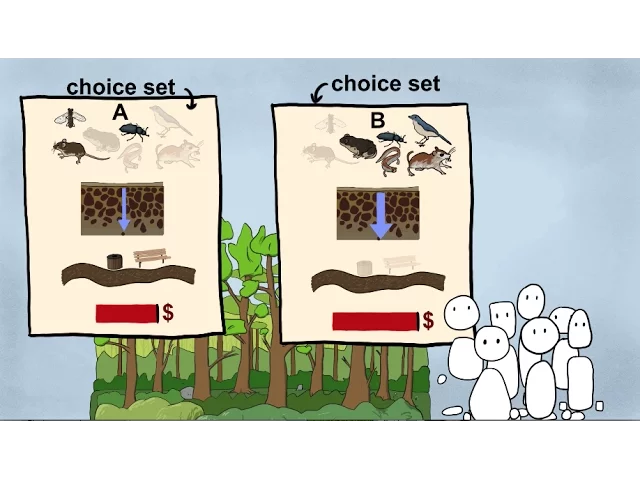
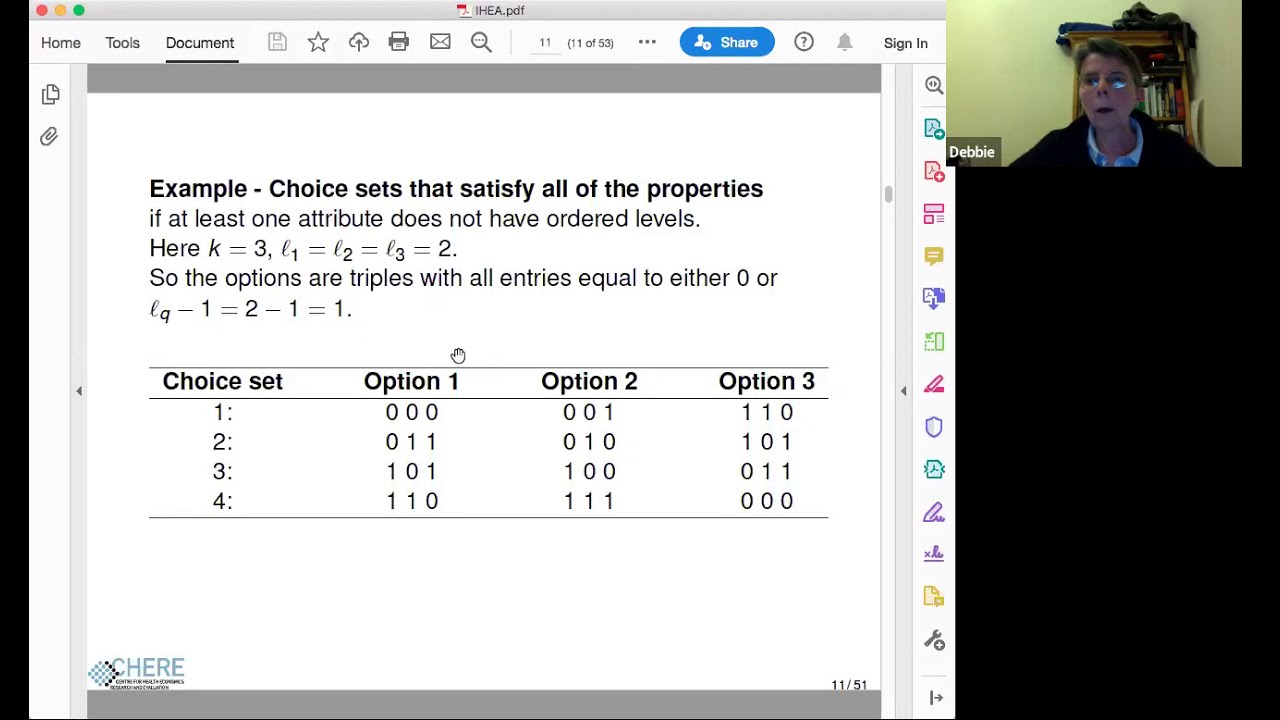
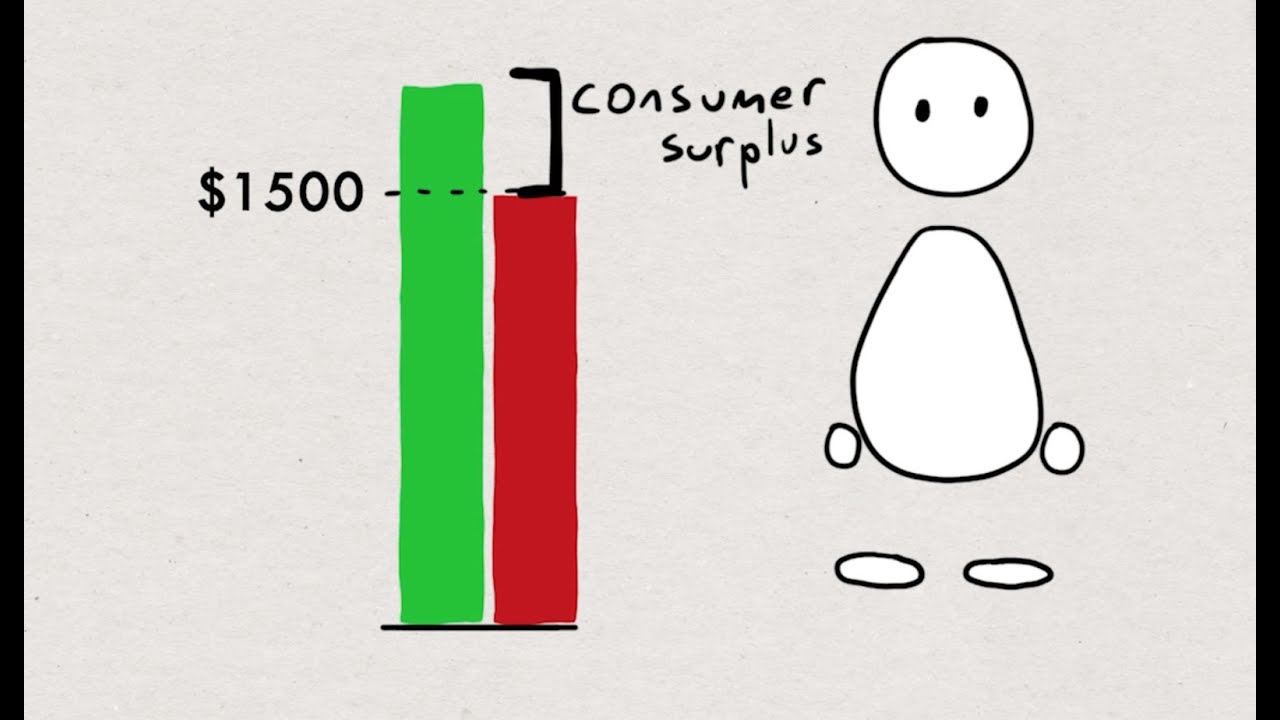
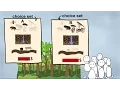
with contingent evaluation we are pretty much asking directly what are you willing to pay to keep this like this or what are you willing to pay for this change with choice modeling another stated preferences method we aren't asking what they're willing to pay directly but asking which of these situations would you prefer respondents will be presented with a series of scenarios or choice sets each choice that has different levels of the attributes we want to learn about and then what they choose can tell us something about how they value the individual attributes do they prefer
the scenario with more biodiversity that comes with an increase in taxes their choices can give us insight into what they're valuing the main difference between contingent valuation and choice modeling is that contingent valuation gives the willingness to pay for overall changes in the ecosystem service while choice modeling reveals willingness to pay for changes in the attributes you can't give us a total economic value estimate the way contingent valuation ken has an example let's say some researchers wanted to investigate how people value some of the attributes of this nut mix after discussing in focus groups they
found that these attributes and levels would be good to test no raisins little bit of raisins lots of raisins no chocolate a little bit of chocolate lots of chocolate and some realistic prices these are all the possible combinations of these attributes that we could get we could then pair them up randomly giving them two options to choose from with a third opt-out or status quo option in this case a do not buy a nut mix option the status quo was added because without it we're forcing them to choose you might still be able to get
a feel for how people value the status quo alternative if we had it mixed in but we needed to be with every choice that the choice resembles a market choice this way when they pick it's not just their favorite scenario we know they are willing to pay for that in those attributes we don't know how much people value these attributes except the money they have to pay but what they pick gets us closer if they pick this for instance we know that the net value they feel they're getting from the mix is greater than the
net value they feel they're receiving from the other choices and we're learning about how they value the individual attributes for example with this set for the same price they chose this one which had more raisins rather than the one that had a more chocolate suggesting their value for raisins is higher each respondent is given a few choice sets that gives us more insight and should be able to let us know quantitatively why they're choosing what they're choosing it's kind of like hedonic pricing we are looking at the attributes people are choosing and the prices they're
paying and estimating how much of the value is because of the attribute one benefit of choice modeling is that it can avoid another kind of bias when people are faced with the OP of giving or stating how much they would give with people watching there's a social pressure to say yes but that's not really what we're trying to measure it's a a saying bias with choice modeling you won't have this problem as much because it's not will you give its hey which of these situations do you like it's maybe easier to separate that choice from
a social obligation and this may also make it less prone to the warm glow effect although choice experiments have limitations too when faced with too many choice sets respondents can get bored or fatigued with the format if there's too many attributes they may be ignoring most of them and only focusing on a couple of things that are important to them fire analysis doesn't factor that in will get an incorrect estimate as an example two-thirds of the marae davao wetland in southern france was lost mostly in between 1900 and 1983 to agricultural expansion by 2011 the
costs of this were waning they experienced some water quality problems flooding problems increasing drainage costs also some of the financial aid for cereal production was lost and the area was designated as a 2000 natura area this gave reflection on the current use of the land for agriculture but there wasn't any consensus on what to do turn some of the area into wetland again do nothing how much focus should be placed on recreation if we're claiming the wetlands what about mosquitoes the researchers wanted to get the public's input on the future configuration of the landscape to
give some insight to policymakers and they used a choice modeling survey these were the attributes and levels they ended up looking at an option with no additional hedges an option with some additional hedges which would improve wind block shade hydrological properties and increased habitat for animals and another option with even more hedges giving them even more benefits but would block the view of the mountains there's keeping the wetland the size that it is returning it to one third of public it was in 1900 or 2/3 of its original size biodiversity no increase some more lots
more recreation no access to the wetland and only access to a publicly owned Dyke what they're calling passive recreation with a trail around the outside but no hunting would be allowed or active recreation where access to the wetland is allowed with additional trails into the wetland also hunting is allowed there's no mosquito control control with a Bt toxin for Biological control using fish and other creatures and the per person increase in taxes per year so remember this isn't a vote and they're asking the public's input they're going to be throwing combinations of these attributes at
respondents and analyzing their responses to tease out their willingness to pay for the attributes with the number of attributes and levels they picked there fourteen hundred and fifty-eight combinations they could have got maybe it would've been nice to test them all but it's not necessary and would require a huge sample of people to survey they can still include all the necessary combinations of characteristic levels to learn the main effects the different levels and their combinations have on respondents choices using a much smaller number of combinations they used fractional factorial design it's a mathematical way of
accomplishing that we're not going to get into it here because it's a bit involved there's a link to how it's done in the description they ended up using only 36 of the scenarios that would be able to capture the main effects then the scenarios were paired each respondent getting nine choices each set including this status quo alternative which involves no increase in taxes they approached respondents on the street and in their homes regression analysis was used on their responses to tease out the patterns and correlations between their choices and some of the results look like
this because the status quo was added you can treat their responses as an expression of willingness to pay a few things we can read from this the respondents on average had a negative willingness to pay for a large wetland or chemical mosquito control meaning they perceived these as negative traits they would expect compensation if these things went through but when paired with biological mosquito control the willing to pay was positive which suggests the main reason they opposed a big wetland is because of mosquitoes and chemical control has a negative reputation they valued having some hedges
more than having lots of hedges suggesting they put a lot of value on being able to see the mountains having a high biodiversity didn't seem to be a significant factor for most people but for those who consider themselves environmental or green conscious which was asked as a part of the survey a high biodiversity was very important to them so this is the kind of thing you can find out with this information they went on to design their management plans and estimate the willingness to pay for a given situation in the next video we're going to
look at a method for estimating willingness to pay using primary studies as a base