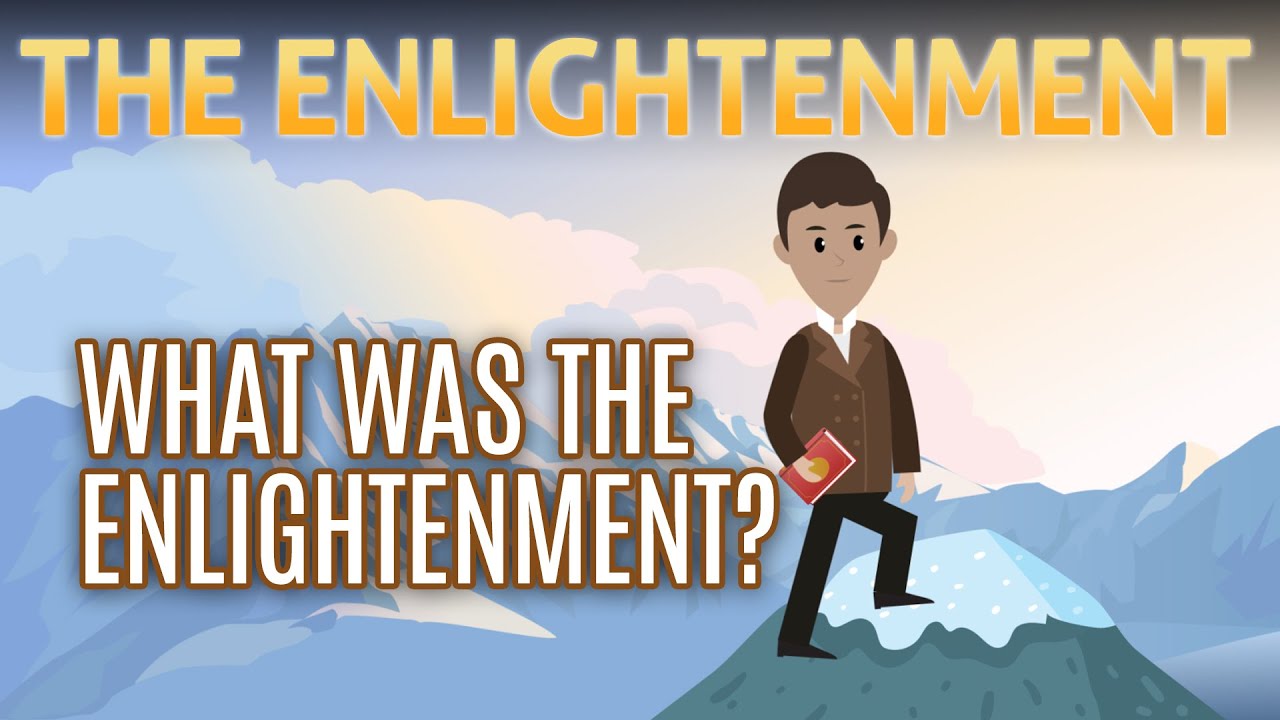
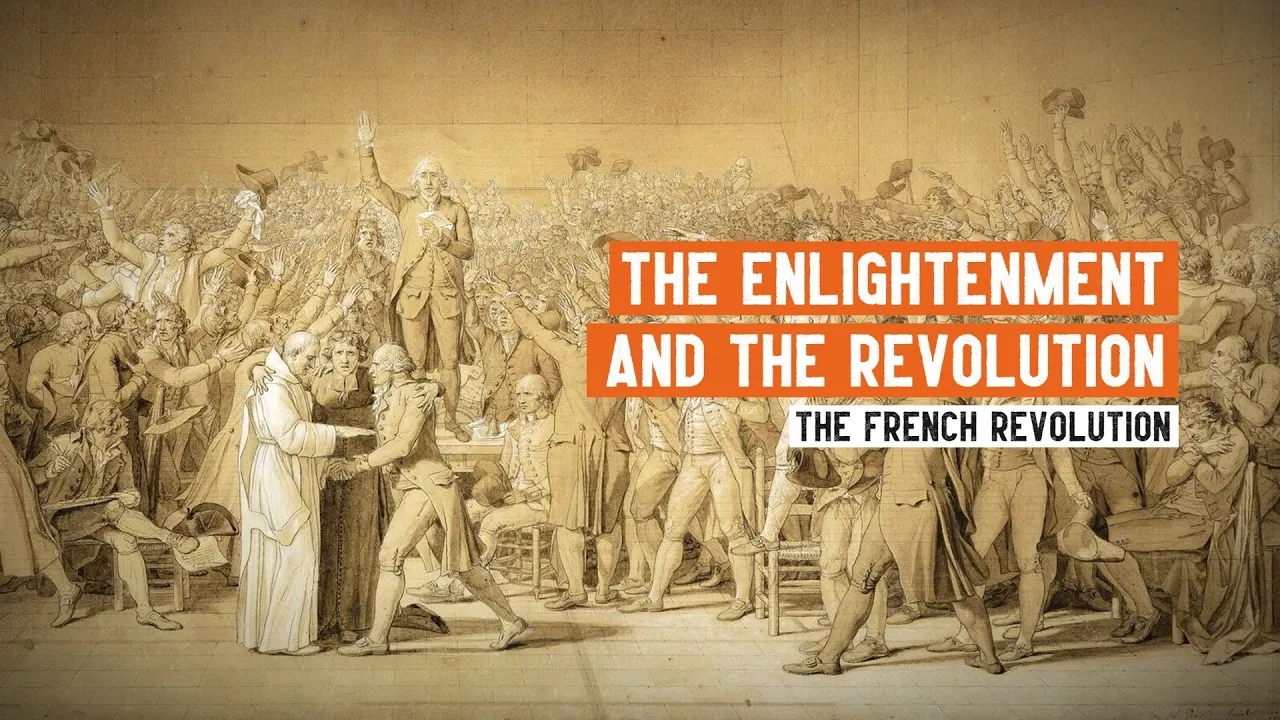
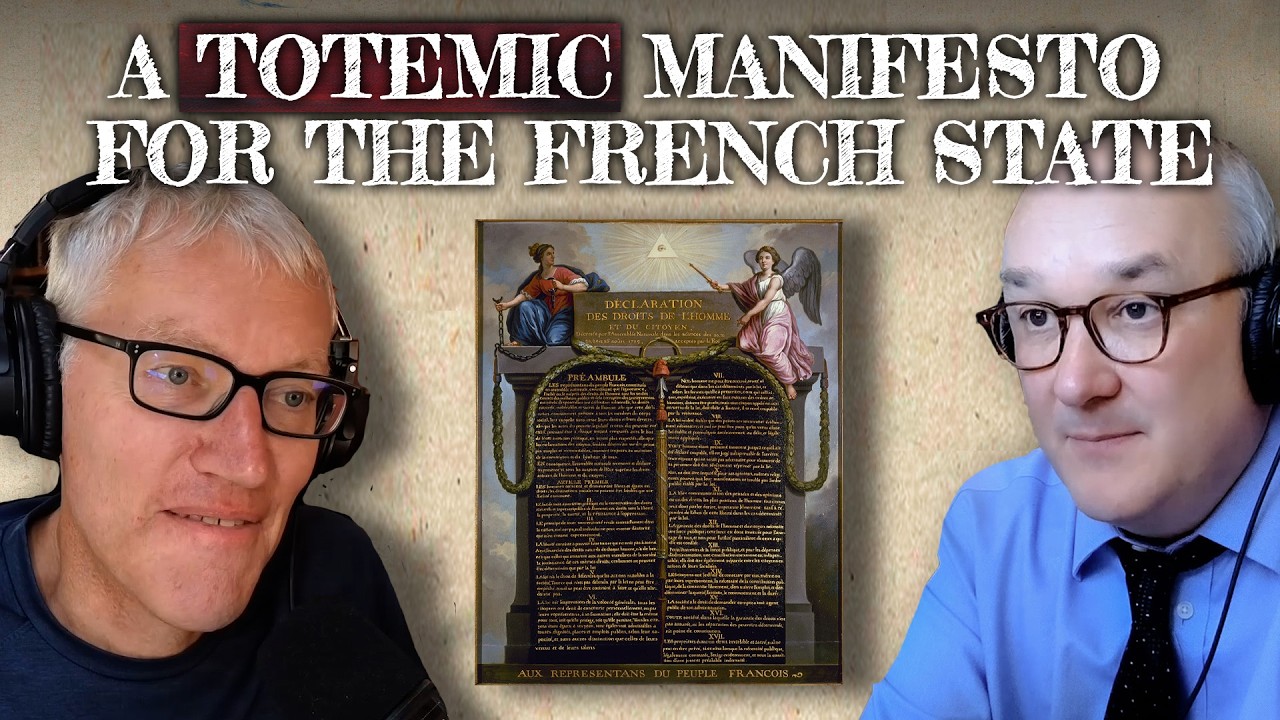
[Music] so this is one of the great questions in the historiography of the origins of the revolution and on first sight it seems kind of obvious and it seems to make a lot of sense you have this big intellectual movement in the 17th and 18th centuries the enlightenment which seems to challenge traditional ideas about a lot of things and then right at the end in 1789 you have the french revolution which is one of the biggest challenges to traditional authorities in all of political history so it's quite reasonable to assume that there must be some
kind of connection between these two things but i'm not sure it's really that simple we sometimes have a tendency to think that just because a radical new book was published people's opinions change with it but of course that's not always the case not everybody was reading these books that were published in the enlightenment and didn't necessarily agree with what was published now the enlightenment's a time when many great books are published rousseau's social contract adam smith's wealth of nations mary wollstonecrafts vindication of the rights of woman but that doesn't mean that everybody was suddenly walking
around in the street saying that they agree with rousseau or smith and wollstonecraft so we really have to dig a bit deeper if you want to understand the connection between these two events and there's a couple of limitations in thinking that the enlightenment is a cause of the revolution the first might be well how many people were literate in france before the revolution perhaps about 47 percent of men and about a quarter of women were literate so there's a limit to how much people are actually able to actively engage with the enlightenment because they can't
actually read the books that are on offer a second limitation in thinking this way is that the enlightenment was a european movement it was happening everywhere from scotland to germany but the revolution only happens in france so obviously there has to be something a little bit more complicated going on now one explanation for this might be well the french enlightenment was more radical and there's certainly some truth to that whether it's in terms of advocating for individual liberty or challenging religious authority there are some ways that we can say yes the french enlightenment was a
bit more radical than enlightenment in the rest of europe but another way of coming at this question i would suggest and one which historians over the past 20 or 30 years have become increasingly attracted to is to think of the enlightenment less as a package of ideas and more as a kind of cultural change so okay maybe people weren't reading voltaire but people were reading in ever greater numbers and they were reading different sorts of books and they were reading in new ways and this is what the french historian roger shattier calls a new mode
of reading people were reading critically they weren't relying on traditional authorities like their priest to tell them what to think they were increasingly engaging with ideas in a new way even if they weren't actually reading the famous books of the enlightenment secondly even if people weren't reading the big books of say volterra rousseau they were reading new and different things an increasingly broad diet of books that was entering the market in france in the 18th century and while these books might not have been kind of complex philosophical considerations of government they did change people's political
opinions and one of the ways that they did this was through satire pornography attacks on people like the king and queen and the pope and this changes people's attitudes towards their these authorities because they're reading books that increasingly treat these people not as kind of sacred figures that are beyond criticism but as humans who are flawed and who can be mocked and who can be thought about in new ways and this is a process that we call de-sanctification that's going on and it happens again not because people are necessarily reading the big books of the
enlightenment but because they are reading many new and different sorts of books during the enlightenment and so what this all means really is that yes we might think of the enlightenment as creating a world where the french revolution was possible but the way that it did this wasn't just through the ideas that enlightenment philosophers put out but through the new culture that was created by the enlightenment a culture of people taking a critical stance towards the world that they lived in and believing in the authority of public opinion to judge those in power you



![The FRENCH REVOLUTION, Explained [AP Euro Review—Unit 5 Topic 4]](https://img.youtube.com/vi/nkfUZeBiGtI/maxresdefault.jpg)