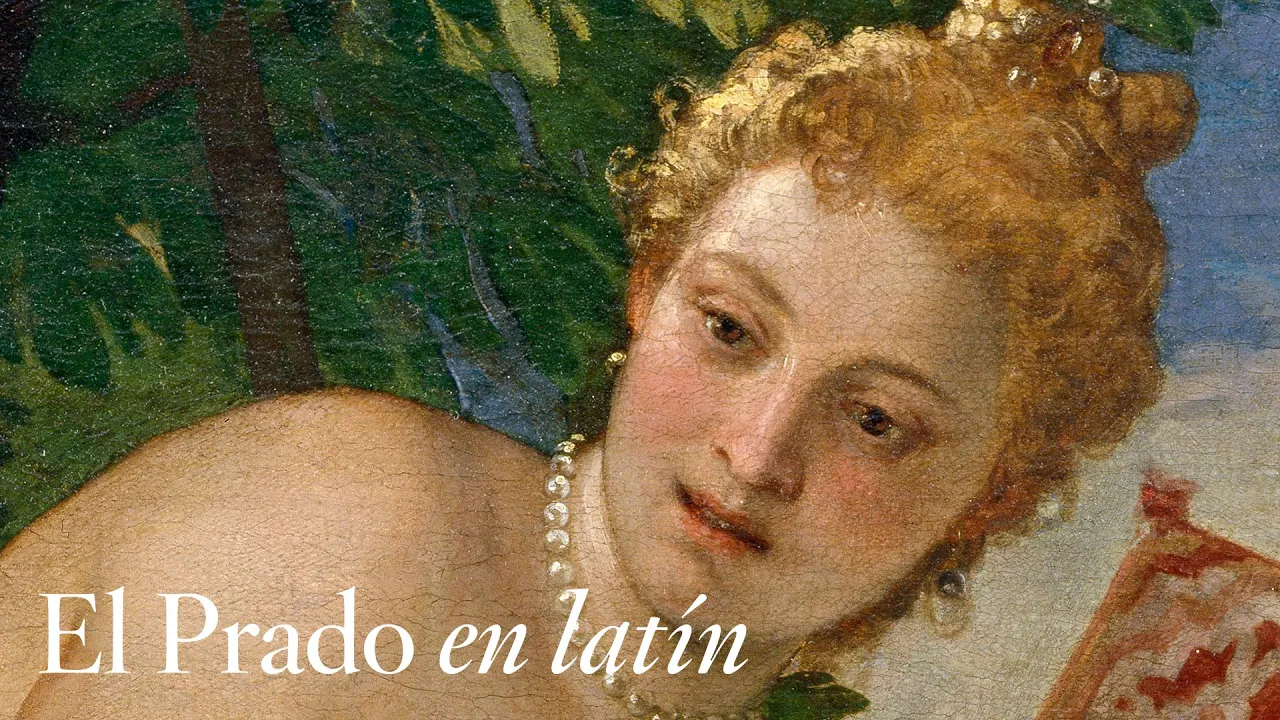
The Prado is currently exhibiting nearly thirty paintings relating to Greek and Roman mythological tales. Most of these works were painted in the Renaissance and through them we can see how these modern artists established a link with antiquity, with our ancestors, and how they interpreted their ways of thinking and perceiving reality. We’re told that all the paintings are associated with love, for which reason they’ve been grouped together with the name “Mythological Passions”.
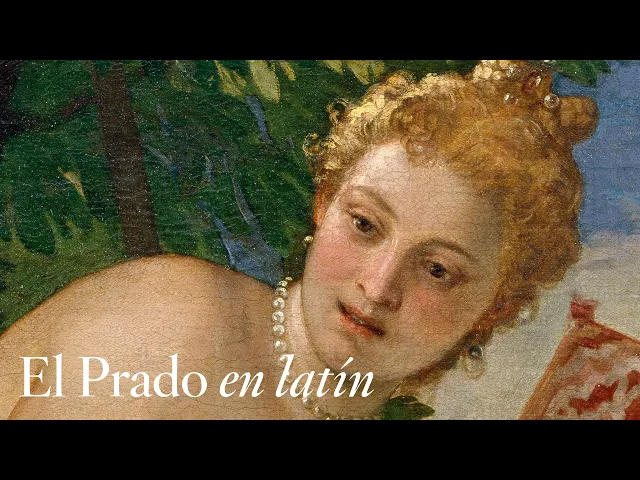
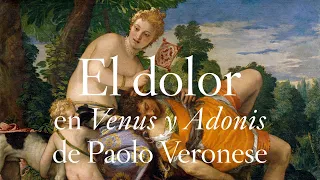
And certainly neither the name nor the title seem to have been chosen without reason in a random manner as for us the words love and passion are always or nearly always popular words and have a positive sense, but in contrast in antiquity the passions could have a negative or a positive origin and in the same way could cause good or bad things. And while love represents a compassionate concern for the “other” which may make people achieve goodness, on other occasions it’s madness, it’s a mental sickness, it’s an ungovernable emotion that ruins people and makes them worse. Here we have Venus and Adonis.
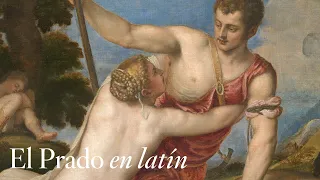
Everything seems very pleasant between them. Their love is tranquil and pleasurable and the two lovers seem united and bound by a harmonious yoke and there seems to be mutual feeling and passion between them. However, if we think about the origin of Adonis then love becomes a dangerous emotion, an unmentionable and unhappy emotion from which this youth was born.
Nonetheless, this ill-conceived youth ad an admirable face, he was the handsomest of all, to the point of even pleasing the goddess Venus. One day while kissing her son she was scratched by his arrows and was suddenly captivated by the youth’s beauty so that she abandoned her coasts and ceased to dwell in the heavens. And she, who had been used to living at ease without any effort at all, now devoted herself to roaming the fields and forests and urging on her lover’s dogs to find their prey.
She supported Adonis, accompanied Adonis and put Adonis before all other things. This scene comes from book X of Ovid’s Metamorphoses and in it the lovers, tired by the labours of the hunt, reach a poplar tree that pampers them with its welcome shade and offers them a bed. And it’s interesting that in Ovid it’s Venus who lies her head in the youth’s lap and rests while kissing him and speaking to him.
But in Veronese’s painting Venus occupies a superior position cas if it were impossible that Adonis would not be bound and subject to someone possessed of such great force. In this scene the goddess tries to warn Adonis, just in case her warning might have any effect, that he shouldn’t be rash, he should be careful with the wild beasts, he shouldn’t continue hunting. In some way she senses and foresees the misfortune that’s about to happen and that death is awaiting her lover.
And Ovid gives us one of those phrases that we call “golden”. The goddess says that “bravery is unsafe when faced with the brave”. Nonetheless, the youth’s bravery conflicted with the goddess’s advice yand he carried on hunting, chasing the beasts, and what finally happened was that a ferocious boar sunk its tusk deep into the youth’s groin and left him dead on the ground.