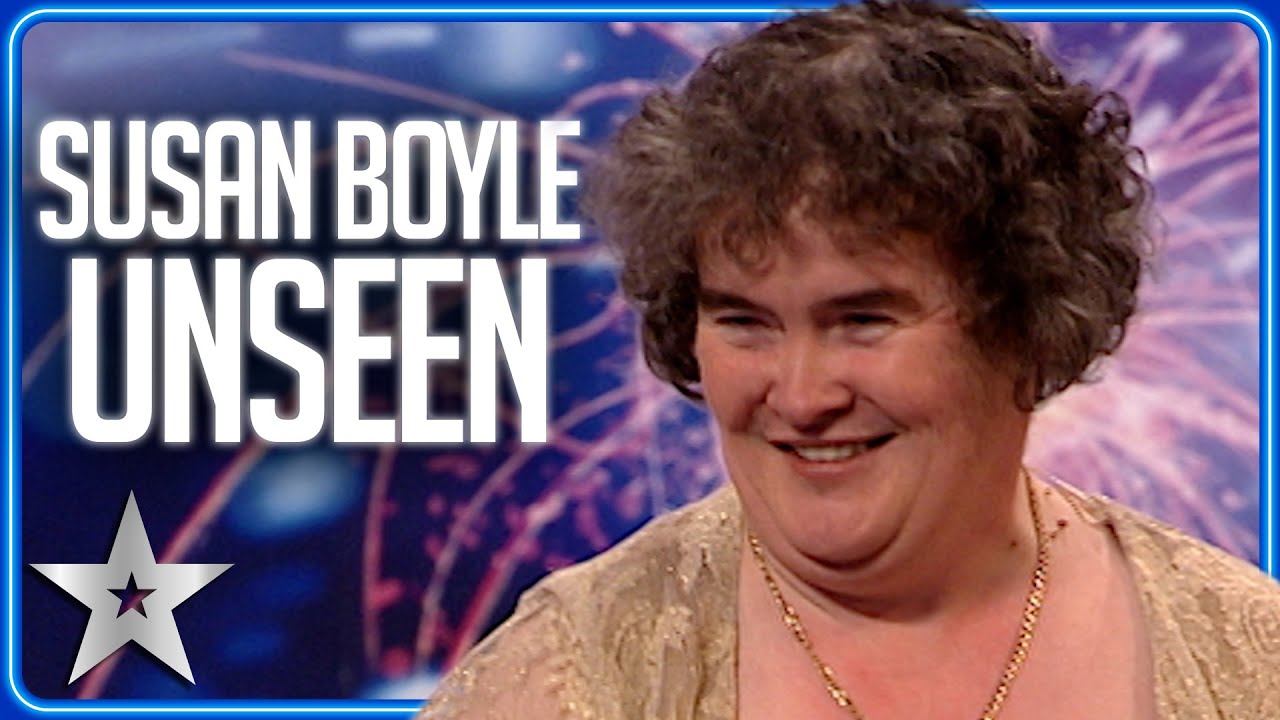
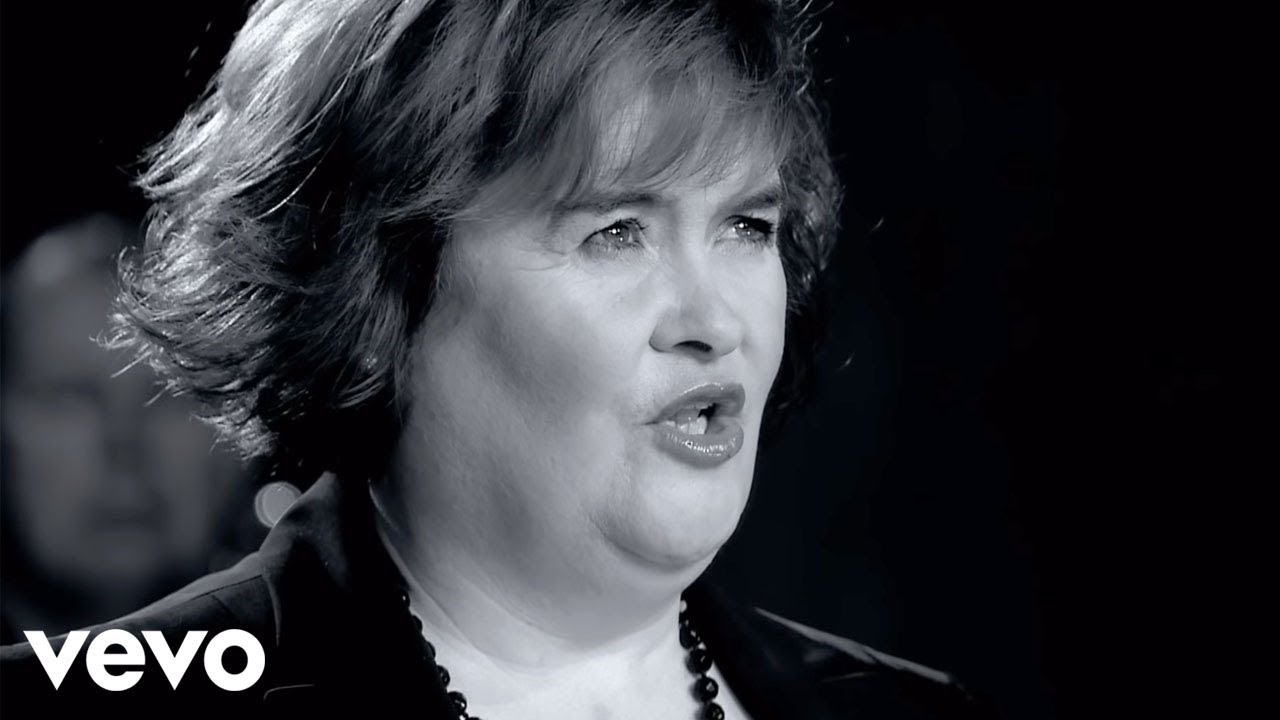
Susan Boyle's surprising ascent started with an impressive performance on Britain's Got Talent, enthralling viewers globally. Her commanding vocals propelled her to victory in America's Got Talent: The Champions and helped her accumulate more than $45 million. Despite her substantial achievements, Susan opted to withdraw from the spotlight, preferring a more secluded existence.
But did you catch the latest about Susan Boyle? Join us as we explore the unexpected and pressing motives for her abrupt departure from public eye. Susan Boyle exemplifies why appearances should never define our judgments.
Born on April 1, 1961, in Blackburn, Scotland, she was the youngest of eleven children. Her father, Patrick Boyle, a miner with a passion for singing, and her mother, Bridget Boyle, a shorthand typist, raised her in a modest household in West Lothian, Scotland, where she resides to this day. Growing up, Susan sought solace and joy in music, as she found academic life challenging.
Feeling isolated and struggling in school, she discovered happiness in vocal expression, performing in her church choir and local talent contests. Her mother, recognizing Susan's deep passion for singing, urged her to audition for Britain’s Got Talent. Initially hesitant due to her age when the show debuted in 2004, Susan reconsidered and decided to audition in 2008 after her mother's death in 2007, taking a significant step by trying out in Glasgow.
Her performance of "I Dramed a Dram" from Les Misérables stunned both the audience and judges, earning a standing ovation and instantly transforming her life. Her emotive rendition challenged people’s initial perceptions based on her appearance and background, garnering support from celebrities like Demi Moore and Ashton Kutcher, and making her audition one of the most viewed on YouTube at that time. Yet, this was not the toughest part of her path.
Though she didn’t clinch the title, finishing second, her career skyrocketed. Susan toured with her fellow participants and promptly began producing her first album. Released in November 2009, it set records as the fastest-selling debut album by a female artist worldwide, selling over two million copies in its first week.
Susan's path to stardom was fraught with obstacles. As the youngest in a large family, her birth posed challenges, including a brief deprivation of oxygen that contributed to her learning disabilities. School proved to be a particularly harsh environment.
She endured relentless bullying from peers and teachers alike, which severely impacted her education and overall childhood experience. Teachers were often severe, and her peers mockingly nicknamed her “Susie Simple,” making her school years extremely tough. Yet, performing on Britain’s Got Talent was more than a mere competition for Susan—it was her moment to silence doubters.
Her remarkable performance served as a powerful rebuttal to those who had underestimated her and scorned her aspirations. This triumph resounded in her song “You’ll See,” which served as a declaration of her resilience and success against those who had underestimated her. In 2011, Susan Boyle shared a painful part of her childhood, disclosing her battles with epilepsy and an undiagnosed learning disorder.
While medical professionals recognized her conditions, her family and educators struggled to properly manage her epilepsy, exacerbating her difficulties. Notably, epilepsy is not uncommon in the artistic community; well-known figures such as Sir Elton John and Neil Young also experience it. However, for Susan, inadequate care aggravated her situation significantly.
Throughout her schooling, Susan's seizures became fodder for harsh ridicule from her peers. She would occasionally pass out in class, and upon regaining consciousness, she would find herself the target of mockery. At home, her parents' inconsistent handling of her epilepsy—sometimes overprotective, sometimes neglectful—left her unsupported.
Her father dismissively referred to her as "touchy" when she sought help, intensifying her feelings of isolation. Yet, this wasn't the deepest sorrow in Susan’s younger years. Many mistakenly believed her seizures were merely symptoms of her learning challenges.
This crucial misunderstanding deprived her of the necessary medical interventions for her epilepsy. Consequently, Susan completed her education with minimal qualifications, severely limiting her employment prospects. Despite numerous job applications, her lack of formal education and unrecognized learning disability led to frequent rejections.
She briefly worked as a trainee cook at West Lothian College, a position that lasted just six months before she cycled through various government training programs without securing stable employment or reliable income. Despite these adversities, Susan discovered joy in singing at local venues, the sole outlet for her musical aspirations until a personal tragedy motivated her to chase a seemingly impossible dream. Raised with values of forgiveness and selflessness, she led a modest existence and famously declared during her Britain’s Got Talent audition that she had "never been kissed," highlighting her principled lifestyle.
After her father’s death, Susan was left to care for their aging mother alone as her siblings moved out. Her only constant companion during this time was her ten-year-old cat, Pebbles. Even after achieving fame and accumulating wealth, she chose to remain in her childhood home, appreciating the simplicity of her former life.
Following her mother Bridget’s death, Susan withdrew from the world, isolating herself and avoiding contact with others for several days. However, Susan’s life continued in its quiet and devout manner. As a committed Roman Catholic, she kept active in her church choir and volunteered to visit the elderly in her community.
Before fame, she described her life as unremarkable and routine during a 2010 interview on "The Oprah Winfrey Show," and in a 2013 BBC interview, she disclosed her diagnosis of Asperger’s syndrome, adding another layer to her complex personal narrative. In a November 2012 interview, asked about online dating, Susan humorously contemplated the risky outcomes of such adventures. By July 2013, she endorsed the Better Together campaign for the 2014 Scottish Independence referendum, expressing pride in her Scottish heritage but clarifying that she did not consider herself a nationalist and favored unity.
Furthermore, Susan maintains a sober lifestyle and manages type two diabetes, diagnosed in June 2013. Her story is one of resilience and optimism, navigating through both personal and health challenges with strength and a positive spirit. However, as this phase of her existence concluded, unbeknownst to all, more formidable obstacles were on the horizon for her.
Unexpected Romance and Health Battle In November 2014, it was revealed that Susan Boyle was in a romantic relationship with a man who claimed to be her first boyfriend, much to the surprise of her fans given their similar ages. Fast forward to 2022, Susan encountered a significant health issue when she experienced a minor stroke. She openly discussed this incident in June 2023 following a performance on Britain's Got Talent, sparking further curiosity about her choice to continue residing in her childhood home despite her widespread fame and accomplishments.
Susan Boyle's narrative is marked by profound transformation. Originating from modest beginnings, she was initially underestimated due to her simple style and unassuming demeanor. Her audition for Britain's Got Talent, however, showcased her exceptional vocal talent, immediately silencing skeptics and changing her life forever.
The stark contrast between her earlier struggles with bullying and the acclaim she received on stage was dramatic. Her audition video went viral, amassing over 100 million views within a week, and even her earlier rendition of "Cry Me a River" from 1999 gained newfound popularity online. Yet, this was not her most formidable challenge.
Throughout the competition, Susan contended with illness and fatigue, but her resolve remained unshaken. She finished as the runner-up to the dance group Diversity, but the real triumph was her courage to perform. Her passionate performances and resilience encouraged many, including policymakers, to reconsider the value of pursuing dreams at any age.
Her debut album, "I Dramed a Dram," released in November 2009, was a monumental success. It shattered sales records, becoming one of the fastest-selling debut albums by a female artist and selling over two million copies globally in its first week alone. In the UK, it set a new precedent as the most pre-ordered album on Amazon.
It was later acknowledged as the world's best-selling album of that year, with Billboard highlighting its unprecedented first-week sales, a record not seen since the early 1990s. However, this was not the zenith of Susan's achievements. Following her debut, she secured several Guinness World Records, including for the fastest-selling debut album by a female artist and the highest first-week sales.
She also became the oldest person to achieve a number one debut album in the UK. Her compelling voice and personal story deeply resonated in the United States, where she received a warm welcome on programs like America's Got Talent. The era when Susan was undervalued had passed.
She wholeheartedly embraced her new circumstances, steering her own narrative and savoring every moment of her success. Following the triumph of "I Dramed a Dram," she released several more albums: "The Gift" in 2010, "Someone to Watch Over Me" in 2011, "Standing Ovation: The Greatest Songs from the Stage" in 2012, "Hope" in 2014, and "A Wonderful World" in 2016. Despite her global success, Susan remained true to her roots.
Her decision to remain in her childhood home is a testament to her character. With the capability to live anywhere, she chose to stay connected to her origins, valuing the simplicity and familiarity of her upbringing. This choice speaks volumes about her attachment to her birthplace and the uncomplicated life she cherishes.
After dedicating many years to her musical career, Susan Boyle made the decision to temporarily step away from the industry. Facing aging and ongoing health challenges, she recognized the need to prioritize her well-being over her professional commitments. This hiatus sparked speculation among her audience, with many wondering if she had sung her last note.
However, in a delightful turn of events, Susan returned in 2019 with a new album titled "10," commemorating a decade of her extraordinary contributions to music. This compilation featured some of her most memorable tracks and demonstrated her enduring influence in the music scene. Despite this achievement, there was an underlying tone of melancholy.
Her devoted followers perceived a difference in her demeanor, attributing it to her health struggles. With a wealth of talent and experience still within her, Susan chose to withdraw from public view to lead a more tranquil life. Yet, Susan's decision to retreat from the limelight was not merely an escape from fame.
Her narrative is profoundly heartfelt, more than it may appear on the surface. She once expressed great joy in creating her album and hoped it would resonate deeply with her listeners. For those who thought they fully understood Susan Boyle's career, a closer examination of her personal battles and triumphs might fundamentally alter their perspective.
Susan's celebrity status was cemented following her appearance on "Britain's Got Talent," which introduced her to audiences worldwide. However, the relentless schedule that ensued — filled with continuous rehearsals, pervasive media scrutiny, and the constant demand to maintain a flawless appearance — gradually took its toll on her. Despite widespread adoration, not securing the top spot in the contest, coupled with incessant scrutiny and criticism, proved extremely difficult to manage.
But the most challenging times were still ahead. Following the conclusion of the show, Susan's health deteriorated to the point that immediate hospitalization was necessary. It became public that she had suffered a significant emotional and physical collapse.
The immense pressure from her participation in the show, compounded by inadequate support during the crucial final voting, overwhelmed her completely. Incidents were reported where she clashed with a staff member, underscoring the intense stress she was under. On the same evening, concerned behaviors exhibited at her residence in London prompted her staff to contact the police, leading to her subsequent admission to a mental health care facility.
The news of her breakdown rapidly became a topic of public discourse, igniting a debate on whether reality TV shows like "Britain's Got Talent" prioritize ratings over the welfare of their participants. It was disclosed that the production team had neglected Susan's mental and physical health leading up to the finale, sparking discussions about the possibility of an Ofcom investigation into the show's practices. Although no formal inquiry was pursued, the ordeal was a profound learning experience for Susan, underscoring the importance of maintaining health alongside her career.
Yet, just as we believed we understood her completely, an unexpected discovery surfaced, illuminating her battles and enduring spirit. A Misunderstood Mind In 2013, a pivotal moment unfolded in Susan Boyle's life as she received a diagnosis of Asperger's syndrome, an autism spectrum disorder, after years of being mislabeled as having brain damage due to a birth complication. This revelation provided both a sense of relief and a tinge of sadness—relief in finally understanding the underlying cause of her lifelong challenges, and sadness from the years spent living under an inaccurate label.
This diagnosis marked a transformative point for Susan, illuminating her past struggles in a different light and initiating a path towards appropriate support and understanding. Reflecting on her school experiences, Susan recalled always feeling out of place and disadvantaged, struggling academically and socially, which contributed to a pervasive sense of isolation. The formal diagnosis gave a name and context to her struggles, alleviating personal blame and reshaping her self-perception.
In a heartfelt interview with The Guardian, Susan expressed the deep pain caused by the incorrect "brain-damaged" label and shared her hopes that her openness would foster greater empathy and understanding towards individuals with neurological conditions. However, the challenges didn't cease with this diagnosis. That same year, Susan was also diagnosed with type 2 diabetes, necessitating significant lifestyle adjustments, including relinquishing her beloved chocolate.
Managing diabetes proved demanding, more so as she grappled with her new understanding of her neurological condition. The arrival of the COVID-19 pandemic further complicated her life. For over two years, necessary isolation to safeguard her health meant a halt to her music career, preventing collaboration and new music production, significantly setting back her professional endeavors.
Yet, personal adversities also mounted during this period. In 2010, after purchasing a new home with her earnings, Susan faced harassment from local vandals who attacked her property. This hostility forced her to abandon her new home and return to her childhood residence, subsequently passing the new house to her niece.
During this tumultuous time, she also mourned the loss of her sister Bridey, a stalwart support, who died of cancer at age 73, deepening Susan's emotional and caregiving burdens. Family tensions escalated as well, particularly after Susan financially assisted her brother Jerry to rescue his business, a gesture that inadvertently stirred feelings of neglect among other siblings. The situation deteriorated when Jerry publicly accused Susan of lying about his suicidal threats, straining their relationship further.
Nonetheless, a ray of hope emerged from adversity when a public breakdown at Heathrow Airport in 2016 unexpectedly catalyzed a reconciliation with her siblings, fostering familial healing. Despite ongoing health challenges, including a minor stroke in May 2022 that complicated her ability to pursue music, Susan bravely returned to perform with the West End cast of Les Misérables, openly sharing her trials and achievements. Susan's musical passion continues to burn brightly, albeit as she now opts for a more secluded lifestyle.
Recently, she voiced one of her profound regrets—never having children. Nevertheless, she finds happiness in a private relationship with an American, whose identity she keeps out of the public eye, but who supports her during significant life moments. Through every hardship and triumph, Susan Boyle demonstrates remarkable resilience.
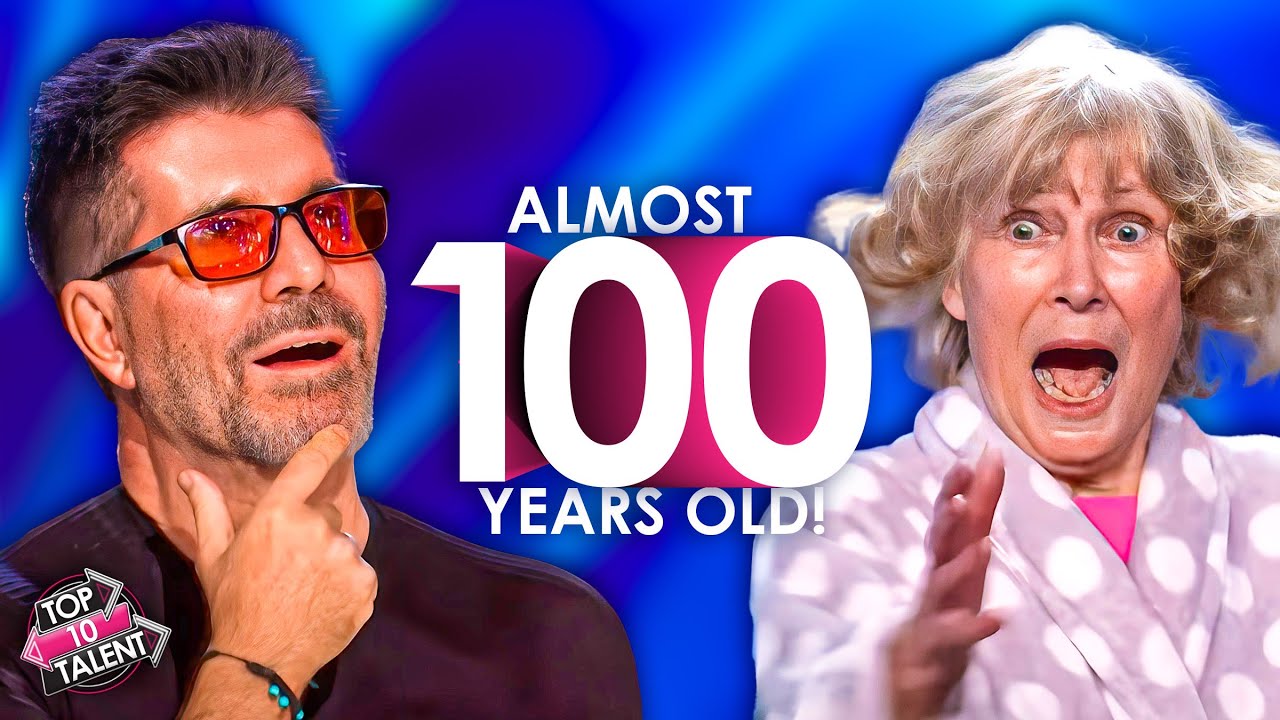
Her narrative transcends her musical accomplishments, highlighting her enduring strength and commitment to her values in the face of life's numerous challenges. Her journey powerfully underscores the indomitable spirit of the human will. Next, let's see how Simon thinks about Susan and her angelic charisma.
From a Stern Judge to the Number 1 Fan Simon Cowell talked about Susan Boyle's surprising journey to fame, highlighting how different she is from others who become famous without much talent. He pointed out that many people in the entertainment world are known more for their presence than for any real skill. But Susan stands out as someone who didn’t chase fame; she just wanted to share her singing with the world.
Simon remembered her first audition clearly. It had been a long day with many performances that didn’t leave much of an impression. Simon was tired, not in the best mood, and wasn’t expecting anything special from the next person on stage.
When Susan walked out, her awkwardness made him think she might be just another forgettable act. The audience didn’t seem very interested either, and Simon braced himself for what he thought would be a brief, unremarkable performance. But the moment Susan started singing, everything changed.
Her voice was so rich and clear that it immediately grabbed everyone's attention. Simon's initial doubts quickly turned into amazement. It was a powerful reminder that incredible talent can come from the most unexpected places.
This moment wasn’t just significant in the audition room—it quickly spread across the world. When her audition was aired, it became an instant sensation. Simon was in Los Angeles at the time and noticed that Susan’s performance was on every TV channel.
Everyone was talking about her. She went from being a relatively unknown woman from a small Scottish village to an international star almost overnight. People everywhere were captivated by her voice and her story.
As Simon reflected on her sudden fame, he recalled how it affected her deeply. There were stories about how she struggled to adjust to her new life, including a moment in New York where she appeared overwhelmed. However, these weren’t signs of a breakdown; they were moments of realization for Susan—realizing just how much people loved her, especially in the United States.
In fact, some fans even made a quilt for her, which touched her deeply, showing the strong bond she had created with her audience. Despite the sudden pressures, Susan managed to handle her rise to fame with grace. This experience showed not only the power of true talent but also the intense personal changes that come with becoming famous.
Simon expressed his admiration for the way her career unfolded, noting that no one could have predicted how big of an impact she would have on the music industry and on people all over the world. But this wasn’t just a story about an unexpected audition or quick fame. Simon concluded that Susan’s journey was really about her authenticity and resilience.
Her transition from a quiet life to global recognition was a testament to her strength and to the universal appeal of genuine talent. As her story continues, it serves as a powerful example of how music can touch people deeply and how it can completely change someone’s life. What do you think: Was Susan's rapid rise to fame more beneficial or harmful to her personal well-being?
Like, leave your comments below, and don't forget to subscribe for more discussions like this.