We would split test every video, not on the page that we were gonna post it on. We would actually run Facebook ads, dark posts on other pages, and I would put about five, $6 on each variation. So if I'm gonna shoot a video, I'm either shooting three or four different hooks, different opening shots. 'cause I may think the flash forward of the guy getting the shaving cream in the face. Is, is the opening shot, but it's also a payoff. It is that too much. Do people care? I would test that hook versus getting right into
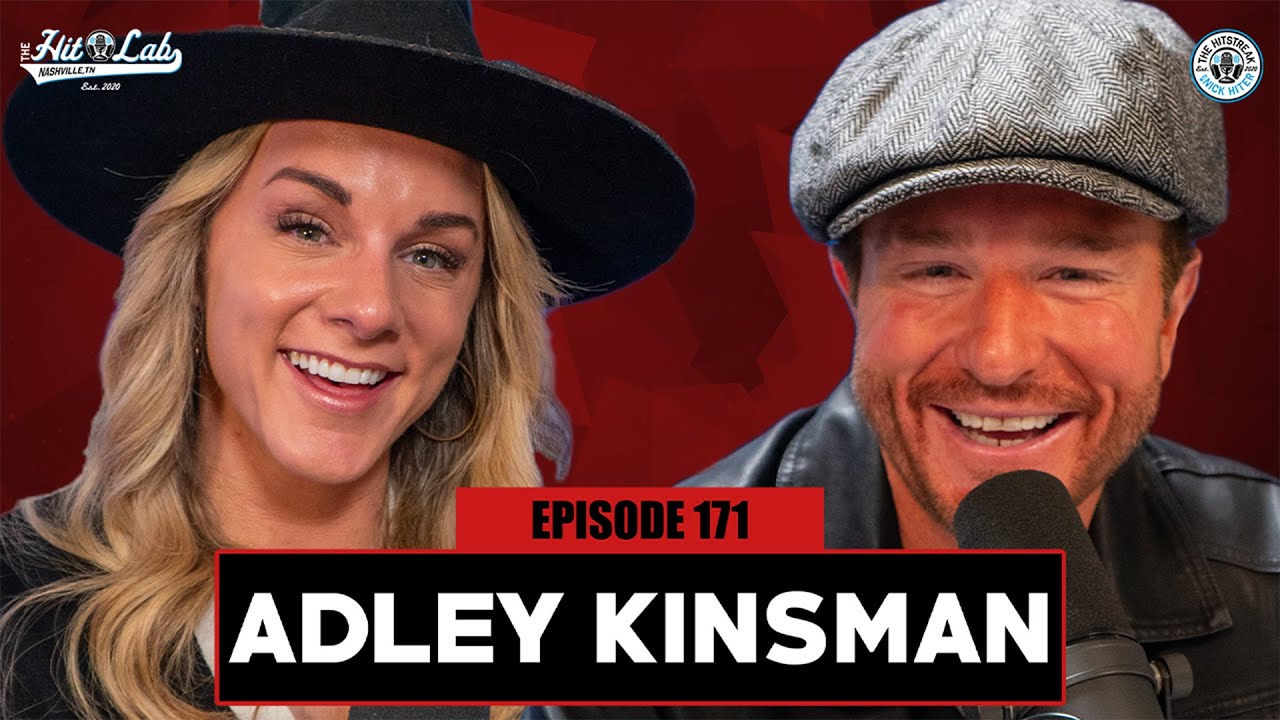
it. I would test the opening shots and I would test different links on my video. Is it better as a 32nd video or a 62nd video? Today, I am very excited to be joined by Adley Kinsman. If you don't know who Adley is, she is a viral video strategist who specializes in helping brands and celebrities go viral. Her course is called The Billion View Formula, and it's designed to help creators and entrepreneurs leverage viral video. Adley, welcome to the show. How you doing today? Hey Michael, I'm so happy to be here. I'm super excited that
you're here today. Adley and I are gonna share a proven method to creating viral organic videos. Now, before we get started, we need to hear your story. How in the world did you get into video? Start wherever you wanna start. Oh Man. I love this question because obviously not everybody just comes outta the womb as a viral video scientist, engineer, whatever you wanna call It. I don't know of anyone having Done that. We all get where we, where we are somehow or another. Um, and I bet like many other people's stories is something, uh, I
fell into. Um, but I, there is a larger backstory here, but I'll start with the one that I think matters to most of you, uh, which is really begins during Covid. I was making videos for a long time. Um, you know, I was vlogging for like 13 people that cared for a year, but I just loved it coming from a musical background. I was on the voice before that And it was very first. Really? What season? Season two. Whoa, that's way back. Okay. If you are new to me, please, for the love of God, do
not go look up that episode. It is like watching an or asking an artist to see the very first picture they ever painted. I have to ask who judging by that it's Horrible. Was who were the judges? Was Ceelo Green one of 'em or who was it? Do you remember? Yes, it was slo, it was Christina Aguilera. It was Adam and it was Blake and I. Okay. Christina and Blake turned around and I ended up on Team Blake. Oh, sweet. Okay. Keep going with the story. That's so cool. So that, that's what moved me to
Nashville and got me into the field of entertainment. Spent the next eight years in entertainment touring. Uh, was songwriting down on Music Row, had an office on music row. But overall, like the theme Of it was being really frustrated by a suit behind a desk, like waiting to give me permission to be successful, to entertain people, and if it was all on somebody else's terms. Um, and like anybody with an entrepreneurial spirit, when you know that you're good at something and you're just having to sit back and and wait, it's very frustrating. And to be
honest, I was always more interested and more fired up by how to market the music that I was making than I ever was by making it. Mm-hmm. I was like, what good is it sitting on my phone Or on my computer if no one ever hears it? Right. So that's what I tried to really focus on and got really fired up by really unique ways to get people to hear what I was up to. And, uh, so I was making videos even while I was touring with Blake Shelton. We went out on a mid-size stadium
tour, like played Penn State Stadium, Iowa University. We were just playing all these college football stadiums and started making videos on the road. And in a nutshell, this is such a nutshell, but I put chickens in a bathtub one night And did a hundred thou, I gained a hundred thousand followers in 24 hours, and I did 19 million views. And that is when the light bulb went off for me of, wow, this is how I can get in front of millions of people with an authentic, my authentic story and a point of relatability, and then
I can just turn on a camera and I can actually get paid for it and I can entertain on my own terms. Holy crap. And that was really the light bulb for me that got me into making videos. And then I started, you know, just trying to do it over and over again and learned this different side of storytelling and maybe the musical songwriting background helped. Um, I'm sure that it did. But this felt like storytelling with no parameters and no rules. And I could reiterate, um, and continue to do test new messaging. I mean,
I could do 18 videos a day, right. And I taught myself editing and all these different things. Um, but I was averaging around 20 18, 20 19, We were averaging about 20 million views a week. Wow. Which I was blown away by. It was five years of like, nobody watching, nobody caring, but me just loving it and saying, gimme enough time and I will crack this code. I don't know when, I don't know God's timing, but I love it enough and I have a passion enough for it that I'm going to figure it out. And
then it was probably about the five year mark around when Covid hit and, you know, everybody Was just at home sitting on their phones. And we went from averaging 20 million views a week to over 200 million views a week. Okay. It was over a billion views a month. And we've sustained a billion views a month in organic content of all different niches, all different styles since 2020 going on five years now. Wow. Okay. So bring us up to what you're doing now. Like, um, wonderful stories. So now what are you doing with all these
things that you've learned? So now, never meant to start a company, But it's happened to us and I've had to learn so many new skill sets. Um, but we have a company called Ish, and there's really three different divisions of ish OG ish is if you're watching on video, what you can see behind me, we have about seven gold plaques from YouTube, which is channels that owe over a million subscribers. We have about 37 million owned subscribers that we built from the ground up cross platform. We syndicate to about 75 to a hundred million plus
followers every single day. And that's how we're continuing to create and distribute over a billion organic views a month. So that's kind of OG is creation and distribution creator management. Um, and then, you know what, like, I mean, how do I scale this? I can't just wake up and make 18 videos a day anymore. You know, what if I get sick? What, what if I wanna take a vacation? And so we started training more creators how to do this once it became so formulaic for us. And I'm really excited to break this down for you
guys Because we use the same formula no matter what video we are creating. I don't care if it's an ad for Land Rover, a video for Charmin, if we're staging a Karen on an airplane, crazy things caught on ring camera or I'm just pranking my husband. The same formula works for all of them. So once we established that, we, I wanted to train more people how to do this because once you change your own life, it really is natural human behavior to wanna turn around and show everybody else how to do this Because it's not
fun to win alone. So we taught all of our friends and family how to do it. Everybody makes videos full-time still to this day, uh, which feels really great. But we started making these videos, started educating people, and then as I'm sure you understand, it gets very tiring training one-on-one or one-on three. I did that for a couple years and I didn't wanna put it all into a course like everybody was telling me to. 'cause I was really afraid, Michael, Of becoming like this guru who just sells information even though we had, we were so
credentialed in it. Um, but I didn't want to be seen that way. But I got tired enough and enough people got in my ear, they were like, Adly, just pack, teach it one time, package it up, and now you can scale it to, you could be a viral creator anywhere, right? You can have viral creators all over the world. And so that was, that was attractive enough. And I was tired enough to where I was like, all right, I'm gonna do it. Uh, so we put, we packaged this into a remote training program for creators.
Well, when we started running ads, it attracted 95% business owners. So I'm like, oh crap. Like this is a totally different avatar than who I made it for. But all these, you know, boring businesses or even big businesses, they need to know how to story tell on social media too. So we've continued to adapt it. We have a, we have our Pro billion view course, We have our training program, a recurring program. We have my mastermind, and then we have all these brands coming to us, some I mentioned earlier, uh, first form, which I'm drinking
right now, being one of them. And we'll guarantee, for example, first form 10 million views a month, minimum baseline. I mean, viral is viral, right? So, but at least 10 million views a month integrating largely their energy drinks into viral content and viral communities at scale. So that's our done for you. We only take on about eight of those clients a year because we're still a very small lean team. But that's a, a good example of viral in our flywheel for attention solutions for brands and creators. All right. This is amazing and I am super
excited that you got a chance to share that amazing story. Now, I wanna ask an important question. Why should marketers 'cause most people listening to the show, we've got entrepreneurs and creators, but mm-hmm. Most of them identify as marketers. Why should they be creating organic viral videos? You know, because maybe that's not their ideal target audience, right? So talk to me a little bit about why that's so important. 100%. Well, lemme just ask you this. If I offered you one free billboard with your brand or your face on it in Nashville, or I offered you
100 free billboards in Nashville, which one are you gonna choose? Which brand is gonna get the most awareness, visibility, and leads? The hundred, The 100 billboards. Right? And so if you are gonna make content anyways, what we teach people is listen, try these tips. They are tried and true and tested. We have produced thousands and thousands and thousands of viral videos. We use the same formula for all of them. I'm not saying the tips I'm gonna show you today are going to make every video instantly go viral, but I am telling you it will significantly
increase your batting average. And it's not just about creating viral videos, it's about creating more compelling content awareness. If we can get more awareness for a brand more awareness and attention equals leads, equals sales. And so the more organic content you can make and the better you can make it, you're gonna be able to test your messaging and you're gonna iterate at scale and with speed in front of thousands and thousands and thousands of people. Um, so we just help you at our core become better storytellers. Well, and I also think there's another angle here
that a lot of people don't consider, which is brand awareness, right? So maybe your video goes viral and um, your sister or your mother or your daughter sees the video, right? But they might know somebody who might want that product, right? And that is kind of like, Hey, I remember so and so telling me about this thing, right? And then all of a sudden there, there's a basic marketing principle that most everybody understands. People buy products from those whom they know first, it's whom they know, right? And then they like, and then they trust. So
if they know or someone knows of that brand because it was somehow in a video that went viral, it's going to radically increase the likelihood they're gonna wanna do business with them. Would you agree? Uh, that's so well said. Absolutely. And a lot of people are, I'm a little bit controversial in my stance that everybody's saying you need to call out your avatar in the first seven seconds. Like speak directly to your very, very niche audience. And I really swing the other way. There is a place for middle And bottom of the funnel content where
you are just niched down right away. Sure. But I'm gonna say, I mean, 60% plus of your content or more should be top of funnel content because I'm, I'm not a mom, I don't have kids yet, but when mom content goes really, really wide top of funnel and makes a widely relatable piece of content, it ends up in my algorithm. I'm, to your point, I'm sending it to all the other moms in my life. Like, holy crap, this just came up my feed. You would love this. This is so funny. Or this is great. Wow.
Johnny would love this, right? I'm sending it to those moms. And algorithmically what that does for you, even if you're talking to it, gets served to somebody who's not your core audience. Shares are so heavily weighted right now in the distribution of the algorithm shares and helping, and especially what the ones that come from hitting explore, it's gonna help you find more lookalike audiences. So really what we help people do is get really great at their top of funnel awareness content, because I don't need to tell you this And I probably don't even need to
tell the other marketers that are listening to this. You already know that we are in the greatest wave of free advertising that the world has ever seen. So if you're gonna make 30 pieces of content a month, or if you're gonna make three, use these tips we're gonna get into today to help 10 x your reach out of the gate. I don't even care if you use three of the probably 15 we're gonna talk about. Right? If you get the other half of them, like this is gonna be head knowledge today. The other side of
that is execution. But if you get your reps in and start executing on some of these, there's no way you're not gonna see a difference. I, I haven't seen it yet. I love it. I love it. I love it. I love it. Okay, so you've got a really cool process and let's just kind of start with the first step. Where do we begin? Okay, so what our billion view formula is essentially is six simple steps that when combined are going to drastically increase your batting average For quote unquote going viral. Now, viral is a word
that is very subjective, right? I asked, I had asked the kid the other day, he told me he went viral. He was so pumped using one of our tips. And, uh, I said, that's so cool. What, what is just outta curiosity? What is viral to you? What's the video at? And he said, 40,000 views. And he was used to averaging three to 400 views. Or, you know, maybe a couple thousand, 40,000 views to him was, was viral that he had never seen that before. Such an outlier, right? And viral to us is anything maybe over
5 million. So it is a relative thing, I think to everybody. Um, so just keep that in mind. But it is six simple steps. So we'll go through each of them. The first one being obviously you guys could fill in the blanks, it's the hook, right? And why does everybody talk about the hook? It's because if you don't get it right, literally nothing else that we talk about today is gonna matter. Nothing. And I could teach you this anchoring tactic. I could teach you these things to do To increase your engagement and raise the stakes,
which I will. But so this girl to me, she came up the other day and she goes, add, I, you know, tried your anchoring technique and suspense, and you know what? It didn't work. 'cause the video tanked. And I said, okay, show me. Show show me your retention line. She pulls it up. I'm like, well, yeah, Becky, of course. No, it didn't work. You lost 75% of people in your first four seconds. No one even saw it. No one even made it that far. Right? So it, it is the hook. Um, and so what our
number one thing that we want you guys to do, if you get nothing else from this call, I want your goal today to be, to get 90% retention on your first six seconds in your hook. That is what we're aiming for. And that does come directly from our TikTok rep, but we've tested it and it runs parallel to every major algorithm. If you can get 90% retention on your first six seconds, you're gonna be well on top 1% of all content being offered up And distributed across the algorithm. It is very hard to do. So
a lot of people like, well, yeah, A okay, cool. Sounds easy. We don't have thousands of viral videos under our belt, right? Um, so what we teach people to do in order to do that is something that we'll call the combo method. There's a lot of ways to be really sticky in a hook and try to get that 90% retention on the first six seconds. Uh, but let's break down what the combo method is really when you're trying to get 90% retention on the first six seconds. Yes, that is very difficult, but it's like my
mom taught me in high school, right? We're gonna set the bar so high adley so that when you fall, when you make a mistake and you don't get it perfectly right, you're only gonna fall here, not all the way back down. So if you get 82% retention on your first six seconds, you're still doing pretty great. Okay? But we're gonna aim for 90. So before you ever make a video, say, how am I gonna get every fricking person who thumbs, scrolls across this video to stop and hook them in, right? Every hook has to have
two things. These are non-negotiables. Write these down. If you're taking notes, it has to have an emotion. It has to elicit an emotional response from the viewer, has to, has to, and it has to have a curiosity gap. You're gonna create an itch that you're not gonna scratch until the last few seconds of your video. So has to create an emotion, has to have a curiosity gap. And the easiest way that we've found to do that is through something that we've coined the combo method, which essentially is combining two things that don't normally go together,
right? I'm an entertainer first, not an educator. Um, and I just am an entertainer who so happens to have a deep, deep passion for relaying the knowledge of how we entertain successfully. Um, but for me, if you are looking at my Instagram, I'm taking a rack of ribs and I'm putting it on the engine of a car in the opening shot. Okay? So that is two things that don't normally belong together. They do elicit a curiosity gap of what the hell is she doing? And they do spark an emotion. Like, you shouldn't be doing that.
What are you doing? Like, it is, it is a shock value thing for me, right? Shock value is, is a really strong way to go. Um, if you're doing Talking Head podcast clipping type content, educational style content, it could be combining two things that don't go together, like ideologies, like controversial statements, right? Uh, Dr. Julie is an example I use a lot. She's an educator, but she does really awesome visuals to combine two things that don't go together. She'll be, she'll take a sharpie And start drawing on her hand and on her body putting a
sharpie on her skin, which you should not normally do. And she'll, she'll be talking about trauma and what trauma does and looks like in the body and healing. So she's doing really heavy topics, but she's anchoring you with a what are you doing? Why are you drawing on your body? And she's eliciting a curiosity gap to figure out where she's going with that, right? What is the resolve? What are we gonna realize she's drawing on her body about what conclusion is she getting to? Um, so that's what we mean when we talk about the combo
method being a great way to land anybody's attention in the hook. So talk to me about the emotional response side of it, because that feels a little harder for me to grasp. I totally understand doing something, two things together that seem completely incongruent. Mm-hmm. But how do you get that emotional response also going in there? If I said it's really, I was trying to see if it applies to you two things here. So if I am, if I'm a a guy Or a girl, I want to, I wanna position my first line, my hook line
in a way that appeals to both parties. So say 90, um, I'm just making something up on the spot trying to make a, well, You can, you can just give an example of something you've done, you know, or anyone else has done to kind of help explain the emotional side of it, you know, Uh, sure. Uh, maybe I say something po politics work really well. Okay. Say a controversial thing about Taylor Swift. Something that's widely appealing that is gonna get a No, it doesn't, or Yeah. Preach on like something that people Can agree with I
See. Or disagree with, or have some type of feeling about Yeah. Right. Or get angry about Right. Anger, fear. Those are really big emotions that are A great example would be like Bitcoin. Okay. Right? You've got people that absolutely love Bitcoin and you know, you've got people that absolutely hate it and think it's a complete scam, right? Like, why you're a financial advisor. I don't know. You could get creative with that, right? Like, uh, the financial traditional people are gonna say, that's a scam, you know, and then you've got the next generation that's gonna be
like, no, this is like the biggest thing ever. You know, I would imagine something like that. I don't know. Yeah. So if you say controversial statement about Bitcoin, you're gonna get Bitcoin advocates being like, yeah, either on your side or against your side. But either way, whichever group people are in And they're really kind of in one group or the other, they're gonna be curious enough if you do this sentence right, to stick around to see if you're proving their point or if you're teaching them something new or they disagree with you. Because the second
part of this is when it comes to eliciting an emotion, I need to define what emotion I'm wanting the viewer to have. Am I wanting them to think they're gonna learn something? That's a big one. Mm-hmm. Especially for marketers and educators. Do they think they're gonna learn something or am I trying to make them laugh? Like, when people come to my page, my entertainer content, they usually will click in or they'll usually watch because they know it, it's gonna make them laugh. Mm-hmm. It's gonna bring them levity. So, or is the goal to entertain? Is
that what you wanna make them feel entertained? Or do you want them to feel, do you want them to feel afraid? Do you wanna scare them about some medical protocol so that they're like, oh no, I gotta Keep watching to see what could happen? Are we, do we want them to feel afraid so that they trust you as a thought leader? What do you want them to feel? And then once you identify what that emotion is, do not let off of it. Don't, don't switch emotions if you're doing recipe content. Right. The typical thing is
I feel like I'm gonna learn something from this recipe, and I'm gonna wanna know if it tastes good at the end. Yeah. If, if I wanna see what it looks like, be recipes, follow the formula very well, because here's a promise That I'm making, and I, you're not gonna see the results until the very end pranks are set up foundationally the same way. Here's the shaving cream going into the hand, and you know that I'm about to tickle this guy's nose with a feather. You can understand what's happening in the first three seconds. It's not
gonna pay off till the very end where the prank happens. So some of these formats are just where organically follow the formula And then we teach people how to make 'em very strong. Um, and how their beats throughout the video are gonna be very strong. Got it. Um, that's what we mean when we talk about eliciting and emotion. Okay. So, so where we're at so far is step one is the hook, the most important part, if you do not get 90% as your goal in the first six seconds of the video, the likelihood that that
video is gonna perform is pretty much not there. Right? And you teach this method called the combo method, which is a combination of creating a curiosity gap, things That don't normally go together and ideally elicit some sort of a response, right? And that response, what I'm hearing you say could be two different sides of a coin if you have like, uh, two different kind of viewpoints, like serial comma, no serial comma for my writing community out there. Mm-hmm. You know, or whatever, right? Um, or I don't know, organic versus, uh, GMO food, you know what
I mean? Like, you could, you could pick something, you know what I mean? Yes. And, um, or any other kind of like curiosity gap. And then ideally if there's some emotional angle to it that's gonna get them to the point where they're gonna stick around, why does that work, by the way? Is it because one, is it because there's an element of story that you're baking in here as we're, as we're starting off in the first six seconds? Absolutely. Definitely story and just typical human psychology. Like if I tickle you, Michael, or I make an
itch on you, all you're gonna be thinking about is scratching that itch. Yeah. So when we were creating for Facebook, we are the most viewed female producer in Facebook and Snapchat history. And we would, and I owe probably all of you an apology watching this, because if you've ever watched a video that wasted three minutes of your life and it hooked you, you were scrolling and you're like, this is so stupid, but I cannot stop watching. There is a 99% chance that came from me, somebody I coached, or one of my peers without. I'm not
even blinking when I say that. I'm so sure. Um, and so we, I mean, made Facebook change their algorithm so consistently because we would hijack it. We were studying so much data that we wanted to see how far we could push this. And the marketer in me was so fascinated by how we could get people to watch crap they hated. Mm-hmm. And they would do it over and over and over again. And it really taught me that there is a massive difference between what people say they wanna watch versus what they will actually pay attention
to. There's a giant gap. And so when people were consistently watching the horrible content, like we were not proud of this, it was a wonderful experiment for two years as a marketer. So I could come back and share it with all of you of how to create insanely compelling content that people cannot look away from. And so if you create an itch in people, like a, just a big enough, shocking enough, angry enough curiosity gap of some type of story, I mean, you can make it, you'll, you're gonna hold their attention. They psychologically have to
see What the heck is happening here, what is this gonna turn into? Where is she going? Like, what is what's gonna happen? And it can be the dumbest video on the internet, and most of the time they were. But if it's story told good enough, you can make a video watching paint dry. So, okay, let's, what's the next part of your process? So after the hook, we go into suspense. And suspense I really believe is the separator. Suspense is the difference between good creators and the best creators in the world. And with suspense, if you
can hold somebody for six seconds, we, we would have an active practice at wireless where we would have a six second video. Like this video should be no longer the six seconds. We would turn it into an 18 minute long video with 60% retention that's stupid like this. And we, our craft and our separator was, we can take a six second punchline and we can story tell it so well, and keep re hooking you every 15, 20 seconds to where you're just not looking away. And we'll hold you for as long as we need to.
And the more, the longer we held you on apps like Facebook and Snapchat, the more money we made. So we would hold you, we would do anything to just hold you for more and more seconds. Um, So how do we do that? How do we, how do we do that With suspense? I I call it, uh, the Missy Elliot method because in the great words of Missy Elliot, we're gonna put the thing down. We're gonna flip it and we're gonna reverse it. We're gonna teach content design totally backwards than What most marketers would, most marketers
would say, I'm gonna make a video that is about how to say 50% on taxes, or I'm gonna make a video showing my amazing three ingredient brownie recipe. Well, what they're describing is the payoff they're describing the end of the video. Because even on great videos, most people are not gonna make it to the, to the end. You may have 20% of people still there at the end of the video. So they're never gonna see that tax strategy. They're never gonna see that amazing brownie recipe. So what we do at Ish is if you're gonna
pitch a video idea, you're gonna completely reverse it. You're gonna describe to me your opening shot. So what is the opening shot? And if, uh, if Michael, you told me you were gonna make a video, and I said, what's the opening? And you said, oh, I am gonna crack an egg into a bowl. 'cause you make brownies. I would say, okay, what's the location you'd say in my kitchen? And I would say, PR no boring. I, that's, there's nothing novel. I feel nothing. There's no curiosity gap. I've seen an egg being cracked into a bowl.
Uh, how about in, how about on a campground in the middle of nowhere, like in the forest or something like that, In a for location? Well, we're gonna get there, but location is a beautiful, beautiful tool. But, and the easiest way to raise the stakes. But if I, if they, you redescribe this opening shot and you said, I'm in the aisle at Target. Ah, okay. And I take eggs right out of the fridge And I crack it into a jar of Quaker oats right there in the middle of the target, right there in the middle
of Target. Oh, okay. I'm interested. I I what's your next beat? And seconds, you know, four to 10. And they say, well, then I take a jar of peanut butter and I take a plastic spoon also off the shelf, and I take the peanut butter and I put it right into the jar of rolled oats as well. I, and is there an employee 10 feet behind you looking at what you're doing and radioing to someone? Yes. What an anchor. Now I know security's coming, right? So now you're hooked. 'cause you, we flash forward to what
is going to happen. We foreshadowed. So then you're gonna keep doing all of this and looking really suspicious, and you're gonna describe your video to me, mimicking the viewer's experience. You're gonna take me frame by frame, beat by beat through your video starting at the top, because that's the way your viewer's gonna receive it. So don't tell me what the punchline of the joke is. Don't tell me what the punchline of the prank is or the actual strategy. You're gonna design your video starting at the top, describing the opening shot, the first sentence, the second
sentence, the third sentence, and get a focus group of your friends or those in your office to tell you objectively, would you still be watching this video? Am I interesting enough? And a lot of times people will look to me or my personal content and they'll say, Adley, I don't wanna be silly. I don't wanna make silly videos. And my answer to that is, you do not have to be, If our mastermind is full of six and seven figure entrepreneurs, many with deep heavy subjects, you do not have to be silly, but you do have
to be interesting. Okay? There's a very big difference. So use the focus group around you and ask them, would you keep watching and go sentence by sentence with them? And the second that they say that they would scroll, you need to change that piece of your video. Okay? So this is really fascinating to me. Um, so if I reverse engineer what I'm hearing you say, The suspense is, it's kind of hard for me to articulate this, but the suspense is that you're doing something again, as we talked about in an unusual setting, right? Which is
part of that hook, right? This is like you, these two things don't go together, right? Someone cooking in the aisle at Target doesn't make a lot of sense, right? That's gonna grab them in, right? Mm-hmm. But the, um, the, the suspense side of it is the stuff that happens along the way. Like the guy with the radio, um, who's calling security, The grandma that's walking by yelling at you saying you can't do that here, or whatever, that kind of stuff, right? Mm-hmm. That's the kinda stuff that creates the suspense so that you're, you wanna know
what the heck's gonna happen next, is that the idea? Right? Because you're not gonna know that the end of that video, he's making no baked cookies uhhuh in the aisle, you know? But it's getting a wide enough audience. Uh, we did this with a pie where I, no one should watch me cook. It's boring and horrible, and the outcome's rarely great, But they're, they're not gonna be able to turn away, obviously if you've done a video on this, right? Yeah. But 14 plus million views on somebody watching me make a pie, just because I made
it a little bit, I made it more interesting. It was more interesting to watch. And then we had tons of clickthroughs to the website to actually get the recipe that no one would've ever cared about my recipe before that, right? But when you can drive, get that much attention, you are going to find your audience, especially if it's still somewhat in your Niche like cooking. So the key to creating a suspense is what, like, give us a couple tips. It's, I mean, it's, it's always gonna come back and hinge on emotion and not satisfying that
curiosity gap. If people can figure out the ending or your beats throughout suspense is just the middle of your video. It's what beats are you crafting that are continuing to point to that payoff that you, you inspired, you created the itch in the hook. Now how are you continuing to story tell And sustain the suspense before you're gonna pay it off in the last three seconds? Because remember that, that is the golden rule. Your first three seconds must create a niche that you do not pay off until the very end of your video. So your
suspense is holding that, holding that attention, continuing to raise the stakes and make them care about the outcome even more. So if you're making vegan content and you're gonna do a scare tactic about red meat with a really strong polarizing hookup top, and then the second sentence says something like, And 90% of you are eating it every single night, don't tell them that the carcinogen is steak or whatever. Like, don't tell them what the answer is. You created a really big curiosity gap up top. Okay? And then you're gonna say, dig the knife in on
that second sentence that applies to everybody. And you're like, and nine outta 10 of you are doing this every single day. Now, don't say it's stake or don't say whatever the payoff of the information is. Now you're in your third sentence through the rest of the video, you're gonna keep doubling down on Why this is so important. Some big stat, how, why are you credible? How should, why should people listen to you and continue to build the stakes of why people care throughout it. And you're just building the anxiety more and more for them to
hear what is the thing that I should not be doing that I'm already doing? And then give it to 'em whenever you're ready to end the video, whether it's in 30 seconds or in 30 minutes. Perfect. Okay? So, so far we know we got a hook And we got suspense. What's next? Mm-hmm. And suspense. The easiest way to think about you doing great suspense is by designing your video in reverse, beat by beat, line by line. Are you still interested? Have you given the payoff? Are your stakes high enough? Um, and we'll get to stakes
in a minute 'cause they're a very important piece. Uh, but the third part of this six step formula is, is the payoff. And this is just the end of your video, guys. This is where you satisfy that curiosity gap. And this is where you decide what you want, want the audience to feel about you. This is where the audience makes the decision of if they're gonna follow you, if they're gonna unfollow you, if they're gonna drop a comment, if they're gonna share it with a friend who could really use this information right now. And this
is where they, this is the DTR, the defining the relationship. So you get to decide if you want this To be a satisfying payoff or an unsatisfying payoff to further elicit emotion. Are you leading them into a part two? Do you ask them to engage in the comments? So the payoff is, Can you define what you mean by payoff? Just so my audience understands what you mean by that, The last three to 10 seconds of your video. Yeah. But payoff means something more than just the last three to five seconds of your video. Does it
not? Are you not like finishing the story? Is that what you really mean by a payoff? Are you not concluding the story? Is that the, is that the concept here? I would say for 90% plus pieces of content, you are com, you're book ending it, you make that promise in the beginning, and you're giving the resolve at the end unless you're leading them into follow for part two. You know, and you're gonna keep this going as a mini series where you're not fully completing it and you're going to draw this out over eight micro videos.
Got it. Okay. So quick question. I've seen videos that have what I think is the payoff at the very front of the video Where they show something and then they kind of show how they made it. Um, and some of those go viral as well. Do you suggest or not suggest that This is where step six comes into play? Ah, okay. If You're gonna show a flash forward of it, it, you don't want it. You st you want it to be very strategic. If you're gonna show the payoff upfront, there has to be a curiosity
gap in that flash forward. Like if I show an invisible cabinet That blends into the wall and it's really cool novel looking. Yeah, I've never seen anything like that before. Now you're gonna back me in, in seconds four and five to how that started. Yeah. Or a tree that somebody painted that looks like it's not there, you know what I mean? Exactly. Or a hole in the ground that looks like it's like a cavernous pit, even though it's just a painting on a sidewalk or something like that. Right? Right. If you're gonna show the payoff
naked girl running Down the road with a wedding dress falling off or like, whatever it is, there has to be enough of a curiosity gap in that payoff to see how did we get there? What happened in order? And then you're backing into the story. But if you're just giving away the end, um, then you wouldn't wanna do that. And with recipes and things like that, it, it's worth testing if there is, if the payoff big enough with a big enough curiosity gap, like if your amazing looking brownies are just gorgeous, That's a pretty, that's
a pretty strong hook. Yeah. Because you're like, holy crap, I've never seen food that beautiful in my life. How did you make those big, fluffy, gooey brownies? Got it. And then get into the recipe, which is gonna be more interesting than cracking an egg into a bowl as your opening shot. Okay. So what comes after, what's the fourth step? So now that we've got our foundation, we've got hook suspense payoff, why, how are we gonna get people to actually engage? Right? How are we gonna get people to three x the amount Of comments and how
are we gonna send this into the algorithm? And a lot of people just kind of hope for the engagement that they want, right? They're like, oh, I hope people comment on this. But we rarely leave anything up to chance when we're designing content. And so we will design our comment sections even in reverse. So we've already talked about identifying that core emotion that we want, and I am envisioning literally, Michael, what I want people to be saying in the comment section, and that I'm making sure my creative inspires That commentary. So if you're pinning two
different ideologies together, republicans of Democrats or whatever, say something that would inspire the biggest Democrat to comment. Like, what are you saying that's pushing on their sensibilities and inspiring them to feel something that they did feel emotions that they didn't even know they had, right? As an entertainer, if we're making, showing how you can, uh, steam salmon in a dishwasher that's gonna make people have a comment about that, You know, that's gross or don't mess with your food or whatever. Um, but we do design our comment sections in reverse. An example of that actually would
be the wine pie. You wanna know the only reason that got 14 million views is 'cause my fly was undone and I knew it was undone. No one should be walking watching me make pie. The only reason I got 'em to make pie watch me do it was because my fly was undone. And every comment was about it. Oh no, take this down your barn door's open. Oh, poor girl doesn't know. And so that was the comment section, but that allowed it to go as a cooking video into the stratosphere. I never called attention to
it. I it was just subtly there and enough people noticed that commented who would've never normally commented. So it got served to people who would never normally see that video. But because the algorithm knows it's in, the cooking niche is gonna serve it to more of those audiences. Now do, again, do you have to be silly? Do you have to do your undo your fly? Absolutely not. Uh, but you do need to find something that's interesting. You'll see people do this with like misspelling common words. You'll see it people wearing one earring, put a paperclip
in your beard. Like part of this is a branding conversation. Is your brand unique enough? What is your USP? And how can you design a comment section, uh, that how can you design a comment section that is going to stand out and, and marry and, And be in tandem with your brand? But my main goal in this is just inspiring people to think about it. Like, think about why somebody would be compelled to comment and what can you do in your video to elicit that response, to get somebody to comment who normally never would. Um,
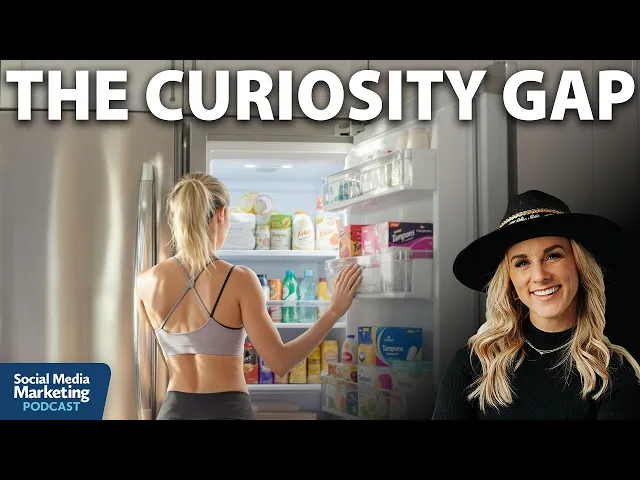
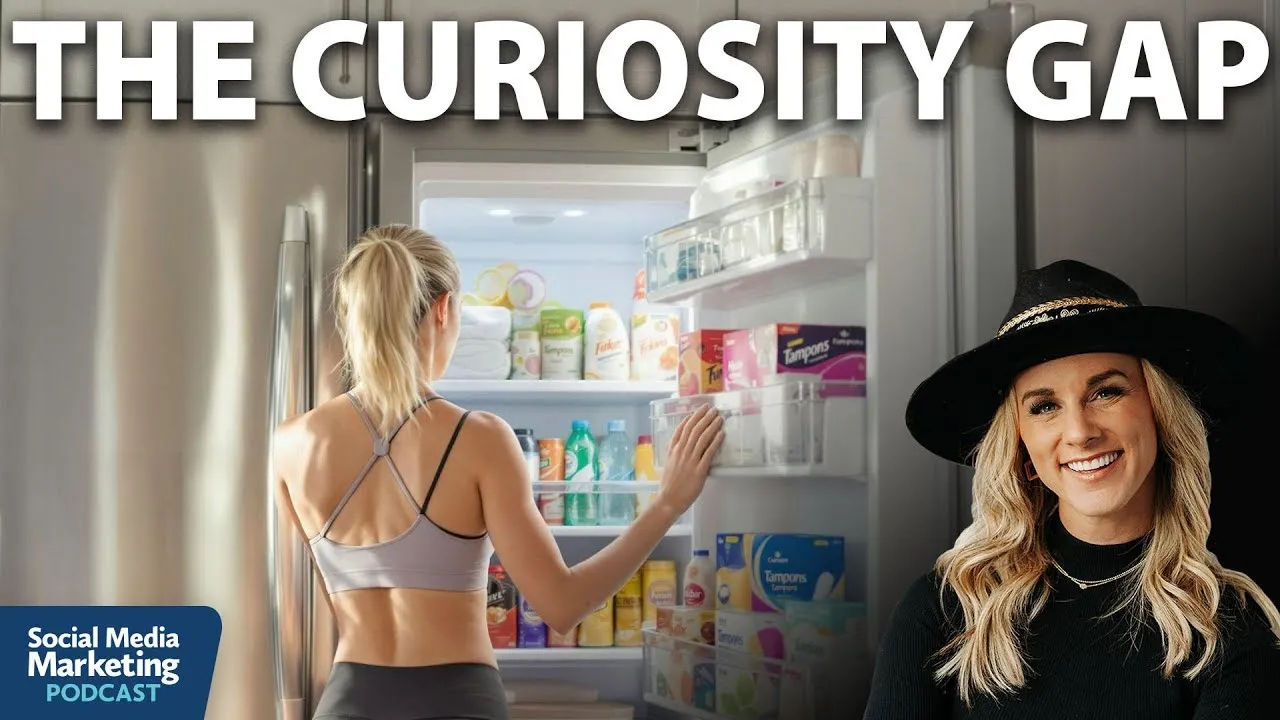
another sillier one that I think you and I had talked about previously was we used this one all the time and it was, I'll just continue with the recipe example for my cooks out there. Um, but think about How this could apply to your niche as well. So we would be making some recipe, and this is because we ran a lot of cooking channels, but we would be making a recipe and somebody would say, oh, hey will get the ketchup outta the fridge for me. Sure. So they turn around, they go to get the ketchup
out of the fridge, but we would place like tampons very visible right there. And we would not call attention to it, but we, they'd be near the ketchup. So when you grab the ketchup, you would see the tampons, The entire section was, oh my gosh, should we be refrigerating our tampons? Should we be doing this? Should they be cold? What's the reason for this? And we never, again, never call attention to it. It doesn't discredit the recipe, the chef, anything like that. It's just a little Easter egg to get people to comment. And so it
would, it would send it. And then you always have some smart, but in the comments being like, of course you should refrigerate your tampons, And they would just make stuff up to be a know-it-all, you know, the internet. Um, but it would start this whole thread. Um, and so those are just little things that we would do depending on the video and the content. Just thinking before we ever shoot the video, how, what are we gonna do in this video to inspire people to comment? And guys, even just by thinking about it a little bit
more, you're gonna come up with something that's gonna three extra comment section. We, we just see it all the time just By putting a little bit of thought into it. So what I'm hearing you say is the idea of, at least with these examples you're giving to get people to leave a comment, is to hide something that seems a little out of place into the video. Is there, is that the main way to get engagement? Or are there other less controversial ways that you can also get en engagement? Sure. Yeah. Easter eggs are one of
'em. Um, relatability is, is the biggest. Like if you can say something that makes somebody else feel heard, Like say you're doing mom blog content. You know, I don't know if any other moms do this, but I, I found my kid doing the weirdest thing this morning when he woke up and then start to tell the story, hook 'em, wonder if anybody else's kid do this. And please let me know in the comments if what I should do, what I may have missed. What your best tip for this is. Think of just bring them into
the conversation so they feel like they're a part of something. Okay, cool. So what is your next step? So after engagement, uh, The fifth thing would be raising the stakes and stakes. You guys, again, stakes determine why people care, right? If, uh, if I'm Liam Neeson and I'm in the movie Taken, do I, as a viewer of that movie, am I gonna keep watching if his daughter just got her stuffed animal stolen? No, I'm gonna watch because she was sex trafficked to the other side of the world and he had three days to get her,
or she was gonna be sold off forever and he had to kill 147 people on the way to do it. Right? The stakes were very, very high. That is why we care. Right? And side note, he's not gonna find her until the very end of the movie, right? He's, there's no payoff in the middle in the beginning it happens. And we know that it's not gonna happen in the middle of a movie. If he rescued her in the middle of the movie, we, we'd all quit watching, right? So that's why your payoff's at the end.
This is age old story selling, right? We're, uh, we're not making anything new up here, we're just adapting it for social. So, um, we're gonna, we're gonna raise the stakes. If I'm watching somebody propose it, it's cute if they just do it in their living room, like, what a nice little video. But if this guy, I see he's about to propose a Dodger Stadium in front of thousands and thousands of people and face public humiliation, I care a little bit more. Right? And so stakes just determine why people are gonna watch, especially if you're in
a niche that they n normally wouldn't. So there's four main ways that we raise the stakes. Okay? One is location, the other one is props. Location, uh, location, props, wardrobe and casting. Uh, location, as we mentioned earlier, is probably the easiest way to raise the stakes. If you're gonna make a quick, easy recipe. Do you have to do it in the aisle at Target? No. But should you get out of your kitchen and do it in the car? Doing it in the car, making this ingredient, putting all these ingredients together in the car shows me
what? That it's quick, that it's easy, That it's approachable and anybody can do it. That you can do it in 15 minutes on your lunch break. Right? It gives me a reason to care and see myself in that story. So changing your location, easiest way to rope people in. Yeah, I was thinking while you were, uh, speaking, you know, that egg example with the, with the cracking of the eggs and making of the, if you were at the zoo, like in the monkey cage, you know, and the monkeys were all like around you watching you
trying to steal your eggs. I mean, that would really raise the stake, wouldn't It? Sure. If you, if you guys could pull that off. Call me I job for you. What about, what about props? Props and, and word driven casting. Talk to us a little bit about that. Like what does that really mean? Sure. So we did a deal for a car company where we're getting a giveaway, a car. Um, and we gave it away during Covid to a first responder. Not because, not for any other, I mean for many reasons, but first responders, our,
our hearts were bleeding for all of them, right? So yes, we could, if we gave it to a rich person, do we care as much? No, they don't need a car. First responders who are having trouble getting to their jobs and maybe their car just broke down matters. How did we dictate that this person was a first responder. She was in scrubs and we made sure she wore her scrubs, right? That's wardrobe and casting. Mm-hmm. And she was a first responder and we put her in scrubs. If I'm gonna give a hundred dollars to, to
a man on the street video And I'm gonna give a hundred dollars empty motivator style to somebody, do we care if I give Grant Cardone a hundred dollars? No, he doesn't need a hundred dollars. But the homeless guy does. And if you guys have ever used kids in your videos, you know, they probably do way better. People love kids. It's a point of relatability. Kids say crazy things. So we may care about it coming from a kid doing cold calls, more so than you doing cold calls, teach your kid to do it. That's so fun.
It's relatable. It's, it's inspiring, it's aspirational. Um, old people, old people do great at videos too. We just, we care about them. We love them. They're precious and adorable, right? And they're not putting anything on. So if we did a staged prank with two knuckleheads, it's gonna get a decent amount of views. But if I do that same prank with a couple in their seventies and he's doing it to her, adorable, not cringe at all. Because the, the casting, you do the same bit, but with a different cast and it's, it's just gonna hit differently.
So casting and it's another way. Props. What about props? Tips to Raise the stakes props. Um, for those of you not on video, I say I have a water bottle here and I have um, a, a pencil or something and then I am gonna balance a quarter on top of it and I'm gonna say, Hey you guys, I have this magic trick where I've got a quarter and it's balancing on this marker, not gonna fall into the water. Do we care if the quarter gets wet? No. We don't care if I swap the quarter for
my wedding ring And I swap this bottle of water for a vat of acid. Wow, that could ruin a very expensive wedding ring. I care now. Same exact. Bit different props. The props raise the stakes. Got it. And then we already kind of hinted at the, at the sixth step, which is the split test. Um, tell us a little, what do we need to know about that? Like, any tips on what to test? Totally. Um, some of you may already be doing this. Um, and I'm not a media buyer, but we pretended to be for,
for the last four years. And you guys split testing really was the Linchpin to our success. It was the only way we kept up the amount of volume kept our pages so healthy for so long was because we were only posting bangers on. And how do we know that we were only gonna post bangers? We would split test every video, not on the page that we were gonna post it on. We would actually run Facebook ads, dark posts on other pages, and I would put about five, $6 on each variation. So if I'm gonna shoot
a video, I'm either shooting three or four different hooks, different opening shots. 'cause I may think the flash forward of the guy getting the shaving cream in the face. Is, is the opening shot, but it's also a payoff. It is that too much. Do people care? I would test that hook versus getting right into it. I would test the opening shots and I would test different links on my videos. Is it better as a 32nd video or a 62nd video? What's my watch time? What's my completion percentage? And so I would test different variations of
the edits and also different variations of the caption, captions. Pre-frame the audience. I would test Variations on the thumbnail. Whatever these variations were, I would put five to $6 on each one. And if I send that to a random group of a thousand people in the United States, no other targeting, within about 24 hours, I'm getting kicked back. Data sets more so than data. I'm getting a retention line when that gets a thousand views. And that retention line is what we want. So a retention line may show me, wow, This hook held 75% of people
for the first 12 seconds. Huge. And this variation lost 75% of people in the first four seconds. Nobody cared. We're not guessing anymore, right? And it may show me in suspense, ah, I lost 40% of people from second 17 to 21. I see a massive dip there. What happened? So I'm gonna go back and look at second 17 to 21. Maybe I introduced a different character. Maybe I said something that felt like a payoff where they're like, ah, got it. Don't need to watch anymore. Maybe I whip panned too fast. Maybe I did something weird
in the edit. But now you have a chance to course correct that piece of footage from second 17 to 21. Fix that run it again and see if you fix the retention line. Now you're gonna know which piece of content has the best chance of being the highest performer before ever putting it on your page. And if you do that and you don't bottleneck yourself too hard, split testing all this creative and doing all these re-edits, if you're able to do this at scale with the way That we eventually built it out, that's where we
were. And that's why we didn't miss That is a brilliant tip. And I know a lot of marketers are going gaga over that last tip that is so smart. So Adley. Um, okay, if people wanna connect with you, what's your preferred social? And then if they wanna work with your business, uh, where do you wanna send them? Yeah, Hit me up on, on LinkedIn, we're about to do a big focus there. LinkedIn, Instagram's probably where I'm most active, um, On, on Instagram, I would say. And then I would, I love working with marketers because they're,
they're so close. They, like you tweak a marketer, a smart marketer just a little bit, and the results are exponential versus teaching people from scratch. Uh, so would love to hear from you guys. If you don't hit me up on Instagram. If you're interested in, if you're six to eight figure entrepreneur and you want me to coach your team, You're too busy, you're running your business. You're not gonna come to my framework coachings every week, but your team should. So we have a lot of big entrepreneurs that like, uh, Dan Martel's not gonna sit in
my weekly coaching, but Sam, his, his social media guy is, and then he's gonna take the tactics back. Um, so we'll drop the links down below, but um, you can go to go wireless.com/m as in Matt, apply mastermind, apply m apply. And, uh, we would love to see if you're a fit for the Mastermind. It's a really, really fun community. And, and then go, if you just wanna take the formula and you wanna have this material and you want our coaches to actually review your videos every week with my coaches, the same people that are
on ISH team, every ish coach has at least three years working with me and at least 2 billion views under their belt. Um, that's a lo a lower ticket item. It's go viral list.com/bv fp and we'll drop both of those links down below for you. Adley Kinsman, thank you so much For sharing your insights with us today. Anytime, Michael, I'm your biggest fan, so this is such a pleasure.