hey what makes a book sacred who gets to decide and what do we lose when certain stories are silenced did you know there are ancient texts written centuries ago that claimed to offer Divine insights but were left out of the Bible That's Right entire books that for one reason or another didn't make the cut they are called the Apocrypha and they hold stories teachings and Mysteries that could completely change how we view the foundations of religious history the word Apocrypha comes from the Greek meaning hidden or secret these texts were known to early Jewish and
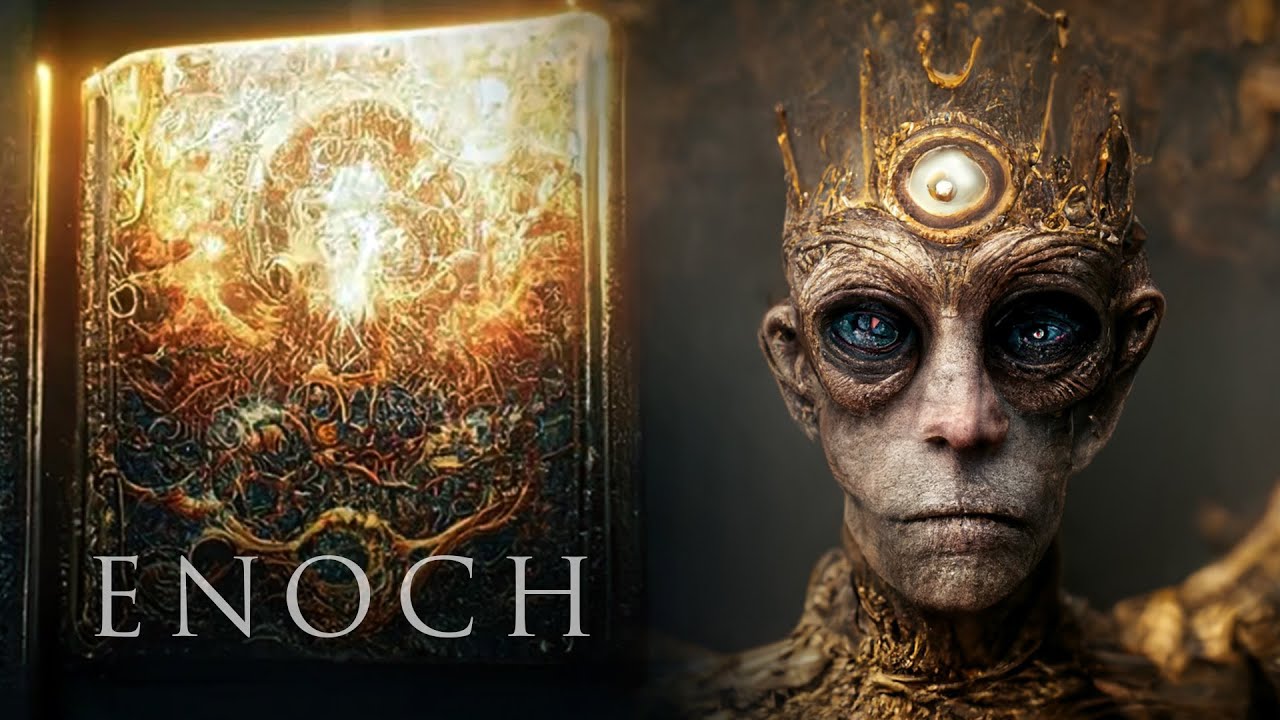
Christian communities But as time went on they were set aside labeled as unworthy or outright banned from religious cannons but why what Secrets do they hold that made them so controversial let's talk specifics one of the most famous books of the Apocrypha is the Book of Enoch this isn't just an obscure s note in history Enoch was said to be the great-grandfather of Noah the Noah of the flood this book claims to detail visions of Heaven the Judgment of angels and the origins of evil itself in it we're told about the Watchers a group of
angels who descended to Earth mingled with humans and fathered the Nephilim Giants whose very existence allegedly led to the flood this text is vivid dramatic and reads like something out of a supernatural Thriller yet it was excluded from the Bible deemed too strange too speculative or perhaps too dangerous and it's not just Enoch take the wisdom of Solomon a poetic text that dives into the nature of wisdom Justice and immortality in parts of the Christian tradition it's been celebrated for its depth and Beauty but in others it's dismissed as unnecessary or redundant yet if you
read it you might find its Insight startlingly relevant and profound offering perspectives that rival even the most famous biblical passages then there's the Book of Tobit a fascinating tale about a righteous man an angel disguised as a traveler and a demon who's been tormenting a young woman it's a story of Faith love and miraculous Deliverance but here's the catch Tobit also introduces some theological ideas that were later deemed incompatible with official Doctrine for example it emphasizes the power of arms giving giving to the poor as a way to atone for sins this notion wasn't entirely
in line with the emerging focus on salvation through faith alone so Tobit was cast aside why were these books really excluded the official story is that they didn't meet the criteria for divine inspiration or historical accuracy but dig a little deeper and you'll find that the reasons often had more to do with politics and power than theology decisions about what made it into the Bible weren't made in a vacuum they were influenced by councils leaders and historical events each with their own agendas the Council of jamnia around 90 CE is often pointed to as a
turning point for the Jewish Cannon it said that rabbis at the time decided to solidify their scriptures excluding Works they deemed to Greek too Christian or too Divergent from traditional Jewish beliefs similarly early Christian leaders debated which texts best aligned with their vision of Orthodoxy books that didn't fit the narrative out there went the Apocrypha isn't just one small collection of Dusty old texts the term itself varies depending on who you ask Catholics include some of these books in their Bible and call them the deuterocanonical books Protestants on the other hand reject them entirely labeling
them non-canonical and for some Christian Traditions like the Ethiopian Orthodox Church The Book of Enoch is still part of their holy scriptures now let's pull back the curtain on the process that decided which books were sacred and which were left out it wasn't a single moment of divine revelation or a straightforward vote where everyone unanimously agreed no the formation of the Bible as we know it was anything but clean in the first few centuries after Christ there wasn't a universally agreed upon Bible communities in different regions used different collections of texts some revered books like
The Shepherd of Hamas or the the Epistle of Barnabas writings you've probably never even heard of if you grew up with a modern Bible at the same time others were reading the Gospel of Thomas a text full of cryptic sayings of Jesus or the acts of Paul and theckla a story of a young woman who becomes a preacher defying gender Norms of her time these books were loved read and debated so what happened here's the thing the process of canonization the decision of what made it into the Bible wasn't about which texts were the oldest
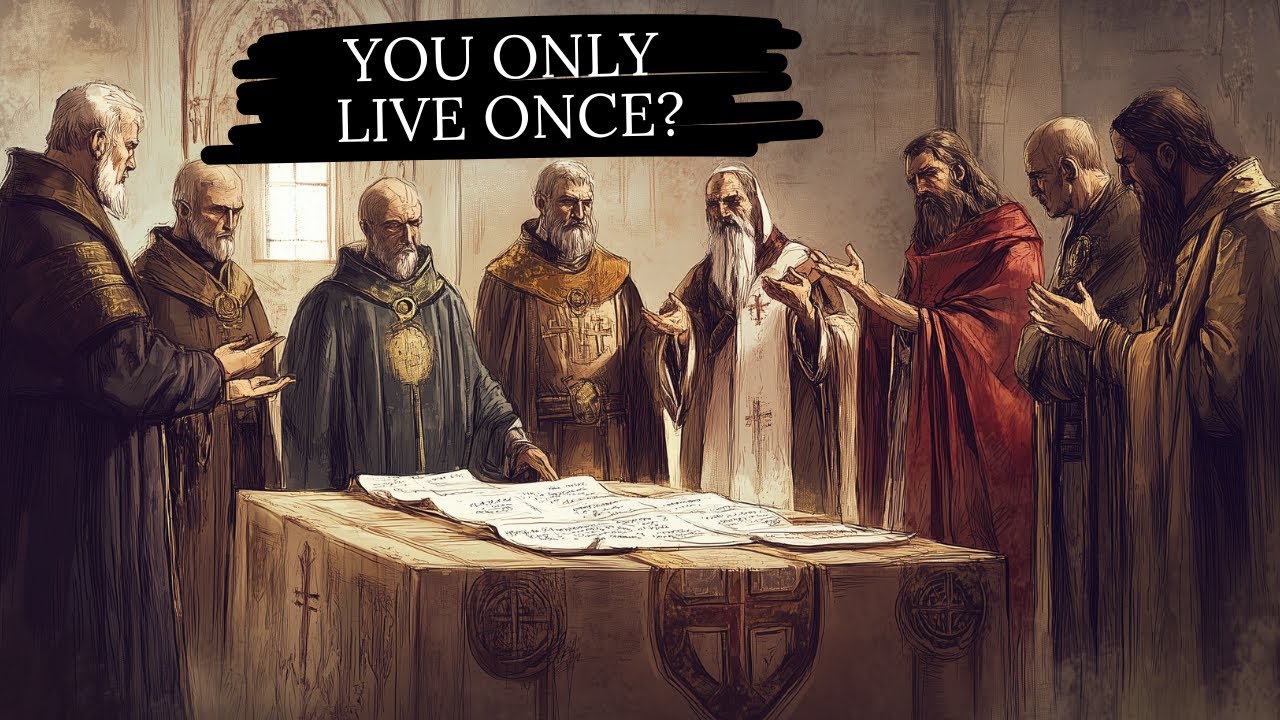
or most authentic it was about which texts best supported the theological and political goals of the emerging Church leadership early church leaders had to Define Orthodoxy drawing clear lines between correct belief and heresy books that fit neatly into their Vision were in books that didn't out one major player in this process was the Council of Nikia in 325 CE now to be clear the council didn't create the Bible itself that's a common misconception but it set the tone for what would follow the council was called by Emperor Constantine who had just made Christianity the official
religion of the Roman Empire Constantine wanted Unity a single faith that could hold his vast empire together Divergent beliefs and competing scriptures they were a problem not a strength fast forward a few decades and you see councils and Bishops making decisions about which texts would Define Christian doctrine the criteria they used weren't just about spiritual inspiration they also included questions like is this book widely used in our churches does it support our view of Jesus as both fully human and fully Divine and perhaps most tellingly does it reinforce the authority of the church take the
Gospel of Mary this text portrays Mary Magdalene as a close Confidant of Jesus someone he shared secret to teachings with teachings that the male disciples didn't fully understand it challenges the hierarchical authority of the church suggesting that spiritual Insight isn't limited to the leaders in power is it any surprise that this gospel was left out of the cannon and then there's the gospel of Peter a fascinating text that gives us an alternative account of the Resurrection in it Jesus emergence from the tomb is accompanied by two massive angels and his head is said to have
reached the heavens it's Vivid dramatic and problematic for early church leaders who wanted a more uniform narrative but here's where it gets really interesting even the books that did make it into the Bible weren't always universally accepted at first The Book of Revelation for example was hotly debated some early church leaders found it too bizarre too apocalyptic and too difficult to interpret it only solidified its place in the cannon after centuries of debate the process wasn't just about theology it was about control by standardizing the cannon church leaders were able to create a unified Doctrine
one that could be taught defended and enforced and once the cannon was set the excluded books were labeled as heretical false or simply a non-authoritative but don't be fooled into thinking this was a closed case even today there isn't a single Bible that all Christians agree on Catholics include the duokon anical books Protestants don't the Ethiopian Orthodox church has a broader cannon that includes the Book of Enoch and the jubilees the choices made centuries ago continue to shape the boundaries of faith and the debates are far from Over the books of the Apocrypha weren't just
excluded from the Bible for political reasons they were also rejected because of the explosive theological challenges they presented these texts contain ideas and teachings that if accepted could have radically reshaped Christian doctrine as we know it today take the concept of salvation in most mainstream Christian Traditions salvation is rooted in faith belief in Jesus as the Messiah and savior but then Along Comes The Book of Tobit with a bold statement arms giving or giving to the poor can cleanse sins wait what if salvation can be tied to your actions that threatens the entire idea of
Grace as The Ultimate Gift in Tobit we see a worldview where righteousness isn't just about belief but about what you do how you treat others and how you live your life for early Christian leaders working to Define Orthodoxy this was a theological grenade a Salvation based on Deeds instead of faith alone was a direct challenge to the developing teachings of figures like Paul who emphasized justification through faith so instead of Reckoning with these alternative ideas they were swept aside convenient isn't it now shift your focus to the wisdom of Solomon on the surface it's a
beautifully written book a poetic exploration of Justice immortality and divine wisdom but dig deeper and you find that it introduces complex ideas about the soul and the afterlife it suggests a more spiritual almost mystical view of human existence where the Soul's fate is tied to its moral choices in life it also hints at pre-existence the idea that Souls may exist before before they embodied that's a fascinating and deeply challenging concept for traditional Christian teachings which often frame human existence as starting at Birth then there's the book of Judith this one is a dramatic tale of
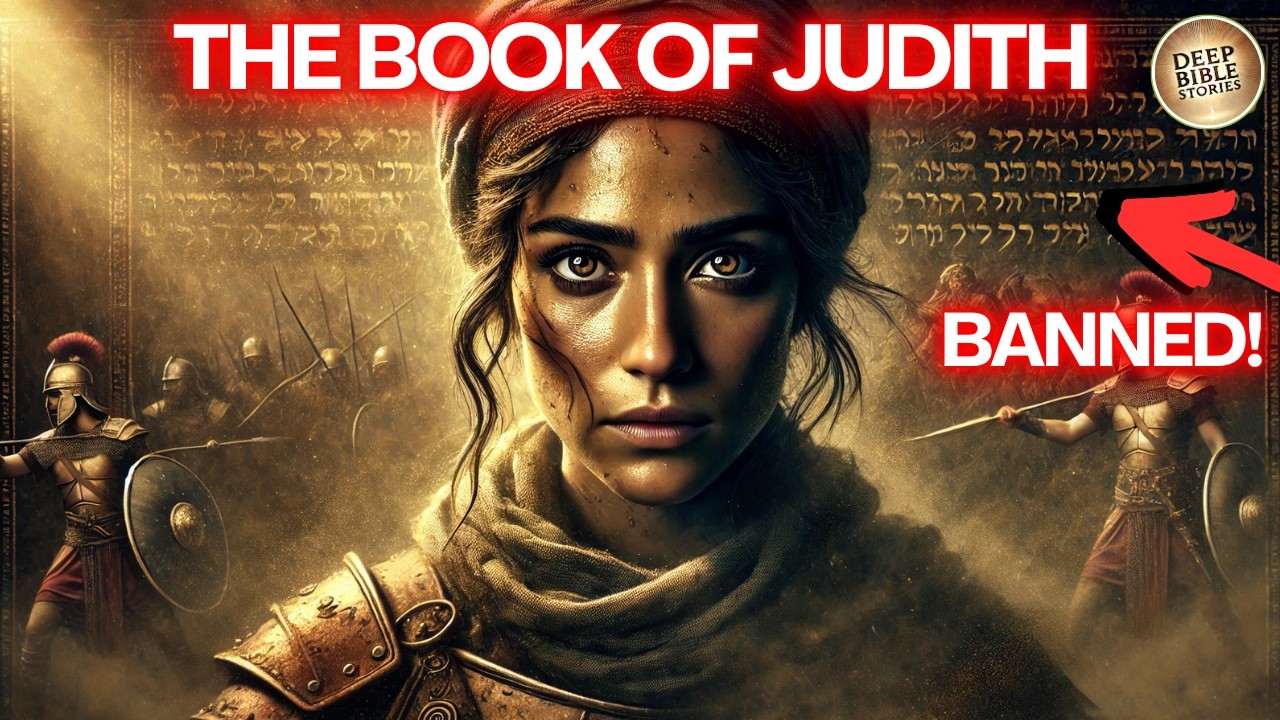
heroism with Judith a Fearless Widow saving her people by decapitating an enemy General sounds empowering right but here's the twist Judith's story is drenched in moral ambiguity she uses deception and sedu uction to achieve her goal raising uncomfortable questions about ethics and divine will does God approve of her methods is righteousness about the outcome or do the means matter just as much for a church that wanted cleancut black and white morality Tales this was far too messy and don't even get me started on the Book of Enoch this one takes theological controversy to a whole
new level Enoch describes Fallen Angels the origins of evil and a cosmic battle between good and evil forces but it also suggests that Humanity's suffering stems not just from sin but from external influences Angels who corrupted mankind with Forbidden Knowledge this narrative complicates the idea of original sin which places Humanity squarely at fault for its Fallen state if these angels played a central role where does that leave the doctrine of free will the church wasn't ready for that conversation even the portrayal of God in these texts could be seen as to disruptive some of the
apocryphal books present God in ways that challenge the neatly defined image found in canonical scripture in the prayer of manace for example God's Mercy is described as infinite extending even to the worst Sinners that sounds beautiful but it raises tough questions if God's mercy knows no bounds what does that mean for justice for judgment for hell the early church had to walk a fine line balancing God God's love with God's wroth and texts like this tilted the scales too far for Comfort what's fascinating is that these theological tensions aren't just abstract arguments they're deeply human
they reflect real struggles to understand the Divine the afterlife and what it means to live a righteous life the Apocrypha shows us a side of ancient Faith that's raw and unpolished a side where questions linger and answers aren't always clear and that's precisely why these books were excluded they weren't rejected because they were false or irrelevant they were rejected because they didn't fit the mold they raised too many questions offered too many alternative answers and pushed too far against the boundaries of what was acceptable the decision to exclude the Apocrypha wasn't only a theological move
it was a political maneuver shaped by Empires cultural clashes and the Ambitions of those in charge behind every choice to include or exclude a book there's a shadow of political intent let's dive into how culture and power shaped the Bible and why the Apocrypha was left on The Cutting Room floor picture the ancient world a chaotic swirl of competing ideologies Judaism Christianity and Pagan religions all VI for dominance as the Roman Empire expanded it absorbed countless cultures each with its own beliefs and traditions for the early Christian Church surviving in this environment meant creating a
unified identity one that could withstand both internal divisions and external threats one of the earliest and most pivotal moments came after the destruction of the second temple in 70c Jewish leaders struggling to preserve their religion in the face of Roman oppression sought to consolidate their scriptures texts like the Apocrypha with their helenistic influences were sidelined they didn't align with the effort to establish a pure and distinct Jewish identity books written in Greek like the wisdom of Solomon or two macbes were seen as tainted by Foreign ideas even though they were widely read by greek-speaking Jews
fast forward to the early centuries of Christianity as the church grew it faced a new challenge heresies Gnostic groups for instance use texts like the Gospel of Thomas and the Gospel of Judas which offered radically different views of Jesus and salvation these books presented Jesus not as a savior dying for human sins but as a teacher imparting secret knowledge to a select few for church leaders trying to unify their followers this was a nightmare the gnostics weren't just a theological threat they were a political one their texts had to go and then there was the
Roman Empire when emperor Constantine converted to Christianity he saw its potential as a tool for uniting his Empire but a fragmented Faith wouldn't do Constantine needed a cohesive Rel religion one that could support his rule enter the First Council of Nikia in 325c while the council didn't finalize the Bible's Cannon it set the stage for future decisions it emphasized Unity condemning Divergent views as heresy books that didn't align with the church's emerging Doctrine were increasingly pushed to the margins take one ezras a book found in some versions of the Apocrypha it retails parts of Ezra
and Nehemiah but with a Twist it includes a story about a debate among three bodyguards over what is the strongest force in the world spoiler the answer is truth this philosophical deto didn't mesh with the church's goal of presenting a straightforward narrative about God's covenant with his people it was too intellectual too unorthodox the cultural divide between Jews and Christians also played a role by the time the New Testament Cannon was being solidified the early church was distancing itself from Judaism the Apocrypha which included books with strong ties to Jewish history and tradition became collateral
damage texts like one mcabe which celebrates Jewish resistance against foreign oppression were deemed less relevant to a church focused on spiritual salvation rather than political struggle the church needed a cannon that supported its Authority books that questioned or decentralized that Authority like the Gospel of Mary which suggests Mary Magdalene received secret teachings from Jesus were threats by excluding these texts the church not only defined Orthodoxy but also ensured its own power remained unchallenged even centuries later during the Protestant Reformation politics continued to shape the cannon Martin Luther seeking to strip away what he saw as
corruption in the Catholic Church rejected the Apocrypha as non-canonical he viewed these books as supporting doctrines like purgatory and the efficacy of prayers for the Dead Concepts he wanted to dismantle yet ironically Luther's German Bible included the Apocrypha in a separate section acknowledging their historical and spiritual value even as he questioned their divine inspiration what happens to a book when it's banned for centuries does it disappear never to be seen again or does it wait hidden buried or forgotten until the right moment in history brings it back that's exactly the story of the Apocrypha and
other excluded texts despite being suppressed by religious authorities many of these Works have resurfaced sometimes in the most dramatic ways offering us a glimpse into the ancient world and the stories they didn't want us to read let's talk about the Book of Enoch this text was considered so controversial that it was effectively erased from mainstream religious traditions for over a thousand years early Christians revered it and it's even quoted in the New Testament in the book of Jude but by the time the Bible's Cannon was finalized it had been pushed aside for centuries it was
thought lost then in the 18th century a copy of the Book of Enoch was discovered in Ethiopia where it had been preserved by the Ethiopian Orthodox Church a tradition that never abandoned it suddenly the world was reintroduced to a book that describes visions of Heaven the fall of angels and secrets of the universe reading it feels like uncovering a hidden chapter of History one that had been locked away for reasons still debated today and that's just the beginning the 20th century brought some of the most significant rediscoveries of forbidden texts in human history in 1947
a young Shepherd stumbled upon a cave near the Dead Sea and found jars filled with ancient Scrolls these would become known as the Dead Sea Scrolls one of the most important archaeological discoveries of all time among them were not only copies of biblical texts but also works like the book of jubilees and the Book of Tobit long considered Apocrypha these Scrolls revealed how diverse Jewish thought was during the second temple period they showed us a world wear ideas about the Messiah the end of days and the nature of God were anything but settled then there's
the nag hamedy Library a treasure Trove of ancient Gnostic texts Unearthed in Egypt in 1945 hidden in a jar and buried beneath the Desert Sands these texts include the Gospel of Thomas the gospel of of Philip and the Gospel of Truth for centuries all we knew about the gnostics came from their opponents Church fathers who wrote scathing critiques but now with these discoveries we could read their own words revealing a mystical alternative Christianity that focused on personal spiritual knowledge rather than Church Authority these rediscoveries weren't just academic Curiosities they were explosive they challenged l- held
assumptions about the Bible about what early Jews and Christians believed and about how those beliefs evolved suddenly the Apocrypha and other excluded texts weren't just old stories they were evidence of a much more complex religious landscape than anyone had imagined but here's where it gets even more intriguing some of these texts weren't just lost they were deliberately hidden scholars believe the nag hamedy texts were buried by a gnostic group fleeing persecution they knew their beliefs were under attack and they took Extraordinary Measures to preserve their writings for future Generations think about that these people risked
their lives to ensure these ideas wouldn't be erased even if it meant hiding them in the ground the rediscovery of these texts also raises questions about what else might still be out there the Sands of the Middle East are filled with ruins caves and tombs how many more lost scriptures could be waiting to be uncovered every fragment every scroll that surfaces adds a new piece to the puzzle of religious history complicating The Narrative we thought we knew if you think the debate over the Apocrypha ended when the Bible was canonized think again the battle over
these texts has raged for centuries and to this day different religious traditions still can't agree on what counts of scripture first let's talk about the Catholic church for Catholics the Apocrypha isn't some mysterious collection of forbidden books it's part of their Bible they call these books the jokan meaning second Canon think of it as a second layer of sacred texts added to the core Jewish scriptures books like Tobit Judith and the wisdom of Solomon are right there in the Catholic Old Testament seamlessly woven into their liturgy and teachings why because at the Council of Trent
in the 16th century the Catholic Church officially affirmed the juto canonical books in response to the Protestant Reformation by then these books had been part of the Latin Vulgate the Catholic churches official Bible for over a thousand years rejecting them would have been like tearing out the spine of their Tradition now compare that to protestantism for Protestants the Apocrypha is often viewed with suspicion if not outright dismissal Martin Luther the fiery leader of the Reformation excluded these books from his translation of the Bible in the 16th century to him they didn't measure up to the
Hebrew scriptures which he saw as the true Old Testament Protestants took their queue from Jewish tradition which had excluded these books centuries earlier to this day most Protestant Bibles don't include the Apocrypha or if they do it's in a separate section treated as historical Curiosities rather than divinely inspired scripture but the story doesn't stop there Step into the Ethiopian Orthodox church and you'll find a Bible that includes not just the Apocrypha but also books you've probably never heard of like the book of jubilees and the Book of Enoch for Ethiopian Christians these texts aren't extras
or secondary of scriptures they're an essential part of their sacred tradition why because their Cannon was formed long before the councils of the western church made their decisions to them the idea of excluding The Book of Enoch a text their Community has revered for centuries is Unthinkable even within Christianity the Apocrypha has sparked countless debates take one mcabees a gripping account of the Jewish revolt against the seusd empire Catholics see it as an inspiring tale of faith and resistance while Protestants view it as an important historical document but not scripture meanwhile the Eastern Orthodox Church
includes it in their Bible seeing it as part of the Sacred Narrative of God's relationship with his people but it's not just Christians who have opinions about these books for Jewish communities the Apocrypha occupies a unique position many of these Tex texts were originally written in Greek During the helenistic period a time when Jewish culture was heavily influenced by Greek thought because of this they were excluded from the Hebrew Bible which was canonized around the 1st Century CE yet these same books played a crucial role in the development of early Jewish thought offering insights into
the struggles and triumphs of a people navigating their identity in a rapidly changing world the Apocrypha journey across Traditions isn't just a story of inclusion and exclusion it's a story of how different communities Define their faith what one group sees as essential another dismisses as secondary what one considers Divine another treats as historical and these decisions aren't just theological they are cultural political and deeply personal here's a Twist even in Traditions where the Apocrypha is excluded its influence still lingers Protestant sermons often draw on stories from one macbes or lessons from the wisdom of Solomon
phrases and ideas from these texts have seeped into Western culture shaping literature art and even political rhetoric one of the most compelling aspects of the Apocrypha is how it fills in the gaps left by canonical scripture for example one and two mccabes provide a detailed account of Jewish resistance against the saluci empire these books don't just document history they reveal the Deep spiritual struggles of a people fighting for their identity and their faith without them we'd miss a key piece of the story that Bridges the Old and New Testaments the historical context that shaped the
world Jesus was born into then there's the Book of Tobit a heartfelt story of love family and divine intervention this isn't just another biblical tale it's a glimpse into the lives of ordinary people trying to navigate a world full of hardship and hope it shows us that Faith isn't just about grand miracles or epic battles it's about the quiet personal moments where the Divine meets the mundane and what about the wisdom of Solomon this book grapples with questions that are still relevant today what is Justice what does it mean to live a righteous life it's
not just an ancient text it's a philosophical exploration that could hold its own alongside the works of Plato or Aristotle yet it's often overlooked sitting in the shadows of more well-known biblical books but the Apocrypha isn't just about filling in the blanks or adding depth to the stories we already know it's about challenging us to see the Bible and the world in a different light these books remind us that the Bible didn't descend from the heavens in its final form it was shaped by human hands influenced by politics culture and power struggles the Apocrypha forces
us to confront that reality to see scripture as a living evolving conversation rather than a fixed immutable text for some this is unsettling for others it's liberating the Apocrypha doesn't just invite questions it demands them why was The Book of Enoch excluded when it was so influential in early Christian thought why did some traditions embrace the juto canonical books While others rejected them and what does it mean that so many of these texts have survived despite centuries of suppression ultimately the Apocrypha is a testament to the resilience of ideas these books were banned burned and
buried yet they endured they remind us that no matter how hard authorities try to control the narrative the truth has a way of finding its way back to the surface whether through a Shepherd stumbling upon ancient Scrolls in a cave or the efforts of Scholars and archaeologists the Apocrypha has refused to stay silent so what do we take away from all this the Apocrypha matters not because it tells us what to believe but because it invites us to ask better questions it's a window into a world of diverse beliefs vibrant debates and bold ideas that
didn't fit neatly into the box of Orthodoxy and in a world where so many voices are still silenced these books remind us of the power of curiosity the importance of questioning and the value of perspectives that challenge the status quo thank you for joining me on this journey through the Apocrypha through its Mysteries controversies and rediscoveries whether you see these books as sacred texts historical artifacts or something in between one thing is certain they're part of a story that's far bigger and more complex than we often realize and that story it's still unfolding if you've
enjoyed this exploration don't forget to like comment and share your thoughts which of these books intrigues you the most are there other topics you'd love to dive into let me know I'd love to hear from you until next time thank you for watching and keep questioning keep exploring and keep seeking the hidden story see you in the next video