The universe is a massive Place filled with countless wonders and mysteries from tiny particles to massive galaxies it stretches beyond what we can fully understand there are billions of galaxies each containing millions or even billions of stars these Stars along with their planets form solar systems that drift through the universe join us as we embark on a journey through space exploring the Incredible wonders of the cosmos from the familiar to the [Music] [Music] unknown the Sun a mediumsized yellow dwarf star sits at the heart of our solar system and its influence is Paramount to life
on Earth this star approximately 93 million mil away produc produces energy through the process of nuclear fusion where hydrogen atoms combine to form helium releasing an Immense amount of energy in the form of light and heat this sunlight is the primary source of energy for nearly all life forms on Earth plants utilize this sunlight for photosynthesis converting light energy into chemical energy and producing oxygen a vital element for the survival of most life forms without the steady supply of solar energy Earth's temperatures would plummet oceans would freeze and Life as we know it would cease
to Exist the sun's gravitational force also plays a crucial role in maintaining the stability of our solar system its massive gravitational pull keeps Earth and the other planets in their respective orbits preventing them from drifting off into the icy Realms of space the Earth's orbit around the sun taking one year to complete creates the cycles of Seasons these seasonal changes profoundly affect ecological systems and agricultural practices allowing diverse Life forms to flourish Additionally the sun emits solar wind a stream of charged particles which interacts with Earth's magnetic field sometimes giving rise to stunning phenomena like
the auroras in these ways the sun is not just a glowing ball of gas but a life- sustaining Powerhouse intricately tied to Earth's ecological balance and The rhythms of Life the birth of our solar system began over 4 and A2 billion years ago within a vast molecular cloud composed of gas and Dust This Cloud primarily consisting of hydrogen and helium with traces of heavier elements was part of a nebula a stellar Nursery where stars and planetary systems are born it all started when a section of this molecular cloud experienced a disturbance possibly from a nearby
Supernova explosion causing the cloud to collapse under its own gravity as the cloud collapsed it began To spin forming a protostar at the center that would eventually ignite into our side Sun the surrounding material flattened into a protoplanetary disc due to the conservation of angular momentum within this disc particles began to collide and stick together gradually forming larger and larger clumps through a process known as accretion these clumps became the building blocks of planets known as planetesimals over time these Planetesimals further coales into protoplanets which continued to grow by gathering more material through gravitational attraction
in the hotter inner Regions near the protostar only metallic and Rocky materials could condense leading to the formation of the terrestrial planets like Earth and Mars farther out where it was cooler gas giants such as Jupiter and Saturn composed mainly of hydrogen and helium were able to form Beyond these Giants Icy bodies and comets took shape what started as a cloud of gas and dust thus evolved into our intricate solar system a testament to the dynamic and transformative processes of the cosmos each planet in our solar system boasts distinct characteristics that make it unique contributing
to the diverse tapestry of our Celestial neighborhood starting with Mercury the closest planet to the Sun it is a small rocky body characterized by extreme Temperature fluctuations from scorching highs of nearly 800° fah during the day to frigid lows of- 330° F at night mercury has no atmosphere spere to moderate these temperatures and is heavily crated much like our moon indicating a geologically inactive surface Venus Earth's so-called sister Planet due to its similar size and structure veers dramatically in its environmental conditions enveloped in thick clouds of sulfuric acid it Experiences surface temperatures around 900° F
making it the hottest planet in our solar system Venus exhibits a runaway greenhouse effect where its dense carbon dioxide atmosphere spere traps heat unlike most planets it rotates backward causing the sun to rise in the west and set in the east Earth unique for its liquid water and Abundant Life has a balanced climate system sustained by a mix of oceans an atmosphere rich in nitrogen and oxygen And a protective magnetic field Mars the red planet named for its iron oxid soil features the tallest volcano in the solar system Olympus Mons and a canyon system vales
marineris that dwar DS the Grand Canyon though Barren Mars has polar ice caps and signs that liquid water once flowed on its surface Jupiter the largest planet is a gas giant with a composition mainly of hydrogen and helium its most distinctive feature is the Great Red Spot a colossal storm Larger than Earth that has persisted for centuries another gas giant Saturn is renowned for its magnificent ring system composed of ice and rock particles that orbit the planet Uranus stands out for its extreme axial tilt rotating on its side which results in unique seasonal changes it
has a faint ring system and is known for its blue green color due to methane in its atmosphere Neptune the outermost planet has supersonic winds with speeds Exceeding 1,200 mph and a striking deep blue hue also attributed to atmospheric methane this distant World features Dark Storm spots similar to Jupiter's lastly the dwarf planet Pluto though reclassified remains a compelling subject with its icy surface heart-shaped Glacier and five known moons including the sizable Karin each planet with its particular attributes adds a unique chapter to the Solar System's story illustrating the vast Array of conditions and compositions
possible within our Cosmic backyard the inner rocky planets Mercury Venus Earth and Mars differ significantly from the outer gas giants Jupiter Saturn Uranus and Neptune in several fundamental ways notably in composition structure and atmospheric conditions the rocky planets also known as terrestrial planets are composed primarily of silicate rocks and metals they have Solid well-defined Surfaces with mountains valleys craters And in the case of Earth and Mars evidence of volcanic activity and tectonics their atmospheres when present are thin relative to their size for instance Earth's atmosphere supports life while Venus's thick toxic atmosphere is rich in
car carbon dioxide creating a severe greenhouse effect contrastingly the gas giants are predominantly composed of hydrogen and helium lacking Solid Surfaces Jupiter and Saturn the two largest planets have Thick layers of gaseous atmosphere overlaying possible cores of rock and metal their atmospheres are filled with swirling clouds storms and in Jupiter's case the famous Great Red Spot a gigantic centuries old storm system these planets also have immense magnetic fields and new nous moons with Jupiter hosting at least 79 and Saturn over 60 both planets are surrounded by complex ring systems though Saturn's rings are the most
prominent and wellknown Uranus and Neptune often referred to as ice giants because of their substantial frozen water ammonia and methane content differ slightly from the larger gas giants Uranus has the peculiar characteristic of rotating on its side possibly due to a massive Collision early in its history and possesses faint rings and a cold blue green appearance due to methane in its atmosphere Neptune the farthest planet is noted for its intense blue color and extremely Dynamic Weather with storm systems like the Great Dark Spot the inner rocky planets are small dense and have a solid crust
while the outer gas giants are massive less dense and primarily composed of gaseous and icy materials lacking a solid surface these distinctions highlight the diversity of planetary formation and the varying conditions that can arise within a single solar system the moons of our solar system offer an extraordinary glimpse into a Diversity of astronomical bodies each with unique characteristics that make them significant Europa one of Jupiter's Galilean moons stands out due to its potential for harboring life beneath its icy crust lies a subsurface ocean kept liquid by tidal heating from Jupiter's immense gravity this ocean may
contain more water than all of Earth's oceans combined raising intriguing possibilities for astrobiology on the other hand IO Another of Jupiter's moons is renowned for its intense volcanic activity this is the most volcanically active body in the solar system with eruptions that can shoot plumes of sulfur and sulfur dioxide hundreds of miles into space io's surface is a constantly changing landscape of sulfuric lavas and massive calderas sculpted by the gravitational tug-of war between Jupiter and its fellow G Alan moons Europa and ganam speaking of ganam it holds the title of The largest moon in the
solar system even surpassing the planet Mercury in size ganam is unique due to its magnetic field the only such field detected around a moon which suggests a partially liquid ion or ion sulfide core this magnetic phenomenon contributes to ganimedes auroras akin to those on Earth but influenced by Jupiter's magnetic environment Saturn's moon Titan is another standout featuring a dense nitrogen-rich atmosphere much like early Earth's Titan's surface is shrouded in thick orange smog hiding a complex world with lakes and rivers of liquid methane and ethane beneath its icy exterior Titan is also believed to Harbor a
subsurface ocean of water mixed with ammonia offering multiple avenues for potential biological activity Titan's atmospheric and surface chemistry make it a prime target for future exploration in the quest to understand Prebiotic conditions and the potential for Life Enceladus another of Saturn's moons has captured scientific fascination with its dramatic geysers that eject plumes of water vapor ice particles and organic compounds from its South polar region these geysers suggest a subsurface ocean beneath its icy crust making Enceladus a key focus in the search for extraterrestrial microbial life the ejected material contributes to Saturn's e-ring and presents a
unique opportunity to sample potentially habitable Environments indirectly through space missions lastly Neptune's moon Triton is notable for its retrograde orbit indicating it may have been captured by Neptune's gravity rather than having formed in place Triton has geysers that spew nitrogen gas indicating Subterranean activity its surface is a frozen reflective mix of water and nitrogen ice with cantaloup terrain that puzzles scientists to this day this combination of a retrograde orbit and Surface activity makes Triton a compelling subject for studying the Dynamics of captured celestial bodies these moons showcase a magnificent variety of geologic atmospheric and potentially
even biological phenomena each contributing uniquely to our understanding of planetary science and the potential for life beyond Earth the asteroid belt located between the orbits of Mars and Jupiter plays a fascinating and multifaceted role within Our Solar system consisting of countless Rocky bodies ranging from Tiny dust particles to massive asteroids hundreds of miles in diameter the belt is a region of leftover planetesimals that never coales into a planet it's estimated that the total mass of all the objects in the belt is less than that of Earth's moon this belt acts as a sort of cosmic
dividing line separating the inner rocky planets from the outer gas and is believed to have formed from the Primordial solar NE under the influence of Jupiter's overwhelming gravity one of the key influences of theid belt is its impact on Earth's geological history occasionally gravitational interactions especially those involving Jupiter can nudge asteroids out of their regular orbits sending them careening toward the inner solar system as potential impactors such events have had profound Effects on Earth with the most famous example being the asteroid impact that contributed to to the extinction of the dinosaurs 66 million years ago
these Rogue asteroids can also offer valuable scientific insights when they are captured and studied as they contain pristine material from the early solar system moreover the asteroid belt serves as a natural laboratory for understanding the process of planetary formation and differentiation some of Its largest inhabitants like siries and Vesta have been the focus of detailed studies series classified as a dwarf planet even shows signs of water ice and possible cryo volcanism hinting at complex geological processes Vesta on the other hand has a differentiated structure similar to that of terrestrial planets with a core mantle and
crust indicating that it underwent internal melting at some point Additionally the asteroid belt acts as a source of Potential resources for future space exploration elements like iron nickel and even water locked in the form of ice are found within these asteroids scientists and entrepreneurs have proposed ambitious plans for asteroid mining which could provide materials essential for long-term human space missions and habitation reducing the need to transport everything from Earth comets often described as dirty snowballs play a multifaceted and Significant role in the solar system composed mainly of ice dust and organic compounds comets originate from
the distant icy regions of the solar system primarily the Kyer belt and the art cloud as they travel toward the sun they undergo dramatic Transformations that provide critical insights into the primordial conditions of our solar system when a comet approaches the Sun the increasing heat causes sublimation of its ices releasing gas and dust to Form a glowing coma around the nucleus and often spectacular taals that can stretch for millions of miles one of the prim their state as ancient relics these icy bodies remain mostly unchanged since their formation over 4 and A2 billion years ago
acting as time capsules preserving information about the early solar system by studying comets scientists gain valuable clues about the composition of the solar nebula that gave birth to the planets notably Missions like the European space agency's Rosetta which landed on Comet 67 p/ Chum of gerasimenko have provided precedented data revealing complex organic molecules that could help us understand the building blocks of life comets have also significantly contributed to Earth's Own history it is hypothesized that comets played a crucial role in delivering water and organic molecules to the early Earth this delivering system of crucial Compounds
may have been critical in the emergence of Life the isotopic similar bolster this Theory suggesting that cometry impacts in the young solar system helped seed our planet with the essential ingredients for Life comets have a lasting influence on planetary atmospheres and geological history their impacts can be both beneficial and catastrophic for example Comet impacts with Earth have been proposed to have caused significant Atmospheric changes and may have been a factor in mass extinction events the role of comets in distributing organic materials and water across the solar system as well as their Dynamic interactions with planetary
bodies underscores their importance in shaping the evolution of the solar system comets are not merely Celestial Wanderers they are crucial to understanding the solar systems past present and future they offer insights Into the Primitive materials from which planets formed may have played a key role in delivering life's essential ingredients to Earth and continue to influence the Dynamics and chemistry of our planetary neighborhood the Kyer belt and the or Cloud significantly shape our understanding of the solar systems boundaries acting as reservoirs for a myriad of icy bodies and providing clues about the solar systems formation and
Evolution the Kyper belt a dislike region Beyond Neptune's orbit extends from about 30 to 50 astronomical units AU from the Sun it contains thousands of small icy objects including dwarf planets like Pluto homea and Makemake the discovery of these objects particularly since the late 20th century has revolutionized our perspective on the solar systems outer regions illustrating that the solar system is much more extensive and complex than Previously thought the Kyper belt is crucial for understanding the transition zone between the inner solar system governed by the gravity of the major planets and the more sparsely populated
outer regions the varied compositions and orbital dynamics of Kyper belt objects kbos suggest that many have remained relatively unchanged since the Solar System's early days preserving pristine materials from the solar nebula these objects provide valuable insights Into the processes that governed Planet formation and migration furthermore the existence of structures like the scattered dis an area with objects on even more extreme orbits extending well beyond the Kyper belt hints at gravitational interactions with Neptune and other outer planets shaping the present configuration of the solar system I pathetical or a vast that may extend from about 2,000
to 100,000 AU from the Sun the or cloud is Believed to be the source of long period comets which have orbits lasting thousands to million in the sky though no direct observations have been made due to its extreme distance the or Cloud remains a fundamental concept for explaining the origin of these long period comets theoretical models suggest that the or Cloud formed from remnants of the primordial disc of gas and dust that encircled the young sun with its objects Being scattered to Great distances by gravitational interactions with the giant planets and passing Stars the or
cloud and Kyper belt collectively shape our understanding of where the solar system ends and Interstellar space begins they act as boundary markers that indicate the gravitational influence of the sun extends far beyond the planet studying these distant regions helps us understand the solar systems formation the migration of planets and the Gravitational interactions with nearby stars and the galactic environment as such the Kyper belt and or Cloud not only Define the outer edges of our solar system but also serve as archives of its history and key elements in the broader context of astrobiological and planetary science
Pluto once considered the ninth planet of our solar system before its reclassification as a dwarf planet in 2006 continues to Fascinate Scientists and the general public alike due to its unique complex characteristics and the insights it provides into the outer reaches of our Cosmic neighborhood one of the most compelling aspects of Pluto is its Dynamic geology unlike many bodies in the Kyper belt Pluto is far from a cold dead world the data sent back by NASA's New Horizons mission in 2015 revealed a surprisingly varied surface featuring vast plains of nitrogen ice towering Mountains of water
ice and evidence of recent geological activity for instance the heart-shaped plane called Sputnik plena is thought to be a gigantic slowly convecting Glacier of nitrogen ice situated within a vast Basin likely created by an ancient impact adding to the Intrigue Pluto's atmosphere though thin is another remarkable feature composed mainly of nitrogen with traces of methane and carbon monoxide this Tenuous atmosphere undergoes seasonal changes expanding and Contracting as Pluto moves through its elongated orbit around the Sun during the closest approach to the sun surface ice sublimates replenishing the atmosphere while it freezes back onto the surface
as Pluto drifts away such dyamic changes are a testament to the complex interactions between surface and Atmospheric processes even on small Distant Worlds Pluto's system Of moons also adds layers to its Allure karon Pluto's largest moon is so substantial that the center of mass of the Pluto Karin system lies outside the surface of Pluto itself making it a binary system Karin has its puzzling geological features including a colossal canyon system and a dark reddish area at its North Pole in formly named Mordor Mula this interplay between Pluto and Karen raises intriguing questions about tidal interactions
and their shared Evolutionary history the smaller moons sticks NYX ceros and Hydra exhibit chaotic rotations likely influenced by the gravitational complexities within the Pluto Karin system astrobiological Pluto tantalizes with the potential for chemical processes that could offer insights into fundamental organic chemistry while it's unlikely to host Life as we know it due to its rigid temperatures the organic molecules detected on its surface produced by Interactions of sunlight and cosmic rays with nitrogen and methane are of great interest for understanding Prebiotic chemistry in the solar system Pluto's atmosphere Dynamic surface complex geological history and captivating moons
continue to make it a subject of Fascination illustrating the unexpected complexity that small icy bodies can possess its study enriches our understanding of the diverse processes that govern planetary bodies Especially in the far reaches of our solar system where the interplay of IES geology and Atmospheric Dynamics unfold in a distinctly different environment than that of the inner [Music] planets Mercury the innermost planet in our solar system holds a trove of intriguing facts that Captivate astronomers and enthusiasts alike one of the most striking characteristics of mercury is its extreme temperature Variations due to its lack of
a substantial atmosphere to retain heat surface temperatures on Mercury vary dramatically daytime temperatures can soore to nearly 800° F while nighttime temperatures plunge to a frigidus 330° F this stark contrast highlights the planet's exposure to the sun's intense heat and its inability to trap that heat once it Retreats into night another fascinating feature of mercury is its geological history evidenced by Its heavily crated surface reminiscent of our moons the caloris Basin one of the largest impact craters in the solar system stretches over 960 mi in diameter and is a testament to the cataclysmic events in
Mercury's past surrounding the Basin are regions filled with chaotic terrain believed to have been caused by the shock waves from the impact Mercury's surface also features vast smooth Plains thought to be ancient volcanic fields and enormous Cliffs or Scarps some extending hundreds of miles long and rising over a mile high these scarps likely resulted from the planet Cooling and Contracting over billions of years causing the crust to buckle moreover Mercury's core constitutes a significant portion of its interior extending about 85% of the planet's radius which is unusually large for a terrestrial planet this iron-rich core
generates a MAG magnetic field though it's only about 1% as strong as Earth's The presence of a magnetic field indicates that Mercury's core is at least partially molten and understanding its Dynamics helps scientists learn more about planetary magnetism and thermal Evolution despite its proximity to Earth Mercury remains somewhat elusive primarily due to its proximity to the sun making observations difficult however missions like NASA's messenger which orbited Mercury between 2011 and 2015 have vastly increased our knowledge About this small Dynamic world the data from messenger revealed surprising details such as the presence of water ice in
permanently shadowed craters near Mercury's poles these ice deposits sheltered from the sun's Rays suggest the delivery of icy materials by comets or asteroids Mercury's peculiar orbital characteristics also contribute to its Intrigue it has a highly elliptical orbit and completes an orbit around the Sun in just 80 eight Earth days however due to its 32 spin orbit resonance Mercury rotates three times on its axis for every two orbits it completes around the Sun this results in an unusual day night cycle where one Mercury solar day Sunrise to Sunrise lasts approximately 176 Earth days Mercury fascinates with
its extreme temperature variations geologically young features like vast volcanic Plains and towering scarps a a Disproportionately large core Water Ice in shadowed craters and peculiar orbital Dynamics these aspects combined with the Mysteries yet to be unraveled make mercury a compelling subject in the study of planetary science Venus's extreme heat making it the hottest planet in our solar system is primarily due to its runaway greenhouse effect this phenomenon occurs when a planet's atmosphere contains greenhouse gases in such high Concentrations that they trap vast amounts of Heat leading to consistently elevated surface temperatures Venus's atmosphere composed mainly
of carbon dioxide about 96% and thick clouds of sulfuric acid plays a crucial role in this process the greenhouse effect on Venus begins with solar radiation passing through its atmosphere and reaching the surface when this solar energy is absorbed by the planet surface it is reemitted as infrared radiation Heat on Earth some of this infrared radiation escapes back into space but on Venus the dense carbon dioxide atmosphere acts like a blanket trapping the heat the trapped heat continually warms the atmosphere and the surface this creates a feedback loop as the atmosphere gets hotter it holds
more heat boosting the temperature further as a result Venus's average surface temperature soes to around 900° fenit surpassing even Mercury which is closer To the Sun but lacks a similarly thick heat trapping atmosphere the extreme atmospheric pressure on Venus about 92 times that of Earth at sea level exacerbates the situation this pressures the atmosphere to retain more heat and compounds the greenhouse effect Additionally the sulfuric acid clouds reflect sunlight preventing the surface from cooling down through radiative loss this reflective layer also scatters and diffuses visible light ensuring that Heat gets dispersed throughout the atmosphere more
evenly what makes Venus particularly intriguing is that it offers a stark warning of the potent effects of greenhouse gases scientists believe Venus might have had a more temperate climate in its distant past potentially with liquid water on its surface however as solar radiation increased over time it likely led to the evaporation of water which in turn released more water Vapor into the atmosphere another potent greenhouse gas this exacerbated the warming leading to the evaporation of even more water and ultimately trans transforming Venus Into The Inferno we see today Venus's status as the hottest planet is
attributed to its thick carbon dioxide Rich atmosphere which generates an extreme and self-perpetuating Greenhouse Effect understanding this process not only sheds light on the conditions on Venus but also provides a crucial example of the impacts of greenhouse gases on planetary climates illustrating the delicate balance required to maintain habitable conditions Mars often dubbed the red planet boasts a variety of significant geological features that capture the imagination and scientific interest alike the most prominent and wellknown of these features is Olympus Mons the tallest volcano in the solar system standing at a staggering height Of about 13.6 Mi
Olympus Mons is nearly three times the height of Mount Everest this shield volcano analogous in structure to the Hawaiian Islands volcanoes but far larger another remarkable GE ological feature on Mars is the vales marineris an extensive canyon system that stretches over 2,500 M long and plunges depths of up to 4 miles this colossal Rift which dwarfs Earth's Grand Canyon is thought to have formed through a Combination of tectonic activity and the surface collapsing due to the pulling apart of Mars's crust the valet marinaris offers invaluable insights into the tectonic forces that have shaped the Martian
landscape revealing a complex history of crustal movement and possible volcanic influences additionally Mars is home to a variety of evidence of ancient water flows particularly in the form of outflow channels and Valley networks These features suggest that liquid water once carved Pathways across the planet's surface for instance Aris valis and maadim valis are extensive channels that likely formed from catastrophic floods while Valley networks like those seen in nanadi valis hint at sustain surface water flow in Mars's distant past these ancient waterways have fueled speculation and interest regarding the planet's potential to have once harbored life
Mars also features extensive Plains Dune fields and polar ice caps that grow and recede with the changing seasons the vast Northern Plains such as the vastitas Borealis are believed to be the remnants of ancient ocean beds meanwhile the southern hemisphere is characterized by heavily crated Highlands that lend further Evidence to Mars's Dynamic and often times violent history the polar regions of Mars are particularly fascinating as they consist of layers of water ice and carbon dioxide ice dry ice Which vary in thickness throughout seasonal Cycles these polar ice caps offer direct evidence of Martian climate change
over geological time Additionally the presence of unique geological formations known as chaotic terrain adds to Mars's Intrigue these areas are characterized by randomly oriented large blocks of rock that appear to have been disrupted by some form of underground collapse possibly due to the melting of subsurface Ice these geological features not only make Mars a captivating subject of study but also provide essential clues about the planet's climatic and Volcanic history surface processes and potential habitability each Discovery from towering volcanoes to ancient river valleys and mysterious chaotic terrains enriches our understanding of Mars and its potential to
have supported life shaping the broader Narrative of solar system Exploration Jupiter's atmosphere a swirling cauldron of hydrogen helium ammonia and other Trace gases is the birthplace of its iconic Great Red Spot an immense persistent anticyclonic storm this storm which has raged for at least 350 years and possibly much longer is a striking Testament to the dynamic processes at play in Jupiter's turbulent atmosphere the Great Red Spot Origins and Longevity are intertwined with Jupiter's unique atmospheric conditions Jupiter's rapid rotation completing one rotation every 10 hours generates powerful eastwest jet streams and creates bands of clouds that
encircle the planet these bands known as zones and belts move at different speeds and in opposite directions creating sheer zones where gases move violently against each other the Great Red Spot is located in one of these sheer zones specifically between a wward moving belt and an Eastward moving Zone fostering the storm's rotation the storm itself is an anticyclone which means that it rotates counterclockwise in the Southern Hemisphere and has high pressure core unlike Cyclones on Earth which generally weaken over time Jupiter's Great Red Spot is fueled by constant energy from the planet's internal heat Jupiter
radiates more heat than it receives from the Sun this internal heat Powers the Convection currents that drive the banded wind wind patterns and storms thus feeding the Great Red Spot and contributing to its longevity moreover the storm's Deep Roots extend far into the atmosphere possibly as deep as 200 Mi below the cloud tops which adds to its stability the distinctive red color of the Great Red Spot remains somewhat of a mystery but it is believed to be caused by complex chemical reactions driven by Solar ultraviolet radiation and the planet's atmospheric conditions compounds like ammonium hydrosulfide
possibly mixed with other chemicals like phosphorus or sulfur may be responsible for the reddish Hues these compounds can undergo reactions in the turbulent high energy environment of Jupiter's upper atmosphere giving the storm its striking appearance the intensity of the red color can vary over time suggesting changes in the chemical composition or The Dynamics within the storm itself in addition to its color and Longevity the Great Red Spot is of monumental size it originally measured over 25,000 M across large enough to Encompass three earth side by side however it has been shrinking in recent decades and
is now about 10,000 m in diameter despite this reduction in size the Great Red Spot Remains the largest known storm in the solar system Saturn's rings are one of the Most stunning and distinctive features in our solar system setting the planet apart with their immense size brightness and complexity unlike the ring systems of other gas giants Jupiter Uranus and Neptune Saturn's rings are extraordinarily prominent and easily visible even with small telescopes these rings are composed primarily of countless particles of ice and rock ranging in size from Tiny grains to Large Boulders one remarkable aspect of
Saturn's rings is their sheer scale and structure the Rings extend up to 175,000 mi from the planet's equator yet they are astonishingly thin relative to this vast width with a thickness that varies from about 30 ft to several hundred ft the Rings are divided into seven primary sections labeled a through G in order of their Discovery with the a b and c Rings being the most prominent These bands are separated by gaps such as the Cassini division a 2 920 M wide space between the A and B Rings where fewer particles reside due to gravitational
interactions with Saturn's moons particular MERS another feature that sets Saturn's rings apart is their vivid brightness composed largely of water ice the Rings reflect sunlight efficiently contributing to their luminescent appearance when viewed from Earth the High albo reflectivity of the ice particles gives Saturn's rings a brilliant almost ethereal look in stark contrast to the darker less prominent ring systems of the other gas giant moreover Saturn's ring system exhibits Dynamic behaviors and intricate patterns gravitational interactions with Saturn's numerous moons over 80 have been identified cause various effects including the creation of ringlets waves and gaps within
the Rings some of Saturn's small moons known as Shepherd moons play a crucial role in maintaining the sharp edges of the Rings for instance the moon's Prometheus and Pandora Shepherd the F ring their gravitational influence corralling its particles and maintaining its narrow braided structure these gravitational interactions facilitate fascinating phenomena such as spiral density waves and bending waves which propagate through the ring particles and offer Insights into the physical principles governing disk systems in the universe from planetary rings to protoplanetary discs around young Stars another distinctive aspect is the seasonal changes observed in Saturn's rings influenced
by the planet's axial tilt of approximately 27° as Saturn orbits the sun over its nearly 30e long period the angle at which the Rings are illuminated changes leading to Alternating periods of brilliant illumination and near invisibility these changing perspectives allow for detailed studies of the Ring particles composition and structure from various angles the enigmatic origin of Saturn's rings also adds to their uniqueness while the precise mechanism that formed the Rings remains uncertain leading hypotheses include the disintegration of a comet the breakup of an icy moon or The remnants of the primordial dis from which Saturn
formed these theories suggest that the Rings are relatively young estimated to be less than 100 million years old making them transient features on geological time scales Saturn's rings Captivate with their immense scale brilliant brightness intricate structures and dynamic behaviors these features coupled with the fascinating gravitational interactions with Saturn's moons and the Ongoing mystery of their origin make Saturn's rings not only the most prominent but also the most scientifically intriguing ring system in our solar system their study continues to enhance our understanding of planetary ring Dynamics the history of the saturnian system and the broader processes
shaping dis systems in space imagine a planet spinning almost on its side as if a hand reached out and flicked it like a top this is Uranus the Seventh planet from the sun with an axial tilt of 98° unlike Earth which has a tilt of approximately 23 and 1 12° Uranus's extreme tilt causes it to experience the most severe seasons in the entire solar system picture this for about 42 Earth years one pole is plunged into a dark and frigid winter while the opposite pole basks in continuous daylight then during the planet's orbit of 84
earth years the roles gradually reverse resulting in a dramatic exchange Between deep freeze and Relentless Sunshine the origins of this skewed axis are still a topic of much debate among astronomers one prevailing hypothesis suggests a colossal collision with an earth-sized object early in the planet's history this cataclysmic impact likely knocked Uranus over leaving it with its present peculiar orientation consequently Uranus's extreme axial tilt sets the stage for drastically varying atmospheric Conditions and peculiar weather patterns scientists believe that these Seasons could stir up massive changes in the planet's atmospheric Dynamics potentially driving winds to supersonic speeds
and creating complex cloud formations visible even from telescopes on Earth these phenomena make uranous and exciting subject for both amateur stargazers and seasoned planetary scientists offering a cosmic dance of light and darkness that underscores the Fragile and extraordinary nature of celestial mechanics Neptune the eighth and farthest known planet in our solar system Harbors some of the most astounding and potent weather phenomena observed including winds that can reach up to 1,300 mph these supersonic winds far exceeding the speed limits of hurricanes and typhoons on Earth present one of the biggest mysteries about this distant Blue Giant
at such staggering velocities Neptune's winds can strip clouds and churn gases in a spectacular ballet of atmospheric Fury despite the planet's incredible distance from the sun which contributes to its frigid average temperature of around - 373 de f height its atmosphere supports these Relentless storms the driving mechanisms behind Neptune's Fierce winds remain an enigma one leading theory proposes that the internal heat generated by the planet surprisingly High given its location in The solar system May set the stage for such Dynamic weather Neptune is believed to radiate more than double the energy it receives from the
Sun suggesting an internal heat Source possibly from the slow gravitational compression of its fluid interior this internal heat might drive convection currents in the atmosphere creating massive temperature differences that fuel violent storms and aggressive winds another puzzle is how these storms Maintain their intensity without dissipating quickly the Great Dark Spot a massive storm system akin to Jupiter's Great Red Spot provides an example of these intense and somewhat persistent weather patterns these Mysteries make Neptune a fascinating subject of study as scientists use telescope observations and data from Voyager 2's flyby to unravel the forces at play
in one of our solar systems most turbulent atmospheres exploring the vast expanse Beyond our solar system scientists have devised ingenious methods to study planets orbiting Stars light years away known as exoplanets one of the most prominent techniques is the transit method which takes advantage of the slight dimming of a star's light as a planet passes or transits in in front of it when this minuscule dip in brightness occurs at regular intervals it indicates the presence of an Exoplanet observatories like NASA's Kepler space telescope have famously utilized this method leading to the discovery of thousands of
exoplanets by monitoring numerous Stars simultaneously for these tiny fluctuations another fascinating approach is the radial velocity method often referred to as the wobble method when a star has a planet orbiting it the gravitational pull from the planet causes the star to move slightly in its Own small orbit this to and fro movement induces shifts in the star's light spectrum observed as alternating blue and red shifts due to the Doppler effect by meticulously tracking these spectral changes astronomers can determine the planet's mass and its distance from the host star alongside these methods direct Imaging though challenging
due to the overwhelming brightness of stars compared to their planets has achieved remarkable successes with Advanced Techniques like oragraphy that block a Stars light to reveal the faint glow of orbiting exoplanets these methods collectively paint a richer picture of the cosmos allowing scientists to infer the size composition and even atmospheric conditions of these Distant Worlds while each method has its limitations and challenges their combined data push the boundaries of our understanding bringing us closer to answering profound Questions about the potential for life and the diversity of planetary system systems throughout the [Music] Galaxy delving into
the heart of our solar system the sun we find it composed of several distinct layers each playing a unique role in its structure and functioning at the core lies the PowerHouse of the sun where temperatures soore to around 15 million de C here nuclear fusion occurs the process By which hydrogen atoms are converted into helium releasing a staggering amount of energy in the form of light and heat this energy takes thousands to millions of years to Journey outward from the core gradually moving through the radiative Zone where it is absorbed and reemitted by atoms in
a slow zigzag-like path surrounding the radiative zone is the convective Zone where the temperature drops enough for the energy To be transported by convection currents hot PL plasma Rises towards the surface cools and then sinks back down to be reheated creating a boiling turbulent environment reminiscent of a pot of soup on the stove above this we find the sun's visible surface the Photosphere characterized by a relatively cooler temperature of about 5,500 de C this layer is where sunlight permeates into space and it is also here that sunspots cooler magnetically active regions can Be observed above
the photo phosphere lies the chromosphere a region seen during solar eclipses as a reddish glow and further out is the Corona the sun's outermost layer the corona is surprisingly hotter than the layers below soaring to temperatures in the millions of degrees Celsius a mystery that has intrigued scientists for years it is in the corona that solar wind the stream of charged particles released From the Sun originates influencing space weather and impacting planets in the solar system including Earth each layer of the Sun from its intensely energetic core to its outer Corona contributes to the dynamic
processes that not only sustain the sun's radiant glow but also profoundly affect the entire solar system nuclear fusion is the Monumental process that powers the sun transforming hydrogen into helium and unleashing vast amounts of energy That light and warm our entire solar system deep within the sun's core where temperatures reach a blistering 15 million de C I and pressures are unimaginably intense hydrogen nuclei overcome their Mutual repulsive forces these nuclei composed of protons collide with enough Force to fuse together forming helium nuclei in a series of steps known as the proton proton Chain Reaction during
this Fusion process a tiny fraction of the mass of the Hydrogen is converted into energy as described by Einstein's iconic equation E plus mc2 this equation highlights the profound concept that even a small amount of mass can be converted into a significant amount of energy the energy produced in the core propagates outward initially through the radiative Zone where it takes the form of photons that bounce between particles slowly making their way towards the surface over thousands to millions of Years as the energy reaches the convective Zone it transfers through turbulent currents of hot plasma rising
and sinking much like boiling water eventually this energy emerges from the sun's outer layers manifesting as the sunlight we receive on Earth this process of nuclear fusion not only sustains the sun's Radiance but also creates the conditions for the synthesis of heavier elements as stars evolve larger Stars fuse heavier elements Contributing to the cosmic abundance of elements essential for planets and life thus nuclear fusion at the sun's core is not merely an energy generation mechanism but a fundamental Cosmic engine that influences the entire universe through the life cycle of stars Fusion Fosters the creation and
dispersion of elements intertwining the fate of distant galaxies with the atomic fabric of our very existence This Magnificent energy conversion process Defines Stars drives their life cycles and ultimately sews the seeds for a rich element diverse Universe anap sunspots are fascinating features of the sun's Photosphere characterized by their relatively cooler temperatures and intense magnetic activity typically appearing as dark patches against the sun's bright surface sunspots can vary in size with some stretching over tens of thousands of kilometers large enough to engulf Earth Several times over sunspots form when intense magnetic fields emerge from the sun's
interior disrupting the usual convective processes and leading to Regions with lower surface temperatures around 4,000 de C compared to the surrounding areas that are about 5 , 500° C the magnetic turmoil associated with sunspots often gives rise to dramatic solar phenomena such as solar flares and coronal mass ejections solar flares are Sudden bursts of radiation caused by the release of magnetic energy resulting in spectacular flashes of light radio waves and high energy particles when these flares erupt they can accelerate protons and electrons to near light speeds contributing to space weather coronal mass ejections are even
more substantial involving the expulsion of huge quantities of the sun's plasma into space when these charged particles travel toward Earth they can interact With our planet's magnetosphere leading to geomagnetic storms these geomagnetic storms have numerous effects on Space weather influencing everything from satellite operations to communication systems and even power grids high energy particles from solar flares can damage satellite Electronics while the charged particles from CMEs can induce electric currents in power lines and pipelines on Earth potentially causing outages and Disruptions moreover these interactions also cause the beautiful auroras the northern and southern lights as charged
particles excite gases in Earth's upper atmosphere creating shimmering curtains of light understanding sunspots and their influence on Space weather is crucial in our technologically dependent World providing in sight to mitigate potential impacts on our modern infrastructure and highlighting the dynamic relationship between our planet And its star solar flares and coronal mass ejections CMEs two of the most powerful forms of solar activity can have substantial impacts on Earth both beautiful and hazardous solar flares are sudden intense bursts of radiation emanating from the sun's atmosphere driven by the complex interplay of magnetic fields around sunspots these flares
emit a vast array of electromagnetic radiation including X-rays and ultraviolet light which can reach Earth in just 8 minutes when these high energy emissions slam into Earth's atmosphere they can disrupt the ionosphere leading to disturbances in radio communications and navigation systems such as GPS this is particularly crucial for Aviation and Maritime industries that rely on these systems for positioning and safety coronal mass ejections on the Other hand are massive bursts of of solar wind and magnetic fields Rising above the solar Corona and being released into space when directed towards Earth CM can take 1 to
3 Days To Arrive carrying billions of tons of Highly charged particles upon reaching Earth these particles interact with our planet's magnetosphere potentially triggering geomagnetic storms these storms can induce electric currents in power lines leading to Transformer Damage and widespread electrical grid failures such as the notable blackout in Quebec Canada in 1989 additionally CMEs pose significant risks to satellites causing malfunctions or degradation of electronic components due to the intense particle radiation beyond the technological ramifications solar flares and CMEs also paint the skies with the mesmerizing spectacle of auroras when charged particles from these solar events collide
with gases in The earth's upper atmosphere they excite the molecules causing them to emit light and creating the northern and southern lights these ethereal displays are visible closer to the poles but can sometimes be seen at lower latitudes during particularly strong geomagnetic storms while or inspiring the Dual nature of solar flares and CMEs as both potential threats to modern technology and as creators of natural beauty underscores the importance of monitoring And understanding solar activity to protect and prepare our technologically integrated Society the solar cycle an approximately 11-year period during which the sun's magnetic activity waxes
and waines profoundly influences solar phenomena and consequently space weather this cycle is driven by the sun's Dynamic magnetic field which undergoes systematic changes in polarity about every 11 years at the beginning of the cycle known as the solar minimum the sun Is relatively calm with few sun spots and minimal solar activity as the cycle progresses towards its peak the solar Maxim the number of sunspots increases dramatically along with heightened instances of solar flares and coronal mass ejections during solar maximum the sun becomes a cauldron of activity marked by the frequent emergence of new sunspots linked
to robust magnetic fields solar flares which are more Common during this period unleash bursts of radiation that can disrupt satellite Communications affect GPS systems and interfere with power grids on Earth similarly C are more frequent and potent potentially leading to severe geomagnetic storms when their charged particles collide with Earth's magnetosphere these storms not only pose risks to our technological infrastructure but also increase radiation exposure for astronauts and Passengers on high altitude flights over polar regions the solar cycle fluctuations also exert a broader influence on Space weather and near Earth environmental conditions for instance increased solar
activity during solar maximum can expand Earth's outer atmosphere causing satellites to encounter more atmospheric drag which can alter their orbits and require recalibration Additionally the Sunspot Cycle impacts the amount of ultraviolet And x-ray radiation reaching Earth which can in turn affect the ozone layer and Atmospheric chemistry understanding the solar cycle is crucial for predicting and preparing for these varying levels of solar activity with Advanced monitoring from observatories like NASA's solar dynamic Observatory and the European space agency's solar and heliospheric Observatory scientists are better equipped to anticipate and mitigate the Impacts of the sun's Dynamic behavior
on our increasingly technology dependent World scientists employ a combination of solar observatories satellites and spacecraft to investigate the sun unraveling the complexities of Our Stars behavior and its effects on the solar system groundbased solar observatories like the Daniel K inuya solar telescope in Hawaii provide unprecedented highresolution images of the sun's surface allowing researchers to study Sunspots solar flares and other surface phenomena in meticulous detail these telescopes utilize Advanced Optics and Adaptive Technologies to counteract Earth's atmospheric distortions giving scientists a clearer view of the intricate dance of magnetic fields and Plasma on the sun's Photosphere complementing
groundbased observations space-based telescopes and probes offer unique perspective perspectives free from atmospheric interference NASA's Solar Dynamics Observatory sdo for instance continuously monitors the sun in multiple wavelengths from extreme ultraviolet to visible light revealing the dynamic processes occurring in the sun's outer layers the sdo captures detailed images of solar flares sunspots and magnetic field variations providing crucial data to understand solar activity cycles and predict space weather events similarly the European Space Agency solar and heliospheric Observatory operational since 1995 has been instrumental in monitoring the sun's atmosphere and detecting early signs of coronal mass ejections CMEs taking
exploration even further missions like NASA's Parker solar probe and the European space agency's solar Orbiter are designed to Venture near the sun Gathering unprecedented close-up data the Parker solar probe launched in 2018 dives into the sun's outer Corona where it withstands extreme heat while Measuring magnetic fields solar wind and energetic particles its Mission aims to shed light on the mysterious heating of the solar Corona and the mechanisms driving the solar wind solar Orbiter with its Suite of instruments performs close- range observations and takes high resolution images of the sun's poles regions previously difficult to study
by combining data from these various platforms scientists create a comprehensive and dynamic picture of Solar activity helping to predict and mitigate the impacts of solar events on Earth's technological infrastructure and human [Music] activities the moon's phases are a captivating dance of light and Shadow changing its appearance as it orbits around Earth completing a cycle approximately every 29.5 days this cycle known as a lunation results from the interplay between the positions of the Moon Earth and the Sun as the moon orbits Earth different portions of its sunlit side become visible to us creating its various phases
these phases can be divided into eight distinct stages the cycle begins with the new moon when the moon is positioned between Earth and the Sun during this phase the side of the moon that faces Earth is entirely in Shadow rendering it invisible in the night sky as the moon continues its orbit it enters the waxing Crescent phase where a sliver of the moon's surface starts to be illuminated by the sun forming a crescent shape this Crescent grows larger each night until the moon reaches the first quarter phase often called a half moon where half of
the moon's disc is illuminated and visible from Earth next comes the waxing gibbus phase more than half of the moon is illuminated and it continues to grow Fuller until it transforms into a full Moon in this phase the Moon is directly opposite the sun with Earth in between allowing the entire sunlit Side of the Moon to be visible following the full moon is the waning gibbus phase where the illumination starts to decrease the moon then progresses to the last quarter another half moon phase but with the opposite half illuminated compared to the first quarter finally
the waning crescent phase marks the diminishing light in to a slender Crescent before The cycle completes back at the new moon these phases illustrate the elegant mechanics of celestial motion they are caused by the angle from which we view the illuminated part of the Moon relative to Earth and the Sun this continual change not only provides a natural Rhythm to nighttime observations but has also been historically significant for timekeeping and cultural law across civilizations understanding the phases Of the moon helps us appreciate the intri Dance of the celestial bodies and the constant dynamism of our
universe the origin of the moon has captivated scientists and sparked numerous theories with the leading hypothesis being the giant impact hypothesis according to this Theory the moon formed approximately 4.5 billion years ago from the Colossal collision between the early Earth and a m-sized body named Thea the impact was Cataclysmic vaporizing Thea and part of Earth's mantle and flinging vast amounts of debris into space this debris eventually coalesced driven by gravity to form the moon this hypothesis is supported by the moon's composition which is strikingly similar to Earth's mantle suggesting a common origin of materials other
theories have been proposed though they have fallen out of favor compared to the giant impact hypothesis one is the capture Theory Which suggests that the moon formed elsewhere in the solar system and was subsequently captured by Earth's gravity however this Theory struggles to explain the similarities in isotopic compositions between the Earth and the Moon another is the fishion theory proposing that a rapidly spinning early Earth ejected a portion of its mantle which then formed the moon but this would require an implausibly high rotation speed the co-formation theory Posits that Earth and the moon form together
as a double system from the primordial accretion disc of the solar system yet this Theory cannot adequately account for the differences in the compositions of the Earth and the Moon while the giant impact hypothesis Remains the most widely accepted explanation it continues to evolve with new data and improved computer simulations recent findings from lunar Rock samples and advanced modeling Suggest multiple such impacts could have contributed to the moon's formation as lunar exploration continues particularly with missions like NASA's emis program aiming to return people to the Moon scientists anticipate Gathering more evidence to refine our understanding
of this Cosmic event the study of the moon's origin not only illuminates the early history of our planet and its satellite but also provides key insights into the processes That shape planetary systems throughout the Universe the moon's surface is a fascinating tapestry of geological features that narrate a history of intense Celestial Activity one of the most striking features are the lunar maria or Seas vast dark Plains formed by ancient volcanic eruptions contrary to their name these seas are not filled with water but are Expansive basaltic Plaines created billions of years ago when molten lava flowed
and solidified notable Maria include May tranquilis Sea of Tranquility and may imbrium sea of rains sites that are easily visible to the naked eye as dark splotches on the moon's face in stark contrast to the smooth Marine are the lunar Highlands lighter in appearance and heavily cratered forming the oldest parts of the moon's Surface these Highlands are covered with impact craters of all sizes a testament to the moon's turbulent past bombarded by meteoroids and asteroids the largest of these craters the South Pole Atkin Basin spans about 2,500 km and plunges to depths of 8 kilm
making it one of the biggest impact structures in the solar system other well-known craters such as Tao and cernus have distinctive Central Peaks and radiate bright streaks or rays of ejected material stretched out across The lunar surface another notable feature is the presence of lunar reals which are long narrow depressions resembling channels or valleys that can extend for hundreds of kilometers these are believed to be the remnants of ancient lava flows or collapsed Lava Tubes the moon also hosts scarps cliff-like features that suggest tectonic AC AC it even though the moon lacks active plate tectonics
like Earth scarps such as the ones observed in the Region called Rus recta straight wall indicate that the moon's interior is still Cooling and Contracting causing the crust to crack and shift the finer details of the moon's surface include its regolith a layer of loose fragmented Rock and dust generated by eons of micrometeoroid impacts this powdery layer covers the moon's solid Bedrock creating a landscape of Stark Beauty and scientific interest the combination of maria highlands craters Reals scarps and the ubiquitous regolith paints a vivid picture of the moon's geologic History A Silent Witness to the
dynamic processes that have shaped our closest Celestial neighbor the moon plays a crucial role in regulating Earth's Tides through its gravitational pull this gravitational interaction between the Earth and the moon generates tidal forces that cause the ocean's water level to rise and fall in a rhythmic pattern the most Straightforward way to visualize this is to imagine the Earth as a massive sphere enveloped by a free flowing shell of water the gravitational attraction of the Moon pulls on this water creating what is known as the tidal bulge on the side of Earth facing the moon the
water bulges out towards it creating a high tide simultaneously on the opposite side of the earth inertia causes a second bulge forming another high tide as the Earth rotates different areas pass Through these bulges experiencing high and low tides roughly twice a day however the situation is slightly more complex due to the alignment of the Sun the Moon and Earth which can either amplify or moderate these Tides when the Sun Moon and Earth are in a straight line such as during full moons and new moons their combined gravitational forces produce more extreme Tides known as
spring tides during these periods high tides are exceptionally high and Low tides are especially low due to the additive effect of solar and lunar gravitational pulls conversely when the Sun and Moon are at right angles relative to Earth during the first and third quarters of the lunar cycle their gravitational forces partially cancel each other out resulting in nap tiddes which are less extreme the moon's influence on Tides also has larger impacts on Earth's natural systems and human activities Tidal movements help facilitate the mixing of ocean waters which is essential for Distributing nutrients and sustaining marine
life for human civilizations Tides have historically been important for navigation fishing and even influencing Coastal settlement patterns Additionally the interaction between the ocean tides and Earth's rotation exerts a breaking force gradually slowing Earth's Spin and causing the day to lengthen over Geological time scales this inter play of gravitational forces and rotational Dynamics elegantly demonstrates the moon's significant albeit often subtle influence on our planet tying The rhythms of the earth intrinsically to its Celestial companion the Apollo Moon missions which spanned from 1969 to 1972 provided a treasure Trove of scientific insights and technological advancements that have
profoundly shaped our understanding of the Moon and Influenced space exploration one of the most significant achievements was the collection of approximately 382 kg of lunar rocks soil and core samples these lunar materials meticulously examined back on Earth revealed critical information about the moon's composition geological history and the processes that have shaped its surface studies of these samples indicated that the Moon is composed Primarily of silicate minerals much like the Earth's mantle lending support to the giant impact hypothesis of its formation the Apollo missions also provided direct geological assessments through astronaut Le fieldwork on the moon's
surface astronauts performed experiments deployed scientific instruments and collected samples from diverse locations including Highlands and Maria which allowed scientists to piece together a comprehensive Geological timeline they discovered evidence of volcanic activity and impact cratering showing the moon's surface had been shaped by both internal processes and external bombardments the deployment of the Luna module seismometers revealed moonquakes offering insights into its internal structure while the moon lacks tectonic plates the data suggested that it has a differentiated interior with a crust mantle and small core Additionally the Apollo missions Pioneered numerous technological advancements from spacecraft design to life
support systems and provided invaluable experience in extraterrestrial exploration Tech Technologies developed for these missions have had lasting impacts beyond space exploration influencing everything from Materials Science to computer technology the missions also fostered International collaboration and inspired generations of scientists engineers and The general public the legacy of the Apollo missions extends to current and future Luna Explorations instruments and techniques developed during these missions have set the foundation for modern lunar science as Humanity looked looks towards returning to the Moon with programs like NASA's Artemis aiming to establish a sustainable human presence on the lunar surface the
knowledge and experience gained from Apollo serve as guiding Beacons these missions not only underscored human Ingenuity but also cemented our place in the cosmos proving that exploration and scientific inquiry can yield profound world changing insights the future of human exploration and colonization of the moon is poised to be transformative driven by advancements in Technology International collaboration and ambitious space programs one of the most significant initiatives in this arena is NASA's Artemis program which aims not only to return humans to the Moon by 2024 but also to establish a sustainable Presence by the end of the
decade this program marks a bold step towards long-term lunar exploration building on the legacy of the Apollo missions while leveraging modern Technology and Engineering Artemis warned an uncrewed mission will test the space launch system SLS rocket and Orion spacecraft setting the stage for subsequent crude missions artmus II Will follow with a crude flyby progressively leading to emis I thiri where astronauts will land on the lunar South Pole a region rich in water ice and scientific potential Beyond NASA's efforts International and private sector involvement are crucial components of the new era of lunar exploration the European
Space Agency Esa Russian space space agency roscosmos and China National Space Administration cnsa have all articulated plans for Luna missions Aiming to contribute to the collective scientific and exploratory goals the international Luna research station a concept being developed by China and Russia exemplifies this collaborative approach envisioning a research Outpost staffed by astronauts and robotic systems critical to the future of Luna colonization are the advancements in in resource utilization isru this involves harnessing the moon's natural resources such as extracting water from lunar ice To produce oxygen and fuel which will be vital for maintaining outposts and
supporting further space Endeavors infrastructure development will focus on building habitats that can Shield astronauts from the harsh lunar environment which includes extreme temperatures and harmful solar radiation Innovations in Habitat Construction potentially using 3D printing technology with Luna regali are already being explored commercial entities like Space X and blue origin are also pivotal to the Luna Vision spacex's Starship aims to transport large payloads and crew to the Moon significantly lowering the cost per launch and enabling more extensive missions blue Origins blue moon lander is designed to facilitate cargo and crew transport supporting the broader goals of
lunar colonization and through these Collective efforts the moon is set to become a hub for scientific research Technological innovation and an essential stepping stone for deeper space exploration such as missions to Mars establishing a human presence on the moon will provide invaluable experience in living and working in extraterrestrial environments preparing Humanity for the challenges and opportunities of a multiplanetary future the vision for the Moon is no longer a distant dream but an emerging reality that could redefine our understanding of The solar system [Music] stars come in a bewildering variety of sizes colors and types each
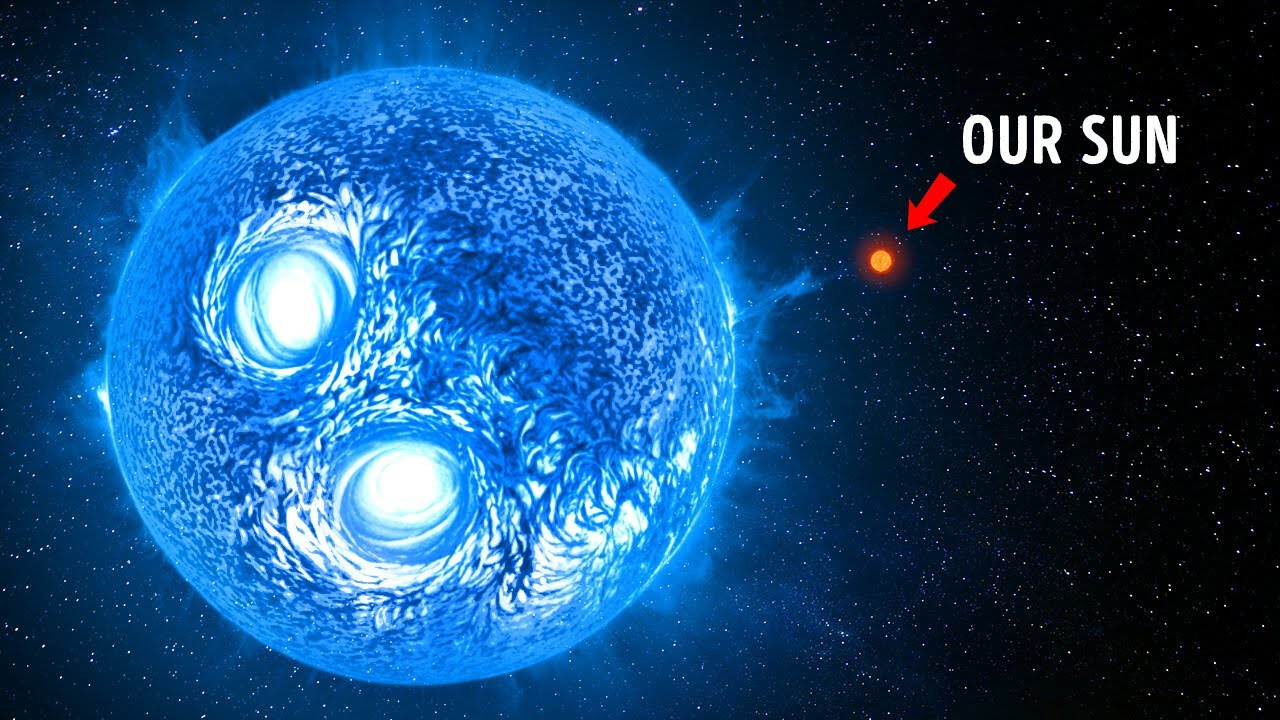
telling its own unique story through the cosmos at one end of this Stellar Spectrum are the diminutive yet abundant red dwarfs these small Stars often less than half the mass of our sun burn their fuel so frugally that they can live for trillions of years far outlasting stars like our own with surface temperatures Ranging between 3,000 and 4,000 Kelvin red dwarfs emit a cool reddish light their Energy Efficiency and Longevity contrast starkly with the more massive variants on the celestial stage moving up the scale the sun itself is a g-type main sequence star often referred
to as a yellow dwarf despite the seemingly modest designation the sun is actually quite large and luminous compared to many stars in the galaxy Beyond it we encounter the massive blue Giants and the even more colossal blue super Giants these luminous Titans like Riel and beetle juu in the Orion constellation are of particular interest with surface temperatures soaring from 10,000 to over 30,000 Kelvin these stars shine brilliantly in blue and white Hues however their Grandeur comes at a cost blue super Giants Blaze through their nuclear fuel at an astonishing rate which significantly shortens their lifespans
to just a few million years in The climax of Their Lives Many end in catastrophic Supernova explosions leaving behind enigmatic remnants such as neutron stars or black holes the ultimate Celestial Mysteries the birth of stars is a symphony of cosmic forces playing out in the dark cold regions of space known as Stellar nurseries these nurseries are vast clouds of gas and dust predominantly composed of hydrogen and helium drifting silently in the galactic Arms over time gravitational forces cause pockets of these clouds to contract and Clump together as these clumps grow denser they begin to gather
more material and the temperature in the core Rises this continues until the temperature reaches about 10 million Kelvin that's when nuclear fusion ignites marking the birth of a new star it's fascinating to think that the process starts so quietly with mere Whispers of gravitational attraction and Ends with the Roar of nuclear fire as the newly formed star gathers material it often creates spectacular visual phenomena surrounding the young star the leftover gas and dust form protoplanetary discs that may eventually coales into planets in regions like the Orion Nebula astronomical observations have captured the breathtaking beauty of
these Stellar birthplaces where dense pillars of gas and dust spiral around infant Stars illuminated by their nent Light the interplay of radiation pressure from The Young stars and the gravitational tug of war creates intricate and ephemeral structures in the nebula this a inspiring process lasting millions of years is a testament to the incredible forces at work in the universe ensuring the cycle of star birth continues unabated populating the cosmos with new sources of light and energy the life cycle of a star is a grand Narrative of cosmic proportions w Through billions of years of dynamic
changes it all begins in Stellar nurseries vast clouds of gas and dust scattered throughout galaxies as these clouds contract due to gravitational forces Proto stars form and eventually ignite nuclear fusion in their cause officially becoming main sequence Stars this stage where Stars spend the majority of their lives is governed by a delicate balance between gravity pulling Inwards and the outward pressure from nuclear fusion our sun for instance has been in this stable phase for about 4.6 billion years and is expected to remain so for another 5 billion years as stars exhaust their hydrogen fuel their
Fates diverge based on their initial mass stars similar in size to our Suns swell into red giants in this expanded State the outer layers are Shed off creating beautiful planetary nebuli leaving behind a dense hot core known as A white dwarf these white dwarfs gradually cool and fade over billions of years in contrast massive stars experience more dramatic endings after burning through heavier elements like helium carbon and finally iron their cause collapse under gravity's Relentless pull triggering Supernova explosions this cataclysmic event can outshine entire galaxies temporarily dispersing enriched material back into space seeding future Stellar
Generations the remnants of these Behemoth Stars can form dense neutron stars or if massive enough collapse further into black holes enigmatic points where gravity is so intense that not even light can escape thus the life cycle of a star is a compelling tale of creation transformation and sometimes spectacular destruction contributing continuously to the evolution of the universe supern noi the Titanic explosions signaling the death of Massive stars are not merely destructive events they are also The Architects of cosmic rebirth when a supernova occurs it releases an immense amount of energy scattering the Stars outer layers
into the surrounding interstellar medium this expelled material is rich in heavy elements like iron oxygen and silicon elements forged in the Stars core through nuclear fusion processes these enriched clouds known as Supernova remnants Infuse the Galaxy with Essential building blocks that were previously locked within the star the shock wave produced by the Supernova also plays a crucial role in the birth of new stars as it propagates through the interstellar medium it compresses nearby clouds of gas and dust instigating gravitationally bound regions that may collapse and form new stars interestingly this process acts as a cosmic
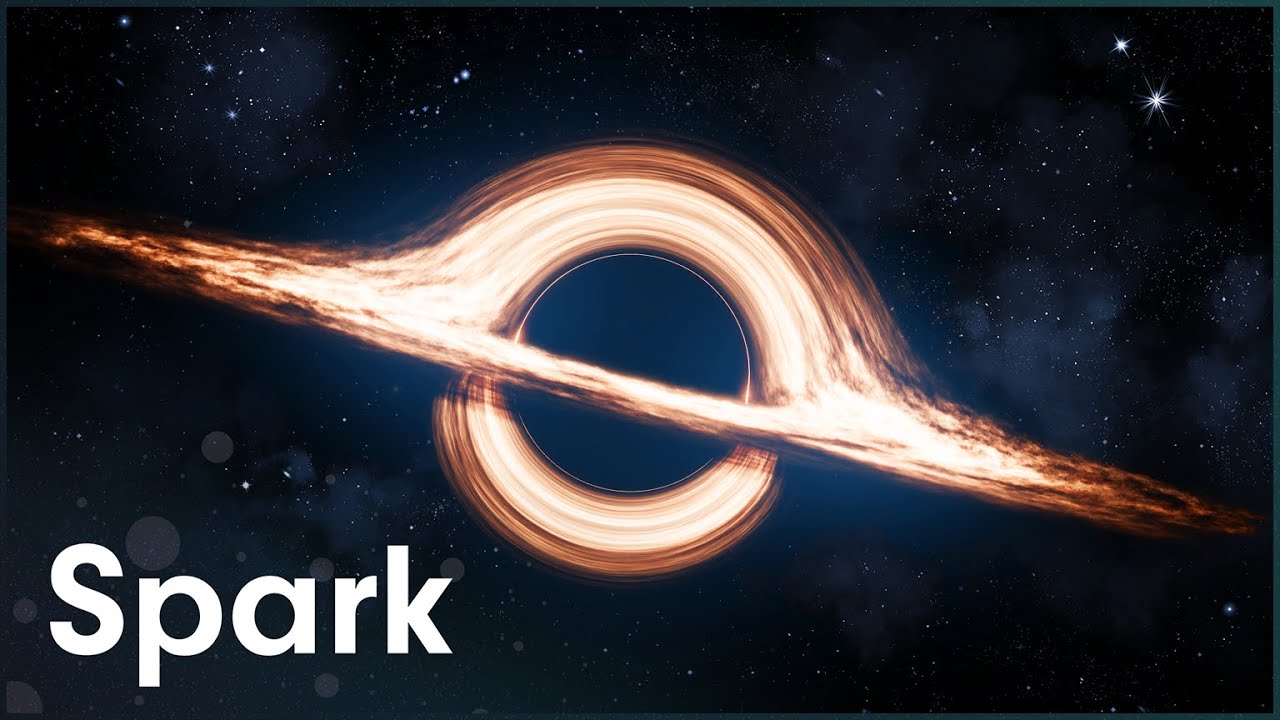
Catalyst enhancing star formation in surrounding regions of the Galaxy areas rich in Supernova remnants become fertile grounds for Stellar nurseries the Orion Nebula for instance showcases this beautifully where regions dense with the remnants of past star deaths are now a glow with the light of emerging Stars this continuous cycle of death and rebirth spurred on by supern noi ensures the cosmos remains a dynamic ever evolving tapestry where the end of one Stellar Life Seeds the beginning of countless Others black holes often conjured in the imagination as voracious gravitational monsters are the enigmatic remnants of some
of the universe's most massive stars they emerge from the violent end stages of Stellar Evolution particularly through the grand finale of a supernova when a star with a mass exceeding about 20 times that of our sun exhausts its nuclear fuel it can no longer hold off the Relentless pull of gravity the star's core collapses under its own Weight compressing its matter to a point of infinite density known as a singularity the formation process begins with the implosion of the Stars core where protons and electrons merge to form neutrons creating a neutron star if the circumstances
are right however for extremely massive stars even this dense State cannot halt the collapse the core continues to compress until it forms a black hole a region of SpaceTime where gravity is so intense that not even Light can escape its grasp surrounding this Singularity is the Event Horizon the proverbial point of no return any matter or radiation Crossing this boundary is irrevocably pulled into the black hole despite their fearsome reputation black holes are crucial to the cosmic balance often influencing the formation of galaxies and warping the fabric of SpaceTime itself the existence of black holes
was first proposed by the equations of general relativity in the Early 20th century but it wasn't until much later with advancements in observational technology that physical evidence could confirm their presence today phenomena such as gravitational waves detect ected by instruments like ligo have provided direct evidence of black hole mergers further validating their role in The Cosmic Orchestra thus from the death of a massive star emerges something profoundly mysterious a black hole perpetuating an unending interplay Of Destruction and creation Across the Universe binary star systems where two stars orbit around a Common Center of mass offer
a fascinating arena for studying Stellar Dynamics and evolution in these systems the interplay of gravitation binds the two stars in a Celestial dance with each star's motion influenced by the others gravitational pull this unique setup provides astronomers with a natural laboratory to test theories of Stellar physics as the Mutual interactions between the Stars unveil secrets about their masses compositions and life cycles that might otherwise remain hidden the paths these Stars Trace around their shared Center of mass can be varied and complex some binary systems have nearly circular orbits While others are highly elliptical causing the
Stars to move closer and then farther apart in a rhythmic pattern these variations affect how the Stars evolve over time in close Binary systems the gravitational tug of war can lead to mass transfer from one star to the other profoundly altering their evolutionary paths for instance a red giant might share its outer layers with a smaller companion becoming a white dwarf and Poss possibly triggering a Nova if the material accumulates and ignites on the White dwarf's surface in other cases the close proximity can lead to more dramatic events like gravitational wave emissions or even Mergers
further enriching our understanding of Stellar phenomena things get even more intriguing when one of the stars in a binary system evolves into a compact object such as a white dwarf neutron star or black hole the gravitational pull from these dense remnants can siphon matter from the neighboring star creating a secretion discs that emit intense x-rays detectable from Earth famous examples include the signus X1 system featuring a Stellar Mass black hole and a companion star providing one of the earliest compelling pieces of evidence for black holes binary star systems with their diverse behaviors and extraordinary interactions
not only make for captivating Cosmic displays but also serve as crucial tools for probing the fundamental principles that govern the universe constellations are fascinating Assemblies of stars that have been categorized and named by humans for Millennia these Stellar patterns serve as a cosmic canvas on which countless myths Legends and stories have been painted from the ancient Babylonians to the Greeks and across various cultures worldwide constellations provided a way to organize the night sky and track celestial objects movements they are not groups of stars bound together by gravity or proximity but rather a perspective-based collection from
our vantage point on Earth acting as a Celestial road map that has guided human navigation and understanding of the cosmos in ancient times constellations held significant practical and cultural importance Mariners relied on patterns like the Big Dipper part of Ursa Major to navigate the Seas using the position of stars to determine longitude and latitude Farmers used them to decipher seasonal changes recognizing the appearance of certain constellations at spefic specific times of the year to Inform planting and harvesting schedules beyond their practical utility constellations were embedded in the fabric of cultural and religious practices the Greeks
for instance immortalized their gods Heroes and mythical tales in the sky with the story of Orion the Hunter and his loyal Kine companions kis major and kis minor forever chasing the celestial hair lepus modern astronomy has codified 88 constellations Defining clear boundaries to Aid scientific observations and catalog celestial objects the international astronomical Union IU formalized these boundaries in the 20th century ensuring that every part of the sky belongs to a particular constellation today while constellations continue to Captivate our imagination and Inspire awe they also possess educational value serving as pneumonic devices to locate Stars nebuli
and galaxies through the lens of History And Science constellations reveal the profound human desire to impose order on the cosmos and Find meaning amidst the Stars among the vast tapestry of stars lighting up the night sky a few constellations stand out both for their striking patterns and the rich myths surrounding them take Orion for example one of the most recognizable constellations due to its prominent belt of three aligned stars in Greek mythology Orion was a mighty Hunter said To be so handsome and skillful that he caught the eye of the Gods this prowess eventually led
to his tragic demise either by the sting of a giant scorpion captured as the constellation scorpus or through other Mythic Tales involving divine retribution regardless of the story's details the Epic heroism of Orion continues to Captivate stargazers worldwide another constellation with a storied past is Ura major known commonly As the Big Dipper in the northern hemisphere the seven Bright Stars comprising the Big Dipper form part of a larger pattern resembling a Great Bear Native American folklore often views the Big Dipper as a celestial bear pursued by three Hunters reminiscent of tales passed down through generations
ancient Greek myths offer a different perspective portraying Ursa Major as Kalisto a nymph transformed into a bear by a jealous Hera only to be placed Among the Stars by Zeus her son Aras forms Ursa Miner the little bear and together these constellations remain skybound symbols of Mythic transformation and familial bonds Copa with its distinctive W shape tells the tale of a queen whose vanity led to her downfall according to Greek mythology Copa boasted about her unrivaled beauty claiming it even surpassed the nads sea nymphs who were close to Poseidon the god of the Sea in
retribution Poseidon condemned Copa to the night sky forever spinning around the celestial pole on her throne often appearing upside down a constant reminder of her hubris these constellations along with others like Pegasus Andromeda and Leo weave a rich tapestry of stories that blend cultural heritage natural observation and the Timeless human pensant for storytelling ensuring their legacy in both the annals of astronomy and mythology [Music] the Milky Way galaxy our Cosmic home is a vast spiraling assembly of stars gas dust and dark matter intricately structured into several distinct components at the heart of the Galaxy lies
the galactic center a densely packed region dominated by a super massive black hole known as Sagittarius AAR which has a mass of about 4 million times that of our sun surrounding this tumultuous core is the galactic bulge a Spherical collection of old stars and star clusters that stretches for thousands of light years extending outward from the Bulge are the Galaxy's most defining features its spiral arms These Arms named for their elegant sweeping curves are regions of intense star formation our own solar system resides in the Orion arm a minor arm situated between the larger perus
and Sagittarius arms the arms are composed of young luminous Stars and Interstellar material creating a glittering backdrop of Stellar nurseries and nebulous clouds the spiral structure is maintained by density waves that move through the Galaxy compressing gas and triggering new star formation as they pass encasing the spiral arms is the galactic disc a thin rotationally flattened plane containing most of the Galaxy's stars and nebuli the dis is enveloped by an extensive diffuse Halo of ancient stars and globular clusters Some of which are among the oldest known objects in the universe this Halo is also thought
to be rich in Dark Matter an elusive substance that exerts gravitational forces but emits no light influencing the Galaxy's overall mass and rotation beyond the Halo lies the outer reaches of the Galaxy where solitary stars and faint streams of stars remnants of past Galactic mergers wander in a sparsely populated expanse the Milky Way's Dynamic structure Reflects a long history of interactions with other galaxies shap shaping its Evolution over billions of years this Grand spiraling city of stars stretching over 100,000 light years in dier provides a Celestial home for countless star systems including our own weaving
the intricate fabric of our Galaxy's identity galaxies the Colossal structures that compose our universe can be classified into several distinct types based on their shapes and Compositions spiral elliptical and irregular each type offers unique insight ites into the processes of cosmic formation and evolution spiral galaxies such as our Milky Way are perhaps the most visually striking with their graceful winding arms extending from a central bulge these arms are SES of active star formation giving rise to young hot blue stars that illuminate the spirals Grand Design spiral galaxies can be further subdivided into barred and Unbar
spirals depending on whether a bar-like structure of stars cuts through the central bulge the star populations within spiral galaxies are diverse with older redder Stars predominantly populating the central bulge and younger Stars scattered throughout the arms the well-defined structure indicates ongoing rotational motion and a rich supply of interstellar gas and dust essential for new Star birth elliptical galaxies in stark contrast exhibit a more uniform Oval-like shape and lack the complex structure seen in spirals they range from nearly spherical to highly elongated forms and are often populated by older red Stars this aged star population suggests
that elliptical galaxies have exhausted much of their Interstellar gas leaving minimal material for new Star formation consequently they are often quiescent and less active than their spiral counterparts elliptical galaxies are Thought to form through the collisions and mergers of smaller galaxies which can disrupt their initial structure and lead to the more homogeneous appearance observed today irregular galaxies deviate from these orderly schemes and lack a definitive shape they are typically smaller than spiral and elliptical galaxies and often appear chaotic in structure with regions of active star formation interspersed among areas containing older stars this Irregularity can
result from gravitational interactions with nearby galaxies or the remnants of Galactic collisions their diverse appearances reflect a turbulent history and they often contain significant amounts of gas and dust fueling continuous star formation these three types of galaxies spiral elliptical and irregular highlight the variety of forms and evolutionary paths Cosmic structures can take spiral Galaxies with their Majestic arms and dynamic star formation elliptical galaxies with their more settled ancient populations and the unpredictable irregular galaxies each contribute to the rich tapestry of the universe revealing the breadth of Galactic architectures and their transformative histories in the grand
expanse of the universe C certain galaxies stand out for their sheer size dwarfing even our Milky Way among these colossal Structures the largest known Galaxy is ic101 a giant elliptical galaxy situated more than a billion light years away in the constellation Virgo IC 1101 spans an incredible 6 million light years across which is approximately 60 times the diameter of the Milky Way this gargantuan Galaxy is home to hundreds of trillions of stars many of which are old and red indicative of a galaxy that has long since ceased Active Star formation its Monumental size is a
result of Numerous Galactic mergers over billions of years steadily accumulating mass and dimensions through gravitational interactions another or inspiring giant is ESO 306 17 an elliptical galaxy located about 500 million light years away while not as vast as ic101 ESO 306 7 still stretches over 1 million light years in diameter the presence of a vast number of globular clusters surrounding such massive eliptical galaxies suggests their complex and violent formative Histories often marked by frequent merges and interactions with neighboring galaxies further extending our understanding of cosmic Giants is the Galaxy cluster Abel 2029 anchored by the
massive elliptical galaxy NGC 6,166 although not as expansive as I 1101 NGC 6166 is of significant interest due to its enormous Central black hole and Powerful radio emissions this galaxy forms the core of one of the largest Known Galaxy clusters contributing to its substantial gravitational footprint and the intricate dynamics of Galaxy clustering these galaxies with their immense scale and Rich histories offer tantalizing glimpses into the processes driving Galaxy evolution in the universe by studying these Cosmic leviathans astronomers glean insights into the growth mechanisms of galaxies the role of dark matter in shaping their structures and
the consequences of Galactic mergers each of these Giants serves as a testament to the boundless creativity and complexity inherent in the cosmos the formation and evolution of galaxies are processes governed by a series of intricate and fascinating events spanning billions of years it all begins in the early Universe shortly after the big bang when the primordial soup of hydrogen and helium began to cool small density fluctuations in this Otherwise uniform Universe allowed gravity to exert its influence pulling material together to form the first Proto galaxies and stars in what we call the cosmic web in
these early epochs small clusters of gas and dark matter coalesced under gravity's pull to form primordial galaxies these tiny galaxies acted as the seeds for larger structures over time through a series of mergers and accretions these small entities combin To form larger galaxies this hierarchical buildup is a key aspect of the Lambda cold Dark Matter cosmological model which describes how galaxies grow and evolve interactions and mergers not only increased a Galaxy's Mass but also stirred up the gas within them often triggering bursts of star formation known as star bursts the shape and structure of a
Galaxy can also change dramatically through these mergers for instance when Spiral galaxies Collide they often create elliptical galaxies as the chaotic interaction causes the orderly dis structures to dissipate into more rounded shapes some evidence supporting this can be found in Galaxy clusters where elliptical galaxies are more common suggesting that they've undergone multiple merger events over time meanwhile spiral galaxies like the Milky Way tend to reside in less densely populated regions allowing them to Maintain their spiral structures because they experience fewer disruptive collisions throughout this ongoing process of growth and interaction individual galaxies also evolve through
internal mechanisms spiral galaxies for example can cultivate new stars for billions of years gradually transforming their Interstellar gas into Stars once the gas supply dwindles star formation slows down and the Galaxy ages and changes in appearance transitioning from A youthful blue spiraled form to a more sedate redder Hue populated by older stars feedback from Supernova explosions and activity from super massive black holes at Galaxy centers also play a crucial role in shaping a Galaxy's evolution by regulating star formation and dispersing gas overall the life of a galaxy is a dynamic Narrative of continuous formation growth
transformation and sometimes dramatic interaction from the silent dark Birthplaces of the early Universe to the intricate and luminous structures we observe today The evolutionary journeys of galaxies showcase the intricate interplay of cosmic forces that sculpt the universe dark matter and dark energy are enigmatic components of our universe that wield substantial influence over the structure and evolution of galaxies despite their elusive nature though they constitute about 85% of the matter in The universe Dark Matter does not emit absorb or reflect light making it invisible to traditional observational methods similarly dark energy which accounts for about 70%
of the total energy content of the universe is equally mysterious and is thought to be responsible for the accelerated expansion of the cosmos in the context of Galaxy formation and structure Dark Matter acts as the scaffolding upon which galaxies Are built during the early Universe regions of slightly higher Dark Matter density acted as gravit ational Wells pulling in normal matter and leading to the formation of Proto galaxies the presence of Dark Matter Halos a spherical distribution of Dark Matter surrounding galaxies provides the necessary gravitational glue to hold galaxies together observations of Galactic rotation curves where
the outer regions of galaxies rotate faster than Expected based solely on visible matter provide strong evidence for the presence of these dark matter Halos without Dark Matter Galaxy would have insufficient gravitational pull to keep their Stars gas and dust from flinging outwards Dark Matter also influences Galactic interactions and merges when galaxies Collide their Dark Matter Halos can pass through each other with minimal Interruption as dark matter interacts primarily through gravity rather than Electromagnetically this Behavior can enhance the rate of Galactic merges thereby impacting the shapes and sizes of resultant galaxies the largest structures in the
universe such as Galaxy clusters also owe their existence to the gravitational influence of dark matter which binds hundreds or even thousands of galaxies together in these colossal assemblies dark energy on the other hand plays a somewhat different but equally Consequential role it is theorized to be responsible for the accelerated expansion of the universe discovered through observations of distant Supernova and Cosmic microwave background radiation while this accelerated expansion may seem to exert a more Global Effect it indirectly impacts galaxies as the universe expands faster and faster the gravitational pull between galaxies weakens making future merges and
interactions less likely Additionally Dark Energy influences the large scale structure of the universe contributing to the cosmic web's distribution of galaxies and voids dark matter and dark energy are fundamental to understanding The Cosmic architecture dark matter creates the framework that holds galaxies together while dark energy drives the expansion dynamics of the universe together these mysterious components orchestrate the intricate Dance of galaxies shaping the Universe on both local and Cosmic scales the Andromeda galaxy also known as M31 holds a place of prime importance in the cosmic neighborhood of the Milky Way positioned about 2 and 1/2
million light years away it is the nearest spiral galaxy to our own and one of the most massive members of the local Group which comprises around 54 galaxies including the Milky Way andromeda's significance is underscored by several Key factors not least of which is its impending collision with the Milky Way an event that will have profound implications for the structure and future of both galaxies Andromeda is slightly larger than the Milky Way containing over 1 trillion Stars compared to our Galaxy's estimated 200 to 4 400 billion this Mass helps Andromeda exert a significant gravitational influence
within the local group one of the most captivating Aspects of the relationship between the Milky Way and Andromeda is their approaching Collision driven by Mutual gravitational attraction the two galaxies are converging at a rate of about 70 m/s this colossal event is expected to occur in approximately 4.5 billion years and will likely result in the merging of the two galaxies into a single larger elliptical galaxy often referred to as Mila or milk dramaa the impending Collision while dramatic is not something to fear as the vast distances between stars mean that direct Stellar collisions will be
exceedingly rare instead the gravitational interactions will result in a stunning transformation the spiral structures of both galaxies will be disrupted and their Central super massive black holes may eventually merge emitting gravitational waves detectable across the Cosmos such Galactic mergers are not uncommon in the Universe and are a vital process in the evolution of galaxies Beyond its role in this future Cosmic event Andromeda also provides astronomers with a valuable comparative model for studying Galaxy formation and evolution its relative proximity allows for detailed observations that help scientists understand star formation Galactic Dynamics and the life cycle of
galaxies the similarities and differences between Andromeda and and the Milky Way offer Insights into how environmental factors and internal processes can shape the destiny of spiral galaxies the Andromeda galaxy serves as a mirror and a partner to the Milky Way highlighting the intricate and dynamic nature of Galactic relationships its eventual merger with our galaxy stands as a testament to the everchanging interconnected web of the universe illustrating that even on a cosmic scale nothing remains static a notion that fills our view of the future With both or and anti IP ation Galaxy collisions are cosmic events
that significantly mold the structure and evolution of the universe these dramatic encounters have far-reaching consequences affecting not just the colliding galaxies themselves but also the broader Cosmic environment when galaxies Collide their gravitational forces intricately interact influencing the formation of stars the growth of super massive black Holes and the overall morphology of the resulting Galactic structures in the initial stages of a collision galaxies do not simply crash into each other like solid objects instead they interpenetrate and their Stars gas and dark matter interact through complex gravitational interactions these forces can trigger bursts of star formation as
gas clouds compress and ignite new Stellar nurseries this Starburst phase is often observable in colliding Galaxies like the anteni galaxies where dazzling displays of new stars highlight the regions of interaction in some cases these star bursts can produce tens to hundreds of new stars simultaneously significantly influencing the luminosity and evolution of the merging galaxies as the Collision progresses the original shapes of the galaxies become distorted with tidal forces stretching and warping them into new forms these interactions can lead to the formation Of tidal tals long streams of stars and gas ejected into Intergalactic space as
seen in systems like the galaxies over time the gravitational dance continues with the galaxies repeatedly passing through each other and coalescing their cause these repeated interactions gradually dissipate the ordered rotational structures typical of spiral galaxies often resulting in the creation of an elliptical galaxy the super massive Black holes at the centers of each Galaxy May merge releasing gravitational waves and potentially powering quers or active Galactic nuclei that can out Shine the combined light of all the stars in their host galaxies Galaxy collisions also play a crucial role on larger Cosmic scales they drive the hierarchical
model of structure formation where small galaxies merge to form larger ones over billions of years this process helps to explain The diverse array of Galaxy types we observe today from the elegant spirals to the more amorphous elliptical in the context of Galaxy clusters collisions among member galaxies can influence the distribution of Dark Matter Intergalactic gas and the overall dynamics of the cluster moreover the remnants of these collisions both the newly formed galaxies and the extended ejector of stars and gas contribute to the enrichment of The Intergalactic Medium with heavy elements forged in the hearts of
stars this material concede future generations of star formation Across the Universe further perpetuating the cycle of cosmic Evolution Galaxy collisions are trans formative events that reshape The Cosmic Landscape driving star formation altering Galactic morphologies and fostering the growth of supermassive black holes they underscore the dynamic And evolving nature of the universe as galaxies continuously interact and evolve creating a tapestry of ongoing Cosmic creation and [Music] transformation a black Co often a subject of deep Fascination and scientific wonder is a region in space where the gravitational field is so strong that nothing not even light can
escape from it these Cosmic phenomena are borne from the death throws of Massive stars roughly 20 times the size of our sun that collapse under their own gravity after exhausting their nuclear fuel the core is compressed to an extremely small size where density and gravity become infinitely large per our current understanding leading to what is is termed a singularity around this Singularity lies The Event Horizon the point Beyond which nothing can return once crossed making black holes essentially invisible to Direct observation detecting black holes given their nature may seem an insurmountable challenge however scientists employ
several ingenious methods one primary technique is observing the behavior of nearby stars and gas clouds if a star is seen to orbit an unseen companion astronomers can infer the presence of a black hole from the star's movement and the gravitational effects at play another vital method is through the Detection of x-rays emitted by the accretion disc the hot glowing material spiraling into the black hole this material heats up and emits high energy radiation just before crossing the Event Horizon moreover groundbreaking advancements in gravitational wave astronomy particularly through observatories like ligo and Virgo have recently allowed
us to detect the ripples in SpaceTime caused by the collision and merger of black holes Through these methods the once invisible and mysterious black holes are becoming some of the most well understood objects in the cosmos The Event Horizon of a black hole stands as one of the defining and most mysterious aspects of these Celestial phenomena essentially The Event Horizon is the boundary surrounding a black hole Beyond which nothing can escape this Escape includes particles electromagnetic radiation such as light And even information itself the reason for this is rooted in the intense gravitational pull that
characterizes black holes a force so overpowering that once matter and radiation cross this threshold they are inexorably drawn inwards toward the singularity forever lost from the rest of the universe to comprehend the event Horizon's function imagine space as a stretched fabric as objects with mass warp this fabric the distort I Represents gravity a black hole with its immense Mass concentrated into an infinitely small Point creates a warp so deep that it essentially creates a hole in this fabric The Event Horizon marks the edge of this hole just outside this boundary the escape Velocity the speed
needed to break free from the black hole's gravitational pull equals the speed of light thus at or Beyond The Event Horizon the escape Velocity surpasses the speed of light making it Impossible for anything to Break Free the concept also invokes fascinating implications in physics and information Theory leading to thought-provoking discussions about the fate of information swallowed by black holes and the eventual state of matter within them this boundary is not a physical surface but rather a notional divide a region of space where our understanding of physics shaped largely by the laws of general relativity stretches
to its Limits there are primarily three recognized types of black holes each distinguished by their formation processes and mass the first category Stellar black holes are the most common type these form from the gravitational collapse of massive stars typically around 20 times heavier than our sun when these Stars exhaust their nuclear fuel they can no longer support themselves against the force of gravity and collapse inwardly Stellar black Holes generally possess a mass ranging from a few to several tens of solar masses next we encounter the super massive black holes behemoths that reside at the centers
of most galaxies including our own Milky Way these colossal entities boast masses equivalent to millions or even billions of suns despite their or inspiring size the exact formation mechanism of super massive black holes remains a topic of active research and Debate some theories suggest they grow from the merger of smaller black holes While others propose rapid accumulation of gas and Stellar material in the early Universe these Giants exert a profound influence on their host galaxies regulating star formation and even shaping the Galaxy's overall structure lastly there are the intermediate Mass black holes a particularly Elusive
and somewhat mysterious class of black holes with Masses between 100 and 100,000 solar masses finding definitive evidence for these has proven challenging but they are believed to form through the merging of smaller black holes or the direct collapse of massive gas clouds these midsized black holes could provide critical insights into the processes that bridge the realm of Stellar black holes and their super massive counterparts potentially unlocking secrets about the growth and evolution Of black holes throughout the cosmos each type of black hole with its unique characteristics and formation story underscores the rich complexity and dynamic
nature of our universe revealing layers of cosmic phenomena that continue to Intrigue and Inspire scientific inquiry a neutron star one of the densest forms of matter in the universe emerges from the explosive aftermath of a supernova picture an atom's nucleus Crammed into a sphere just about 12 mi in diameter yet containing a mass 1 and a half to two times that of our sun this is a neutron star a stellar Remnant Left Behind when a massive star typically 8 to 20 times the mass of the Sun exhausts its nuclear Fuel and undergo a gravitational collapse
the process begins as the Stars core contracts under the force of gravity while the outer layers are expelled in a dramatic explosion known as a Supernova the supernova's Colossal blast sheds the outer material into space but what happens at the core is a symphony of extreme physics as the core collapses protons and electrons are forced to combine into neutrons due to the intense gravitational pressure this neutron-rich core no longer able to compress any further stabilizes into a neutron Stone star the matter inside is so dense that a sugar cube sized amount of neutron star material
would weigh about as much As all of humanity combined neutron stars also possess incredibly strong magnetic fields and enormous rotational speeds often observable as pulsars rotating neutron stars that emit beams of electromagnetic radiation from their magnetic poles neutron stars are fascinating end points in Stellar Evolution but they also spark many further Quest question s these celestial objects serve as natural Laboratories for studying physics under Extreme conditions for instance the composition and state of matter inside a neutron star are subjects of vigorous scientific inquiry intersecting Fields ranging from quantum mechanics to general relativity the study of
these dense remnants also helps refine our understanding of fundamental forces and the behavior of matter at densities far exceeding what we encounter on Earth pulsars and magnetars are specialized types of neutron stars each showcasing The incredible variety of behaviors and characteristics that these dense Stellar remnants can exhibit pulsars for instance are neutron stars that emit beams of radiation from their magnetic poles as these Stars rotate and assuming their magnetic poles are not aligned with their rotational axis the emitted radiation sweeps across space like the focused beam of a lighthouse if one of these beams happens
to point toward Earth we detect Ed as regular pulses of Radiation hence the name pulser these pulses can occur at incredibly regular intervals ranging from milliseconds to seconds making pulsers some of the most precise natural clocks in the universe the phenomena are so stable that astronomers even use them to test the fundamental laws of physics such as general relativity magnetars on the other hand represent an extreme subset of neutron stars characterized by their Exceptionally strong magnetic fields thousands of times stronger than those found in typical neutron stars or even pulses these magnetic fields can be
one quadrillion times stronger than Earth's magnetic field magnas often also rotate relatively slowly compared to pulses with rotation periods ranging from a few seconds to several minutes these potent magnetic fields lead to dramatic surface activity and violent outbursts manifesting as intense bursts of X-rays And gamma rays such bursts can affect the Stars crust which is composed of ultra dense neutron-rich matter leading to Star Quakes and further bursts of high energy emissions thus pulsars and magnetars highlight the diversity within the neutron star family while pulsar and their rhythmic light pulses help us explore the cosmos with
precise timing magnetar challenge our understanding of magnetic fields and high energy Astrophysics through their powerful emissions both phenomena offer unique Windows into the extreme environments and fundamental physics at play in these dense posts Supernova remnants enriching our knowledge of the universe's most exotic objects among the Myriad of black holes and neutron stars discovered a few have garnered particular Renown due to their unique properties historical importance or the groundbreaking science they Facilitated one of the most famous black holes is sigus X1 located in the constellation signus about 6,000 light years from Earth discovered in the early
1970s signus X1 was one of the first strong candidates for a black hole this binary system includes a blue super giant star and its compact companion the black hole which exhibits powerful x-ray emissions as it accretes matter from the super giant the discovery of signis X1 played a pivotal role in solidifying the Concept of black holes within astrophysics proving their existence Beyond theoretical constructs in the world of neutron Stars the crab Pulsar is Iconic located at the heart of the Crab Nebula the crab Pulsar is the remnant of a supernova explosion recorded by Chinese astronomers
in 1054 ad this Pulsa rotates 30 times per second emitting pulses of radiation across various wavelengths including radio waves Optical light X-rays and Gamma rays the crab pulser is intensely studied because it offers a wealth of information about Pulsa wind nebuli magnetic fields and the mechanics of supernova remnants the synchronization of observations across different electromagnetic spectrum bands makes the crab Pulsar a Cornerstone in multi-wavelength astronomy another notable black hole is Sagittarius AAR the super massive black hole at the center of our Milky Way Galaxy invisible to optical telescopes its presence is inferred through the rapid
orbits of nearby Stars which Circle an unseen massive object with immense gravitational influence through techniques like radio and infrared observations astronomers can map these Stellar orbits and confirm the astounding mass of Sagittarius AAR approximately 4 million times that of the Sun the discovery and study of Sagittarius AAR have provided invaluable Insights into the nature of super massive black holes and their role in Galaxy formation and evolution for neutron stars psrb 1,919 + 21 holds historical significance as the first puls are ever discovered found by Joselyn bbell and Anthony Huish in 1967 its periodic radio pulses
initially led to speculation about extraterrestrial intelligence before it was identified as a rapidly rotating neutron star emitting beams of radio Waves this discovery opened a new era for observational astrophysics revealing new ways to study the extreme physics governing neutron stars these famous black holes and neutron stars are not merely objects of cosmic curiosity they are Monumental in advancing our understanding of Stellar Evolution gravitational Theory and the extreme states of matter continually pushing the boundaries of what's known in modern [Music] Astrophysics The Big Bang Theory is the prevailing cosmological model explaining the origin of the universe
according to this Theory the universe began a o imately 13.8 billion years ago from an extremely hot dense State and has been expanding ever since the notion of the Big Bang should not be confused with an explosion in the conventional sense rather it was an event that marked the beginning of space time and all the matter and energy that currently Exists the term Big Bang initially coined somewhat pejoratively by British astronomer Fred Hy has since become the widely accepted designation for this mological model The Big Bang Theory finds strong support from multiple lines of empirical
evidence one of the most compelling pieces comes from the observation of the cosmic microwave background radiation first detected accidentally by arop penzias and Robert Wilson in 1965 the CMB is a faint glow that fills the universe and is considered the Afterglow of the Big Bang itself providing a snapshot of the infant Universe when it was just 380,000 years old this radiation is remarkably uniform with tiny fluctuations that correspond to the seeds of all current Cosmic structure galaxies stars and planets another line of evidence is the red shift of galaxies first described by Edwin Hubble Hubble
observed that Galaxies appear to be moving away from us with their light shifted towards the red end of the spectrum indicating that space itself is expanding this observation aligns with the predictions of General relativity which Albert Einstein formulated earlier in the 20th century when run backward this expansion implies that the Universe was once much more condensed furthermore the abundance of Light Elements such as hydrogen helium And traces of lithium as predicted by Big Bang nucleosynthesis also supports this Theory these elements were formed during the first few minutes of the universe when temperatures and pressures were
so high that nuclear reactions could occur creating these primordial elements in quantities that match what we observe today The Big Bang Theory provides a comprehensive framework for understanding the universe's origin and Its subsequent Evolution it not only accounts for current observations but also continuously guides new discoveries enhancing our grasp of the cosmos as it evolves over billions of years determining the age and size of the universe relies on a blend of observational astronomy theoretical physics and advanced mathematical modeling to measure its age one of the key methods involves studying the cosmic microwave background radiation CMB
which Is the oldest light in the universe this Relic radiation from The Big Bang first detected by arop penzias and Robert Wilson in 1965 provides a direct window into the early Universe by analyzing the tiny fluctuations in the CMB scientists can infer crucial cosmological parameters such as the the rate of expansion of the universe known as the Hubble constant microwave observatories like the Wilkinson microwave anisotropy probe W Map and the plank satellite have provided precise measurements of these fluctuations leading to the most accurate estimates of the universe's age current calculations suggest that the universe is
approximately 13.8 billion years old another approach involves studying the oldest known star clusters such as globular clusters these densely groups of ancient Stars provide a lower bound on the age of the universe by determining the age of the oldest Stars Within These clusters which can be done through understanding Stellar Evolution and nucleosynthesis astronomers validate and refine the age derived from the CMB data these Stars ages are consistent with the universe being several billion years old corroborating the results derived from cosmic background studies measuring the size of the universe particularly the observable universe is intertwined with
Understanding its expansion Edwin Hubble's observation that galaxies are receding from us with more distant galaxies moving faster paved the way for estimating Cosmic scale the Hubble constant which quantifies this expansion rate is critical for calculating distances modern measurements using type IIA supern noi as standard candles a method where the intrinsic brightness of these exploding stars is well understood help refine the value of the Hubble Constant alongside barion acoustic oscillations Bao which are periodic fluctuations in the density of visible bionic matter provide another standard ruler for cosmological distances combining the Hubble constant with the current age
of the universe allows scientists to estimate the size of the observable universe since light travels at a finite speed looking out into space is also looking back in time hence the observable universe is a Sphere around us with a radius of about 93 billion light years this is far larger than the age of the universe multiplied by the speed of light due to the continuous expansion of space itself through these integrated methods examining the CMB star clusters supern noi and Cosmic expansion scientists piece together a picture of the universe's vast age and size offering profound
insights into the cosmos's observable boundaries and its dramatic History cosmic background radiation more formerly known as The Cosmic microwave background is a pervasive Afterglow of the Big Bang presenting itself as a faint microwave radiation that fills the entire universe discovered accidentally by arop penus and Robert Wilson in 1965 the CMB represents the residual heat left over from the initial explosion that created the universe this radiation dates back to approximately 380,000 years after the Big bang a time when the universe had cooled sufficiently to allow protons and electrons to combine into neutral hydrogen atoms making the
universe transparent and allowing light to travel freely For the First Time The CMB is essentially a snapshot of the universe at that infant stage the importance of cosmic background radiation to cosmology cannot be overstated first and foremost it provides strong empirical support for The Big Bang Theory the near-perfect Uniformity of the CMB with minute temperature variations of about one part in 100,000 fits precisely with predictions from The Big Bang model concerning the early universe's homogeneous and isotropic nature these minute fluctuations are significant they represent the seeds of all current structure in the universe galaxies stars
and planets indicating regions of slightly varying densities That Grew over billions of years into the cosmic Structures we observe today detailed measurements of the CMB particularly from missions like the Wilkinson microwave anisotropy probe W map and the plank satellite have provided a treasure Trove of cosmological data these observations allow scientists to refine the values of several critical cosmological parameters such as the Hubble constant the rate of expansion of the universe the density of ordinary matter dark matter and dark Energy by meticulously analyzing the CMB scientists can also determine the universe's age to a high degree
of precision which is currently estimated at around 13.8 billion years moreover the CMB has revealed evidence of cosmic inflation a rapid expansion of the universe immediately following the Big Bang information encoded in the temperature and polarization patterns of the CMB supports this inflationary model providing insights into the universe's First fractions of a second these studies open up avenues for understanding fundamental physics but energies far beyond those accessible through particle accelerators on Earth cosmic background radiation serves as a vital Cosmic Relic a faint Whisper of the universe's explosive birth and its subsequent Evolution it provides us
with a detailed map of the early Universe guiding our comprehension of the cosmos from its Inception to its Current vast structured form and continues to be an essential source of data for ongoing and future astrophysical research scientists study the expansion of the universe primarily through the observation of distant galaxies and the light they emit one of the foundational methods relies on the red shift of light a phenomenon first systematically studied by Edwin Hubble in the 1920s red shift occurs because as Galaxies move away from us due to the expansion of space the light traveling from
these galaxies gets stretched shifting it toward the red end of the electromagnetic spectrum this shift can be Quantified using spect roscopic techniques where the absorption or emission lines of elements observed in a galaxy Spectrum are compared to their known laboratory wavelengths the amount of red shift directly correlates with the Galaxy's Velocity and distance providing a measure of how fast they are receding and consequently a measure of the universe's expansion rate an essential tool in this process is the Hubble constant symbolized as H EO which quantifies the rate of expansion of the universe this constant is
derived from Hubble's Law which states that the velocity of a Galaxy V is directly proportional to its distance D from us with ho being the Proportionality constant V equal Sin Ho XD measuring the Hubble constant requires precise distance measurements to galaxies which astronomers achieve through several methods one key approach involves using standard candles such as type IIA supern noi these supern noi have a consistent intrinsic brightness allowing their distance to be calculated by comparing their known Luminosity to their observed brightness by mapping the distances against the red shifts of These supern noi scientists provide a
more accurate value for the Hubble constant thereby refining our understanding of the rate of expansion the study of cosmic background radiation or CMB provides another critical Avenue for understanding expansion the CMB is the Afterglow of the Big Bang uniform in all directions but with tiny temperature fluctuations that offer insight into the early universe's conditions space missions like the Wilkinson microwave Anisotropy probe W map and the plank satellite have measured these fluctuations with high Precision analysis of the cmbb helps determine several Cosmic parameters including the universe's geometry and the rate of its expansion over time these
observations reinforce the measurements derived from distant galaxies and Supernova giving a cohesive picture of the universe's expansion history finally scientists also use Barri and acoustic oscillations Bao as a standard ruler for Cosmic distances boo refers to regular periodic fluctuations in the density of visible matter due to sound waves traveling through the early Universe these sound waves have left their imprint on the large scale distribution of galaxies by measuring the scale of Boo in the distribution of galaxies astronomers confirmed further refine the distance measures necessary to calculate the universe's expansion Rate the expansion of the universe
is studied through a multifaceted approach combining observations of distant galaxies Supernova the cosmic background radiation and large- scale Cosmic structures these methodologies converge to provide a detailed and evolving picture of how space itself has been stretching and growing ever since the Big Bang guiding our understanding of the dynamic and expanding Universe we inhabit The ultimate fate of the universe is one of cosmology's most profound questions and several leading theories propose different scenarios based on our understanding of current cosmological parameters particularly the nature of dark energy dark matter and the universe's overall geometry and expansion rate
one of the primary theories is the big freeze also known as heat death this scenario depends heavily on the concept Of dark energy which appears to be driving the accelerated expansion of the universe should this acceleration continue indefinitely galaxies will drift further apart reducing interaction such as Galaxy merges and star formation over billions to trillions of years Stars will exhaust their nuclear Fuel and the formation of new stars will cease leaving behind a universe increasingly dominated by Cold dark remnants like white dwarfs neutron stars And black holes eventually even black holes might evaporate through a
process called Hawking radiation leading to a final state where the universe is a sparse cold expanse filled with low energy photons and Elementary particles another theory is the Big Crunch in this scenario the expansion of the universe will eventually Halt and reverse if the gravitational attraction of the universe's matter including Dark Matter overcomes the repulsive force of dark energy this reversal would cause galaxies to converge back towards each other other leading to increasing density and temperature throughout the Universe ultimately the universe could collapse back into a singular State mirroring conditions similar to those at the
Big Bang possibly setting the stage for a cyclic model of Perpetual expansion and contraction a related Theory to the Big Crunch is the big bounce here the universe undergoes repeated cycles of expansion and contraction after Contracting into an extremely dense State similar to a big crunch Quantum gravitational effects might cause a rebound leading to another big bang and a new cycle of expansion this Theory attempts to merge principles of quantum mechanics with general relativity to explain the universe's Behavior at extreme Densities a more recently discussed fate is the Big Rip this scenario stems from certain
models of dark energy particularly those involving a form of dark energy called Phantom energy which increases in strength over time if Dark Energy grows stronger than and all other forces it could eventually rip apart galaxies stars planets and even Atomic nuclei leading to a universe where space itself is torn apart the Big Rip predicts a dramatic end where the force Driving the expansion overwhelms every binding Force at every scale lastly there is the heat death scenario different from the big freeze mainly in how it emphasizes achieving a state of thermodynamic equilibrium in this context the
universe reaches maximum ENT ropy where all energy is uniformly distributed and no difference in temperature exists to drive any form of work or processes this will be the ultimate state of inactivity a uniform Featureless expanse where the thermodynamic Arrow of time has essentially run its course these theories are continually refined and tested as our understanding of dark energy dark matter and other cosmological factors improves current and future observations such as those from the James web space telescope or gravitational wave detectors will be crucial in further constraining these models helping to illuminate the Profound question of
the universe's ultimate Destiny the search for and study of dark matter and dark energy are among the most exciting and challenging Pursuits in modern astronomy and physics both components appear to play fundamental roles in the cosmos yet remain elusive because they do not interact with light in ways that make them easily observable scientists employ a variety of methods to infer their presence and study their Properties dark matter is inferred from its gravitational effects on visible matter radiation and the large scale structure of the universe one of the key pieces of evidence comes from the rotational
curves of galaxies when scientists observe the rotation speeds of stars within galaxies they find that the outer Stars rotate much faster than can be explained by the visible Mass alone this discrepancy strongly suggests the presence of an unseen Mass Attributed to Dark Matter Additionally the gravitational lensing effect where light from distant objects is bent around massive clusters of galaxies provides another line of evidence the degree of bending exceeds what would be expected from visible matter alone pointing to substantial amounts of Dark Matter efforts to detect Dark Matter directly are ongoing and involve highly sensitive detectors
placed deep underground to Shield them from cosmic Rays and other backround radiation these experiments like the cryogenic dark matter search cdms and the Xenon Dark Matter experiment Xenon aim to detect rare interactions between Dark Matter particles and normal matter other avenues include accelerator experiments such as those conducted at the Large Hadron Collider Lac hoping to produce Dark Matter particles in high energy collisions dark energy on the other hand is believed to be the force driving the Accelerated expansion of the universe Universe its presence was first inferred from observations of type IIA supern noi in the
1990s revealing that distant supervi appeared dimmer than expected suggesting that the universe's expansion rate is increasing Dark Energy constitutes about 70% of the universe's total energy content yet its exact nature remains a profound mystery the study of dark energy involves several approaches one primary Method is the observation of large scale structures in the universe such as Galaxy clusters and voids surveys like the Sloan digital Sky survey sdss and the dark energy survey DS map the distribution of these structures to track how they evolve over time another crucial observation comes from the cosmic microwave background CMB
radiation instruments like the plank satellite provide detailed measurements of the CMB allowing scientists to infer The universe's geometry and expansion history the behavior of barion acoustic ulations Bao sound waves from the early Universe imprinted in the distribution of galaxies also offers insights into the expansion rate influenced by Dark Energy Future missions and projects aim to further our understanding of both dark matter and dark energy the upcoming uclid satellite and the James web Space Telescope jwst will provide unprecedented data and ground-based Observatories like the vus Rubin observatories Legacy survey of space and time lsst will offer
comprehensive Sky surveys these efforts are complemented by theoretical work aiming to better integrate dark matter and dark energy into the framework of particle physics and general relativity the quest to unveil dark matter and dark energy involves a multifaceted strategy combining observational evidence from telescopes Experimental searches in particle physics and theoretical developments while these components remain enigmatic their study continues to push the boundaries of our understanding enriching our conception of the universe's composition and its ultimate [Music] fate exoplanets or extra solar planets are planets that orbit stars outside our solar system these celestial bodies vary widely
in size composition and orbital Characteristics offering a fascinating glimpse into the diversity of planetary systems since the first confirmed detection in 1992 of exoplanets orbiting the Pulsar psrb 1,257 + 12 the field has expanded dramatically with thousands of exoplanets now cataloged thanks to Advanced detection methods and Technologies one of the most effective techniques for discovering exoplanets is The transit method this method involves monitoring the brightness of a star over time if a planet passes directly between its star and and the Observer it causes a temporary dimming of the star's light a Transit by measuring the
depth duration and periodicity of these transits astronomers can infer the planet's size its orbital period And even some atmospheric properties if the stars light filters through the planet's atmosphere NASA's Kepler space telescope Revolutionized this method discovering over 2,000 confirmed exoplanets by observing a fixed field of stars and detecting the tiny dips in brightness caused by planetary transits another wellestablished method is radial velocity or the Doppler method this technique measures the wobble in a star's motion caused by the gravitational influence of an orbiting Planet as the star moves towards and away from us its light shows
a slight Red shift and blue shift due to the Doppler effect by analyzing these shifts with high Precision spectrometers scientists can determine the planet's mass and orbit groundbased telescopes such such as those using the harps spectrograph in Chile Have Been instrumental in detecting exoplanets through this method gravitational micr lensing offers another intriguing Avenue for Discovery it relies on the gravitational field of a massive object Like a star which bends the light of a background star if a planet orbits the intermediary star it can create a distinct temporary brightening in the background Stars light a micr
lensing event this method is particularly effective for finding ing planets at greater distances from their Stars even in planetary systems located several thousand light years away although it does require precise alignments and is often used in conjunction with other Methods direct Imaging though challenging is a growing field this method involves capturing pictures of exoplanets by blocking out the Stars bright light often using a Corona graph or a star shade advances in technology and Adaptive Optics have made it possible to directly image larger exoplanets especially those orbiting relatively far from their host Stars the James web
Space Telescope is expected to push the boundaries of direct Imaging Allowing us to study exoplanet atmospheres in Greater detail last but not least astrometry measures the precise changes in a star's position in the sky due to the gravitational effect of an orbiting Planet though less commonly used due to the necessity of extremely accurate measurements astrometry can be highly effective for detecting planets with longer orbital periods these Discovery methods employed individually or in complimentary Combinations enable scientists to characterize exoplanets masses radi orbital distances and atmospheric compositions each new discovery adds to our understanding of Planet formation
and the potential for habitability bringing us closer to answering whether life exists beyond our solar system with missions like Tess transiting exoplanet survey satellite the James web space teles scope and upcoming projects like esa's Plato planetary transits and Oscillations of stars the search for and study of exoplanets continue to be an exhilarating Frontier in modern astronomy scientists use several sophisticated methods to detect exoplanets each with its own strengths and limitations these techniques exploit the effects that planets have on their host stars and the light these Stars emit one of the most successful and widely used
methods is the transit method this involves observing the light From a star and looking for periodic dips in brightness which occur when a planet passes in front of the star briefly blocking a portion of its light this Transit causes measurable reductions in brightness that can provide information about the planet's size and orbital period NASA's Kepler space telescope has identified over 2,000 confirmed exoplanets using this method by further analyzing how the Stars light changes as it filters Through the planet's atmosphere during Transit scientists can infer the composition of the planet's atmosphere detecting gases like hydrogen helium
and water vapor another Cornerstone technique is the radial velocity method also known as the Doppler method as a planet orbits a star the gravitational pull between them causes the star to move in a small orbit resulting in shifts in the star's spectral lines due to the Doppler effect when the star Moves toward Earth its light is slightly blue shifted when it moves away it is red shifted High Precision spectrometers like those employed in the harps high accuracy radial velocity Planet Searcher instrument at the Lilla observatory in Chile can detect these subtle changes in the Stars
velocity this method provides information about the planet's minimum mass and orbital eccentricity gravitational microlensing is a method that relies on the Gravitational field of a star to magnify the light from a more distant background star when they align closely if the foreground star has a planet it can cause an additional noticeable blip in the light profile a micr lensing event this technique is especially Adept at detecting planets far from their host Stars including those in systems thousands of light years away which might be missed by other methods direct Imaging involves Capturing visual or infrared images
of planets by blocking out the light from the host star usually with a coronograph or a star shade to reduce the star's glare although challenging due to the faintness of planets compared to their Stars recent advancements in Adaptive Optics and the use of space telescopes have made this method increasingly viable direct Imaging allows scientists to study the atmospheres and even the weather patterns of exoplanets by Analyzing the emitted or reflected light lastly astrometry measures the precise movements of stars in the sky looking for the tiny wobbles caused by orbiting planets this method requires extremely high
Precision because the position IAL changes are minuscule while it's less commonly used due to technological challenges it can be effective for detecting massive planets in wide orbits these techniques often complement Each other for example initial detections made by the transit or radial velocity methods can be followed up with direct Imaging or atmospheric analysis during transits to gather more comprehensive data each method brings us closer to understanding the vast diversity of planetary systems in our galaxy and the potential for life beyond our solar system with missions like Tess transiting exoplanet survey satellite the jwst James web
Space Telescope and Isa's Plato planetary transits and oscillations of stars the detection and study of exoplanets are becoming ever more precise and insightful opening New Frontiers in the search for extraterrestrial life an exoplanet's potential habitability hinges on several key factors primarily related to its capacity to support liquid water which is considered essential for Life as we know it the most critical criteria include the exoplanet's location within Its Stars habitable zone its size and composition atmospheric conditions and the stability and activity of its host star the habitable zone often termed the goldilock zone is the region
around a star where the temperature is just right for liquid water to exist on a planet's surface not too hot and not too cold this zones distance varies depending on the star's type and Luminosity for instance around a sunlike star the habitable zone might stretch from about 0.95 to 1.37 astronomical units AU from the star with One AU being the distance from Earth to the Sun for a smaller cooler Star like an M dwarf the habitable zone would be much closer in discovering an exoplanet within this zone is the first significant step toward assessing its
habitability size and composition are also crucial ideally a potentially habitable exoplanet should be about Earth sized meaning it has a radius and mass not Drastically different from our own Planet this implies it is more likely to have a rocky surface as opposed to being a gas giant planets that are too large May attract thick hydrogen helium atmospheres making them more like Neptune or Jupiter than Earth alternatively planets significantly smaller than Earth May struggle to retain a substantial atmosphere which is vital for maintaining liquid water and protecting life forms from harmful Stellar radiation the planet's atmosphere
plays a pivotal role in regulating surface temperature through the greenhouse effect Distributing heat and providing essential gases for potential biological processes a planet with an atmosphere thick enough to retain heat but not so thick as to create a runaway greenhouse effect like on Venus is considered more habitable the presence of water vapor carbon dioxide and traces of other gases Like methane and oxygen can be promising signs Advanced telescopes and spectrometers can analyze the composition of exoplanet atmospheres during transits or through direct Imaging offering hints about their potential to support life the stability and activity of
the host star are vital factors as well stars that are too volatile such as those emitting frequent intense solar flares can strip away atmospheres and bathe their planets in Harmful radiation making conditions challenging for life therefore stars with relatively stable output and longer lifespans like our sun are more conducive to habitability interestingly M dwarfs or red dwarfs despite being cooler and dimmer have incredibly long lifespans and their habitable zones are close in however their propensity for flares poses a potential risk to habitability other considerations Include the planet's axial tilt and orbital eccentricity which affect seasonal
variations and overall climate stability as well as the presence of a magnetic field which can protect the atmosphere from Stellar winds and Cosmic radiation recent missions have identified several intriguing candidates such as Proxima centu B which orbits within the habitable zone of the closest star to the sun and the Trappist one system which hosts multiple earth-sized Planets within its habitable zone upcoming missions and telescopes like the James web Space Telescope jwst and the extremely large telescope scope elt promised to provide more detailed insights into these worlds analyzing their atmospheres and searching for potential bio signatures
the search for potentially habitable exoplanets involves a complex interplay of factors each contributing to the delicate balance required to Sustain life as we understand it advancing our quest to find another Earth Among the Stars imagine peering into the Skies of Distant Worlds hundreds of light years away as if through a celestial magnifying glass that's precisely what astronomers do to study the atmospheres of exoplanets those planets that orbit Stars beyond our sun one of the primary methods involves a technique called Transit spectroscopy when an exoplanet Passes in front of its host star some of the Starlight
filters through the planet's Atmosphere by capturing this light with powerful telescopes scientists can analyze it to detect the presence of various molecules tiny signatures in the light spectrum known as absorption light L reveal the chemical composition of the exoplanet's atmosphere these fingerprints can indicate molecules like water vapor carbon dioxide methane or even more Exotic substances painting a vivid picture of what these strange and distant environments might be like but the quest to understand these alien atmospheres doesn't stop there another vital method is direct Imaging though it is significantly more challenging when astronomers manage to capture
a direct image of an exoplanet they can sometimes study its reflected light to glean information about the atmosphere instruments like the James web Space Telescope and other Advanced observatories utilize Adaptive Optics and coronagraphs to block out the overwhelming glare of the parent star allowing the fainter light from the exoplanet to come through by analyzing this light researchers can determine the temperature weather patterns and even the potential for habitability this sophisticated approach combined with theoretical models allows scientists to extrapolate not just the atmospheric Makeup but also the possible climate and conditions revealing whether some of these
Distant Worlds might support Life as we know it or present environments beyond our wildest imaginings in the boundless Cosmic ocean where billions of stars hold sway a select few exoplanets have captured the imaginations of scientists searching for extraterrestrial life one of the Prime candidates is Proxima entor B an earth-sized Planet orbiting within the Habitable zone of Proxima centor the closest star to our sun at a mere 4.24 light years away discovered in 2016 Proxima centor be's location permits the possibility of liquid water on its surface which is crucial for Life as We Know It ongoing
observations aim to understand its atmosphere surface conditions and potential for sustaining life making it a tantalizing Target in the Quest for other worldly neighbors another set of intriguing Worlds lies within the Trappist one system where seven earth-sized exoplanets orbit an ultracool dwarf star just 39 light years away remarkably three of these planets trapist 1e Trappist 1f and trapist 1G exist within the Stars habitable zone the orbits of these planets are so tight that a year on one of them could last only a few days by our Earthly standards spectroscopic studies of the trapist one planets
have already begun to provide Insights into their atmospheric composition these World size density and distance from their host star suggest they might host liquid water and potentially life the Trappist one system thus represents a fascinating laboratory for studying exoplanetary atmospheres and assessing life's potential beyond Earth making it a Cornerstone in the search for the extraordinary in the ordinary expanse of our galaxy the Drake equation is a remarkable intellectual Tool devised to estimate the number of active communicative extraterrestrial civilizations within our Milky Way galaxy crafted by astrophysicist Frank Drake in 1961 the equation offers a way
to quantify what might otherwise seem an incomprehensible question it breaks down the immense complexity of the search for extraterrestrial intelligence into a series of manageable factors these factors include the rate of star formation in the Galaxy the fraction of Those stars that host planetary systems and and the number of planets per solar system that might be hospitable to life from there it delves further into the likelihood of Life arising on such planets the odds that such life forms develop intelligence and finally the probability that these intelligent beings develop technologies that allow them to communicate across
Interstellar distances each variable in the Drake equation requires a mix of observational Data theoretical understanding and a bit of educated guesswork as some factors remain largely speculative for instance while we have considerable data on the rate of star formation and the prevalence of exoplanets thanks to missions like Kepler estimates for the emergence of Life the development of intelligence and the lifespan of technological civilizations involve more uncertainty despite these uncertainties the true power of the Drake equation Lies in its framework which allows scientists to systematically approach the search for extraterrestrial intelligence setti by updating the equations
factors with new discoveries scientists can continuously refine our estimate of the number of civilizations Shining Light on the profound question are we alone in the Galaxy through collaborative International efforts and technological advancements the quest driven by the Drake equation persists ever adaptive to the Expanding Horizons of our astronomical knowledge [Music] the Apollo missions stand as Monumental milestones in the annals of human achievement with Apollo 11's historic landing on the moon in 1969 forever etched into the collective memory of humanity this astonishing feat saw astronauts Neil Armstrong and Buzz Aldren become the first humans to set
Foot on another Celestial body a testament to the boundless Ingenuity and perseverance of those involved Armstrong's famous words that's one small step for man one giant leap for mankind echoed the significance of this unprecedented Venture the Apollo program was not limited to just planting a flag and leaving Footprints it brought back over 840 lbs of lunar rocks soil and core samples which fundamentally transformed our understanding of the Moon's composition and geological history yet the Apollo missions were about much more than just reaching and returning from the Moon they epitomized the power of of scientific exploration
and technological advancement the Apollo missions led to significant development in many areas from Computing to engineering the Saturn 5 rocket the most powerful rocket ever built successfully propelled astronauts beyond Earth's gravity scientific experiments left on The lunar surface such as seismometers and retro reflectors provided valuable data about the moon's internal structure and its interaction with Earth Apollo 12 through Apollo 17 expanded on the initial achievement with extended lunar surface Explorations the deployment of scientific instruments and the use of the lunar roving vehicle which allowed astronauts to travel farther from their Landing sites the combined achievements
of the Apollo missions laid the groundwork for contemporary space exploration and provided enduring inspiration reflecting the remarkable possibilities when human ambition and scientific inquiry intertwine the International Space Station ISS represents a pinnacle of global collaboration and scientific inquiry orbiting Earth approximately 250 m above its surface since its Inception in 1998 the ISS has served as an invaluable platform for conducting Experiments that would be impossible under Earth's gravity through long duration missions scientists have been able to study the effects of microgravity on the human body yielding crucial insights for future astronauts who may embark on extended
Journey to Mars and Beyond research on muscle atrophy bone density loss and fluid shifts within the body has led to the development of counter measures and better understanding of how space travel Impacts human physiology which is vital for long-term survival in outer space beyond the realm of biology the ISS has also become a laboratory for a diverse range of scientific disciplines studies in physics for instance have benefited from the microgravity environment to explore phenomena like fluid dynamics and combustion in ways that are not possible on Earth the ISS has also served as a Launchpad for
astronomical observations and Earth Sciences instruments aboard the station have monitored cosmic rays scanned the universe for dark matter and observed Earth's atmosphere oceans and land surfaces helping to track climate change and natural disasters moreover International collaborations on the ISS have fostered technological advancements and diplomatic ties among participating countries Dem demonstrating the unity that space exploration can engender by continuously leveraging its unique Position in low earth orbit the ISS remains a beacon of scientific progress and a crucial stepping stone for the future exploration of deeper space the Mars rovers curiosity and perseverance are at the Forefront
of Humanity's quest to unravel the mysteries of the red planet launched by NASA these Advanced robotic explorers are tasked with delving into the planets history and assessing its potential to have hosted life curiosity which landed In Gail crater in 2012 has a prime objective to investigate whether Mars ever had environmental conditions that could support microbial life equipped with a suite of scientific instruments Curiosity has been analyzing Rock and soil samples for organic compounds and other Chemical indicators of habitability the Rover's discovery of ancient river beds and Lake beds alongside the detection of complex organic molecules
has already provided Compelling evidence that Mars could have been hospitable to life billions of years ago perseverance which touched down in jazero crater in 2021 Builds on curiosity's Legacy but Dives even deeper into the search for signs of past life one of its primary missions is to collect and cash soil and rock samples that could potentially contain bio signatures traces left by ancient microbial life these samples are intended to be returned to Earth in a Future mission for detailed laboratory analysis perseverance is also equipped with groundbreaking technology to study Mars geology and climate and it
actively Scouts for potential Landing sites for human missions additionally perseverance has brought along Ingenuity a small helicopter that has already proven powered flight on another planet is possible opening up new avenues for aerial exploration through these multifaceted Endeavors both rovers are laying the groundwork not only for future scientific discovery but also for the eventual human exploration of Mars Transforming Our understanding of the planet one groundbreaking discovery at a time Voyager and New Horizons represent marvels of human Ingenuity each embarking on extraordinary Journeys to explore the outer reaches of our solar system and beyond the twin
Voyager Spacecraft launched in 1977 were designed initially for a grand tour of the outer planets Voyager 1 and Voyager 2 delivered unprecedented close-up images and data from Jupiter Saturn Uranus and Neptune dramatically expanding our understanding of these Distant Worlds equipped with a suite of scientific instruments including cameras magnetometers and plasma detectors the voyagers revealed details such as the rings of Jupiter the complex atmospheres Of Saturn and Neptune and the active vulcanism on iO one of Jupiter's moons as if these missions weren't ambitious enough both Voyager spacecraft have since traveled into Interstellar space becoming our first
human-made objects to leave the heliosphere the bubble of solar wind surrounding our solar system their instruments continue to send back valuable data about the interstellar medium providing insights into the environment that lies beyond The influence of our sun and in turn enhancing our understanding of our place in the Galaxy New Horizons launched in 2006 epitomized a singular mission to explore Pluto and the Kyper belt after a journey of nearly a decade New Horizons made its closer approach to Pluto in 2015 capturing detailed images and data that transformed our view of this distant dwarf planet the
mission unveiled Pluto's complex geology including towering mountains and vast Plains of nitrogen ice challenging previous assumptions about what such a distant and cold world could look like riding on the success of its Pluto flyby New Horizons was directed to a secondary Target a Kyper belt object known as araco which it encountered in 201 19 this flyby provided a glimpse into the building blocks of our solar system revealing a primordial world with a surprisingly smooth and unblemished surface both the Voyager and New Horizon's missions highlight Humanity's insatiable curiosity and quest for knowledge they not only provided
a treasure Trove of scientific data but also served as beacons to the boundless Frontiers that await Us in the cosmos each Milestone pushing the boundary of what we can achieve and discover in space exploration as Humanity sets its sights on returning to the moon and venturing to Mars the objectives of these future Missions are both ambitious and multifaceted encompassing scientific inquiry technological innovation and the foundation for potential human colonization for lunar exploration NASA's Artemis program aims to land the first woman and the next man on the Moon by the mid 2020s a key objective is
to establish a sustainable human presence on the Moon by the end of the decade this includes the construction of the lunar Gateway a Space station in orbit around the Moon that will serve as a hub for future missions by studying the lunar surface and its resources like water ice potentially buried in the permanently shadowed Craters of the poles scientists hope to learn how to use these resources for life support and fuel making Luna habitation more feasible on the scientific front Luna missions will focus on understanding the moon's geology origin and history by Investigating its surface
and core samples in Greater detail scientists aim to unlock secrets about the early solar system and by extension the formation of Earth Additionally the moon serves as an ideal testing ground for Technologies and life support systems needed for Missions further a field making it a critical stepping stone for Mars exploration turning to Mars the objectives grow even more tantalizing as the red planet offers not just Scientific but existential questions about our place in the universe future missions spearheaded by NASA eay and private companies like SpaceX aim to pave the way for human exploration of Mars
these missions will build on the foundations laid by robotic explorers like curiosity and perseverance they will focus on colonization prospects such as developing habitats that can withstand Martian conditions mastering insitu resource utilization particularly Extracting water and producing oxygen and creating sustainable energy solutions scientifically Mars missions prioritize the search for signs of past or present life studying its climate and geology in fine detail and understanding its history of atmospheric and surface changes this will involve drilling deeper into the Martian surface and even returning samples to Earth for comprehensive analysis these Endeavors not only aim to answer
fundamental Questions about Mars but also prepare Humanity for living on another planet potentially safeguarding the future of our species each step taken on these celestial bodies serves as a giant leap toward becoming an interplanetary civilization driven by the spirit of exploration and the Quest for knowledge space telescopes like the Hubble Space Telescope and the James web Space Telescope have revolutionized our understanding of the cosmos providing Unparalleled views and insights that ground-based observatories simply cannot achieve since its launch in 1990 the Hubble Space Telescope has peered deep into space with its sensitive instruments capturing breathtaking images
of galaxies nebuli and distant Stars Hubble's observations have led to significant discoveries such as the accelerated expansion of the universe confirmed through its detailed studies of distant Supernova and the measurement Of the red shifts of farway galaxies these findings have profound implications leading to the theorization of dark energy as a driving force behind this expansion Hubble's highresolution imagery has been instrumental in refining our understanding of the life cycles of stars and the process of Galaxy formation and evolution by capturing detailed images of the early Universe Hubble has enabled astronomers To study the formation of the
first galaxies and stars shedding light on the conditions that prevailed shortly after the Big Bang its ability to observe in ultraviolet visible and near infrared wavelengths allows scientists to investigate various Celestial phenomena across a broad spectrum making it a versatile tool for a wide range of astronomical research the James web Space Telescope launched in December 2021 is set to Extend these capabilities even further J West primarily operates in the infrared Spectrum allowing it to peer through dense Cosmic dust clouds that obscure visible light offering unprecedented views of the universe's earliest structures one of jws key
objectives is to observe the first light emitting objects that formed in the universe investigating the formation and evolution of the earliest galaxies its Advanced instruments will also enable Scientists to study the atmospheres of exoplanets in Exquisite detail hunting for signs of potentially habitable conditions or even bio signatures that could indicate the presence of Life moreover jwst will provide unparalleled insights into the process of star and Planet formation closely examining the molecular clouds where new stars and planetary systems are born by capturing high resolution Spectra jwst will be able to analyze the chemical Compositions of these
regions deepening our understanding of how the building blocks of planets and potentially life itself arise together Hubble and jwst represent a dynamic duo of space telescopes each equipped with unique capabilities that complement one another vastly expanding our knowledge of the universe and positioning Humanity on the cus of new astronomical [Music] Frontiers Dark Matter an enigmatic and Unseen component of the Universe plays a pivotal role in The Cosmic tapestry though it does not emit absorb or reflect light making it invisible to telescopes its presence is inferred through its gravitational effects on visible matter and the large
scale structure of the cosmos Dark Matter makes up about 27% of the universe's total mass energy content vastly outnumbering the ordinary bionic matter that forms stars planets and galaxies Which accounts for only about 5% the remaining 68% constitutes Dark Energy a mysterious Force driving the accelerated expansion of the universe the discovery of dark Matter's importance dates back to the 1930s when astronomer Fritz zwicki observed that the galaxies in the coma cluster were moving much faster than they should given the visible mass of the cluster later in the 1970s Vera rubin's work on the rotation curves
of spiral galaxies Provided compelling evidence the outer regions of galaxies were rotating at speeds that could not be explained by the mass of the visible stars and gas alone this suggested the existence of a significant amount of unseen mass or dark matter providing the necessary gravitational pull in cosmology dark matter is crucial for several reasons first it serves as the scaffolding for structure formation in the universe in the early Universe Dark Matter clumped Together under the influence of gravity forming the cosmic web structure that acts as a foundation for Galaxy formation without Dark Matter galaxies
clusters and superclusters would not have formed in the way we observe them today secondly Dark Matter helps us understand gravitational lensing where the gravitational field of a massive object like a Galaxy cluster bends the light from objects behind it this bending effect reveals regions of Dark Matter allowing us to map its distribution in the universe finally understanding dark matter is essential for a complete theory of fundamental physics while several candidates such as weakly interacting massive particles wimps and Axion have been proposed definitive detection and identification of Dark Matter particles remain elusive unlocking the nature of
Dark Matter could Bridge gaps in the standard model Of particle physics and offer insights into the universe's most profound Mysteries dark matter is a Cornerstone in our quest to comprehend the cosmos intertwining the Realms of cosmology astrophysics and particle physics Dark Energy the mysterious Force driving the accelerated expansion of the universe stands as one of the most profound enigmas in modern cosmology first inferred from observations of distant Supernova in the late 1990s Dark Energy Constitutes about 68% of the universe's total mass energy content unlike dark matter which exerts gravitational pull Dark Energy seems to work
in opposition to gravity causing the expansion of the universe to accelerate rather than slow down scientists study dark energy primarily through observational cosmology employing several key methods one pivotal approach involves the use of type IA Supernova as standard candles due to their consistent intrinsic Brightness these exploding Stars can be used to measure astronomical distances accurately by comparing the observed brightness of these supern noi to their red shifts an indication of how much the universe has expanded since the light left the Supernova researchers discovered that galaxies are moving away from each other at an acceler ating
rate this surprising finding suggested the presence of an unknown Force counteracting gravity which came to be Known as dark energy another method involves studying the cosmic microwave background CMB radiation the Afterglow of the Big Bang detailed measurements of the CMB particularly by missions like the Wilkinson microwave anisotropy probe W map and the plank satellite have provided a wealth of information about the universe's early conditions and its subsequent Evolution variations in the CMB reveal information about the Universe's geometry composition and expansion history highlighting the role of dark energy in shaping Cosmic Evolution large-scale structure surveys also
play a crucial role in theorizing about Dark Energy projects like the Sloan digital Sky survey sdss and the dark energy survey Dees map the distribution of galaxies across vast distances allowing scientists to to study how Cosmic structures have evolved over time Baran acoustic oscillations Baos which are regular periodic fluctuations in the density of visible bionic matter of the universe serve as a ruler for measuring the scale of cosmic structures observing bows helps scientists understand how dark energy influences the rate of expansion at different epochs in the history of the Universe on the theoretical side Dark
Energy Spurs a rich dialogue within the field of fundamental physics one leading theory is that dark energy is a property Of space Itself encapsulated by the cosmological constant Lambda in Einstein's equations of general relativity alternatively some theories propose that dark energy is a dynamic field sometimes called quintessence which evolves over time there are also more exotic theories involving modifications to gravity at Cosmic scales these diverse approaches combining observational data with theoretical models provide a Multifaceted understanding of dark energy even though its true nature remains elusive as ongoing and future missions like the uid telescope and
the Widefield infrared survey telescope W first aim to gather more detailed observational data scientists hope to unlock further secrets of this Cosmic puzzle bringing us closer to a complete understanding of the forces shaping our universe gravitational waves are ripples in the fabric of SpaceTime created by Some of the universe's most violent and energetic processes these waves were first predicted by Albert Einstein in 1916 as a consequence of his general theory of relativity according to Einstein's theory massive objects that accelerate such as binary neutron stars black holes or supern noi disturb SpaceTime generating waves that propagate
outward at the speed of light carrying energy away from the Source the first direct detection of gravitational waves was finally achieved almost a century later on September 14th 2015 by the laser interferometer gravitational wave Observatory ligo this Landmark event marked a revolutionary moment in astrophysics ligo's detection confirmed the presence of gravitational waves and provided a new way to observe the cosmos independent of traditional electromagnetic radiation light ligo detects gravitational waves using a tech Technique called laser interferometry The Observatory features two identical facilities located in Livingston Louisiana and Hanford Washington each facility has two long arms
each stretching 4 km about 2.5 Mi arranged in an l-shape a high-powered laser splits into two beams that travel down these arms and reflect off mirrors at the ends creating an interference pattern when a gravitational wave passes through Earth it stretches and compresses space Causing tiny changes in the distance between the mirrors these minute changes on the order of a thousandth of the diameter of a proton alter the interference pattern signaling the presence of a gravitational wave the first detected event called gw150914 originated from the merger of two black holes roughly 1.3 billion light years
from Earth the black holes with masses about 29 and 36 times that of the sun Spiraled together and eventually coales to form a single more massive black hole this cataclysmic event released a staggering amount of energy in the form of gravitational waves confirming the existence of binary black hole systems and providing direct evidence for their mergers this groundbreaking detection opened a new window into the universe allowing scientists to probe phenoma that were previously invisible gravitational wave astronomy has since Expanded with multiple detections including neutron star mergers which in one instance gw170817 were observed in both
gravitational waves and electromagnetic signals inaugurating a new era of multimessenger astronomy continued advancements including upgrades to Lio and the addition of other detectors like Virgo in Italy and kagra in Japan promise an even deeper understanding of the Universe potentially uncovering unknown astrophysical processes and providing insights into the fundamental nature of gravity itself fast radio bursts FBS and other enigmatic astronomical signals are some of the most perplexing phenomena in modern astrophysics challenging our understanding of the universe in profound ways FBS are extremely brief but powerful bursts of radio waves lasting only a few milliseconds yet During
that fleeting moment each FB can emit as much energy as the sun does in an entire day the first F frb was discovered in 2007 and since then dozens have been identified each raising more questions than answers about their Origins and mechanisms one of the primary challenges posed by FBS is pinpointing their exact Origins while some FBS are onetime events others like fb1 121102 have been observed to repeat this Distinction suggests that there may be multiple types of sources or mechanisms generating these bursts the discovery of repeating FBS has has led to some breakthroughs such
as localizing one particular repeating source to a star forming region in a dwarf Galaxy about 3 billion light years away this localization provides valuable Clues but still leaves many hypotheses on the table ranging from highly magnetized neutron stars magnetar and collapsing Black holes to more exotic scenarios involving extraterrestrial civilizations employing powerful energy sources another enigmatic signal challenging our Cosmic understanding is is the wow signal detected in 1977 by the Big Ear radio telescope this intense non-re repeating narrow band radio signal bore the Hallmarks of an artificial origin prompting speculation about intelligent extraterrestrial Communication despite several
follow-up efforts no similar signals have been detected leaving its Origins a tantalizing mystery these unexplained signals push the boundaries of our current astrophysical theories and observation cap capabilities for instance studying FBS has the potential to enhance our understanding of The Intergalactic Medium as radio waves travel through space they interact with electrons Causing dispersion or a delay in arrival times of different frequencies by analyzing this dispersion scientists can gain insights into the density and distribution of Intergalactic matter providing a new tool to probe the Cosmos on a large scale furthermore the study of these mysterious signals
necessitates the development of more sophisticated detection methods and instruments radio telescopes like chime Canadian hydrogen Intensity mapping experiment and ASCAP Australian square kilometer array Pathfinder are leading the charge in monitoring the sky for these elusive bursts increasing the detection rate and providing a more detailed catalog of FBS these advancements in turn Drive technological progress in radio astronomy and data analysis techniques in some FBS and other mysterious Cosmic signals are not only fascinating phenomena but also serve as Catalysts for scientific and technological advancement expanding our understanding of the universe and potentially unveiling new aspects of the
fundamental physical principles that govern it the exploration of these enigmatic signals continues to be a frontier of astrophysical research promising future breakthroughs that could reshape our comprehension of the universe the concept of parallel universes and The Multiverse is one of the most tantalizing and speculative theories in modern cosmology and theoretical physics suggesting that our universe might be just one of many distinct and possibly infinite universes several leading theories propose the existence of these parallel worlds each hinging on different aspects of physics and cosmology one of the primary theories is the many worlds interpretation MWI of
quantum mechanics Proposed by physicist Hugh Everett in 1957 according to MWI every Quantum event that has multiple possible outcomes results in the universe splitting into several branches each representing a different outcome for example if a particle has a 5050 chance of being in one of two states the universe would split into two with each branch realizing one of the states this multiplicity would imply that every possible outcome of every event is Realized in some World leading to an enormous possibly infinite number of parallel universes where every conceivable history and future exists another compelling notion comes
from inflationary cosmology particularly the theory of Eternal inflation formulated by physicist Alan Guth and others this Theory posits that the rapid expansion of space or Cosmic inflation that occurred shortly after the big bang didn't stop Uniformly instead while some regions of space stopped inflating and formed distinct universes like ours other regions continued to inflate this process results in a Multiverse of bubble universes each with possibly different physical properties and constants these bubble universes could never interact with each other making their detection incredibly challenging but suggest a diverse array of parallel realities existing within a larger
Inflating space String Theory another fundamental framework in theoretical physics introduces the concept of a landscape Multiverse a according to string theory our universe might be one of many possible configurations of strings with each configuration corresponding to a different vacuum State and fundamental constants this multitude of configurations forms a landscape where numerous universes exist each governed By different physical laws these universes within the string theory landscape could have different dimensions particle types and interactions leading to a rich and varied Multiverse furthermore the idea of a brain Multiverse emerges from certain interpretations of string theory and M
Theory in this scenario our universe is a three-dimensional brain floating in a higher dimensional space other brains Could exist parallel to ours each representing a different Universe occasionally these brains might interact or even Collide potentially explaining Cosmic events like the big bang in our own Universe these theories of parallel universes and the Multiverse though highly speculative provide intriguing possibilities for the nature of reality suggesting that our universe might be only one facet of a much grander and More complex Cosmos scientists and philosophers alike grapple with the profound implications of these ideas pondering questions about existence
reality and the ultimate nature of the universe while empirical evidence for parallel universes remains elusive advancements in theoretical models and observational techniques May one day they offer more concrete insights into these fascinating Realms studying and interpreting Cosmic Phenomena like quers and Blazers involves a combination of multi-wavelength observations sophisticated theoretical models and Advanced computational Techniques these enigmatic objects powered by super massive black holes at the centers of galaxies illuminate some of the most energetic processes in the universe quers short for quazy Stellar objects are incredibly luminous they were first identified as strong radio sources in The
1960s but were later found to emit across the electromagnetic spectrum including visible light ultraviolet infrared X-rays and even gamma rays quazars derived their extraordinary Luminosity from the accretion of material into the super massive black hole at their core as matter spirals into the black hole it forms an accretion disc where gravitational energy is converted into electromagnetic radiation these Emissions can outshine the entire host Galaxy making quers visible over vast Cosmic distances and thus crucial probes for the high red shift Universe blazars are a specific subset of quers distinguished by their Jets pointing almost directly toward
Earth this orientation results in relativistic beaming where the Jet's light is intensified making Blazers appear extremely bright and variable Blazers are further categorized into BL laser Objects BL and flat Spectrum Radio quers fsrqs based on their emission characteristics the study of blazers helps in understanding the physics of jet formation particle acceleration and the interaction of jets with the interstellar medium to study these Cosmic phenomena astronomers use a suite of observational tools that span the entire electromagnetic spectrum radio telescopes such as those employed in the Very large array VA or the Atacama large millimeter sub millimeter
array Alma capture the radio emissions of quers and Blazers providing insights into the structure and dynamics of their Jets Optical and UltraViolet observations from ground-based observatories and space telescopes like the Hubble Space Telescope help analyze the light from the accretion disc and the surrounding regions x-ray observatories like Chandra and gamar Ray telescopes such as the Fery gamma ray Space Telescope explore the high energy emissions offering Clues on particle acceleration mechanisms and energy dissipation processes in Jets spectroscopic analysis plays a crucial role in interpreting the data by examining the Spectra of quers and Blazers scientists can
determine the red shift which reveals their distance and the rate of the universe's expansion at different epochs spectroscopy also uncovers the chemical composition Velocity temperature and density of the emitting and absorbing material helping to model the physical conditions near the super massive black hole theoretical models and numerical simulations complement observational data by providing Frameworks to understand and predict the behavior of quers and Blazers these models simulate the Dynamics of accretion discs magnetic fields jet formation and radiative processes enabling a deeper Understanding of the underlying physics the Synergy between observation and Theory helps unravel the complex
mechanism driving these phenomena shedding light on the life cycle of galaxies the growth of black holes and the evolution of the universe itself by investigating quers and Blazers scientists not only learn about these extraordinary Cosmic beacons but also gain broader insights into the fundamental processes shaping the cosmos From the formation of structures in the early Universe to the energetic feedback mechanisms influencing Galaxy evolution [Music] astrobiology is the branch of science dedicated to the study of life beyond Earth intertwining disciplines like biology chemistry physics and astronomy scientists in this field seek to understand the origins Evolution
distribution and future of life in the universe one of the Intriguing aspects Of astrobiology is its quest to answer fun fundamental questions are we alone in the universe how do life forms adapt to extreme environments to tackle these questions researchers investigate both earth-based and extraterrestrial environments focusing on places where Life as we know it could potentially exist exploring our solar system astrobiologists examine Mars's surface chemistry the icy moons of Jupiter such As Europa and Saturn's moon Enceladus both both of which have subsurface oceans that may Harbor microbial life Advanced Techniques such as spectroscopy help detect
potential biomarkers in the atmospheres of distant exoplanets planets orbiting Stars beyond our solar system these studies often leverage data from cuttingedge telescopes Rovers and space probes simultaneously laboratory experiments simulate extraterrestrial conditions thus offering insights into How organisms might survive extreme environments ranging from the vacuum of space to the high radiation on Mars by studying extremophiles on Earth organisms thriving in Hot Springs deep sea vents and radioactive waste astrobiologists gain valuable clues about life's resilience and adaptability Paving the way for future discoveries in the unfathomably large expanse of the cosmos extremophiles are microorganisms that thrive under
extreme conditions Considered hostile to most forms of life these remarkable organisms have adapted to environments with extreme temperatures acidity salinity and radiation thereby expanding our understanding of the potential for life beyond Earth by studying extremophiles scientists glean critical insights into where and how to search for extraterrestrial life for instance bacteria enduring scorching heat in hydrothermal vents on the ocean floor or Microbes surviving in the radioactive waste or highly acidic environments reveal the astonishing adaptability of life this knowledge directs astrobiology ol ists to focus on similar extreme environments elsewhere in the solar system and beyond take
for example the acid loving extremophiles found in sulfuric Hot Springs these organisms inform the study of Mars where sulfur compounds are prevalent suggesting that if life ever existed there it might Resemble these Hardy Earth bacteria Additionally the discovery of extremophiles thriving in ice shells or beneath the permafrost hints at potential life in the icy moons of Jupiter and sat such as Europa and Enceladus these moons possess subsurface oceans heated by tidal forces creating an environment where extremophiles May Thrive furthermore researchers use extremophiles to develop bios signature Detection methods aiming to identify chemical Signs of Life
in the atmospheres of exoplanets by understanding the metabolic and chemical processes extremophiles used to survive scientists improve their criteria for detecting life forms in the most UN Earthly of habitats thereby guiding future missions and enhancing the search for life in the universe one of the most promising places to find microbial life in our Solar system is Mars the red planet has long intrigued scientists due to its past evidence of liquid water essential for Life as We Know It recent discoveries of seasonal methane plumes and recurring slope linei or dark streaks on the surface suggest that
liquid water might occasionally flow today methane in particular holds interest because it can be produced by biological processes although geological processes can also account for its Presence Additionally the detection of complex organic molecules by the Curiosity Rover in Gail crater has bolstered the idea that Mars could have harbored microbial life in its ancient history and possibly still does in subsurface niches the icy moons of Jupiter and Saturn specifically Europa and Enceladus are also top contenders in the search for microbial life europa's thick icy crust covers a global ocean of liquid Water kept warm by the
tidal forces exerted by Jupiter observations from the Galileo spacecraft and more recently the Hubble Space Telescope have detected potential plumes of water vapor erupting from europa's surface hinting at a dynamic subsurface ocean that could Harbor life Enceladus Saturn's moon has captured scientific Fascination due to its spectacular geysers ejecting water Vapor organic molecules and even salts into space from its South Pole the Presence of these plumes combined with evidence of hydrothermal activity on the seaf Flor of enceladus's subsurface ocean make it another Prime candidate for microbial life these environments provide not only the liquid water but
also the energy and chemical building blocks necessary for life making them key targets for future exploratory missions missions like the search for Life on Mars play a pivotal role in advancing the field of astrobiology by Directly exploring environments that might once have been or still could be habitable The Rovers and orbiters sent to Mars are equipped with sophisticated instruments designed to analyze the planet's geology climate and potential bios signatures for example NASA's perseverance Rover which landed in 2021 is meticulously studying jezero crater a site believed to have once housed a river Delta and Lake by
examining sedimentary rocks known to trap and Observe organic molecules perseverance aims to uncover signs of ancient microbial life these missions provide invaluable data about past water activity organic chemistry and other conditions that could support life thus directly informing our understanding of planetary habitability furthermore the technology and methodologies developed for Mars missions have broad implications for astrobiology instruments like the sample Analysis at Mars Sam on the the Curiosity Rover can detect a range of organic compounds and measure isotopic ratios providing clues about the planet's ancient environment and its capacity to support life these techniques are vital
for interpreting potential bios signatures not just on Mars but also on other celestial bodies moreover the insights gained from Mars missions contribute to the development of new technologies for future Explorations such as Europa Clipper which will assess the habitability of Europa and the dragonfly mission to Titan each Mission refines our understanding of where and how to look for Life enhancing our comprehension of life's potential existence elsewhere in the cosmos and reinforcing the interconnected nature of astrobiological research the discovery of life beyond Earth would hold profound implications for our understanding of biology the Origins of life
and our place in the universe firstly it would fundamentally alter our concept of life's uniqueness and adaptability finding even the simplest microbial life forms elsewhere would demonstrate that life is not confined to Earth's unique conditions and may arise in a variety of environments this could support the hypothesis that life might be more common throughout the cosmos than previously thought such a discovery Would prompt scientists to rethink the conditions deemed necessary for life and expand their search to include a broader range of environments moreover discovering extraterrestrial life would carry significant ific philosophical cultural and potentially theological
impacts it would challenge long-held human Centric views of the universe sparking new discussions and potentially reshaping Humanity's sense of identity and purpose what would it mean if we are Not alone philosophers religious leaders and the general public would engage in deep reflective debates on our relationship with the cosmos and our responsibilities as stewards of Earth additionally the search for and potential discovery of extraterrestrial life would likely stimulate advancements in science and technology much as the space race did in the mid 20th century enhanced technological innovation to support space missions could lead to Myriad benefits for
life on Earth from new materials to improvements in communication and data analysis Technologies finding life beyond Earth would not only redefine our understanding of biology but also profoundly influence our culture technology and worldview scientists deploy several Innovative strategies to search for Bio signatures on exoplanets leveraging cuttingedge technology and a comprehensive Understanding of life's indicators Central to this Quest is the use of powerful space telescopes equipped with Advanced instruments capable of analyzing the light from distant stars and their orbiting planets the James web Space Telescope for instance is designed to detect chemical signatures in the atmospheres
of exoplanets by anal analyzing the light that passes through them during a Transit by studying the absorption lines in the Spectrum Scientists can identify molecules such as oxygen methane and water vapor compounds that could suggest biological processes additionally upcoming missions like the European space agency's aerial atmospheric remote sensing infrared exoplanet large survey aimed to survey a diverse range of exoplanetary atmospheres scientists also employ the method of direct iming using Advanced Techniques to block out the overwhelming light from a planet's host star thereby Allowing the faint light reflected off the planet to be studied this method
can reveal surface features and atmospheric compositions potentially identifying bio signatures like chlorophyll or other pigments associated with photosynthesis ground-based observatories such as the extremely large telescope elt currently under construction in Chile will complement space-based efforts by providing High resolution imaging and spectroscopy Capabilities these observatories will enable detailed studies of exoplanetary atmospheres and surfaces looking for anomalies like an unexpected abundance of specific gases or Surface colors that might indicate biological activity through these multifaceted efforts scientists aim to systematically search for the telltale signs of Life across the Galaxy deciphering the Myriad ways life might manifest in
the diverse environments of distant exoplanets [Music] the prospect of human colonization of Mars is both exciting and formidable presenting unprecedented challenges and opportunities as the principal focus of several space agencies and private companies Mars represents the most feasible Target for human colonization due to its relative proximity to Earth and the Intriguing possibility of utilizing its resources NASA SpaceX and other entities are actively developing Technology and strategies to enable sustainable human presence on the red planet NASA's emis program aiming to return humans to the Moon is considered a stepping stone to Mars where plans involve leveraging
lunar missions to test critical Technologies and systems SpaceX spearheaded by Elon Musk is ambitiously working on the Starship a spacecraft designed to Ferry human and cargo to Mars one of the key elements of making Mars habitable revolves around The concept of insitu resource utilization isru which involves harnessing local Martian resources to produce water oxygen and building materials Mars atmosphere rich in carbon dioxide can be used to produce oxygen through electrolysis while its regolith could provide materials for constructing habitats however immense challenges remain including radiation protection since Mars lacks a magnetic field and thick atmosphere to
Shield its surface From cosmic rays and solar radiation ensuring the psychological and physiological well-being of astronauts during the long duration missions and on Mars itself is another critical concern moreover the development of life support systems reliable communication networks and sustainable food production methods are essential for the success of human colonies on Mars research on Earth with closed loop systems like those being tested in extraterrestrial analog Such as the high seas habitat in Hawaii aim to simulate and solve these challenges before humans set foot on the Martian surface while the technological and logistical hurdles are significant
the progress made in recent years underlines a growing optimism the dream of creating self-sufficient colonies on Mars is driven by a blend of scientific curiosity technological innovation and the enduring human Spirit of exploration and Sur Survival space agencies around the world are meticulously developing strategies to address the Myriad challenges associated with long duration space travel which are crucial for Missions to destinations like Mars and Beyond one of the most pressing concerns is the health and well-being of astronauts during extended periods in microgravity prolonged exposure to zero gravity can lead to muscle atrophy and bone density
loss to mitigate these Effects agencies like NASA and Isa have designed advanced exercise regimes and specialized equipment such as resistive exercise devices to help maintain astronauts physical health in addition research on artificial gravity potentially through rotating sections of spacecraft is being explored as a long-term solution to combat the deleterious effects of weightlessness radiation exposure is another significant challenge as space Travelers face heightened levels of cosmic rays and solar radiation once they leave the protective bubble of Earth's magnetis spere spacecraft shielding is under continuous Improvement utilizing materials that can better absorb or deflect harmful radiation NASA
for example is investigating the use of water or polyethylene shielding alongside Innovative Concepts like magnetic fields to create a protective Force field around the craft advances in medical Technologies such as tele medicine and compact medical kits that can handle a range of health issues are also critical these systems need to ensure that astronauts receive timely Medical Care even when millions of kilometers from Earth psychological resilience is equally pivotal as astronauts must cope with isolation confinement and the stress of long missions agencies are addressing mental Health through rigorous pre-flight psychological training the design of spacecraft with
more livable interiors and continuous inflight support including virtual reality experiences to mimic aspects of Earthly environments communication delays inevitable on Long missions are managed through the development of autonomous systems and artificial intelligence aboard spacecraft enabling Crews to conduct operations independently should Immediate communication with Mission Control be impossible by integrating technological advancements rigorous training programs and Innovative research space agencies are shaping a multifaceted approach to tackle the complexities of long duration space travel Paving the way for humankind's exploration of the final frontier private companies like SpaceX are playing an increasingly pivotal role in the future of
space exploration Revolutionizing the industry with their Innovative Technologies cost-effective Solutions and ambitious goals historically space exploration was dominated by government space agencies such as NASA roscosmos and Isa however the entry of private companies has introduced a new era of commercial space flight characterized by rapid advancements and reduced costs SpaceX for instance has made significant strides in developing reusable rocket Technology which has drastically cut the expenses associated with launching payloads into space the Falcon 9 rocket known for its ability to return and land after delivering its cargo exemplifies this breakthrough enabling more frequent and economical missions
one of the most notable contributions of SpaceX and other private companies is their role in facilitating missions to the International Space Station ISS and Beyond spacex's Dragon spacecraft has been instrumental in transporting supplies and crew to the ISS under NASA's commercial crew program this partnership not only alleviates the logistical burden on NASA but also allows the agency to focus more resources on deep space exploration including Mars and lunar missions additionally spacex's ambitious Starship project aims to develop a fully reusable spacecraft capable of transporting human To Mars thus aligning with long-term goals of planetary colonization and
interplanetary travel such Endeavors are pushing the boundaries of what's possible accelerating the timeline for human exploration of other celestial bodies moreover the involvement of private companies Fosters a competitive and collaborative space economy spurring Innovation across the industry with initiatives like spacex's starlink project aimed at providing global Satellite internet coverage and blue origin efforts to develop space tourism and lunar Landers the landscape of space exploration is rapidly diversifying these Ventures not only Advance technological capabilities but also Inspire public interest and investment in space Endeavors private companies are transforming space exploration from a government-led Enterprise into a
dynamic and multifaceted industry driving progress through Innovation efficiency And Visionary projects that bring Humanity closer to becoming an interplanetary species space tour tourism is poised to develop rapidly over the coming decades driven by advancements in technology increasing private sector involvement and a growing public interest in experiencing space firsthand initial foray into space tourism have already begun with companies like SpaceX blue origin and Virgin Galactic leading the Charge these companies have each developed unique approaches to making space more accessible Virgin Galactic for instance offers suborbital flights that allow participants to experience several minutes of weightlessness and
stunning views of earth from the edge of space blue origins new Shepherd rocket provides a similar experience featuring a fully automated system designed to carry tourists to the kman line the boundary of space in the future space Tourism is expected to expand Beyond brief suborbital trips to Encompass longer and more immersive experiences within the next few decades orbital tourism may become a reality with private companies offering stays aboard or in space stations or habitats these space hotels could provide guests with the opportunity to live and work in microgravity conduct scientific experiments and enjoy spectacular views
of earth from orbit companies like axium Space are already planning commercial modules for the International Space Station which could later become Standalone space habitats additionally ambitious projects such as spacex's Starship Envision taking tourists on circum navigational trips around the Moon providing a truly Out of This World experience as technology advances and the cost of launching and sustaining human presence in space decreases space tourism could eventually extend to lunar Or even Martian surfaces future developments might see the construction of bases or colonies offering Travelers the chance to explore extraterrestrial Landscapes and participate in the early stages
of space colonization this progression will likely be supported by Innovations in life support systems habitat construction and insitu resource utilization isru ensuring that such Ventures are both safe and Sustainable ultimately the growth of space tourism will not only open New Frontiers for human exploration and Recreation but also fuel technological innovations and Foster a greater Global interest in space science bringing Humanity closer to its dream of becoming a multiplanetary species asteroid mining presents a tantalizing range of potential benefits balanced by significant risks that must be carefully managed on the benefit side Asteroids are rich in valuable
resources including metals like iron nickel and Cobalt as well as precious metals such as platinum and gold these materials are essential for various Industries on Earth particularly in electronics and Renewable Energy Technologies mining asteroids could alleviate the strain on Earth's resources and reduce the environmental impact associated with terrestrial mining operations additionally certain asteroids contain Contain water which can be broken down into hydrogen and oxygen to provide fuel for deep space missions potentially enabling a more sustainable and cost-effective exploration of the solar system asteroid mining also holds the promise of stimulating economic growth and technological innovation
the development of new mining techniques and space travel technology could drive advancements that benefit other sectors such as robotics artificial intelligence And Material Science the commercial viability of asteroid mining could create new markets and job opportunities fostering a space-based economy that supports further exploration and utilization of space Resources by securing a supply of critical raw materials asteroid mining could also bolster National Security and contribute to economic stability reducing dependency on geopolitically sensitive terrestrial Sources however these potential benefits are tempered by substantial risks and challenges the technical and logistical challenges of asteroid mining are formidable encompassing
everything from identifying and reaching suitable asteroids to developing efficient extraction and processing techniques the harsh environment of space with its extremes of temperature radiation and microgravity adds additional layers of complexity moreover the economic Viability of such Ventures remains uncertain given the high costs of space missions and the current lack of infrastructure to support large-scale mining operations legal and ethical considerations also Loom large the international regulatory framework governing space activities primarily the outer space Treaty of 1967 is ambiguous regarding the ownership and exploitation of extraterrestrial resources this uncertainty could lead to Conflicts between nations and private
entities over resource rights and environmental impacts further more the potential environmental consequences of mining activities such as the disruption of celestial B and the accumulation of space debris pose long-term risks to the orbital environment and future space missions asteroid mining offers significant opportunities to revolutionize resource acquisition and Spur technological and economic growth however realizing these benefits requires overcoming substantial technical economic legal and ethical challenges thoughtful and collaborative approaches will be necessary to balance the promise of space resource utilization with the need to protect and preserve the space environment for future Generations International collaborations play a
crucial role in shaping the Future of space exploration fostering a spirit of cooperation pooling resources and distributing risk among participating Nations the complexities and costs associated with space missions are substantial and no single nation regardless of its technological prowess or economic strength can easily shoulder these burdens Alone by collaborating countries can share the expenses and Technical challenges making ambitious projects more feasible and accelerating Scientific advancements the International Space Station ISS is a prime example of such collaboration involving the United States Russia Japan Canada and the European Space Agency Esa this floating laboratory has become a
symbol of international partnership enabling scientific research that benefits all of humanity beyond the ISS collaborative missions like the James web Space Telescope jointly developed by NASA EA and the Canadian space agency illustrate how shared efforts can lead to groundbreaking discoveries these Partnerships enable the sharing of knowledge skills and Technology enhancing the overall capabilities of the global space Community International collaboration also extends to Planetary Exploration as seen in missions like exomars a joint Endeavor by Esa and roscosmos aimed at searching for signs Of Life on Mars such missions benefit from the diverse expertise and perspectives that
each contributing Nation brings leading to more robust planning data analysis and problem solving skills moreover International collaborations help to build and strengthen geopolitical relationships the cooperation required for joint missions Fosters trust and can serve as a platform for diplomacy easing tensions between countries this Cooperative Approach also promotes the idea of space as a shared domain where the achievements and benefits of exploration are accessible to all the emis Accords led by NASA exemplify this Spirit by establishing a framework for international collaboration on lunar exploration aiming for the sustainable peaceful and transparent use of the moon's resources
however challenges Remain the differing priorities regulations and Policies of participating Nations can lead to complex negotiations and coordination efforts intellectual property rights data sharing and the distribution of roles and responsibilities require careful management despite these challenges the benefits of international collaboration in space exploration far outweigh the hurdles by working together Nations can accomplish far more than they could individually pushing the boundaries of Human knowledge exploring New Frontiers and ensuring that the exploration and utilization of space are conducted in a manner that benefits all of humanity [Music] meteor showers are celestial events that Captivate observers with
their dazzling displays of shooting stars and some of the most spectacular ones occur annually the pads visible every August are among the most famous and reliable meteor showers known for their bright fast Meteors and high activity rates often producing up to 60 met meteors per hour at their Peak originating from the debris left by Comet Swift Tuttle the perss have Enchanted stargazers for centuries creating a stunning night sky show that often includes Fireballs exceptionally bright meteors that stand out even amid the Brilliance of their peers another notable meteor shower is the Geminids which Grace the
December Skies unlike many other meteor showers That originate from comets the Geminids are linked to a rocky asteroid named 3,200 faithon this shower is known for its slow moving colorful meteors sometimes in Hues of yellow blue and green at its peak the Geminids can produce over 100 meteors per hour making it one of the most prolific and reliable meteor showers rewarding those who Brave the chilly winter nights to observe the celestial fireworks metor showers occur when the Earth passes through streams of cosmic debris left behind by comets or asteroids as these small particles often no
bigger than grains of sand enter the Earth's atmosphere at high speeds frequently tens of miles per second they vaporize due to friction with the atmospheric gases creating brilliant streaks of light across the sky each meteor shower is named after the constellation from which its meteors appear to radiate Known as the radiant point for example the perad seem to radiate from the constellation pereus while the Geminids radiate from Gemini the regular ity and predictability of these events are due to the Earth's annual Passage through these debris Trails which are maintained by the parent objects orbits around
the Sun this Cosmic choreography ensures that year after year these spectacular meteor showers provide a dependable and a inspiring spectacle connecting us to The vast and dynamic universe beyond our planet auroras also known as the northern and southern lights are among the most mesmerizing natural phenomena observed in the Earth's polar regions these stunning light displays occur when charged particles emitted by the sun primarily electrons and protons interact with the Earth's magnetic field and atmosphere the sun constantly emits a stream of charged particles known as the solar wind when this solar wind reaches The Earth most
of the particles are deflected by the planet's magnetosphere but some are funneled towards the polar regions where the magnetic field lines converge the beautiful displays of light in auroras result from these charged particles colliding with atoms and molecules in the earth's upper atmosphere primarily in the thermosphere at altitudes between 60 and 300 Mi when these energetic particles strike the atmospheric gases mainly oxygen and Nitrogen they excite these atoms and molecules causing them to emit light as they return to their ground state the specific colors seen in auroras depend on the type of gas and its
altitude oxygen for example can produce green or red light with green being more common at lower altitudes between 60 and 150 Mi and red appearing at higher altitudes above 150 Mi nitrogen on the other hand typically emits blue or purplish red light the overall dynamics that create Auroras are influenced by solar activity such as solar flares and coronal mass ejections CMEs which can intensify the solar wind and inject even more charged particles into the Earth's magnetosphere during periods of high solar activity such as those associated with the solar Cycles Peak auroras are more frequent and
can be seen at lower latitudes than usual the resulting light shows can be both spectacular and unpredictable with displays sometimes Appearing as gently waving curtains spirals or even explosive bursts of light that can rapidly change in intensity and color a drawers serve as a vivid reminder of the complex and dynamic interactions between the Sun and the Earth and they underscore the broader connection within our solar system observers in regions such as Scandinavia Canada Alaska and Antarctica often find themselves privileged to witness these Natural light shows which continue to inspire wonder and scientific inquiry alike Cosmic
events such as eclipses and transits offer some of the most a inspiring spectacles visible from Earth drawing in the Gaze of both amateur stargazers and seasoned astronomers solar eclipses are particularly remarkable occurring when the moon passes between the Earth and the Sun casting a shadow on our planet there are different types of solar eclipses total Partial and annular a total solar eclipse where the moon completely covers the sun is a rare and breathtaking event that can plunge daytime Into Darkness and reveal the sun's ethereal Corona these dramatic occurrences provide unique opportunities for scientific study especially
regarding solar atmospherics and helping to advance our understanding of solar phenomena lunar eclipses are equally captivating occurring when the earth comes between The Sun and the Moon casting its shadow on the lunar surface unlike solar eclipses lunar eclipses can be seen from anywhere on the nighttime side of the earth and may last for a few hours a total lunar eclipse or blood moon is particularly striking as the the moon takes on a deep red Hue caused by the scattering of sunlight through Earth's atmosphere a process known as ra scattering during these events astronomers can study
changes in the Moon's environment and surface composition while the general public enjoys a cosmic spectacle that has fascinated humans for Millennia planetary transits where a planet passes directly between the Earth and the Sun provide another significant Celestial event the most famous of these are the transits of Mercury and Venus during a Transit the planet appears as a small dark disc moving across the face of the sun these events are rare with Mercury transits occurring approximately 13 14 times per Century while Venus transits happen in pairs separated by over a century transits are scientifically valuable as
they help refine our understanding of the planet's orbits and have played historic roles in measuring astronomical units and calibrating our understanding of distances in the solar system additionally conjunctions where two celestial bodies appear very close to One another in the sky are visually stunning and have astrological significance for many cultures the great conjunction of Jupiter and Saturn which occurs roughly every two decades is particularly noteworthy during these events the planets align closely in the sky providing a beautiful and symbolic display each of these Cosmic events not only offers spectacular visual experiences but also presents critical
opportunities for scientific research They enable astronomers to gather data on Celestial mechanics atmospherics and solar and planetary characteristics Bridging the Gap between the a struck Observer and the scientist uniting Humanity in a shared curiosity about the cosmos Gamay bursts grbs and other high energy phenomena have profoundly impacted our understanding of the universe revealing the underlying dynamics of some of the most powerful and catastrophic events in Cosmic History GE GBS are intense flashes of gamma radiation the most energetic form of light lasting from milliseconds to several minutes they are typically classified into two types short duration
grbs which last less than 2 seconds and are thought to result from the merger of neutron stars and long duration grbs which last longer and are usually associated with the collapse of massive stars forming black holes the study of gamar Ray bursts has Unveiled significant insights into star death black hole formation and the behavior of matter under extreme conditions these bursts release more energy in a few seconds Than The Sun Will emit over its entire 10 billion year lifetime this immense release of energy provides a unique laboratory for studying relativistic physics and the mechanics of
jet formation and propagation as the gamma radiation often Originates from highly relativistic Jets emitted by these extreme events by observing the afterglows of grb across different wavelengths from x-rays to Optical and radio waves astronomers can probe the environment around the burst revealing information about the interstellar medium and even the host Galaxy other high energy phenomena such as supern noi and active Galactic nuclei AGN also play crucial roles in shaping our Cosmic knowledge supern noi the Explosive ends of massive stars not only distribute heavy elements throughout the Universe enriching the interstellar medium but also serve as
Cosmic distance markers type I supern noi Have Been instrumental in measuring Cosmic distances and led to the groundbreaking discovery of the universe's accelerating expansion attributed to dark energy this Revelation has significantly influenced modern cosmological models and deepened the Mysteries surrounding the nature of Dark energy and the ultimate fate of the universe active Galactic nuclei powered by super massive black holes at the centers of galaxies emit vast amounts of high energy radiation as they accrete matter the study of AG has advanced our comprehension of black hole growth Galaxy Evolution and the interplay between central black holes
and their host galaxies observations of AG across the electromagnetic spectrum including gamma rays X-rays and radio waves have Elucidated processes such as accretion disc Dynamics relativistic jet formation and the feedback mechanisms that regulate star formation in galaxies the investigation of gamma ray bursts and other high energy phenomena provides invaluable insights into some of the universe's most energetic events shaping our understanding of Stellar Evolution black hole physics Galaxy formation and cosmology these studies continue to push the boundaries of Astrophysics uncovering the fundamental processes that govern the universe and guiding future research in both observational and theoretical
domains


![Beyond the Observable Universe [4K]](https://img.youtube.com/vi/mty0srmLhTk/maxresdefault.jpg)






![Wolfram Physics Project: Working Session Wednesday, Apr. 29, 2020 [Finding Black Hole Structures]](https://img.youtube.com/vi/SbDzqlOLIZA/maxresdefault.jpg)

![Journey to the Edge of the Universe [4K]](https://img.youtube.com/vi/QhM5zAVvOI4/maxresdefault.jpg)
![A Journey to the Strangest Objects in the Universe [Space Documentary 2023]](https://img.youtube.com/vi/wHN5riz5xRw/maxresdefault.jpg)