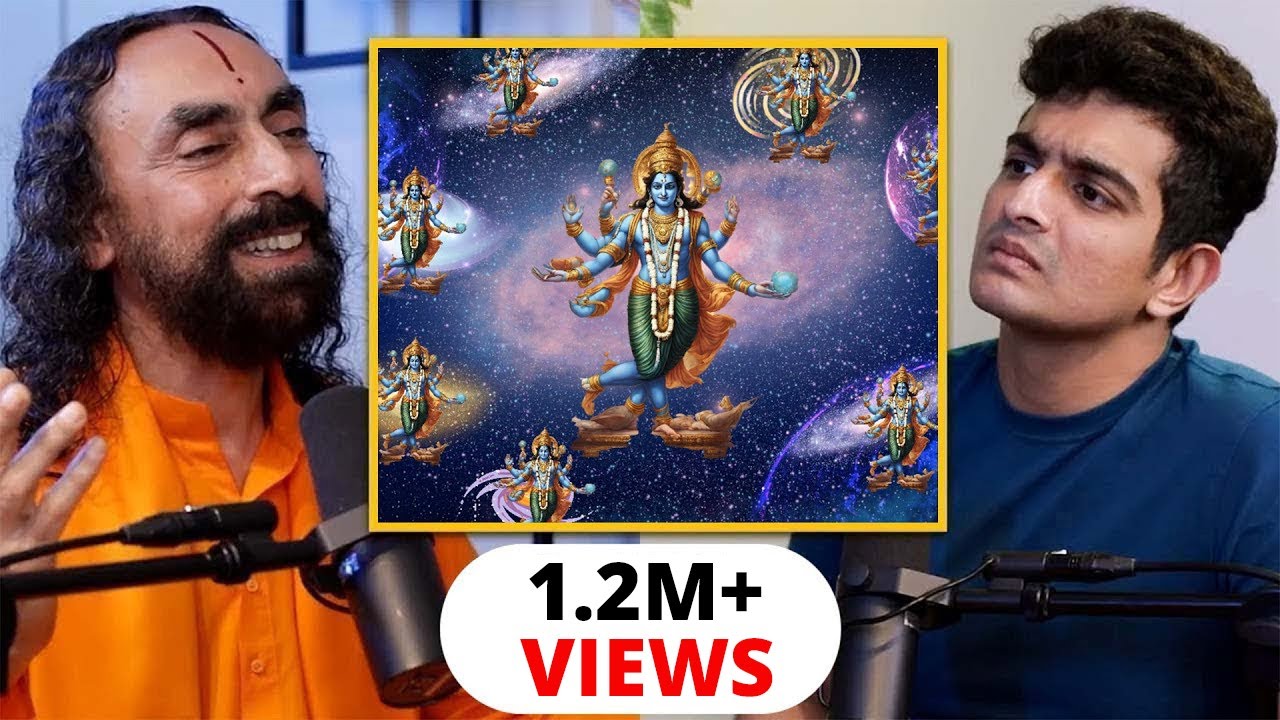
the biggest thing that you can think of is bre ever expanding it is all the universe and all the many universes if we have parallel universes all summed up into one unbounded expanding everything and Al the whole cosmology of the ancient uh Indians the ancient Greeks is derived from it because Greek is a viic uh subculture and Latin our modern science is derived from it the ancient Hindu civilization one of the most sophisticated and enduring cultures in history has intrigued scientists philosophers and Scholars for centuries its sacred texts cosmology and philosophical treatises are replete with
narratives and Concepts that remarkably align with modern scientific ideas such as the Multiverse Theory and time dilation far from being mere allegories or myths these stories suggest an advanced understanding of the cosmos and the nature of time long before the Advent of modern science the story of King kakudi and his daughter ratti is an excellent example of time dilation as understood in modern physics according to Hindu tradition King kakudi was a righteous ruler who sought a suitable groom for his beautiful and virtuous daughter revati unsure about the ideal match kakudi decided to consult Lord Brahma
the creator of the universe kakudi and revati traveled to brahmaloka which existed in a higher Dimension or was a distant planet where they waited for an opportune moment to present their query upon finally meeting Brahma and explaining their dilemma the god laughed and informed them that their concept of time differed greatly from that of Earth the brief duration they spent in brahmaloka seemingly a matter of minutes had resulted in the passage of several Millennia on earth when they returned they found their Kingdom in ruins the world drastically changed and their contemporaries long gone eventually revati
married balarama the elder brother of Lord Krishna after being advised by Brahma himself this narrative mirrors the concept of time dilation in Einstein's theory of relativity according to relativity time is not absolute it can vary depending on the relative speed of an observer or their proximity to a massive gravitational field time dilation occurs when time moves more slowly for someone traveling at high speeds or residing in a region of intense gravity compared to someone in a different frame of reference the idea that time could flow differently in Celestial Realms than on Earth reflects a deep
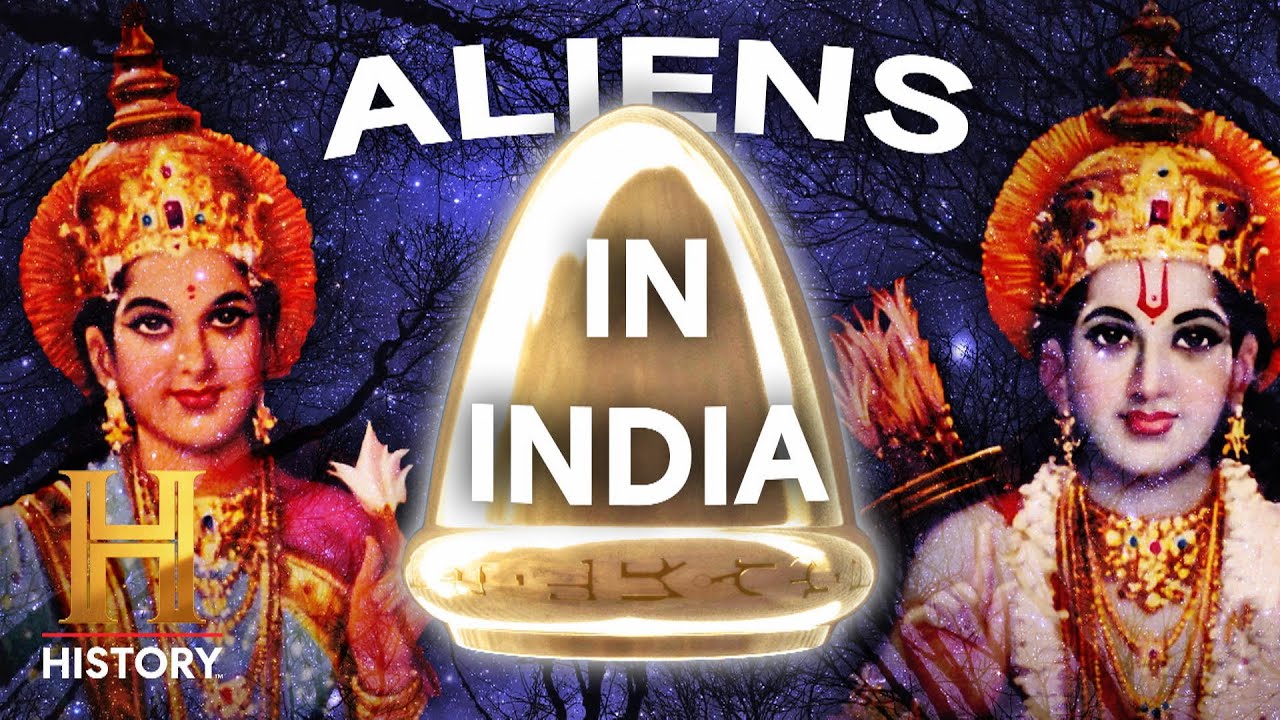
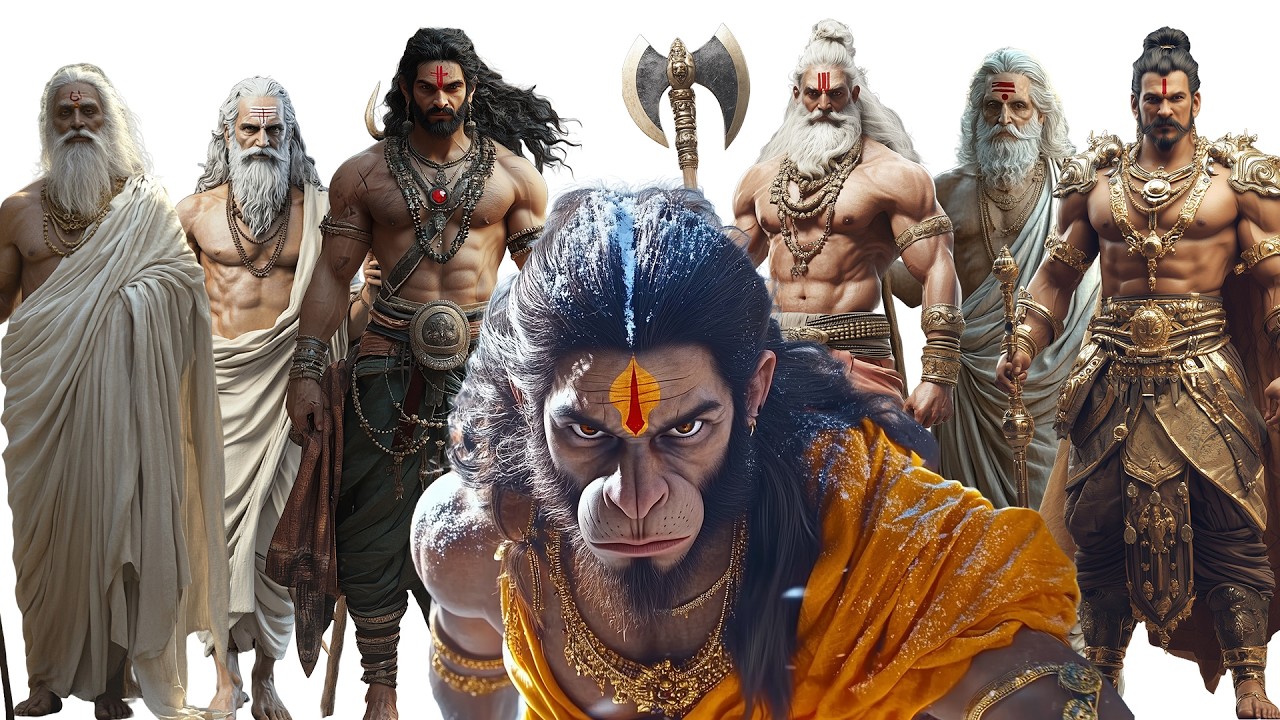
understanding of the relativistic nature of time the Multiverse Theory which suggests that multiple universes coexist within a vast Cosmic structure finds a fascinating parallel in Hindu cosmology one of the most striking examples is the story of Lord hanaman and Lord Rama's ring according to the ancient texts while planning to leave his physical form Lord Rama dropped his ring into a crack in the earth to teach Lord hanaman about a great truth about the universe hanaman ever the devoted servant was tasked with retrieving it as hanaman ventured into the Subterranean Realms he found himself in a
surreal world called Naga Loca a Subterranean City inhabited by serpent-like beings in this realm Hanuman encountered a mountain of rings identical to the one Lord Rama had dropped the guardian of the realm or the king of the serpent like beings whose name was vasuki explained to Hanuman that Rama's ring had been dropped countless times from countless other universes each time a Hanuman had arrived to retrieve it symbolizing the cyclical nature of existence and the infinite number of parallel realities this story offers a profound allegory for the Multiverse Theory the the Rings symbolize countless iterations of
the universe each following a similar yet distinct narrative the presence of an infinite number of rings in nagaloka suggests the idea that universes May coexist simultaneously a concept that modern physicists like Hugh Everett have proposed in their many worlds interpretation of quantum mechanics the stories of kakudi and hanaman are not isolated examples Hindu scriptures such as the vadas panas and upanishads are filled with references to cosmological Concepts that align with modern science for instance the bhavat purana describes the creation and destruction of universes as a cyclical process occurring over vast Epoch of time called CPUs
each kalpa spans billions of years comparable to the scientific concept of cosmic Cycles the descript of multiple levels of existence terrestrial Celestial and infernal Realms resonates with the layered structure of the universe as envisioned in modern physics which includes Dimensions beyond the observable furthermore the concept of Maya or Illusion in Hindu philosophy aligns with the idea that reality may not be as it appears this is analogous to the Quantum View of particles existing in probabilistic States until observed suggesting a deeper underlying reality the alignment between ancient Hindu narratives and modern scientific theories goes beyond mere
coincidence these stories reflect a nuanced understanding of time space and reality that was deeply ingrained in Hindu thought ancient sages and philosophers through meditation and intellectual inquiry seem to have conceptualized ideas that modern science is only now beginning to explore law for instance the cyclical nature of time in Hindu cosmology challenges the linear one directional concept of time that dominates Western thought similarly the existence of multiple Realms and realities offers a broader perspective on the nature of existence encouraging exploration beyond the material world Skeptics might argue that these stories are simply myths but myths often
serve as vessels for profound truth encoded in symbolic language the ability of ancient Hindu civilization to articulate Concepts akin to time dilation and Multiverse Theory suggests that their insights were not merely imaginative but were derived from an advanced understanding of the universe this raises intriguing questions about the transmission of knowledge across Generations were these ideas the result of Highly developed philosophical reasoning intuitive Insight or or perhaps Advanced Technologies lost to time while definitive answers remain elusive the parallels between ancient Hindu knowledge and modern science are undeniable and deserving of deeper exploration the ancient Hindu civilization's
understanding of scientific Concepts such as time dilation and the Multiverse underscores its intellectual and spiritual sophistication the stories of King kak kudmi and revati and Lord hanan's quest for Lord Rama's ring provide compelling allegories that mirror modern theories of time and the structure of the cosmos these narratives invite us to reconsider the wisdom of ancient cultures and their potential contributions to contemporary scientific discourse by Bridging the Gap between ancient knowledge and science they remind us of the universality of human inquiry and the Timeless Quest to understand the nature of reality as we continue to unravel
the mysteries of the universe we may find that the answers we seek have been with us all along encoded in the stories of our ancestors