Hey everyone! If you struggle with acid reflux, you know how uncomfortable and disruptive it can be. From chest pain to nausea after eating, acid reflux can diminish your quality of life.
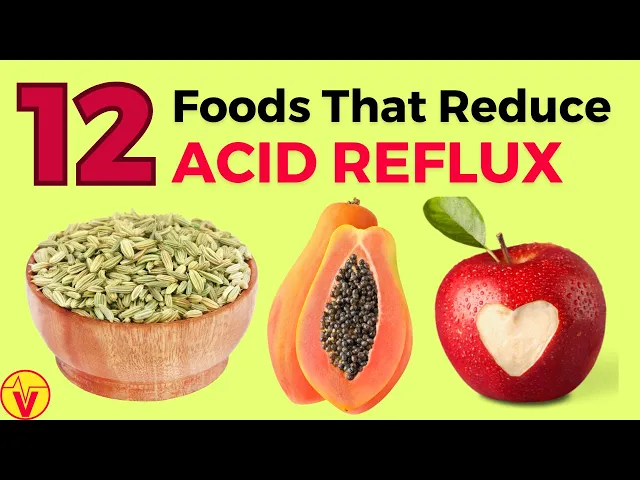
The good news is that adjusting your diet can provide fast and lasting relief from acid reflux. In this video, I'll share 12 foods scientifically proven to cure acid reflux for good. Make sure to stick around until the end because I'll also give you important precautions for eating these foods.
This is general information only, so always consult your doctor before you make any dietary changes. Now, let's jump right in and start feeling better! 1.
Bananas. Multiple studies confirm bananas are an effective anti-acid food. Bananas are a rich source of potassium, which regulates pH levels, neutralizes stomach acid, and acts as an electrolyte.
Bananas also thicken the protective mucus that lines the stomach, preventing acid from irritating it. Their prebiotic fiber feeds good gut bacteria linked to lower inflammation. The protease inhibitors in bananas may also reduce stomach acid production.
Select bananas on the riper side with brown speckles, but avoid overripe bananas that are mostly brown. The riper, the better to harness their antacid effect. Precaution: If you have kidney disease or are on dialysis, you may need to limit high-potassium foods like bananas.
Always check with your doctor first. 2. Oatmeal.
Starting your day with a hot bowl of oatmeal can coat and protect your throat and stomach from acid reflux caused by an empty stomach. The soluble fiber in oats forms a gel-like barrier that could block stomach acid from flowing back up. The fiber absorbs water, promoting regular bowel movements so food doesn't linger.
Overnight oats give the fiber extra time to expand and take effect. Oats may also reduce inflammation in the GI tract. Precaution: Skip oatmeal if you have celiac disease or gluten intolerance, as oats contain trace amounts of gluten.
3. Probiotic foods. Fermented probiotic foods like yogurt, kefir, kombucha, kimchi, and sauerkraut contain beneficial bacteria that can improve acid reflux in multiple ways.
They strengthen the esophageal sphincter, increase mucus secretion, reduce inflammation and gas, and optimize digestion. Studies show probiotics significantly decrease reflux and throat irritation by up to 53%. Look for yogurts with at least 3 billion live active cultures from strains like L.
reuteri or S. thermophiles. Kefir offers around 20 potent probiotic strains.
Avoid sugary yogurt flavors - opt for plain Greek yogurt topped with fruit or nuts. 4. Melons.
Juicy, water-rich melons like watermelon, cantaloupe, and honeydew are excellent foods for fighting acid reflux symptoms. Their high water content helps dilute stomach acid. They are also great sources of alkaline minerals like magnesium and potassium that neutralize acids.
Also, melons provide antioxidants like vitamin C, beta carotene, and lycopene to suppress inflammation in the GI lining. In one study, drinking 200 ml of melon juice 30 minutes before a meal significantly reduced reflux severity. For better digestion, consume ripe melons as a snack or appetizer on an empty stomach rather than after heavy meals.
Precaution: Some people with irritable bowel syndrome (IBS) may experience digestive problems from eating too much melon, so enjoy it in moderation. 5. Leafy Greens.
Leafy greens like spinach, kale, swiss chard, lettuce, arugula, and other salad greens have an alkaline effect that helps counteract acidic stomach contents. They are among the best foods to combat acid reflux through neutralization. Beyond neutralizing properties, fiber-rich greens provide bulk that prevents stomach acid from rising.
Greens also contain chlorophyll, a compound with potent anti-inflammatory effects on the GI lining to promote healing. Aim for a salad with mixed greens as a first course for your lunch and dinner. Lightly steam greens if you have difficulty digesting raw veggies.
Precaution: Some greens, like spinach and kale, are very high in vitamin K, which can interact with blood thinners. Check with your doctor if you are taking anticoagulant medication. 6.
Potatoes. Baked, boiled, or mashed potatoes are surprisingly effective at taming acid reflux. Potatoes contain alkalizing minerals, vitamin C, phytochemicals, and starch that collectively neutralize excess stomach acid.
They may strengthen the esophageal sphincter while boosting mucus production in the stomach for protection. Keep the skin on for nutrition and avoid heavy additions like butter, sour cream, or cheese that can trigger reflux. Baked or boiled potatoes with Greek yogurt is a great pairing.
White and sweet potato fries should be avoided, as the oils worsen acid reflux. Precaution: Anyone following a ketogenic or carb-restricted diet may want to limit starchy vegetables like potatoes. 7.
Fatty Fish. Cold water oily fish, such as salmon, tuna, mackerel, anchovies, herring, and sardines, provide omega-3 fatty acids that can reduce acid reflux symptoms by decreasing inflammation, enhancing gastric motility, and strengthening the esophageal sphincter. The two active components in fish oil, EPA and DHA, decrease inflammatory cytokines often elevated in reflux patients.
Omega-3s also reduce throat irritation and discomfort. Focus on grilled, baked, or poached fatty fish for maximum relief. If supplementing, take fish oil with food to avoid reflux issues.
For vegetarians, algal oil supplements also provide EPA/DHA. Precaution: Avoid fish if you have a seafood allergy. 8.
Ginger. Ginger root contains anti-inflammatory compounds called gingerols that alleviate acid reflux symptoms in multiple ways. Ginger reduces inflammation in the esophagus, speeds up gastric emptying to prevent acid back-up, and inhibits gastric acid production.
Studies found that 2 grams of ginger capsules taken daily for five days decreased acid secretion by 50% in patients with gastric ulcers. Fresh ginger also improved the gastric emptying rate compared to placebo in people with indigestion. Ginger tea, candied ginger, ginger ale, ginger chews, and adding grated ginger to cooking or smoothies can all help fight reflux.
Use at least 1 inch of fresh ginger root daily. The anti-nausea effects provide additional relief. Precaution: Avoid consuming very large amounts of ginger if you take blood thinners or medication for diabetes, high blood pressure, or heart conditions.
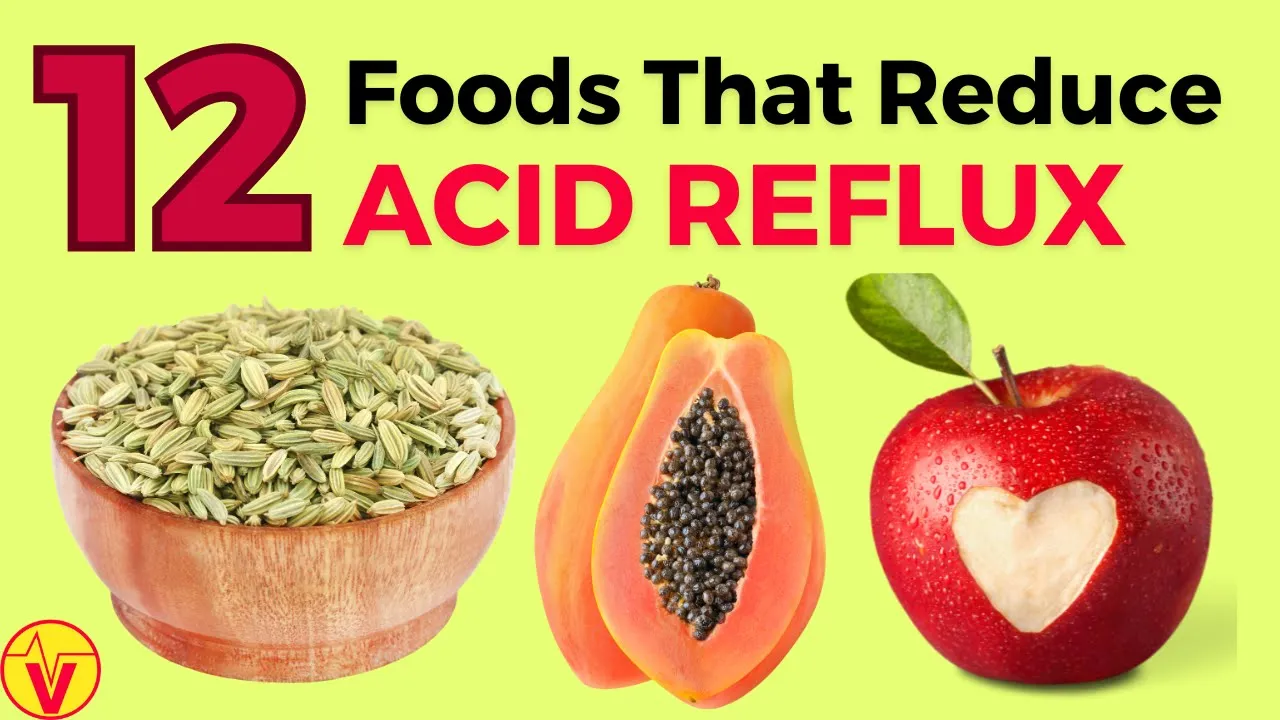
9. Fennel Seeds. Fennel seeds are another potent medicinal spice for acid reflux relief.
The active compound anethole blocks inflammation and reduces acid secretion in the stomach. Fennel increases mucus secretion to generate a protective gastric barrier against acid. Fennel also helps digest fatty foods that tend to trigger reflux.
Chewing 1⁄2 to 1 teaspoon of fennel seeds after meals significantly reduces symptoms of indigestion, including acid reflux, bloating, and gas. Infants with colic may benefit from nursing mothers ingesting fennel tea. Precaution: Skip fennel if you are allergic to carrots, celery, or other carrot family members, including dill and coriander.
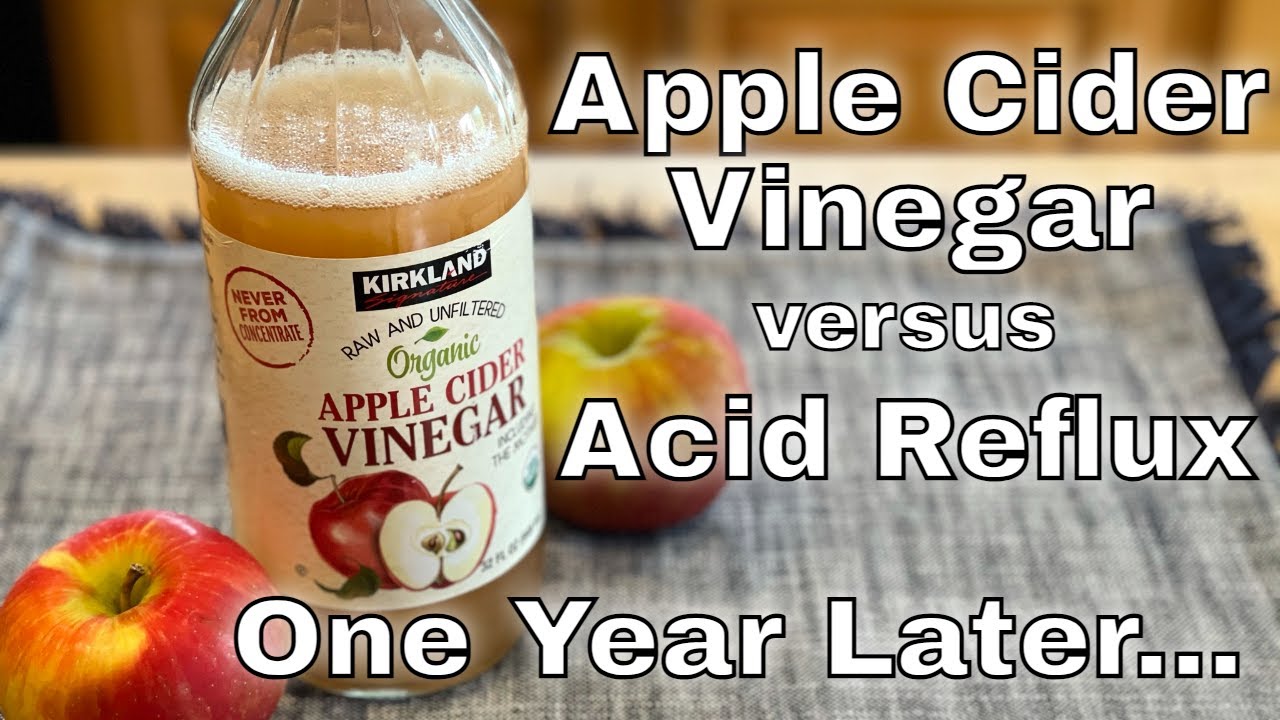
10. Apple Cider Vinegar. Raw, unfiltered apple cider vinegar contains probiotics, acids, and enzymes that mimic stomach acid to boost digestion, preventing undigested proteins and fats from causing acid reflux.
Multiple small studies have found that 1 to 2 tablespoons of apple cider vinegar diluted in water and taken right before meals significantly reduced indigestion, nausea, bloating, and acid reflux by improving gastric motility and acid secretion. Be sure to dilute apple cider vinegar in water to prevent tooth enamel erosion from the acidity. Mix one tablespoon in 8 ounces of water and drink for 5 to 10 minutes before eating.
Opt for organic, unpasteurized apple cider vinegar containing the "mother" with beneficial bacteria. White vinegars lack the same properties. 11.
Papaya. Papaya is a nutritional powerhouse, providing over 300% of your daily vitamin C, vitamin A, folate, potassium, copper, and vitamin K needs in one fruit. It aids digestion through its enzymatic activity and antioxidant content.
It contains papain, an enzyme that helps break down proteins linked to acid reflux. Papain may also reduce gastric inflammation. University research found oral papaya supplementation significantly decreased ulcer severity.
Look for ripe papayas with mostly orange skin without green patches - this signals peak sweetness and enzyme levels. Precaution: Unripe or green papaya can stimulate uterine contractions, so pregnant women should check with their doctor. 12.
Basil. Sweet basil contains active compounds like eugenol, estragole, and rosmarinic acid, providing antacid effects. Studies demonstrate basil can reduce acid production in the stomach by up to 36% and may strengthen the lower esophageal sphincter.
Research also showed that basil protected against ulcer formation, similar to proton pump inhibitors like Prilosec. The antioxidant and anti-inflammatory activities of basil further benefit digestive health. You can brew fresh basil tea using one tablespoon of freshly chopped leaves steeped for 5 minutes.
Slowly chew 5-6 small basil leaves after meals for better digestion. Combine with mint, ginger, or fennel to soothe stomach issues. Precaution: Avoid excessive basil consumption if taking medication for diabetes or high blood pressure, as the oils may interact with these drugs.
There you have it - 15 foods scientifically proven to cure acid reflux for good! Adding these items to your diet and avoiding common triggers can help you find lasting relief from reflux symptoms. Remember to heed the precautions, especially if you have related digestive conditions.
Consult your doctor if symptoms persist or get worse. Thanks for watching! In the comments, let me know which remedies work best for your acid reflux.
Don't forget to like and subscribe for more helpful health content. See you next time!