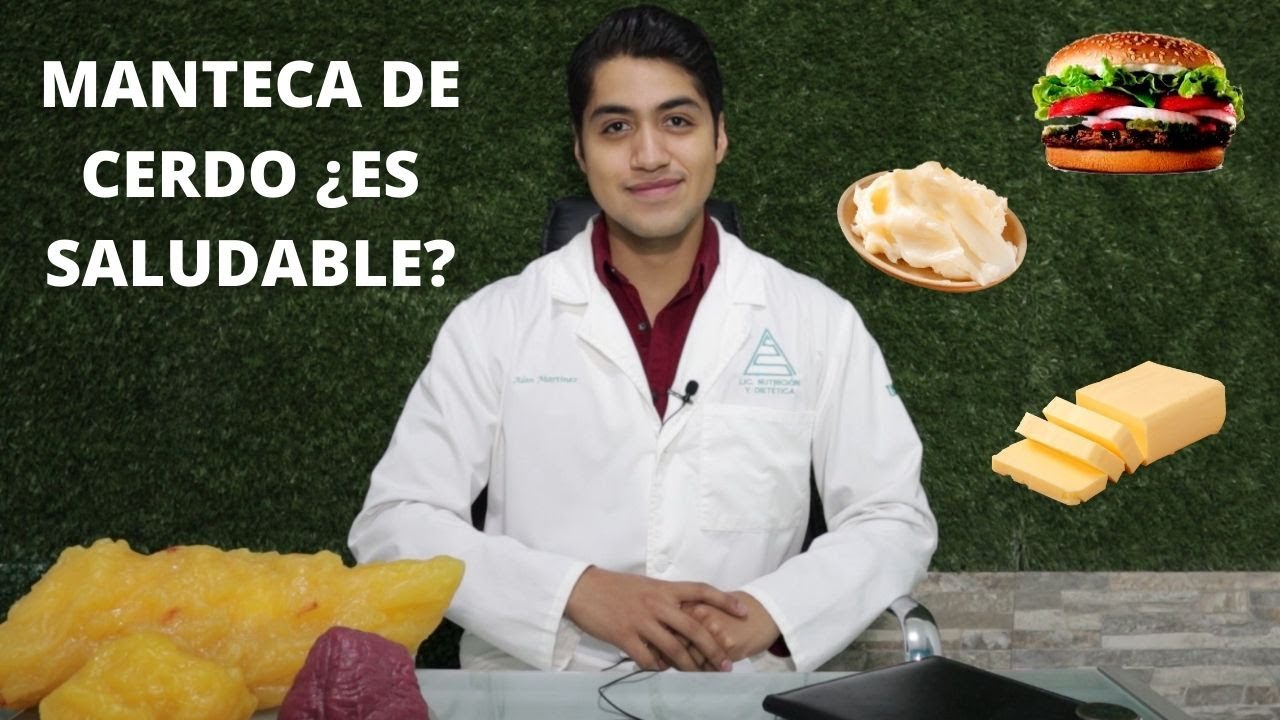
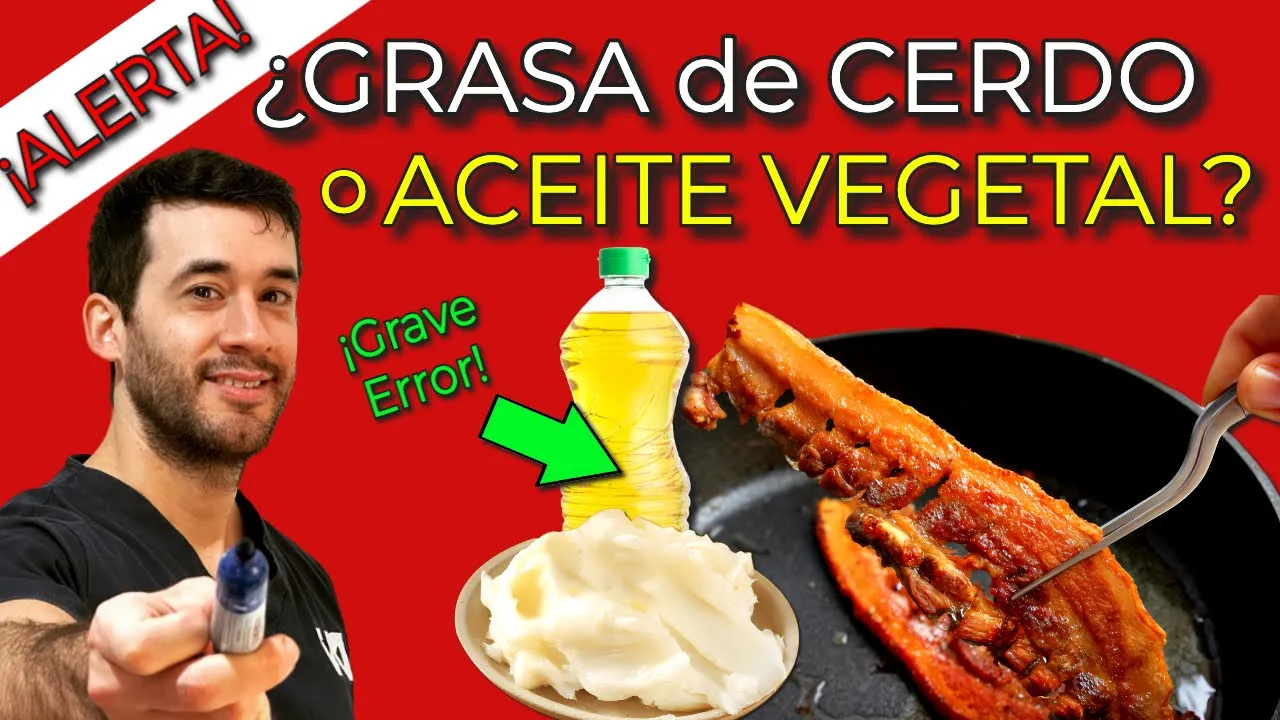
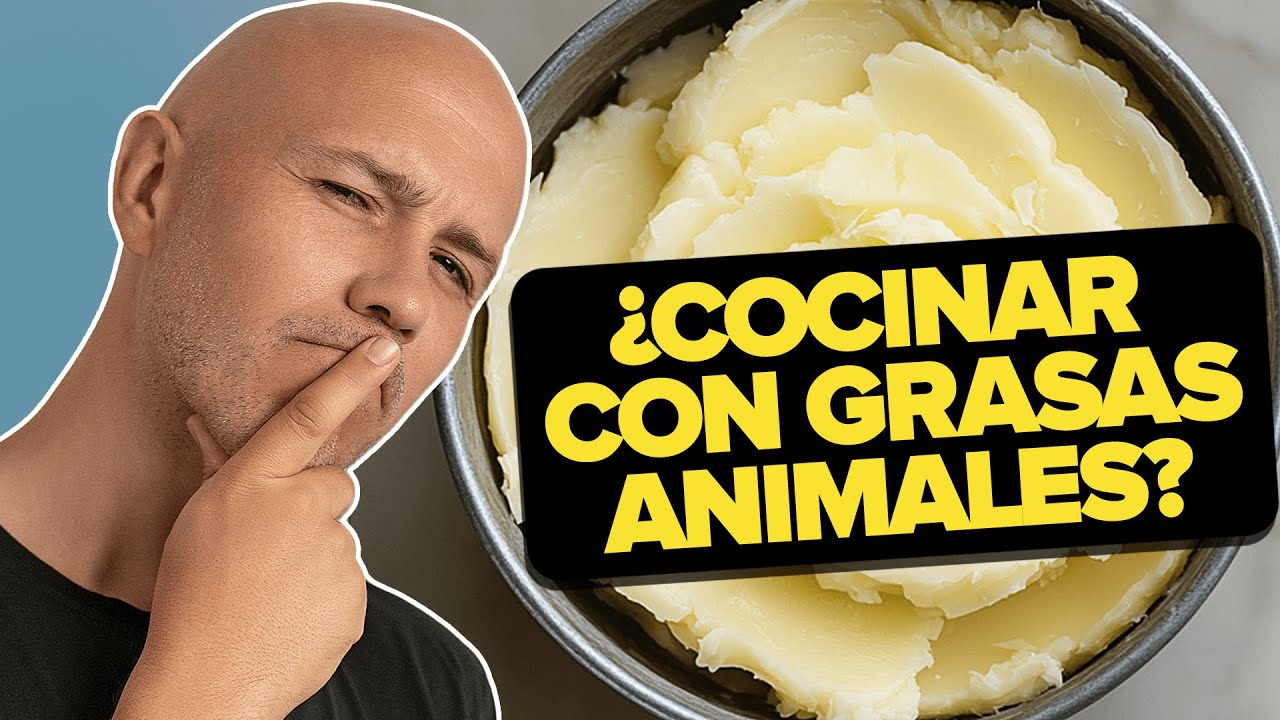
Pork fat or vegetable oil? What is best for cooking? What are the benefits of using pork fat every day?
And what is the difference with butter and vegetable oils? What is the famous smoke point of fats when heated and why is that important for our lives? This is a topic of enormous controversy and today I want us to debate together.
There is a lot of misinformation on the networks, people recommending one type or another of fats for us to eat and prepare our dishes. And there are serious mistakes that are made. For example, thinking that the smoke point when heated is the only thing that determines whether pork fat or vegetable oils are better.
There are also secrets that very few know, but that greatly impact our health. And today I am going to reveal them to you. To date, this is the only video on the internet that has compiled so much information and is backed by science, dozens of articles and research and opinions from the greatest experts so that when you cook, you not only bring flavor to your dishes, but also health, well-being and longevity.
and make informed decisions. But first let's separate two very important things. Do you want to cook to treat yourself on a special occasion and do you know very well the risks and benefits of each fat and oil?
In that case, choose the one you like the most, no problem. We all like to treat ourselves from time to time, but if you are using a certain product every day because you think it is healthier , be very careful, not everything is as you were told. What happens if you use fats incorrectly for cooking?
Well, as I speak to you here, 30 people a minute are dying all over the world from cardiovascular problems, heart attacks, strokes, blood pressure problems, aortic problems. And these diseases are directly linked to what we do and what we consume. Our genes load the gun, our habits fire it and our habits are often tied to beliefs we have.
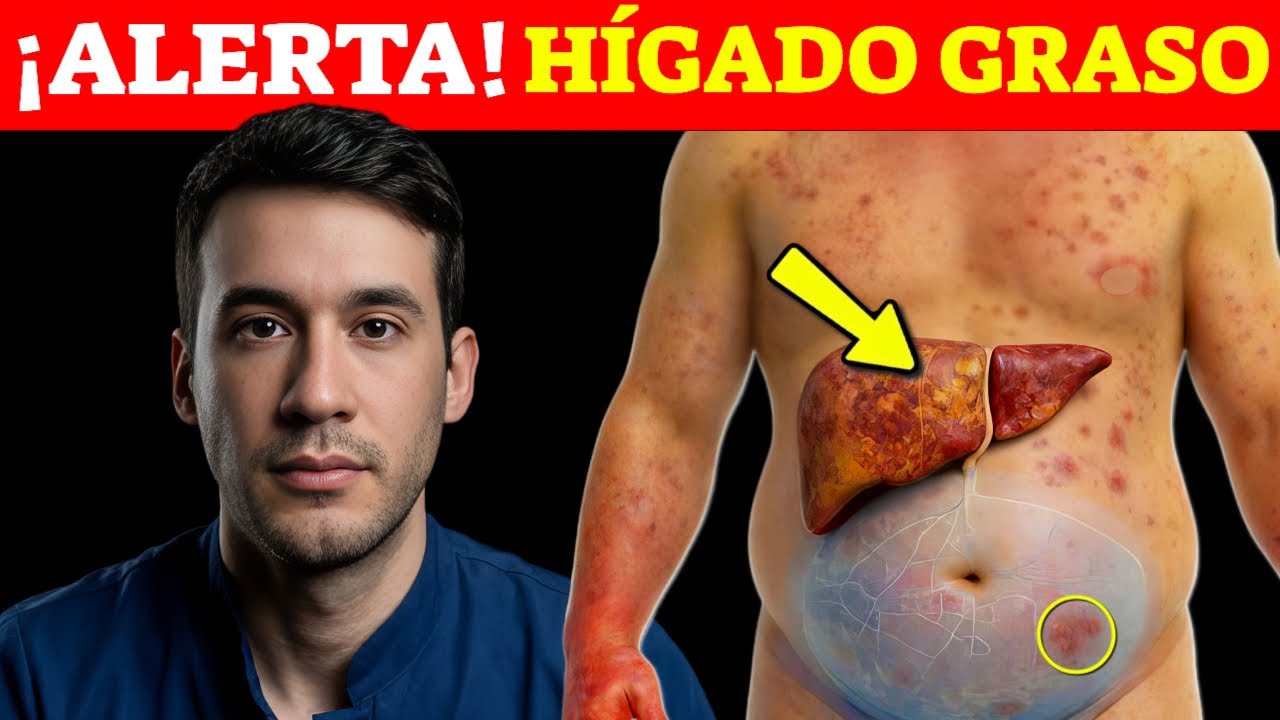
Some types of fats and in the doses we consume them produce inflammation in our body, increase LDL cholesterol, the famous bad cholesterol and clog our arteries, producing atherosclerosis in both our heart and our brain and in the rest of the circulation. And this kills us or if it doesn't kill us, it leaves us with consequences. And not only that, pay close attention when you are cooking, for example, when you are frying a product.
Either using pork fat, lard or whatever oil you like best. If smoke starts coming out of the pan or it catches fire, small flames , throw away the oil or fat. Don't use it anymore!
Because if that product was already bad and was going to cause inflammation, atherosclerosis, heart problems, now that it has been burned, it will also increase your risk of cancer, liver problems and even Parkinson's. Because by producing these fumes and burning it accumulates toxic substances that are harmful to our body. I'm going to give you more details and I'm going to breathe a little and I'm going to alert you.
Notice how bad information abounds. Surely you have already seen on television or social media those famous chefs who are cooking with fat or oil and setting the food on fire. This can look very elegant, very cool, as we say in my country.
And it attracts a lot of attention, but it is extremely harmful to your body. That being said, what are the best fats for cooking? Whether frying, grilling, baking or even browning our food?
And here we have several types. First, the good old pork fat. We also have olive, coconut, sunflower, canola, avocado, peanut vegetable oils , among others, which I am going to tell you about.
We also have butter made from cow's milk and margarine. Regarding margarine, I summarize it in four words: never use it. The rest do deserve to be explained a little more.
Pay close attention to these words. For a fat to be suitable for cooking, it must remain stable, not lose its nutritional quality and not accumulate toxic substances when heated. And at the same time, this fat must offer some benefit to our body when consuming it.
For example, provide us with healthy fatty acids that protect the heart and reduce inflammation in our body and also, if possible, provide us with antioxidants and vitamins. This product exists. I'm going to tell you what it is.
And to understand that I am going to first explain what the famous smoke point is. Everyone should know this and I want you to pass this knowledge on to your daughter, your sister, your nephews, everyone you know. The smoke point is the temperature at which the oil or fat begins to break down.
When it reaches a certain temperature, a change occurs in the molecular structure of these fats and they begin to react with the oxygen in the air, producing unwanted substances toxic to our body, called aldehydes, which accumulate in your pan and They enter your food, and when you consume them they cause you harm. Start paying attention and you will see in your pan that at some point smoke starts to come out of the oil or you start to smell that more rancid smell and that burnt smell. Don't use that oil anymore, discard it and choose one of the others that I'm going to name for you.
Do you know what is really happening here? If you have ever left an uncovered oil or fat in contact with the air, you will see that after a few hours or days it has a rancid taste and smell because it has decomposed. Well, when we heat the oils to a certain temperature it also breaks down.
Exactly the same thing happens , but much faster. I don't think any of us would use rancid fat or oil to cook with. In the same way, we should not use oils or fats that burn or that reach a smoking point easily, and when it reaches the smoking point it is very close to the combustion point, that is, catching fire.
That's why you will see that sometimes small flames appear, the ones I told you about before. Discard, throw away that fat or oil. Consuming or even inhaling the toxic substances in these fumes not only increases the risk of heart problems, but also Parkinson's, liver problems, and cancer.
And keep this in mind when you cook, either. Fry, bake, roast or even brown your food. It is very common for 180 190 200 degrees Celsius to be reached.
Then you need to choose a grease or oil that can withstand these temperatures. What are the different smoke points? And I also leave you in the description of the video starting with the vegetable oils.
Virgin olive oil 216 degrees, very good. Extra virgin olive oil 170 180 degrees. Not very good for warming up.
Refined coconut oil 230 degrees, good for heating. Virgin coconut oil 150 degrees. Don't heat it.
Refined seed oils, sunflower, corn, peanuts. grape, soybeans at 220 250 degrees. While unrefined seed oils 170 degrees or so .
Now listen this refined avocado oil 270 degrees is one of the best to heat unrefined avocado oil 190 204 degrees. Canola oil refined 204 to 230 degrees. Now what about the pork fat?
The smoke point is low 160 180 degrees and cow's milk butter 177 degrees or so. And a clarification. Here with virgin vegetable oils, I mean those that were obtained by cold pressing.
That is, they are pressed to obtain the natural fatty juice of the seed. On the other hand, refined oil means that some solvent chemicals are added to obtain the oil. Refined oils are considered less healthy because these dissolving chemicals also destroy vitamins and antioxidants that the seeds may have.
That is why virgin ones are better, especially for consuming cold ones. Now the refined ones are still healthy to the right extent and have some advantages such as being able to heat them. Looking at the smoke points alone, one could deduce that refined vegetable oils are better for cooking, frying, baking , browning especially avocado oil, coconut oil, canola oil and also virgin olive oil.
Will it be true? One might also think that pork fat and lard are not good for heating because they burn easily and accumulate these toxic substances. Now, it is a serious mistake to only look at the smoke point, as this is not all.
We must not forget that when we are cooking with fat or oil, that food will absorb them. Then we must also look at the nutritional quality of the product. with which we are cooking.
When frying a food, for example, 10 to 30% of the final weight of the food is absorbed oil or fat. So with respect to the quality of the fat that we eat, starting with pork fat, it is very rich in monounsaturated fats which are very healthy, but it also contains a large amount of saturated fat. While monounsaturated fats are good for our body, what no one tells you is that the ratio between healthy and unhealthy fats is not the best.
And here I am not telling you not to eat pork, do not choose pork fat for your food, I am telling you that there are better options, consuming it or using it to prepare food from time to time , on special occasions, when you want to treat yourself there is nothing bad, but its daily use can lead to chronic inflammation, cardiovascular problems, heart attacks, strokes and shorten your life unnecessarily. A 2018 study of more than 90,000 people published in the American Journal of Clinical Nutrition, conducted at Harvard, showed that people who consumed animal fat daily had a 21% greater risk of dying. This and other studies also show that when animal fat is replaced with vegetable fat in the right amount, there is a drastic drop in mortality.
So, for high-heat cooking, whether roasting, frying, browning or baking at 180 degrees or higher, it is preferable to use vegetable oils with higher smoke points to avoid the build-up of harmful substances and unpleasant flavors. But, doctor, tell me which one. Well, considering the smoke point and the quality of the fat, the best ones for cooking are virgin olive oil, refined avocado oil, high oleic sunflower oil which I forgot to name above is a rich special sunflower oil in oleic acid.
And refined canola oil. Those are the best. Knowing that there is no one that is perfect.
They all have their pros and cons. Extra virgin olive oil, although it is one of the healthiest due to its composition of healthy fats, antioxidants and vitamins, we cannot heat it. Its smoke point is low.
It is better to consume it cold, put it on your plate when it is ready on the table. Coconut oil, despite the fact that it makes a lot of noise on the networks and is very fashionable, is just a poorly sold idea. It has a lot of saturated fats.
That's why it is solid at room temperature. It is not the best option, especially if you are looking to control your weight, improve your metabolism and reduce inflammation. But of course, if you want to eventually treat yourself, prepare a dish or a cake or stew that has a pleasant flavor of animal fat or the oil that you like the most, use pork fat, for example, but in moderation and seeking to compensate with other healthy habits and foods over the next few days.
The choice between animal fat and vegetable oils depends on your health goals. The important thing is that you make an informed decision. Balance and moderation are the key.
Finally, I want to leave you some healthy tips. Number one try to eat less fried food. If you still decide to eat them.
Use as little fat or oil as possible and remove the excess with absorbent paper. Consider cooking in oil-free air fryers. Use healthy cold oils in your meals when the dish is already served.
Always prefer cold-pressed extra virgin olive oil or avocado oil, sesame canola, sunflower, high oleic, since these provide, in addition to fats, very good antioxidant and anti-inflammatory substances. Avoid butter as much as possible and never use margarines, as they contain very toxic substances. I hope you liked the video and found it informative.
Leave me your comment below and don't forget that our book is now available to everyone. A big greeting from my corner of the world. Bye Bye.






![[The Body Regenerates After 14 Minutes] 🦴️ Healing with 432Hz + 528Hz Sound Therapy + Alpha Waves #2](https://img.youtube.com/vi/yaIjvVYsaOE/maxresdefault.jpg)