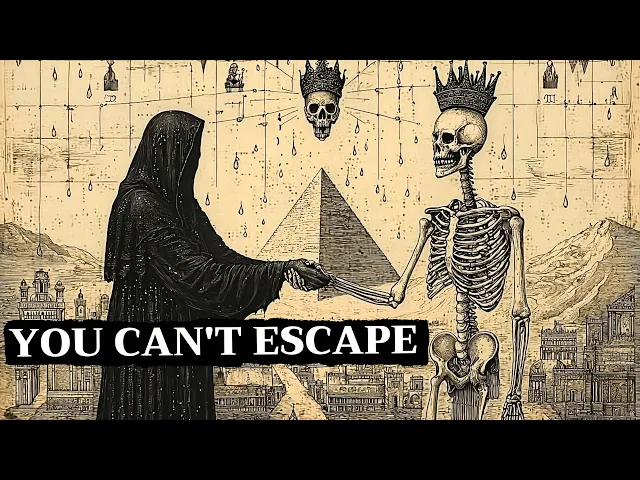
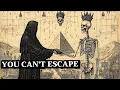
Regardless of who you are or where you come from, this question has likely crossed your mind perhaps during a moment of loss or on a quiet night when the fragility of life feels heavier. Does consciousness simply fade away, like a dream slipping through our fingers? Or is there something more a hidden portal leading to the unknown?
The end of life is the one certainty we all share, yet its mystery fuels some of our deepest fears and hopes. No matter how much science progresses, it has yet to illuminate fully what lies beyond this final boundary. It's a realm that transcends concrete evidence, leading us instead into the domains of faith, imagination, and introspection.
Now, close your eyes for a moment and think: What do you believe happens when everything ends? This thought not only defines us but also shapes the way we live. Across cultures, humanity has always sought answers.
Some have crafted myths; others have developed elaborate rituals. Among these seekers, the ancient Egyptians stand out. To them, death was not an end but a beginning and the path to what followed was meticulously recorded.
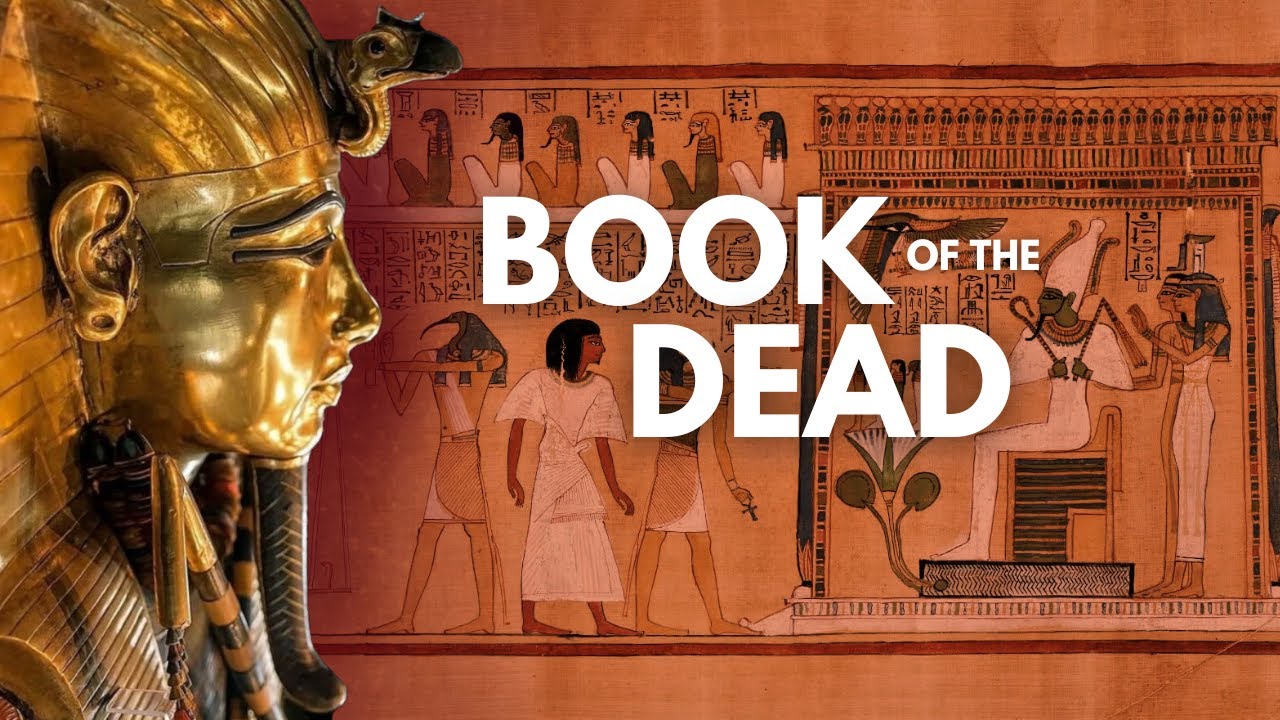
The Book of the Dead is the legacy of this quest. At its heart, the enigmatic Papyrus of Ani emerges as a timeless message. It is not just a guide to the afterlife but a powerful reminder of how to live fully.
If you've ever wondered what lies beyond the last breath, perhaps these pages hold something to reveal not just about death but about the illumination of life itself. The Papyrus of Ani is more than a historical document. It's a profound guide, a guide for those daring to journey into the great unknown.
Written over 3,000 years ago; It forms part of the Book of the Dead, a collection of spells, hymns, and instructions the Egyptians believed were essential for traversing the underworld and achieving eternal life. Unlike many other religious texts, this was not merely about faith but about preparation and action. Ani, the scribe who lends his name to the papyrus, believed these words would secure his salvation.
Richly illustrated and intricately detailed, the manuscript takes us on a journey through the afterlife, confronting judgments and challenges that test one's morality and essence. More than an archaeological relic, it serves as a bridge between the world of the living and the dead—a profound attempt to unravel the universal mystery that connects all cultures: For the ancient Egyptians, death was not the end but merely the beginning of a journey as real and significant as life itself. Religion and mythology were deeply intertwined with this perspective.
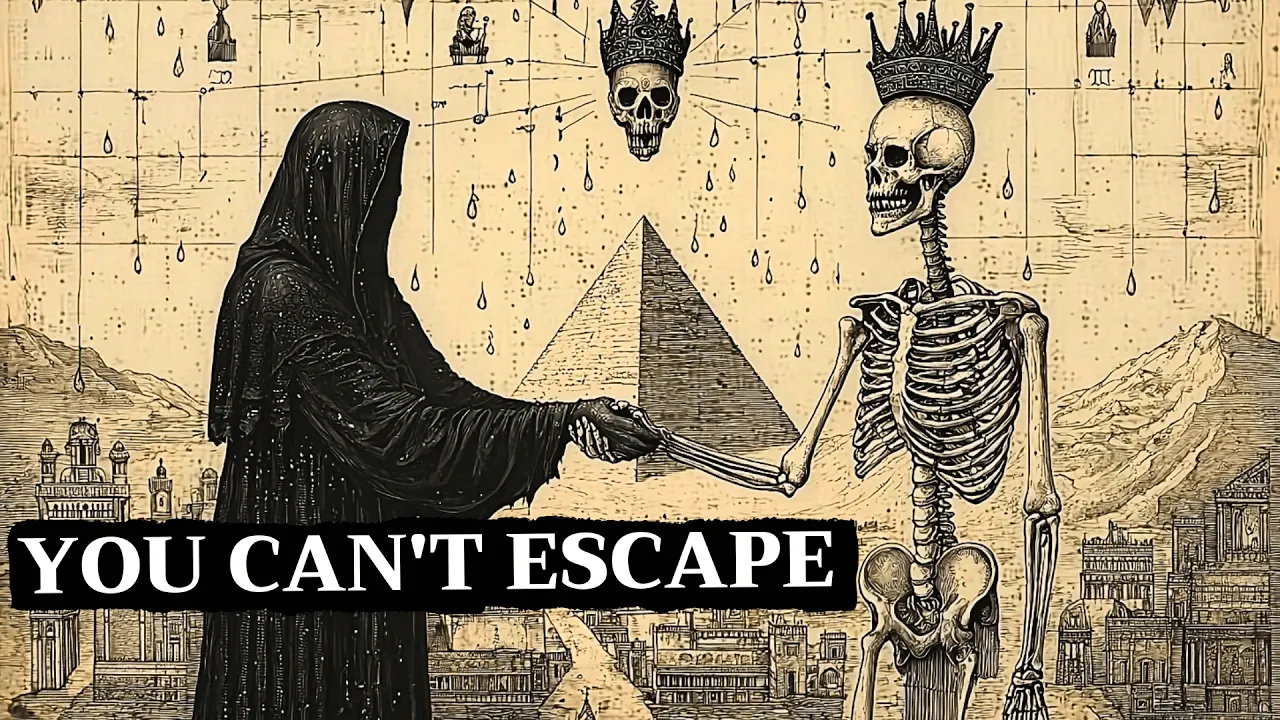
They believed that existence consisted of multiple dimensions: the world of the living, the underworld, and the eternal paradise. Each of these realms had its own rules and challenges, and meticulous planning was required to ensure a successful transition between them. Have you ever wondered why the Egyptians built such elaborate tombs, like the pyramids of Giza?
These colossal monuments were far more than architectural landmarks; they were physical and spiritual gateways to eternal life. Inside the tombs, the dead were buried with valuable objects, food, and even servants everything designed to guarantee a successful passage through the underworld. Funeral rituals also played a critical role.
The process of mummification, for instance, was not merely a technical procedure but a sacred ritual to preserve the body as a dwelling for the ka, or vital spirit. Without this, it was believed the soul would wander aimlessly. The "Book of the Dead" stands as one of the most important legacies of this obsession with the afterlife.
It was a collection of spells and instructions designed to help the deceased navigate the Duat, the Egyptian underworld, teeming with dangers and trials. For the Egyptians, spiritual preparation was just as important as physical preparation. After all, eternity was not something one stumbled upon it had to be earned.
The Papyrus of Ani is one of the richest and most fascinating examples of the "Book of the Dead. " Written during the 19th Dynasty, around 1250 BCE, it was commissioned by Ani, a scribe who held a prominent position in Egyptian society. More than just a funerary text, the papyrus is a masterpiece of art and spiritual wisdom.
It contains meticulously crafted spells, hymns, and instructions to ensure Ani could overcome the challenges of the underworld and achieve eternal life. This manuscript was not only a sacred object but also a testament to the beliefs and values of a civilization. Every line of text and every illustration reflects a profound understanding of the soul, morality, and human destiny.
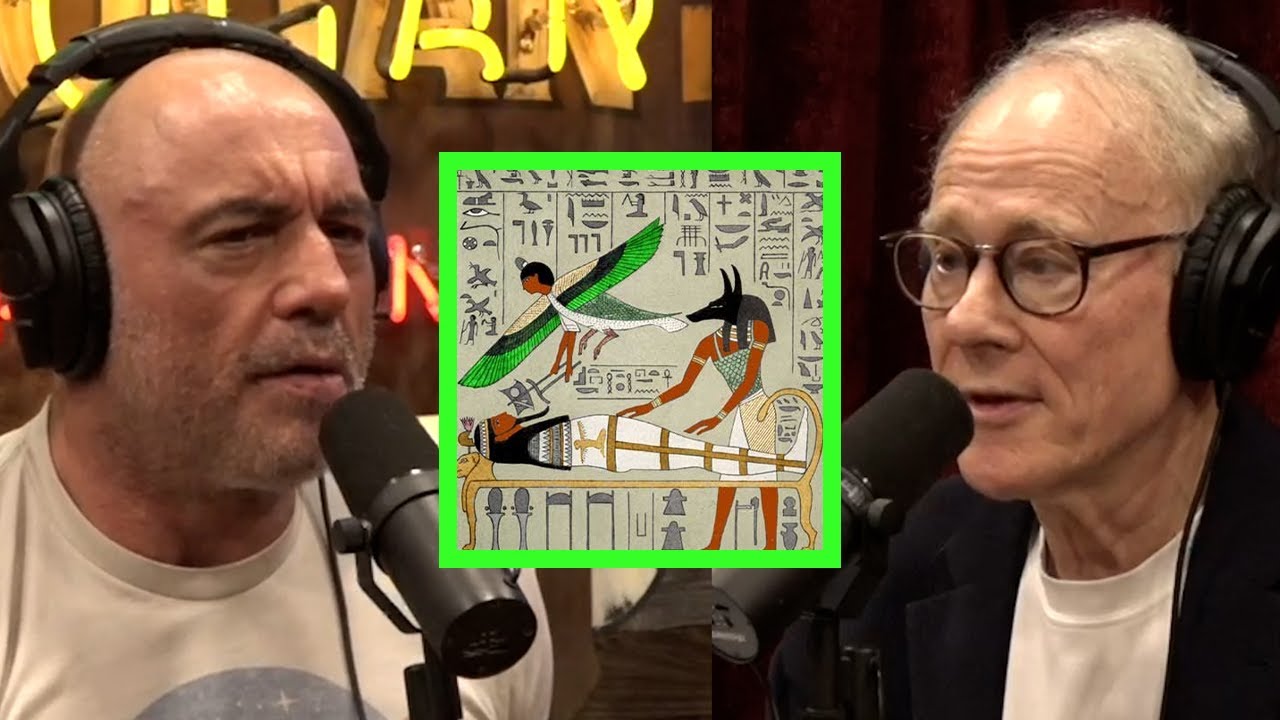
The papyrus features iconic scenes, such as the judgment of the soul before Osiris, where the deceased's heart is weighed against the feather of truth, representing the concept of Ma'at. The detailed artistry and profound beauty of the Papyrus of Ani make it one of the most important artifacts for understanding Egyptian spirituality. It is not merely a manual for the dead but a reflection on what it means to live a just and meaningful life.
Although the Papyrus of Ani was written in a distant era, its lessons resonate powerfully in today's world. We live in uncertain times, where many seek meaning amidst the chaos of daily life. How often have you wondered if you are living in alignment with your values?
Like the ancient Egyptians, we too are concerned with the impact of our actions and the legacy we leave behind. The Egyptians teach us that life is not just a series of random events but a continuous preparation. The concept of Ma'at, cosmic order and truth, reminds us that our choices shape both our experience and the harmony around us.
Today, we might call this living with purpose. Whether facing ethical dilemmas at work, balancing the pressures of modern life, or considering our environmental impact, we are constantly challenged to live in balance. Moreover, the Egyptian vision of the soul's judgment mirrors our contemporary notion of self-reflection.
You don't need to believe in a divine scale to recognize that at the end of each day, we silently evaluate our actions. Are we satisfied with the choices we've made? The Papyrus of Ani reminds us that true judgment is not imposed by external forces it comes from within.
Think about it: What if you saw every decision as a small step toward your legacy? Just as the Egyptians believed the soul's destiny was shaped in life, we too have the opportunity to create a lasting impact. Ultimately, the Papyrus of Ani delivers a profoundly modern message: living intentionally and consciously is the greatest secret to transcending time.
At the heart of Egyptian spirituality lies Ma'at, the personification of cosmic order, justice, and truth. Ma'at was not merely an abstract concept but a living force that upheld the balance of the universe. For the Egyptians, living in accordance with Ma'at meant acting with integrity, honesty, and respect for others and the natural world.
In the context of the Papyrus of Ani, Ma'at was far more than an ethical code; she was the ultimate measure of the human soul. According to this belief, life was a constant preparation for the final judgment, where every action would be weighed. Harmony with Ma'at was crucial not only for living well but also for ensuring safe passage through the underworld.
Conversely, imbalance threatened not just the individual but the stability of the cosmos itself. This idea resonates even today: How do you feel about the choices you make daily? Does your life reflect inner balance?
While modern views of ethics are less mythical, the concept of living with purpose and truth is universal. Ma'at reminds us that every decision matters and that we each bear the responsibility of creating harmony in our world. One of the most iconic images from the Papyrus of Ani is the scene of the judgment of the soul, known as the "Court of Osiris.
" In this pivotal moment, the heart of the deceased is weighed against the feather of Ma'at. To the Egyptians, the heart was not just a vital organ but the repository of emotions, memories, and the choices of a lifetime. If the heart was lighter than the feather, the soul was in balance with truth, granting entry to eternal paradise.
If not, the soul was devoured by Ammit, the devourer of hearts a fearsome creature symbolizing the ultimate end of existence. Can you imagine the weight of such a judgment? This scene was not merely a religious dramatization but a profound metaphor for self-reflection.
Each person bore the weight of their actions, and the court of Osiris was, in many ways, an external representation of the internal judgment we all face. The Osiris scales also teach us about personal responsibility. No matter what you say or do publicly, the final judgment depends on the truth you carry in your heart.
This timeless lesson echoes in modern belief systems: living authentically and in harmony with oneself is the key to inner peace and perhaps, something greater. The Papyrus of Ani was not just a sacred text but a survival manual for the afterlife. The Egyptians believed the underworld, or Duat, was a realm full of challenges and trials.
It was a place teeming with gods, spirits, and dangers that tested the strength, morality, and wisdom of those who ventured through it. Without proper guidance, the soul risked being lost forever. In this context, the Book of the Dead was indispensable.
It contained spells and hymns to help the soul overcome obstacles and avoid spiritual traps. Some spells ensured the deceased would be recognized by the gods, while others offered protection against malevolent forces like Apophis, the serpent of chaos. Every verse and illustration in the papyrus had a specific purpose: to ensure the spiritual traveler reached their final destination safely.
What does this mean for you? Just as the Egyptians relied on these texts to navigate the unknown, we also seek guidance to face our own challenges. The Papyrus of Ani reminds us that self-awareness and preparation are powerful tools not just for death, but for life.
After all, the true journey begins long before the final breath. The spells in the "Papyrus of Ani" weren't just magical words; they were spiritual tools meticulously crafted to empower the soul on its journey through the underworld. Each spell had a specific purpose, functioning as a key to unlock metaphysical doors or as protection against forces that could divert the soul from its path.
One of the most remarkable examples is the spell against Apophis, the serpent of chaos. Apophis symbolized disorder, a destructive force that threatened not only individual journeys but also the cosmic order represented by Ma'at. Imagine the power of these spells in an era when the unknown was terrifying.
The underworld was described as a labyrinth filled with dangerous creatures and divine trials. Without these instructions, it was believed the soul could become lost forever. Some spells ensured the deceased could present themselves properly before the gods, while others gave them courage and authority to face judgment.
These spells weren't just recited they were also visualized through the rich illustrations in the papyrus. Each image reinforced the text's intent, allowing the soul to use this knowledge practically and spiritually. Essentially, the spells in the "Book of the Dead" were tools to transcend fear, bolster faith, and prepare the soul for the unknown.
What the ancient Egyptians achieved with their spells isn't so different from modern practices of self-awareness and spirituality. Think about how many people today turn to meditation, positive affirmations, or even daily rituals to cope with life's chaos. Just as the spells in the "Papyrus of Ani" were tools for overcoming the unknown, these contemporary practices aim to strengthen the mind and spirit in the face of challenges.
For instance, the idea of visualizing a goal or reciting a powerful affirmation is quite similar to invoking the name of a god or chanting a protective spell. Both practices aim to focus inner energy, conquer fears, and access a source of strength beyond the physical world. While they don't guarantee that challenges will vanish, they offer a way to face them with greater confidence and clarity.
Additionally, the symbolism of Apophis, the serpent of chaos, resonates with our ongoing struggle against our own "inner" dragons" the doubts, fears, and uncertainties that attempt to derail us from our purpose. Just as the Egyptians used spells to combat these forces, we have our methods for seeking balance and guidance during uncertain times. The ultimate destination for the soul, according to the "Papyrus of Ani," was the "Field of Reeds," also known as Aaru.
This was the Egyptian paradise a fertile and abundant land where the soul could live in peace and fulfillment for eternity. Unlike a static vision of happiness, the Field of Reeds was an idealized version of Egypt, complete with rivers, fields, and perfect cities. It was a place where the soul continued earthly activities but was free from life's struggles and pain.
Access to this paradise wasn't automatic. It had to be earned. The soul could only reach the Field of Reeds after passing.
Osiris' judgment and overcoming the challenges of the Duat. Additionally, there was a reunion with ancestors and gods a moment of spiritual reconnection symbolizing the soul's integration with the divine. For the Egyptians, this was the pinnacle of existence, where the balance achieved in life was eternally rewarded.
Can you imagine how this vision of eternity motivated people to live justly? For them, every choice in life contributed to constructing this ultimate destiny, reinforcing the connection between earthly behavior and spiritual transcendence. The idea of a paradise or ideal state after death isn't exclusive to ancient Egypt.
Many cultures have similar representations that reflect the universal desire for transcendence and immortality. For example, Nirvana in Buddhism is described as liberation from the cycle of suffering and rebirth, a state of supreme peace and union with the absolute. In Christianity, Heaven is often portrayed as a place of eternal communion with God, free from pain and full of infinite joy.
While the details differ, the underlying pattern is the same: the belief that life doesn't end with death, but that something greater and more meaningful lies beyond. These visions not only provide comfort in the face of mortality but also encourage ethical and spiritual behaviors during life. Just as in ancient Egypt, these ideas serve as guides to shape choices and actions.
This raises an intriguing question: what do these representations have in common? Perhaps they are all expressions of a deep human need to find purpose and meaning in our existence. At their core, they remind us that, regardless of time or culture, we seek something that transcends ourselves a connection with the divine, with others, and with the universe.
Although the Book of the Dead and the Papyrus of Ani originate from a distant era, the principles they embody resonate strikingly with the modern world. The concept of Ma'at, the cosmic order, was the cornerstone of Egyptian morality, but its essence can be found in many of the challenges we face today. Ma'at symbolized harmony, balance, and justice values that seem increasingly elusive in a world often dominated by chaos and uncertainty.
Have you ever reflected on how you seek balance in your life? In today's context, Ma'at can be seen as the need to find stability between work and rest, ambition and ethics, individuality and collective responsibility. The Egyptians believed that by living in accordance with Ma'at, they not only ensured a safe passage to the afterlife but also contributed to universal harmony.
This idea translates to our reality as the impact of our choices on the well-being of society and the planet. Moreover, the pursuit of justice both personal and social remains a central theme. Just as the heart was weighed against the feather of Ma'at to measure truth and justice, many of our actions today are judged not only by laws but also by global ethical and moral standards.
The Egyptian legacy prompts us to ask: Are we living in ways that promote harmony and righteousness, or are we contributing to imbalance? While the Egyptians relied on the Book of the Dead as a guide, we have our own tools: Education, shared values, and introspection. What remains constant is the need to reflect on the impact of our actions and to seek a path that honors both ourselves and the world around us.
And you, how do you evaluate the weight of your own actions? Imagine for a moment that your life is being weighed on a scale on one side, your choices and behaviors; on the other, the values you uphold. How would this scale balance?
This is a question the Egyptians faced literally, but it can also serve as a powerful metaphor for our times. If you were confronting your own underworld challenges, what would your “spell” be to overcome them? Think about the moments when you needed courage, resilience, or wisdom to face the unexpected.
These qualities, though expressed differently, are the modern spells we use to navigate our own underworlds whether emotional, psychological, or spiritual. These questions don't demand immediate answers but extend an invitation to introspection. After all, the search for harmony begins with reflection.
The legacy of Egyptian wisdom is not merely a reflection of the past but a call to the present. What can we learn from their dedication to harmony and justice? Perhaps the most valuable lesson is that the spiritual or self-discovery journey doesn't begin in death but in life.
Just as the Book of the Dead prepared the soul for eternity, our daily choices shape the path we tread now and in the future. Think about how you can apply these teachings to your own life. Are you living in alignment with your values?
Are there areas where balance seems to be missing? Perhaps it's time to adopt simple practices that reflect Ma'at's wisdom: setting aside moments of silence, meditating on your actions, or even expressing gratitude for the small things that bring harmony to your routine. Another powerful lesson is recognizing that the true weight of our actions lies in their impact on ourselves and others.
Ask yourself: What legacy are you building? It doesn't have to be grand, but it should be meaningful to you. The Egyptians taught us that the path to eternity begins with conscious choices in the here and now.
Like them, you have the power to shape your destiny by living with integrity, purpose, and, above all, harmony. All change begins with understanding your role as a co-creator, and the only way to connect with this divine intelligence is through meditation. We've developed a set of audio tools to help you access this higher state of consciousness.
To learn more and gain immediate access, click the link on the screen or in the comments. If this video resonated with you, write in the comments: “It made sense to me.