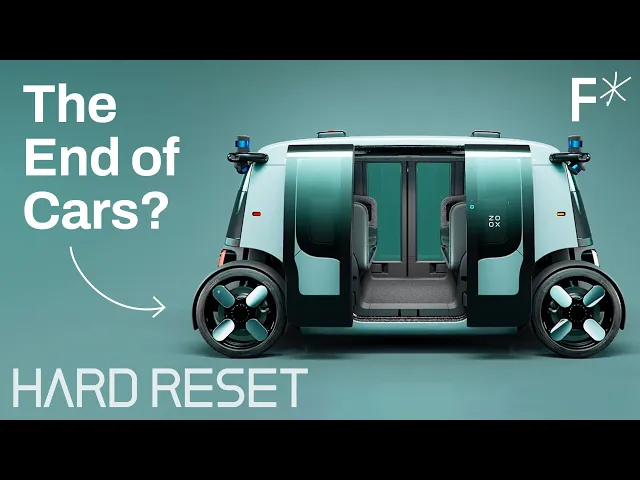
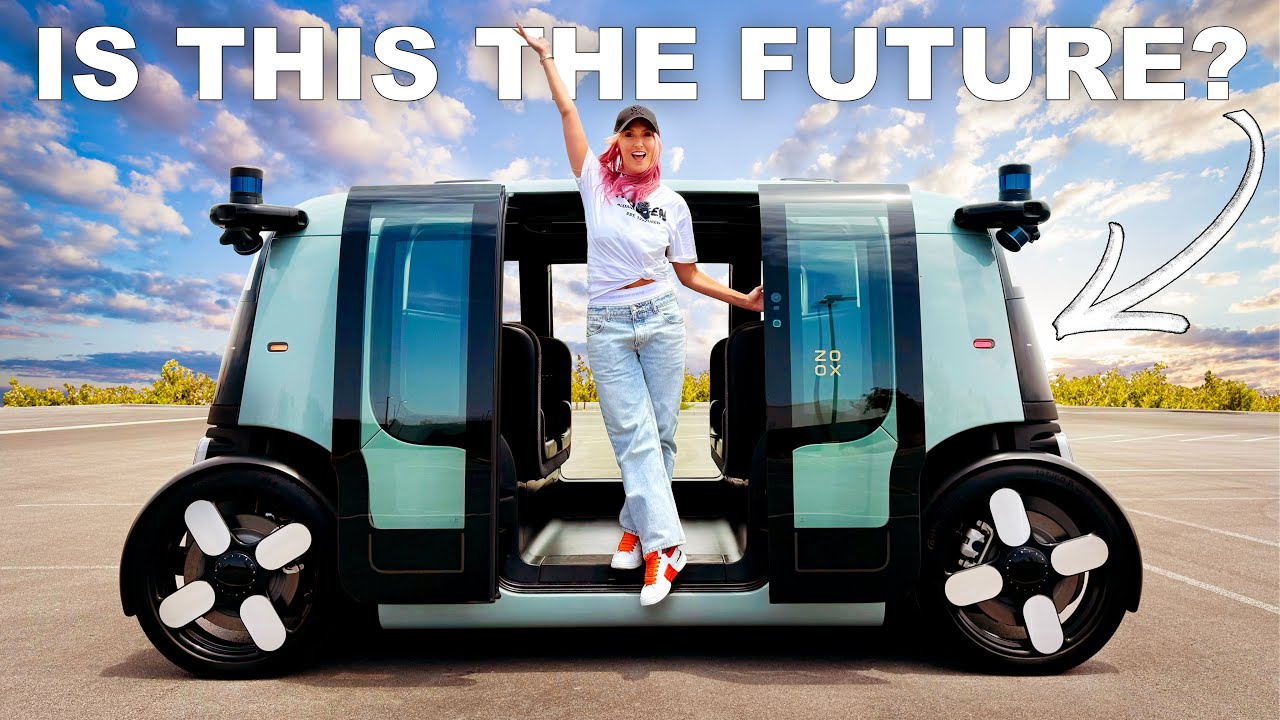
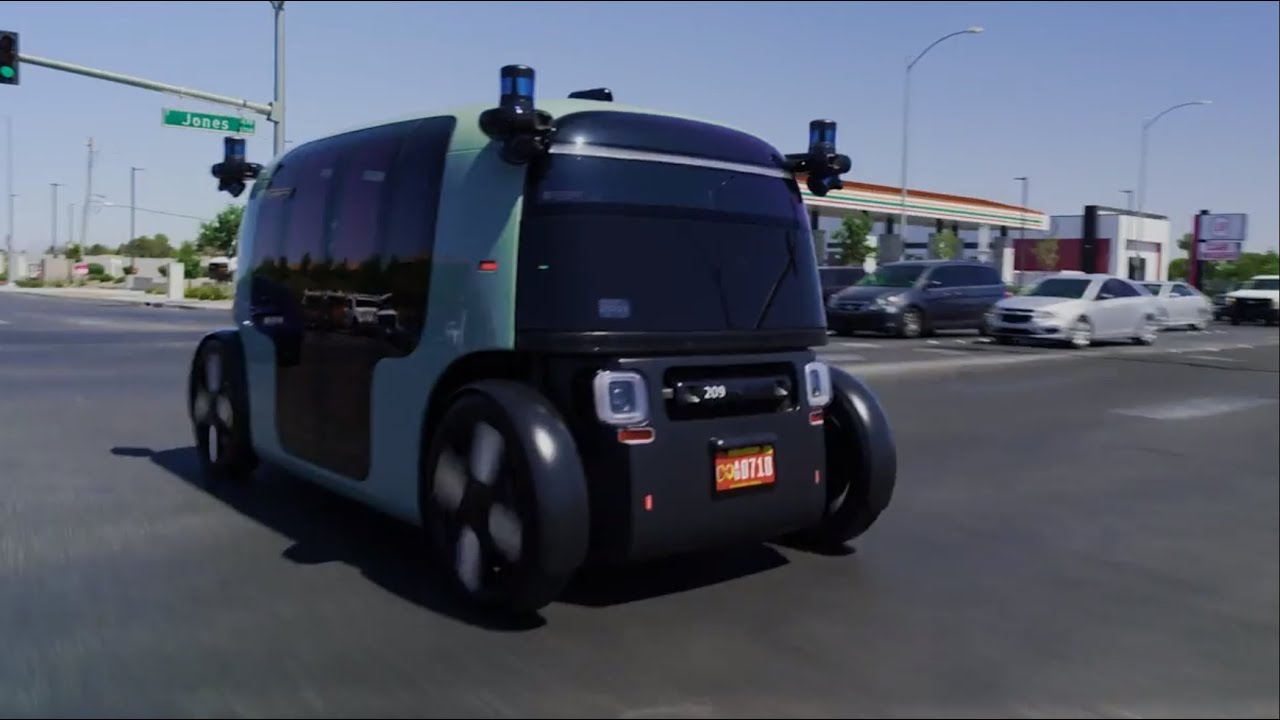
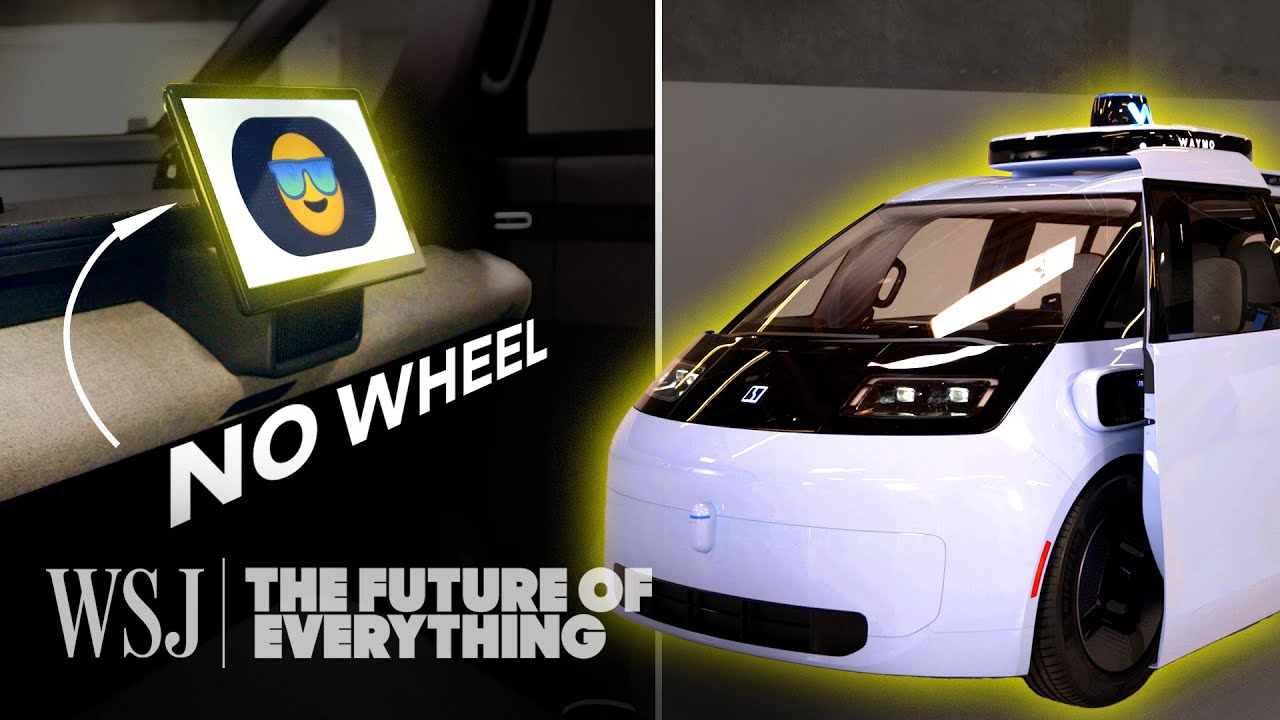
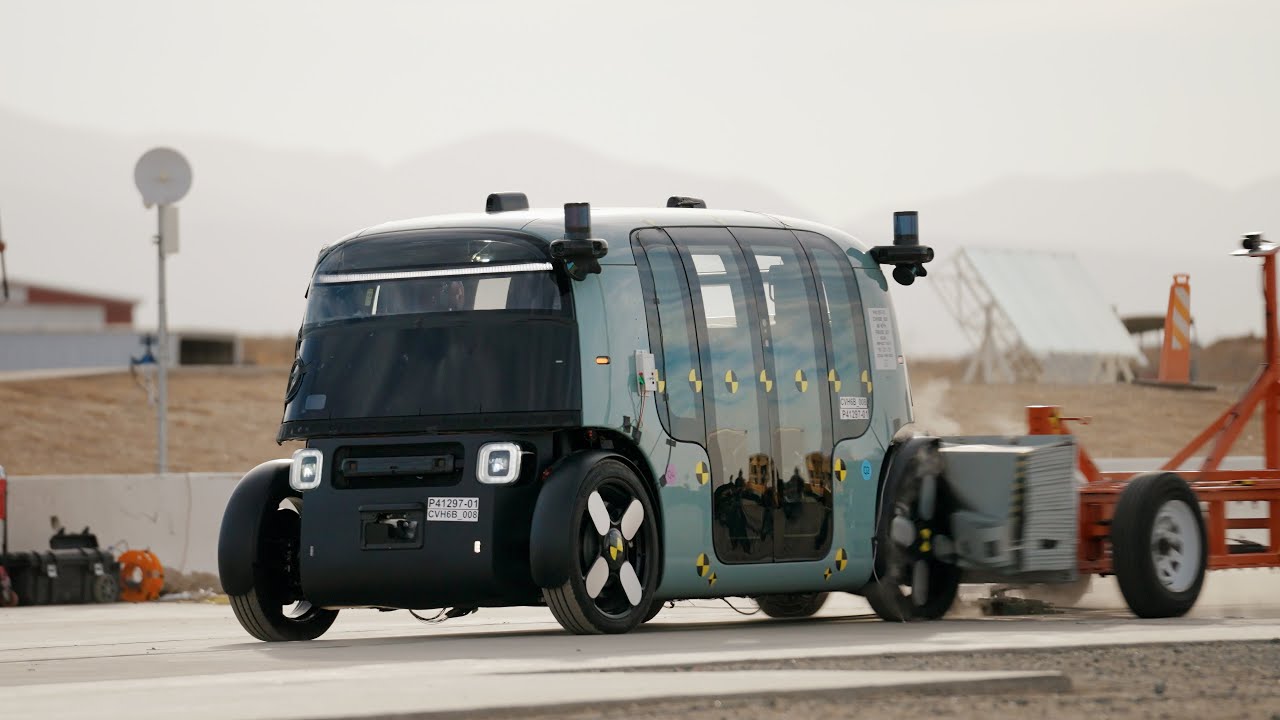
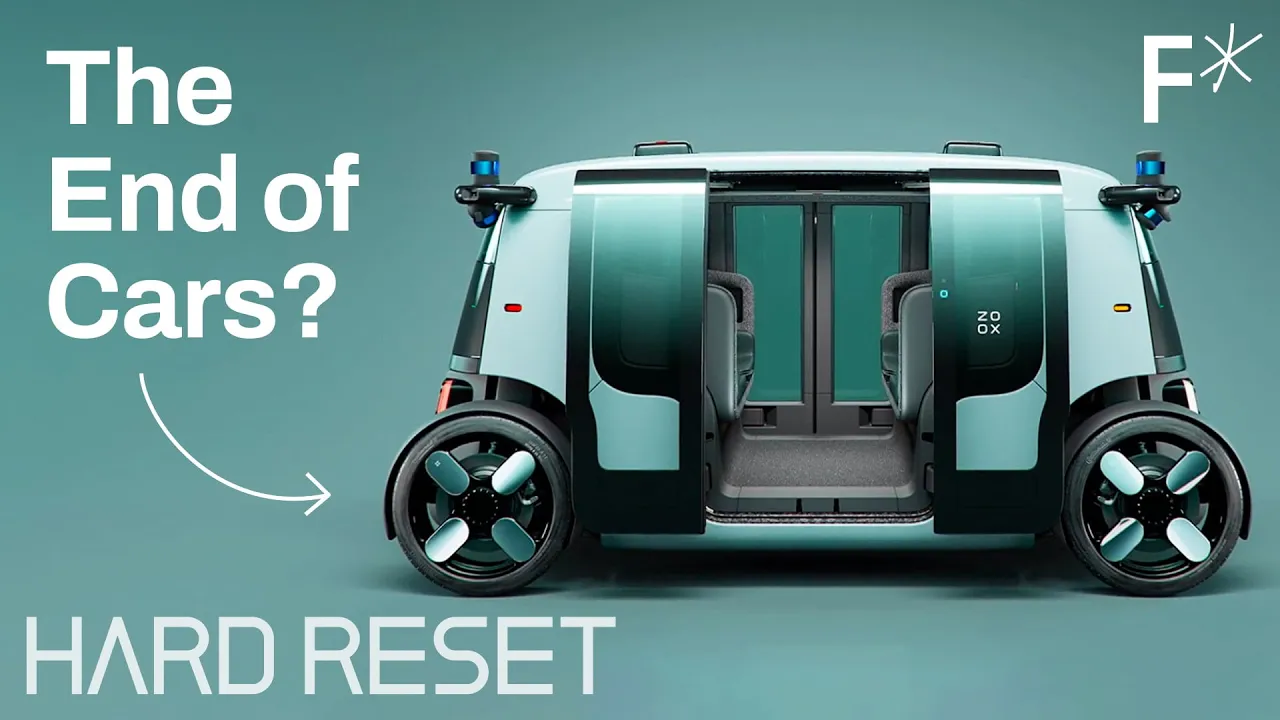
- This is not a car. - Okay, I guess it's a vehicle. - The fact that you cannot drive a Zoox vehicle by yourself, that it doesn't have manual controls, that, in our view, distinguishes it from what people traditionally refer to as cars.
You don't have that moment of, 'Hey, it's a car! ' but it's kind of not a car. And, you know, 'What's that steering wheel doing moving all by itself?
' We view those transitional products as kind of weird hybrids. - This vehicle is capable of Level Five autonomy. By contrast, Tesla Autopilot is Level Two.
Level Five is a major step-change in complexity, and means no humans are necessary to drive the vehicle. You've probably heard about autonomous vehicles for years and may be skeptical that they actually work. Are they truly autonomous, or are they just billionaire science projects?
- This is not going to be a science project. And we're gonna make sure that the recipe and methodology to get that done is scalable. - Here, just south of Oakland, Zoox is manufacturing and testing their first fleet.
So what's it like to ride in one? This is "Hard Reset," a series about rebuilding our world from scratch. This is an assembly line where robot cars are assembled by normal humans, as opposed to most assembly lines where normal cars are assembled by robots.
How is he walking so slow? - So this is the way that we receive the body; it's actually produced in Italy. The body is made out of carbon fiber.
The computer's down here in the floor. If you look down here, basically under the seat, is the space where we install the batteries. Moving on to this side, our door system is very different than what you see on a traditional car.
As it's more, I would say, related to what you would see on a bus or a train, basically opening to the side. - I came to see these cars, sorry, "vehicles," come off the assembly line and go to this testing facility, which is cleverly disguised as a mostly abandoned parking lot. They test everything from steering, crab steering- Wow, what the f*ck?
Door operation. And if they're weather sealed. And also, rogue filmmakers jumping in front of them.
I actually added that test to this process. - The only reason that cars aren't symmetrical today is that you have to drive them in one direction. Why not just make the vehicles symmetrical and bidirectional?
For example, you don't have to do three-point or five-point turns, and you can avoid a lot of U-turns. So if you pick somebody up in their driveway, you can just flip the lights and go out the other way. It makes routing easier and more efficient.
- All of the initial testing is done by a guy with a very cool remote control. But then the moment of truth— a fully autonomous ride. So what's it like to ride in one?
Well, because of lawyers and insurance companies, we only got to stick our camera in with one of the Zoox test passengers. But we hear the passenger experience is actually. .
. - Kind of boring? But it made it very clear that this is gonna be the future of mobility.
- Okay, boring. Because it's smooth, because one of our mottos in the design and in the experience is making sure that you don't even think about driving. - It's easy to get a little bit too obsessed with only the narrow technology aspects, and not think about what is that product like for the end-user?
If you think about people using our product, they're gonna get in this vehicle and they're not going to know how it works. But what they are gonna experience is, what does it feel like? And what is it like to interact with this vehicle?
What do the seats feel like? How do you tell it to go somewhere? Does it stop smoothly?
Is it easy to get in and out of? It's kind of like getting on a monorail. You don't really have to explain a monorail to somebody.
You see a-- - 'Monorail. What'd I say? - Monorail.
- What's it called? - Monorail. ' - And you're like,"Oh, okay, I get it.
" It takes about five or ten seconds. - But unlike a monorail, autonomous cars, uh vehicles, aren't stuck on a track. They can meet you wherever you like, so they're actually a lot more like a carriage ride from your favorite 17th-century epic, like "Barry Lyndon.
" But you can't smoke inside. Anyway, after the vehicle passes these tests, it's off to this jumbo treadmill to get some real speed behind it. Then there's more tests, like so many tests.
And that's actually really important if you want these things to be everywhere. And they kind of already are. Zoox has been charting San Francisco, Las Vegas, and Seattle, with their Level Three autonomous cars.
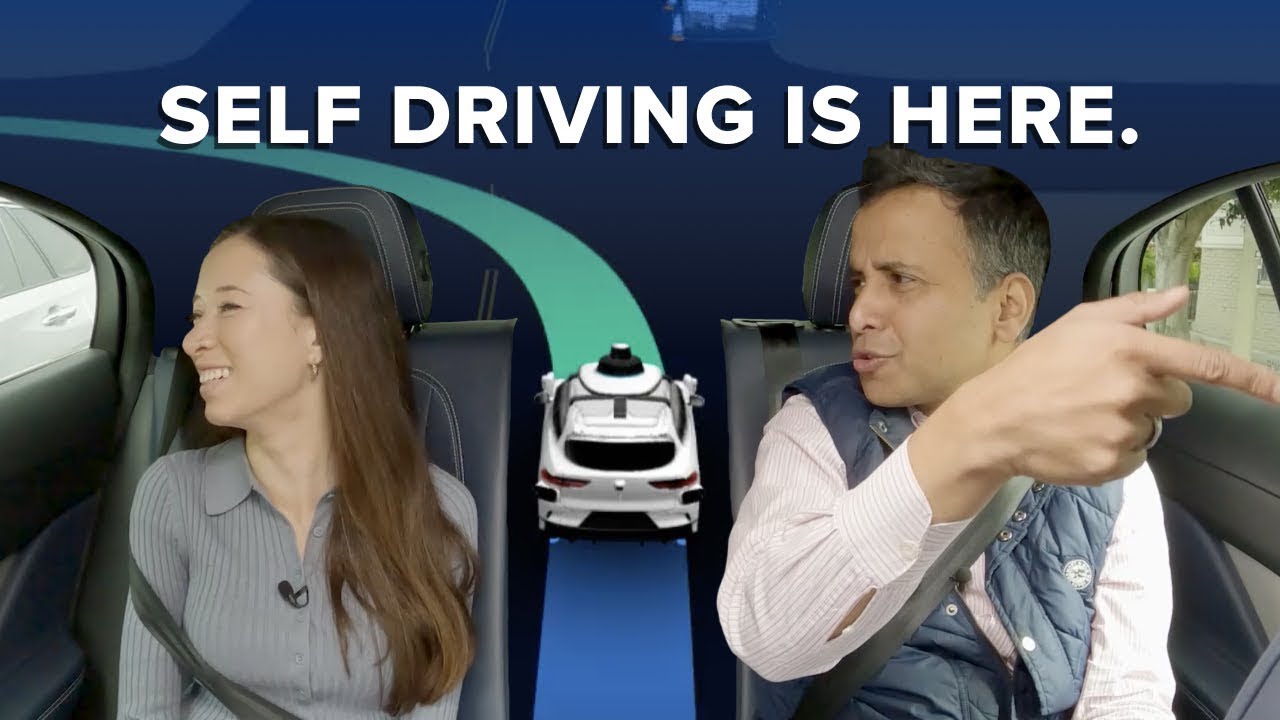
These cars use LIDAR to create a detailed 3D map of the city, which their fleet will use to navigate. The Zoox fleet will also use radar and optical cameras as they drive around in order to give them a fuller picture of the world and enable safe navigation of complex environments. This array of sensors holds the promise of making these vehicles much safer than human-driven ones.
- I'm looking forward to that day where we wonder how we ever accepted or tolerated 94% of crashes being caused by human error. - A lot of the crashes that humans get into are during those strange maneuvers that people don't do that often— three-point turns, U-turns, parallel parking. As a human, you can only look in one direction at a time.
Not only can we see everything all the time, we also have 270 degrees coverage on every corner of the vehicle, so we can even see around objects. And so we have a significantly higher degree of situational awareness, which makes the vehicle much, much safer, particularly in tricky maneuvers. - Zoox's vehicles are nearly ready to make their public debut.
And you'll be able to buy one. . .
never. No autonomous vehicle buying for you. These are effectively taxis, shuttling passengers about, which means Zoox's vision of the future has very few cars that will be bought or sold.
And then what will we buy on three-day weekends? What will happen to 'December to Remember? ' What about the people who make those giant ribbons?
- You should be happy because I'm not making you pay for the vehicle; I'm just making you pay for that little, tiny portion that's your ride. We wanna think about this as transportation as a service, as opposed to anything else. When you're not using it, somebody else is using it.
There's a fleet of them. They go to base. They autonomously get themselves to the charging station.
Two hours, done. Up, back out, and redeploy. We are challenging personal car ownership, something that is ingrained in the psyche of this nation.
And we're challenging that, openly and proudly, because we think that the benefits for society and every single one of us outweigh the, "Oh, well, you know, I wanna be able to have as many cars as I want, or as I feel like. " - And so what if Zoox, and other autonomous vehicle companies like it, succeed? More sidewalks and parks, fewer parking lots, cleaner emissions, and a whole lot fewer traffic fatalities.
But transportation is also about access. If public transit doesn't run to your neighborhood, and gas is a precious commodity, that's going to affect where you work and where you socialize. - Transportation is a big deal in terms of access to knowledge, access to freedom, independence, and just things.
There are areas right now that are not served well. That, in my humble view, limits the economic opportunity of a lot of folks. Our goal, and this is something that's particularly important to me, is for this vehicle to go to all areas of a city.
How're we doing on the doors? This vehicle is not gonna care what's your social strata, race, ethnicity, gender, any of that. If you order one, it'll come pick you up and take you to where you need to go.
A day? Oh, this is good, improving! Transportation is not equally distributed.
You make that available, amazing things will happen. Come back next time for another episode of Hard Reset. Subscribe to Freethink to watch our other original series and documentaries about technology and people that are changing our world.