alternative dispute resolution refers to an array of methods for resolving legal disputes without resorting to the court system ADR plays a pivotal role in the American legal process but is often overshadowed by Hollywood's glamorous portrayal of jury trials one might imagine that all legal disputes are battled out in large court rooms filled with jurors and spectators in reality about five percent of civil cases ever make it to trial in some states that number has reached as low as point two percent the same is true of criminal cases with only 10% reaching trial the other ninety
to ninety nine point eight percent of legal disputes are resolved through some form of ADR ADR methods have gained substantial traction over the last thirty years they are increasingly popular with clients attorneys and judges alike there are four primary reasons for this rise in popularity first ad R increases court efficiency the general public has never been more litigious Court dockets are bursting at their seams and there are only so many judges available to handle the ever-increasing caseload as a result many judges now issue court orders requiring the parties to engage in some form of alternative
dispute resolution before allowing a case to proceed to trial second ADR is less costly than trial trial is by far the most expensive stage of litigation it often involves the additional expense of expert witnesses who can charge over a thousand dollars per hour for their services in addition most plaintiffs attorneys charge a contingency fee that significantly increases if the case reaches the trial stage attorneys often spend well over half of their billable hours in trial or in trial preparation at the end of the day clients are generally happy to avoid these trial related expenses third
ADR is less risky than trial at trial a judge or jury decides the case which may lead to unintended outcomes jury trials in particular are known to be a bit of a coin toss sometimes literally in Kentucky a man was convicted of murder when the jury flipped a coin after reaching a stalemate in deliberations of course when the judge discovered the true nature of the conviction he ordered a new trial still the point is well-taken offers no guarantee of a fair or favorable decision most forms of ADR reduce the amount of risk to Parties undertake
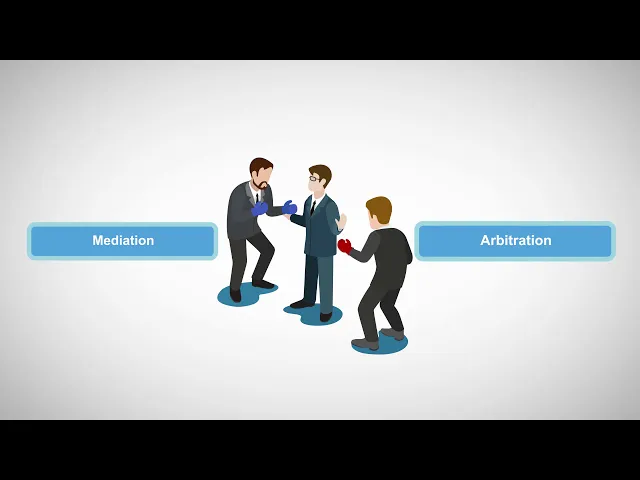
by leaving the outcome entirely in their hands finally ADR proceedings are private court records and proceedings on the other hand are open to the public and by virtue of their adversarial nature litigation tends to flush out cherished secrets or embarrassing facts and allegations unfortunately for the parties the media can salivate over such newsworthy information which usually ends up making headlines parties engage in ADR in order to keep their reputations or trade secrets intact while they work towards a resolution ADR methods typically take one of three forms direct negotiation mediation or arbitration these methods differ in
the degree to which they involve third parties deciding which form is most appropriate depends largely on how well the parties get along direct negotiation is generally defined as two or more disputing parties meeting together in good faith to identify and discuss the issues at hand present facts and supporting data arrive and mutual solutions and abide by the outcome as this definition suggests negotiation covers a broad spectrum of avenues parties might take to reach a resolution the setting can be formal or as informal as the parties want direct negotiation is distinguishable from the other two forms
of ADR in that it doesn't involve a third party rather hear the disputing parties work together directly to reach an understanding as negotiation requires the parties to work together it's best suited for disputes between parties who tend to get along or are at least willing to cooperate negotiation occurs in criminal cases in the form of plea bargaining in which the defendants agree to plead guilty in return for the dismissal of additional charges or for the prosecutors recommendation for a reduced sentence in contrast both mediation and arbitration involve a neutral third party who is someone who
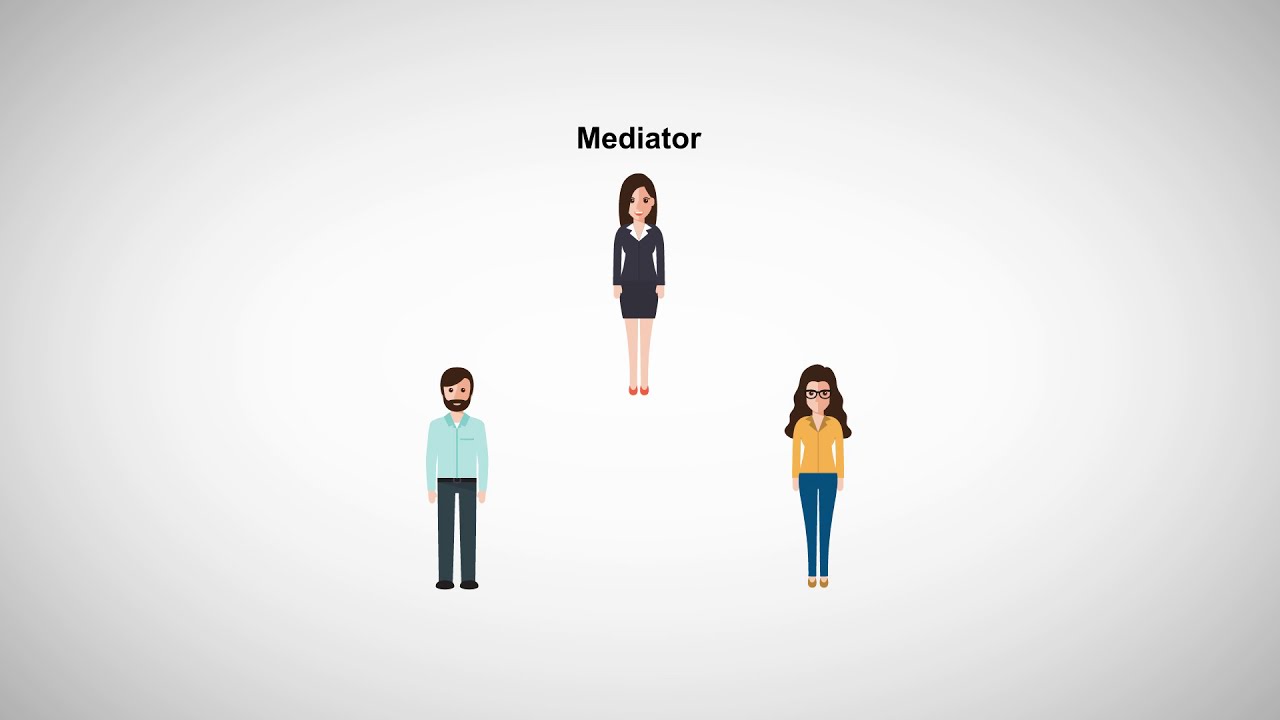
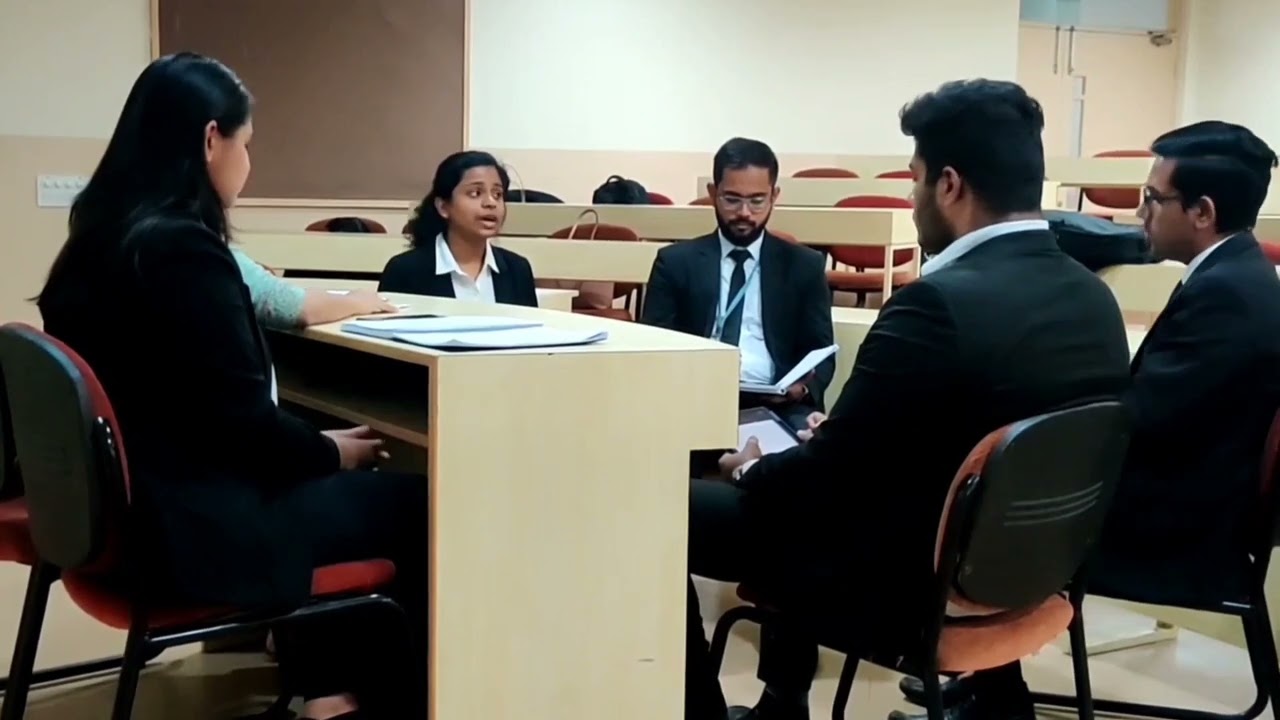
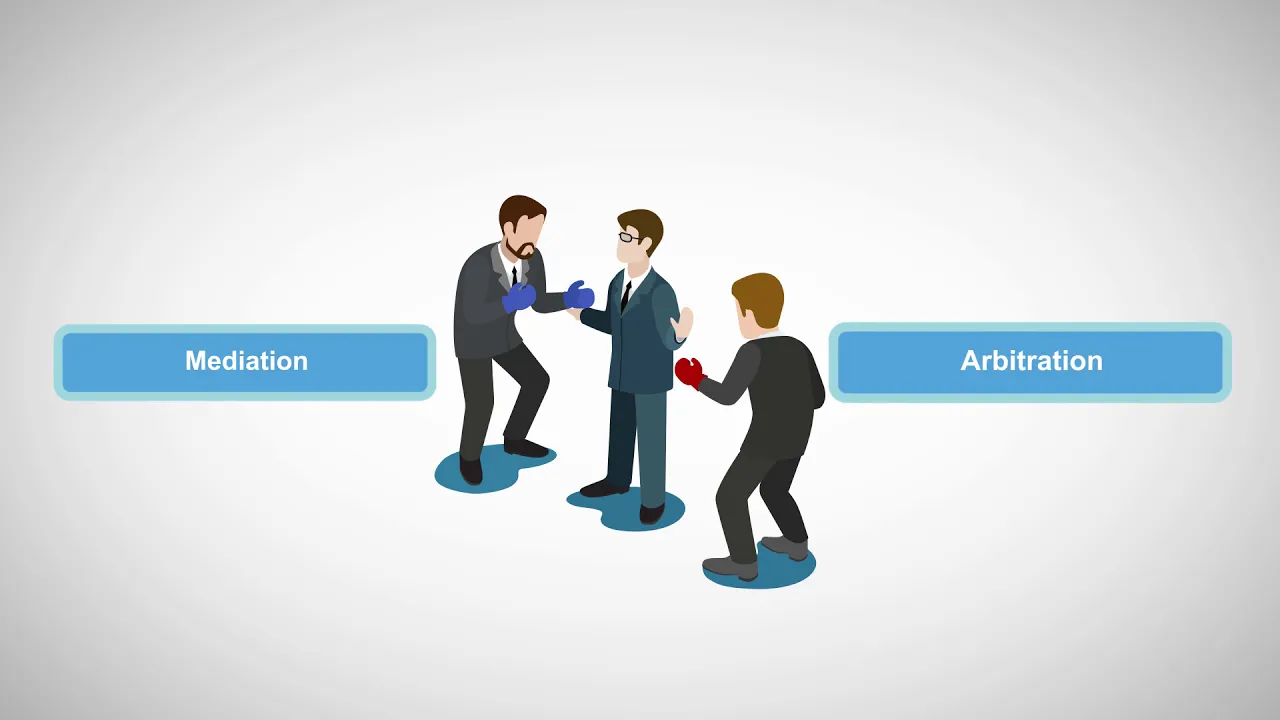
has no stake in the outcome and occur primarily in civil cases mediation is essentially negotiation that is facilitated by a middleman known as a mediator mediators are usually legal professionals either attorneys or judges who understand how the law relates to the facts of the case mediator provides a fresh pair of eyes and helps the parties understand the strengths and weaknesses of their positions the mediator is simply a facilitator a conduit for negotiations she does not decide facts or make any legal rulings as a result the parties are not legally bound by the outcome still successful
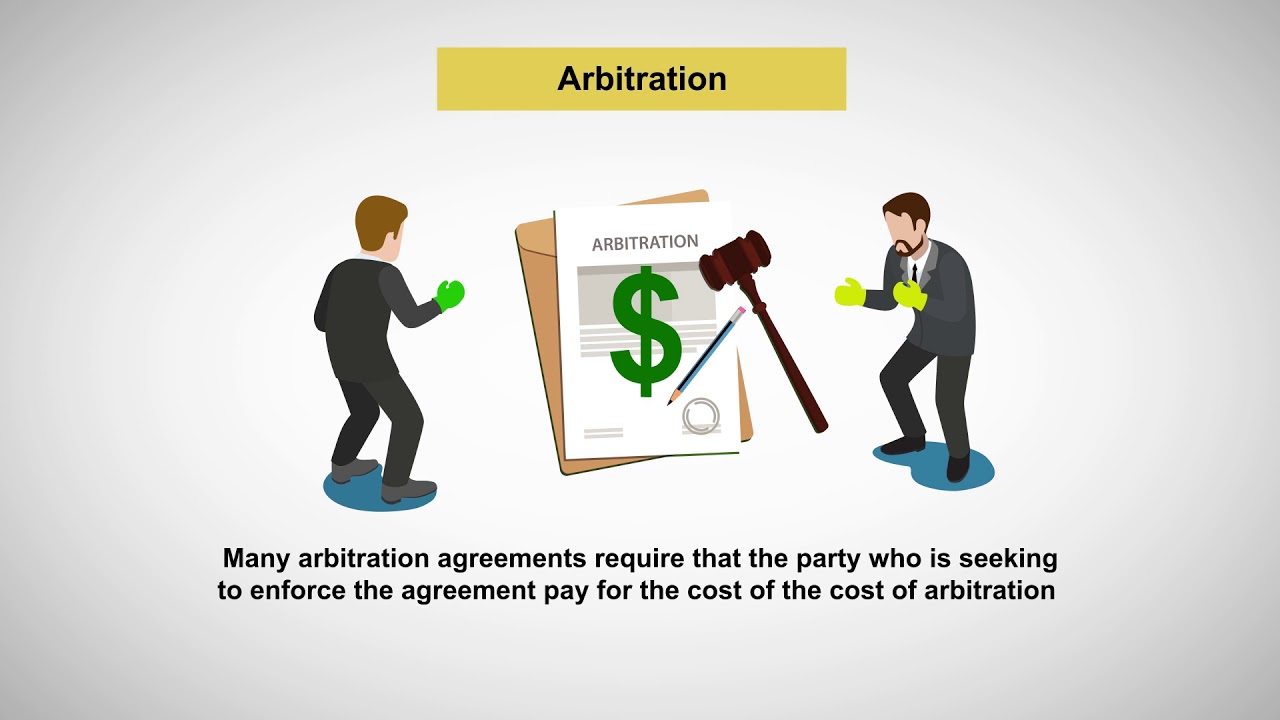
mediation usually concludes with the parties signing a settlement agreement binding them to their agreed upon terms mediation is particularly helpful when the case involves complicated issues when the parties cannot agree on certain facts or when the parties own negotiations have broken down the courts favor mediation and often require parties to engage in mediation before trial our betray ssin is the most structured of the ADR methods in arbitration the neutral third party the arbitrator conduct formal hearings makes findings of fact and renders a final decision in the matter unlike in mediation her decision is legally binding
unless the parties have entered into a prior agreement stating otherwise the arbitrator is often a retired judge or a panel of retired judges given their experience handling legal disputes procedurally arbitration is much like trial the only meaningful distinctions are that it's conducted in a private forum and the parties cannot appeal the arbitrator's decision it is final arbitration is most appropriate when one or more of the parties is hostile or uncooperative it is common in contract law because most commercial contracts require arbitration in the event a dispute ever arises which it often does there are other
recognized forms of ADR as well such as early neutral evaluation and many trials these are basically alternative forms of mediation early on in litigation parties have different views on how the law should apply to their facts they will inevitably disagree on how a court or jury might rule on certain issues at this stage of litigation clients have usually heard only their attorneys arguments and optimistic assurances of success in these instances the parties may invite a neutral third party essentially a mediator to provide some clarity in an early neutral evaluation the mediator provides guidance on which
theories of law and legal precedents apply to the case many trials take early neutral evaluations a step farther the parties gather together and present their respective arguments openly in front of the mediator who then advises the parties of their chances of success at trial whatever the form of ADR the ultimate goal is the same a lasting resolution to the dispute although ADR methods continue to grow in popularity they are not necessarily the best solution for every dispute mediators and arbitrators generally charge a fee for their services and if the parties know in advance that there's
no chance of settling the case ADR only wastes time and resources in negotiation one party might have an unfair advantage and can strong-arm the other into an unbalanced settlement ADR may be a faster alternative to trial but some violent or dangerous circumstances may require even more immediate court action such as a restraining order in these instances the courts are the more appropriate venue some parties even avoid ADR because they want to set legal precedent for future disputes ADR provides a one-time solution that is only binding if at all on the current parties for the current
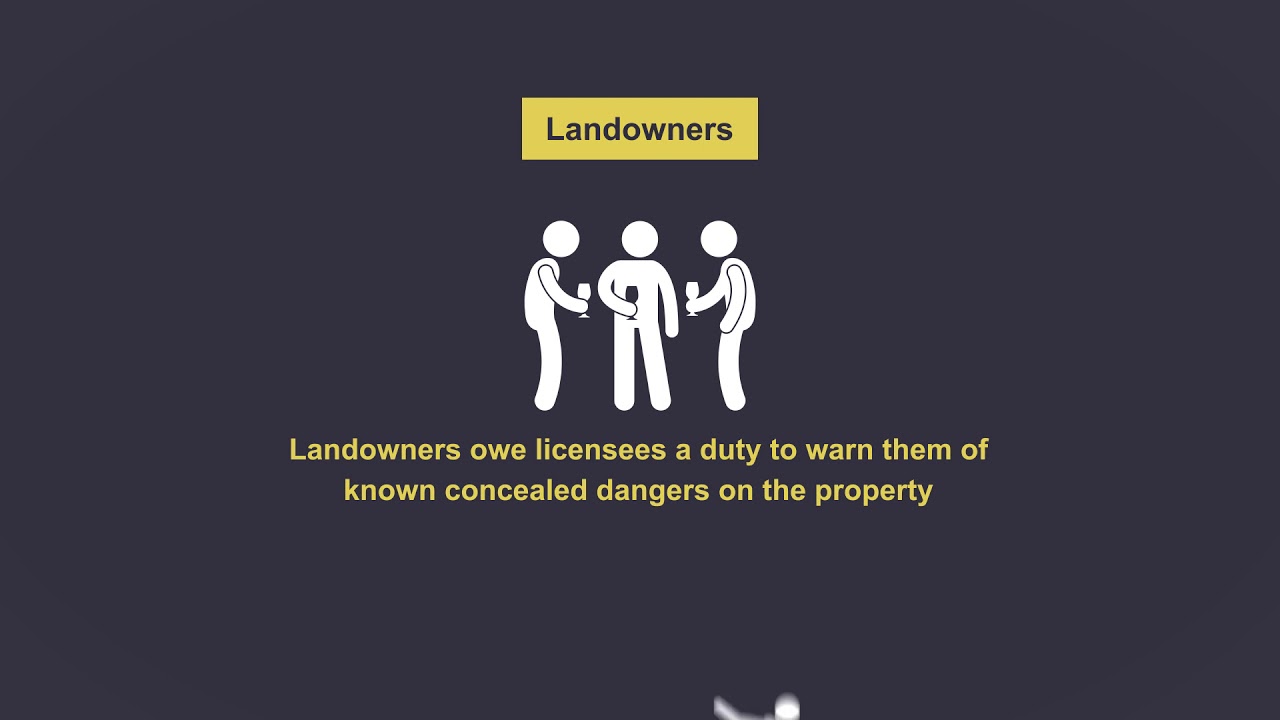
dispute in contrast Court decisions become law which controls or prevents future disputes regardless of the parties involved take the airline industry for example landowners once owned all of the airspace over their property from the ground up to the heavens then came the invention of the airplane as flights become more common residents near airports become frustrated with airplanes flying low over their property during World War two one landowner sued the US government for allowing military aircraft to cross his airspace the Supreme Court of the United States heard the case and declared that landowners owned only the
immediate airspace above their land that decision changed the long-standing law and cleared the skies for commercial aviation had the government simply settled the matter the door to litigation would have remained open for thousands of other disgruntled landowners despite the few exceptions ADR remains the solution of choice for most legal disputes even as the number of pending civil cases continues to rise ADR methods have helped reduce the total number of cases ending in trial by more than 60% since the 1980s ADR saves parties time and money it keeps court staff from burning out borrowing some fundamental
economic or social shift ADR s popularity will likely continue to grow and the Hollywood notion of trial may become a thing of the past