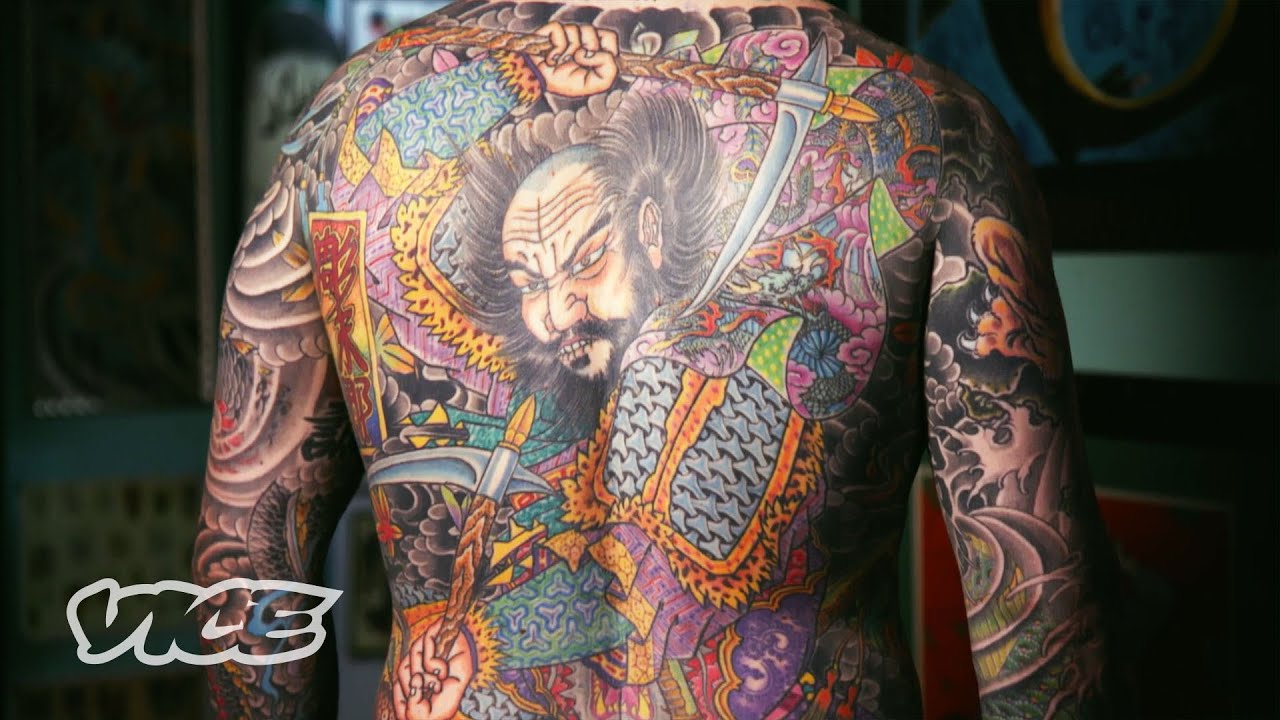
♪♪ -Tattooing back then was still very, very toxic and very, very closed-door. . .
[ Needle buzzing ] . . .
objectifying our women. Unfortunately, with, like, Chicano tattoos and prison art, it has gone that route. Like, I know how I want to do it from my heart, and that's not part of it.
♪♪ Somebody gets a Mexica temple, but it's on their body, and it was designed solely for them. That is medicine. We're accessing an ancestor that we've been disconnected from 500 years.
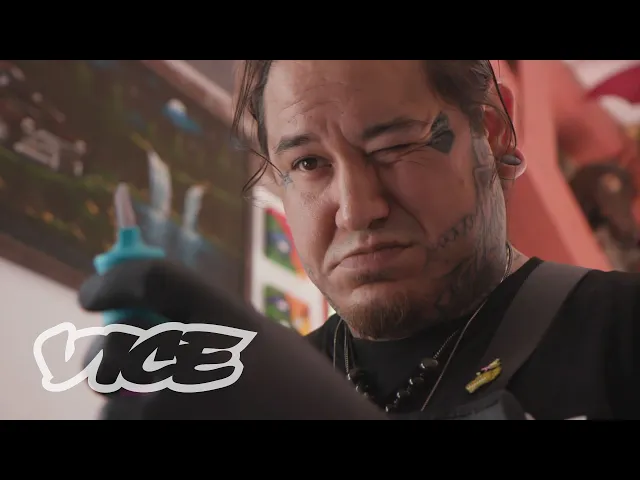
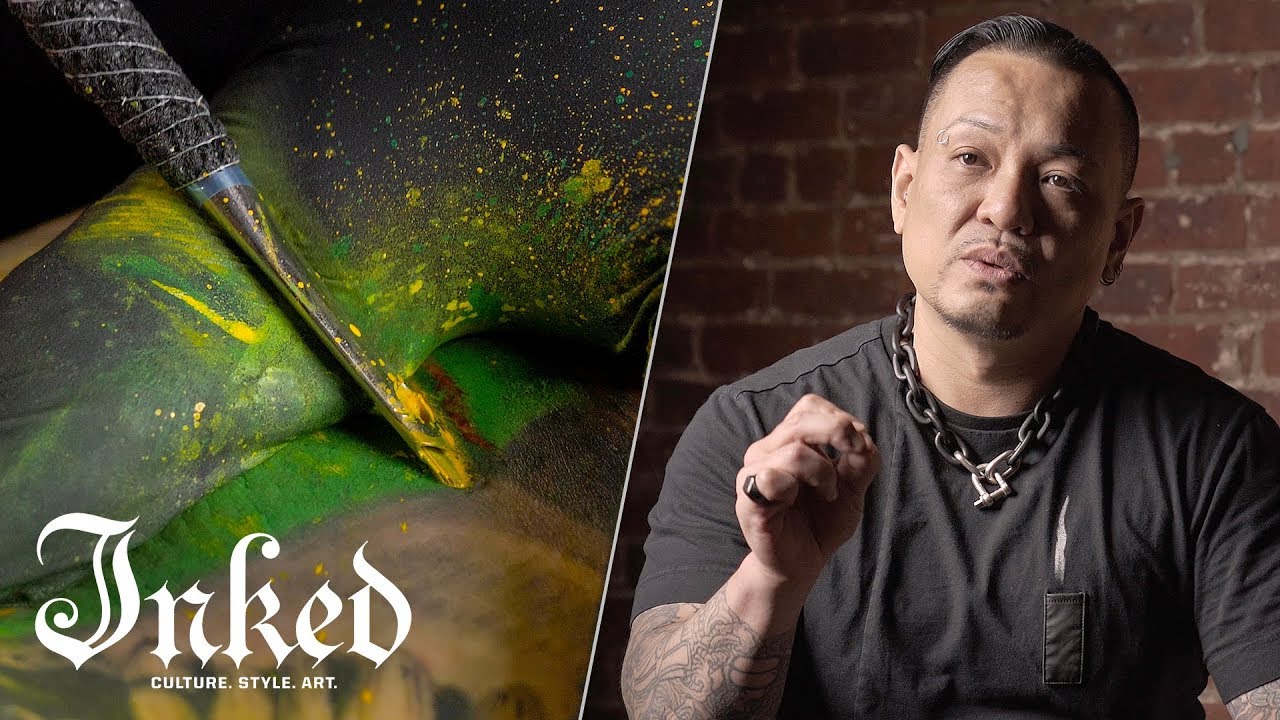
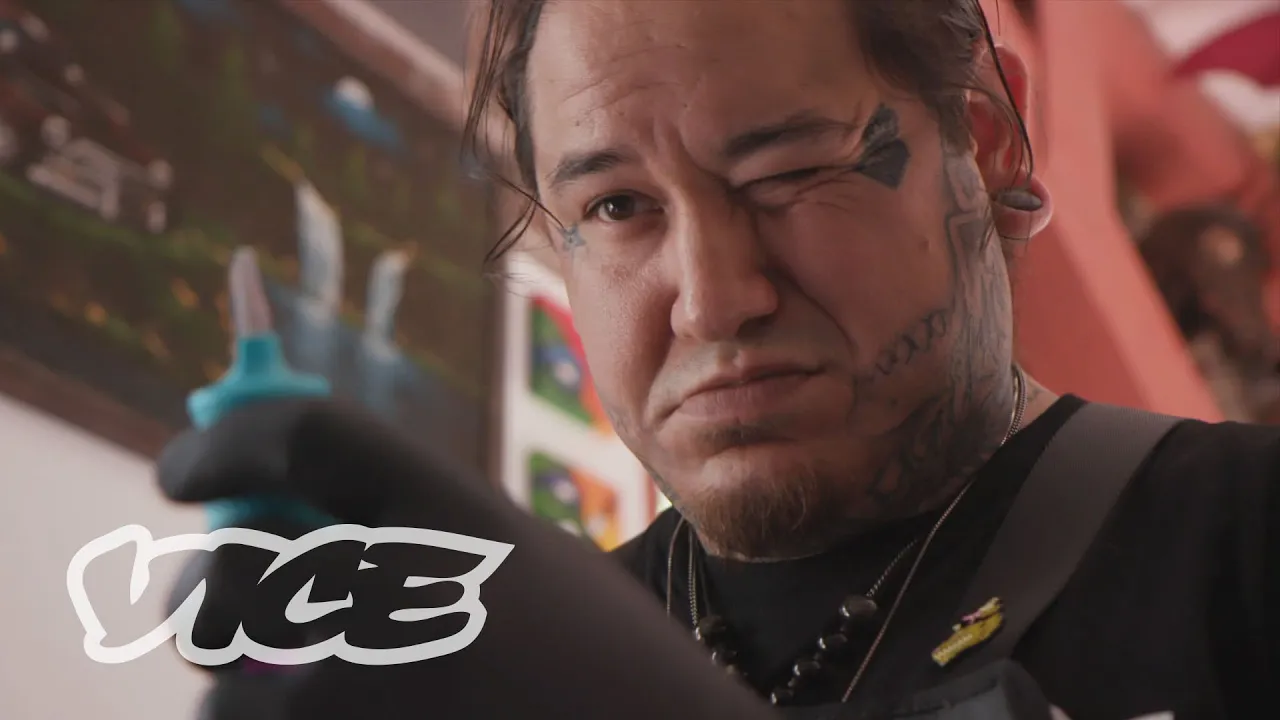
That's powerful. [ Needle buzzing ] ♪♪ My name is Salvador Cortez Jr. , also known as Chamuco.
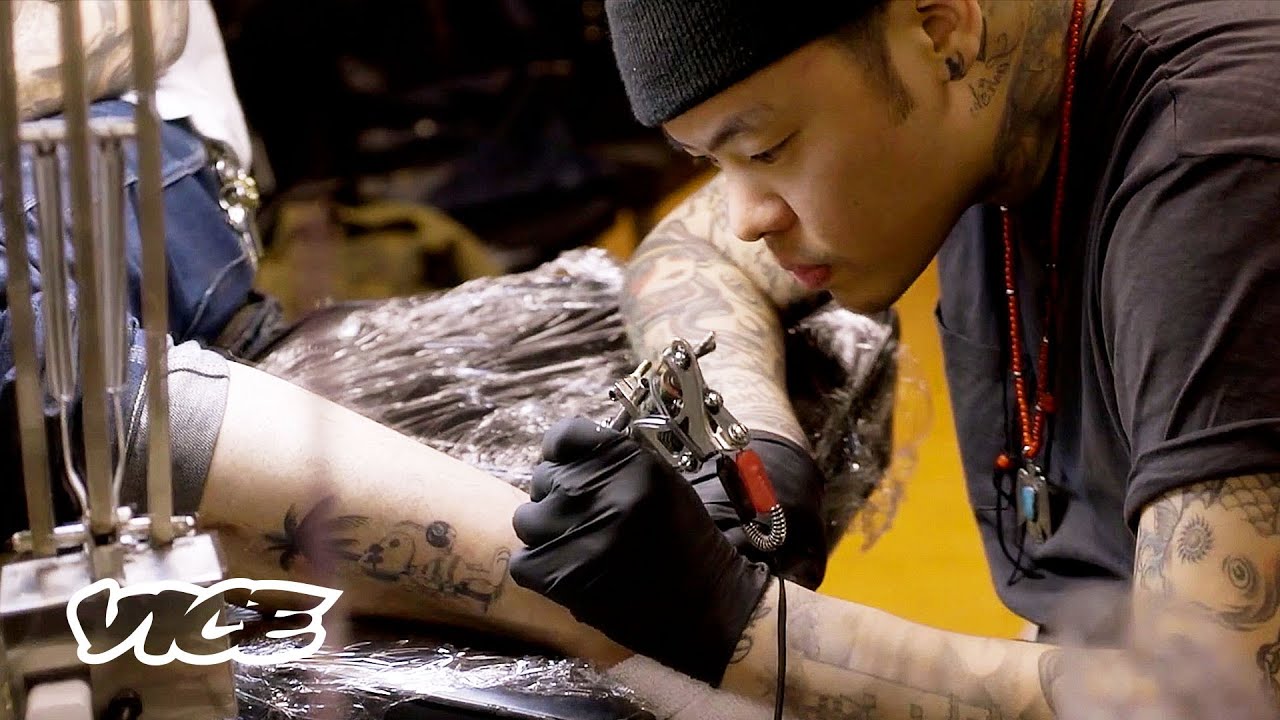
I was born and raised here in Oakland, California. This is Amor Eterno, our tattoo shop and studio that I opened with my partner Amy George. ♪♪ We're community-supported and community-based.
All the art we do we consider healing, whether it's on the wall or on your skin. It's medicine, and that's how we like to treat it here. ♪♪ I kind of pursued life and ended up getting into being a Teamster and working in a warehouse and working with a bunch of old bikers and cholos.
Somebody had a pretty good tattoo machine in there, and they saw that I could draw, and they're like, "Yo, I'll give you all of this if you tattoo me. " From there, I ended up getting into this place in Hayward. That's where I actually began my professional career.
Back then, it was still very, very toxic and very, very closed-doors when I got into it, so it was very -- It wasn't a safe place for a lot of people, and you kind of had to just shut up and get tattooed, you know? And it's no longer really who I am. ♪♪ I think the clients that I have are looking for connection to their ancestors.
They're looking to -- to have -- you know, have a piece of artwork that -- that cements that memory in this lifetime and sacrifice their body for it, to give it to their family, their community, or just to themselves, you know? To be able to see it every day when you look in the mirror and do positive affirmations or something like that, you know? It's powerful.
This is my client Reuben. This is a tattoo that he's been sitting for patiently and with tremendous strength for maybe about 120 or 130 hours of work altogether. We call this piece "Mictlān's Garden.
" This is the same little guy, Mictlāntēcutli. This is my totem that I use on my altar. This is what we used to base this image.
The reason we chose to do it -- him in black-and-gray and the flowers in color -- was to show the vibrancy of life. This is "Mictlān's Garden" that he wears as a totem to all of his friends, brothers, community that are no longer here. This is the way that he honors them and remembers them.
With all of your ancestors, the ones you recognize, the closest that you've lost. . .
to a point where they're unrecognizable and you don't even know who they are. First thing that I do is really -- really talk to them and see where they're connected and how deeply their connection goes, because everybody's is different, you know? What are the ancient statues or the ancient murals or the ancient pottery, what speaks to you?
If it's a gift from our ancestors and a connection, it needs to be right. So there's no rushing it. Even if it takes half a year to come up with it, I'd rather it be that way than to get something you're not happy with or that you rush to get.
You're beautiful, and it's an honor to witness your growth. [ Inhales deeply ] Please breathe this copal in with me. [ Rattling ] ♪♪ We treat it as a ritual and a prayer.
So, like, we give up that pain as your sacrifice in honor of our ancestors. And I do my best to connect everyone with the ancestors that they know who is close to them or who -- the tattoo -- who they want it to honor so that when we pray together we can call their names or they can say their name just in their heart and in their mind. [ Rattling ] Your ancestors love you, Ruben.
And they are proud of you. And they smile upon you. -[ Breathes deeply ] -Take time.
Come back. Open your eyes. Let me know when you're ready.
I think tattoo pain is one of those things that you can accept and breathe through and be honest and listen to your body and go to your limit, or you could try to ignore the pain and ignore and just be miserable the whole time, but it's kind of -- it's kind of up to you. But as tattooing, as a ritual, we do breathing. We stop if we need to.
We're honest. Like, that whole macho, tough-guy, "finish this F'in tattoo, buddy" -- I don't ever do that to somebody 'cause you can only give what your body can give. ♪♪ The human mind remembers pain very, very well, so I always kind of felt like the pain inflicted on our body is also etched on our soul.
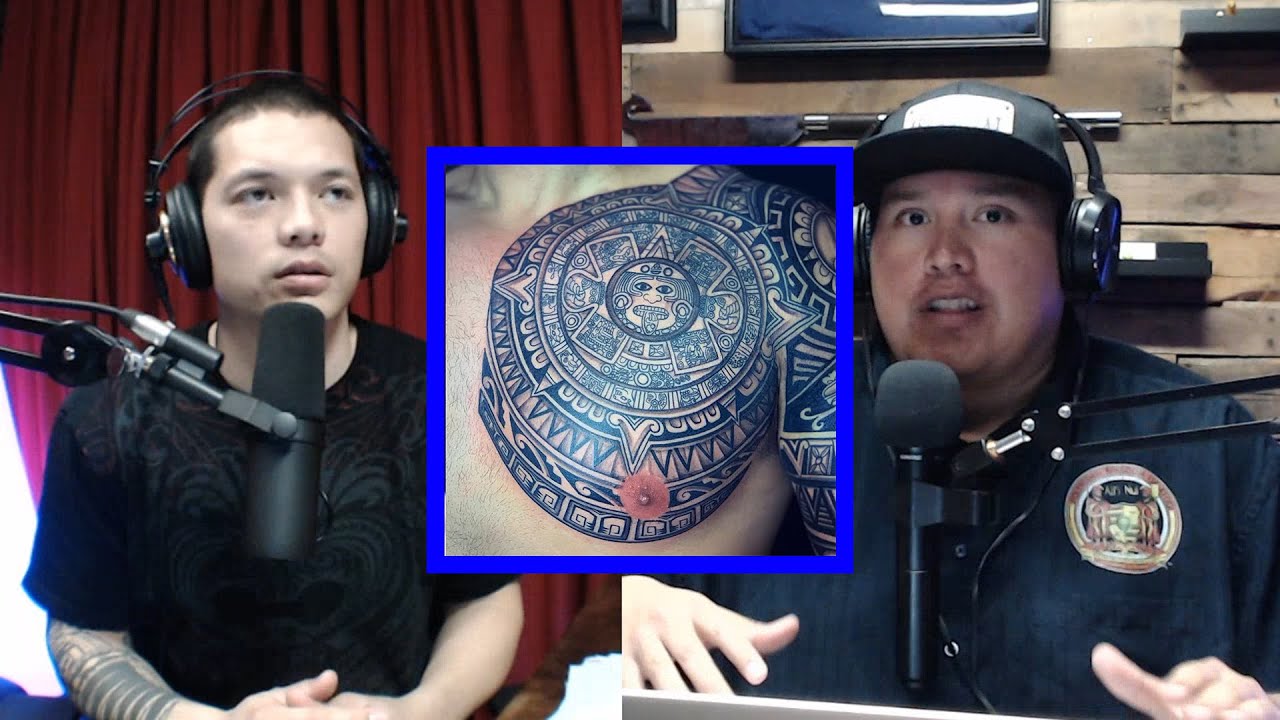
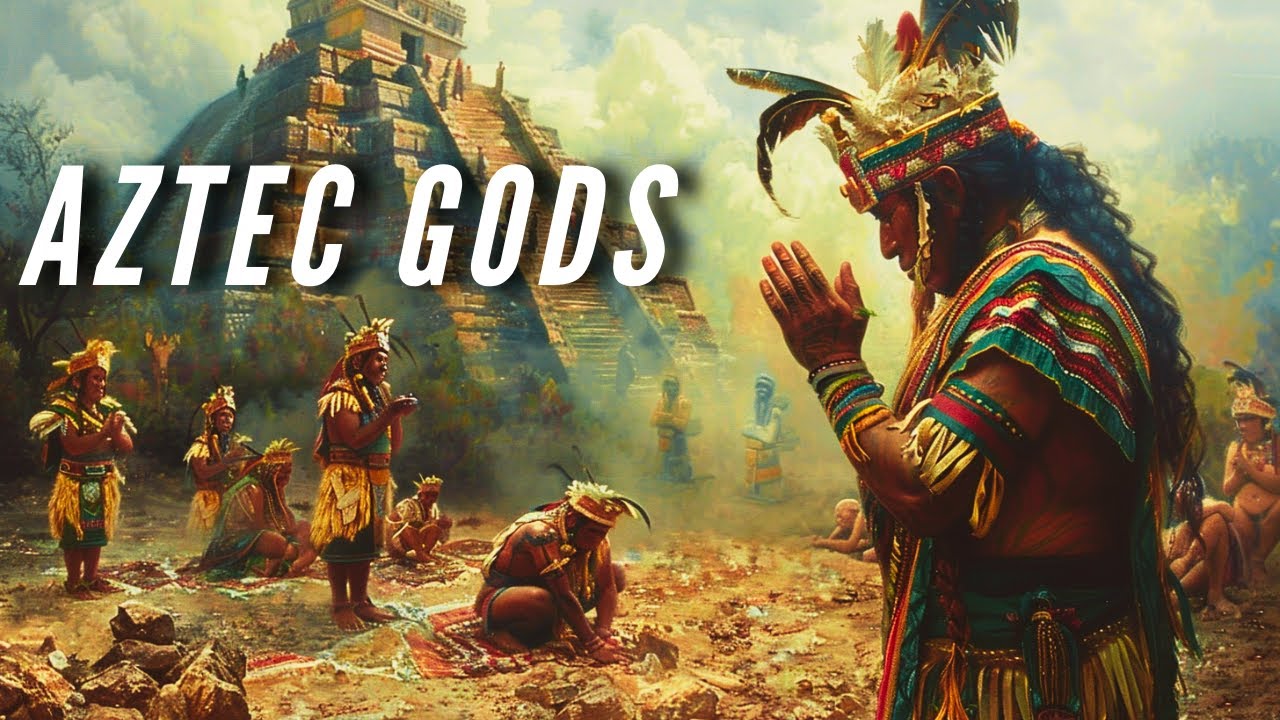
So I believe that we carry tattoos with us even to wherever we go next. ♪♪ Mexica tattoo would be very similar to saying Aztec tattoo. Mexica tattoos are inspired by the buildings, the pottery, the architecture, the sculpture of our ancestors.
Mexica specifically refers to Central Mexico, but even in Mexico, there's diff-- There's Maya, which I love to do, also. But my focus right now is on Mexica tattoos. But I love just what they would call pre-Hispanic tattoos at large right now.
Feels really amazing to leave a permanent mark on someone that's inspired by our ancestors and creativity. And I really do think it's a wonderful thing to see it out in public, especially on danzantes, or Aztec dancers, because they're at a lot of events in our community, and they're very visible, and I feel like a lot of people love them here. It's part of our identity in Fruitvale.
♪♪ So, we did this tattoo to specifically complement his movements as a danzante. He uses his arms a lot, so we spilled the tattoo over onto his arms on both sides. And he also twists a lot, so we spilled the tattoo over onto -- turn sideways a little bit -- onto his side.
It's the god of life and death. So, this is Ehécatl-Quetzalcóatl. It's the god of the wind and life.
This is Mictlantecuhtli, the lord of the underworld, god of the dead. And together, they they plug in that cycle. And seeing it in movement is super-amazing, especially 'cause his head dress is like this big.
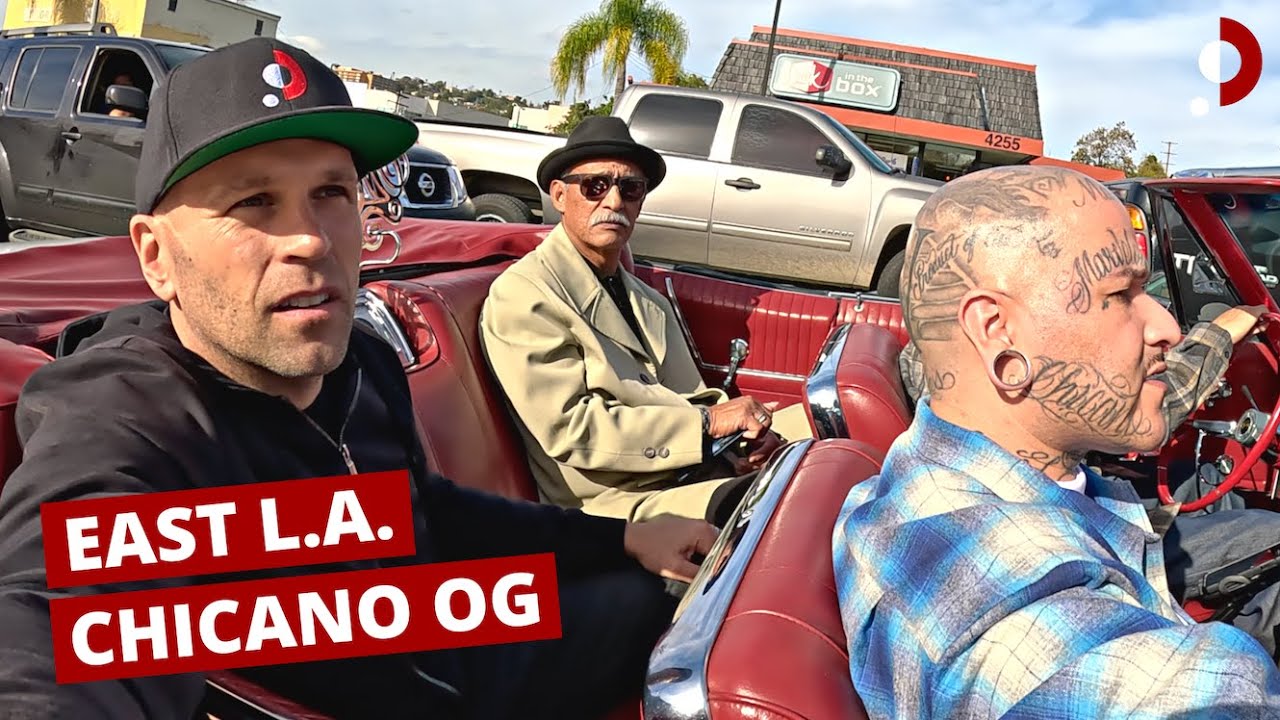
[ Both laugh ] ♪♪ This work is powerful, and it's reconnective because some of these -- some of my clients are only going to connect with their ancestors just for their tattoo. As Chicanos or Chicanas or Latinx or whatever you want to call it, we're accessing an ancestor that we've been disconnected from for like 500 years. So I make it a ceremony so they'll always have that, and when they talk about it, they'll always have that and know how it works because we need to learn the old ways to remember who we are.
If we don't, we'll stay lost forever. Like, this place -- We grow up in a state of amnesia in this country, and no matter what, you're forced to go to Indian school where they break people like us. Every -- Every -- Every part of it.
♪♪ I'm extremely grateful every day to wake up and to be able to do this. Um, just know that your ancestors love you. And love art.
Love tattoos. Be good to yourself. Check in with yourself.
Learn how to communicate. And do all those things so that it leads you back to the perfect tattoo for you.