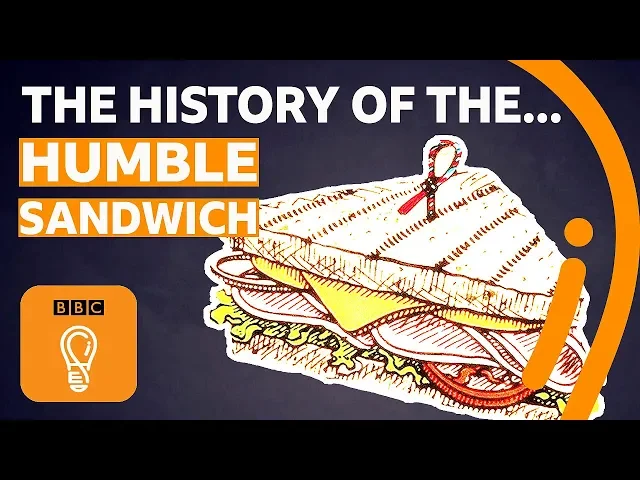
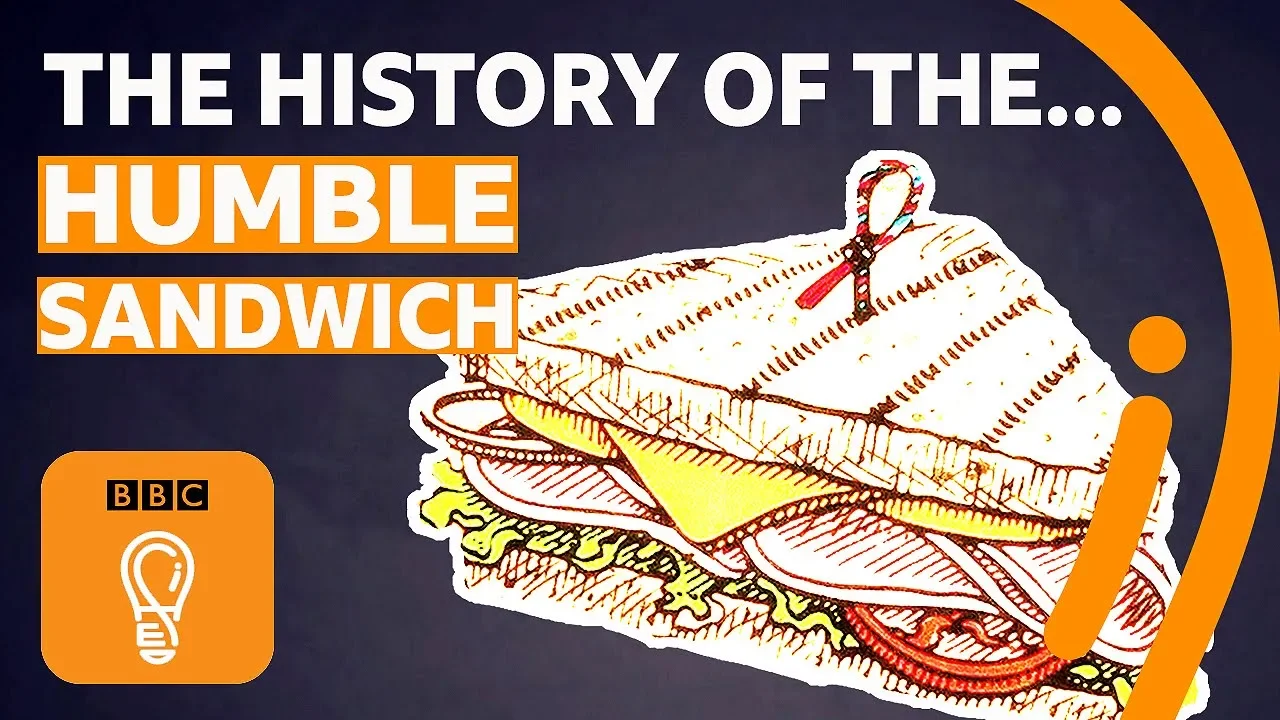
It's clearly a pretty obvious thing to stick a bit of filling between two slices of something along the lines of bread and eat it with your hands, but the British sandwich industry is worth £8 billion a year. Across Western Europe and America sandwiches are booming. Some made in-home but most bought on the run.
It's been done for thousands of years, whether it's with flatbread or yeasted loaves, cheese or meat, especially by those eating away from a table. For instance, working on the fields or as a casual snack. It wasn't named though or even recognised as a thing which needed a name until the 18th Century.
The story goes that John Montagu, the 4th Earl of Sandwich, a town on the south coast of England, was at the gambling table one night, decided not to stop for supper, and ordered a simple snack of beef between two slices of bread. The real story is a bit less clear cut. Montagu wasn't a big spender, he was broke most of the time, and his idea didn’t come out of nowhere.
He'd almost certainly seen pitta breads used with a filling on his travels in the Eastern Mediterranean. Whatever the truth, the concept was certainly named after him, and the word was in fashionable use by the 1770s. Early sandwiches stayed close to the original idea, they were designed for quick eating initially by men doing business at coffee houses or playing cards, and then for more mixed tea parties, ball buffets and light suppers.
Early 19th Century sandwiches were intended to be elegant, often served on doilies with the crusts cut off. But the name was also used for the age-old worker's meal - thick bread, butter and a universal filling of ham. And by the middle of the Victorian period sandwich sellers clustered around every factory gate.
One writer called them mouth-distorters, and pleaded for sandwich makers to make them delicate and delicious. His suggested fillings included: Bone marrow and nasturtium, potted woodcock, sliced sweetbreads, sea kale and oranges soaked in brandy. A more humble alternative was provided by best-selling author Isabella Beeton.
She suggested a toast sandwich - literally a slice of cold toast between two slices of bread, well-seasoned with salt and pepper. It was, apparently, particularly well-suited for invalids. In the 20th Century the British sandwich of two slices of bread and a filling was joined by other alternatives from overseas.
The Scandinavian open sandwich was praised by British food writer Marguerite Patten in the 1960s. While filled pittas, croissants and wraps have also crept in to join the basic bread and butter version. Toasted sandwiches came out of the States in the 1920s when the Toastie-Maker was patented.
The US had become sandwich-central, even briefly having a national Sandwich Day on November the 3rd - the original Earl of Sandwich's birthday. But it wasn't until 1980 that the pre-packed sandwich made its first appearance in Marks and Spencer and initially only in five stores. They were an instant hit and now the working lunch is almost synonymous with the prawn cocktail sandwich - still M&S's biggest seller.
The science behind constructing a non-soggy sandwich which can last all day is very big business indeed. Of course, the predictable fillings still vie with slightly more avant-garde attempts. Lasange-wich anyone?
And many sandwich aficionados swear blind that the biggest improvement to any bought sandwich is a layer of ready-salted crisps.