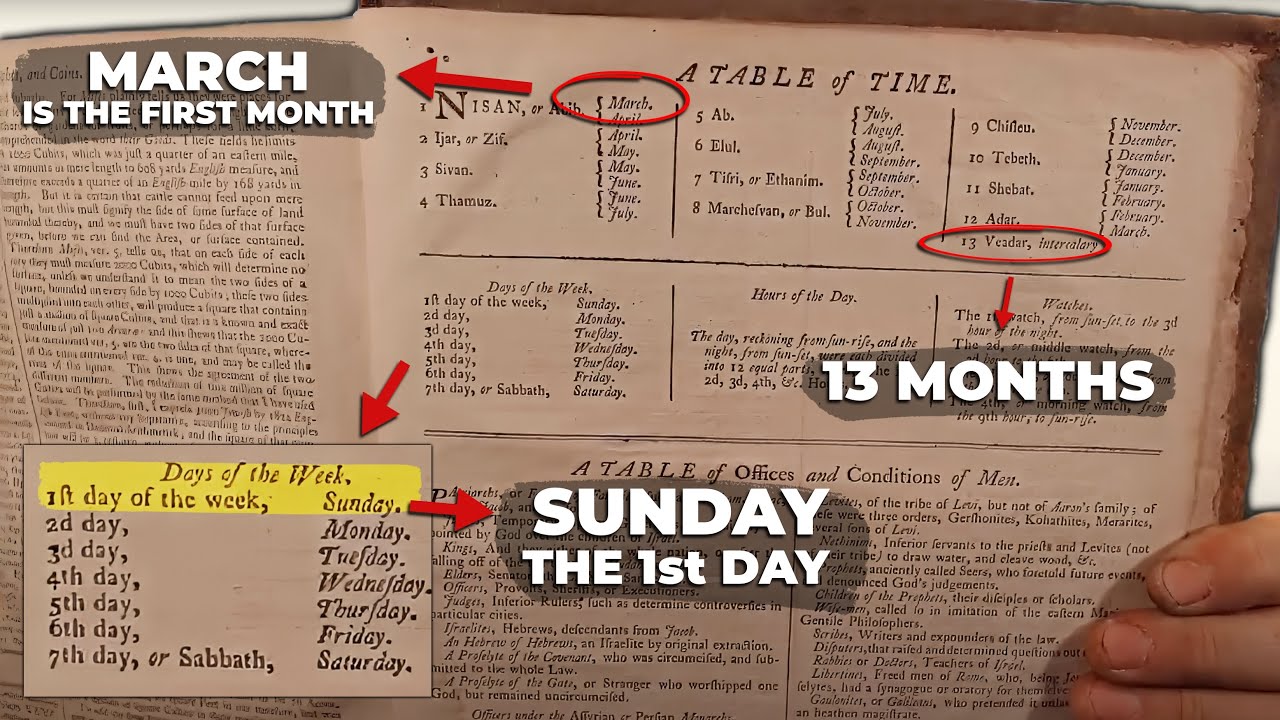
[Music] imagine discovering an ancient manuscript forgotten over the centuries that challenges everything you believe you know about time and traditions what if the calendar we follow today is not just inaccurate but an intentional Distortion of an older system designed to disconnect us from the natural and Cosmic cycles that govern the universe how would our view of life and time change if we discovered that our understanding had been manipulated steering us away from a deeper and more spiritual comprehension of existence in this scenario a Bible from 1775 presents us with disturbing questions why was March and
not January considered the first month of the year in many ancient cultures what motivated the exclusion of a 13th month which once was part of a calendar More aligned with lunar cycles and why was Sunday elevated to the first day of the week deviating from A system that perhaps reflected a much older Cosmic order these questions raise an unsettling doubt what else are we ignoring or distorting in our understanding of time and spirituality the idea of March as the first month of the year is not just a historical curiosity but a window into understanding how
ancient civilizations conceived of time and its spiritual implications in ancient Rome before Julius Caesar's reforms March or Martius was indeed the beginning of the year closely associated with the god Mars besides being the God of War Mars also symbolized Agriculture and renewal it this month marked the start of spring in the northern hemisphere a crucial period of rebirth and preparation for the agricultural cycle that sustained Roman life however the roots of this practice run even deeper tracing back to pre-roman cultures that saw the Equinox as a point of rebirth not just for nature but also
for society and spirituality The Equinox represents a perfect balance between light and darkness a phenomenon that symbolized a sacred moment of renewal considered essential for the continuation of Life did these cultures believe that starting the year in March was in harmony with natural cycles and the cosmic order explaining why many societies adopted this practice over time Beyond Rome the tradition of beginning the year in March was observed in other ancient civilizations such as Persia where the narus festival still celebrated today marks the new year at the vernal equinox no Rus a festival of zoroastrian origin
celebrates the renewal of Nature and the Victory of light over Darkness this Festival demonstrates how the practice of starting the year in March is deeply rooted in Traditions that associate this time with a new beginning both physical and spiritual ual the introduction of the Julian calendar in 46 years before Christ brought about a significant change establishing January as the start of the Year this shift driven by a practical need to align the calendar with the solar cycle also reflected the cultural priorities of the time yanos the God who gives January its name symbolized beginnings and
transitions with his two-faced figure looking to the past and the future embodying the shift in focus from agriculture and natural renewal to political and social stability but was this transition to the Julian calendar Universal and immediate in fact in various regions of Europe especially in religious and agricultural contexts the start of the year in March persisted for centuries in England for instance until 1752 the new year was celebrated on March 25th a day known as Lady Day or the anunciation marking the conception of Jesus and deeply connected to the agricultural cycle this date associated with
the beginning of Spring reinforced the connection between the natural and divine Cycles highlighting the spiritual significance of the renewal that occurred at this time of year when the Gregorian calendar was adopted in 1582 years after Christ the shift to January as the start of the year was solidified but not without resistance the transition from March to January represents much more than a simple change of dates it symbolizes a departure from the natural and spiritual cycles that once governed people's lives the balance and harmony with Nature's Cycles intrinsic to the start of the year in March
were replaced by a more artificial order shaped by political and economic needs this shift reflected a profound transformation and how Humanity related to the cosmos by adopting a calendar that began in January Society not only changed its temporal structure but also its understanding of Humanity's place in the universe did we lose part of our connection to the natural cycles that once guided our lives in doing so changes to the calendar are not just practical they reflect a cultural and spiritual Evolution where the connection to natural cycles was gradually replaced by a view of time as
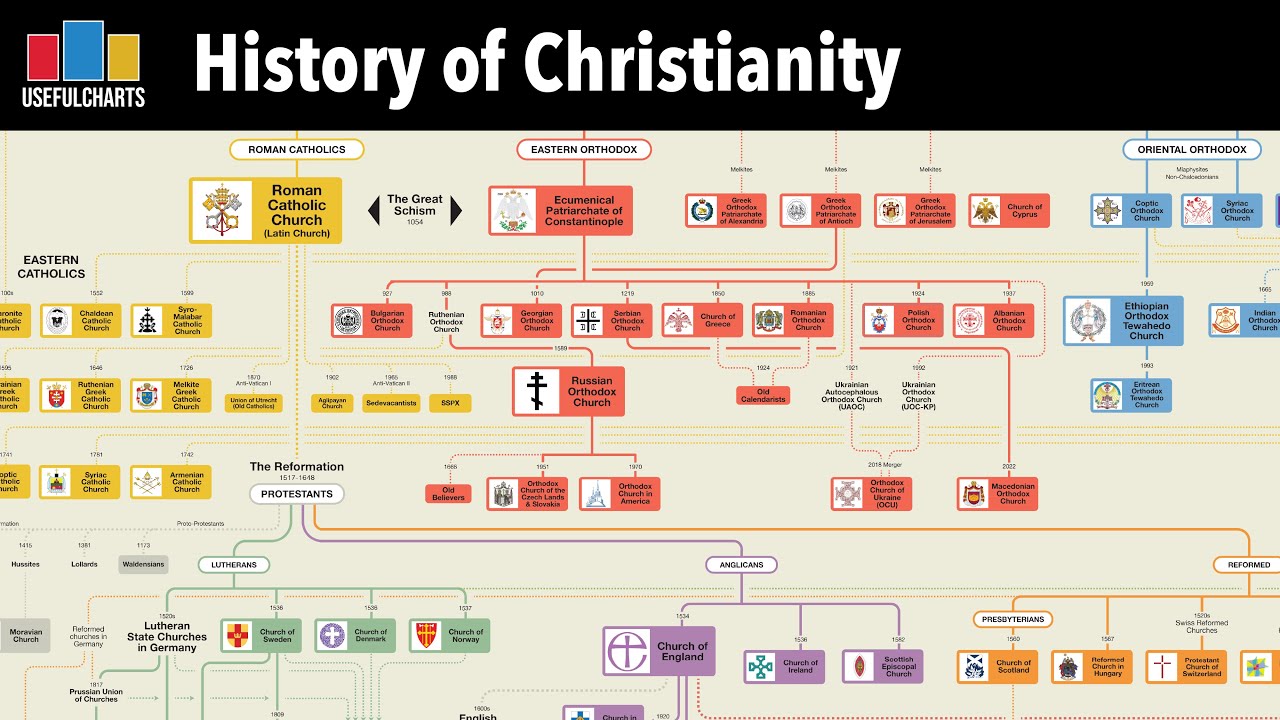
linear predictable and easier to control at the expense of a more organic and cyclical understanding of the world the choice of Sunday as the first day of the week was not merely a simple reorg ization of the days but a change that had profound repercussions on the evolution of religious thought cultural identity and the perception of time to understand this transformation we need to go back to the beginning of the Christian era when the separation between Christianity and Judaism began to manifest in both doctrines and daily practices in Judaism Saturday or Shabbat has always been
the seventh day of the week a sacred day of rest and spiritual renewal observed since biblical time times this day reflected God's rest after creation and its observance reaffirmed the Covenant between the Jews and God as well as their obedience to Divine laws the sanctity of Saturday rooted in the Old Testament was Central to the spiritual and cultural life of the Jews marking a weekly cycle that culminated in reflection and renewal on the other hand Sunday gained importance among Christians because it was the day of Jesus's resurrection an event considered the Pinnacle of the Christian
faith symbolizing victory over death and the beginning of a new creation thus Sunday began to be celebrated as a special day marked by Eucharistic Gatherings and the celebration of New Life In Christ this shift from observing Saturday to Sunday was gradual and initially varied from region to region but it Consolidated over the centuries especially after the conversion of emperor Constantine to Christianity Constantine conversion to Christianity and his subsequent promotion of Sunday as the official day of rest throughout the Roman Empire had a profound impact both spiritually and socially spiritually the change from Saturday to Sunday
shifted the emphasis from rest after creation to the celebration of the New Creation in Christ representing a change in focus from the Jewish Covenant with God to the new Christian Covenant with God to the new Christian Covenant socially this alteration further distinguished Christians from Jews at a time when Christian identity was in the process of consolidation moreover the shift from Saturday to Sunday was not just a matter of religious practicality but also a political strategy before his conversion Constantine was a worshipper of Saul Invictus and Sun worship was already widely practiced on Sundays by declaring
Sunday as the official day of rest Constantine not only Consolidated Christian observance but also facilitated the assimilation of pagans into Christianity how did this Fusion of religious practices contribute to the creation of a new Social and religious order where Sunday became a central day of worship and rest for both Christians and those who still adhered to ancient Pagan practices this change also had implications for how time was perceived and lived Saturday governed by Saturn in astrology was a day of introspection discipline and reflection symbolizing the conclusion of a cycle in contrast Sunday governed by the
sun brought an energy of Vitality creation and renewal this alteration from Saturday to Sunday was not just a change in religious practice but also a transformation in the energetic Dynamic of the week placing greater emphasis on the beginning of the cycle on renewal and creation rather than on conclusion and rest did this energetic shift alter the way Western societies organize their weeks and rituals shaping a new relationship with time and spirituality interestingly some Christian Traditions such as the seventh day Adventists still observe Saturday as the sacred day of rest arguing that this was the original
and divine intention this practice raises questions about the validity of the changes that were implemented over the centuries and whether Sunday was adopted for more political than spiritual reason I may maintaining the observance of Saturday are these groups trying to preserve a closer connection to the original practices and teachings of Christianity the choice of Sunday as the first day of the week also had deep cultural implications shaping everything from the structure of the work week to the organization of Western society's lives by placing the day of spiritual renewal at the beginning of the week rather
than at the end Christian culture adopted a different approach to the cycle of work and rest one that centers on spiritual renewal as the starting point rather than as the climax of a cycle this reorganization of time reflects a worldview where the new beginning symbolized by Christ's Resurrection is Central challenging the idea that time should culminate in rest this temporal reorganization also influenced cultural and social practices from how work weeks are structured to how Western societies organize their lives and celebrate their religious rituals the decision to adopt Sunday as the main day of rest and
worship was not just a lurgical change but a fundamental reorganization of how time is experienced and understood does this represent a clear example of how religious practices can shape the cultural and temporal perception of an entire Society the reference to the 13-month calendar in the Bible from 1775 may seem like an Arcane detail but it actually offers a deep insight into how ancient cultures understood and related to time and the cosmos this system based on lunar cycles reflects a more intimate connection with the natural forces that govern life on Earth to understand the importance of
this calendar it is crucial to explore how it worked and why it was eventually abandoned lunar calendars used by ancient civilizations such as the Sumerians Egyptians and Babylonians were based on the phases of the moon each month began with the new moon and lasted approximately 29.5 days totaling about 354 days in a Luna year this cycle required the addition of an extra month every few years to align the lunar calendar with the solar cycle of 365.25 days this extra month which completed the calendar to 13 months was not just a practical solution but also carried
deep spiritual significance the 13 months in the lunar calendar represented a direct connection with the cycles of nature nature and the cosmos the moon with its phases of waxing fullness and waning was seen as a reflection of the cycles of Life Death and rebirth that permeate all existence each lunar month was associated with different qualities and energies that influenced not only nature but also human beings did the cultures that followed these lunar calendars believe that aligning their lives with the moon's Cycles allowed them to live in harmony with the universe the importance of the number
13 also deserves attention although many modern cultures view 13 as an unlucky number it was considered sacred in many ancient traditions in numerology the number 13 is associated with transformation change and rebirth in Mayan culture the sulin calendar which was used for religious and ceremonial purposes consisted of 13 cycles of 20 days totaling 260 days this cend ER was used to determine auspicious days for important events such as religious rituals and the coronation of Kings the abandonment of the 13th month in the modern calendar may have been more than just a matter of convenience with
the Advent of the solar calendar cultures began to move away from lunar cycles which were seen as less precise and harder to manage in an increasingly complex society additionally the growing influence of monotheistic religions which often viewed Pagan Traditions with suspicion may have contributed to the marginalization of the lunar calendar and its 13th month this abandonment can also be seen as a loss of connection with the natural rhythms that govern life on Earth by adopting a 12-month solar calendar societies distan themselves from the lunar cycles that had guided human life for millennian did this Detachment
have profound consequences not only for spirituality but also for the way humans perceive and interact with the world around them the 13-month cender may also have influenced agricultural practices and spiritual rituals the phases of the moon were used to determine the best times for planting harvesting and conducting rituals each lunar phase was associated with different qualities of energy that affected the life and growth of plants as well as the mental and emotional states of human beings synchronising with these Cycles allowed ancient cultures to live in harmony with nature aligning their actions with Cosmic forces the
removal of 13th month also reflects a shift in how time is perceived instead of viewing time as a continuous cycle as suggested by the lunar calendar the solar calendar imposed a linear and rigid structure on time with clearly defined beginnings and ends did this shift contribute to a worldview that sees time as a linear progression rather than a continuous cycle of birth growth death and rebirth another intriguing aspect is the impact of the 13-month calendar on a astrological practices in traditional astrology each Luna month was associated with different signs and planetary influences that guided events
and human decisions the abandonment of the lunar calendar and the adoption of a 12-month solar calendar May have distorted these influences creating a disconnect between natural cycles and astrological practices this disconnect may have led to a loss of precision and Effectiveness in spiritual and astrological practices which depend on close synchronization with Cosmic rhythms the possibility of reintroducing a 13-month calendar is fascinating aligned with lunar cycles it could restore a lost connection with natural rhythms allowing people to live in Greater harmony with the cosmos this reintroduction could have profound implications for spirituality agriculture mental health and
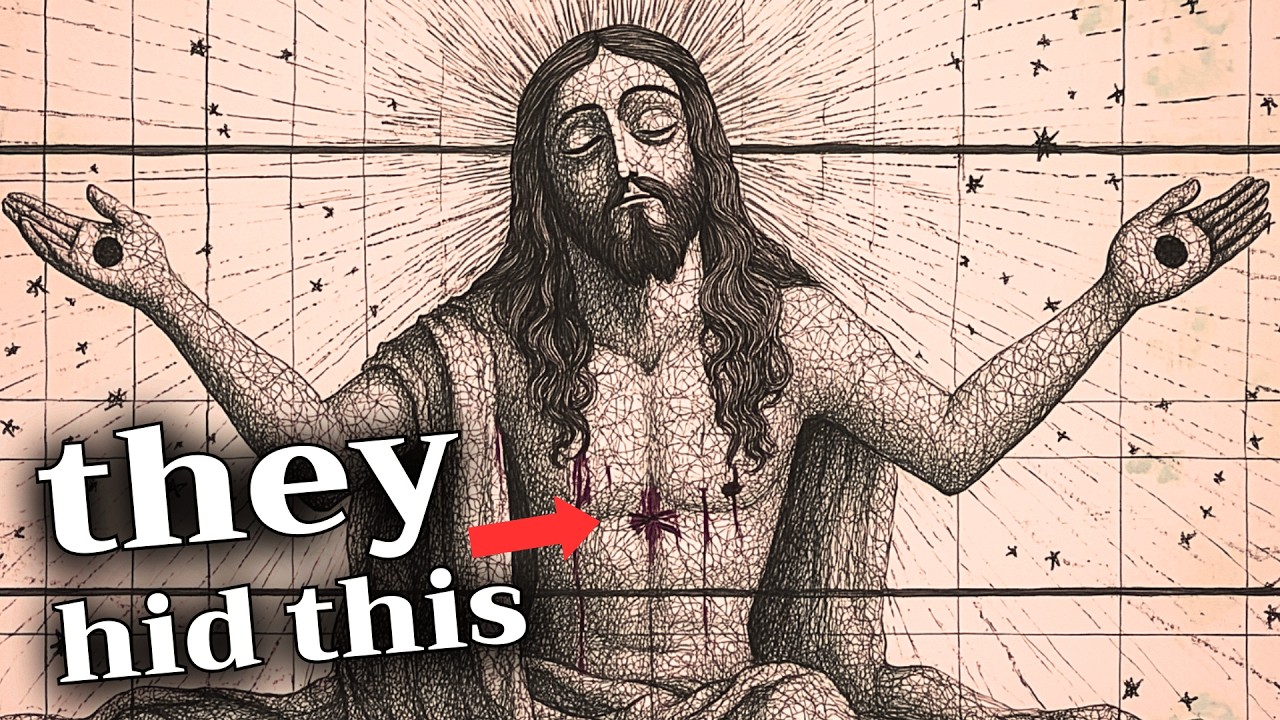
the way societies organize their time and lives it could represent a return to a more cyclical and holistic worldview where time is seen not as a straight line but as an infinite cycle of transformation and rebirth the Bible from 775 with its peculiarities regarding time the calendar and sacred days is not just a historical document it may also contain hidden layers of esoteric knowledge that challenge our common understanding after all why would a specific edition of The Bible introduce such drastic changes in how we understand and measure time could there be a deliberate intention Behind
These alterations an attempt to steer us away from a greater Cosmic truth or even to conceal ancient Secrets known only to a select few to begin exploring these possibilities we must consider the context in which this Bible was created the late 18th century was a period of intense esoteric and occult activity where secret societies like the Freemasons and rosac crucians wield significant influence these orders sought to preserve ancient knowledge including a deeper understanding of the cycles of time Cosmic energies and the connection between humans and the universe could this Bible have been influenced by such
orders intentionally or not to encode esoteric truths that were later forgotten or ignored could the change to a 13-month calendar and the centralization of Sunday as the first day of the week have been an attempt to manipulate Cosmic Energies in a way that benefited certain power groups in esotericism the number 13 is often associated with transformation rebirth and contact with the unknown over time this number has been marginalized and even demonized in various cultures perhaps due to its potential to unlock hidden secrets and awaken Consciousness to realities beyond the material what would happen if the
original 13-month calendar had been maintained would we live in a world more connected to natural and Cosmic rhythm Ms where energies flowed more harmoniously and more importantly who benefited from the transition to a 12-month calendar could this change have been designed to disconnect us from a greater truth keeping Humanity in a cycle of ignorance and spiritual disconnection there is also the hidden symbolism behind the shift from Saturday to Sunday as the day of rest and worship in esotericism Saturn which rules Saturday is seen as the guardian of karma and the difficult lessons that lead to
spiritual growth replacing Saturday with Sunday ruled by the sun could be interpreted as an attempt to divert attention from deeper introspective lessons to a more superficial and externalized approach to spirituality did this have an impact on how people perceive and experience their spirituality perhaps weakening their Spiritual Development on a deeper level if we look at the Bible from 1775 in this light it can be seen is a book that carries a hidden code an esoteric map that suggests an alternative version of reality this map could be trying to alert us to the manipulation of time
and Cosmic energies offering Clues on how to recover the lost balance however if these changes were consciously made to divert Humanity from a truer spiritual path what does this tell us about the powers that controlled and still control the dissemination of this knowledge and if indeed this Bible is more than just a historical artifact what if it is a tool designed to reveal or conceal an ancient knowledge that has gradually been erased from our Collective Consciousness could the true purpose of these changes in the calendar and sacred days be to divert our attention from the
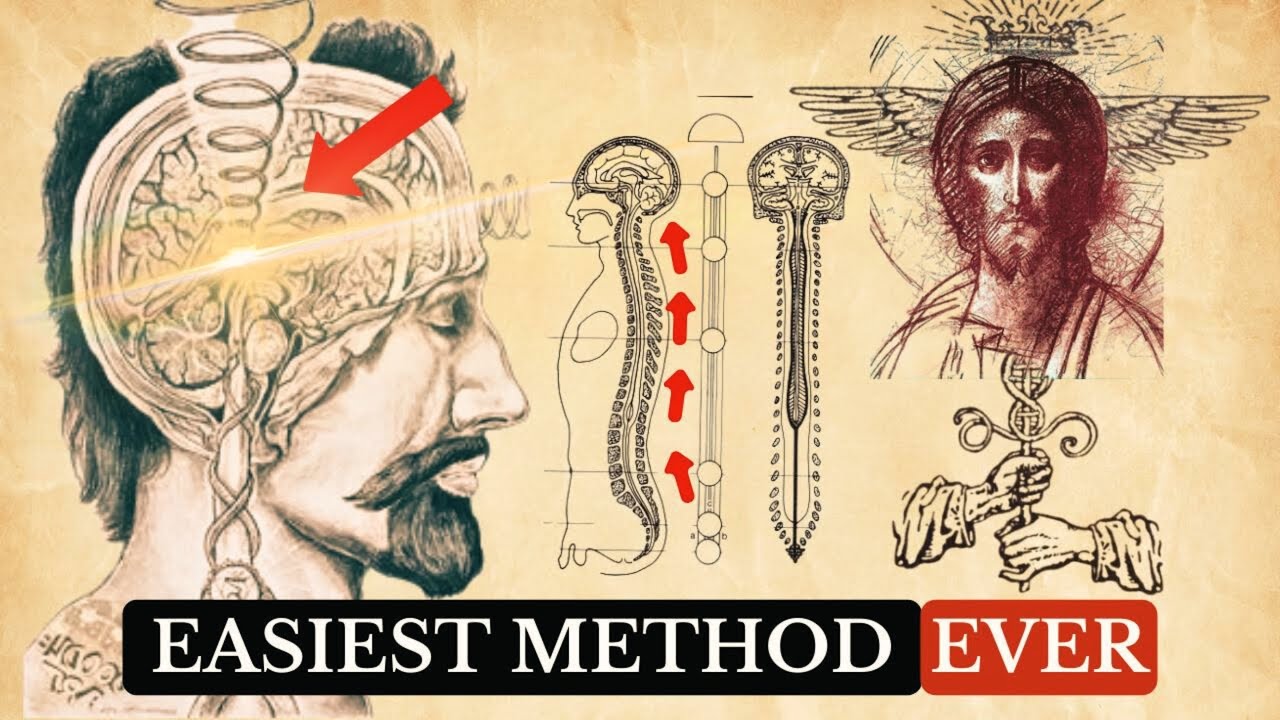
cosmic truths that once governed the world these are disturbing questions but they deserve reflection could this Bible be suggesting that by realigning time according to lunar and Cosmic Cycles we can access a deeper level of consciousness a more intimate connection with the universe did those who promoted these changes know they were steering us away from this truth and if so what else could be hidden in other ancient texts that we have yet to fully uncover the Bible from 1775 with its peculiarities and alterations challenges us to reexamine how we understand time spirituality and our connection
to the cosmos the changes from March to January the elevation of Sunday as the first day of the week and the abandonment of the 13-month calendar represent more than just historical adjustments they Mark a departure from the natural and spiritual cycles that once governed human life in exploring these Revelations we are led to question the extent to which our modern practices are misaligned with the cosmic and spiritual rhythms that govern the universe Perhaps it is time to reconsider how we measure time celebrate our rituals and connect with the cosmos could this rediscovery help us regain
a long obscured spiritual authenticity if we truly wish to live in harmony with the universe we need to start looking to the past learning from it and perhaps even revisiting systems that have been abandoned but could reconnect us with a deeper and more holistic understanding of time and existence what else might be waiting to be discovered hidden in the folds of time and history if you are interested in exploring more about spirituality I have specially selected some videos filled with profound knowledge and fascinating discoveries that you will love just click on one of them don't
forget to subscribe to the channel to continue this journey of self-discovery and spiritual learning your commitment to knowledge is the first step in transforming your reality