Have you ever wondered what it takes to age gracefully while maintaining a vibrant and fulfilling life? As we grow older, our health and happiness become more important than ever. In this video, we'll explore six essential tips for seniors that can help enhance your quality of life, boost your well-being, and keep you feeling youthful.
Whether it's through gentle exercise, a balanced diet, or the power of sunlight, these insights are designed to empower you to live your best life at any age. So stick around until the end because you'll discover practical strategies that can transform your daily routine and make a significant difference in your journey through the golden years. Before we begin, I would appreciate it if you liked this video.
You can help me continue to spread the old age lesson. If you haven't subscribed yet, I recommend you subscribe and turn on the bell so you don't miss any videos. If you like this video, please comment "number one"; if you don't like it, comment "number zero" to let me know so I can make a better video for you.
Now, let's get started! **Movement or Rest: Smart Choices for Aging** The well-known adage, "Life is in motion," attributed to the French philosopher Voltaire, serves as an inspiring and guiding principle for countless individuals. This phrase encapsulates the essence of vitality and engagement with the world around us.
However, it's crucial to understand that this notion of movement does not always necessitate long strides or continuous exertion. As we transition into our golden years, the landscape of exercise evolves significantly for older adults. The focus shifts from the sheer quantity of physical activity to its quality and appropriateness for their current health status.
Exercise takes on a new meaning; it becomes less about pushing boundaries and more about finding what best suits the individual's unique physical condition and capabilities. While it is undeniable that regular exercise plays a vital role in maintaining overall health, particularly as we age, the emphasis should not be on intensity or the amount of activity performed. At the age of 70 and beyond, what the body truly requires is not strenuous workouts but rather a balanced approach that harmonizes with its current abilities.
This means embracing a lifestyle that encourages moderate physical activity tailored to each person's health needs, preferences, and limitations. In this stage of life, prioritizing movements that enhance flexibility, balance, and strength is essential. Activities such as gentle stretching, walking, or engaging in low-impact exercises can significantly improve overall well-being, allowing older adults to maintain their independence and enjoy an active lifestyle.
Moreover, it is crucial to listen to the body's signals, recognizing when rest is needed and ensuring that any physical activity remains within a comfortable range. **Walking: A Double-Edged Sword** Walking has long been regarded as one of the simplest and most accessible forms of exercise, promoting health and well-being. However, as individuals reach the age of 70 and beyond, even this seemingly straightforward activity requires careful consideration and management.
Medical professionals have increasingly highlighted that excessive walking, particularly for those who have experienced bone and joint issues in the past, can lead to various complications such as pain, fatigue, and even severe injuries. For individuals suffering from osteoporosis, the stakes are even higher. The risk of falls increases significantly, and even a minor tumble can have catastrophic consequences.
At this stage of life, a seemingly innocuous slip can lead to fractures or other injuries, resulting in long-term complications that can profoundly impact one's quality of life. While walking undeniably offers numerous benefits for physical and mental health, the crucial aspect to consider when you are over 70 is not merely the distance you cover or the duration of your walks, but rather how you engage in this activity. Instead of striving to beat your previous walking records or pushing your limits, it is essential to focus on gentle, mindful movements that nurture both your body and mind.
Walking less frequently but with intentionality, prioritizing quality over quantity, combined with a holistic approach to health, will serve as the foundation for a vibrant and peaceful life. Moreover, an essential part of this journey involves replacing intensity with intelligence. By tuning into your body's signals and needs, you can select healthcare methods that are better suited to your current physical condition.
After all, your body has been a loyal companion for the past 70 years; it deserves your utmost attention, care, and affection now more than ever. Instead of being preoccupied with the notion that you must engage in vigorous physical activity to maintain health, shift your perspective toward making informed, wise choices that enhance your well-being. Embrace this stage of life with a sense of fulfillment and vitality, allowing yourself to enjoy your later years in a manner that prioritizes health, happiness, and tranquility.
If you are still watching this video and finding these lessons useful, please comment "number one" below to let me know that you are still with me. Thank you for your valuable time. **Number One: Drnk More Milk to Protect Strong Bones** As individuals reach the age of 70 and beyond, the prevalence of osteoporosis increases significantly.
This condition occurs because the body's ability to absorb calcium diminishes with age, resulting in weakened bones that become increasingly brittle. Consequently, everyday activities or even minor accidents, such as falls, can lead to fractures and serious injuries. To combat this, it is essential to supplement calcium intake through natural food sources to maintain bone density and reduce the risk of fractures.
One of the best, most easily absorbed sources of calcium is milk. The calcium found in milk is efficiently processed and metabolized by the body, making it a convenient option for enhancing calcium levels. In addition to calcium, milk offers a wealth of other vital nutrients, including high-quality protein, which is crucial for the restoration and maintenance of muscle strength.
As muscle strength plays a key role in balance and stability, ensuring adequate protein intake can help mitigate the risk of falls. Furthermore, milk is a significant source of vitamin D, a nutrient that is indispensable for optimal calcium absorption. Vitamin D helps facilitate the transport of calcium into the bones, ensuring that it is effectively utilized for bone health.
Along with calcium and vitamin D, milk also contains important minerals such as phosphorus and magnesium, as well as vitamin B12, all of which contribute to the overall maintenance of bone integrity. Regularly incorporating milk into the diet is not merely a strategy for calcium supplementation; it also promotes better overall health in older adults. The energy provided by milk can support the body's daily activities and enhance digestive health, enabling seniors to engage more actively in their routines.
It's important to note that many elderly individuals may not realize they have a calcium deficiency until it manifests as fatigue, weakness, or even severe osteoporosis. If calcium intake is not addressed promptly, the resulting weakened bones significantly increase the risk of fractures from minor injuries. These fractures can have long-lasting implications, severely impacting one's quality of life and independence.
Therefore, integrating milk into the daily diet serves a dual purpose: it not only fortifies bones but also boosts energy levels and vitality in older adults. Rather than waiting for signs of fatigue or weakness to address bone health, it is advisable to adopt a proactive approach by establishing a simple yet effective habit: drinking milk every day. This small change can play a crucial role in preventing osteoporosis and maintaining optimal bone health, thereby helping seniors lead healthier and more robust lives well into their later years.
### The Power of Smiling Smiling is not merely an expression of joy; it is a profound and natural remedy that plays a significant role in healing the soul while enhancing both mental and physical well-being. When we engage in laughter, our bodies respond by producing an abundance of happy hormones, particularly endorphins. These natural chemicals act as powerful pain relievers, alleviating discomfort, dispelling stress, and imparting a refreshing sense of vitality to our lives.
As we reach the age of 70, it becomes increasingly clear that time is no longer as plentiful as it was in our youth. This realization underscores the importance of cultivating an optimistic outlook on life; it is the key to savoring each precious moment that remains and can even contribute to a longer, more fulfilling life. The act of smiling, particularly in our golden years, serves as a testament to the idea that life can still be remarkably beautiful despite the passage of time.
When laughter fills the air, the burdens and stresses of daily life seem to dissipate. In these moments, our heavy loads feel lighter, and our souls reconnect with a sense of innocence and joy that we sometimes forget in the hustle and bustle of life. Smiling has the remarkable ability to diminish the symptoms of stress and anxiety and acts as a potent antidote to prevalent mental health issues, such as depression—a condition that many elderly individuals encounter due to feelings of loneliness or the fatigue that often accompanies aging.
Choosing to smile more frequently is a simple yet effective way to create moments of relaxation and rejuvenation, allowing your spirit to remain vibrant and youthful. Whether it's a smile sparked by a humorous story, a light-hearted daily situation, or a delightful conversation with beloved children and grandchildren, you are nurturing the essence of life within you. Joy can be found in the smallest of things: the breathtaking beauty of a sunset, the warmth of a freshly brewed cup of tea, or the simple pleasure of gathering with family and friends.
Embrace the joys of life with an open heart, for smiling not only enhances mental health but also contributes to a longer, more enriching life. An optimistic spirit not only brings you inner peace but also allows you to approach the world around you with gentleness and compassion. When you smile, you not only illuminate your path but also inspire those around you.
Your smile serves as a powerful message to the world, proclaiming that even as you gracefully embrace the challenges of old age, your spirit remains youthful, strong, and filled with life. Make it a daily habit to smile more, even at the simplest moments life has to offer. A happy heart knows how to smile, and that smile will guide you confidently along the journey of aging.
Cherish each day as a precious gift and strive to live a life imbued with meaning and purpose. If you are still watching this video and finding these lessons useful, please comment "number two" below to let me know that you are still watching this video with me. Thank you for your valuable time.
### Talk More to Stay Connected As we approach the later stages of life, seniors often encounter a poignant and unavoidable reality: loneliness. The vibrant, bustling rhythms of a busy life gradually diminish, and the lively interactions that once filled our days become less frequent. Children grow up, venture out into the world, and start families of their own, leaving behind an emptiness that can seep into the lives of older adults.
This shift can significantly affect mood, leading to feelings of isolation that take a toll on both mental and physical health. As loneliness sets in, many older adults may find themselves withdrawing from social interactions and communicating less frequently. This withdrawal can lead to a cascade of unwanted consequences, including depression, memory loss, and cognitive decline.
It's essential to recognize that social connection serves as a vital antidote—a valuable form of medicine that can help keep the mind sharp and the spirit uplifted. Engaging in what may seem like simple conversations with children, grandchildren, friends, or neighbors can have profound effects. These exchanges, whether sharing light-hearted moments or discussing meaningful topics, can reinforce bonds and alleviate feelings of loneliness.
Anecdotes reminiscing about cherished memories or offering a friendly greeting help cultivate a sense of connection and purpose. Even the smallest interactions can remind older adults that they remain significant in the lives of others, reinforcing their value in the community. Moreover, social communication is not just a balm for loneliness; it also acts as an effective form of brain stimulation.
When we engage in conversation, the brain is actively involved in processing information, generating responses, and maintaining connections between neurons. This dynamic activity helps the brain function more flexibly and robustly. Numerous studies have shown that older individuals who maintain regular social connections tend to exhibit better cognitive abilities and experience less memory loss compared to their more withdrawn counterparts.
The advantages of social communication extend even further. By choosing to talk more, you not only keep yourself feeling youthful and engaged but also create invaluable opportunities to learn and listen to the wisdom of those around you. Every conversation opens a doorway to a new world, offering different perspectives and sources of inspiration that may have previously gone unnoticed.
This continual exchange of ideas and experiences helps older adults realize that life is filled with potential discoveries, even in their twilight years. Therefore, it is vital to take the initiative and actively seek opportunities for conversation with those around you. Do not hesitate to open up and share your thoughts.
Silence should not overshadow the beauty of old age; every conversation is a meaningful opportunity to connect, experience joy, and share your unique story. It does not require grand gestures; even the simplest discussions about daily life, reminiscing about fond memories, commenting on changes in the weather, or savoring the feeling of sitting with a warm cup of tea can bring profound meaning. These interactions help reinforce a strong connection between your mind, heart, and the life that surrounds you.
Number four: Sunbathing to increase vitamin D and protect bones and joints. Sunlight is a priceless gift from nature, offering not just warmth but also a vital source of energy essential for human health. Among its many benefits, sunlight provides an important resource: vitamin D.
This crucial vitamin plays a pivotal role in helping the body maintain the strength of bones and joints, especially as we age. For individuals over the age of 70, the body's natural defenses begin to wane, and the ability to absorb vitamin D from dietary sources diminishes significantly. Therefore, the practice of regular sunbathing has become more essential than ever for maintaining overall health.
Vitamin D is instrumental in supporting the absorption of calcium, a vital nutrient that plays a key role in keeping bones robust. A deficiency in vitamin D can lead to a cascade of health issues, including osteoporosis and joint pain, which can severely impact mobility and diminish the quality of life for the elderly. Taking advantage of natural sunlight is a straightforward and effective way to enhance your vitamin D levels and, in turn, protect your skeletal health.
However, to reap the full benefits of sun exposure, it is important to be mindful of the timing. The ideal times for sunbathing are during the early morning or late afternoon when the sun's rays are gentler and less intense. Aim for about 15 to 30 minutes of sun exposure each day, ensuring that sunlight directly reaches your skin to maximize vitamin D absorption.
In addition to bolstering bone health, sunlight offers significant benefits for mental well-being. Numerous studies have demonstrated that sunlight stimulates the production of serotonin, a hormone that stabilizes mood, enhances feelings of happiness, and reduces the risk of depression. This dual advantage makes sunbathing not just a physical health benefit but also a crucial factor for emotional resilience as well.
While enjoying the warmth of the sun, consider combining your sunbathing sessions with gentle physical activities such as gardening, leisurely walking, or simply sitting outdoors and soaking in the beauty of nature. This approach not only lifts your spirits but also allows your body to receive natural energy, further strengthening your overall health. So, dedicate a few moments each day to bask in the sunlight.
A little sun can yield tremendous benefits, contributing to a happier, healthier, and more fulfilling life as you age gracefully. Embrace this simple yet powerful practice and let the sun's rays enhance both your physical and mental well-being. If you are still watching this video and finding these lessons useful, please comment "number three" below to let me know that you are still watching this video with me.
Thank you for your valuable time. Number five: Eat fruits and vegetables. Nature's source of nutrients for seniors!
Maintaining a balanced and nutritious diet is crucial for ensuring optimal health, longevity, and overall happiness. Among the most essential components of such a diet are fruits and vegetables, which are rich in vital nutrients that the body requires to function effectively. These natural foods provide a plethora of vitamins, minerals, and antioxidants, all of which play a significant role in promoting wellness.
A diet abundant in fruits and vegetables has been linked to a lower risk of chronic diseases, making them a key ally in the fight against health issues that often affect older adults. Additionally, these foods contribute to improved digestion and enhanced overall wellness. Fruits and vegetables are generally low in calories but high in dietary fiber, making them excellent choices for maintaining a healthy weight.
Their fiber content is particularly beneficial in preventing constipation, a common concern for many seniors. Moreover, fruits and vegetables are powerful supporters of the immune system. A robust immune system is essential for combating infections and diseases, particularly in the elderly, who may be more susceptible to illness.
These foods are rich in antioxidants, which help neutralize free radicals in the body, thereby reducing the risk of degenerative diseases and promoting better health. Nature offers a vibrant array of colors and flavors when it comes to fruits and vegetables, creating a veritable treasure trove of options. To reap the full benefits, it is important to embrace this colorful diversity.
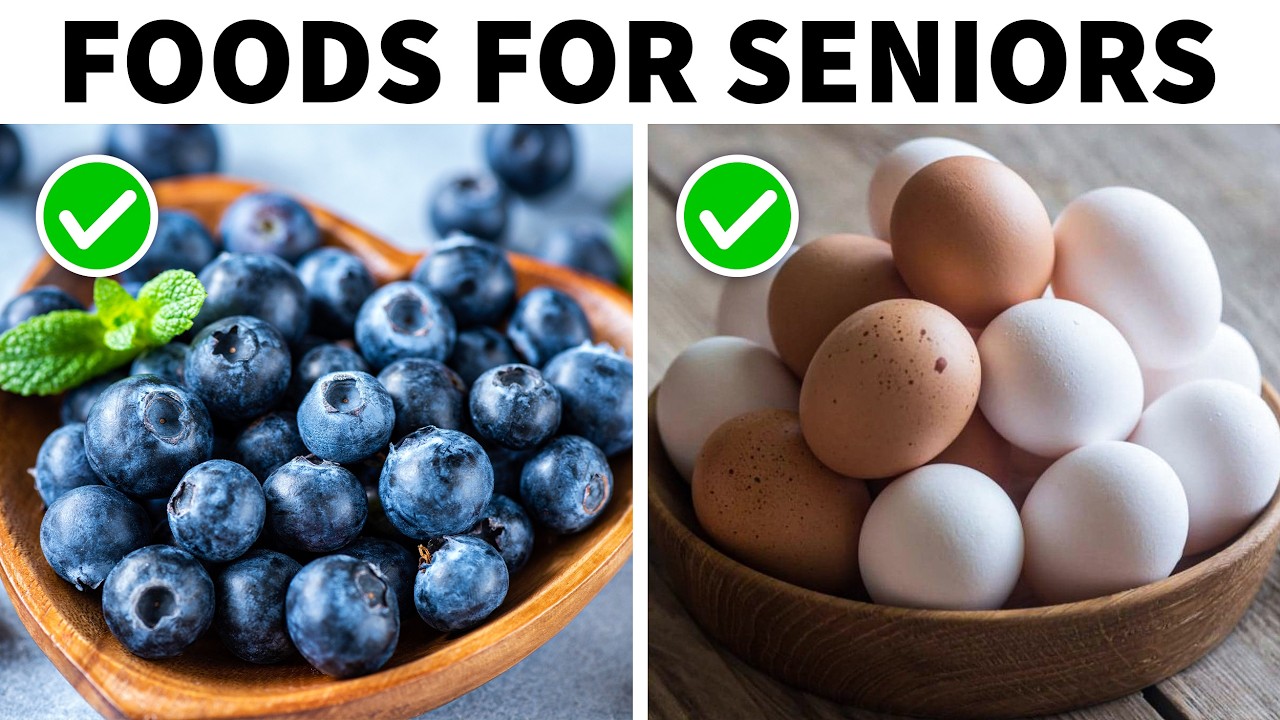
Incorporating a variety of fruits, such as oranges, apples, berries, and bananas, alongside vegetables like spinach, broccoli, and carrots into your daily meals can help ensure a well-rounded intake of nutrients. It's worth noting that consuming fruits and vegetables raw or lightly cooked is often the best way to preserve their nutrient content. Consider making fresh salads, blending nutritious smoothies, or simply enjoying raw fruits as a convenient and healthy snack.
In addition to eating a diverse range of fruits and vegetables, seniors should also prioritize hydration. Drnking enough water is vital for supporting nutrient absorption and maintaining overall health. Adequate hydration ensures that the body functions properly and that all bodily systems operate efficiently.
Ultimately, a healthy diet rich in fruits and vegetables nourishes not just the body but also the spirit. Seniors deserve to savor delicious meals that not only promote good health but also bring joy and satisfaction to their diet experience. By making the consumption of fruits and vegetables a delightful and habitual part of every meal, older adults can enhance their quality of life, fostering both wellness and happiness as they age.
Number six: Regular health checks. Prevention is key. Regular health checks are among the most vital components for maintaining good health and ensuring longevity, especially for individuals over the age of 70.
As we age, our bodies undergo various changes that can affect our overall well-being. Regular health checkups play a crucial role in monitoring our health status, enabling us to detect early signs of potential diseases and allowing for timely and appropriate interventions when necessary. These health checks encompass more than just physical examinations; they include a comprehensive range of assessments, such as blood tests, imaging studies, and evaluations of mental health.
Each of these tests is designed to identify any underlying health issues at their onset, which can be pivotal for implementing effective treatment and management strategies. Early detection often leads to better outcomes, reducing the risk of serious complications and enhancing the overall quality of life. Preventive care is also a fundamental aspect of these health checks, including vaccinations that protect against serious illnesses like influenza, pneumonia, and shingles—conditions that pose a heightened risk for older adults.
By staying up to date with vaccinations, seniors can safeguard their health and enjoy greater peace of mind, knowing they are taking proactive steps to protect themselves against preventable diseases. Furthermore, regular health checks provide a valuable opportunity to engage in open dialogue with your healthcare provider about any health concerns you may have. It is a dedicated time to listen to your body, ask pertinent questions, and gain insights into how you can enhance your quality of life.
This communication is essential for building a strong relationship with your doctor, ensuring that your individual health needs are addressed comprehensively. In addition to routine checkups, maintaining a healthy lifestyle through balanced nutrition, regular physical activity, and mental well-being is equally crucial for seniors. These checkups serve as important reminders of the significance of these lifestyle factors, encouraging older adults to remain active, engaged, and fully enjoy the richness of life.
It's essential to remember that prevention is always better than cure. Regular health checks are not just a routine; they are a fundamental key to living a healthy, long, and fulfilling life. Therefore, take the initiative to schedule regular checkups and prioritize your health because your body deserves the very best care possible.
By embracing a proactive approach to your health, you are investing in a future filled with vitality, joy, and well-being. Thank you for joining us on this journey to uncover the secrets of healthy aging. We hope you found valuable insights and inspiration to enhance your quality of life.
So, what have you learned so far? We'd love to hear from you. Please comment below with one thing you plan to practice in your daily life.
And if you enjoyed this video, don't forget to leave your comment, like, share, and subscribe to our YouTube channel for more uplifting content. Together, let's embrace the beauty of aging with grace and vitality.