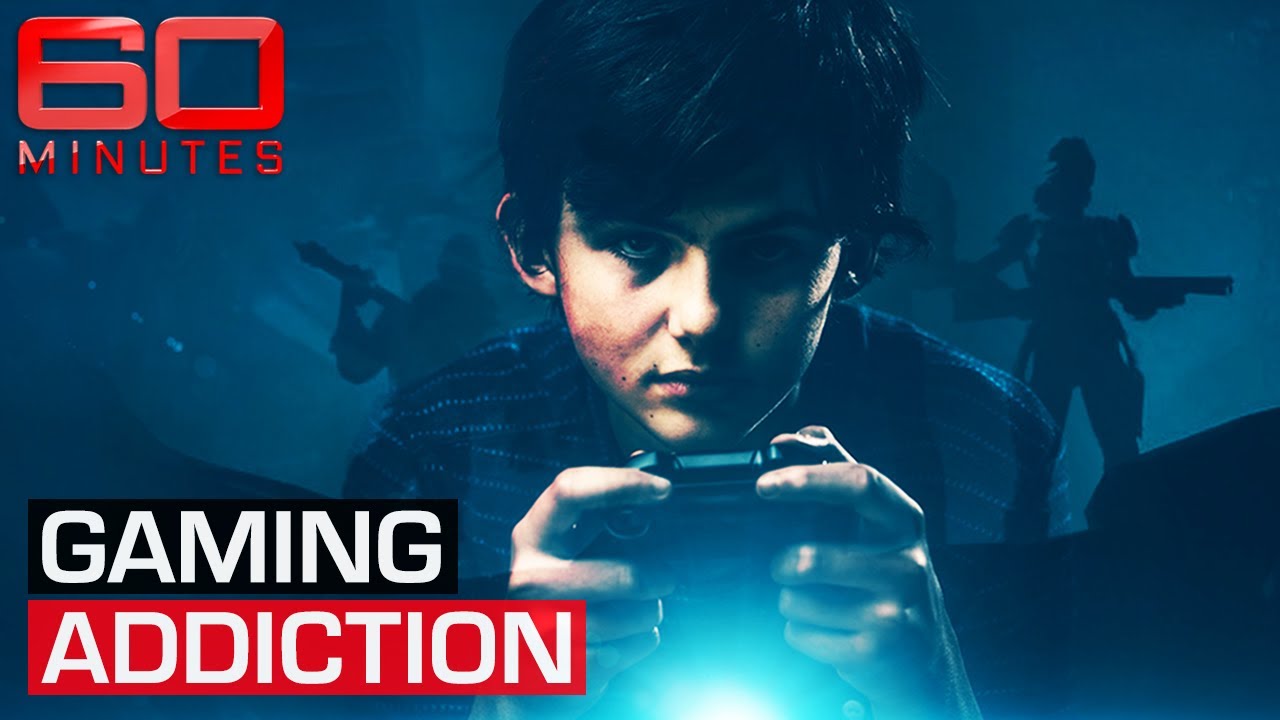
first up today our kids who play violent video games and watch other violent content more likely to be aggressive some Eric experts say yes and I will tell you most parents worry about it absolutely dr. melissa Westendorf wrote a book called unplugged she's also the co-founder of the technology Wellness Center which is dedicated to this type of research and support for families she's got some answers so I think this is a big issue good morning to you that people are worried about they not to know I know you got that thing going on with automotive
froggie oh you are it's the season yeah too many puppy noses but we hear can a lot of times we hear conflicting information you know we'll hear in the media that it doesn't lead to aggressive thinking or behavior and then other people will say it does but really the research is pretty well established really that there is an association there's specific factors that are related to increased aggression or risk for aggression and kids and media violence is one of them well and what do you mean by mediæval here's some known factors right these are what
right so these are the known factors in the study that I'm talking about today that are found to be related to increased aggression so negative aggressive thinking and decrease in empathy hopefully so that pure delinquency media violence pure victimization gender neighborhood crime and abusive parenting why gender what does that mean male versus female a higher risk for males actually what is how do you define media violence because you know a lot of us will think well is sometimes just you know watching a violent news story scary enough for a child right so what this was
looking at in terms of media violence was video games movies and television programming and probably you know now you would include YouTube the you know some of the violent information we get from YouTube as well so any media violence such as that is what's included in the study and what's really interesting about this study is not only is it in the United States but they it was a joint study with six other countries so they found this repeatedly this effect repeatedly across cultures so this I mean this it's so well-established through these studies that it
is an increase like I said the negative aggressive thinking and a decrease in empathy no it's not the number one media violence isn't the number one right peer delinquency is actually the number number one and what do you mean I have that peer delinquency happens because of know if you're socializing with other kids who are delinquent who get no problems along the way aggressive so okay your child is associating with a child like that they have an increased risk a correlation so desensitized - right and they're you know your balances right there's all sorts of
things that will certainly go into that including what we said the neighborhood crime if there's crime in your neighborhood or if you have a parent who's abusive right those are things that in combination with the violent content that kids are viewing makes them more likely right to be aggressive or act out right those other things are actually a little lower on the list like abusive parenting has a lower correlation with than aggression in kids and young adults but right you're looking at the combination now there's where we live our neighborhoods that we can't change it
you can't change your gender you know your male and you have that increased risk but well there are things we can help control well yeah let's talk about what we can do if first real quick before you give those before we put that up I want to know what age frame are we talking about and we're when we're saying they're affected kids are affected what age frame is this so this study looked at adolescents and the average age was 21 so they had adolescents up - young adults so there was the age span I mean
you think that's when they can handle it you know a video game or something oh they're playing with their buddies whatever they're fine they're old enough right now but if you remember in other segments I've talked about the brain doesn't really you know isn't completely developed till 25 right and that's your decision-making part of your brain that finishes up there so what can we do know their friends check the ratings guidelines right use the parental controls that's one thing we have to all educate ourselves about that's not something that comes natural and be mindful of
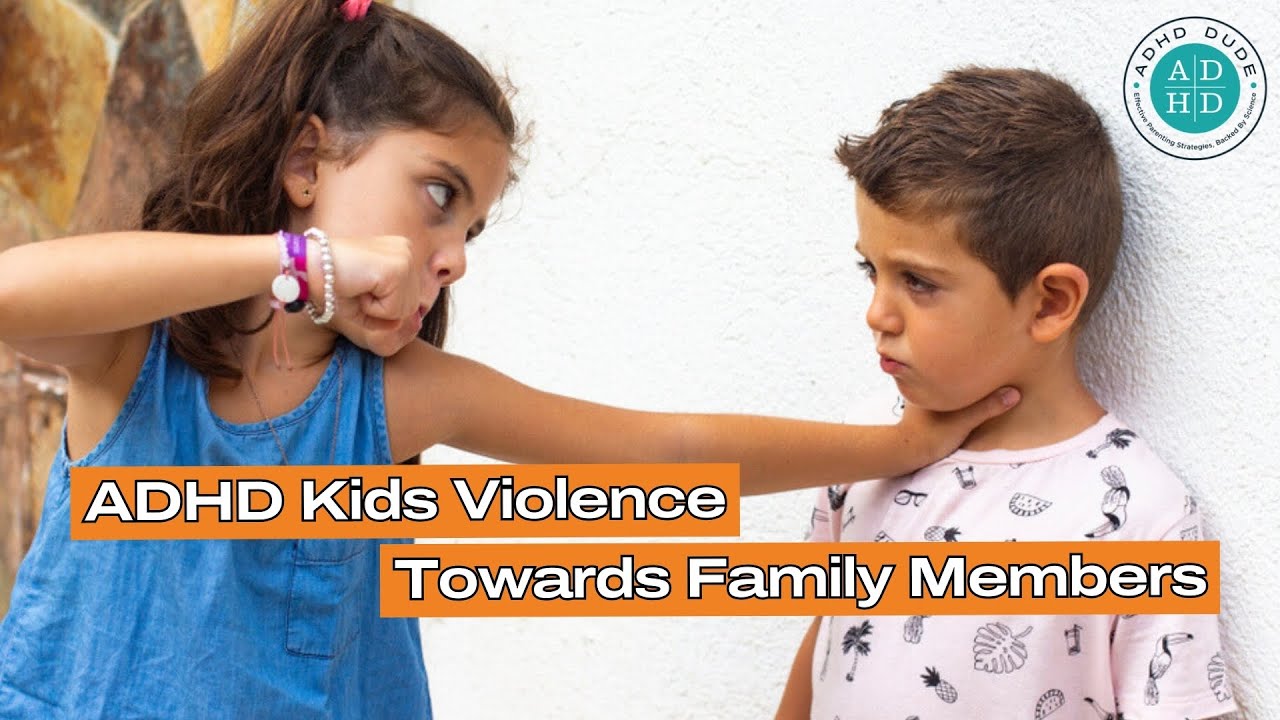
pre-existing conditions probably like hyperactivity right so if you have a child who has ADHD or is prone to tantrums then it's probably not wise to let them look at the violent media you know really follow those guidelines they're really there for a reason you can set phones you can set tablets to only permit certain content to come through you know and some of the parenting controls it has its own way to go through the web or internet so that controls it that way we're out of time I just want to push us what about violent
songs do you know if that was included in that way yeah I wonder about the same things yeah there's so many of today's music the word lyric I think that they're saying aggressive violent there's a lot of where were these negative mean things here's the website where you can find this great resource and support for parents it's the technology Wellness Center calm is where you can find out more about dr. Westendorf and the work that they're doing they're great see ya good to see you as well our thank you