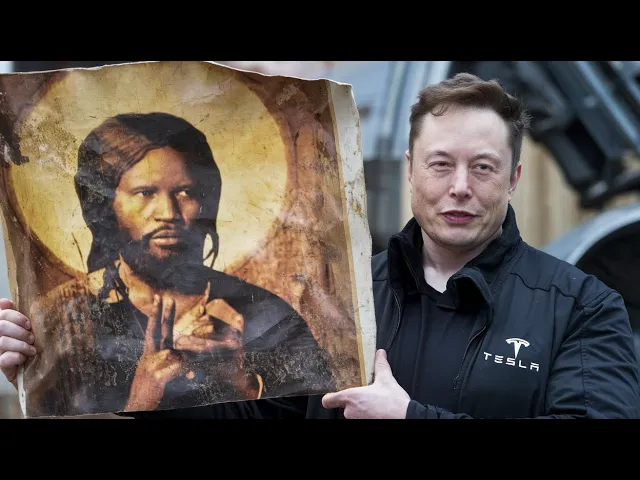
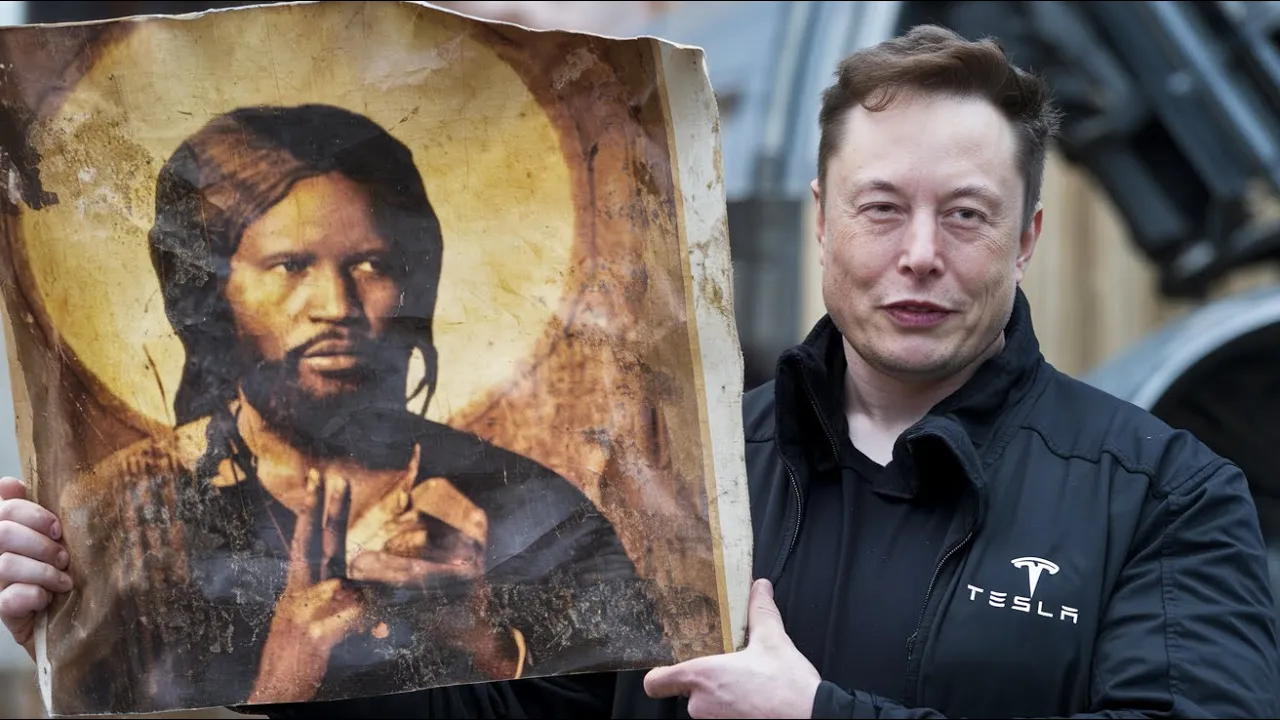
I believe I believe there's some there's some explanation for this universe which you might call God Elon must just proved everyone wrong which is not unusual but what he proved is what's interesting the billionaire revealed the real image of Jesus and this has left Christians in awe Elon managed to show everyone that the images we used to think was Christ were actually not him so if all the pictures and status that hung in churches weren't Jesus Christ who are they and what does the real Jesus Christ look like all very puzzling questions which we will
answer in this video so join us the puzzle of Christ's image the truth is the image of Jesus has been a very controversial topic for centuries it has been followed by belief which is not really accurate you can't believe that someone would look a particular way just because of what you've heard about the person and that's why Elon Musk was able to stand out he used fact and history and research to actually get a hold of the True Image of Jesus Christ but while the true image of Jesus may have been revealed there are questions
that need to be answered like what did people think Jesus looked like well that brings us to Warner Solon keep watching to find out more salmon was the one to paint the image of Jesus that became very popular but how did he figure out what Jesus looked like well imagine you're holding a picture of someone you've heard so much about but you've never actually met that's kind of like what Warner Salmon's painting of Jesus Christ is it's a famous picture called the head of Christ and so many people around the world think of it when
they hear the name Jesus but that picture isn't what Jesus really looked like Warner Salon was an American artist in the 1990s and he loved creating pictures that felt comforting and familiar one day he had an idea for a painting that would help people imagine Jesus as someone kind and close to them almost like a friend they could talk to he wasn't trying to say that this is exactly what Jesus looked like he was painting a feeling a message of peace and gentleness to make his image of Jesus salmon probably thought about what people in
his time might find beautiful and Noble he gave Jesus soft glowing hair in a calm face that looked very peaceful but here's the thing Salomon didn't have any old pictures or descriptions of Jesus to work from because there aren't any the truth is when Jesus lived on earth no one Drew or painted him he lived in a place called the Middle East which we will dive into to later this wasn't what Jesus likely looked like at all it's like drawing a picture of someone from your imagination and guessing how they might appear even if it's
not accurate salon's Jesus looks more like the people from salon's culture than the real historical Jesus so why does this picture still mean so much to so many people well salomon's painting became very popular because it was printed everywhere in churches schools homes and even on small cards people could carry in their pockets it felt like having a reminder of Jesus that you could keep close but even though it's loved it doesn't show the real person it's like when you imagine a character from a story book and draw them your way your drawing is special
because it shows what you feel about that character but it's not what they truly look like if they were real but the thought of it is just wild the thought that something starting out is just an idea in an artist mind became so popular that it's everywhere at such a time almost like a favorite song or story everyone knows that's truly what happened with this image it spread so far and wide that people began to believe it was how Jesus really looked even though there's no way anyone could know for sure in the beginning when
Warner Salomon created the painting in the 1940s he didn't expect it to become such a big deal Solomon himself confessed that the painting was a miraculous Vision that he received late one night he was probably going through something because he stated that the answer came at 2 a.m. January 19 24 as a vision in response to my prayer to God in a despairing situation the painting showed Jesus as soft glowing and kindl looking with flowing hair and gentle eyes it wasn't based on history or facts about Jesus actual appearance but it captured a feeling that
connected with people's hearts Salomon didn't have to tell anyone it was accurate the picture itself did all the convincing by being beautiful and calming to look at the painting became famous very quickly thanks to technology that was just becoming widely available at the time imagine a world where pictures couldn't be printed easily and then suddenly printing presses could copy images like never before Solomon's painting was copied over and over and it started appearing on posters prayer cards Church bulletins and even stained glass windows churches loved it because it was easy to use and it gave
people a sense of closeness to Jesus it wasn't about facts it was about feelings people didn't question where the image came from from or whether it was accurate because it gave them something they wanted a way to see Jesus as gentle loving and approachable as the picture spread it began to feel like it had always been part of the church imagine walking into a building and seeing the same friendly face on the walls wherever you went that's what happened with the head of Christ it became so common that people stopped wondering where it came from
some Churches hung it above the altar making it a central part of worship While others used it in Sunday School classrooms to teach children the image became a kind of shortcut for imagining Jesus and over time people just accepted it without thinking much about how it started one of the biggest reasons the painting became so widespread was how it made people feel during the mid 20th century the world was going through some tough times including Wars and economic struggles people wanted comfort and hope and salomon's painting seemed to offer that when you looked at it
it felt like Jesus was looking back at you with love and understanding churches used this emotional connection to bring people closer to their faith and the painting became a tool for teaching and inspiring it wasn't about whether it was true it was about how it made people feel as we stated earlier people noticed that the painting showed a very European looking Jesus with light skin soft brown hair and blue eyes historians and Scholars began to say that this image wasn't just inaccurate it was misleading it made people forget that Jesus came from a different culture
and background yet for many people those details didn't matter they didn't see the painting as history they saw it as a symbol of their faith it was as though Solomon gave the world Something to Believe In to look up to and find hope the image also became a part of people's homes not just churches families hung it on their walls put it in picture frames and carried small versions in their wallets imagine having a picture you look at every day something that feels like it protects you or gives you peace that's what this painting became
for many people it was more than art it was personal even though it wasn't based on any real evidence of what Jesus looked like it didn't stop people from feeling connected to it another reason the painting spread so far was because of organizations that wanted to share the message of Christianity groups like The Salvation Army and missionaries used the image to help spread their beliefs they printed millions of copies and gave them away for free the picture was easy to recognize and it became a way to introduce people to Jesus without using words the image
was so simp simple and clear that it crossed language barriers which made it perfect for sharing with people all over the world even in places where people didn't know much about Christianity they began to associate this picture with Jesus as time went on though some people started to question the painting's impact they wondered if it was a good thing to have such a specific image of Jesus when no one knew what he really looked like was it okay for people to think of Jesus as looking European when he wasn't some thought the painting made Jesus
seem too perfect almost like a movie star and not like a real person who lived a humble life others worried that it made people forget about the deeper more important parts of Jesus message focusing too much on his face and not enough on his teachings despite these concerns the painting remained popular because it had become so much more than just a picture it was a symbol of comfort Hope and Faith for millions of people even if it wasn't historically accurate it represented something bigger the idea of Jesus as someone who cared deeply for everyone that's
why it filled churches homes and hearts even though it wasn't based on fact it wasn't about what was true it was about what people needed to see and feel by the end of the 20th century the painting had become one of the most reproduced images in the world even now when we know more about its flaws and inaccuracies it still holds a special place for many but here's the ironic thing Salmon's image wasn't the only Jesus Christ Image to have gone worldwide so stay tuned as we explore deeper into the top topic Passion of Christ
the next image to do this is that of the actor from The Passion of the Christ the image became so famous and even became accepted as a true image of Jesus is a story that's both surprising and fascinating it all started with a movie a powerful and emotional one that left a deep impression on people the actor Jim cavelle took on the role of Jesus and his performance was so convincing that for many he didn't just play the part he became the face of Christ in their minds it's amazing how something that begins as a
piece of entertainment can grow into something so much bigger something almost sacred when The Passion of the Christ came out it wasn't just another movie it was intense and deeply moving showing the story of Jesus last days in a way that felt raw and real Jim cavel who played Jesus went through a lot to make his portrayal believable he wore makeup and Prosthetics to look like he was injured during the crucifixion and his expressions of pain and love were so heartfelt that audiences couldn't look away people cried prayed and reflected as they watched and when
they left the theater many couldn't shake the image of his face from their minds it was as if cavil's portrayal had given them a new way to imagine Jesus what's interesting is how that face the actor's face started to appear everywhere people printed still images from the movie and frame them as if they were actual portraits of Jesus some Churches began to hang these pictures on their walls and temples in other parts of the world followed using the image as a symbol of faith and reverence it's a bit like how Warner Solomon's painting spread but
this time it was a movie the truth is there were those that honestly thought that cavelle was actually Jesus because he was everywhere but most people knew that he was just an actor and even for those that knew the emotions tied to the movie made it easy for people to blur the lines between the character and the man Jim cavel himself has spoken about this he has said many times that he's just a person an actor who had the honor of playing an important role he doesn't want people to think of him as Jesus and
he's made it clear that the role was about pointing people to God not himself yet the way he looked in the movie his Expressions his posture his suffering they all felt so real to so many that it became hard to separate him from the role it's like when you see a magician perform an amazing trick even though you know it's just a performance part of you wants to believe it's real the image of cazelle as Jesus has become so common that in some places it feels like it's always been there walk into certain churches and
you'll see his face gazing down with a look of deep love and sorrow in homes His Image is displayed on walls next to candles or other religious items as if it's a window into something holy people pray in front of it light candles and talk to it as if they're speaking directly to Jesus it's a powerful reminder of how deep L people want to connect with their faith even if the image they're using isn't actually what they think it is what makes this story even more interesting is how the image spreads so quickly do you
think you can guess well part of it was because of the internet where pictures and videos can be shared in seconds people took pictures from the movie and of the movie poster and posted them online with captions like this is how I imagin Jesus or the face of love once those images started circulating it didn't take long for them to show up in churches prayer cards and even as tattoos it's amazing how something as simple as a still frame from a film can take on such a life of its own there's also something about the
way cave Asel looked in the movie that made it easy for people to accept his image as Jesus the filmmakers gave him features that seemed Timeless long hair a beard and soft thoughtful eyes his face was both familiar and otherworldly and it fit the idea many people already had of Jesus in their minds even though historians tell us that Jesus likely didn't look like that the image felt right to people and that feeling was stronger than any fact or evidence but you won't believe how it's been for the actor for cave Asel being the face
of Jesus has been both a blessing and a challenge he's talked about how grateful he is to have played the role and how it deepened his own faith at the same time he's reminded people that he's just a man not the real Jesus and that they shouldn't focus on his image but on the message of love and sacrifice that Jesus represent presents it's a bit like being mistaken for a superhero you're glad people admire the character but you want them to remember you're just wearing the costume even with these reminders the image of cave Asel
as Jesus has become a part of modern Christian culture it's used in art teaching materials and even sermons where pastors sometimes refer to the movie to help illustrate the story of Christ the emotional impact of the film was so strong that it gave people a new way to see and feel the story and cabel's face became a symbol of that connection it's a reminder of how powerful visual storytelling can be especially when it's tied to something as meaningful as Faith but not everyone agrees with how the image has been used some people worry that it
focuses too much on appearance and not enough on the deeper message of Jesus life others point out that like solon's painting cavil's portrayal doesn't reflect the historical reality of Jesus as a middle eastern man they argue that using an image of a European looking Jesus can unintentionally exclude or misrepresent the diverse communities that Christianity touches these are important questions to consider especially as the image continues to be celebrated and shared despite these concerns the image endures because it represents something more than just a face for many it's a way to make their faith feel real
and personal to put a face to a story that has shaped their lives whether it's historically accurate or not the image of cave Asel as Jesus carries a powerful emotional weight that connects people to something bigger than themselves it's funny how art in all its forms can touch hearts and bring people closer to their beliefs but now that we have seen Jesus Christ Through The Eyes of artists who portrayed him as they imagined let's see what he would have actually looked like so keep watching what would Jesus have looked like imagine if you could go
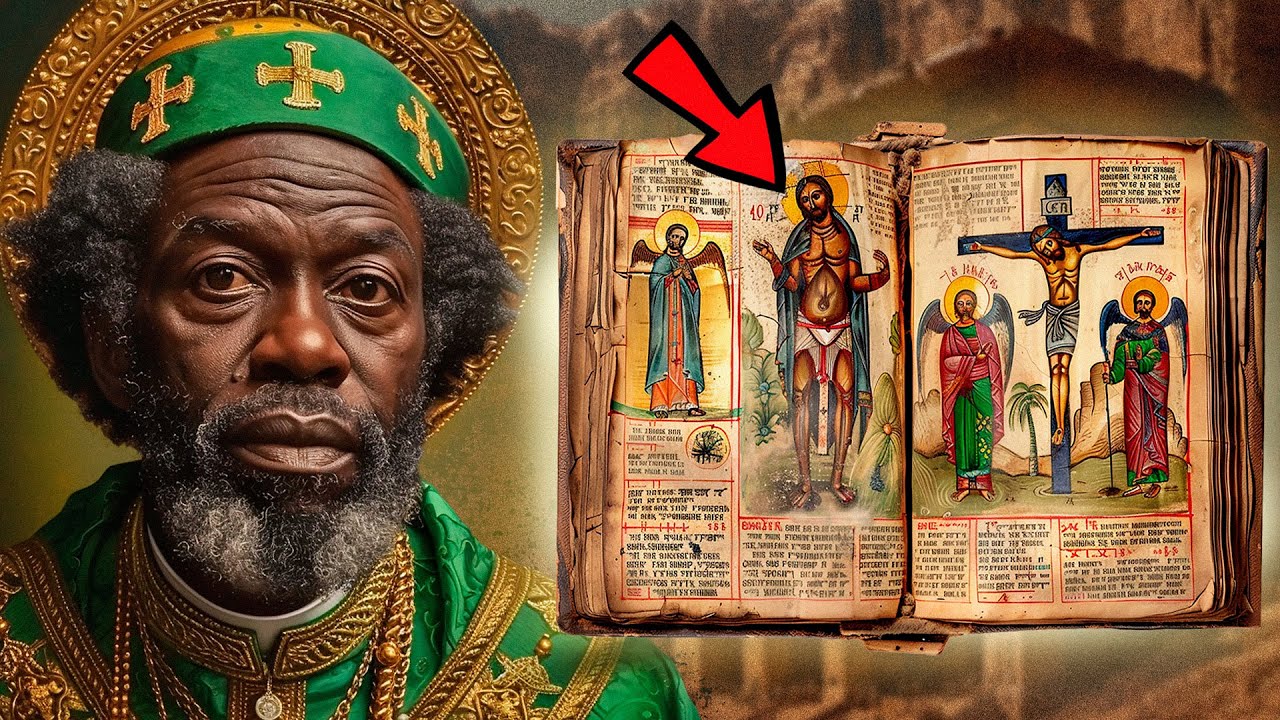
back in time thousands of years to meet Jesus Christ in person what do you think he would look like forget about everything you've seen in movies and all the paintings you've seen what would he really look like Well if you really went back to the time and place where Jesus lived you might be surprised what Jesus actually looked like was probably very different from what many of us picture today to start with Jesus was a Jewish man who lived over 2,000 years ago in a region called Judea which is in the Middle East the people
there at that time didn't look anything like the pictures or movies many of us have seen they had dark skin dark hair and dark eyes features that were common among people from that area Jesus would have Blended in with his community looking like an ordinary man of his time he wasn't taller or more striking than others and the Bible even hints at this it says in Isaiah 53:2 that there was nothing special about his appearance that would make people notice him that means Jesus probably looked like any other man you might see walking through a
busy Marketplace in the Middle East during his time now think about his life Jesus wasn't a king or someone who lived in a palace he grew up in a small village called Nazareth working as a carpenter with his Earthly Father Joseph carpentry back then wasn't just about building things it was hard physical labor imagine lifting heavy wood using basic tools and working outside under the sun this means Jesus would have been strong with rough hands from years of manual work his skin would likely have been weathered by the Sun and wind not pale and smooth
like we see in and paintings he was a man who knew what it meant to work hard Jesus also spent a lot of time walking he didn't have a horse or a chariot to carry him from place to place he and his disciples traveled on foot sometimes long distances through Dusty roads and Rocky Hills his feet would have been tough and probably dirty from the journey this gives us another clue about what he might have looked like he wasn't someone dressed in luxurious clothes or soft sandals he would have worn simple garments likely made of
coarse wool and practical sand suited for long TRS let's think about his hair and beard in most pictures Jesus is shown with long flowing hair that looks perfectly brushed but in reality Jewish men at that time didn't typically wear their hair that long it would have been shorter and easier to manage especially since Jesus lived in a hot climate where long hair might have been uncomfortable his beard too would have been natural and unstyled just like other men of his time he didn't have access to fancy grooming tools so his appearance would have been simple
and practical reflecting his humble lifestyle here's one of the most interesting things we've learned about what Jesus might have looked like comes from studies of ancient skulls found in the region where he lived scientists and historians have used these skulls to create models of what an average Jewish man from that time might have looked like these models show a man with a rounder face a broad nose and dark eyes he would have been about 5' 5 in tall which was the average height for men in that region in Era this might seem short by today's
standards but it was completely normal for his time another important detail is his clothing Jesus didn't wear the long flowing robes with bright colors that we often see in movies or paintings his clothes would have been made of simple undyed wool likely an earthtones like beige or brown he might have worn a tunic which was like a long shirt with a cloak over it for warmth his sandals would have been made of leather practical and sturdy for walking long distances he dressed like the people around him blending in rather than standing out it's also important
to think about the context of his life Jesus lived in a time when people didn't have modern conveniences like clean running water or personal hygiene products bathing was less frequent and life was Dusty and rugged this means Jesus like everyone else in his community probably didn't look polished or pristine but that doesn't mean he was unkempt he lived a life of humility and simplicity and his appearance would have reflected that what's fascinating is how different this realistic image is from the one many people imagine the idea of Jesus as a tall light-skinned man with soft
features came much later influenced by European art during the Middle Ages and Renaissance artists in Europe painted Jesus to look more like the people in their own culture which is why we often see him with fair skin and blue eyes in those works but those images are cultural interpretations not historical facts also note that Jesus appearance wasn't what made him special people didn't follow him because he looked different or impressive they followed him because of what he said what he did and how he made them feel his teachings kindness and miracles were what Drew people
to him not his physical features what do you think about the appearance of Jesus Christ share your thoughts with us in the comment section remember to like share and subscribe for more also click the next video showing on your screen you will enjoy it