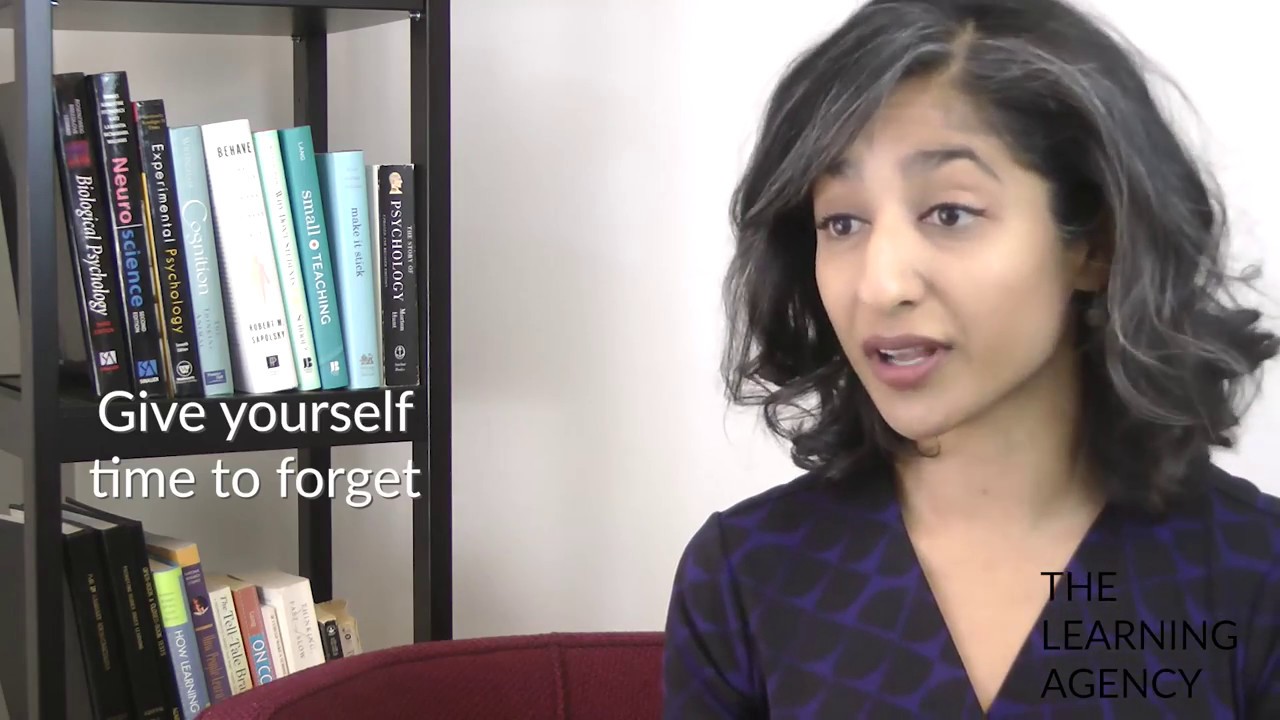
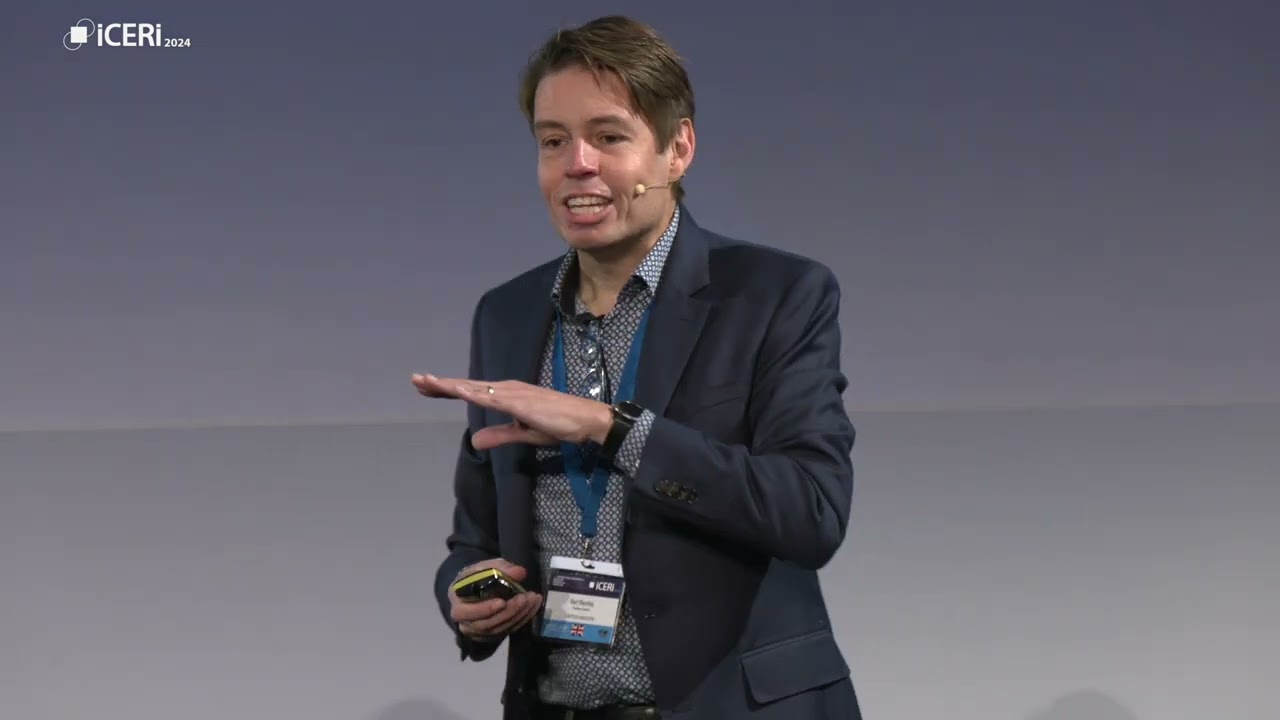
good morning welcome to icer I am so thrilled for the opportunity to share the science of learning with you today my name is Dr Puja agarwall I'm a teacher I'll share more of my experience with you today as a teacher I'd like us to start with a question so I'm going to give you a trivia question and then we'll take a vote to see how you do no cheating okay all right here's the question how many bones are in the adult human body we all have about the same number of bones it's different when we're
children so how many bones do we have in the adult human body here are your three options 124 bones 186 bones or 206 206 I see some of you comparing answers with your partners next to you is it a 124 B 186 or 3206 if you would say the number of bones in the human body is 124 raise your hand please oh don't be shy yeah thank you if you'd say a raise your hand if you would say B we have 186 bones in our body please raise your hand fantastic and if you'd say C
we have 206 bones ah you are correct some of you are probably science teachers I bet right so we have 206 bones in our body now I wanted to share with you a lot of the resources the research that I'll be mentioning today are at this special website for us retrieval practice. orger i c r i there again you can download resources I have more than a hundred resources for free for teachers around the world in six different languages you can subscribe for my newsletter so I hope that the research I share with you today
and those practical teaching strategies are very helpful for you now I am a teacher as I mentioned and I'm a researcher I'm a memory scientist I've been conducting research on how students learn for about 20 years also as a teacher I started in elementary school primary school as a fourth and fifth grade teacher and now I teach college students in Boston Massachusetts in the United States I'm a science teacher a science Professor I'm fortunate to teach science at the Berkeley College of Music in Boston so I get to teach science to musicians so incredibly cool
I have about 200 college students every school year they're all waiting for their their grades right um so I'd like you to think back to your own educational experience mentally pick out a high school class that you took a college class that you took that you had to study really hard for do you have a class in mind I'm thinking about my Greek mythology class from uh high school and I had to cram so hard for it I had to stay up all night Po in all nighter go through so many of my notes and
reread the chapter this is stressful for us and for our students to do all this cramming beforehand now for many of us hooray we got an A on the exam or the paper we did really well and then what happens once you do all that cramming you do really well on the test what happens I see this you you forget it all right it's all gone from your head there is very little to be honest that I remember from my own high school or college experience and this is so frustrating to continue going through this
process of forgetting it's frustrating for our students so many times my students have to learn and then forget and then spend all that time reading learning and for us as teachers and professors that is incredibly frustrating how often have you said I swear I taught you that last year and then you have to retach it it feels like this waste of time so a question that has really driven my research for 20 years is why do students forget and of course as teachers what can we do about that now we know from a lot of
research and a lot of personal experience that we typically focus on getting information into our heads we typically focus on getting information into our students Heads This is the first stage of learning that we call encoding we encode information I'm hopefully getting information into your head right now we encode we hope it gets stored somewhere in there 100 Years of research demonstrates that the magic of learning happens when we get information out of our heads so we typically focus on getting information into our heads into our students heads we need to get information out of
their heads this is a research-based principle we call retrieval practice now retrieval practice is like my music students they're engaging in retrieval practice constantly they're pulling information out from their minds they have to practice their instruments they know that they cannot cram the night before a performance that's not going to work they have to practice along the way and pull that information out of their heads they can't just watch YouTube videos or watch someone else play guitar they engage in that mental retrieval practice I want to go into some basic simple practical strategies you can
use in your classrooms you can use in higher education how often do we start classes is by reviewing information for our students all right class here's what we covered last week and here's what we're about to cover that's reviewing that's getting information into our students head one of the simplest research-based switches does not take you any extra time at all is to encourage students to retrieve what did we cover in class last week that's it it's simply switching from getting information into our students heads to improving their long-term learning by getting information out of their
heads here's another simple strategy we call it a brain dump in the scientific literature we refer to this as free recall and this is simply asking students write down everything you can remember write down everything you can remember from class today write down everything you can remember that we learned last week write down everything you can remember that we've learned the entire school year it's called a brain dump and this recall this process of retrieval practice research demonstrates help students organize information and it helps solidify their memories for what they're learning a sort of more
simple approach that I'm a big fan of is what I call two things it could be three things it could be four things but it's simply a little bit more specific retrieve two things you remember from yesterday retrieve two things you remember about mitosis and meiosis retrieve two things you remember from math class that's it just retrieving two things so I often ask my students what's one thing you remember from last week what's a second thing you remember from last week another aspect based on Research is sure we can ask our students what did you
learn in class today that's retrieval practice that's immediate a build a level up on retrieval practice is what we call spacing so instead of asking students what learn in class today is to ask students what did you learn yesterday if you've ever asked your children what did you learn in school today and they say nothing it's because it's kind of a boring question if you ask them what do you remember from school yesterday then they're engaged they're going through this process of mental effort and retrieval practice it's what we call a desirable difficulty that mental
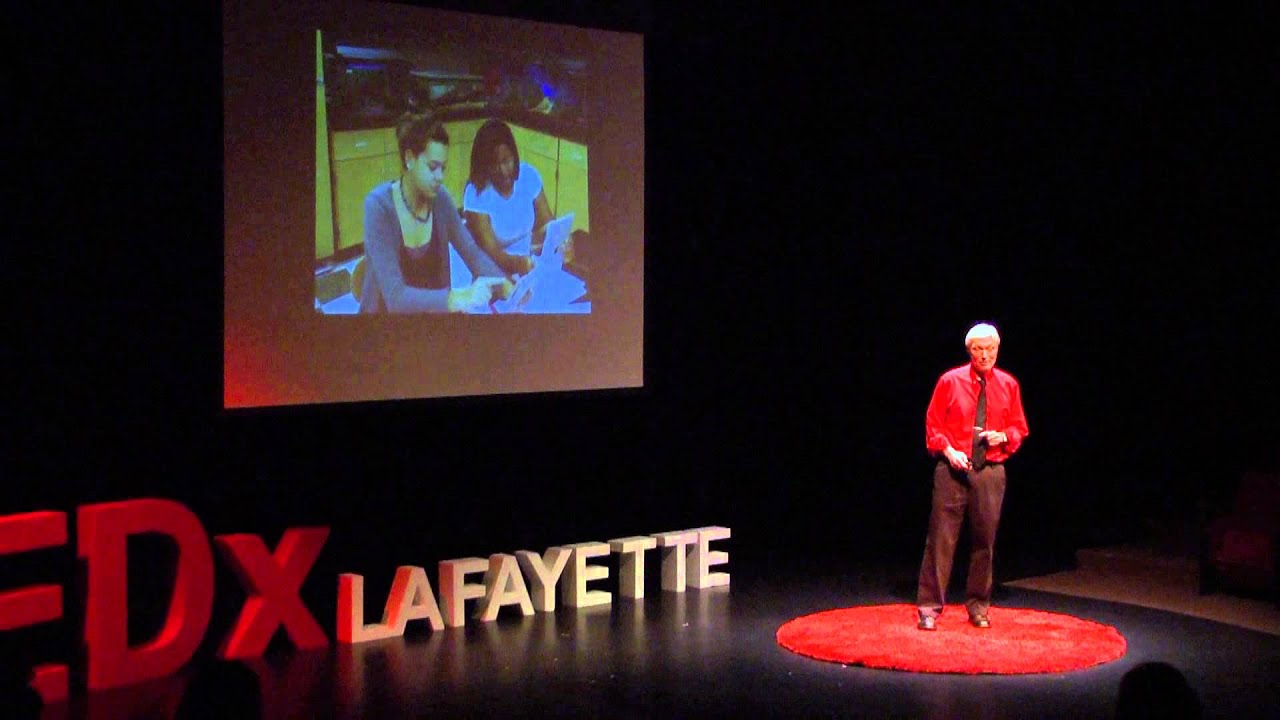
challenge to think back back that's a desirable difficulty that improves learning just like my students have to practice their instruments they have to go through this retrieval practice as well if you use think Paar share in your classrooms or in your colleges can you raise your hands think peir share yeah it's a fairly common strategy all over the world right here's a picture of my students engaging in some think pair share oftentimes we might give students a prompt um you know think of an example from your own life when you had to use multiplication for
a very simple example we ask students to think about that prompt then we pair them up to discuss their ideas and then we share with the whole class what we typically do is we skip that think step don't skip that think step that's where the mental effort comes in that's when students are retrieving I know we like to move on to the pair and share it's so much more engaging but don't skip the think step so I know a lot of these strategies are really helpful for in classroom students but imagine if you're entire department
at your college or university your entire college or university used these research-based practical teaching strategy now I'd like to acknowledge that these strategies apply for a wide variety of content areas you know your content area best whether you teach math science literature your professors know their content best this is where for me the fun of retrieval practice happens where we get to be creative as teachers maybe two things doesn't apply to your content maybe a brain dump applies better so you know your content area best use that creativity to think about how can you get
information to pull pull uh how can you use retrieval practice to pull information out of students heads now maybe you're skeptical I'm a big skeptic I'm a teacher if someone says you should do this I'm like no I'm not going to do that right so maybe you're already skeptical I'd like to walk you through this a little bit maybe you're thinking am I going to have to prepare more for class are my professors going to have to prepare more no retrieval practice doesn't involve preparation at all just the basic idea of two things that doesn't
require coming up with questions or coming up with quizzes in advance that's just asking students to retrieve two things does it require more classroom time I know that our class time is valuable we have a lot of content we want to cover in our universities in our colleges in our classrooms this does not require more class time in fact it will save you and your teachers class time because now we don't have to keep reteaching the same thing if students remember information for the long term for weeks months years we can move on to more
complicated complex information for our students so it does not require more class time does it require more grading no none of us want more grading in fact retrieval practice doesn't have to be graded at all there's a little secret sometimes we are so used to this process of every time students retrieve we take their papers and then we have to grade them with retrieval practice there is no grading involved am I suggesting that you test your students more often no not at all because retrieval practice is a learning strategy it's not an assessment strategy for
our students so when we kind of shift our thinking from testing and assessing students to to helping their long-term learning with retrieval practice we can engage in richer discussions in our classrooms what's fantastic is you already do this this is pretty common sense it's based on a hundred years of research but you already do this so you probably do some of these strategies you can keep retrieval practice simple for example how many bones are in the human body you can just say it out loud 2006 fantastic good job gold star that's simple that's it that's
retrieval practice one of my favorite tools for retrieval practice is a pencil that's it I use pencils and I use index cards in my classrooms a lot especially with index cards students can grab them on their way in or I can hand them out they can retrieve two things they could fill the whole index card with a brain dump and then they can pass them around or I can collect them shuffle them up hand them back out but then you don't have that whole like can I borrow a piece of paper who has a pencil
let me rip out the paper index cards are a great no Tech Tool for retrieval practice of course there are plenty of tech tools lots of apps one of my favorite apps is called flip it used to be called flip grid if anyone is curious about that Tech Tool please let me know I love talking about flip students can engage in retrieval practice asynchronously from home they can engage in retri will practice synchronously from home even if you're using Zoom like many of us did like I did for two years students can type in one
or two things they've learned simply into the chat that's the thinking part then you can put them in breakout groups for the the pair and share here are some more research-based tips try to provide retrieval practice as often as possible now I understand a question I often get from teachers is like when do I provide retrieval practice my colleagues and I have published research showing that there is no optimal schedule there is no recipe per se this is the creativity as professors try to engage students in this retrieval practice as often as possible keep it
flexible research demonstrates it doesn't matter if it's multiple choice short answer free recall a brain dump keep it flexible for what works for your content area keep it quick that emphasizes that retrieval is a learning strategy not an assessment strategy keep it low stakes or no Stakes I don't grade those index cards my students are so used to I think from their previous educational experience for 12 years before they come to college whenever I have them retrieve on an index card then they come up to me at the end of class and say would you
like my index card and I just like to stand there and saywell why why would I want that they're like well don't don't you want to grade that no no and it's just this really cool shift to try out with your students and again you don't have to grade it at all so three tips or at least three questions I like to ask my students to get them engaged in this process it's one thing for us as Educators to start all this retrieval practice it's another thing to get our students on board right so here
are three questions I like to ask my students first how do you study that's it pretty simple how do you study for this class how did you study in high school why do you study that way did a teacher teach you did a parent teach you and does it work yeah I hear some Giggles does it work and my students kind of look at me and they go kinda um I have a website with uh YouTube videos blogs information specific speically for students at retrieval practice. org students um but I love this question of does
it work because are students recognize they can cram they can get information in and then poof it's all gone so these are three questions I encourage you to ask your students to start talking about the learning process in the same way you know your students best maybe you teach younger ages maybe you educate Educators H imagine all the science of learning that we could do with teaching teachers about this but you know your students best come up with the creativity at the same time research demonstrates demonstrates that even brain dumps for primary school children improves
their learning just like medical school and graduate school students so you know your students best I'm going to share a tiny bit of research from more than a hundred years of cognitive science I'm not going to show you any graphs I've chosen not to I can geek out all day here at the conference I would love to but I'm just going to show you some pictures no graphs the first thing I'd like to share is again a hundred years of research demonstrates that retrieval practice boost learning me and my colleagues recently published a review of
the literature we looked at 50 experiments conducted in real schools in real classrooms with retrieval practice including short answer questions multiple choice free recall different types of schedules a wide age range of students and we showed that retrieval practice consistently benefits student learning that's really important to me most of the research until recently was conducted in laboratory settings but now we know that improves long-term learning in real classrooms we also know from a wealth of research that retrieval practice improves students complex learning I I understand if this retrieval sounds like just memorization of vocabulary words
for a lot of us or maybe most of us that's not what we're looking for and retrieval practice can be used for complex learning I like to ask my students give me an example from your own life and tell me why that example is memorable those are pretty broad complex questions I don't ask my students to Define what a neuron and an axon is I don't ask them to Define rapid eye movement in the stages of sleep instead I asked them questions what do you remember from class why does that stick in your mind we
also know that retrieval practice raises students grades in our research over the course of a whole school year we were able to demonstrate that students grades originally were at about a c average about 75% is their test performance at the end of the school year once we engage students in secondary uh education in high school or grades 6 through 12 students grades went from a c average to an a average with just some of this simple mini quizzes is another way to think about it we also surveyed more than a thousand students and the overwhelming
majority 75% of students said that retrieval practice reduces their anxiety it does not increase their anxiety this is not more testing this is engaging students in practicing what they know and it reduces their anxiety that is so cool to me because then our students are feeling more confident they're better prepared like my music students they can't just cram the night before they're better prepared when they've engaged in retrieval practice throughout the process um in terms of the next stages of research on retrieval practice I'd like to share with you my newest project which is to
bring together cognitive scientists from all all over the world this is what the field of cognitive science looks like today these are colleagues that would love to collaborate with you we want to do more research in schools so if you are interested please please go to retrieval practice. scientists if you have citations on your PowerPoint or presentation slides for the conference check your citations because we all need to update our citations it's time to do that and I'm very proud of my colleagues who are conducting the newest research on retrieval practice now I'd like us
to take a step back and imagine what our Educational Systems could look like when we use the science of learning instead of our students engaging in that frustrating process of constantly forgetting and then having to restudy we can shift their success to ret retrieving and instead of thinking about this aspect of a student struggling as a bad thing this is a good thing this is that desirable difficulty so when we see our students thinking this is good some students will say my brain hurts that's a good thing we want students brains to to hurt a
little bit we're all going to be learning at the conference be mindful of your own retrieval at the end of each session write down one thing you just learned because we're all here in beautiful Sevilla I would like to remember what I learned here at the conference I'm sure you would like to remember beyond the whole week Beyond the month beyond the year so engage in retrieval practice for yourself our students us we can be more successful students are more likely to go on to graduate school if they achieve academic success success in college and
university right if we base our teaching on the science of learning not just fads not just anecdotes our students are going to be excited about the learning process so shifting Beyond this forgetting shifting beyond the frustration for us as Educators we can shift to learning so how many bones are in the human body 206 so thank you so much for taking the time to be here I hope you will unleash the science of learning and enjoy the conference thank you thank you thank [Applause] you