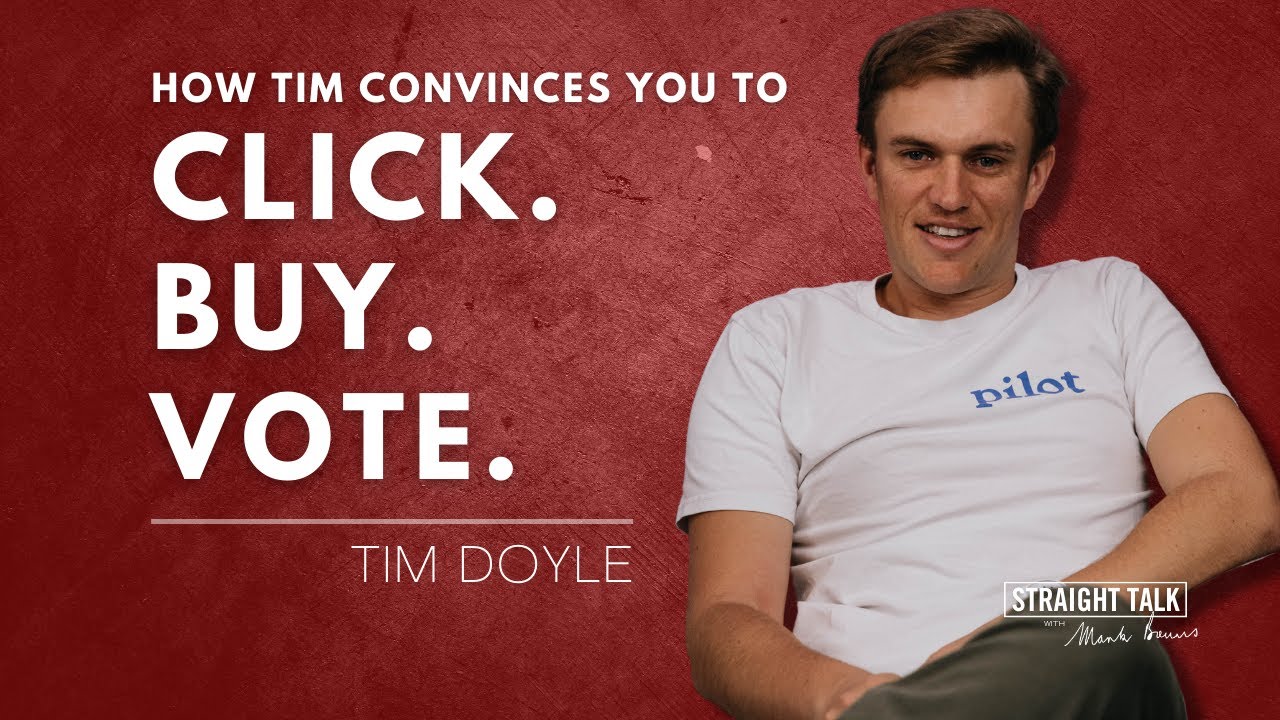
This week on the podcast we sat down with the man of the hour Tim Doyle Tim is the ex-chief marketing officer at koala and the founder of one of the hottest startups in Australia eucalyptus we discussed Tim's drivers competitiveness contrary nature and his lessons in business we dive deep into his marketing hiring principles and of course got into some of his controversial tweets and had some Debates around that there were so many takeaways from this episode and we were left Amazed by how Tim's brain works hope you enjoyed the episode before we dive into this
week's podcast we'd like to give a quick shout out to the first ever sponsors of the sage and Adam show where influencers now so this podcast is sponsored by recess and you could easily skip this ad but I don't think you're going to want to so recess uh one of the great upcoming Aussie Startups there are a few uh Young Guns who are developing and designing furniture for your office and for the home as well they're making ergonomic chairs sound booths workstations a whole sort of range of things and hopefully we'll have a few chairs
soon to show you as well recess have helped hundreds of Aussie startups including well-known ones such as eucalyptus after work and Leica as well as large Enterprises like movac and Westpac So we've got pretty horrible furniture all their guests say it if you're better Furniture than us you should go to recess the chairs are nearly breaking so we've got a discount code for you if you use Saturn and atom you'll get 20 off for your next order whether it's for the office or for your home um and if you want to get a full fit
out for your office just hit us up on LinkedIn or Twitter and we'll help sort you out so show recess some love and now We're back to the show hello and welcome back to the satch and Adam show so today we have probably one of the most spicy figures in the Australian startup scene Tim Doyle and on one of his tweets he said he hates the word strategic and Innovative so we're going to introduce him as the Strategic and Innovative founder of eucalyptus and we're both former strategy Consultants so I think you'll hate us because
of that it's been a lot of fun um no super Keen to dive Into this one I think we've both listened to like every single podcast you've been on we've been through all your Twitter so we've sort of thought a lot about you but also like what you've been asked for what you haven't been asked as well yeah great and something we would love to like to start with our guests is just understanding you at the really deep sort of personal level who would you say like Tim Doyle is at his core Um I think
I think the thing that is most important to me in like the building of a company is like I have thought deeply for a long time about how you get the most out of people and how you get the most out of people's structures and so like creating environments where people can succeed and seeing those people succeed is like probably the thing that makes me most happy in my work life and kind of like Reflecting on that back to like even working in restaurants and bars and things and seeing people kind of take opportunities and
do good things that's been like a I guess like that's where I get the most Joy um I think like what's a really interesting version of that is like had this like kind of long-term clash with um with Blackbird about like um whether or not I was like doing my life's work building this like quite Mercenary opportunistic company um and I think like my argument is that you can do your life's work um on how you build a company not necessarily what you build and so I guess that is a nice summary of like what
is a motivator for me yeah interesting I think we'll dig into that for in a second but I'm like you mentioned your work life does that carry across your personal life like are you about enabling people is that something That resonates with you yeah I think I think I think so I think um I I look honestly I think like work is really Central to how I like be try and be competitive I think like in my life outside of work I would say I'm like operating like a different mode okay um like I would
say I as work has gotten more serious in my life I think things that are like otherwise competitive have kind of shrunk away and kind of been replaced by things that are more like Relaxing and calming can we dig into those for a second yeah for sure yeah um like I run a lot so um I probably at the moment I'm running like between 30 or between 25 and 35k a week but that would ideally be 50 if I was um a bit more disciplined and I think like find that therapeutic rather than competitive um
started playing golf last year in a very like um white male CEO kind of would not have taken you to be a golf player One girl fighters give me memes about this coming out now there's something there's something like quite pure about like being bad at something and being and still finding it enjoyable yeah I feel like you relate to that yeah not as a DQ but yeah like right poetry but yeah I just like I'm like I like forget about I spent four hours doing this thing and then I forget about whether I went
well or not of that thing like 10 minutes later and That's quite that's quite nice really so so you said like being competitive is a big part of you Tim Doyle in high school when you're in Cranbrook was that like were you really competitive growing up was that like yeah yeah I think so I think like I think um I was actually reflecting on this without how like um my head of operations or like I'll see uh CEO he's married to the sister of like what I would call the person I was Most competitive with
in high school we were just reflecting on like how that competition kind of played out over years um and then and I'd like now think of it as like such a silly thing because it's like like I think like when you're young you're kind of like competitive across a whole range of things because like you want to kind of prove everything is competition because she's like looking to prove yourself and then as as you Kind of get more domain specific and unfocused you kind of accept people different and and kind of care more about competing
in the one thing and I think like I throw so much energy at that that nothing else kind of comes up as being important competitively it's really interesting like the way you kind of insinuated it seems like competitive is like zero or one like you your other really competitive or just relaxed would you say that that's how you try and Think about things in your life yeah I think so I think I think like I would say I was like I think like competitiveness is it manifests is like you trying to prove yourself that's as
something right it's like valuable at something and I think like um the more you realize what you're good at and what you're not good at and like also your limitations um like I spent a lot of time trying to Be a very good cricketer when I was young um and like at about 16 like I became very good friends with um Steve Smith and I realized I also found not a very good cricketer and I never would be it's a wrong person to be good friends with yeah like I had this like realization like actually
like we're in a KFC and like I um I was like like I was like we were like throwing fries at each other and he can like he Just like moved at a different speed and I was like holy [ __ ] like this is just a level of natural ability that I will never have um and so therefore like this is actually like a redundant place for me to spend a lot of my time thinking that I can be the best I just might be were you doing the bottom to koala okay interesting he
had this really interesting experience of being like strangely wealthy as a 21 year old um And then also very interested in business yeah but he when you talk to business people they would want to talk about Cricket yeah and so he was like I'd like to learn about business but I I'm sick of talking to people that want to talk about Cricket when I'm talking about business so I was like well maybe what you could potentially do is invest some money in some companies and then they'll have to take you seriously because Um you're a
shareholder not a cricketer um and I think that played out quite well for him and kind of dig into that competitiveness a little bit more is there any clues in your past of like young Tim that you know what drove this competitiveness uh I I think oh like I think like I played a lot of sport when I was a kid I think like like the competitiveness I think like the business competitiveness and like the the desire To see businesses do well I think like the first time I remember that being a really big thing
for me is like I worked in the opening of Bavarian beer Cafe at Bond overage um and like they had really high hopes for it because they'd open running the rocks and one in York Street in the city and they've done really well um and so we saw the original forecast and they were like 100 Grand a week and the business was doing like 30 grand a week Through the first month and everyone was like absolutely [ __ ] themselves and I think like I was like this is quite obviously um they've obviously cooked this
like the average price for beer on Camp parade is like six bucks and we're charging 10.50 and like um sausages and pork Knuckles aren't exactly what you want to eat on the way to or from the beach and so we need to change the offering here Um and so I sent the email to that owner of the company and like he sprayed me and was like what are you talking about you don't understand this business at all um and I was like oh that's like an interesting experience but like seemed like a weird thing to
do as a 19 year old yeah how does that competitiveness relate to ambition like do you think it just organically leads to having like really big goals or is Do you have like this sort of like side part of you which lays these really big goals and then it sort of gets brought up with that competitive stroke um oh like I think it's worth separating ambition and competitiveness I think like um ambition is about wanting to see um like my I guess like I trace my ambition to wanting to see the way that I think
businesses should run be executed at scale Um so like I have a view of like modern like I think like what technology has enabled in the way that work forces are managed like when I was working as a young professional I didn't see that play out you know in Professional Services firms I was like the way that young people are treated in these places is ridiculous and it seems like a pyramid scheme um and so like ambition came from like having a different view of how the world Should be operating and then competitiveness now manifests
in like wanting to make sure that the version of the thing that I believe is the one that plays out at scale yeah that's a really good segue into like I think the other thing we've really noticed about you is that you're a very independent thinker fairly contrarian like you often go against the grain but you've got like really strong opinions where does that come from as well Um I I just think like I'll ultimately like I think if you can't have conviction in things um like what's the point like I'm like a very like
I think like the idea of like strong like strong beliefs weekly held I think because it is like really core to who I am because I'm like think about things a lot um willing to put my ideas out there willing to be challenged willing to be wrong Um but I found like most of my learning has come from when I've had the willingness to be like I believe the world should look like this and currently it looks like this and then someone says to me no no actually I think it actually should look like this
um I think like the example that I'll give is like in the early stages of Eucalyptus in like the house of Brands model I went to the US to kind of raise money and Um Mike dubo who's an investor at Greylock um and uh used to be the head of Grace at Stitch fix um kind of challenged me on a lot of my core assumptions around marketing and um I felt like and like I learned a lot and I felt like if I hadn't put those assumptions out there as like pretty bold statements they never
would have resonated um and so I don't know if you've read there's this doc I wrote Yeah by Og one yeah yeah that dark right it's like it's full of assertions about how the world Works um and a lot of them are wrong and stupid um and reflection but um they were super it was super valuable putting that out there because the feedback became eucalyptus is there any kind of like comical example of where you believe something a lot and then you're proven completely wrong a lot of my like a lot of my kind of
Like beliefs about my marketing have like I I form a lot of beliefs about like the way that marketing is moving right and like um I've often tested those with money um and so one example was I was like in the early days of social media um that I thought that like um extra validity was provided when you were able to put like a name logo on um a piece of content so like for instance like people would take something from Like BuzzFeed more seriously then they would take something from like a koala Adam so
um like we gave 50 Grand to BuzzFeed to produce all this content for us thinking it would be like ad validity to the Koala brand and I think like for fifty thousand dollars we got something like I think it was like something laughable like 60 clicks okay um and so like it was the most expensive um like Channel bet that we'd ever done And it was like an incredible incredible [ __ ] up and so like but it was like you know it was a guess and like the other side of that is like there
were ones that work really well too so interesting I was initially going to think that you were someone of like deep conviction and somewhat contrarianism because you just don't care about what people think but it's starting to sound like you see a lot of value in it because you've tested this into the world yeah like okay if This is valuable behavior I'm just going to sort of keep on doing that like I care deeply what people think okay um like um I just think most people are wrong um about quite a lot of things um
but I like when I find someone that is like disagrees with me and has valid reasons to disagree with me I will change my opinion really fast because I'm like I I like want to learn from people and I think the best way to learn From people is to challenge them because like if you just get like stop stuck in this like swamp of mass agreement then like what's what are you actually doing like what and like this comes from back to a marketing principle right it's like what um what do you want your content
to do like you want your content to stand out and be memorable um and that's the way to like you would say like career building is at least Partly about being memorable um and so I'm memorable for good work memorable for good ideas but I mean you're never going to be either of those things unless you're willing to put those ideas out there in a form that like challenges people otherwise like like if you're gonna if you're gonna like feed back your managers ideas to them in a way that seems like mildly agreeable you're gonna
be pretty unremarkable and the places you're going To end up are pretty unremarkable we're going to move on to Marketing in a second but like I've got this burning desire to understand your competitiveness and where it comes so like so I like the way I've seen him play out is there's sometimes it comes from chip on the shoulder sometimes it comes from something in someone's Youth and there's two ways it usually like goes it's like self-competitiveness or it's competitors with other people is There any like do you have any idea of where these competitors comes
from I like I'm trying to go back as far as I can and I'm like I just like I all looks early manifestations I do like academic or sporting and I think like the reality was but I'm like I'm trying to be like consistent with it and like academically I wasn't a good performer because as soon as I realized that like it wasn't a competition that was interesting it was Like not even not even one that I wanted to really be a part of but then sport always held its competitiveness for me so like do
I want to diagnose like psychologically what's going on there uh like I think it's pretty innate like I don't necessarily like there's no chip because I'm like I like seeing other people do well um and like I'm stoked that the person that I competed with in high school is a vascular surgeon and is Like incredible and like way better than me at 98 of the things we both do um and so like I don't know like maybe it's self-competitiveness and it's desire to be you know yeah I think you can tell a bit about Saturn
and I by like digging so deep because like we're just obsessed with like understanding people like the sort of deepest layers of The Ether and I think like we found with a lot of successful people maybe like 80 plus that there's normally some Chips some sort of like psychological motivator in a young age but then some people just have innate sort of characteristics as well um yeah I mean like what am I like what am I underlying psychological drivers I think like I was reflecting on this the other day and I think like um they're
like the like combination of the shortness of my attention span and the speed that I like think at creates all the you think like really fast Because since you walked in the door like you started talking about something and your brain was just going off and you were tired at the same time yeah and speak like like Fast right everything is fast and so like I think that combination of things is like the constant need for new um challenges and new things and new problems um I think that's actually like probably the most fundamental Um
trait that I like that I like have had impact me both positively and negatively because like the constant desire for new um pushes you to new things but it also leads to like some of the things that you do being unfinished and like the unfinished nature of things is probably where like I've not done as well on things do you ever get bored like friends or like relationships like does this transfer Over to like all that I know because like people are like infinitely interesting like and also you just need a lot of them right
you can have like if you if you imagine people as individual kind of sources of you know information and entertainment and that type of stuff then they'll also have different purposes I think like but I would interact with I reckon I would I'd be in the top five percent of people for a number of people I interact with Regularly I would say maintain more relationships than most people do have you ever done IQ tests like yeah but like they're not very good okay yeah I I can sense that compute power coming through um so let's
segue a little bit to marketing so yeah you know in Australia as one of the best marketing people for you've done at koala what you've done at uke and we can lump branding and advertising into that as well because I Don't under distinctions well enough um if you were building a marketing uni course for let's say first years right now what kind of things would you put into it yeah like oh my God marketing education is such a [ __ ] show because there are like principled like I mean it's like Academia trying to teach
business skills right it never really works very well um but like I think in finance the like core principles are quite valuable whereas in marketing the Core principles are kind of very dated and very painful I think like what I would start with is like is like storytelling right like most marketing is dressed up storytelling um and so it's like how do you structure a story how do you structure a narrative right and so like especially like what is the narrative um and so it's like how do I craft something that is compelling and I
think this is where marketers have real problems in my view is like like Marketing is strategy in the first and in its first version because it's like how do we win how do we differentiate how do we kind of create a compelling offering to people and if you're not involved in that conversation because you're waiting for that to come to you then you're like way way behind April so like firstly like how do you craft um like winning strategies and I think like that's where marketing education is really flawed because like a lot of the
Basics of things that you get taught as a strategy consultant around like crafting value for and capturing value that's actually really important in marketing um so start with that um and I think like like in really simple terms I'm like understanding things like the seven powers and um actually I like I'd start with that like I love that framework um and then from there it's like okay how do we craft This into a narrative that is compelling and it's like well what do we want people to remember about the thing that we differentiate on and
so like let's take let's take like pilot with erectile dysfunction right where it's like um the point of differentiation is discretion basically um and so all you want people to remember is that uh the first thing you want them to remember is that like Um a treatment for this exists um and then you want them to remember it's discrete and then you want them to remember um some level of trust of the thing because like after you've proven them that it's going to solve their problem and that it's discrete which is like the friction in
their experience then you're trying to go well like what problems do I have what what like block is do I have to alleviate Here um so you craft for that right these are the things I want people to remember um and then like the thing that happens after that which I think is really really important that people Miss is like how do I actually make this memorable I mean that's okay that's like if I was crafting any student like it's like how does a tick tock work like people people think that like the further the
more like high brow you get With content the more effective it is but the reality is is like the more low brow in real time the content actually is and the more competitive the landscape that content exists in the more likely it is to be engaging because it has to survive on its engagement alone you can't buy we can but like it's not particularly effective to buy tons of tick tock space you know it's about winning in the feed and stopping the scroll Um and so but on the TV ad you just own the space
it doesn't really matter you can talk about reflection whatever you want um so crafting engaging narratives so like how do you structure a piece of works you need a hook right so like so much content doesn't have a hook like why am I stopping here what is creating memory like so um so uh a really effective Facebook ad for pilot Has been um the Hawkeyes did you know that Facebook doesn't allow you to say the full name of Ed right uh and so let's start with that yeah it's true um and so you you start
with that and people go let's be an attention grab and then you go which is a real shame because um if you can't talk about it it says that the shame attached to it and if the Shame attached to it then people won't get it treated and if they don't get it treated then their relationships go downhill and their life go debt goes downhill so that's why pilot exists because it's discrete it's a low shame environment it's affordable and it's trustworthy and it's got real doctors um so like if you think about the structure of
that ad it's got like a hook and then it's got a resolution and then it's got like validation Um and it's constructed in a way that is like willing like able to win on Facebook um or on Tick Tock or on TV or on radio or whatever the environment so like structured storytelling is a really important thing and then once you've got structured storytelling down then you start to get into the principles of like Capital allocation and um and moving money around in order to reach audiences in the biggest numbers But I think like often
people get taught that first when I started talking about marketing like in Broad audiences most people work in advertising agencies and so therefore like you had to talk to them about media and the internet and [ __ ] and it was ridiculous but now too many young marketers are performance marketers and so they come in and they're like I understand the system I know how to buy a search I'm [ __ ] Great and it's like well actually you don't understand storytelling at all um and so if I were to go back to a 18
year old and design at Uni course I'd be like strategy storytelling allocation audience management analytics and then you'd hopefully have something that looks like are you considering that like kind of organic is dead no no audience oh great great storytelling as well right yeah like do you want to just like Distinguish those things for our audience that might not know yeah yeah yeah so I mean like you've got obviously like advertising in the paid context and then you've got uh organic which people often you know like it's SEO or it's just kind of creating creating
content or whatever it might be right but I think like the weird thing is that people make a distinction between those two things because like if you think about what they are right so like let's Take the two quintessential examples that people will talk about here which is like Facebook advertising and SEO that's kind of like yeah the two sides of the coin that people often talk about it's like what are the inputs here so on Facebook you uh pay to make a piece of content and then you pay to distribute that content right uh
in SEO you pay to make this content like there's a writer there and then you pay an engineer to make sure that the all of the ranking Factors are well adjusted so site speed and all that type of stuff cost you money so you pay money for the distribution um and then some of that stuff will work and some of that stuff won't and then you'll um you might pay uh you might pay for like a backlink or you might do this like everything is the input of like how good is the storytelling and then
how much are you paying for distribution and then how much you're paying for Production and so like whether or not you take the shortest possible route to distribution which is Facebook advertising or the longest possible route which is SEO yeah on one hand you gain probably more defensibility but on the other hand you're getting like faster distribution and so like these things aren't like different things there are points on the same spectrum and if you're not using both and you're not marketing properly that makes sense And then just a quick point before we move on
when you're kind of testing how compelling your story is do you go out to audience and test or do would you test that internally now audience for sure but I like there are first principles elements to this right like you can see quite quickly because things are good storytelling and most people have a decent eye for storytelling yeah um but then like the cost of distribution and The cost of testing in Modern Advertising is so low yeah you know like let's say that a thousand Impressions on Tick Tock currently costs like maybe five bucks yeah
like you'd be mad not to buy 10 000 of them yeah and just see yeah like if you're running around the office asking people you're probably spending less time and more money than you would just pumping it out there what made you good at this stuff in the first place is it just like doing reps Thinking about it lots or do you think maybe you've got like an insight into psychology which makes you a good Storyteller uh I do like high school debating um and so there's a lot of structured storytelling as part of that
um and I think you get a lot of really interesting feedback loops out of doing that and I think you actually meet a lot of people who are good at advertising who did that in some form Um and I think the other thing that I've done a lot of is I do like a ton of sports gambling when I was in university so I'd like used to trade um tennis when you could do it a little bit easier now um and so you really see narratives at play in sports gambling in a way that like
it's going to sound like a degenerate but like um so uh like form right so like you Know this concept of like say say uh say Novak which is one uh or Rapha Nadal's on 20 clay Court matches in a row um that's the wrong let's flip this okay let's say uh Novak Djokovic has lost has lost three times in a row um there's this idea of like something he will be due right um and people will bet into that narrative it's actually ridiculous like there's that's like completely the wrong Way to approach things like
momentum is momentum and momentum is likely to continue and people over optimize for the flip of that right they're like they will remember when he came back and proved everyone wrong in one but the reality is most of the time the reason that narrative exists in the first place is because that's not what was happening and so like you see the impact of like narrative and story and perception on markets so often in such real time in That environment that like you're like okay well if this thing that happens organically moves the needle on this
thing which is a real-time reflection of perception so quickly um then this will obviously extract light out to how you craft stories as well and then at the other time I saw it like real time tested he's like I did the labor party digital campaign in 2016 and like you've seen the needle move so quickly yeah on such incredible Diversity of issue um and so that that really shapes you as well that would have been fascinating what do you think of the best opportunities in marketing or I think you like to call them arbitrages in
other podcasts yeah like oh like so I think this thing's happening um on the internet which is really cool um which is the digital media so Tick Tock is reshaping how Social algorithms work um and what I mean by that is um so if you're old enough to remember before Facebook ads were a thing um and before the news feed was a thing then like what a lot of the way that Facebook content spread was like organically right so you'd see a whole lot of uh like likes harvesting type Behavior where it was like like
this page if you you know it's BuzzFeed listicles right it's like Um the strategy behind BuzzFeed listicles is like um appeal to a relatively narrow group of people so you'll remember these 13 things if you were born in 1992. um right and then everyone who's born in 1992 will share that thing and it's like a interest-based spread of content um Facebook changed that quite fundamentally through Instagram into a like um social graph so you saw content of People connected to you and one degree removed from you um and that was the dominant method for 10
years um and so you saw uh advertising kind of play into that by buying space in that environment and spending very little time on organic content and no interest-based content all direct response all [ __ ] influencer talk to camera get the other product out there buy the space shortest path to Conversion um what's happening now because of tick tock is we're seeing the return of the interest-based graph so instead of and also because of um iOS 13 and the Apple ad tracking changes um we're seeing that like you'll see a lot more interest-based content
that's not connected to your friends in your feed both Instagram and Tick Tock and so what we're seeing is the return of interest-based content like if if you Know like I would imagine you see this at some extent with your podcast it's like sometimes you'll post a video and it'll go weirdly big and it's because it's found some like thread on the interest graph where people start to see it and it starts to spread um and like that's a real fundamental shift for marketers because like um we spent so long thinking about the shortest path
to conversion and now We're thinking a little bit more about like what it takes to hold people's engagement and interest over a longer period so you know the rewards for making a piece of content about pregnancy for kin they were never there two years ago they're probably there now yeah and that ties into controversy and controversy performing well like our most viral Tick Tock was Malcolm turbo saying don't do law and it just went everywhere around Australia right yeah So so many kids have signed up for Law and and that's like a beautiful piece of
the interest-based graph right because you have a whole lot of people that are interested in a thing probably feeling that sentiment and has a natural spread because it's a short piece of Punchy content that um that come in really quickly the the top moving piece of content in the 2016 election actually was we cut this video the day before the election Malcolm Turnbull went on Sunrise and said um I can't guarantee no cuts to bulk billing because like that's a ridiculous thing anyway like explained but like we cut the video really short and I can't
guarantee no cuts to bulk billing and then made it seem like he said he was going to cut bulk billing and that's got that's got six million views in um in 24 hours which is probably like right at the end of the organic content cycle I've been getting into a moral debate Right now um Tim what's kind of clear about the way to be describing things is it feels like you're good at two really distinct things one of them is like thinking probabilities and thinking in bets and the second is like understanding heuristics and human
psychology and then like marrying those two together to be almost a good capital allocator or allocator of um Capital One advertising or anything Along those lines we've been told by a fair few people in preparing for this podcast to ask you about Capital allocation and your philosophy to do with that and it can be within the marketing space but also with UK as an organization yeah let's get out of Marketing because it's kind of like it's like people think of it as like a unique field and capital allocation is not like that right so I
think like let's take eucalyptus right it's a d2c business and Like the prevailing narrative is that d2c businesses are bad right and the reason that d2c businesses are bad is because they don't take the growth shape of SAS businesses right where it's like um spend time building subsidize that building time with VC funding and then when you find product Market fit scale with VC funding because those cohorts are annuities because they just kind of like mature right and so like great business model great way to fund a Business right but in d2c businesses the way
that they grow is quite often like um product innovation that's one let's take the Audi um and hope Davey doesn't mind but um but let's talk about this and I think you would have the same view as me which is like um product Innovation clever piece of product placement um and design um doesn't need any further r d uh grows Really quickly um and then over time will reach maturity and growth will slow right so if you're a VC investor and you're backing that business if you're spending the money to drive that growth all you're
doing is pulling forward Revenue that they otherwise would have gotten later because all customers are on a if you map the entirety of the country on likelihood to buy an hoodie everybody you could map that as linear right Everybody's slightly less likely than the person before them yeah um so if you're finding that as a VC investor you're just accelerating up that curve but you're not really capturing any extra value um and so to bring this all the way back to Capital allocation like what we do as a business is like we think about that
as quite a different problem where it's like okay um what we actually do is we're a uh Brand generation or like a kind of like uh solution generation engine and the funding has to go into that solution generation engine so whether it's funding Engineers or new product development or whatever it is and then we will move Capital around opportunities based on what is the best deployment of capital at a given time and so the way that escapes this d2c trap is if I've got the Udi I will only fund it as much as it can
sustainably Grow and deliver contribution margin back to the business um and I will if I have to find it outside that I will slow it down yep and I will use that money that I've got and as well as a contribution margin I've captured through building the URI to fund calming blankets or Define fund dog food or whatever the the next thing of my engine is what metrics to use to determine what's the next thing uh I mean like to determining the next thing Is like we we don't use metrics for that right we have
a crack yeah do a lot of research um we kind of have two vectors which we could go here new markets or new products yeah um uh I guess like the interesting thing about Healthcare generally is that like um a lot of the most interesting opportunities aren't on the surface yeah right so you need to build depth and understanding of the system And infrastructure and all those type of things to then unlock the next opportunity so like our general view is the deeper we go into Healthcare the Bigger Pockets of value we unlock because the
more legitimate our platform will be and Powerful our platform will be so the way that we think about that from a capital allocation perspective is fund the development of the core so that you can unlock up your new pockets of value that you can then capture over Time and so I'd like to think of us as like an antidote to the d2c model but also like we're imperfect in that sense because like we've got a bit like YOLO in the start of 2022 um and blew out a lot of our metrics and so that led
to obviously a phase of us having to do um a big round of redundancies and um and I learned a lot from that as a capital allocator because I was going against my principles chasing growth thinking growth was the Only thing that mattered um and obviously that's proven is that strategy of House of Brands is that something that is technically only going to be done in like the short to medium term because eventually you'll find Brands which are just so successful and you'll just want to pump all your Capital into that always like your ambition
to always be trying things on the side even if you're wildly popular it's extremely dangerous to go and triple down at one Thing because like you don't know where the long-term growth curve looks like right we might find the best thing ever and then all of a sudden the better or product in that space comes along and we lose it um the reality is is like you don't get incremental differentiation on medication very often and so like we have to build service differentiation and our service differentiation sometimes it'll win sometimes it'll lose Sometimes it'll last
a long time sometimes it won't and so I think like we are very much a house of Brands by Design and we I think we our long term is in that and like yeah I think so like I was just talking today about to one of our people to one of our team about creating a like a geriatric nutrition brand and so I'm like that's so far from what we do now um but if we can build a core product development capability that's capable of It like why not have a crack at it and if
it's small and not worth it we'll kill it and if it's not we'll grow it and it'll be part of the business I'm just going to check the yeah sure I've got a good segue into the next one all right and on that conversation about the next big thing obviously jlp ones are very much on the menu at the moment you'll explain what that is maybe two minutes um so obesity medications historically Have been a problematic category because like they haven't been particularly effective and when they have been effective they've worked by like speeding up
their metabolism so as soon as you go off the medication and your metabolism slows down your appetite stays High you put the weight back on um and so what glp ones have uh so glp-1 medications kind of discovered maybe 10 years ago um and what they do is they like uh they Operate on the like hormone release from the pancreas um that like uh regulates hunger and so like they're often marketed as like a metabolic reset um because they re they like have the capacity to reduce your hunger levels and allow you to kind of
reset without speeding up um your metabolism so what we're seeing is like and like the the takeaway here is that like we're seeing remarkably more weight loss more consistently for More people than in any other drug Innovation that we've seen in the last 100 years unlike the originals you have to keep on taking them or it's like you're completely oh yeah so you like you you do have to continue taking them um so but I'm gonna say that helps for attention for a product yeah yeah and I think I think like but but the effectiveness
is Plateau right so um for the current generation of the Medications you're looking at like nine months of um continued weight loss um and then after that it's up to you to kind of maintain the behaviors that ideally you've learned during that time um or you may have to come back onto medication so I guess like the challenge for the business is how do you deliver the service layer which helps people maintain weight loss over a long time um so I got a bit of a spicy question For you here is branding a good enough
differentiation long term for glp ones oh no [ __ ] no okay no no so so is the aim to be the distribution as well yeah like I think like like uh I mean what you need to believe for a pilot Suite business or Juniper's weight business to be differentiated in the long term like let's assume that um you'll be able to walk into a GP in 12 months time and very easily get prescribed to glp1 and you know it would be the same price for Masters it will be from them and so like that'll
be a real competition um what we have to show is that we can develop the using technology to let develop the service layer that goes alongside the medication that allows people to change their behavior to allow them to sustain weight loss without medication over a much longer period than they would just take in the medication alone and what does that involve uh I think like the Crux of the Technology Innovation of eucalyptus is using technology to lower the cost of an interaction with a healthcare professional um and so doing that um and then raising the
quality of those interactions which we haven't done a great job of but like um if you imagine a weight loss Journey um I think like the best people that losing weight are Hollywood celebrities who have a personal trainer and a chef And a dietitian and a doctor yeah right um there's no reason why uh technology platform couldn't deliver that to some level through a multi-practitioner support Journey that goes alongside a medication um this is obviously not a new idea because weight loss apps or weight loss apps and new exists but I think what um GOP
ones and what we provided in that sense is like all of those businesses rely on slowly automating the Practitioner because they're very low margin businesses yeah um what medication does is it creates a much stronger lock into the product and probably a better marketing and so then you can use that margin to build a much better service layer yeah glp1 business in a year's time I [ __ ] yeah um and you know everybody knows that yeah yeah really interested to move on from product to people um I think something that uke is known For
is like hiring really good people and turning them into sort of weapon startup operators Consultants yeah a lot of ex-consultants and we'd love to learn like what have been some of your learnings about hiring but also like sort of cultivating that talent and also the deprogramming of these people and the beliefs they may have yeah I mean like have we been good at that deep I mean like I I think we probably trivialized how much deprogramming and Programming would have to be done I think like um like if you go back and listen to that
like first wild Hearts Pro uh episode where I'm a little bit younger and a bit more naive I think like um I cast a very wide net of the type of skills that could come in and be successful operators in a short period of time um and I think the reality is is like Um the necessary skills are much narrower and much deeper um than you perhaps think like um filtering by just being academically outstanding is probably not going to be enough right like there probably has to be a level of confident adversity there probably
has to be a um drive to execution and there probably actually has to be a level of analytical rigor um that doesn't necessarily naturally Come through like a lot of high Achievers academically will have that but not all will um and so I think we were bad at filtering um those people originally and then also we probably set some of them up for up for failure because um we didn't provide the bridge between um the skills that they came in and the skills that they needed to have and so Like the the training program that
we bought them into was a little bit immature early it's better now but um but uh early we we had some like kind of issues with getting people up to speed in the way that we wanted because we weren't good enough at teaching the things that we thought were innate um and then you know they're obviously not innate what do you think makes a really good startup operator or startup hire uh I mean That's like a really like that's a really there's a lot of different great Professor stuff yeah operator right so I think like
if I take some of the great operators that we have I think um some of them are like I think actually like the idea of being t-shaped is a pretty powerful one I think like I see people spike in one area a lot um and so like some of our best operators are like incredible like first Principles product thinkers and I wouldn't say like that's a technology skill I would say like solving consumer problems is it comes really naturally to some people I think um some are people are like next level financially capable and literate
um and so the capital allocation side of things comes really naturally to them and then some people are just like super disciplined and um able to break down a product uh problem into into like compartmentalize And break down a problem and then solve incrementally along a journey like I think the unsexiest skill set which is probably the most valuable is that one which is like um poorly defined space really well broken down and then executed a lot of people and I think this is my like ongoing grack with the field of strategy is like a
lot of people it's very easy to break something breaks something down and then solve conceptually but like the Devil is in the transformation from conceptual to actual and that's particularly true in startups and a lot of people think the work is done at conceptual um and like so I think like that's a skill set that is underappreciated that I've really like grown to to have time for you're gonna like that more strategy is actually moving that way because consulting firms can make more money when they do the implementation as well So yeah yeah it's happening
I'm really interested what do you feel like you've become much much better at from when you first started eucalyptus to where you are now uh I like am I better at this or do I just think that the organization has been gotten better at it but I think like um a lot of the mistakes that I've made historically have been like that thing over there is a technical Field I don't understand and so I will trust an expert to solve that problem for me and almost every time I've done that right back from like very
early on in my time at koala it has been like a failure um because I've allowed my first principles beliefs around how things should work from a problem-solving perspective from a team perspective um and from a strategy perspective to be colored by what I perceive to be Expertise um in in a field and the reality is like I think every business is unique in the way that it needs to solve its problems and craft its way of throwing problems so if you're just going to try and borrow blindly from another business and this way like
you can't copy our Performance Marketing or whatever it won't work but I mean that applied in other areas I was like oh at Lassie and do this thing this way and so therefore We should trust that and I was wrong about that or like or big supply chain company moves medical devices in this way and so we sort of before we should trust everything that person says on supply chain I think like I now believe that like first principles strong problem solving Will trump expertise in almost all scenarios that's so interesting I'm really like surprised
you didn't study like physics or computer science like the way you think Seems like oh it's just a kind of core analytical kind of yeah first thinking but you usually meet a lot of people from those disciplines as I'd say yeah I think like my co-founder one of my co-founders um who used to be an options Trader like we think very similarly despite like never having had the same professional yeah um his understanding of marketing comes do you find it to be any like characteristics that connect people together that have that sort of Thinking or
just um randomly distributed I think like randomly distributed but I think like you certainly see in a lot of different really cool places you see it is like when people are really really strong people thinkers um so um I'm not a believer in the field of kind of like people I I think like the Responsibilities of what people in startups tend to call like ahead of people or a chief people officer are like really poorly suited for people that rise up through either Talent OR HR um it's just a fundamentally different job and so um
what I've seen recently which I found like to be super compelling is that like um people who have had the needs of like a high achiever are really good at designing programs for high Achievers Because they like innately and intuitively understand the journey and then also how to break down that problem so like even if you've been a supply chain professional and a super high achiever it'll actually be really good at um crafting a people function um because like your principles will apply because it's not it's not entirely different right so like um to kind
of round that out to whether I see like commonalities I think it's Like if people are really good at breaking down and structuring a problem in any field I actually find those things to be way more transferable than I expected when you see a tweet about this coming up yeah I I yeah I I delete a lot of tweets but before we get onto the tweets and we will um sort of going abroad again you've got a lot of like hot takes and like strong opinions on the Australian startup ecosystem what would you like to
see More of sort of in this nation when it comes to startups and like see less of um like I I was actually reflected on this the other day I was like I actually have to tweet a bit more positively because I like um there's so much stuff I'm stoked about like I think like um I I actually like um this is gonna be a this is gonna be like a very stereotypical shout out but like Um I have had the opportunity over like the last few years to spend like a lot of time with
um with Cliff um from canva and Mel um to a lesser extent and I like they're just like truly incredibly good people um and because they are incredibly good people there is a like generation of incredibly good people that have like spent time in their ecosystem um and I think like Being getting to be a part of that is like such a such like a privilege and like I would love to see the continued flow down of what are like outstanding people acting like outstanding people flow down into like more people seeing that and getting
to getting the opportunity to be exposed to that I think I'd like that would be awesome and I think like if I can be a part of that chain I'd be super stoked if that's a neat opportunity for Australia uh yeah Yeah I think like I don't know yeah probably you probably like I mean I would imagine that neither of you have spent that much any time with them but I think like they are very Australian yeah um and the people that work around them I think like the theme that I'd love to see more
of is less like founder worship um and I just obviously just did a whole lot of founder worship but um but like less founder worship and let and more Like uh senior operator exposure because like for instance like the the C minus one of canva like a lot of their like early engineers and early product people are like just fantastic people and like awesome experience and like quite often you'll hear a even me right like a series a like a couple years ago like series a Founder like espousing how [ __ ] good they are
at everything and the reality is like they've never actually done anything Like whereas like people who've been in the [ __ ] grind of canvas SEO or in the grind of like building their video product they have the real experience and so like I'd love to see more operator um exposure and kind of learning from operators because I think like it's massively underdone um I think like and I'm gonna sound very hypocritically because I make fun of Faces a lot but I think like I actually think like they say in Australia there's like a cynicism
to it I actually think it's awesome like I actually think like all of the VCS to different extents have like been really ambitious with the things that they're willing to back and like being supportive and being good like particularly the big ones like most of the behavior particularly for the last five years has been like really Good and really supportive and I've always found my interactions to be like fundamentally supportive and I think that's like like go over to America it's not like that like so I think like people like it's fun to whine and
it's also fun to like look at all these people aspiring to be in these dumb jobs where they have to go and talk to hundreds of startups um but um ultimately these people are like largely Good and have had good impact on the ecosystem so that's a good thing yeah I I was like tempted to call you out there but I've actually seen previous treats that you've said before about Blackbird and you've praised them so I could say that's definitely authentic and on the point of Cliff it was just on 20 BC and he's like
the most authentic and genuine founder I've ever seen like someone has like billions of dollars like 50 billion dollar company like he's just an Aussie Good bloke yeah why do you go on the world's worst podcast [Laughter] um he was just talking about like getting beers after work he's just like he sounds so casual and like he was going to go into a role of teaching and he was like into construction before that I think like I think so humble I like that's all true um one thing I would not want people to leave this
thinking is that like Listening to that and like getting a very like casual Vibe the most impressive thing about cliff and the most thing I've learned most of from him oh no he was pretty intense oh yeah he's a secret um is that like he's an incredibly good fast decision maker and so like Mel is this incredibly considered product thinker and just like probably the best product mine of Our Generation Um and then you have Cliff as the like Counterpoint to that as this like incredible operational grind willing to get in the weeds and just
push quickly and like that pairing is just like incredible and I think there's often underplayed in that pairing because it's like you hear about Mel and also Mel's awesome so it's like um but yeah he's incredible yeah well I don't want to go like really deep into it but what's the one thing that makes her brilliant a product that's a big Claim like she has this ability to sit around corners from like a Trends perspective that I just don't have right so I've had like a number of comments like I haven't had that many detailed
conversations with her over time about product but like like this ability to stick to principles like the way that I make decisions is if I like see something moving slightly I will move with the thing and I will like know that my path is messy and that like the Combination of the 900 small turns that I make will hopefully end up in the right place like hers is a dead straight line is you getting chat and later on on the product then but like she she bends the world like canva bends the world to canva
by thinking the longest way the longest time and I think that's what the great product people do and I like don't have that skill um so when you get when you see that Skill up close it's like phenomenal and I actually think like it's massively under talked about like because there's not enough respect for product in Australian media coverage of startups like canva the product is massively underrated um um we're going to shift into some of your controversial Tweets in a second but what struck me is that you're very reflective about yourself Um what do
you think of some of your weaknesses and how have you gone about kind of improving them oh yeah so I mean where do we start um so I'm like a bad first principles product thinker um and so like I have a short um like my timelines to see things work and play out in the um way that I expect them to is really short and so often I like change direction and cause confusion and That that has negative impacts um the second thing is I think like I'm like surprisingly it's gonna sound ridiculous but like
surprisingly like low ambition um from a technology perspective so like from a product and Technology perspective I'm like I'm like here is the next ten dollars so I'm like I think Rory from propeller uses this phrase and I'm gonna steal it because I like it but it's like like we're both like Revenue Truffle hounds so we will go and find the next revenue and like stop at all the points along the way to get the revenue but like that's actually not like the best way to build a platform business um and so having to learn
around that I think like um before but like there's this like uh analytical and like I hate to put these on a spectrum because they're not on a Spectrum but like um there's like analytical direct comms and then there is like empathetic people-oriented comms and like the best people are able to switch between the two of them and like I rarely would switch into the left the more empathetic version of that unfortunately so I'm learning about that and that's like being feedback since I got the first day I started quality now um and then I
think Um I actually think like at times I've been too malleable to like I think like not having a strong enough vision for like what the product needs to do and what the business needs to do over like a long time and I'm like we'll figure it out on the way we also have lots of products and businesses yeah very fragmented right um so that's probably been a weak point um I think I'm like not a great written Communicator at times um so that that like I think actually like good writing is such a superpower
in organizations and I don't like model that behavior I'm a reasonable public speaker but so like all hands is fine but then the follow-up to All Hands has got to be like great structured thought around writing I don't do that very well so that's um so there's lots of you know you you end up bending your organization to your Weaknesses as much as to your strengths and so eucalyptus is strengths and weaknesses reflect that I think yeah that's super candid and some of that was like very unexpected but I think it shows like you've got
amazing self-awareness like you've thought about this very deeply which is good um yeah jumping onto some of the tweets now and something I actually like really really like into my about you is just how you put your opinions forth and I Think it's really good because it prompts new debates it prompts ideas out there and like that conversation probably wouldn't be happening if you didn't do that yeah and so a lot of people I say like I don't know I get hurt or it's like it's too mean like no like I really like it it's
debate out there and something you said the other day was like 99 of Australia Junior VCS had no value yeah is so first I do believe that secondly why I mean 99 like Like obviously exactly let's strip back the hot takeness of it yeah um I think the model for junior VCS to become valuable members of venture capital firms is like fundamentally broken um and I think the reasons that I believe that to be true and like feel free to correct me on because I obviously don't spend much time in the day of a young
VC but um the job of like interacting with heaps of companies as like the entry Point into the firm terrible idea because like those people are like have you on a pedestal about like what you can tell them about you like for better or worse because held up as a pedestal of like whether or not my company is good or not and why would a 22 year old have any [ __ ] idea about that so entry point terrible often a lot of bad advice goes to early stage Founders because young people are trying to
find their feet on giving advice terrible Um the second thing is um they're often the like [ __ ] kicker analysts on the portfolio companies so they're expected to get like high levels of depth on a portfolio company but they've had no training and so like they ask a series of really dumb questions about a portfolio company and usually that's to the founders in a really frustrating way and so like your perception of your relationship with the VC firm is like holy [ __ ] these guys are Mind-numbingly dumb um and that's super painful um
and then do they actually learn the decision-making processes that would make them good Venture Capital investors like I just don't think they get the Reps um and like the Reps that they do get are really weird reps right because you see all these bad companies and then you kind of as soon as a good one comes through someone else kind of takes it over and makes the decision and so it's Like well am I really a game I put myself on the line here sometimes maybe and so like and then also they never see the
operator side um and so it's like the things that you think are important are the things that you've read in blogs and like ridiculous it's like those things are usually not important and so it's like um I hate the way that uh young Venture investors think about business in the most part and like somebody tweeted on That as like if the apprenticeship model is not the way to do it I think like the apprenticeship model is the way to do it but the way the apprenticeship is designed is terrible um it's not like young Investment
Banking analysts go out and talk to the client and assess whether or not the the client's worth taking to you know the markets or whatever it's like that never happens it's like they do this log and they're unseen for quite a long time but The first thing a young VC does is go to [ __ ] blackbirds event and sit on a panel ridiculous what's your take on that search I think a lot of that is fair if true and I'm sure it is true in a lot of cases it hasn't been in my case
at all I think that the like the first thing is I don't think Young BCS should be giving advice too but I completely agree with you like with that but I also think there is value you can add to a Founder by asking Good questions when you're six months in when you've done the Reps and you've talked to a lot of first-time Founders and it helps if you found something before and you've been operator in a startup I actually think good question questioning isn't necessarily like linear correlated with age and experience like if someone is
like 10 years in management consulting and I actually think they'll make a better like questioner and we've had podcast Experience so I guess that um that makes sense um a lot of this stuff is different to the model how we work and I think the the third or fourth thing used to run decision making I think most funds have an IC committee so like everyone sits around you actually hear the decision making and if you're with a good partner then you actually get to be involved in the process etc etc but I I also like
you know having young kind of VCS ask Ask you stupid questions when you should be running your company that's a [ __ ] experience for the record I think most actual VCS are good decision makers necessarily either right they takes 10 years to figure out if you're any good um and so like are you really learning like what are you learning from in a lot of those contexts like and I think like like let's just take the averages right and assume that like 20 2021 was a bubble and like let's say there were Five big
VC funds in Australia like one of them maybe will be a top quartile Fund in the world and that will return three to one the other three the other four will be middling at best and so like are you really learning they're all top quarter right now based on yeah yeah markup markdowns well all the ones I've seen yeah and I'm also a top quartile uh yeah oh too much to go into there yeah um to make this practical what do you think Young VCS in Australia who they're going to stay Visa is there still
VCS what should they do instead I think like the person you guys are taking is really good like um get out there you know share opinions like get feedback um but do it in a way that is not protected but like make your own I actually think there's a guy at folklore who writes a Blog yeah yeah and I'm like this is sick he's putting his idea but some of them are awesome and I'm Like I'm gonna like read every one of these things and be like this is stupid this is great but I'm like
I'm actually like he's he's getting out there and structuring thought and making it happen and I'm like really respectful of that because it's like really interesting and obviously like founding things is great too but obviously not everybody can do that um but I also think like [ __ ] lots of young smart people want To be investing and it's like no like don't do that build something like and I'm like not in the like oh everyone should be a builder camp but like even go and work for somebody who's building something and like be a
part of something that way like the time to optimize for returns from a capital perspective that road is long and I just don't think it's a good way to build a career no offense no um that part I agree with I think less Young people should be applying for VC role so there's thousand people that apply it's like the new investment banking and I think that photo operations at a startup yeah like get in the grind like I would I would imagine like this is going to be it's gonna be hard to know right but
I would like there would be more of that like we have four 24 to 26 year olds in our operations team who like have been on the grind of moving medication around The country and like the trade-offs that you have to make between having three Pharmacy partners and 30 or between having a next day delivery and three-day delivery and like the complexity of decision making that goes into that and like Capital around that and like how that leads to a patient experience and the complaints and the feedback loops you get like I would be that
would be a better assessor of businesses than 30 of the VC Partners I've met and 70 of the sub partner level people that I've met in BC interesting because they can just get to depth can they get through depth across different kinds of ideas because that's probably but like you can have that later like like getting to set like that's not you know you don't you don't get to depth across different kinds of ideas you get to shallow across lots of things or like one degree of depth I Would argue that you never get to
four degrees of depth yeah I've seen enough analysis to know that like it doesn't happen yeah um and like at the end of the day my relationship with you is to lie to you and your relationship to me is to lie to me and so you don't actually know anything about the business really um you think you do and like it's fine but you know you know like a very like I spent a lot of time washing the window That gets presented to you and so you're like looking through that and being like I can
see this and you're like oh it's all hidden in this room you know let's say in a couple of years time when the PC Returns come out yeah so another one is is that I reckon one of the dumbest truths of business building is that ideas are cheap bad ideas are cheap good ideas are rare designing teams forums and cultures capable of producing them is extremely Difficult much more difficult than execution yeah yeah yeah yeah yeah yeah okay okay okay um so creating a production line capable of spinning something out right so um okay one
of our medications is cold stored right uh it costs there's only two cold delivery providers in Australia let's go let's go um one of them is Like they're both Limited in what they can deliver because like they're relatively unsophisticated but big scale businesses not to be too harsh on them right but the impact of that is that a lot of patients have a relatively poor experience because of the variants that exists in that system right running that system is not particularly difficult and like executing that system to the best of that system's capability not particularly
difficult small changes Incremental but the reality is like even with every incremental change um you're only going to get to a certain quality of delivery because the reality is that you've still got these reliances right but like the ideas by which you could step change that experience um are extremely valuable and rare so like for instance one of the ways that you could do it is you could create some like artificial storing cooling system that like acts as some kind of a thermos For the thing right very difficult to do as well might be expensive
might be cheap might be doable it might be not right um but the and there's probably 20 of those ideas I've actually found that most people are better at executing the system that they're told to execute on than generating the step change moments and stops about step change moments yeah and so like this idea that ideas are cheap it's like Yeah bad ones but like I like I work with this guy and I've always I'm gonna hate I actually like I hate even it makes me sick to even think that I might have to shout
him out but um I've worked with this guy for a long time his name is Michael Beveridge um and he's like an idiot um in like in like most ways right but he's actually like creatively brilliant and he's like you're supposed to be a Good friend of yours yeah you have to tolerate that like he is going to work seven percent of the time that you pay him to work you just have to deal with that what's he doing the rest of the time who knows she watches a lot of Philadelphia 76's basketball like who
knows right well like that seven percent of time is like 300 ideas to move the creative engine of the business forward in a changed way um and so I'm like I'm actually I've Gotten to the point of personal peace with the idea that like I pay him per idea and when he's sitting in a room on his own on his phone watching the 76ers I'm okay with it um and I think like that's creativity um so does that literally just come up with ideas for you like what's his role oh he's a creative like yeah
um he he comes so he he does he's recently done Um he's recently done uh there's this ad we're running at the moment about um a guy shooting himself on year 9 Camp um and he came up with this idea and he wrote the ad and stuff like that like I'm like well whatever if he does that like it's it's quite a good ad if he does one if he does three of those a month that's positive Roi and like people who grind and produce a hundred small incremental improvements will hate the existence of that
guy and I I hate The existence of that um but like I recognize the value of it and that's the sentiment yeah yeah um the next question I found really hilarious and I want you to answer like properly and analytically but Sean Stewart on Twitter asks if you had to pick between two different archetypes would you choose a core a life course peddling life coach sales Chad or a Miami VC with no exits oh definitely the sales Chad okay I think like I think Like look you're like I think the thing about those people is
like ultimately most of them are making the most of their talent right like they uh hustling to get things done to sell things to like build something right like if I had to compare like being someone who signals something to somebody who does something I would take the does something almost every day and I think like the my the problem with the Miami like I it's the worst part of all that You see right which is like I will be a trend follower in a field that rewards people who don't follow trends like I will
move to Miami because [ __ ] Keith were boy did it who cares you know like do something unique and be unique and if that's going to be like a weird sales chat then like good execute on that and also like a lot of these people who are like this the VC signaling sheep are actually really clever and so it's a complete waste of talent but they're Doing that [Music] let's move into Quick fives now let's do it um so we're going to ask you actually 10 questions and you have 30 seconds to answer each
one we have it we have a few of them going um Adam you'll start yeah sure what's one of your favorite books and why 30 seconds uh I reread uh zero to one recently and like that's a super lame answer but like holy [ __ ] it was an Impressive piece of thinking um and I think it's impressive piece of thinking because so much of it is now redundant because what he's advocating for is being different and now so many of those lessons have been adopted in a way that that's the way startups do things
and so it's like I'd imagine he would hate that people read that and do the things in it now which I think is awesome I've been really sorry for people that listen to podcasts on 2xb Normally because what's one of your favorite podcasts and why ah again oh like so the sub series of so you know like the invest like the best podcast um the the the business that class has bought which is that founder Founders yeah that's really good like David Center or something yeah so like I don't love the dude but I'm like
I'm like I said I don't love the way that he talks about books I think he extracts the Wrong lessons in a lot of cases but I'm just like the sheer volume of things that are covered I'm like I find books to read based on based on that I'm like that's great um and that's I've been I've been listening to a lot of that you consume a lot of information generally uh listen to a lot of audiobooks okay I'm a big audiobook person what's one of your favorite hobbies and why uh I mean like I'm
I'm like such a b Like my life is fundamentally better when I'm running often yeah um and I know Nick would have said that last week so that's going to be extremely like lame what's the longest you've ever run uh no I don't like running long distances I just like running I like running my ideal run is like 10K quite fast as well as fast as I can that's probably the best version I'm just giving your times Adam so you guys can get compared yeah we'll get competitive Who's the founder that you look up to
uh I look up to a lot of um so like okay so two Founders I really um have a huge amount of respect for uh um so Alex badrin it's Ricky and Rory San Miguel are propeller and the reason that I like them is because both of them are non-linear success stories so both of them like objectively have at different points in the life of their business run bad businesses Um I think we we spend a lot of time obsessing over like um the divine intervention style businesses so like where they like found an idea
and it became the greatest idea of all time and I think the underrated ones are like the grind to 100 million dollar business type ones and I think like both of those stories to that to their current pointer like that um and I think like Rory's build a culture at propeller Um where it's you know it's seven years in and there's so much love in that business for for the from the people that work there for the team that I think like you've got to look at those long stories and the ones that have been
long grinds and and being be respectful of that because I think they're the most impressive um where do you do your best like thinking and reflecting uh So I you know how like there's the like anti-mating crowd I'm in the Pro meeting crowd and the reason I'm in the Pro meeting crowd is I get a lot of energy from other people as you can probably tell um and so I've realized that like I'm particularly useless on slack and I find it distracting and confusing and so like the more time I can spend with small groups
of people problem solving um the better I think my impact on the Business is and I might be like a detractor from their ability to get their work done but I think like net impact is like my ideal setting is like a good pre-read to a five person meeting that goes for 90 minutes and is about a big problem um and the more of those I could have the better I would be what about your reflecting on yourself and your weaknesses and stuff where does that come in uh I think you learned that In like
the pain of experience right like you um you go through these moments where you're like holy [ __ ] I [ __ ] that up and I think like learning to take ownership of them and kind of figure out what we're like the best example is the first half of 2021 2022 eucalyptus uh let's call it like Q4 2021 to q1 and q1 2022 um so like I would consider myself to be like a very good Like a very disciplined marketer and in fact I think that's actually the only thing I'm really good at um
and yet I was looking at the like attack positions and I've listened to certain members of our like broader Broad and Advisory Group way too much and I'd like blown out the core tenant that I'd built the business of out of like a lack of discipline and the lack of self-control and I think like that's like a remarkably painful learning Because you're like I'm this thing and now my business is reflective of the worst parts of this thing um and so to have to change that and cost you know a whole lot of people their
employment and like a lot of people we promised um a lot of you know you know happy times too is a pretty painful period of reflection if you had a hundred million dollars right now what would you do uh I've had 100 million dollars right now I like I have a lot of time for like the Deep Tech what am I trying to achieve am I trying to achieve like uh like okay so like if I was trying to achieve like impact in the world I think I would try and work with more of the
like big idea early stage Founders which I'm not um if I was trying to achieve Financial returns I would probably try and raise a mid-market private Equity Firm and buy a whole lot of Boomer retiring businesses And fix them because it's like what I'm good at um and if I was trying to have fun I think like the like living in different places around the world um moving every quarter would probably be the way I'd spend the next five years cool um there's art play a role in your life at any um yeah yeah I
think um I think like I have Um like I have a relationship with like long form writing particularly like journalism like like that there's a website long reads where it just kind of collates good long-form writing um that I just like I just love really well articulated storytelling over like a lot of words like it there's this great great piece of writing about Nick curios by Richard cook um it's probably my favorite piece of writing the show notes yeah it's so good Um uh and there's another one about um Anthony Albanese I'm not sure who
actually read it in the monthly I think and like just like these like these like deep looks at people oh there's also I'm sure Jacks with um talked about this one at work but um there's the one about uh Solomon the DJ um The New Yorker profile just like things like that I'm just like I'm like I just like to think about those things for weeks afterwards yeah yeah um and so That that an essential mixes I love essential mixes as well is the best thing ever what has made you happiest in recent times uh
I think like this is gonna sound weird but I was like surprisingly happy getting married you're married yeah I got married in the middle of last year and um I am not surprisingly oh I'm not one for like I I don't like love being the center of a big event I actually quite dislike that um look I'm actually very very happy Doing it all hands and I'm probably too happy and like my company probably suffers from having me too happy doing all hands um but but like things where I don't control the room particularly well
I like really dislike um so I was kind of like anxious about like a wedding um but I actually turn it into an audience just start speaking yeah um no so I think like what was really cool about it um was like the Opportunity to like reflect on the things that were important in my life from like a relationship perspective obviously with my wife and like that was like a very cool thing to reflect on like our journey to that point but also to have like everyone that's important in your life in a room at
one point on one day that is like designed to be a huge celebration of the fact that all those people are together at one time and we got married in Sweden so a lot of People that traveled for that um and it was just so so good and like I just like I've become like a wedding maximalist in a sense of like I'm like telling everybody I know who's like thinking about eloping or like thinking about because like a lot of my friends would have got married during covert and so therefore didn't um and therefore
like I trying to decide and I'm like best thing you can ever spend money on well Is your wife some little different to you very very different um so Swedish so a designer um like uh like structured much more quiet but I think like we we just have a lot of fun like that's I think that's the the like the super simple way to describe what we meant working in a bar 10 years ago and like we've been having fun ever since so that's probably it so two more if you were in startups or marketing
what would You be doing uh it wasn't startups or marketing I love restaurants um like the worst version of that is um I'm a bit like that guy have you seen that movie the menu yeah yeah suicide dude but the best version of it is like I'm like a designer of um like I'm a design I like I love the system design of a restaurant like I love how a menu is constructed from the Perspective of like bringing people to buy [ __ ] which is the highest margin yeah interesting you must go to fancy
restaurants then by the sounds of it I used to work I had the best job for a period I was working for this American dude who was that f b director of a large Hospitality Group in Australia and what I would do is I would do he'd come up with Concepts so he'd be like let's do a 300 seater French place and I do all of the numbers behind that so I'd be Like okay if the menu is like this we'll probably make this much money here we probably have to charge this for wine probably
have to charge this for cocktails tables have to be here here and here so that was super fun is that what you're doing a Runway 100 million dollars I'd probably do like a like a money losing Venture fund that like was like scholarships for Social Security so it's like I hate the Maryvale over that maryvale's uh Maryvale the turning in Sydney turning into a giant Maribel venue yeah I hate that I love it I I think America's best venues I think such a good ad to Sydney like they're good right but like the fact that
every venue does [ __ ] barata and lamb shoulder and some [ __ ] bread is a disgrace because it takes the identity away from eating and it takes the identity away from restaurant design Because it's like everybody's optimizing to be a big [ __ ] shared steak like who cares don't do that keep a bit of character in your Venue um but I understand why because you have to make money and you'll stop a [ __ ] expensive as some of our favorite businesses are now finding out um and so um what I think
is like really interesting is like if you're able to build good systems around great chefs it Would be like creative enablement it'd be like being a um like a patron to the to and I think that would be really cool like be like hey you choose this pods pause no don't put that on the menu no no two so like for instance never put like four packs like four person tables in restaurants like that really money losing like twos and eights twos and Eights yeah all right last one if you had a billboard to show
everyone in the world What would it say like my mind goes to like it's your philosophy into the world my like my mind like I think like I would probably put like what do I want like my mind goes to what would be the most effective version of the billboard like I'm like thinking in in concept like like conceptually I'm thinking like what it should be structured like which is the wrong way to think about it I mean does everybody see it what do I Have to make everybody see it no everyone sees this anybody
who's ever thought about this question as well it doesn't really have to go like viral it's just like no no yeah it could be a variable if it's good good message all right I think like I think like if it were to be like a philosophy thing it'd be like I think like the downside of most bets is smaller than you imagine um which is like take the leap yeah but like I think take The leap is shallow I think it's actually more about losses like people are more people don't take the leap because like
the leak isn't exciting everyone knows the leap is excited version yeah cool yeah that's a that's a really good sort of flipping there we always think about like real estate risk but it's like actually you don't need to have lost a version like it's okay yeah yeah like I think um and increase like the More bets you take and like obviously the lessons yeah awesome yeah that was an awesome podcast that went places where I didn't think it was going to go that was really fun and also because you get so many I talk so
fast you get so many words in yeah