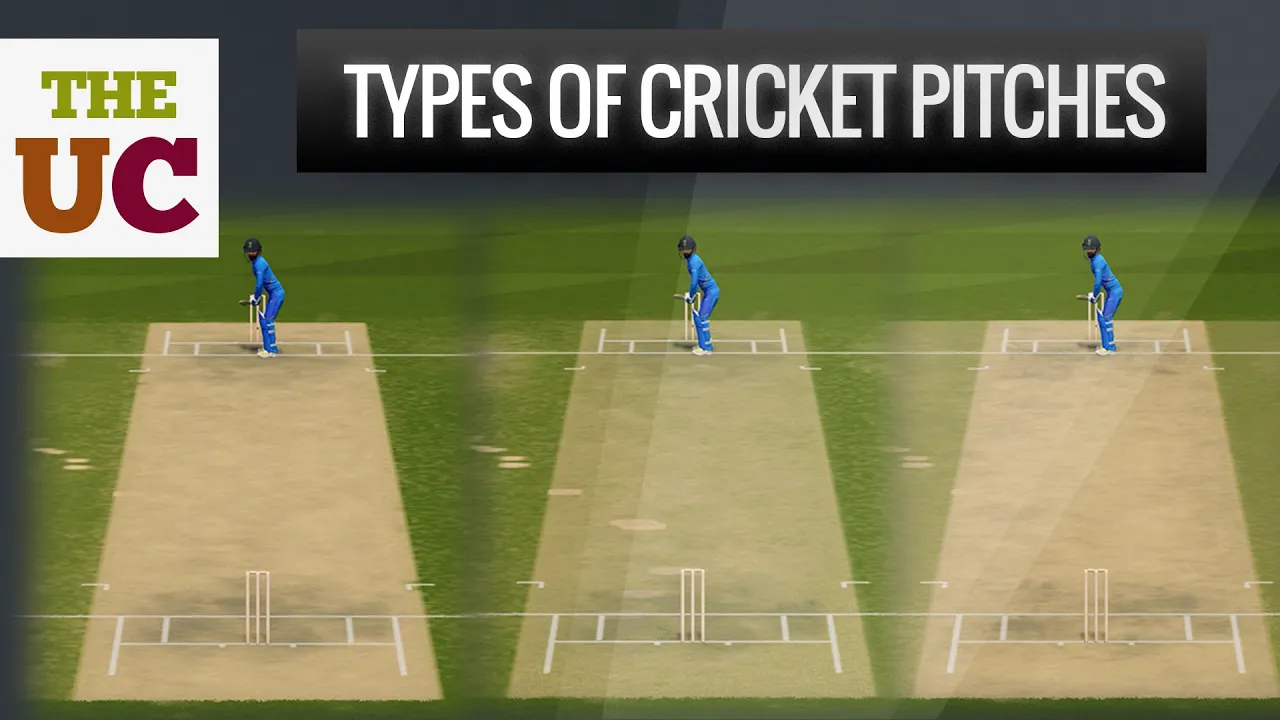
hey everyone welcome back to the ultimate cricketer today we're going to be talking about cricket pitches i'm going to go through the importance of reading a pitch discuss the varying pitch types and discuss the differences between one day pictures and test match pictures just before we get started if you haven't done so already please subscribe to my channel as it'll help me grow the channel into the future so in this video i'm going to give you an understanding of how you can read a pitch and how you should be performing a continuous assessment of the
pitch as the match goes on the behavior of a pitch evolves as the game goes on and all players should be asking themselves what is the pitch doing now and try to understand this so they can use that to their advantage based on the look and the feel of the pitch the captain and the players need to understand what to do in case they win the toss [Music] the actual preparation of the pitch involves many aspects including drainage cutting techniques soil analysis and rolling to simplify things a pitch basically consists of hard packed soil or
clay with some grass cover the way the pitch is prepared before a game can have a huge impact on the style of play and the final outcome of a match in most cases if there is more clay in the pitch and the soil has been compacted the pitch will be firm fast and bouncy however if there's more sand in the pitch the pitches will be slower and they'll degrade easily it's important for the batsman to be able to read the pitch based on the conditions discussed previously and then determine how they expect the ball to
behave and develop a strategy for their innings so in this instance it's important to understand how the pitch will affect your shot selection for example if the pitch is wet or crumbling the ball may slow down after impact before reaching the batsman however on a hard flat pitch the ball may come on quickly the term coming onto the bat is used to describe the speed of the pitch and provides an idea of how fast the ball is coming onto the batsman if a batsman plays his shot too early then the pitch is generally slower however
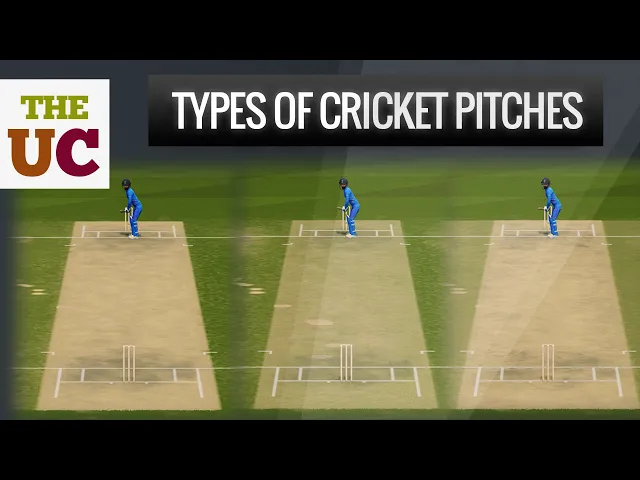
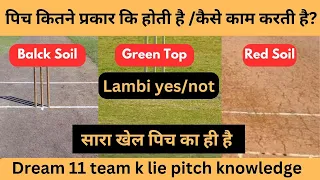
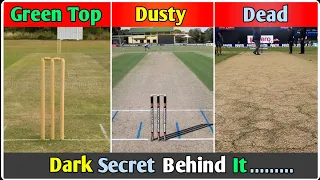
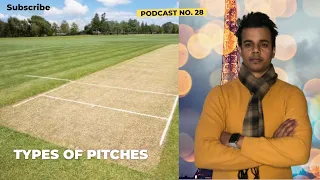
if he can read the pitch well he can adjust and wait for the ball to time it correctly now that we have a basic understanding of the pitch let's go through the different types of pitches in most cases a pitch can be broken down into three main categories the first type of pitch is hard and flat this pitch has little to no moisture and grass cover there's very little assistance for bowlers and generally it's very batsman friendly this type of pitch offers good pace and bounce and fast spoilers generally prefer this type of wicket next
type of pitch is a green and grassy wicket with this type of pitch you can note a decent grass cover on the wicket and it offers more seam bowlers they can extract more lateral movement off the wicket however this type of wicket can also have some unpredictable bounce finally we can look at a dry and dusty pitch this is generally a softer pitch resulting in a slower pace this type of pitch also provides some variable bounce and some of the balls can stay low this pitch is preferable for spinners as it offers more turn so
that's a quick summary of the main types of pictures you'll see and their characteristics and now we'll go through how a pitch changes over a five day period for example during a test match so on day one the pitch will start off firm and there will be slight moisture and possibly some grass on the wicket the pitch should be good for both batting and bowling on day two and day three the pitch should become quicker due to it drying out which should be good for batting as it would provide a more consistent pace and bounce
on days four and five generally you'll start to see cracks appear on the pitch and eventually the pitch becomes dusty and starts crumbling when this occurs it becomes more difficult to bet on the ball starts to slow down and spinners can use variation in the pitch to generate more spin and movement by this stage you'll also be able to note marks on the bowler's end through the follow through which will further degrade the state of the pitch and this is something that generally the spinners target to get more out of the wicket so we've gone
through a quick summary of the different types of pitches and how they can impact the game if you enjoyed the video please leave a like and do subscribe for more videos in the future thanks for watching guys i'll talk to you in the next one