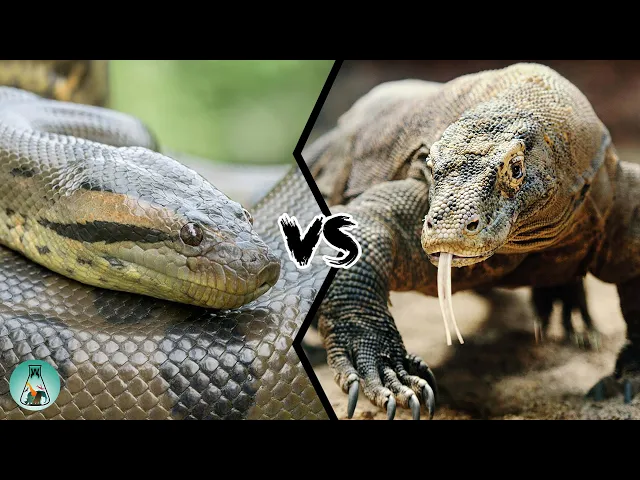
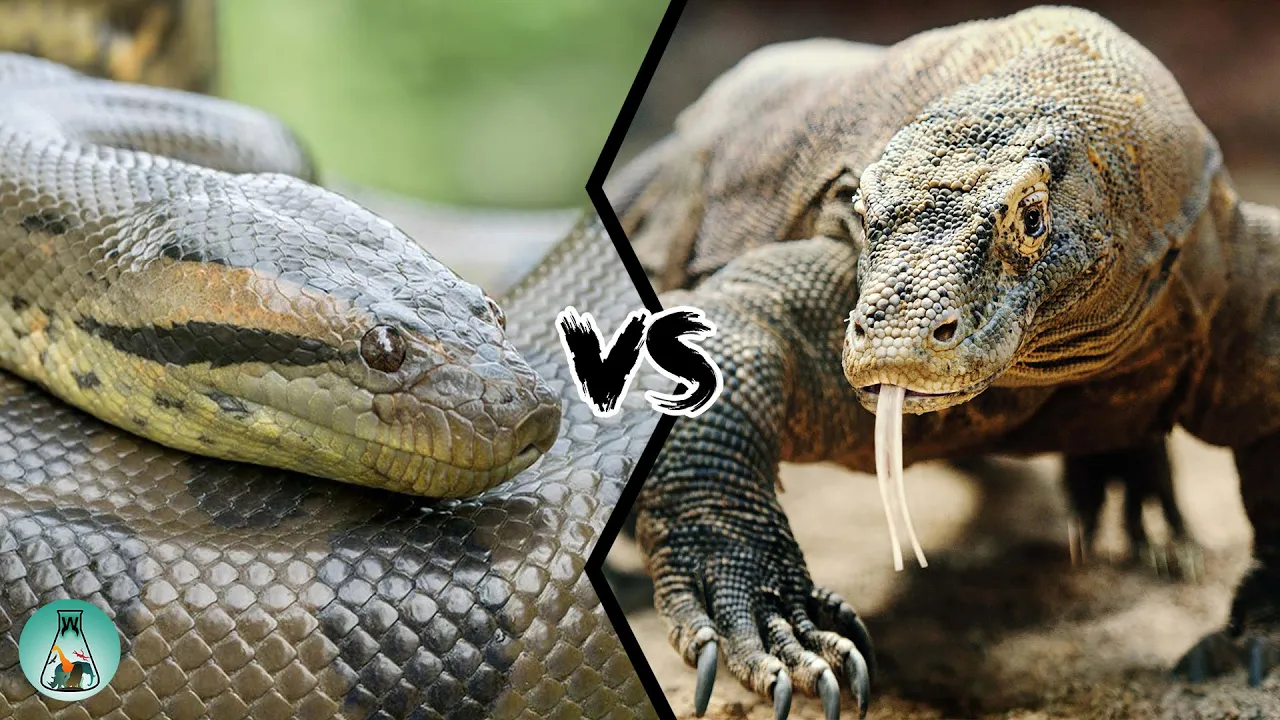
anaconda vs komodo dragon who would end up victorious in a fight it is unlikely in real life that anaconda and the komodo dragon will ever meet anacondas are stronger than komodo dragons in terms of their structures and appearance while komodo dragons are also powerful of claws and serrated shark-like teeth that can rip through any flesh also it's venomous the name anaconda actually refers to the eunectes genus but it is most often used to refer to one species the green or common anaconda a member of the boa family boa dye south america's green anaconda is the heaviest snake in the world having the greatest girth in proportion to its length of any snake komodo dragons are the largest living lizards in the world they are identified by their massive size flat heads bowed legs and long thick tails the name comes from rumors that a dragon-like creature lived on the indonesian island of komodo no western scientists had seen a komodo dragon until 1912. local people called them aura or land crocodile description anaconda or green anaconda belongs to the boa family and is one of the biggest existing snakes anacondas females are much bigger in size than males and have clearly marked sexual dimorphism with an average length of 20 feet 6 meters and a top length of 29 feet 8. 8 meters the green anaconda is one of the longest snakes in the world the green anaconda with a girth of nearly 12 inches 30 centimeters and a weight of 550 pounds 227 kilograms is the heaviest of all snakes anacondas are mainly olive green with black spots all around their bodies anaconda's head has clearly expressed orange yellow stripes on both sides and is narrow for its body size the eyes located on the top of the head help anacondas observe the surroundings without coming out of water komodo dragons grow to an average length of 6.
5 to 10 feet 2 to 3 meters and weigh around 154 pounds 70 kilograms captive komodo dragons may often weigh more as much as 365 pounds 166 kilograms komodo dragons are the heaviest lizards on earth these large lizards range in color from black to yellow grey depending on their location and have a rough durable skin reinforced with osteodams bony plates protecting them from injuries from scratches and bites they have long flat heads with rounded snouts scaly skin bowed legs and huge muscular tails they have about 60 frequently replaced serrated teeth that can measure up to one inch 2. 5 centimeters in length their saliva is frequently tinged with blood because their teeth are almost completely covered by gingival tissue that is naturally lacerated during feeding they also have long yellow deeply forked tongues they are able to see as far as 985 feet 300 meters however they have poor night vision habitat and distribution the anaconda lives over a vast area of tropical river systems and swamps in south america east of the andes the anacondas are most frequently found in basins of amazon river brazil orinoco river colombia and los lanos venezuela vast tropical grassland plain this hot humid region with its dense foliage offers excellent habitat for such a large snake which fits well into this world the anaconda likes to be in or near water and spends a large part of its time in the murky waters that help to hide as well as support its tremendous body these predatory lizards inhabit just five islands four of which are within komodo national park in indonesia they can be found on komodo gili dasami island komodo dragons have the smallest natural range of all the large predators komodo dragons inhabit volcanic islands with rugged hilly terrain the islands they live on have a range of different ecosystems from grasslands and savannas to dense forests in their native range these interesting animals remain at lower elevations avoiding the higher mountainous cloud forests on the indonesian islands they inhabit food habits for anacondas anything that wanders close enough to this predator's mouth is in danger of being eaten including very large creatures instead of using venom to subdue their prey they have backwards facing fangs and utilize constriction to slowly suffocate their prey large prey like tapers caimans deer jaguars and capybaras are eaten but not frequently smaller mammals reptiles fish and birds are more commonly consumed komodo dragons are carnivores meaning they eat meat they are such fierce hunters they can eat very large prey such as large water buffalo deer carrion pigs and even humans they will also eat smaller dragons they can eat eighty percent of their body weight in one feeding the komodo has a unique way of killing its prey first it springs up and knocks the prey over with its huge feet then they use their sharp serrated teeth which are a lot like a sharks to shred their prey to death if the prey escapes it will die within 24 hours of blood poisoning because the komodo saliva contains 50 strains of bacteria with its fantastic sense of smell the komodo will find the dead animal and finish its meal behavior and lifestyle anacondas are nocturnal meanwhile leading solitary lifestyles the period of increased activity for anacondas is night time being water dwelling reptiles anacondas are fast in water while slow on land most of their lives they spend in water staying underwater for long periods of time anacondas are comparably passive at daytime heat and start moving at dusk when the heat subsides they often pass long distances very quickly usually when the dry season reaches its highest point or when they look for mates komodo dragons are most active in the day although they exhibit some nocturnal activity they are solitary and come together only to breed and eat these lizards are capable of running rapidly in brief sprints up to 12 miles per hour 20 kilometers per hour diving up to 15 feet 4. 5 meters and climbing trees proficiently when young through use of their strong claws for shelter komodo dragons dig holes with their powerful forelimbs and claws these holes can measure from 3.
3 to 9.