Transforming data into useful management reporting data in the general ledger environment can be a risky process. Allocating and transforming data in the general ledger itself can obscure original inputs and provides little in the way of transparency. Mistakes are costly and hard to undo, and access is typically limited to a few key users.
And yet, the general ledger is still asked to do a lot of heavy lifting – more than what’s required just to close the books. Does any of this sound familiar to you? Your business changes so quickly that your accounting team struggles to prepare shared service or overhead allocations in a timely manner.
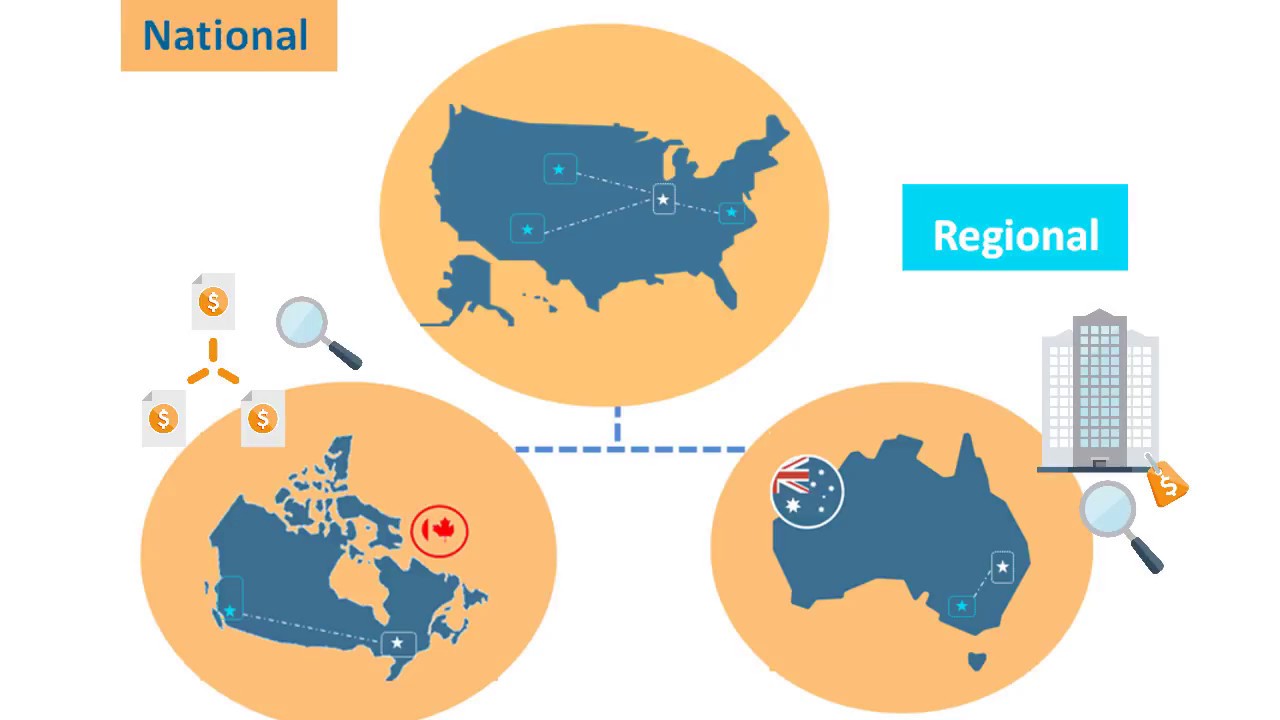
They can’t give executives the answers and information they need for agile, fact-based strategic decisions. You might also struggle with the level of transparency required by tax authorities for tax reporting. You spend an inordinate amount of time on legal entity allocations, including data gathering, reconciling spreadsheets, and other activities.
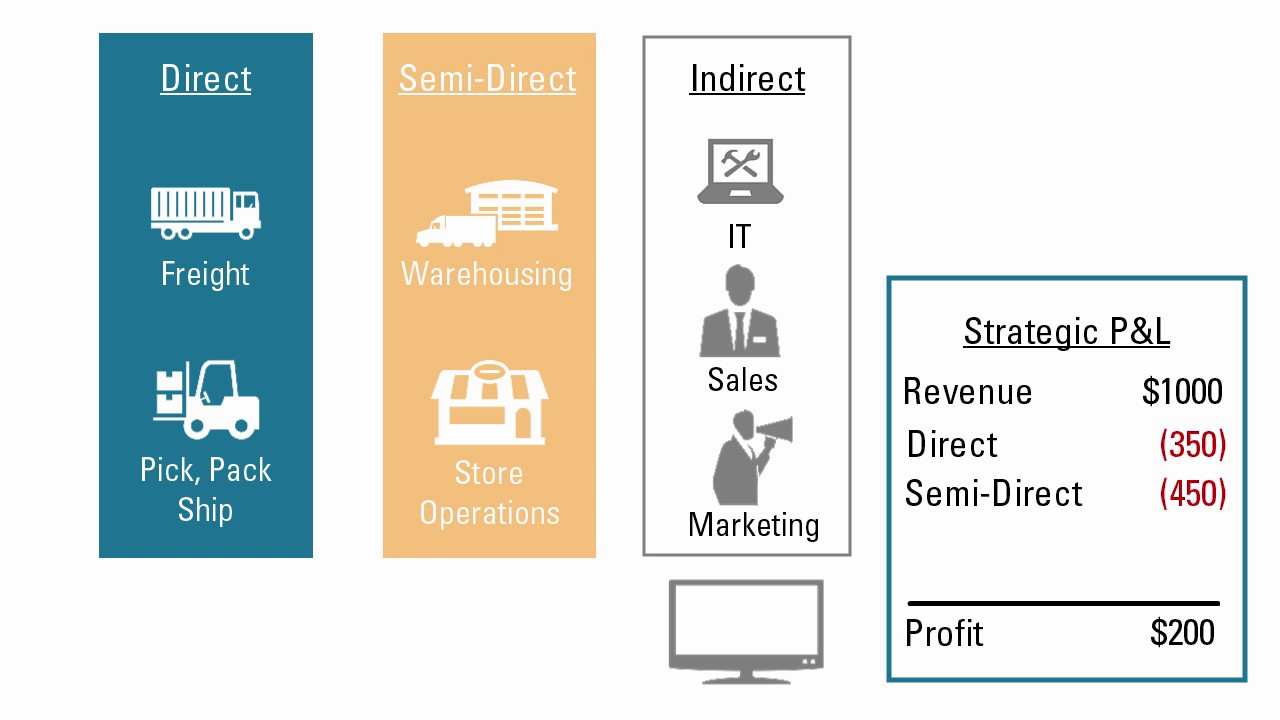
Or maybe you need to perform strategic profitability analyses of products, customers, services, or other dimensions that aren’t naturally included in your financial data. To answer these constantly changing questions from management and provide calculation transparency, you expand your general ledger, overburdening it with increasing numbers of segments to accommodate analysis requests, and increasing the additional processing that needs to be done before you can close the books. You calculate all the allocations you need to support these analyses in offline, error-prone spreadsheets or shadow systems.
Then you log a large number of journal entries to add operational and management detail to your statutory GAAP detail until your general ledger is so complex it slows your financial close and limits your ability to react to market and industry changes. If this sounds like your current financial close process, the solution is to move your operational and management detail allocations to Enterprise Profitability and Cost Management. This unburdens your general ledger and frees it to perform its primary purpose of statutory GAAP reporting.
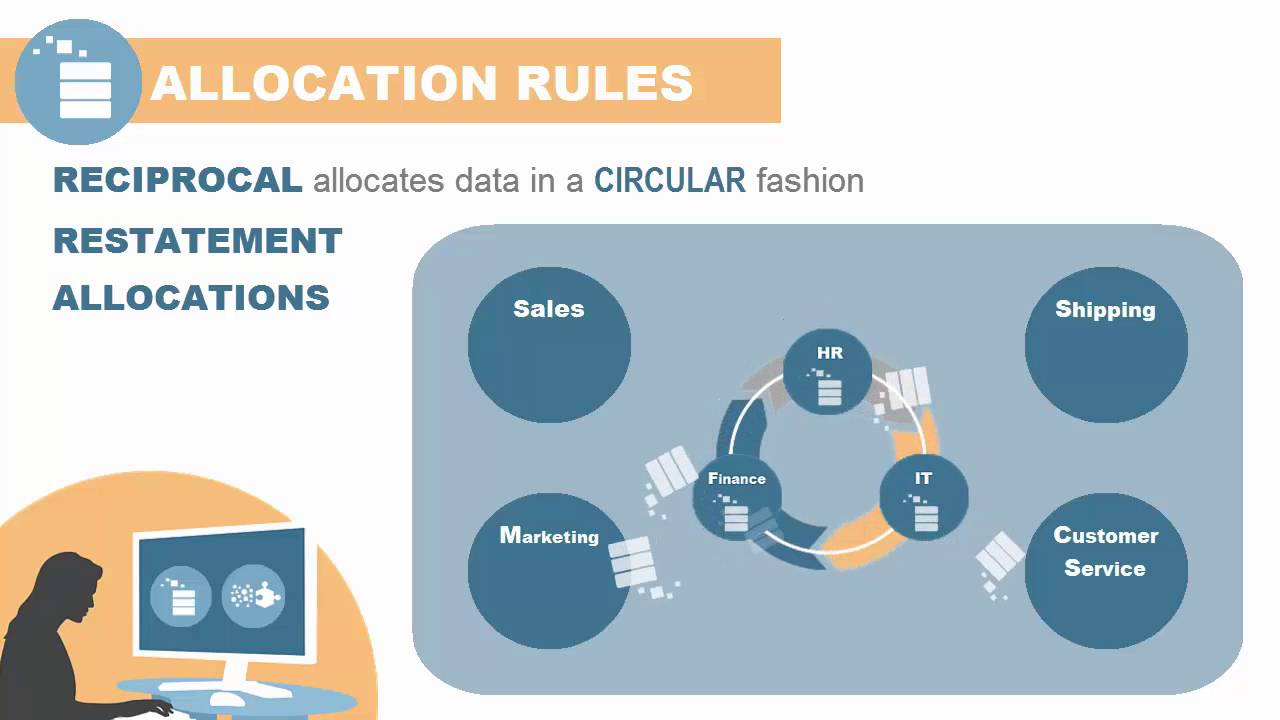
Enterprise Profitability and Cost Management gives you the tools you need to easily perform complex calculations, transformations, and allocations, and generate the sophisticated reports and dashboards you need. The system lets you combine data from many sources to create the data you need, which eliminates manual collection processes and minimizes data errors. Modeling your profit, cost, and tax requirements in Enterprise Profitability and Cost Management offloads work from your general ledger and simplifies your statutory reporting in important ways.
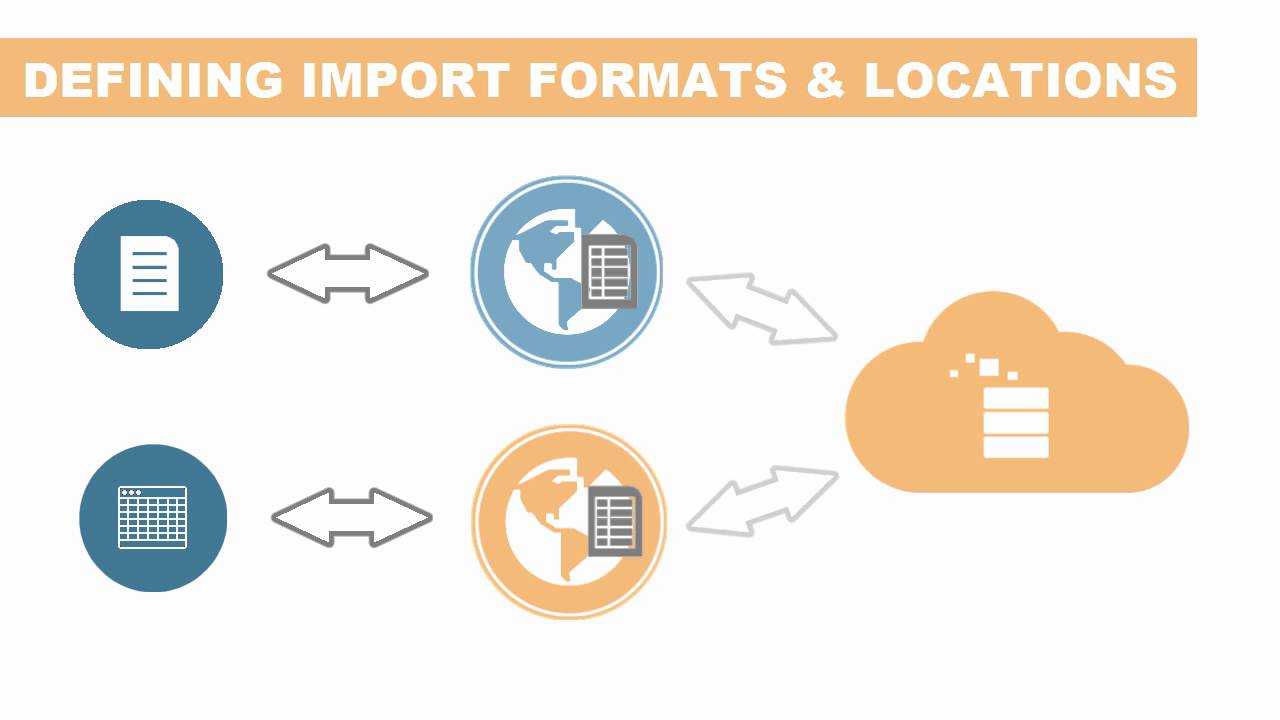
Instead of a data lifecycle where the general ledger is responsible for overwhelming levels of detail and reporting, consider this: Financial data is collected in the general ledger, where the chart of accounts is simple and optimized for statutory reporting. Data from the GL is uploaded to Enterprise Profitability and Cost Management, which includes the additional segments you need to process allocations. These might include Product, Channel, Service, and Customer.
After running models in Enterprise Profitability and Cost Management, you can then: run reports and books, or generate data for export to external reporting systems; export data to other EPM processes like Planning or Tax Reporting for further analysis; optionally generate reports that you can use to prepare journal entries for integrating processed data back into the general ledger for final close. In each case, you can close your general ledger faster, because it's only performing consolidations for statutory reporting. The entire modeling process in Enterprise Profitability and Cost Management can be easily created, maintained, and validated by business users, providing comprehensive control and transparency.
You can create multiple models with different sets of rules for actuals, budgeting, forecasting, and scenario modeling. Rules are self-documenting, and you can generate model documentation reports to meet transparency requirements. Model documentation reports enhance the auditability of your calculations.
Importantly, calculation results don’t destroy or alter your source data; rather, they’re stored in adjustment layers on top of your source data, which makes it simple to roll back any calculation. You can easily validate your calculation results using the Rule Balancing screen and the Trace Allocation screen. For additional analysis and transparency, you can evaluate results directly in Excel using Smart View, where you can drill down for more detail.
You can set up reports and dashboards for a wide variety of analysis needs, like: Operational profit and cost analyses at granular levels of data, such as product SKU or Customer Management fees by Entity Effective tax rates pre- and post-allocation Invoices or outputs that you can use to create journals for integration with your financial systems On top of all that, Enterprise Profitability and Cost Management integrates seamlessly with other Oracle EPM Cloud business processes like Planning, Financial Consolidation and Close, and Tax Reporting. Free your general ledger and start building real business insights now with Enterprise Profitability and Cost Management. To learn more, visit docs.
oracle. com.