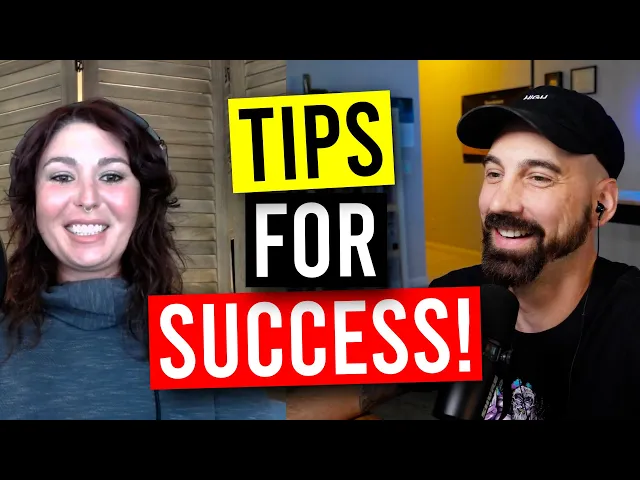
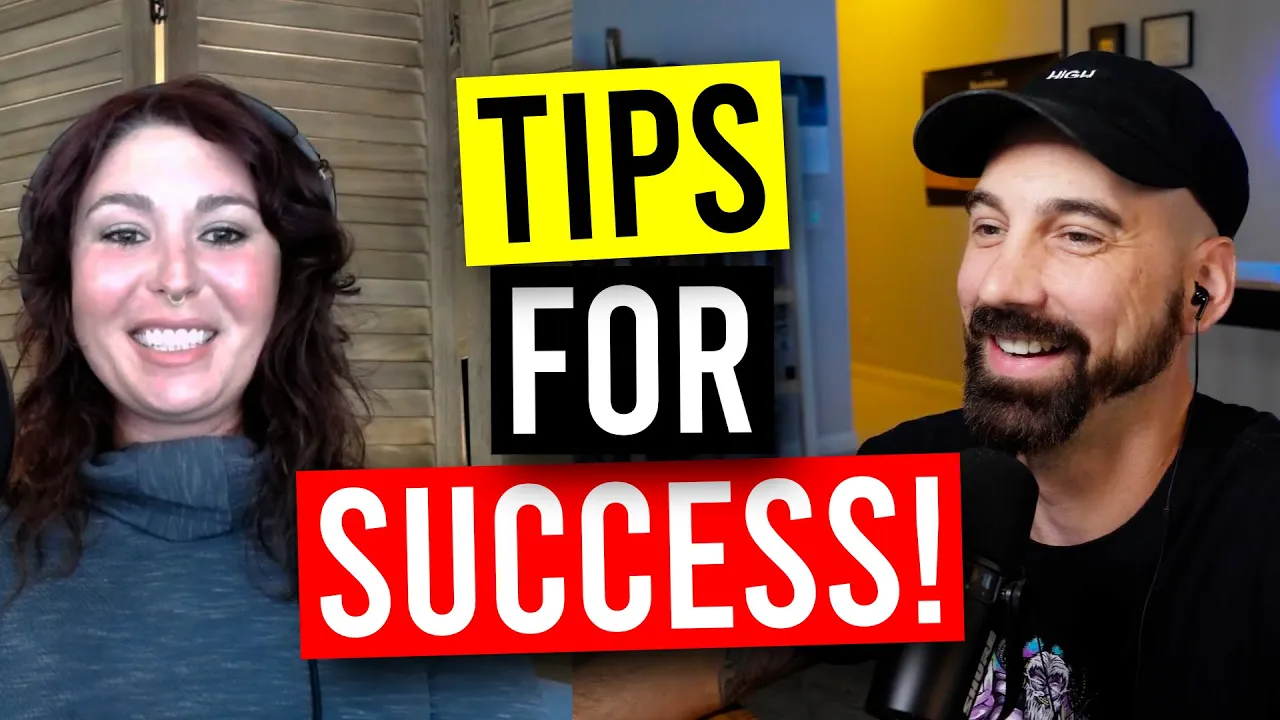
Welcome to the Garden Talk podcast where we interview Growers from all over the world both beginners and experts seeking to learn more about what they know about gardening and how they do things in their Garden what's up everybody for those of you that don't know me my name is Chris aka Mr Grow and you're tuned into the garden Talk podcast this is episode number 153 in this episode I interview Alexandria AKA Queen of the Sungrown she has been on the podcast twice before episodes number 30 and and 82 and she's back again this time to
talk about Clos Loop gardening she talks about things such as composting ecological gardening utilizing animals IPM and many other things that relate to creating and working in a closed loop system if you want to see short clips of these podcast episodes search Garden talk clips on YouTube I also have a gardening Channel where I show the Plants that I grow both of those channels will be linked down in the YouTube description section below one of my goals for this podcast is to bring free information about in to the general public that being said I'd like
to thank the sponsors of today's episode who helped make that goal possible thanks to AC Infinity for sponsoring this episode check out their humidifiers which can help increase the humidity in your grow space their humidifiers have 10 Different levels and Spark control features such as VPD and humidity programming so you can get precise humidity control click the link in the description section below so you can learn more about the humidifiers and the discount code Mr Grow 15 works on both Amazon Amazon and their website AC infinity.com stash blend stash blend consists of several ingredients in
one so you no longer have to buy individual bottles it includes corn steep liquor Seaweed extract humic acid beneficial bacteria silica and micro risal fungi it can be used in addition to your synthetic base nutrients or be used in living soil systems simply mix it into water and water your plants with it you can get it at stash blend.com Link in the description section below and use to discount code the stash and we are back and I'm joined with Alexandria also known as Queen of the sungrown how you doing today I'm Doing great thank you
for having me third times's a charm yeah I was going to say you are back for the third time so you had two other episodes I love to look up the previous episodes and kind of just announce like what it got for views and stuff so the first episode we did together was episode 30 September 5th 2021 time flies 36,000 views on that one then we went second meeting was episode 82 September 10 2022 so a year later 167,000 views on that one and uh here we go let's see if we can double this one
up let's see if we get 300,000 this that would be incredible we have a great talk today you're so much into permaculture regenerative gardening just organic all natural this time around we're going to talk about Clos Loop farming Clos Loop gardening clo Loop operations whatever you want to call it but Clos loop system this is something that really interests me I Think it interests a lot of people because it saves people money and we're going to get into the nitty-gritty details on it but first could you do an introduction for those folks that didn't catch
the first couple episodes we did together yeah definitely so my name is Alexandria irons and my business is Queen of the sungrown uh you can find me on all of the platforms under that handle um I am first and foremost a mother wife Gardener Homesteader and Educator I have a background in commercial uh medical plant cultivation and I have since kind of um grown with that career but really focused recently more recently on just like educating homeg Growers um I love teaching so I have online classes and I do podcasting and um I write for
seedsmen and the humble seed company and all I write for my patreons I love writing that's probably my favorite form of education is just reading writing and Of course being out in the gardener garden and actually you know just doing it getting your hands dirty being in the sun um so I have learned so much since we last spoke so I'm really excited to talk again because every opportunity every Garden every day is a chance CH to learn more and I feel like my life is just one long quest to learn as much as I
possibly can about honestly everything I I question everything so um I can't wait to you know share some more with Your guests and you awesome well like I mentioned earlier it's been two years since we last talked and I remember those conversations where the knowledge of you just have such deep knowledge on so many different things that are beneficial for gardeners and you had mentioned you learned so much since I just can't wait to dive into this there something folks that are listening and that don't know what a Clos loop system is or what Clos
Loop farming is can you Explain that to us yeah definitely so if you just break down the word what it is in itself right closed loop so you are closing a loop that's a circle right on your farm or your garden or your home so that you're taking something that would otherwise be a waste and turning it into an input instead of having these external sources to create like fertilizers um or IPM tools you're able to create that Loop within your garden by um utilizing like multiple species Basically um and waste products so right now
like I mean first I have to say I was raised Mormon so we were very like self-sufficient you know have a year supply of food and so it was kind of ingrained in my like upbringing to be resilient that kind of like pioneer mindset and so I've always been deeply interested in how I can um do things for myself make my own products but as we see the world coming into this kind of um you know existential crisis or Whatever you want to call it inflation we see more people trying to save money trying to
do things healthier because we we have no idea what's in these products that we're using we're feeding ourselves we're consuming um and we come to find out a lot of it is really bad for us so being able to have that power of hey I created this for myself for my plant I grew it I consumed it and it gives you the control um it's definitely more labor intensive than Just going and buying something but for those crazy enough to you want to just do it all um it's very rewarding and it's something that I'm
trying to put into place more and more in my garden um so last we spoke I was in California um completely different farm and since then I have you know I have a four-year-old son and we moved back up to North Eastern Washington on the Idaho border my whole family is in Idaho but you know Idaho is Not so friendly with the kind of plants that we like um so I'm right here on the border and um it's a completely a new Garden I built in May and so I have 12 acres I'm overlooking a
little creek that meanders through um I mean there's tons of wildlife all different types of species and I'm starting to build this Homestead where I can try to create as much of my own inputs for my garden and for my family as possible so that means um closing the loops wherever I can I Don't like I mean we're like 30 minutes from going into town um so for instance a great example I have chickens right so the chickens are helping compost their Freer R well they were free ranging before the puppy started killing them um
and you take you know all of your waste your leaves from defoliation your weeds uh you know from the ground um anything that you're clearing any biomass any plant matter you're composting it your waste from your kitchen um and the Chickens are going through and eating what they like scratching out getting the you know maggots that are growing in there worms are crawling through and it's breaking it down right there in your ecosystem and then you can turn that compost into you know well it is compost but you could do a compost irrated tea or
an extract and you can apply that in your garden um or for instance I have cherry trees and pear trees and apple trees you Can make ferments or you can eat it um uh but with the excess you know so it's just like taking what you have and being able to turn that into something else not letting that it stop so there you have that full circle that Loop got it that makes sense I think kind of taking a step back and trying to think about what would probably be the most difficult thing to manage
when it comes to a Clos system me looking in I'm trying to figure out okay how would you Feed the plants right what are some ways that plants can receive the required nutrition through a closed loop system and I know you mentioned a couple things already but maybe kind of dive into details on some of those things yeah definitely so I mentioned ferments which I'm not a huge fermentor I'm not I did a class last year with Chris Trump on k&f stuff and I God bless you know the kfer that is just not something that
I that's totally a option to go for your closed Loop system that's not me I am a composter I love love the diversity the microbial diversity of compost so when you are making a ferment you're focusing on a set of um microbial life and it's going to do its thing but with compost it's kind of um a symphony and Orchestra you don't know exactly everything that you're going to get but it's beautiful um you can check it out on the microscope and you have different molecules of carbon Um structured there's like no it's like a
snowflake you know there's no two of the same one so you're getting um just so much diversity and not only in that microbial life but in the carbon molecules themselves and what types of nutrients you can provide to your plant so the more diversity that you put into your compost system um the more nutrient diversity you can provide to your plant now you can do targeted composts if you You know you're interested in that kind of a thing so with like um there's databases online right where you can look at the NPK ratios of every
plant almost like you can go look up uh for instance I use a lot of barley in my garden that is like super high in phosphorus and so I'm growing barley this next year I bought like bulk barley from the you can get it at your beer your local beer supply store so I bought the malted barley this year but next Year my plan is to grow it myself cuz that's a again that's part of the closing that Loop and that cycle so barley is really high in phosphorus so you can either you can compost
that you can add it directly into your soil um I like to make teas out of it and so not only does it contain high amounts of phosphorus but it also contains the enzyme phosphatases and so phosphatases is and I think this is important to back up that um enzymes Are are complex chains of amino acids and they are responsible for Catal like catalyzing chemical reactions so that the organic nutrients um that we are all using in our Gardens can actually break down and become available to the plant and so uh like bacteria and fungi
they produce enzymes but enzymes are all over the world they're in a lot of seeds and so that's what barley is right it's a seed the the barley grain itself so it's packed full of enzy enes that contain The specific direction to break down the phosphorus to become available to the plant it's like this amazing thing and that's why you don't have to feed your your seedlings right away right like that first week you don't they don't need nutrition because that seed is full of all of the enzymes and nutrients that make that available to
the plant so by growing things that you I mean obviously this is complex and you have to have like knowledge about what you're doing To ensure that your plant is getting sufficient amounts of NPK because if you're just creating a compost with all of your kitchen scraps and then hoping that you put that on your plant and it's going to provide it with everything it needs you'll you'll probably be sorely disappointed right um so knowing what you're putting into your compost or what it what it contains is really going to help you uh ensure that
you're feeding your plant the proper nutrition that it Requires um you can do this this by simple soil testing um I did a podcast episode with the soil doctor and he has like a tool um Bryant I think his name is um on his website soild consulting.com and you can enter your soil testing results and he will give you a customized reads because you know not all of us are agronomists and can read these um s the data that's provided but really having that Baseline to make adjustments and create nutrients For your plant is really
what's going to help you because we don't know I mean what are what is everyone eating you know we don't know what you're putting into your compost is it going to be just like a bunch of nitrogen is it going to be what is it going to have everything that's required so the great thing about compost though and I think that this is the beginner introduction for everyone I think we talked about this in the one of our previous episode like everyone Should compost and that is the beginning of clo the loop because all of
us create waste so that should just be like a baseline of something that we are doing that we can provide nutrition for our plant but that's not going to be enough um to provide a well-rounded like if you were just talking I'm in the middle of harvesting my croptober and I would not get the plants the beautiful buds that I got if I just fed them compost right and if anyone has composted they know that Uh three by 3x 3ft pile turns into nothing after you know a few months of turning it it it degrades
and it gets so small but the amazing thing about compost is that all of the bacteria and the enzymes the carbohydrates that are in there you can make like I said a tea where you're just um bubbling it with airstones and you can extract some of those that microbial life and the nutrition and you can spray it across a much bigger area than if you just had That compost so then you're kickstarting the biology in soil that maybe well probably is pretty devoid of life cuz most people that are listening to this are going to
be living in you know Suburban sprawls where the top soil has been scraped away which the top six inches of soil is where most of our microbes live um and so we just have that base rock that base parent material of soil which isn't quite soil yet it's the beginning it's the minerals by Adding the carbohydrates and the bacteria and the fungi protozoa nematodes all of that microbial life from the compost and then more food source we can break down we can use those enzymes to make the minerals available to our plant so it's I
mean it's just the way the world works you know this is how soil is made um and how we can feed our plants with it is just you know taking a little bit of time to to understand how the world Works how Ecology works and so we talked about you know previously what is ecological gardening and we're going to talk about that and I think this if you don't mind I can just kind of segue into it yeah absolutely so ecological gardening to me is taking that step back and remembering that we are nature that
we are all a part of this beautiful uh system of life that maybe um we can pretend like we know and we're manipulating microbes to work for us but in reality 99% of our DNA is microbial DNA we are more microbes than we are human and so it's already happening around us and being an ecological Gardener is taking that step and understanding we're working with nature we're working with an ecosystem we are part of an ecosystem so how can we um make observations to see how it works and how to I don't want to manipulate
but you know uh work with in harmony syn with ecology so for instance um you know I've talked about this Compost tea so a compost tea versus uh an extract for instance is when where you take compost and you would put it in like a paint strainer and you put it in a five gallon bucket with some airstones and you bubble it now let's bubble it for 4 hours look at it under a microscope look bubble it for 12 hours look at it under a microscope what's happening each time well if you know a little
bit about ecology you would understand that every ecosystem has a Population according to the resources there that are available and this is called a carrying capacity so every species has a carrying capacity and when you take a bunch of diversity of microbes from that compost and you put it into a tea that first 4our Mark we look at it under a microscope we're going to see a lot of diversity um typically in these te's we're giving it a food source which is like a molasses or a sugar or some kind Of carbohydrate for them to
feed off of and the further we get along we're going to see less diversity but more population count so um the stronger the ones that thrive in that particular environment are going to explode but only to a certain point because every ecosystem has a carrying capacity so if you get past a point where there's no more resources then that population dwindles and it it dies off and so looking at your garden as a way of how Can I provide the resources to attract the species that I want that are going to provide my plant with
let's say uh integrated Pest Management they're going to have that's parasitic was lace swings ladybugs um well what are are they attracted to do I have enough of those resources to support that ecosystem that population in my ecosystem or am I focusing completely on growing my medicinal plant and wiping out all of the Native species and not having this Diversity and so ecological gardening is taking a step back and kind of looking at your garden through the lens of an ecologist because we all are ecologists whether we like it or not we're having an effect
on the ecosystem that we live in because we're nature and it's everywhere um so that's I'm super passionate about I mean before getting involved in Industry I worked for the nature conservancy and endangered species management and so this is my Perspective on the world and I think it's important to remember that the most important part of every Garden is you like you as the individual you're the one your outlook your the Glens that you see life through is the way that you're going to garden and so can tell you how to garden and you can
tell people how to garden but the garden needs to be it's it's a beautiful reflection of the person who is doing it the gardener you know that that's saying like the best Fertilizer is a gardener Shadow right and it's it's true because being out there and doing what you love cuz maybe you don't like composting maybe you don't want to deal with this so finding things like okay maybe a worm bin is more your style than pile you know a 3-ft pile of rotting decaying matters turning that around um and maybe you know bugs aren't
your thing or whatever it is or maybe they are like focus in on the thing that you love the most and Have your garden reflect that but remember that we are all nature we're all in an ecosystem and so regardless of whether you think you're ecologically gardening you are if you're doing it outside I mean I guess indoors you could be like not necessarily an E I still think you are but there that's my long tangent rant on it now super informative now in regards to ecological gardening you know one thing that comes to mind
is kind of The Native species and I remember a couple months ago now actually it was like six plus months ago is that some random Fair locally here I live in the desert they had a booth and there was a gardening booth and they were giving out free plants and stuff tobato plants and stuff but they also had information and seeds and I actually got some free seeds it was just native species it was like wild flowers I think I ended up getting I haven't planted them yet I just moved To a new house actually
and uh I'm trying to get my outdoor Garden going but I eventually plan to plant some of those native species cuz they're for this climate right so um yeah I think kind of keeping things in mind more about what is native to your environment learning about those species and then adding them into your system is kind of a step in the right direction and I do want to go back to composting real quick though you mentioned you prefer Composting now there are several types of composting we did get into composting in our last talk but
it's been several years right so things have changed what type of composting are you doing these days thermophilic are you vermac composting bokashi composting like what are you doing and what type of information can you kind of give us to get going on that Avenue definitely so I think that this is a great opportunity to save where the gardener is the most Important part of the puzzle and that is the same for the composter because when we talked before I was I don't even know if I'd had my son yet or it was like just
having him and I was still you know F brigh eyed and fresh-faced and after four years of Parenthood my style of gardening and composting is definitely um not as strict like I was doing like a three bin method keeping things separate layering it according to like height just being Like so nitpicky and OCD about my compost and now I'm like I got a compost Corner in my garden so I fill it with I weed you know every a few days a week and I fill up a five gallon bucket with weeds I throw that in
I throw it doesn't get measured it's just a pile in the corner of the garden I water it um I turn it once you know every other week probably if I'm lucky uh and so that's where you the gardener like it's your perspective it's your life it's what's Going on for you so there's no one right way to do anything um I was doing a worm bin I am not doing a worm bin now that's just again Parenthood has just changed everything um so composting is literally just a pile it sometimes it gets hot but
it's not even getting that hot and I'm really looking into John sue bioreactor for my lazy composting so it's like a combination of thermophilic and static so like static is basically what I'm doing except I'm doing a little bit more Static is like you set it and forget it it's like what people have been doing for tens of thousands of years you like maybe dig a pit throw all your waste in there and bury it that's what we're you know like and so the Johnson Sue bioreactor is where you put like a palette down and
then you um use like hog wire or some kind of fencing that you wrap around itself like a hog panel um so that it be creates a a circle and then you put that Circle of fencing on Top of the palette and you insert I think six um plastic tubes like you would use maybe for like a French drain and you drill holes in it um and you layer it with uh decaying leaves and wood chips and you have it filled to the top and you put uh like a sprinkler head on top or some
kind of watering system so it automates and you let it sit for a year so thermophilic versus static static is where you're just letting it sit in a Pile not touching it uh thermophilic you're yeah adding oxygen water and um it's creating heat from the bacteria it reaches 170° for three days so the Johnson Su um you're adding air with with the pipes and you're adding water with the irrigation but you're not turning it you're it's just the air moving from the bottom of the pallet through the sides and through the center of those pipes
um and because you're not touching it it actually um it's a fungal Dominant compost versus a bacterial dominant compost where a thermophilic is bacterial dominant and by not touching anything you're allowing the fungal spores um which using leaves and wood chips as the primary source um which is high in ligman which is what fungus likes to feed on and so you're allowing the fungal hyi um to grow throughout this whole pile and so you're creating a compost that is incredibly rich in um in mycelium and then you can take that and You can apply it
all over and this is really um another ecological perspective um really great for your garden ecosystem because most of us are in a bacterial dominant e ecology because we're um we're focusing on that primary like ecosystem which means that we're disturbing it all the time we're breaking the ground tilling we're pulling new plants in and out we're doing all these things to disturb the Soil ecosystem so the first thing that comes in in any ecosystem after a disturbance is bacteria and you can see this if you just take a pause and a in nature and
look at like places where there's a wildfire or a a road grade or fencing somewhere there's some kind of disturbance you're going to see legumes you're going to see hary vet you're going to see Lupin these have Associated relationship with bacteria now why would they do this because there's a Disturbance they need to provide life for other plants to come in and so they're pulling nitrogen out of the atmosphere putting it into the soil creating a habitable space now the further you get along in an ecosystem it's called a succession you'll get to that primary
is the beginning secondary and then an established ecosystem we're going to see it move towards fungal dominant the more um stable the ecosystem is the more time that it's had You're going to see more trees you're going to see more fungus you're going to just see things have balanced out fungus can spread like so far but it's very slow moving and it does not like disturbances so having the understanding of how species interact with one another and then like being able to apply that to your garden and then like create a compost specifically for that
I just I love it I love it so I'm I'm really excited to get this Johnson Sue Bioreactor built it sounds way more like high-tech than it is but um I mean it's beautiful it's going to bring in that fungal dominance and that's something that's really important to me now this is it should be important to everyone because phosphorus is such a limiting factor because of its limited quantity uh researchers today are saying that there's 60 years of phosphorus for our crops like 60 harvests left in in our soils without with the amount of Phosphorus
how we're using it um the ways that you know we're applying it and it just it is mobile and water when we apply it as a salt based um so it washes down into the Gulf of Mexico causes ufic we have all of these issues with phosphorus and it's a limiting factor so how do we notice how does phosphorus um become available in nature well micro isop fungi releases phosphorus micro isop Fung Um creates acids and enzymes that open up and make phosphorus that's otherwise insoluble or locked in really tight in soil particles and allows
it to be used um by plants so does barley with phosphatases um so that's something that like I am really focusing on in my garden is how can I limit my phosphorus use but like open it up what I have maximize the potential of what phosphorus is in my garden because phosphorus is one of those especially as An organic Gardener like if that's important to you not using salt-based things uh um well and that's a misnomer salts are just a negative and a positive put together but most people just call synthetic salt so that's my
mistake I would like to not say that a synthetic because salts are salts are fine it's just a negative and a positive anion and a cation but um like bat guano seabird guano um those are in my opinion detrimental to ecosystems the Way that we Harvest them um you're destroying islands that have been that are nesting grounds to get the seab guano you're destroying caves which are such sensitive ecosystems I mean a cave how many caves are there in the world and what kind of interesting life forms are in a cave and here we are
like well we need the bat guano so we're going to just scrape it clean and get all of these droppings out destroying this sensitive ecosystem so then we have Rock Phosphate which is mind and that has its own set of problems I typically use Rock phosphate or a bone meal because that's a byproduct again it's probably also cafos I mean you can just like go on and on of all of the problems and you have to focus on what's important to you and what you can control but I know that I can control um accessing
the phosphorus that's naturally available in my native soil by promoting a fungal dominance by Promoting um you know the barley and the enzymes and acids that are going to unlock the phosphorus that's already there um and that's a great way of you know another closing the loop of your farm is using your native soil but using uh perhaps the Johnson 2 bioreactor or just establishing a micro isal Network that um promotes you know the availability of phosphorus so much good information there I mean that the the stat about phosphorus being gone in 60 Years is
just mind-blowing on its own I mean it's it's kind of scary to think of the Outlook and uh yeah I'm glad you gave that us that information and some things that we can do there I do vermac composting I have a small worm bin and then also doing uh I just got a compost pile in my backyard static composting I just dumping on things on there and then just uh I'll revisit it later you know and see how things have broken down but uh I have not done thermophilic yet I Have uh bokashi composting which
I I'm just starting up now so uh yeah I'm excited to to do some of this stuff and actually get my outside going like I mentioned I live in the desert I did a soil test on there I had uh Bryant Mason come onto the podcast and he did a soil test he went over it 1% organic matter so it's super low and Rock sand like I've got some work to do out there if I want to actually plant in ground which would be kind of cool I it's just A long process and I'm just
in the beginning stages of all that but composting is definitely a key component of Reviving my backyard so I've been doing a lot of that and uh I'm going to continue to do a lot of that in the future awesome if you can try to get wood chips as much as you can um there's a website called chipdrop.com and you can sign up and they will bring you you have to accept it though it's 30 yards so like a giant dump truck full of wood Chips um I've signed up but I live so rural that
um people in my area have said like oh I got mine in three weeks the people who live in town and then the people who live rural like oh I've been on it for 3 years and they've never brought so I'm currently on the search but when you're I mean most of us you know we have sand silter or clay right as our predominant those are the three soil types and so you being in the desert you're going to have a lot of Sand which means it's the biggest soil particle right like the largest um
wear clay and it's the smallest it has a it's so small that it has an electrical charge and it actually attracts things to it like water hydrogen that positive molecule um and that's why you see like you know compaction and uh pooling and Clay because the water it it has a hard time moving through the pore space it attracts to the actual particle itself and then your sand is going to be so big And it's just going to drain out and 1% organic matter so it's like as much as you can I mean composting it's
got you're you're going to have to bring in a lot more compost than than just your hom produced um and your worms but if you can get the wood chips that's an amazing way to start and just lay it down and have a huge thick um you know layer and then it's also going to kill weeds so that's a great uh great start to adding organic matter and which we Haven't talked about what I mean I briefly talked about the chickens but animals if you can animals are like an integral part of all closed loop
regenerative systems and you can be a vegetarian you don't have to eat them I mean I was a vegetarian for years I'm no longer but um like animals of whatever animal fits into your life so maybe it's only worms because that's your lifestyle but a few chickens I mean sounds like you have more space than the last time I Talked to you so um chickens are definitely a huge like an introductory animal for anyone they're so easy to take care of they lay eggs like clockwork they're cute and funny and they don't need a ton
of space you can get like you know maybe uh 10 foot by 10 foot and you would have I don't know probably at least five chickens in that amount of space I have a 10x 20 foot uh run and I have 13 chickens in there and they're fine um And then you're getting pest control because they love eating insects you're getting eggs that you can eat uh you can make water soluble calcium with shells you just uh collect them them in the oven dissolve them in vinegar and then um you can apply that as a
foler or you can apply it as a root drench and a tea there's your one of your feeding your plant right there with a closed loop you know system and then they're going to help you compost you can throw scraps to Them um then you take their bedding and their bedding is really high in organic matter it's going to have the the carbohydrates from either straw or I've been using hemp her bedding for my chicken so basically they take the stocks of the hemp plants and Chip it up into a fine material and so I
was really nerding out on like what's the best bedding for my chickens because there's you know there's pine shavings of course and then there's um the hemp herd and Then there's straw and I was like going through the pros and cons well like some produce more dust than others and hemp herd is supposedly like the superior um bedding for chickens so I've been using that and that in itself you could you know what do we use with our our medicinal plant stocks you could save all of those stocks and you could chip them and then
you could create your own bedding and then they poop in it and then you take that out and you compost It and then you throw it right back into the garden and there you go there you got another loop closed right there so I think chickens are next on your list that's awesome yeah I was going to ask you about incorporating animals in into your garden in order to make it close loop I'm glad you got into the chickens I know uh had somebody on the podcast before that had rabbits and he was indoors but
he used rabbits and he had it I think he had it go down into His basement and they were pooping into his uh living soil beds and so that was pretty interesting to hear that he was using his rabbits that's pretty cool I was going just say that's amazing to be able to like so they were pooping like did he have it set up so it was like autom it yeah I guess it had access to upstairs as well as downstairs and I think his living soil beds were downstairs so and it was just above
the living Soul beds I don't know if he did Like a rotation I can't really remember how his setup actually was but interesting he was using his his rabbits in order to uh get that fertilizer I do want to make the distinction between rabbits and chickens because um you know not all poop is created equal and so this is a good rule of thumb that um any pelletized poo doesn't necessarily need to be composted so if it comes out in a little pellet like a rabbit or a goat or an Alpaca that can be that's
uh cool enough it doesn't have as much nitrogen in it um so you can use it like as a top dressing whereas chickens poop and pee at the same time so it's really high in nitrogen I think 5% or something nitrogen so you need to compost it or it'll burn your plants you can't just let it go straight on there so if you are going to start incorporating animals into your garden whether it's you know worms would be the beginner worms poo You can use they can be in there chickens are also a great beginner
um rabbits don't take up too much space uh I'm moving on probably I've had goats in the past and I'm torn because I'm on 12 acres now and I have about 3 acres of pasture that's like fenced in for cattle and and we had cows this year that grazed like our neighbors brought them in and I really was like maybe I should get a milk cow because milk is a great excess nutrient you can feed your plants With it you can feed other animals pigs love milk chickens love milk you can grow like giant pumpkins
with milk for some reason they just go crazy I wonder if it's the calcium um and so I was like oh maybe that but maybe the goat instead because you can do a milking goat and then it has the pelletized poo because the cow poop is going to be you know you'd have to go out and I I've already thought this cuz my field is covered in cow poop and I'm like really am I going To go out there and pick up all these Cow Patties and like what push my my like no I don't
think so so if you're thinking about animals and incorporating them so really think it through from because it's another life form right um how it's going to fit into your lifestyle and then also about the poop and you can actually use it uh alpacas are great because they poop in the same spot they just go back and so you just get a giant pile and you don't have to Walk around and pick up the poop they'll just go they create a little bathroom area and they'll just keep pooping there and I that if you have
the space I've really been thinking about alpacas just for that but I I can't like justify necessarily like just having an animal for poop you know like at least with the chickens I have eggs that I can eat and the shells and if I wanted to like kill them I guess I could eat them um the same with The goats for the milk but in alpaca it's just like I guess I could learn how to like make yarn or something from the fur I'm not really sure um so that's like you know and think about
it if you're going to incorporate animals for this closed loop system is like how are you really going is how is it going to fit into your life what byproducts are they going to create and then how are you going to feed them and how are you going to handle the poop Because not all poop is created equal really good advice about all not all poop being created equal I had no idea that the rabbit poop was going to be more readily usable versus uh chicken manure I would love to have chickens eventually I know
there are some people uh down the street from where I live that have chickens and uh I worry because it gets so hot here it's 100° every day June July August I don't really know too much about how well they Do in heat I'm sure they obviously be in a coupe and there' be shade and stuff like that and then winter time not really sure so I'd have to do more research in order to figure all that out but um yeah it's something that I would definitely consider adding in the future guinea hens are also
an option then for you I mean chickens can handle really severe temperatures but guinea hens are from Africa and they're wild and they don't even need a CP as long as you have Like something for them to fly up into at night just an idea that's cool I want to flip flip it up now move on from that and let's get into IPM you know I think this is an area where a lot of folks that are going the organic or all natural route they kind of struggle because there are so many products that you
can buy on there some being safe some really not being safe but they're all natural ways to go about IPM right talk to us about how you go about IPM Yeah definitely um so I think it's really great that you said you know some are safe and some are not safe even if they're organic even if they say they're organic um I did some Consulting when I was in California as a licensed cultivator and really like your your product is being tested for dispensaries and they're doing really stringent testing and so I had one of
my clients who was using a product called pyganic and it is pyrum based it's organic um But pyth are like made from chrysanthemum flowers and so it's like natural but it takes 64 days for it to leave the tissue of the plant and so that's like if you spray once in early flour you're it's going to show up in your testing and then you're going to fail uh then think or you may not fail for flour but then you make concentrate and then it shows up in your concentrate and this is like a big problem
because we think that like just because it's Organic and it's sold in the store that and it says it's safe that we can use it um same thing with like neem oil you know there's anecdotal evidence people suggest that you know hyperemesis could be correlated with neem oil we don't know definitively if that's true or not but it's like why spray our flowers with anything even if it says it's natural um that could cause issues for our health this is our medicine right I mean and same thing with our food food is Medicine more than
anything else in the world world like you eat three meals a day what you put into your body is going to determine your health like that is the hands down like biggest indicator of our health so for me to approach IPM in an integrated and holistic way first of all I'm creating the healthiest plant that I can because having natural immunity is right there in itself going to help prevent pest so that means um Boosting it through things like aloe and salicylic acid spraying that or uh silicon you know and having the strong cell wall
so that piercing biting insects can't you know it's harder for them not giving too much nitrogen I see this all the time people posting these photos and the leaves are really really really dark dark green and kind of curling a little bit and it looks slightly like if you can see any kind kind of nitrogen toxicity any kind You're over and that's a signal to all of the piercing biting insects aphids love it like the soft bodied insects know when there's High nitrogen and will go to that plant specifically so having your plants in a
nice as healthy balance as possible is like the first thing that I would do and then companion planting I plant sweet alysum I plant buckwhat I plant daon um always those three around my garden and I do sunflowers so let's say Let's go back to the swet alysum attracts Green Lace Wings Green Lace Wings eat like everything you want to attract beneficial insects that are like omnivores that just go crazy and will eat the aphids and the spidermites and that'll just take on everything um parasitic wasps they'll do the same with the aphids and caterpillars
um they come to the buckweed ladybugs come to the buckwheat um and trying to stagger like I really love Buckwheat because it just keeps flowering same with the sweet alysum it's not just like a oneandone kind of a thing um sunflowers attract birds which are going to you know consume right now my garden well not right now but earlier in the season um my biggest issues were grasshoppers so it wasn't like too horrible right they just eat the leaves but because I live in the loose if you're familiar with that area it's um one like
basically the Bread Basket like We produce almost most of the wheat for the US in Washington it's the a wheat growing area so everyone around be's growing like wheat and Timothy and Alfalfa it's like grass hay wheat um and I so we have all these Grasshoppers and they came down and they're nibbling and I didn't think anything of it I have my chickens Freer ranging they're eating the Grasshoppers I've got sunflower flowers attracting Birds to help eat him um but I saw on one plant this amazing Variegation so it's like a uh white pink splotchy
variegated um coloring on the leaves and eventually when it was flowering it did it into the flower as well and it was only on this plant that this one plant in this specific area and it started I noticed um curling The Leaf tips as well and so I looked online I looked on Instagram I looked on Google Scholar people's pictures just to see if I could find anything that resembled this odd growth and the Closest I could come to fine and I was looking specifically at viruses and viroids because they attack the chloroplasts which are
responsible for producing chlorofil so a lot of the times when we have variegation in a sick plant it could be the result of a virus or Sur vroid because of that so that was my inference I was like going to look for that first and I found beet curly top virus and it's transmitted through Grasshoppers and freaking Leaf Hoppers Which I'm surrounded by and then all these conventional Fields so I was like okay this is my um you know my hypothesis for this uh pathin or what's going on and then I saw it start slowly
moving further around different parts of the plant and then also into localize spots on other plants that were just around that so the grasshopper feeds on one leaf that's infected with the viroid goes to the other plant feeds on it and It spreads so this is like a little side tangent but um it it was just that's an opportunity to observe nature to see what's going on so what what what I'm already doing right is trying to boost my plant's immune system naturally so I'm working on this product right now I've been it's something that
I use in my garden every every every week IM mmunity that's what I call it um and it's how can we Boost our plant's natural immune system and it came as a result because I had a garden that was infected with hot latent thyroid about four years ago and uh what's associated with that is dutting but if you can boost your plant's immune system as much as possible it's not not going to be what it would be if it was 100% healthy but in a living soil system where you can't just get rid of all
of your soil especially when you're planting in the ground the virus or Virid can live within the melium of your living soil it can live it can just stay there so you can keep seeing it so what do you want to do you want to boost your plant's natural immune system with things like salicylic acid jasmonic acid these two plant hormones are the hormones that communicate with the plant about what's going on in the outside world to the inside so jasmonic acid and salicylic acid are either abiotic or biotic factors so that's living or Non-living
so the stress of either heat drought uh cold whatever you know that that kind of stress uh overwatering underwatering or we have um biting piercing insects so that's jasmonic acid where salicylic acid is like that heat the environmental um but they communicate with each other and they communicate with all of the other plant hormones inside of the plant and so how do we take our plant and increase the levels of jasmonic acid and salicylic Acid within our plant to stimulate um that communication so that they have a better immune system first and foremost so things
like insect frass which are going to boost the natural jasmonic acid things same with the micro isal fungi actually increases asmic acid um aloe and contains salicylic acid and increases your plant's salicylic acid levels within it and so I did like this is years of me reading white papers and Going through different various instances in my garden so I'm working on this product um that's just natural things to boost your plants natural immunity so I'll give you some when I see you at uh MJ biscon in December and you'll have to let me know what
you think but that would be the beginning of your plant's health and IPM is just doing everything you possibly can to boost its natural immunity and then create an environment That has that the Defenders the microorganisms that are thriving because that's right you think of your immune system you have the right microbes in place so you want to have a healthy microbiome in your soil you want to have a diversity of companion plants to attract beneficial insects um and then you can use specific microbes to combat specific pests and that's probably my favorite my favorite
thing um is just knowing how how amazing These little microbes are doing specific things so uh for instance like Bavaria basana is a really popular one um I really like is isaria fumosa Rosia um the issue with these biocontrols so those two are types of fungus fungal spores that you can inoculate spray on your plant and they're going to sporulate and infect pests and then the pest will die now the issue we have with that is that they need to be applied in a specific way it's typically at a uh Like 80% relative humidity between
70 and 80° so that it's the right parameter for that fungus to grow and so a lot of people won't have success with it because you know they're just putting it in a 62° water or whatever and then just spraying it and be like oh what what's going on um so you need to have that knowledge that's that ecological gardening to understand how species interact with one another what kind of environment do they need to thrive in And then understand the mode of action so like the isaria foser roia which is a strain that's in
like Anora pfr 97 no fly um it really it's very particular of the environment that it needs to to grow and it needs at least 2 weeks so if you have an aphid infestation which aphids are born with 4 to 12 live young without having sex they're asexual reproducers so you are that's two weeks 14 Time 4 to 12 per day your infestation is out of control at that point right you can't Wait around for a zombie fungus spore to kill all it's just not going to work so then you think about like okay I've
got my beneficials around that's one layer of integrated Pest Management I can use a bio control but I really want to knock it back so that's when you would use perhaps uh chemical right the three pillars of IPM are cultural biological and chemical cultural being your practice as the gardener so that's you know not coming Into your garden with dirty clothes from visiting your friend's Garden or using dirty tools or um you know how you're you're observing your garden you know are you de leafing are you looking for insects are you doing these things this
is your first layer of Defense how are you raising your garden is it healthy um are you over feeding nitrogen that's all that cultural and then the biological is the companion planting the beneficial insects the Microbes that you're inoculating with um under either underground or spraying applying it as a fure um and then chemical is like a last resort right um but sometimes we need to use it and so like for vegetative phase I go for neem neem is something that has been used for thousands of years in aortic medicine it's safe to consume men
would take it in India because it slows your sperm down um so it's a natural male birth control and it does the same thing for Insects it is slows down the reproduction of insects it slows down their molting process it slows down everything the life cycle so so I use a neem meal in my soil as an amendment it is a fertilizer as well um and then I use a neem oil in the vegetative phase if I need to if there is uh infestation I saw one aphid in veg this summer and I've had in
the past I lived in like areas where everyone had a 75t greenhouse and everyone had aphids and Spider mites and so I see one aphid I'm like no you are not going into this garden and I I luckily I'm out in the middle of nowhere no other Growers around me just wheat fields and I sprayed with the neem and then I sprayed with the isaria fosa Rosia and the neem what it does is like you're you're you're stacking things to make sure and doing it in the right order right because um the ne is going
to slow down the reproduction of the pest and you can Hit it a couple times and then you want to bring in the biological control like the fungal spores that are going to have time to do their thing um it's just like layering and using things in a like a purposeful way and understanding how they attack um and I actually just started using a new product which I'm not a product person like I try to you know we have to have products right we can't make everything homemade but um Organ Shield have you heard of
it or Ed I have yeah so it is made it's synthetically produced but it's based off of uh sucrose octane which is a um sugar Esther that is found in a tobacco plant and they weren't able to uh extract enough of that so they synthesized that molecule in a lab and it is supposedly safe for I mean the guy I had I interviewed him and he's like oh yeah he uses it on his kitchen to clean things and you could drink it and like I don't know about that but um I use that Once after
um in flour like in the begin of flower cuz I'm not going to use NE first of all we don't know if neem is safe if it's combusted there's anecdotal evidence about the hyperemesis and then also has a really strong smell like it's like Indian food you know what I mean like you don't want to be spraying that on your buds so that is the last you know that chemical and I did three sprays Um four actually so neem in veg and then the fungal and then later on I did spray once with the Organ
Shield just to see with the The Grasshoppers because he said supposedly that they would kill Grasshoppers and and I did see dead grasshoppers so I was like okay you know I guess this works um didn't have a lot of issues and then I did spray once more for caterpillars with basilis thuringensis and it's roughly September for caterpillars Outdoors um and so I had some moths if you see moths then you're probably going to have caterpillars so I did spray for that um and basilis is you know it's a soil dwelling bacteria that only targets the
family lepaera which is a caterpillar so it's pest specific it will only kill caterpillars um but for instance if I was in flower other flower safe things that I would do would be like um other types of basilis there's a Whole variety of basilis bacteria and they can out compete things like petritis and powdery mildew um same thing with trichoderma so I like to do like a five blend five strains of different trichoderma trichoderma is a fungus that's super aggressive and so just by spraying your plant with it you can out compete for other pathogens
in the fall like again Bettis or powdery mildew um and it's ubiquitous like these microbes are everywhere they're going to Be on your plant but maybe not in that high of concentration um and so it's typically it's just safe to spray your your plant lightly with a trichoderma bacillus blend um and then you're not going to have to worry about so much like the bud rot and the PM that can that we know can have detrimental effect if you consume moldy plants um you know but like that's terrible for your health so those are things
that I would do for a flower safe IPM so much good Information every episode that we've filmed together it's just been jam-packed with information that's just so useful and you definitely have this Advanced knowledge that you're able to explain in a beginner friendly Manner and I think that's one reason why so many people like you is because you're able to kind of help the folks that are just starting out or maybe they're in intermediate stages or maybe Advanced folks as well but you have so much good Information this hour flew by we've been sitting here
for an hour there's so much more to say about clo Loop gardening but uh maybe we can get you back for another episode to continue on the conversation we're going to wrap things up here can you tell listeners how they could find you and what you have upcoming in the future yeah definitely so Queen of the sun.com you'll find all of the things there um you know the Instagram the YouTube I have a patreon um where I put My you know my writing I do weekly classes every Tuesday at 4:20 you can come and hang
out and we talk about whatever you want I I mean obviously I can nerd out for an hour easily on different topics um so you know sign up for my newsletter on my website I do publish things once a month with tips and tricks about things in the garden and um you know just check it out come say hi I love answering gardening questions you can literally send me a DM Or join my Discord and I will try to help you to the me the best of my ability and I think that everyone should grow
more plants literally we are let's connect the Flora FAA and fungi in our homes and our Gardens and not just grow the one medicinal plant that you know is so popular to talk about but like grow as much as you possibly can you guys like my goal this next year is to grow 50% of my family's food and so like I bought a cow that's in the freezer now I've got the chickens I'm I planned out my entire 2025 garden with the amount of plants that to produce the amount of pounds that would feed a
family of three for an entire year so you can follow along on YouTube and if you have questions about that I may teach a class on it because it's so important um food is like I said food is medicine so connect with me in any way that you you would like to I love talking about this awesome so much exciting stuff upcoming In the future I'll definitely be following along that's for sure I'll definitely have a link to Alexandria's Channel down in the YouTube description section below so you can easily get to her and give
her a follow anything regenerative gardening all natural organic permaculture all that stuff cloth Loop gardening follow her for all that information really really good stuff here today thank you so much got to give a thank you to the patreon folks As well patreon.com mrgo 100% of what is donated through patreon goes right back into the podcast the folks are being scrolled on the screen right now on the producer tier special thanks to you and yeah thank you so much for coming on and hope you enjoy the rest of your day awesome thank you peace out
everyone catch you in the next episode good