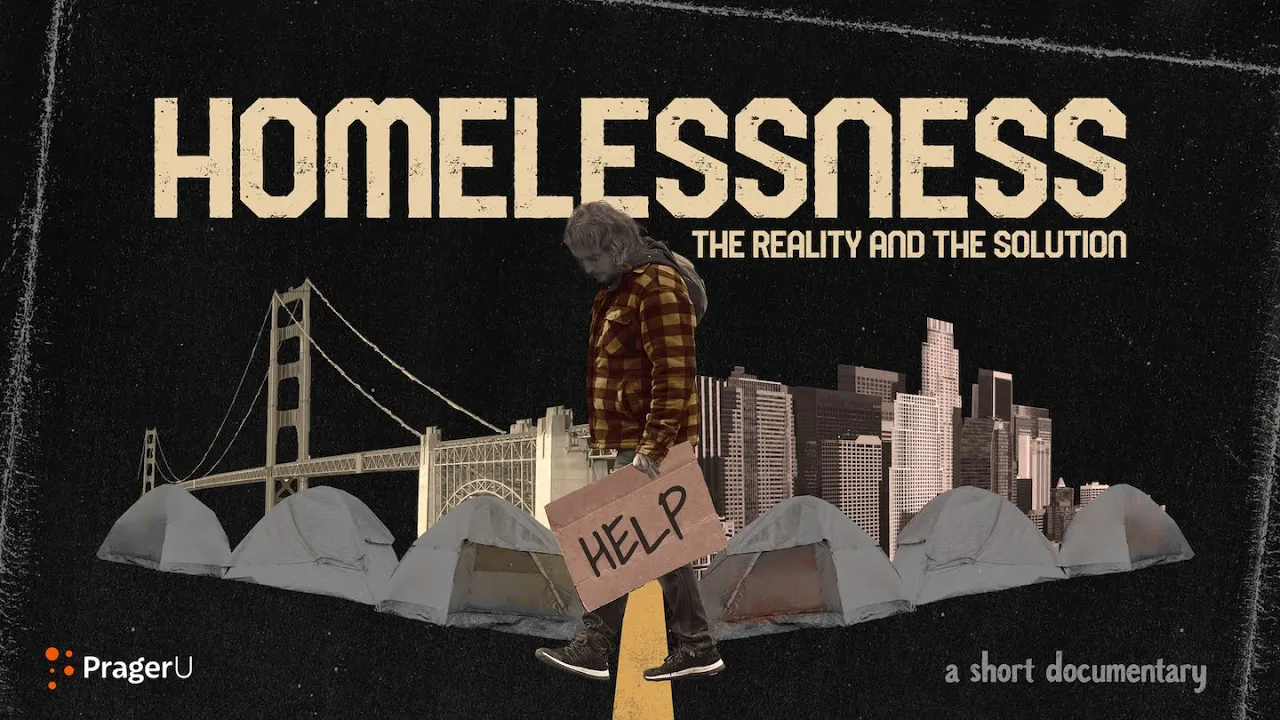
foreign [Music] might be to say oh my gosh all these poor people were on the street this is terrible but what's really important is are you really seeing the underlying issues why are they there and that question is the most important question to answer more than half a million Americans are homeless On Any Given night the problem has grown worse in recent years why is the city is prosperous in San Francisco have a homeless problem homelessness is a disease just like addiction new encampments have been popping up throughout La in the last five the state
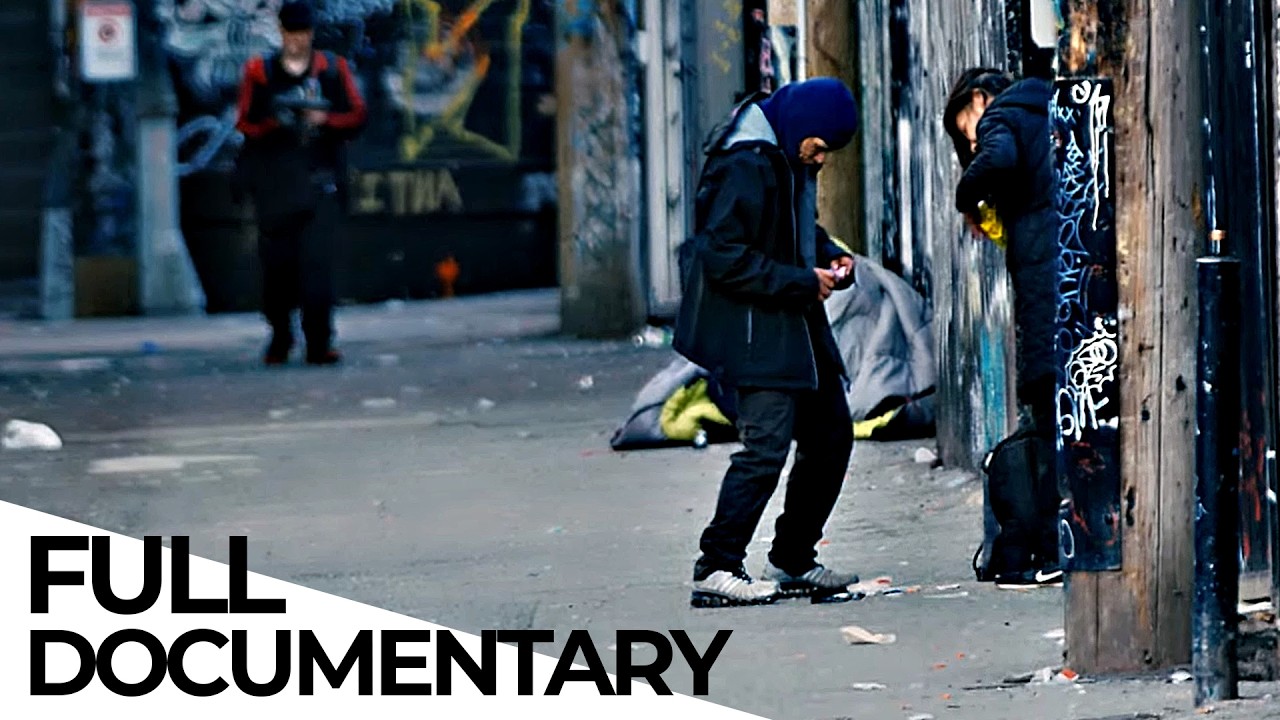
of California can no longer treat home assistant housing and security as someone else's property we don't want to be the tip of the spear how did we get here we don't have time and the paramedics are coming through here look on the ground what is it that you're seeing you're seeing pieces of foil for fentanyl you're seeing hypodermic needles all kinds of evidence that says this is not a poverty problem this is something else entirely at least five people that I knew on the street to fend all over they don't want to listen but a
lot of it is because there's nobody teaching them about recovery about accountability about being productive and you can get out of this it's okay stay there on the ground you know what I'm saying get up off the ground [Music] nowhere is the homeless crisis more apparent than San Francisco The Golden City spends hundreds of millions of dollars each year to address homelessness yet the problem has exploded politicians promise to end the crisis we are going to eliminate a homelessness by the end of this year only to throw up their hands in defeat so what went
wrong why are some cities surrendering While others are reducing their homeless population as in many cases it boils down to governance and nearly all the cities in crisis have one policy in common housing first and the housing first model is is premised on a very simple and almost intuitive idea that if you're homeless the problem is that you need a house and so to solve homelessness we should merely give people homes and now this policy is being pushed from the top down the program as I understand it was started out of New York for the
very severely chronically homeless believe in the 80s and 90s and the Bush Administration got a hold of it implemented it in 2008 under the next Administration it was rolled out as a one-size-fits-all solution and there's a lot of appeal to that idea that look if this person is going to be on the street for five years 10 years 15 years whatever it is why don't we just give them a house and not deal with all of the problems of picking them up putting them in jail putting them in a hospital doing the rest of it
let's find a central Pace where we can treat them problem with this theory is that if you look at the numbers of what's actually causing people to be homeless it's overwhelmingly problems with mental health and drug addiction and housing first requires no sobriety or treatment in order to receive permanent housing if you're going to put somebody in housing and you don't provide any type of services form no Treatment Services No Case Management no anything for them you just stick them in the house just so you don't have to look at them and they can do
what they want in there how are we really helping you want to draw someone in and you want to help them get off the street right so what they do is they just say well we're just going to allow the drugs anyway now you have all these people that are that are staying in shelters that are staying in navigation centers that are living in tent encampments using in massive quantities of math of fentanyl heroin crack cocaine the city sanctions their drug use within that City sanctioned site that your tax dollars and my tax dollars are
paying for I mean it brings tears to my eyes because it doesn't look at the individual it doesn't look at what his or her potential is and it doesn't help them develop that to say that all we're going to do is help them aspire to be like that for the rest of their lives by sticking them in a house and not addressing meet the issues it's it's horrible I think it's one of the most oppressive things we've done in the century to be honest with you and I'm so committed now to getting this changed from
2004 to 2014 San Francisco spent two billion dollars on 3 000 new units of permanent housing at a cost of 666 000 per unit more than double the median home price in America that money could be spent so much more effectively [Music] it's shocking to me how little Innovation we have because because everything is permanent Supportive Housing or bust and everything else in between is just keeping you alive until you get there the problem is that half the people on the street aren't going to be alive to realize that House Los Angeles felt the impact
of housing first immediately Reverend Andy bales from the Union Rescue Mission says he saw it coming in 2014 when the national thought process on homelessness shifted towards a housing first model he says he saw donations to the missions on Skid Row plummet we had foundations that used to give us a million dollars shift to housing first only we had another Foundation that shifted that gave us 750 000 and only now is his intuition providing proof this study released this week from the Federal Department of Housing and Urban Development showing since the recovery services decreased homelessness
went up more than 15 percent Nationwide foreign cities like Austin Texas have legalized Street camping addicts poured out of shelters and treatment back to where drugs alcohol and crime abound in Austin homeless deaths Rose by 25 in a matter of months the number that should absolutely horrify Americans is that in La you have about three individuals die on the streets a day if you look at this relative to the homeless community in La this means that they have death rates higher than soldiers that we sent off to Iraq or Afghanistan first of all it's no
place to live right you're living on in a tent or in a in a doorway it is so substandard right for anybody this is not a way for a human in the in this year to ever live there's no infrastructure for it where's the toilet where's the sanitation where's the ability to even get help when you're sick right it's not there in May of 2021 Austin residents voted to reinstate the city's camping ban I just believe that today is just no accountability in society as a whole for people's actions anymore it's like I'll use the
bathroom any way I want to whether it's from the kids or not I'm just saying about what I see and I'm still going to serve those that are in need of somebody that's gonna always be less fortunate than me we've worked with programs that when they first started like taking people off of the street Housing Programs people would live in houses and live in rooms and still like they were living on the street they wouldn't sleep in the bed everything was close to them paranoia set in they didn't trust anybody being in there they didn't
even know how to live inside are we providing housing for homeless people so they can get off the street so we don't have to look at them are we providing them housing so they can be able to sustain themselves and be able to live I thousand individuals dying on the streets every year is not compassionate and merely saying we're going to let people camp on the streets because we think it's uncompassionate to push them off it is not the right path places like San Diego and others say listen if we're going to push you off
the streets we're going to give you an alternative and according to people who have experienced homelessness firsthand the root of the problem is mental illness and addiction not housing good morning the meeting will come to order welcome for the Thursday February 11th meeting of the public safety and Neighborhood Services committee Agenda One is a hearing on the San Francisco recovery Summit working group report and findings Tom Wolf I'd like to invite you to speak good morning everyone uh only three years ago today I was sleeping on a piece of cardboard in the doorway on Golden
Gate and Hyde in the tenderloin severely addicted to heroin I am living proof that there is a direct correlation between homelessness and substance use in the city you can build all the housing and get everybody off the street house but if you're struggling with addiction or mental illness you're just housed with drug addiction and mental illness people say oh I lost my job and I became homeless but then you have to ask why did you lose your job I lost my job because I was going to work and shooting up in the bathroom on my
lunch break and then going back and sitting on my desk and passing out from what I saw and the people that I encountered on the street it's about eight out of every 10 people that that are visible that we see every day out on the street living in tents Etc they're struggling with addiction a recent study agreed over 75 percent of unsheltered have a drug or alcohol addiction and a similar number also have a severe mental health disorder I was a child support officer for the city and county San Francisco it was a very stressful
job working with a lot of domestic violence victims I became homeless because of my addiction and I think a lot more people do become homeless because of addiction than what people think you know scientifically we know that addiction is a disease so my survival instincts got basically corrupted by these drugs I also needed drugs in the same kind of way that I needed food I would do anything to get them making up lies to get money from my family while I was out there and while I was on the Street Homeless even then I still
thought I had some control over my life because alls I really wanted in my addition was the drugs that's how powerful it is some people criticize me for some of the stuff that I say but you know what it can't just be all touchy feely out there because being on the street is not touchy-feely cities like San Francisco and Los Angeles fail to realize the power of addiction and dangerously believed that addiction is a choice not a disease they condone this behavior and even help promote it one of the main policies that I feel like
I'm constantly battling is the city's obsession with harm reduction the Baseline goal of harm reduction is to keep you alive long enough in the hopes that you'll find recovery but what it's morphed into in San Francisco is something different it's really blurring the lines between harm reduction and then drug promotion at the same time how this is playing out on our streets is that instead of encouraging treatment what we say just keep on going every program that has a program has to have a harm reduction policy within it one of those requirements that's listed really
down at the bottom and buried in there is that you need to have clean drug paraphernalia available at all times for the residents of your drug rehab they'll hand out a pamphlet saying here are some safe ways for you to use fentanyl so you don't overdose make sure you use a clean needle make sure you clean the area that you're going to inject make sure you register it before you inject the needle inside your your vein and then at the end of all that it'll say Enjoy your high here I am trying to kick heroin
man and I'm in the drug rehab and I walk by the table every day with syringes cookers and foil and and straws looking right at me in pipes and you wonder why nobody's getting clean you make it easier to get high and so hard to get treatment in San Francisco that it hurts and it's literally killing people in 2019 the city saw a 70 increase over 2018 in overdose deaths and during the pandemic San Francisco went so far as to deliver free drugs and alcohol to homeless staying in hotel rooms that the city paid for
what happens when a city plays drug dealer in 2020 the death rate among San Francisco homeless doubled many of these lives could have been saved we know how to fix this problem and the good news is that leaders across the country are doing just that homelessness is not an issue in California it is the issue when I first took office it quickly became clear to me that the search for consensus on the perfect thing to do was turning into non-action not just here in the city but up and down in the entire State of California
I knew we had to do things differently allowing somebody to live on a sidewalk in our city streets is condemning them to die on the street that was unacceptable I do not allow tent encampments in San Diego on our sidewalks anymore every individual has a right to shelter but if we provide that shelter you have an obligation to use it so I started a series of new bridge shelters in San Diego it's a bridge between living on the street and being able to stand on your own two feet in that place in your own I
don't want you off the street for for a night or for a week but we want to help provide a safe clean sanitary and supportive environment to get you off the streets for good you've got a need you're willing to work together we can fix things 90 of the time before we had the bridge shelters people had no choice and that's why the judges they wouldn't enforce the policy because there was no alternative to being homeless because there was no place to start the process to get off the street everybody drank the housing first Kool-Aid
which I knew it was a city council meeting and they said we're not going to do shelters anymore because we're going to do housing first and I said on camera with all the new Jason's outside this is going to be a disaster because now people don't have any place to go to wait for that housing that may or may not ever come look at the billions and billions and billions of dollars being wasted right now in communities like Seattle Portland La San Francisco San Jose billions of dollars by allowing people to kill themselves publicly where
you could take that same money and invest in people on the street and say you're better than this Bridge shelters are so much more than a shelter housing navigation how do we match you with resources to get that apartment of your own dealing with mental health and substance abuse issues dealing with job training issues bringing all of those Services underneath one location one of the changes that I made was established a series of storage centers for personal belongings free of charge it has allowed our streets to be much cleaner again it was the right thing
to do by changing that Dynamic providing the incentive to do the right thing but also the consequences if you do the wrong thing I'm proud that we're the only Urban county in California where homelessness has gone down the last two years and there's nothing more I like than to interact with somebody who maybe was a skeptic of what we were doing in terms of putting up a bridge shelter or the help and support that we're given to come back to me and say Mr Mayor you know what this worked out pretty well San Diego reduced
its unsheltered homeless population by more than 20 percent in recent years what does San Diego understand that its neighbors don't that compassion must work with accountability and that by Banning Street camping we can incentivize people to seek better opportunities back to the old days where you would have tent encampments that was not helpful to the individuals obviously that were living on the streets it's not helpful for your neighborhoods for your business that's the wrong approach that's the failed status quo approach if I was on the street and you'd come up to me when I was
sitting there hitting my heroin on my foil and they said hey if you said hey Tom you want to go to rehab do you have a drug problem and I would my answer would to you would have been what drug problem I'm just chilling out here man that's what most people say I agree with mayor Falconer on the issue of Street camping and that so long as we have a shelter bed that we can offer them they should be obligated to take that shelter bed at least for a day or two right to just try
it what it's like getting off the street in Austin some individuals are taking action into their own hands and Alan Graham believes there's a better approach oh We Believe very powerfully that government should only play a subsidiary role to you and I in mitigating these profound human needs that our society explores what we want to do is encourage people to move out of that transactional mentality that we're going to go build you know 600 billion dollars worth of housing over here and we're going to put people in there and it's going to solve this housing
problem it's not the people that we serve here are the hardest to house the average age of the people who live here is 58 years old the average length of time on the streets is 10 years these are folks that genuinely they never thought they would get off the streets they were certain that that they would be on the streets until they died what we believe is that the forged family has to come around them right that it is all of us and what happens in our culture today is that we've abdicated responsibility for that
to the government and we've said City Hall state government federal government this is your problem to solve and it's not it's a human problem it's all of us when you decide on one way you're limiting Innovation and that's really what's happened Community First the movement is an innovation lots of people thought that this model could never work we continue to invest in relationship we continue to show up for each other and it turns out that Community actually does work Community First Village gives homeless individuals something housing first policies can never a family people holding each
other accountable supporting each other by providing a sustainable ecosystem for these individuals to thrive in drug addiction alcohol use and other harmful behaviors have plummeted how do you bring somebody in to purposeful living and when you look at what's happening inside this community what they're being given is a community organic farming operation a blacksmithing shop a wood shop an art house all the things that allow people to wake up in the morning and have purpose well there's rules to live here you must pay rent and do you know that we don't have a rent collection
problem here and never have because everybody knows that they must pay rent when you pay rent turns out that you're invested you have skin in the game and every human needs to have skin in the game and that is what is lacking out there on the streets incentives and accountability work the Dell Fund in New York City has transformed tens of thousands of lives through its ready willing and able program which combines paid work transitional housing and comprehensive social services including sobriety support an independent study by Harvard University found that ready willing and able graduates
are 60 percent less likely to be convicted of a felony three years After exiting the program [Music] researchers at the University of Alabama tested a similar hypothesis by providing homeless with housing conditioned upon drug and alcohol treatment they found that 64 of residents maintain sobriety instead of pumping billions of dollars into housing first it's time to use performance-based funding that rewards the programs that truly make a difference for the price of one housing unit in San Francisco we could build dozens of transitional shelters or fund proven treatment programs meanwhile our elected officials must promote policies
that address the root causes of homelessness what I think everybody's aim should be is this self-sufficiency we don't want people in this Perpetual cycle we want Financial Independence we want emotional Independence we want independence that's perhaps free of the substance that's keeping them down we always told that me and Craig are we are not the most compassionate individuals in the world we take the compassionate approach by making it happen for people and making it happen also means sometimes telling them no but what we don't do is we don't give up on anyone no matter what
they do how they do it we're going to be there for them that's what keeps us going and keeps us moving toward whether we have no money or not we will still do this work homelessness is a humanitarian crisis but there are solutions by denying the solutions we excuse ourselves from making hard choices that can transform lives it's easy to hand someone an apartment key and think that the problem is solved hard work getting them to treatment holding them accountable and helping them return to a productive safe and healthy life but that work must be
done if we truly care for the most vulnerable Among Us thank you for watching this video prageru is doing a survey on the homelessness problem what do you think please click the link to take our survey thanks so much for your support