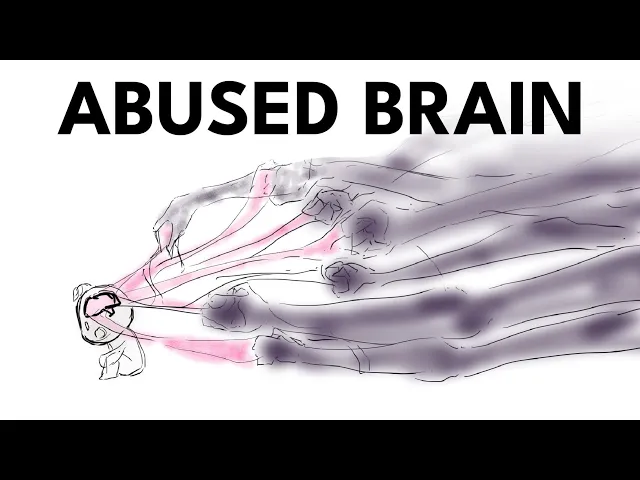
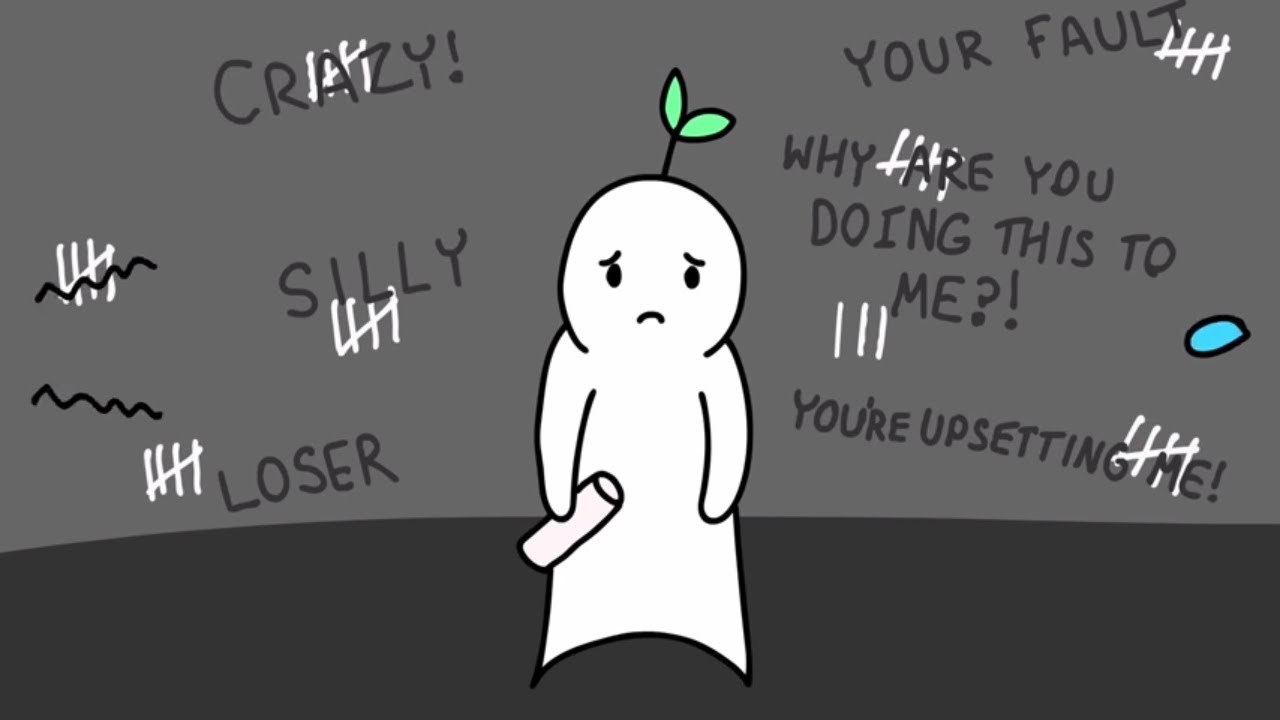
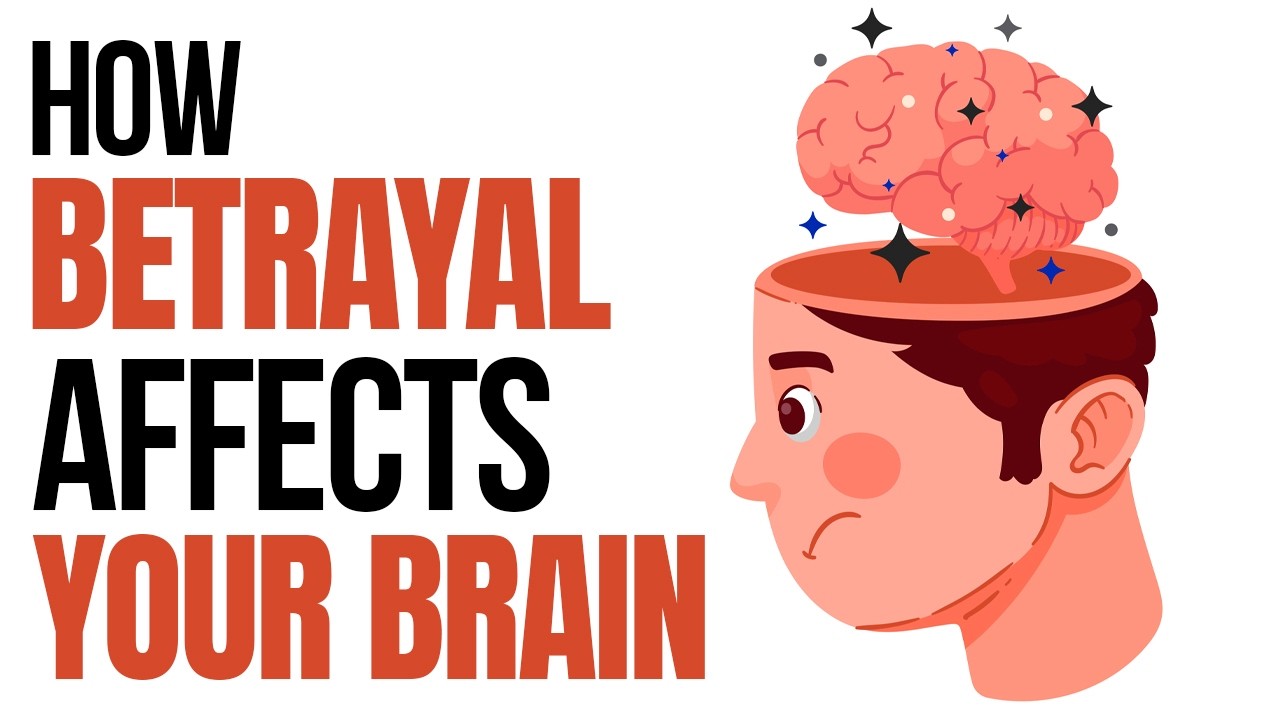
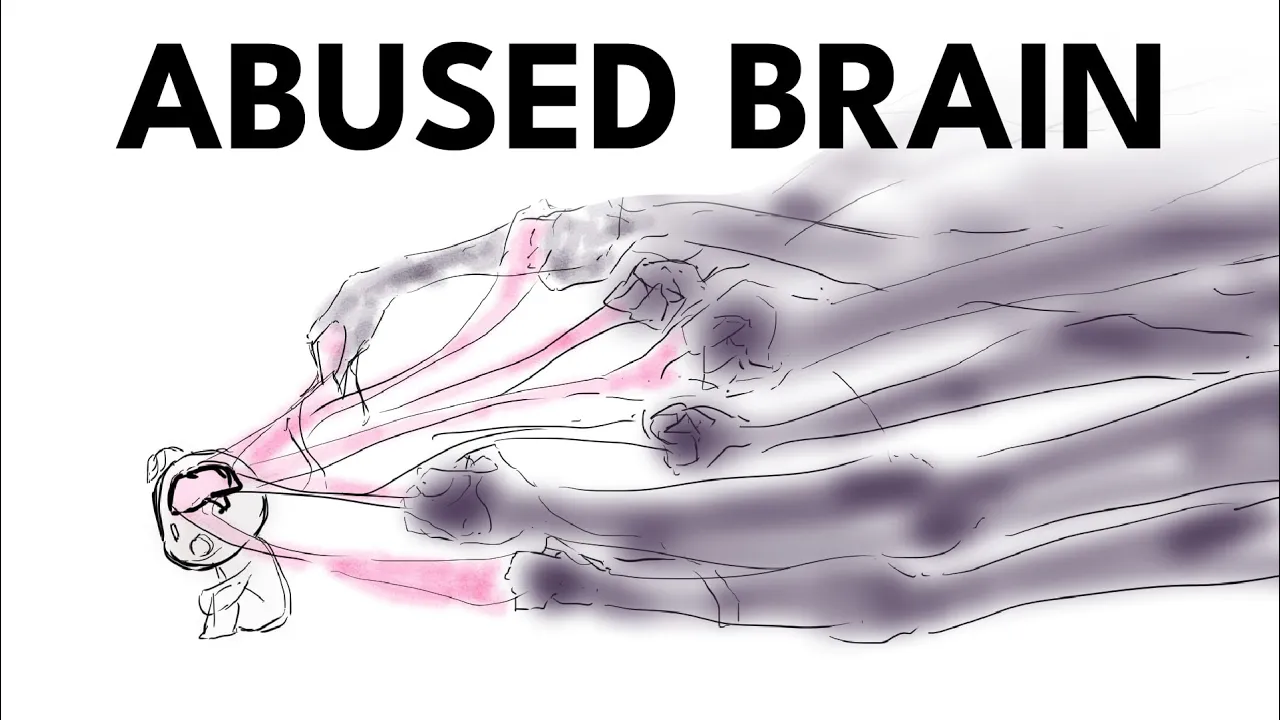
if you're a survivor of abuse know that your feelings are valid and it's not your fault many survivors and even others place blame where it doesn't belong that's why we made this video to help break that cycle by understanding how trauma affects the brain abuse whether physical emotional or psychological leaves scars that go much deeper than we can see it doesn't just hurt in the moment it rewires the way your brain works often affecting how you think feel and even relate to others now let's explore what experts say about its real impact the brain under
stress when you're exposed to abuse your brain's alarm system the amydala goes into overdrive this part of the brain is responsible for the fight or flight response helping you detect danger but with prolonged trauma the amydala becomes hyperactive constantly sensing threats even when they aren't there leaving you in a state of high alert anxiety and fear at the same time the prefrontal cortex which helps regulate decision making and control emotions can become less active this imbalance means that while you're constantly on edge your brain struggles to calm you down as a result you might feel
anxious easily startled and even have trouble concentrating memory and learning chronic stress from abuse can shrink your hippocampus the part of the brain that can controls memory and learning this damage makes it harder to remember things clearly that's why people who've experienced abuse may have blurry or fragmented memories sometimes the trauma comes back in flashes or parts of it get blocked out for example in court cases survivors May struggle to recall details and people wrongly assume they're lying but in reality trauma messes with the brain's ability to store memories accurately understanding this can help us
be more compassionate and supportive towards survivors rather than questioning their experiences trauma isn't just emotional it's biological and the way memories are stored or forgotten is part of the brain's response to protect itself emotional blunting remember when we said that abuse overstimulates the amydala when this part of the brain is overactive it can trigger strong feelings like fear guilt and shame but sometimes your brain tries to protect you by shutting down your emotions this is called a emotional blending it's a defense mechanism where you feel numb or disconnected making it hard to experience both positive
and negative emotions while this numbing can offer relief during the abuse many survivors struggle to flip the switch back on even when the abuse ends if you've been abused and struggle with emotional blending please know that you're not alone healing is possible and it's okay to reach up for help when you're ready emotional disregulation a recent study by grun Encompass from from Vanderbilt University found that abuse significantly impairs a person's ability to control their emotions as a result of damage to the prefrontal cortex imagine you're driving a car and every time you press the brakes
they barely work now picture the gas padle sticking causing the car to speed up at the worst possible moment this is kind of what happens to the brain when you've experienced appears the parts of your brain that control emotions and decisions start malfunctioning sometimes you can't stop yourself from feeling too much easily swinging from calm to anxious sad or even angry without much warning and other times you can't feel anything at all impulsive decision making Dr Jamie Hansen neuroscientist and developmental psychologist found that children who experienced abuse often struggled in school got worse grades were
more likely to get into fights and skipped classes similarly research by Malik and colle colleagues showed that physical abuse made victims more likely to use drugs drink heavily hurt themselves and engage in Risky sexual behavior both studies demonstrate how abuse not only overstimulates the amydala but also damages the prefrontal cortex the part of the brain responsible for decision- making and self-control see what happens is the brain has gotten so used to reacting quickly to protect itself that it struggles to think things through and make calm wellth thought out choices the emotional pain caused by abuse
can also lead people to look for ways to escape or cope no matter how unhealthy leading them to engage in aggressive Reckless and harmful behaviors depression and anxiety victims of abuse often feel hopeless and overwhelmed which is why many report symptoms of depression feeling sad empty or unmotivated they may also experience anxiety constantly worrying or feeling on edge even when there's no immediate threat for many this goes beyond temporary emotions developing into long-term mental health disorders statistics report that abuse increases the risk of developing clinical depression phobias PTSD eating disorders and suicidality the good news
is that the brain is adaptable and with the right support it can heal abuse has deep lasting effects on the brain but understanding how it works is the first step towards reclaiming your mental health if you are a victim of abuse please remember that it is not your fault do not hesitate to reach out to your loved ones and seek help from a professional so how can we better support those who are struggling with hidden impacts of trauma share your thoughts and experiences in the comments below and if you found this video helpful don't forget
to like share and subscribe for more insightful content we also have videos on four signs it's emotional abuse not toxic love and four signs your brain is is breaking down and how to fix it thanks for watching