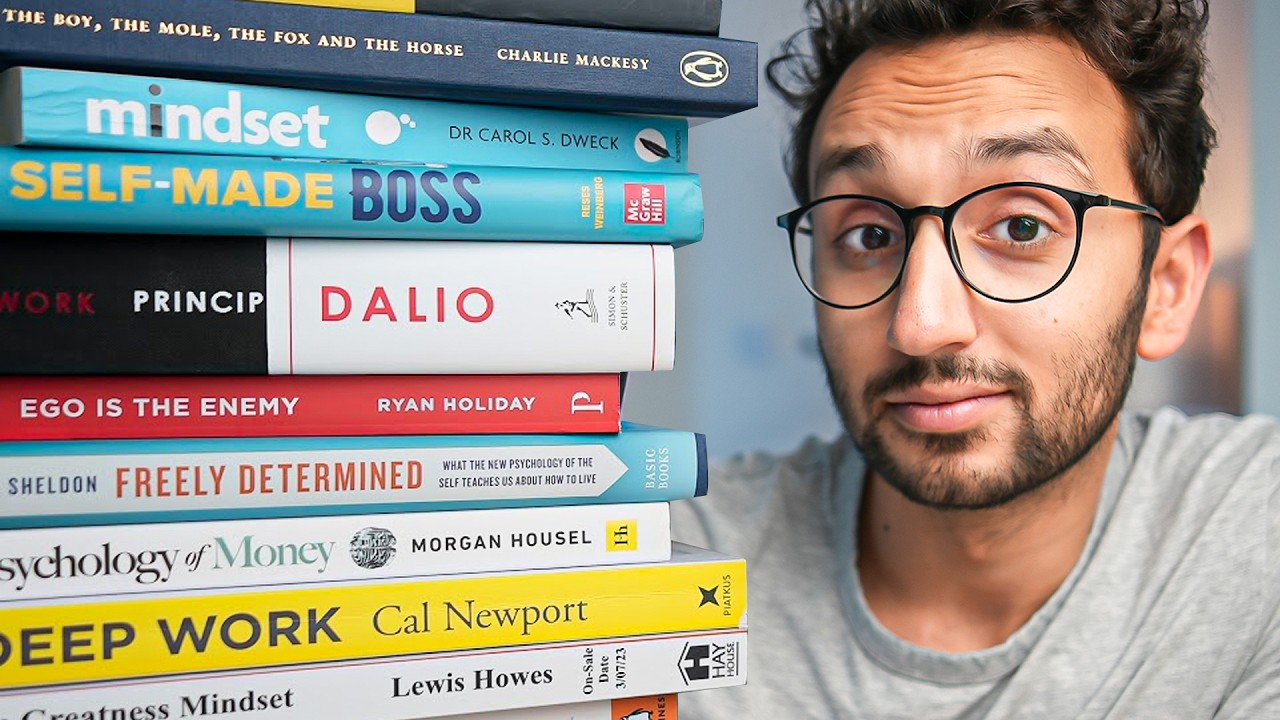
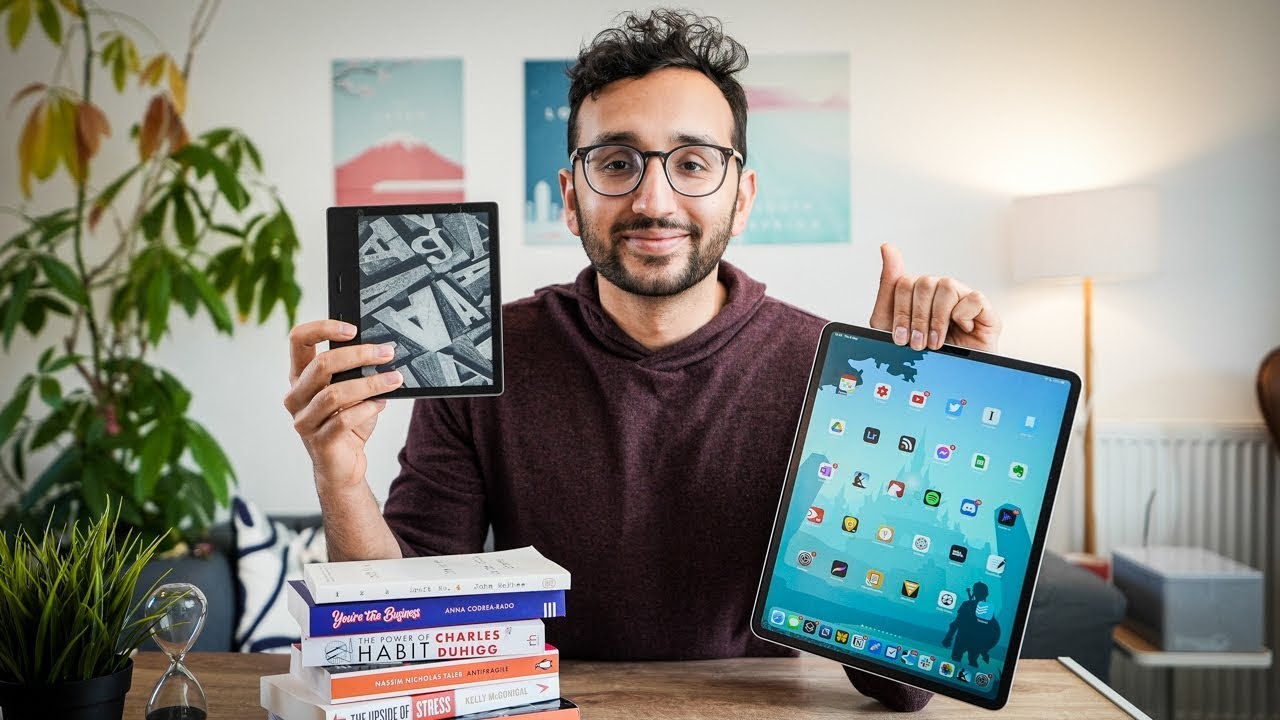
right so over the last few years i have listened to over 165 audiobooks and they've been a total game changer for how quickly i've been able to learn new stuff so in this video we're going to go through my four-step method with eight tips that have helped me to learn from audiobooks more efficiently part one listening to books versus reading books now there's been some discussion on the internet about whether listening to audiobooks or reading physical books like which of those counts as reading some people argue that it's actually not the same because while we're listening rather than reading and there's something special about reading a book whether it's on kindle or in other formats that counts as reading some people also say that allegedly we absorb information better when we're reading rather than when we're listening my sense is that this whole reading versus listening debate kind of misses the point because really we shouldn't be thinking of audiobooks as being a substitute for physical books but instead a way to complement our reading habit in other areas of our life and the way i think of it is that there's broadly three ways in which audiobooks complement physical books the first one is speed often we can listen to things a lot faster than we can necessarily read those things like we all have 10 times more books on our recommended or 2b red shelves than we're ever going to read in our lifetimes and my feeling is that if an audiobook is 12 hours long and if i listen to it at three times speed well then it takes me four hours to listen to a 12 hour long audio book i know this is super controversial we're going to be talking more about the nuances around the speed listening further in the video and people often ask like what do you actually gain from listening to an audio book at double or triple speed which brings me on to point two of how audiobooks complement physical books which is the idea of quick sampling now listening to audiobooks is a great way of actually sampling a book before you decide to buy the physical version on kindle or in paperback if after listening to some or all of the audiobook you decide that you actually don't need or want to read the physical version then suddenly you've saved time and you don't then have to read this physical book like i went through my audible and have listened to 165 audiobooks but of them i've only bought and read the physical version of somewhere between 20 and 30. and thirdly audiobooks complement physical books because they're a way of reducing friction and the main way they do this is that they allow multitasking like i've listened to so many audiobooks like in my time at the gym and in my time commuting and driving and doing stuff around the house and in all those cases i'm listening to an audiobook where otherwise i would have been listening to music or nothing at all instead part two my workflow for learning from audiobooks so my workflow for learning from audiobooks is split up into four main steps step one is intention step two is selection step three is consumption and step four is processing all right let's start with step one intention and really the idea here is like what is the intention behind listening to this particular audiobook am i listening to the audiobook for pleasure or am i listening to the audiobook for some kind of efficient learning now there's absolutely nothing wrong with listening to audiobooks for pleasure i'd say around 50 of my audiobook listening time has been fiction rather than non-fiction and i'm listening to the fiction or reading the fiction purely for pleasure i'm not intending to learn anything or trying to be productive with my audiobook listening when i'm specifically intending to listen for pleasure honestly it can be one of the greatest things in life like listening to an audiobook while driving or lying on the sofa or even while playing playstation if you're really into that sort of dopamine hit multitasking method and in this context you can just do what works for you now for me personally again this might be controversial to some people but for me personally i do find i enjoy fiction books more when i listen to them at two times speed rather than one time speed because i feel the one time speed narratives are just a bit too slow and the two-time speed is like okay this feels decent i'm getting all the value from the fiction i'm able to comprehend all of it very very easily and i'm still enjoying it along the way and if you haven't yet started listening to audiobooks i'd recommend starting with fiction rather than non-fiction non-fiction to be honest can be a little bit dry but if you start with fiction you know something like stardust by neil gaiman neil gaiman is an incredible narrator he narrates the book so well it's fantastic or the mistborn series by brandon sanderson there's all sorts of fantastic fiction audiobooks and it's a great gateway drug into the space and then if you want you can start going down the non-fiction route further down the line if you like by the way quick thing uh we've nearly hit three million subscribers on this youtube channel which is freaking insane and so to commemorate that milestone we're to be doing a massive giveaway and all the details for that are going to be on my instagram page so that'll be linked in the video description if you want to follow me on instagram that will give you all the details closer to the time yeah back to the video all right so now assuming you want to listen to nonfiction for the sake of learning that brings us on to step two which is selection and really what we're trying to do here is to select the right book and my philosophy here is having a very very very wide net but a very narrow filter so by wide net i generally mean that my threshold for getting a book on audible or getting an audio book is really really low and so anytime almost any time i'll get a book recommendation from a friend or i'll see a youtube video or a podcast or someone on twitter who i follow recommends a particular book i would just almost without thinking by the audiobook version of it because i know it's so easy for me to listen to that audiobook and to at least get a sample of what the real book is like and that helps me cast the net wide but then there's a narrow filter beyond that so usually at around the half an hour mark half an hour into the book that's when i decide okay is this book still continuing to be worth my time and is this a book that i actually want to listen to all the way through or until i get bored or do i just want to abandon it completely right now again this might be controversial if you're the sort of person that thinks a book is a hallowed object and oh an author has put in work into this book therefore you're obligated to watch the whole thing but it's like you want obligated to watch a whole movie just because you started you aren't obligated to read a whole article or even to watch this whole youtube video just because you started equally you are absolutely not obligated to read a book just because you bought it in physical book or kindle or audiobook format and to be honest now that i'm actually writing a book for myself i know how much work goes into the introduction and the first two or three chapters initially compared to the rest of the book because every publisher knows that most readers don't really read beyond chapter three of a book and so really in non-fiction generally what the authors are doing is that they are front loading all of the really good stuff in the introduction in the first three chapters and so if you don't get a lot of value out of the introduction in the first three chapters you are probably not going to then get amazing value out of the rest of the book and that's totally fine like that's not to say the book sucks but it is to say that some books are just gonna land with us better at different parts of our life so maybe you can come back to that book further down the line or maybe it was more relevant to you in your past and that's totally fine nothing wrong with that right so at this point we've cast the net wide we've got a narrow filter and now we have an audio book that we're actually listening to all the way through which brings us to step three consumption now having done this for the last few years and listened to over a hundred non-fiction audiobooks that i've genuinely learned stuff from i've got four main tips to help you kind of learn more efficiently as you're consuming audiobooks the first one is to actively choose the right kind of multitasking activity that you want to do most of us when we're listening to audiobooks we don't just sit there and just like listen to the whole audiobook we generally listen to it while we're doing something else and the key thing here is that you want to choose a multitasking activity that you could do completely on autopilot so for example if that's like cleaning the house or doing the laundry or like you know driving to and from work it's you know these things that we do so often that we don't really need to think about it because as soon as you start doing anything even vaguely cognitively demanding that is when the learning completely goes out the window because really we want the kind of learning part of our mind to be focused on the audiobook rather than on how we're going to get that crinkle out of our shirt tip number two is to fiddle with the speed to the point where it's fast enough but also comfortable enough to be able to absorb the information and to learn it effectively now this varies massively depending on a the speed of the narrator and also depending on the complexity of the topic that you're trying to learn now broadly the non-fiction books i listen to fall into three categories and like depending on these three categories that dictates generally what kind of speed i'm going to be comfortable listening to the audiobook the first one is kind of self-helpy type books which i'm defining as i am listening to this book because i'm hoping to gain principles or strategies and tools that i'm actually going to apply to my life so these are generally things in the realm of pop psychology or productivity or business or leadership or management the reason i'm reading these books is because i want to apply stuff from them now these are the books that i normally start off listening to at 1. 5 times speed basically for every single narrator one time speed is just way too slow for me personally your mileage may vary so i always start off at 1.
5 and if i feel that okay i'm getting the message and i can very comfortably keep up with this then i switch to two-time speed usually these sorts of books are written for clarity so they're actually fairly simple to understand they're not normally using really really big fancy words one of the exceptions to this is happy by darren brown which actually uses a lot of complicated words it's a self-help book about stoicism and happiness but it's really hard to listen to at 2x speed because it's just kind of complicated so really it's about fiddling the speed and getting to a point where it's fast enough while still being comfortable to listen to the second big area of non-fiction books i listen to for learning are general interest books these are books that are about an interesting topic that i want to learn more about but i'm not necessarily interested in like absorbing every single detail so that i can apply it to my life in some way for example recently i've been interested in the idea of globalization so i came across a book called the globalization paradox which is kind of interesting and so again i'm just trying to fiddle with the speed to make it comfortable but i'm also not too annoyed if i don't catch absolutely every single word because what i'm trying to do is just get a general gist of hey let me explore this topic of globalization a little bit more and so for a book like that i was happy listening to it at 2. 5 times speed or potentially even three times speed depending on like the speed of the narrator and finally the third big category of non-fiction books that i listen to for learning are deep learning books where i'm like okay the reason i'm learning this is because i'm so interested in the topic that i want to actually absorb everything i can from this book and i want to potentially be able to explain it to friends further down the line so right now for me this is philosophy themed books there's this philosopher called alan watts who i've recently discovered is absolutely sick but i want to deep learn that kind of stuff i want to really be able to understand and get into alan what's his mind and really understand his take on stuff and therefore i actually start listening to those at one time speed and try and force myself to stay somewhere between 1 times and 1. 5 times because i know that really as stuff happens slowly even if it feels too slow for me the deep learning is happening behind the scenes and as i'm rehearsing the things that the author is saying in the audiobook as i'm thinking actively thinking about what's being said then it's just i don't know in my mind forming more connections and helping me figure out oh okay cool i would explain it to my friend jamie in this in this specific way right tip number three for getting the most out of consuming audiobooks is to recognize when your mind starts to wander this is always gonna happen it's gonna vary depending on the book and the topic and the narrator and your mood and the speed of narration but like whenever i find my mind wandering and i think oh i'm you know the words are coming in one ear but they're going out the other i don't really know what i'm listening to at that point i either rewind back a few kind of like a few minutes so i'd be like okay cool and i get back into it but if this happens more than once or twice then i'll know okay cool my mind is wandering right now i'm not going to continue to force myself to listen to this audiobook instead i'm gonna close the audio book maybe pick up another fiction audio book instead something like that potentially even listen to music potentially even just be in silence with my own thoughts because i know right now my mind is moving too fast to actually bother continuing to keep up with this audiobook and finally tip number four for consuming audiobooks is a guilt-free abandonment and this is where if i find my mind wandering more than once or twice in a listening session and then the next day or the next week i come back to the same audio book and i continue to find my mind wandering from it usually i'm like alright cool this audiobook isn't doing it for me it's not to say it's a bad audiobook but i'm just going to completely abandon it without feeling guilty about it at all and certainly in the past i used to feel guilty about not finishing a book not like abandoning a book but to be honest if it's not doing it for me life is too short to be listening to books that i'm just sort of mind-wandering and i'm not getting the full vibe out of at the end of the day and really this is an important point about learning from anything whether it's books or textbooks or audiobooks or even lectures and videos and podcasts like you can always abandon it once you feel you've gotten value out of it or if you feel like you're not getting value out of it rather than feeling like you have to force it i'm not about forcing just about working with our natural ebb and flow of energy and working with our natural ebb and flow of interest almost like a sine wave alright let's now move on to step four which is the processing stage of learning from audiobooks now a real downside of audiobooks is that it's genuinely very hard to take notes if you're trying to learn stuff from audiobooks and honestly i think this is one of the main reasons why people for learning often prefer reading rather than listening because when you're reading you can actually take notes and absorb stuff as you go along but the key that i find to actually learning properly from audiobooks is to find a way to take notes during the process now there's a few different ways that you can do this you could potentially use the bookmarking function that's built into audible by the way this is not sponsored by audible i wish it were but it's not you could use the bookmark function in audible and that saves that like 30 second period that you snippeted out some people i know find this helpful i don't personally find it helpful because it's always way too much of a faff to actually revisit my bookmarks and re-listen to those bits and be like oh but like you know the real bit i wanted to bookmark was like a minute before rather than 30 seconds before now i have to go to the timestamp in the audiobook it's just a real nightmare so i don't really find that particularly helpful myself the second option which is the one that i do is to actually genuinely take your own notes while you're listening to the audiobook now there's basically two main ways that i do this the first one is if i'm listening to an audiobook in a place where i'm able to pause it and get out my phone i.
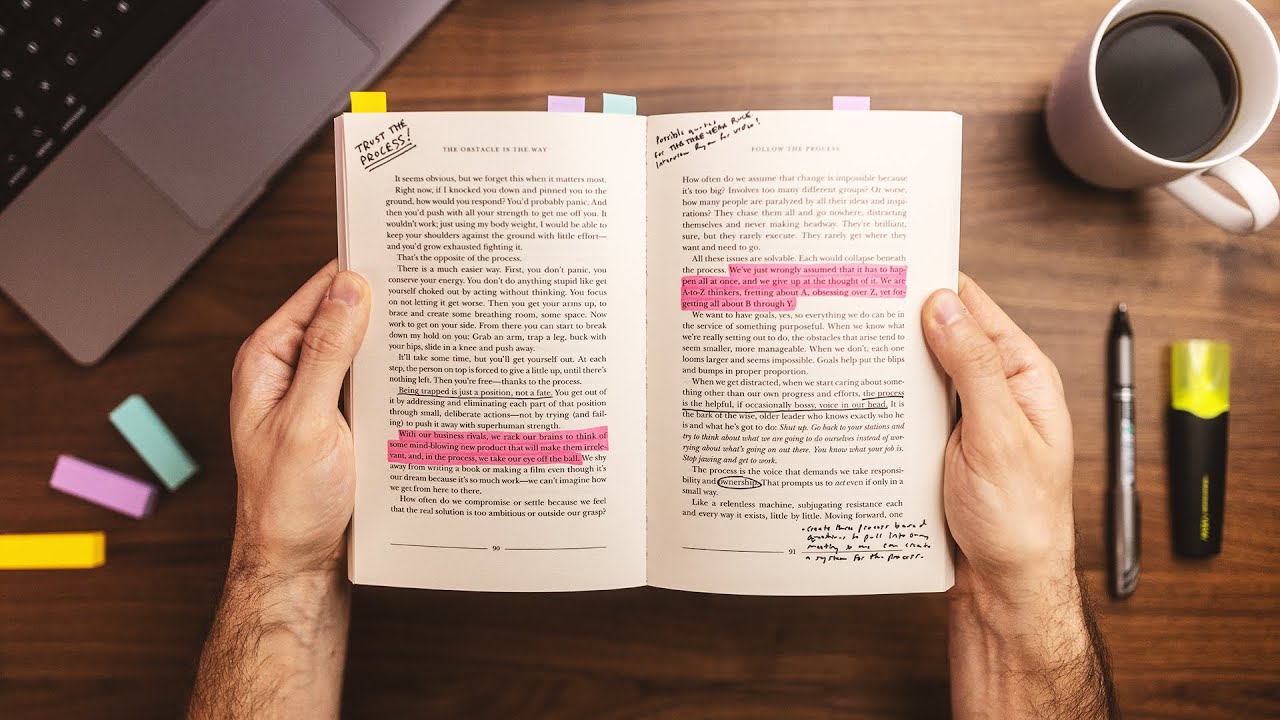
e not when i'm driving then i will pause the audiobook i'll get out my phone and in apple notes i have a booknotes folder and i'll just sort of write down a few things on my phone a few bullet points from what i've taken away if i want to take notes on a particular section of the audiobook alternatively if i can't get out my phone or call me bother to get out my phone and i still want to take a note from something i've heard in the audiobook often what i will do is i'll open up the app drafts on my apple watch which allows me to dictate stuff like audio into my watch which is what i can do while driving so i'll say something like hey you know just listening to nine lies about work um i think it's chapter number four and they're talking about blah blah blah they're talking about have praise and feedback blah blah blah blah blah blah so yeah worth revisiting that bit and then that will get saved to my drafts inbox uh which then syncs to syncs across all my devices my mac my iphone my ipad again not sponsored at all i wish it were but then whenever i want whenever i can be bothered uh whenever i feel like it then i can go through my draft inbox and be like alright cool so this was a note from nine lives about work let's just copy and paste that into my notes my apple notes thingy for that particular book but then beyond taking notes as i go along the book if i really want to genuinely learn from the book and take more stuff from it i'll just buy the book in physical copy or in kindle version generally i prefer kindle version because then you can highlight you can synchronize you can take notes on the computer which is way quicker than taking notes by hand but sometimes you know there are some books where it's just nice to have the physical copy of it and take notes in the margin i don't do that very often but it is nice to do very very occasionally and beyond buying the physical book or buying the version on kindle if i really want to continue to kind of get the most out of it usually i'll turn it into an episode of book club the series on this channel where we talk about books and i summarize books and generally the more i find like i find i gain so much more from a book and i genuinely learn from it when i get to the point where i can actually explain it to someone else and so for me that involves basically either writing an email newsletter about it or writing a tweet thread about it or making a book club video where i summarize the book now if you're interested in the specific workflow the specific process that i use for taking notes from books and you're a massive nerd like me then you might like to check out my workflow series which is available on nebula if you haven't heard by now nebula is an independent streaming platform that's built by me and a bunch of other creators and on nebula we can put really niche stuff like a very specific video about the workflow that i use from taking notes from like books and audiobooks and stuff without having to worry about is it mainstream enough to appeal to the youtube algorithm it's not trying to be a competitor to youtube it's literally just a place where we can put stuff where it might be useful to some people in our audience but not necessarily to the whole crowd and so on nebula i've got my exclusive workflow series which talks about this kind of nerdy stuff and i also have my old deep dive interview series so back in lockdown i did a bunch of remote interviews with really cool people around the internet and while i've started a new podcast the old episodes the the interviews i did a year ago are still ridiculously valuable and only available in nebula for you to listen to if that sounds good and you'd like to get access to this exclusive library of my own content along with exclusive content from a bunch of other creators that you might be familiar with then the easiest way to sign up to nebula is to actually sign up to curiosity stream who are very kindly sponsoring this video curiosity stream is the world's leading documentary streaming subscription platform and on curiosity stream they've got thousands of really high quality high budget documentaries that you can watch at whatever pace you like and because curiosity stream love independent creators they've partnered up with nebula and we've got a bundle deal whereby for less than 15 a year you can sign up to a whole one year subscription of curiositystream and you will get free access to nebula completely bundled with that so less than 15 a year for incredible high quality high budget documentaries along with some of my exclusive content and exclusive content from a load of other creators you might be familiar with like thomas frank and legal eagle and tom scott and lindsay ellis to be honest that makes this the single best deal in the streaming world bar none and so if that sums up your stream then head over to curiositystream.