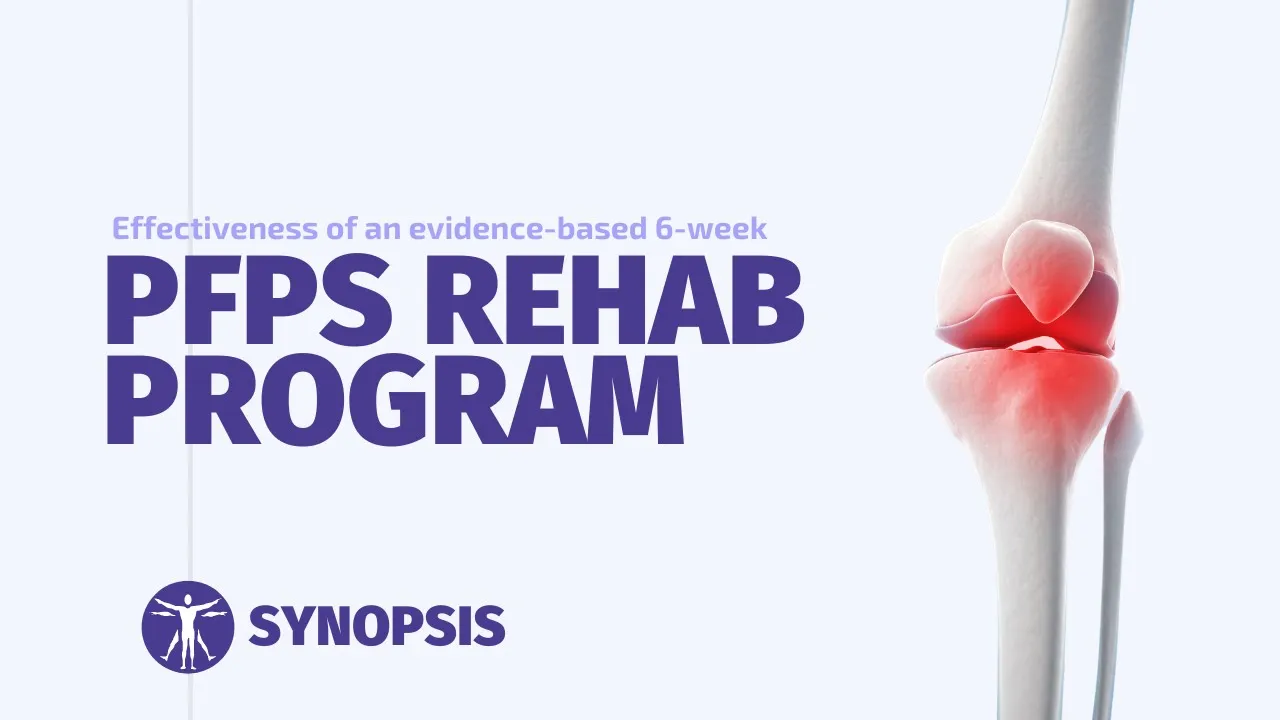
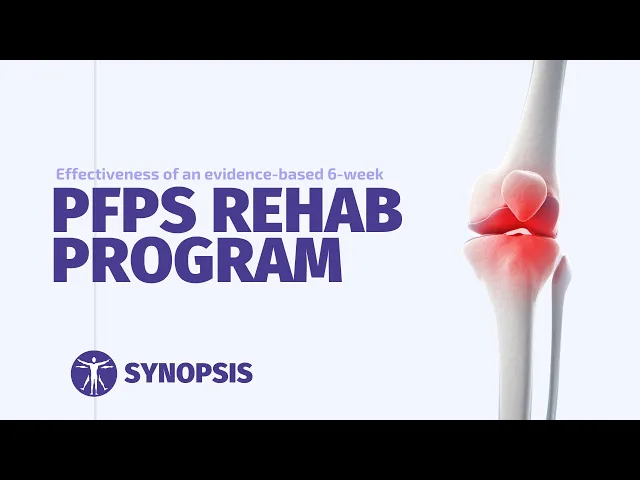
you've probably wondered at times how will research findings translate into results in practice as consensus statements concluded exercise therapy is the intervention of choice for patellofemoral pain with the largest body of evidence supporting its use to improve pain and function this study aimed to evaluate its effectiveness in clinical practice so let's take a closer look at the exercises performed and the results [Music] grayset all recruited 27 participants between 22 and 43 years they had andero or retropetalar pain for more than one month with at least two of the following activities ascending or descending stairs or
ramps squatting kneeling prolonged sitting hopping or jumping isometric quadriceps contraction and running furthermore they had no history of previous surgery particular instability or dislocation lower lymph deformities or any history of traumatic inflammatory or infectious pathologies the outcome measures included biomechanical analysis isometric eccentric and concentric strength measurements and the arthrogenic muscle inhibition was assessed as well the numeric pain rating scale to assess pain cause questionnaire to assess pain and function the kujala score to assess function and the tampa scale for kinesiophobia were filled in at baseline and evaluated after the six-week exercise program the evidence-based exercise
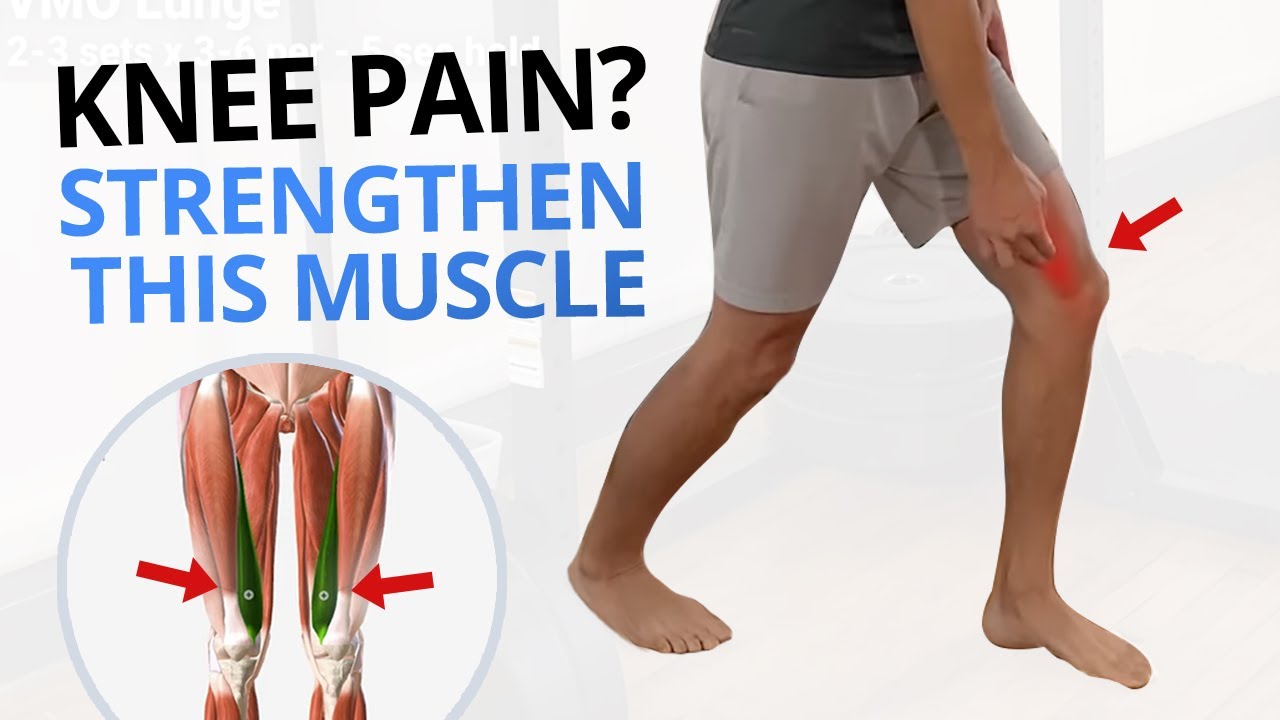
program consisted of following exercises the first exercise was a squat to strengthen and activate the quadriceps and gluteal muscles with relatively low hamstring co-activation if the patient experienced pain they were instructed to lean their trunk more forward or place their feet wider the second exercise in this program was a supine bridge to target the gluteal muscles to progress unilateral bridges or the execution with the terra bands and bridging on unstable surfaces were allowed the third exercise consisted of side bend and rotational walks to improve the control of lower limb alignment and to recruit the gluteal
muscles the last exercise was an open chain knee extension to strengthen the quadriceps stretches of the hamstrings and mobilizations to adjust restrictions in ankle dorsiflexion were integrated into the program to optimize knee and ankle biomechanics these exercises were performed in the rest period between the strengthening exercises this program was organized as a circuit of maximal 30 minutes duration three sets of 10 to 25 repetitions were performed and each exercise included a progressive loading in six steps the participants were instructed to progress individually for each exercise they could enter a higher progression stage if they did
not experience any pain and if they felt only light or no exertion despite the absence of a sample size calculation that was performed beforehand and despite the inclusion of few subjects and considerable dropouts the exercise program reduced pain on cost questionnaire by 13 points improved function on the kujala score by 10 points and on the cost by 16 points with large effect sizes kinesiophobia reduced by nearly three and a half points on the tampa scale but though significant the improvement was not clinically meaningful no changes were seen on pain assessed with the numeric pain rating
scale yet baseline pain scores were very low and there was just only little room for improvement running speed was not significantly changed after the 6 week program nor did peak joint angles and moments change participants in this study did not show lower limp abnormalities before the exercise program which might be an explanation why no kinematic or kinetic changes occurred the strength of the quadriceps remained unchanged but the arthrogenic muscle inhibition decreased by more than four and a half percent which was with the moderate effect size a possible explanation therefore is that the administered load was
too low and repetitions were too high to create hypertrophy or increases in strength and rather led to increases in muscle insurance another possible explanation might be that neuromuscular control improved since the program lasted for only six weeks which may have been too short for increases in muscle strength to occur this study included individuals that were relatively stronger compared to subjects in other patellofemoral pain studies any lower loads may have been insufficient to cause real improvements in strength however by including low load and high repetitions the program tried to avoid including heavy possible pain provoking exercises
to prevent the flare-up of symptoms for improving strength in stronger individuals as was the case in this study blood flow restriction training may have been another option summing up a six-week exercise program consisting of just four exercises which were progressed individually was able to show clinically meaningful improvements on pain function and autogenic muscle inhibition this is a perfect example of the kiss principle so keep it simple stupid patellofemoral pain syndrome is very prevalent in runners and we dedicate an entire chapter to it in our running rehab online course developed together with benoit matthew so if
you see a lot of runners in clinic and want to bring them from pain to performance check it out at the link in the video description before you leave don't forget to subscribe to our channel for more videos this was ellen for physiotutors thank you very much for watching and i will see you in another video bye
![Your Psoas Isn't Just Tight, It's WEAK [Don't Stretch, Do These Instead]](https://img.youtube.com/vi/h_srhkcJxAY/maxresdefault.jpg)