if you always struggle to stay focused while studying then you're not alone studies show that around 49 of people feel like their attention span is shorter than it used to be and 50 of us check our phones on average every 12 minutes the modern world is full of an ever increasing number of distractions and for students especially it's getting harder and harder to focus but there are some simple tips backed by a whole bunch of research that can help us improve our Focus which is what we're going to go through in this video and we're
going to talk about a five part framework that's going to help us stay focused while studying part one is about mindset part two technique part 3 environment part 4 the human factor and then finally we're going to end with a bonus session on identified motivation let's get into it now the thing when it comes to mindset around focusing is we need to get away from the idea that focus is something that you have or something that you don't have focus is absolutely something that you can develop we need a growth mindset when it comes to
focusing we need to think of focus as something that can be learned rather than something that is innate to us the way I think about this is do I struggle to focus when it comes to playing video games probably not do I struggle to focus when it comes to hanging out with my friends or watching Netflix or watching a movie if the movie's boring then yes but otherwise probably not but do I struggle to focus when it comes to studying for my pathology exam yes okay cool so what's going on there when I'm playing a
video game I'm having fun it's enjoying it's generally energizing and so the mindset with which I approach things that I need to focus on with is how do I do it in a way that makes it feel more energizing in other words how do I make it fun with a lot of students I talk to I see a kind of defeatist mentality that like oh as long as I just get through this then suddenly I'll become a doctor five years down the line and then it will all be worth it it's like this thing that
Muhammad Ali famously once said which is I suffered every day in training for 10 years but that's what it took to become a champion and I don't really like that approach to life I'm nowhere near as successful as Muhammad Aliyah so feel free to take this with a pinch of salt but to me suffering every day for 10 years to lift up a trophy at the end it's probably not worth it right like even if it comes at the cost of lifting that trophy I would rather feel as if I'm making the most of my
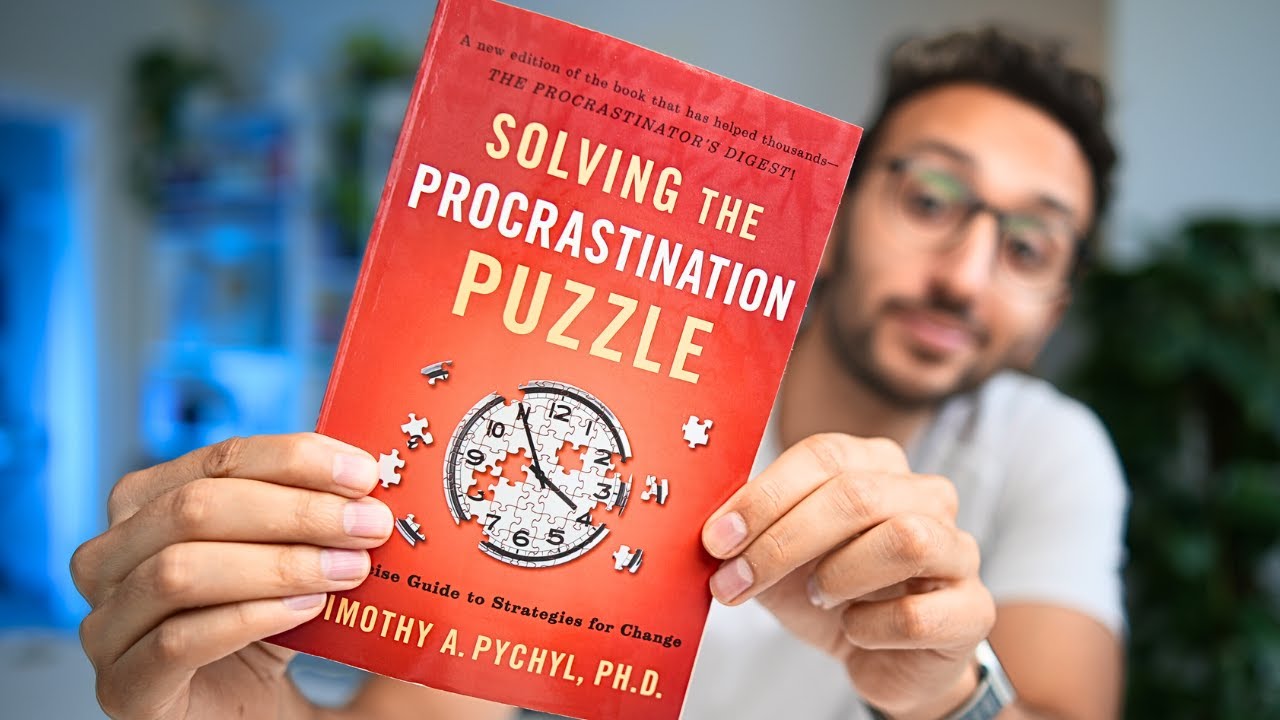
short time on this Earth then think I have to suffer and crawl through glass and like discipline and grit and White Knuckle myself through the hard work to get to the reward on the other side because really it's all about enjoying the journey it's about Journey full destination and so that's kind of the mindset with which I try and approach all these Focus questions where this is basically what my whole book is about it's coming out later this year more details on that later but there's you know a few things that I found helpful over
the years firstly studying becomes way more fun if you do it with friends back when I was at University I set up this group The Pomodoro Society where we'd all get get together and we're all doing different subjects but we would all do the Pomodoro Technique together so we do 25 minutes of work and then chat for five minutes or whisper conversations or watch YouTube videos and then we'd like knock twice on the table we would just kind of repeat this process and that made studying so much more energizing and helped all of us Focus
because now we're doing it around other people you don't necessarily need to do this in person there's a zoom co-working group called London writers Salon that during lockdown especially I used to join quite a lot of they've got they've got this writer's hour which is a free thing it's a free co-working session it happens four times a day at eight o'clock in the morning in different time zones and you just hop on a zoom call there's like a few hundred writers on there and someone chats for about five minutes giving some inspiration and then you
work for 50 minutes and then do five minutes of wrap up at the end where people post in the chat what did they get done and there's something so nice about that and actually used to run these kind of Zoom co-working sessions myself during lockdown I think another thing on the mindset front that I find helpful is to try and frame what I'm doing as more of an adventure back in the day I used to ask myself what's my most important task for the day and I took this from Ben Franklin's morning routine every morning
he would ask himself what good shall I do today and then the guys uh Jake and John that wrote the book make time which is a very good book called it the daily highlight where every day you ask yourself you know what's today's highlight gonna be and it could be something that's urgent or something that's satisfying or whatever and I was using the daily highlight framing for a while and then I realized that I'm actually missing a trick here and I've started calling it my daily Adventure it's like what is the adventure that I'm going
on today like today my adventure is to film this video or actually my actual adventure for today is to do the edits for chapter one and chapter two for my book and so what is otherwise a case of sitting on a laptop hunched over coffee in my hand going through a Google doc to approve or reject suggestions and like do little nitty copy edits and line edits and stuff on my book chapters that could initially on the surface be seen as a boring thing that I would struggle to focus on but if I frame it
as an adventure I'm gonna go to the local co-working space I'll go grab a coffee on the way I'll have my headphones in Playing Lord of the Rings music in the background all of these things make it feel more like an adventure on that note one thing I've started to do is wearing shoes in the house I have a pair of trainers that I just wear in the house why do I have a pair of trainers that I just wear in the house well because it just makes it feel more like an adventure it means
that when I get up in the morning and have my shower and get dressed I put on my trainers and they've got a bit of a bounce to them and I feel like when I'm walking around the house I have more energy and then number two we have technique one of the main things here is the Pomodoro Technique and basically the idea here is that there's a ton of evidence that suggests that our brain struggles to focus for long periods of time long is somewhat arbitrary like there are some studies that say 90 minutes is
like the absolute Max but I find 25 minutes to be really good because 25 minutes is long enough to get a reasonable amount of work done but short enough that like the break just feels like it's around the corner and it's like one of those things that it creates some mini deadline and deadlines are a great way to encourage action when we have something where if we feel like we've got a little bit of time pressure on the thing it makes us perform a little bit better if there's too much time pressure then it sort
of detracts from our performance and if there's just enough then that's like a good kind of motivator I've always found the Pomodoro Technique quite helpful if I'm doing like really long sessions where I really really have to focus then I'll to 45 minutes but to me these days as I'm working on book as I'm working on video projects whenever I'm struggling to focus I just turn on the Pomodoro Technique and the way that I use that is by using an app called rise rise.io I think we've got an affiliate link rise.io they'll put that down
in the video description or something like that you can get a discount if you want to use it it's basically an automatic time tracker so I find it really helpful for me to see actually how much time did I actually spend in Google Docs which is what I'm doing for my book stuff or scrolling Twitter which is my most common Pastime these days you don't need a fancy app for a Pomodoro Timer you can literally just Google the phrase timer 25 minutes and it will start a timer for you you can use an hourglass tons
and tons of ways of setting a timer for yourself but setting a timer is unreasonably effective and then there's also the idea of task switching task switching is generally a bad idea like most people probably know this at this point but there are actually a bunch of studies that show that if you're trying to do some work and then you respond to a notification or if you're trying to do some work and then you answer an email you know there's this attentional residue that's left when you switch tasks and so that's again why the Pomodoro
Technique is good in terms of technique because it means just for those 25 minutes you are full on laser focusing on just that thing that you're trying to to do you're not getting distracted by notifications here and there so one thing that I like to do is I hold option and I click the clock on my Mac because that turns my computer into Do Not Disturb mode which means I don't see any notifications the only notifications that I see in that mode are notifications from my girlfriend or my mum or my brother and sister-in-law so
my housemates in case there's something urgent that comes up simple stuff but again it amazes me how few people actually do this when I meet people at meetups and stuff and they ask hey I'm struggling to focus have you got any tips and I have the time to ask them a few more questions turns out that they always have the phone in front of them they're always checking notifications like it doesn't feel as if you're wasting that much time you're like oh I've got to check this email anyway I might as well check it now
but actually by checking the email you're completely shooting yourself in the foot when it comes to your ability to focus and if you're enjoying these tips on how to stay focused while studying you might not know that I actually have an entire four hour long class on skillshare which is all about how to study for exams it's an evidence-based masterclass that breaks down everything you need to know to maximize your performance at school or at University or Beyond and very excitingly this video is also sponsored by skillshare now if you haven't been living under a
rock for the last like several years you probably have heard of skillshare it's a fantastic online platform with classes on all sorts of topics and they have loads of creative stuff like photography and filmmaking but they've also got a ton of career focused classes as well and actually one question I've increasingly been getting from my audience is like tips on how to do well in a career and especially these days where careers are not really a one-size-fits-all approach and it's a lot less about being a cog in a machine it's a lot more about being
like a diversified individual with Diversified skill sets so exploring those sorts of career-focused classes on skillshare can actually really help you now very excitingly skillshare has created a mastering productivity learning path which includes four of my own classes which again you can access completely for free on skillshare there are two classes aimed at the principles of productivity there's one class aimed at productivity for creators which also very much applies to non-creators and there's a whole class where I teach you the basics of how to use notion so whether you're studying for exams or you're trying
to get ahead in your career hopefully those classes should help you might even be rethinking this idea of actually going for a nine-to-five job so you might want to become Your Own Boss someday and so again on skill show you can find classes all about how to grow your online business or video marketing or how to be a freelancer all these different things that you can do to explore new possibilities with your career anyway if any of that stands up your streak then a great place to start is my learning path on productivity which will
be linked in the video description and if you're one of the first 1 000 people to hit that link you will get a completely free one month trial to skillshare where you can check out my learning path and productivity you can check out all these other classes that we mentioned and you can check out my enormous masterclass on how to study for your exams in an evidence-based fashion so thank you so much skillshare for sponsoring this video the first thing here is when it comes to our environment we basically want to try our best to
avoid distractions there are so many studies that support this if you just have your phone on your desk that reduces your ability to focus compared to if the phone was in it was in a different room and there was this paper called brain drain the mere presence of One's Own smartphone reduces available cognitive capacity most of us when we're studying when we're trying to focus we probably have our phone in front of us you can do what I do and have it face down you can do what noobs do and have it face up until
you see the notifications pinging straight at you but the even better thing to do is just to have your phone in a different room but the other thing about distractions is Embrace welcome distractions there are some distractions that are bad like a random ass notification from Twitter on your phone and there are some distractions that are actually good a good distraction might be if for example you have kids your kids coming in and wanting to talk to you about something most parents that I know have regretted that as they've gone older they've spent too much
time on their work and not enough time with their kids similarly a welcome distraction might be like for me when I was at University I always would keep my door propped open with a door stop a thingy Bobby whenever any friend would come by I would invite the man make them a cup of tea and we'd actually have a bit of chat yes it's a distraction from my work but it's a welcome distraction now that I've graduated University and it's been a few years that's been like five years since I've graduated University I don't at
all regret oh man I wish I'd squeezed out one percent more focus and more efficiency while studying but instead I'm fond of the memories that you know random friends coming into the room and that turning into an interesting conversation or turning into a board games or turning into playing some FIFA sometimes the distractions are a good thing and we need to remember that life is more than just about trying to focus and trying to be productive and actually it's all about kind of health and relationships as well an inspiring atmosphere is another way to just
improve your ability to focus so there are some studies that show that having green plants nearby or in your office or on your desk improves your creativity which is somewhat tangible eventually related focus when the environment around me is inspiring I'm way more likely to focus this is why I enjoy going to co-working spaces like wework because other people around me are working the vibe is good the design is nice this is why I enjoy going to coffee shops where there's like a little bit of hustle and bustle because to me that's an inspiring atmosphere
right now I'll be honest this room is not a particularly inspiring atmosphere it's great because I've got the whole setup here for filming videos but this is not an inspiring environment for me to do my book stuff but again the thing here is that it's easy to take this too far a lot of this stuff around how to focus and how to study and all these tips in general personal development a lot of it is finding the balance between two extremes yes it's really nice having an inspiring atmosphere but if you have a requirement for
an inspiring atmosphere you're going to get a lot less done if for example you're one of those people that like oh unless I'm at my desk unless it looks amazing unless I have my matcha latte with me and unless I've had 18 cup 18 milligrams of caffeine in the morning with some modafinil then I'm not able to study you're just shouting yourself because you're creating these rules and constraints which are not actually true treat it as something that's nice to have rather than as something that's an absolute requirement when it comes to the human factor
this is the basics rest and sleep and exercise and nutrition I've spoken to so many students who have struggled to focus and the rest of their life is just not put together like they don't prioritize their sleep they're out until 4am clubbing in the night time or like in my case that I used to do playing articulate the board game fantastic board game by the way they're like not taking care of their their nutrition they're eating like shitty fried food ordering takeaways eating chips every single day not doing any exercise when you're destroying your body
like that it's easy enough to do when you're young because you'll just recover from it and not really care but it completely shafts your brain and your ability to focus I'm not going to labor this point too much there's tons and tons and tons of videos on YouTube about effective rest effective sleep effective exercise effective nutrition that's not me we are working on a video about effective sleep and actually I've got a video called why you're always tired where we interviewed an expert on this uh Professor Russell Foster that was sick that video's done super
well actually I'll link that down below it's all about like practical actionable ways that you can actually improve your sleep and once you improve your sleep that improves your ability to focus but one thing I do want to talk about is caffeine I did a video like three years ago two years ago something like that talking about like looking at all the evidence around is caffeine good for you the broad answer to that question was yes caffeine is in fact good for you just have a little drag of coffee left and actually like three cups
of coffee a day was like a good amount to get the benefits of caffeine caffeine is basically a wonder drug where unless you have really really profound anxiety or tachycardia that's triggered by caffeine caffeine improves your ability to focus really without any major side effects there is an issue with caffeine in that the half-life of caffeine some people say is like somewhere between 9 and 11 hours and so generally what I try to do is not have caffeine after around two or three PM there are there's some small percentage of the population I can't remember
what number maybe like 10 for whom caffeine does not affect them at all and so if you're one of those people then well it's normally going to affect you but you can have caffeine whenever you want I haven't tried any of these study drugs feels a bit like you know there's a lot of things you can do before you start relying on pharmacological methods for improving your focus but certainly take breaks in between work sessions have a like a decent shutdown ritual at the end of the day having a reasonable morning routine getting seven to
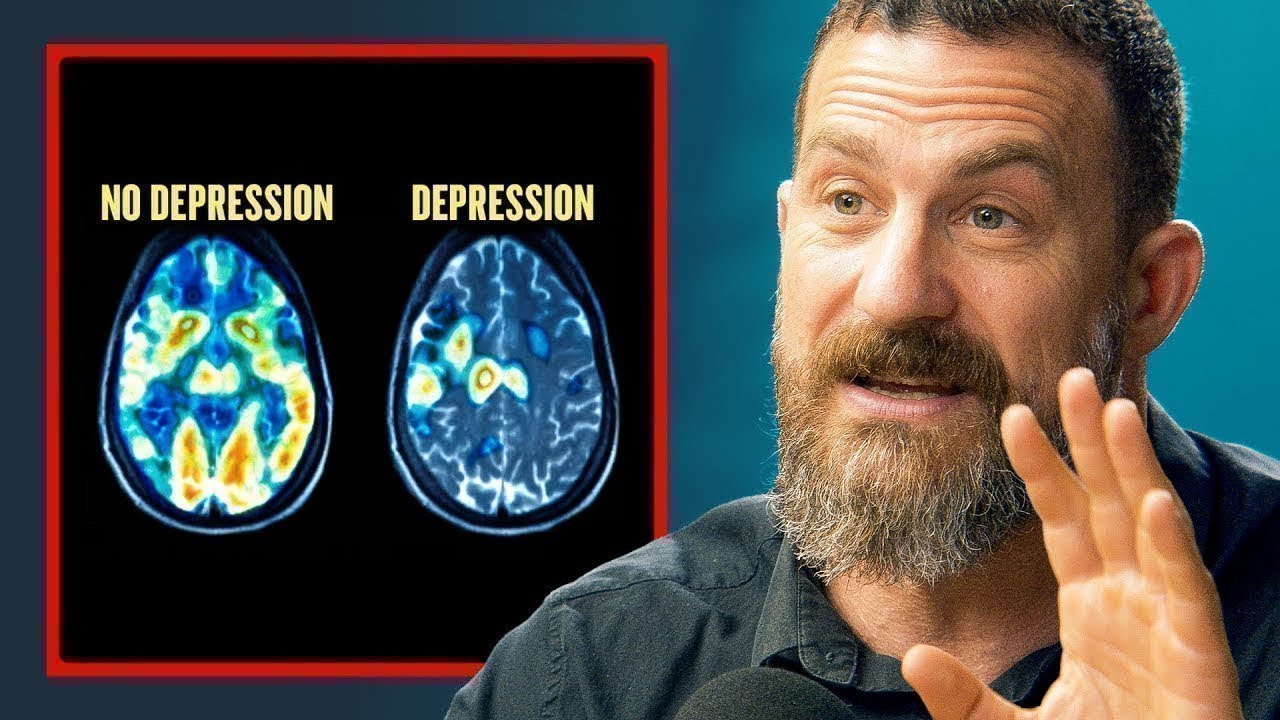
eight hours of sleep sleeping at roughly the same time in the morning in the evening going for a walk in the mornings like I go for a walk to get my morning coffee and that does so much for my ability to focus morning sunlight you can listen to that Andrew huberman podcast huberman lab it's amazing he's done loads of like you know 10 hours worth of episodes around like how to improve your focus through these sorts of tips and tricks it's the basic stuff but getting the basics right is just ridiculously helpful and finally Point
number five when it comes to staying focused while studying is to appreciate the idea of identified motivation and this idea of identified motivation is genuinely life-changing and improving your ability to stay motivated and stay disciplined when it comes to your studies or to anything else and I talk about all of this in that video over here so thank you so much for watching and I'll see you in that video where we talk about 0.5 in this video identified motivation see you later