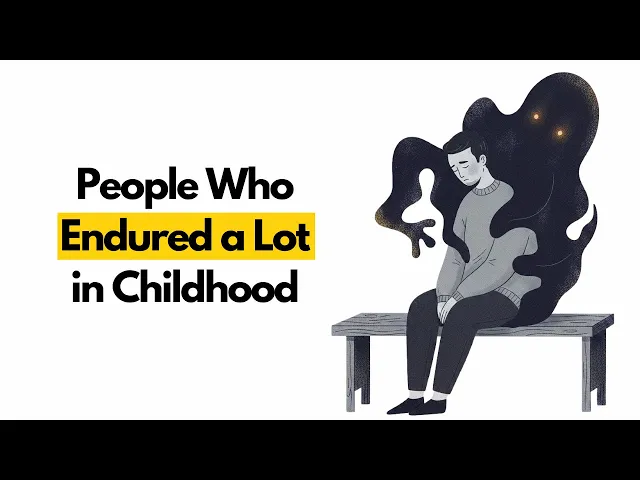
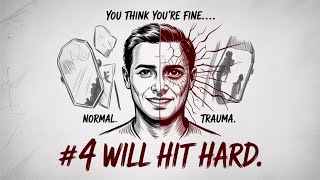
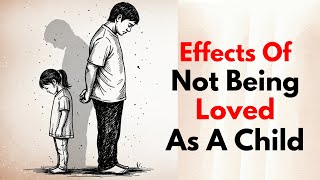
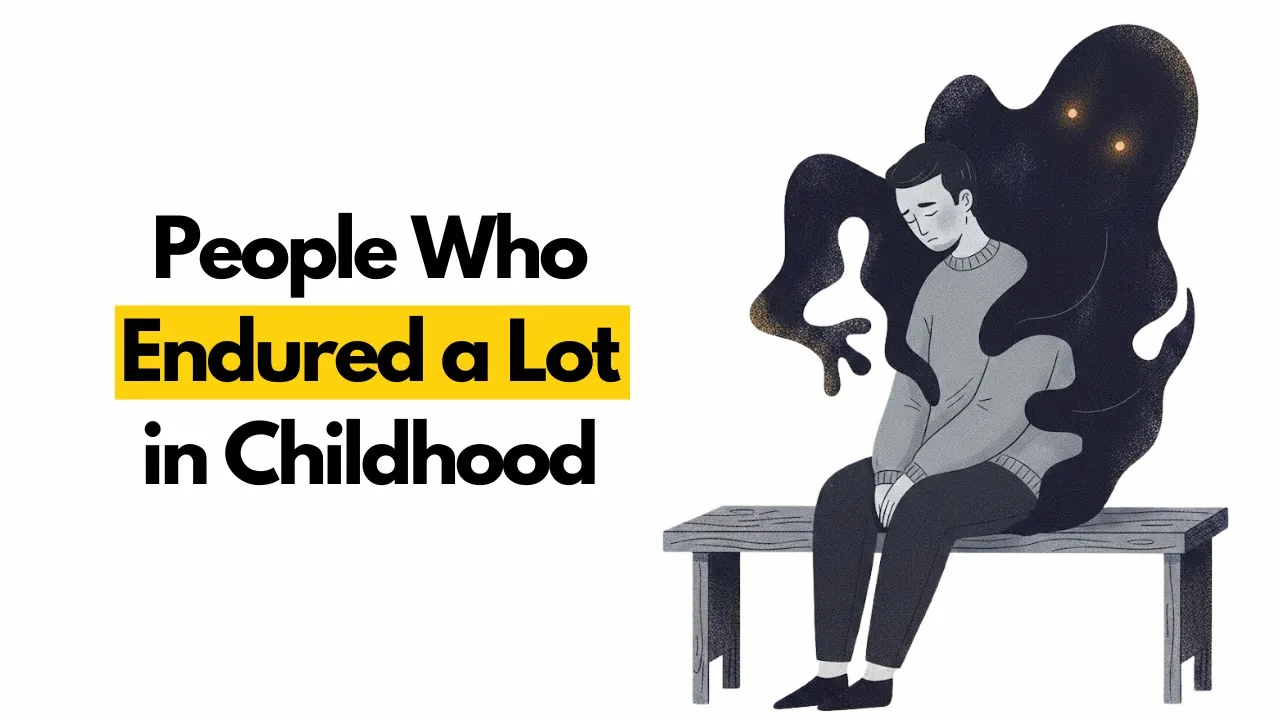
Psychology shows that childhood trauma doesn't just create pain. It quietly rewires how a person thinks, reacts, connects, and survives. Many people with traumatic childhoods don't look broken.
They look functional, responsible, strong. But underneath that strength are rare psychological traits shaped by early survival. Here are five traits psychology consistently sees in people who grew up with trauma.
One, they sense emotional shifts instantly. People with traumatic childhoods often read a room faster than anyone else. Psychology explains this as hypervigilance.
When a child grows up in unpredictable or unsafe environments, the brain learns to scan for emotional danger. As adults, they notice tone changes, facial expressions, and energy shifts immediately. What others miss feels obvious to them.
This isn't anxiety. It's a survival skill that never fully turned off. Two, they feel responsible for other people's emotions.
Many trauma survivors feel a deep need to keep others calm, happy, or stable. Psychologists link this to early emotional role reversal. As children, they learned that managing someone else's emotions kept them safe.
As adults, this turns into people pleasing, emotional caretaking, or guilt when others are upset. They don't just care, they feel accountable. Three, they struggle to relax without feeling unsafe.
For people with traumatic childhoods, calm can feel unfamiliar. Psychology shows that when chaos is normal early in life, the nervous system stays alert even in peaceful moments. Silence feels strange, stability feels temporary, relaxation feels undeserved.
They may stay busy, distracted, or emotionally guarded, not because they want stress, but because their body learned to survive it. Four, they become extremely independent. Trauma often teaches one lesson early.
Rely on yourself. Psychologists call this defensive self-reliance. When support wasn't consistent, the brain adapted by minimizing needs.
As adults, they struggled to ask for help. They handle problems alone. They feel uncomfortable depending on others.
Independence looks strong, but it was born from necessity, not choice. Five, they feel deep empathy but hide their own pain. People with traumatic childhoods often understand suffering deeply.
Psychology shows that experiencing pain early increases emotional awareness and empathy. They comfort others easily. They listen without judgment.
They sense unspoken pain, but they rarely show their own struggles. They learned early that their emotions were inconvenient, ignored, or unsafe. So, they carry strength quietly.
Psychology is clear about one thing. Trauma doesn't just break people. It shapes rare emotional intelligence, resilience, and awareness.
But survival traits shouldn't be mistaken for personality. What once protected you may now need healing. You don't need to stay strong forever.
You deserve safety, softness, and rest, too. Which of these traits felt personal, and which one do you want to unlearn?